
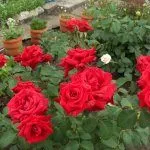
Lobularia is blooming again
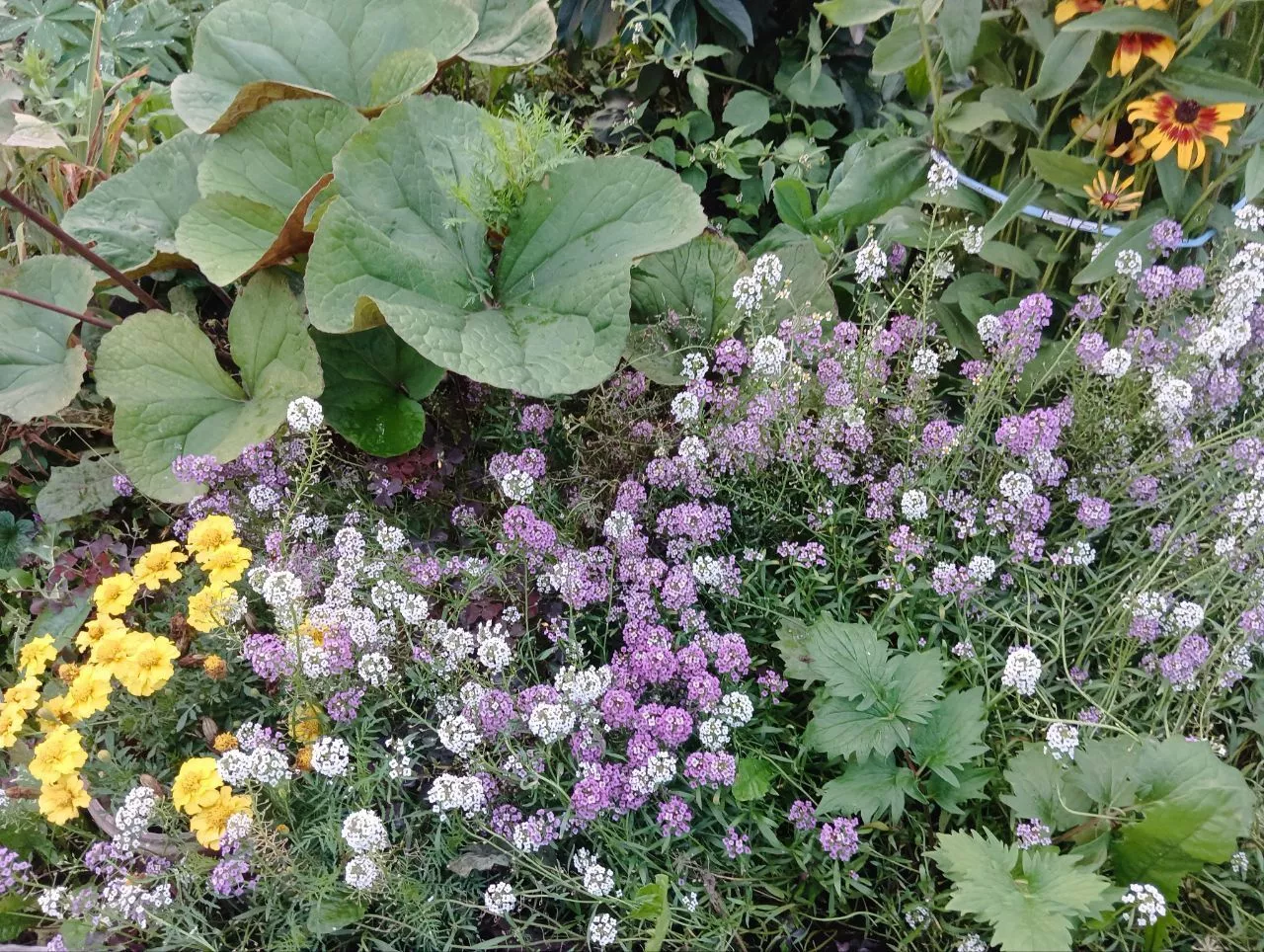
Lilac, white, colored,
The scent floats through the garden
Filling the air with sweet honey.She is inconspicuous among other flowers,
She is nothing compared to roses and hydrangeas,
But she was able to charm me with her beauty
And I have no complaints about her.
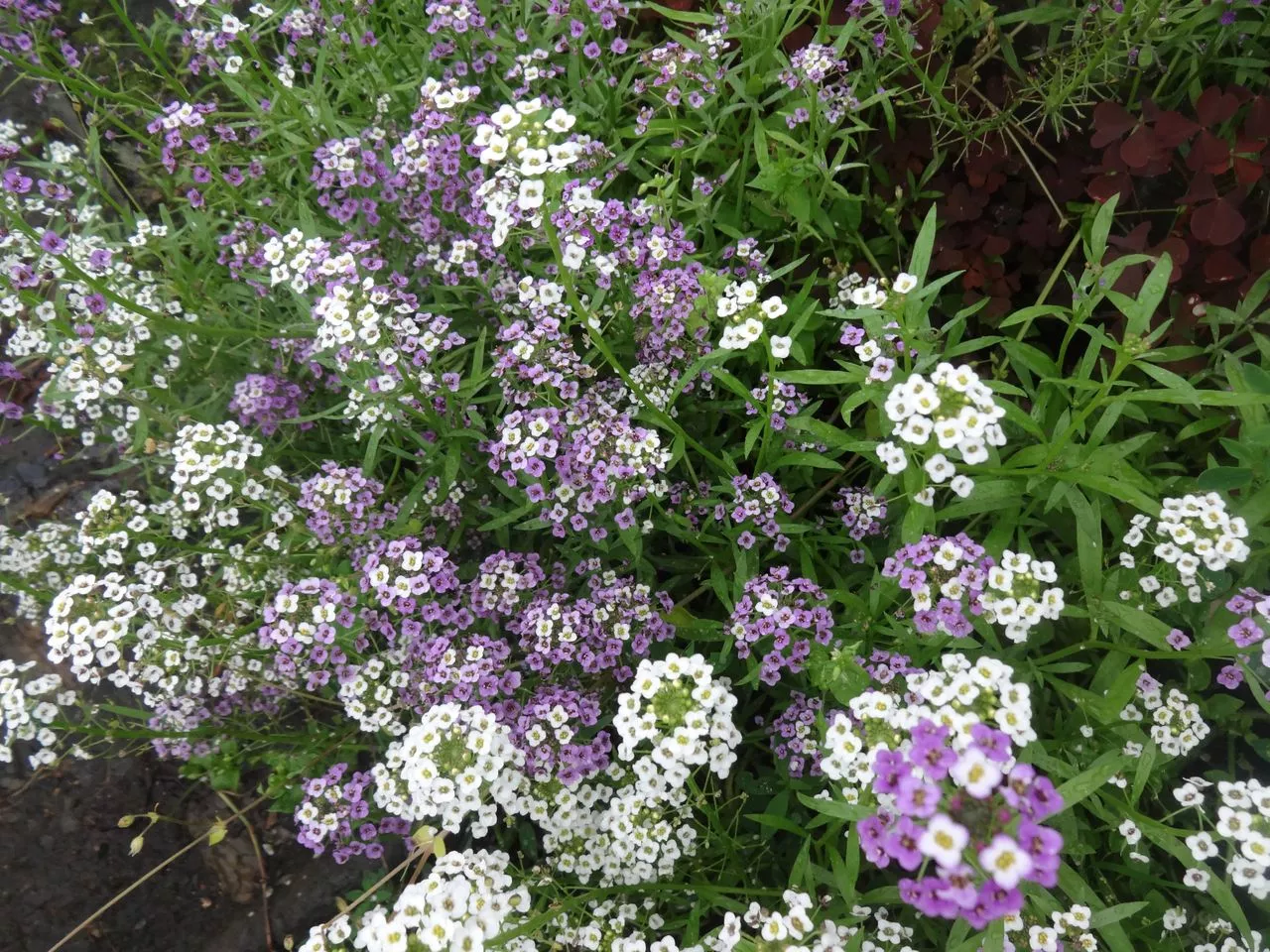
Lobularia is an annual, herbaceous, vigorous, low-growing plant belonging to the Cruciferae family. Lobularia can brighten any corner of your garden. It grows quickly, its slender stems trailing along the ground and entwining the surrounding area.
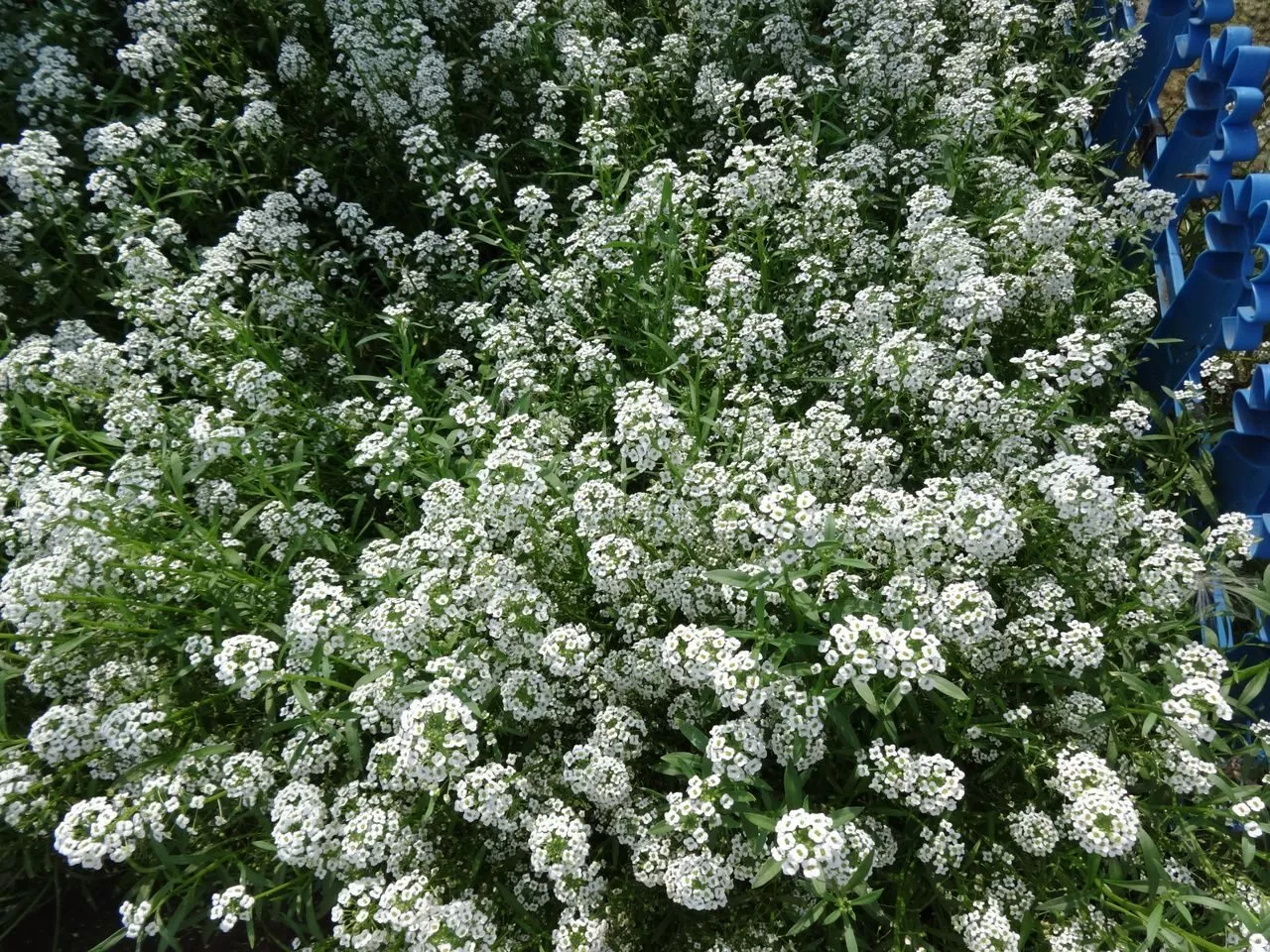
The flower's leaves are narrow, with a pointed tip, small, green in color, and there are many of them on the stem.
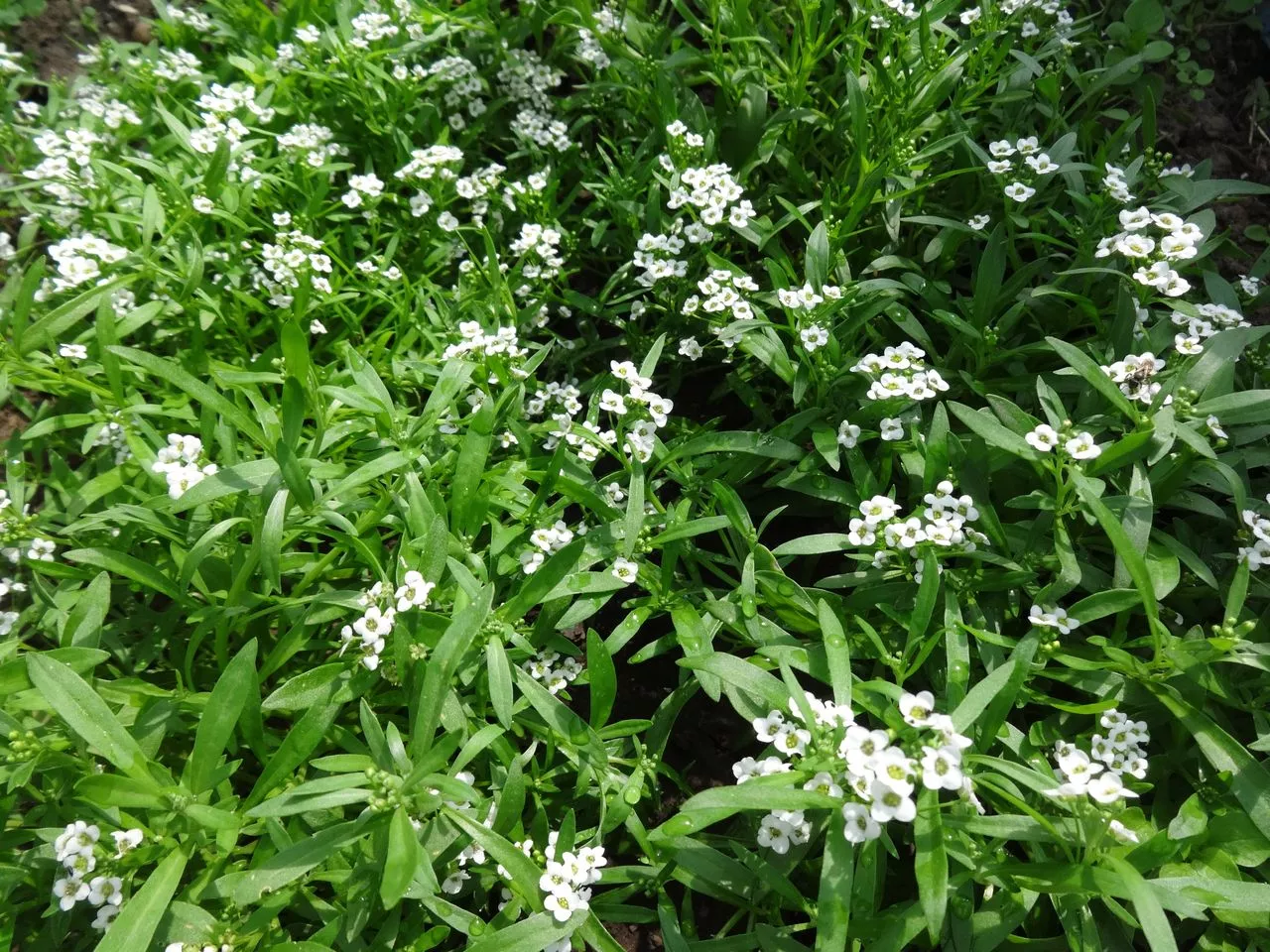
The inflorescences are racemose with small, simple flowers with four petals. The flowers come in snow-white, pink, and lilac. The flowers are very fragrant, smelling like honey. The plant attracts bees and is considered an excellent honey plant.
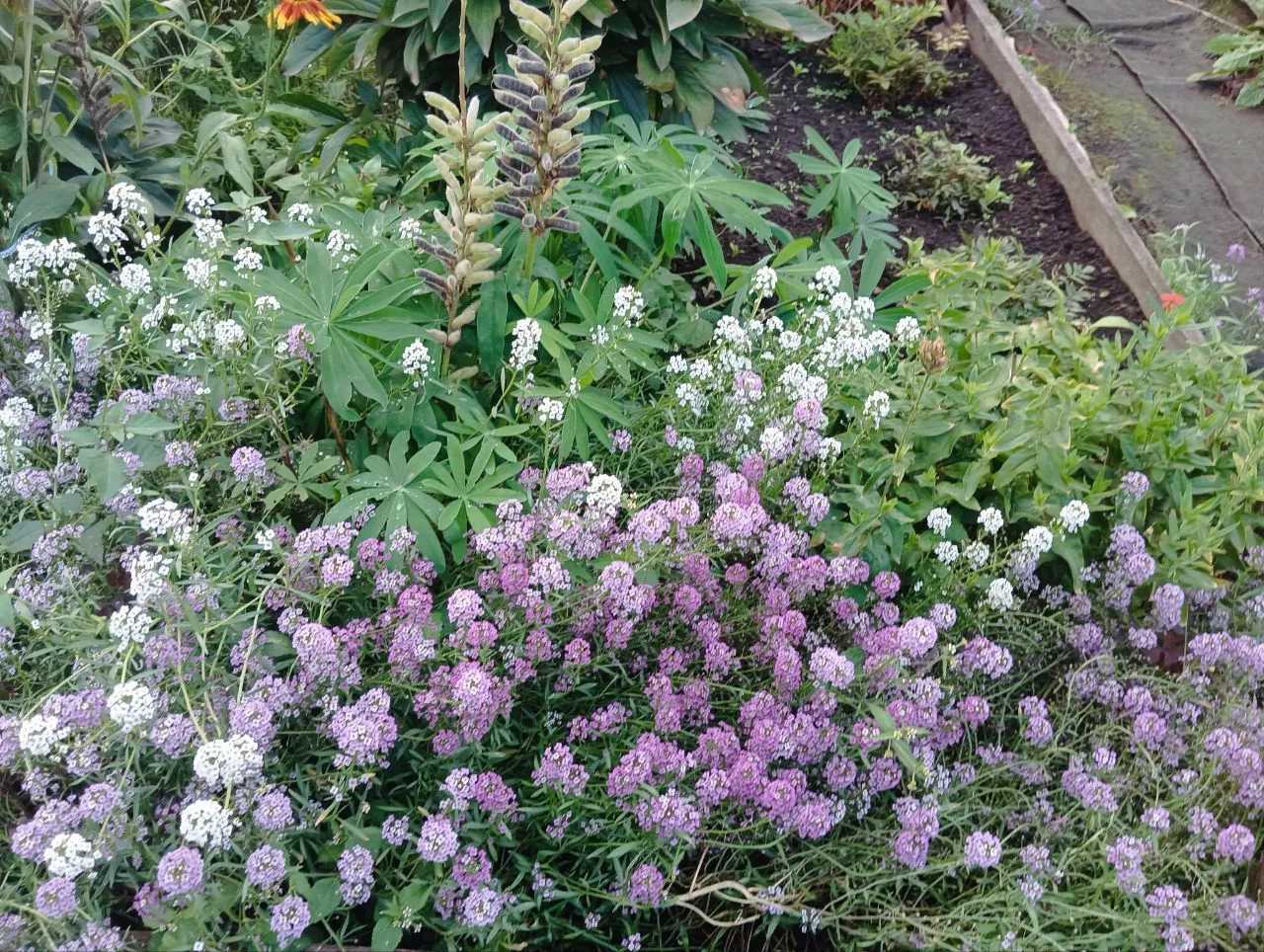
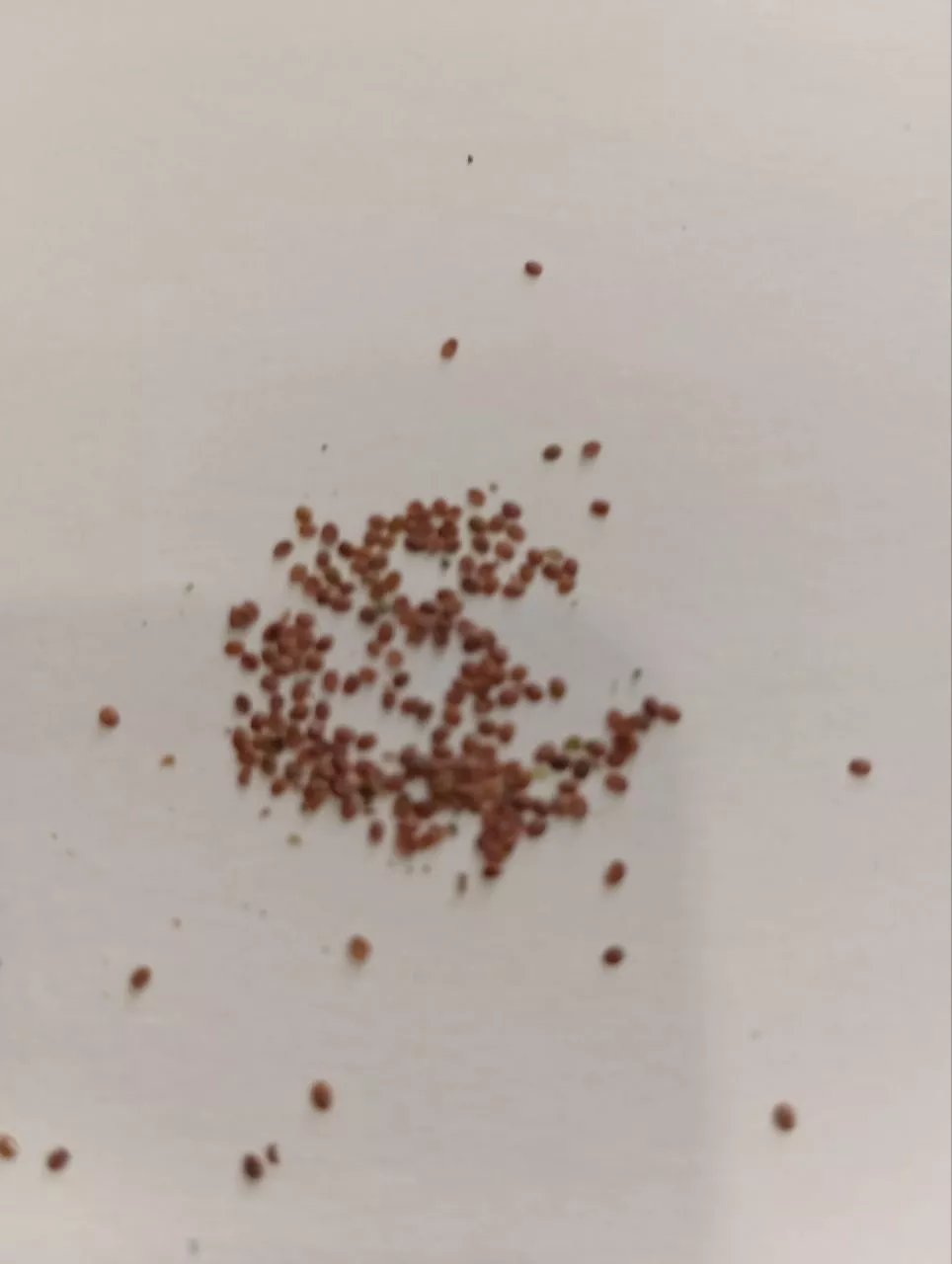
Lobularia blooms from May until the frosts, when it finishes blooming, the stems are covered with tiny seed pods and the flowering is no longer so abundant.
The seeds are very small and brownish in color.
If you trim the bush, the stems will quickly grow back and flowers will appear.
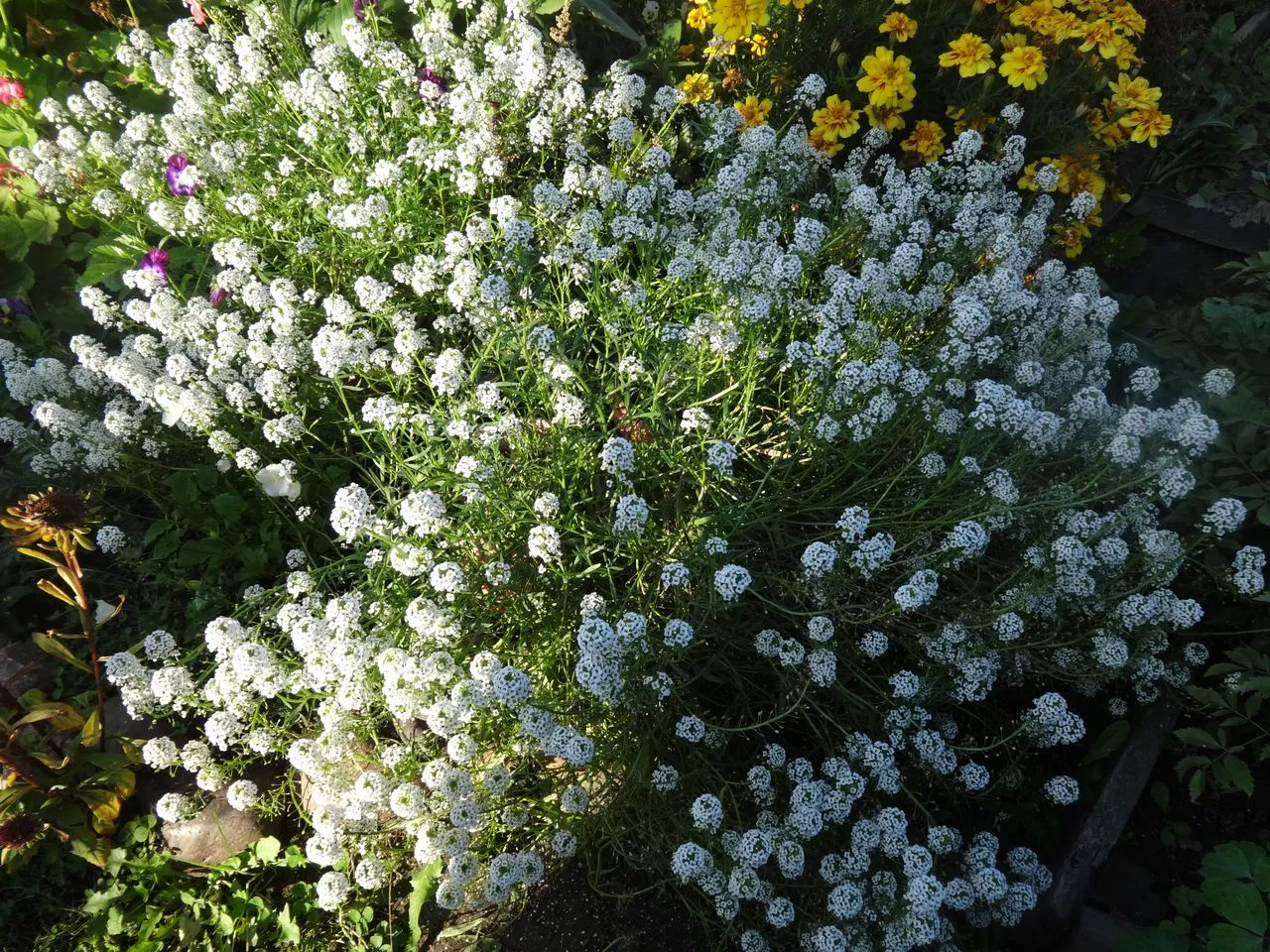
I also have lobularia growing at my dacha, along the edges of paths, between the stones that surround the flower beds.
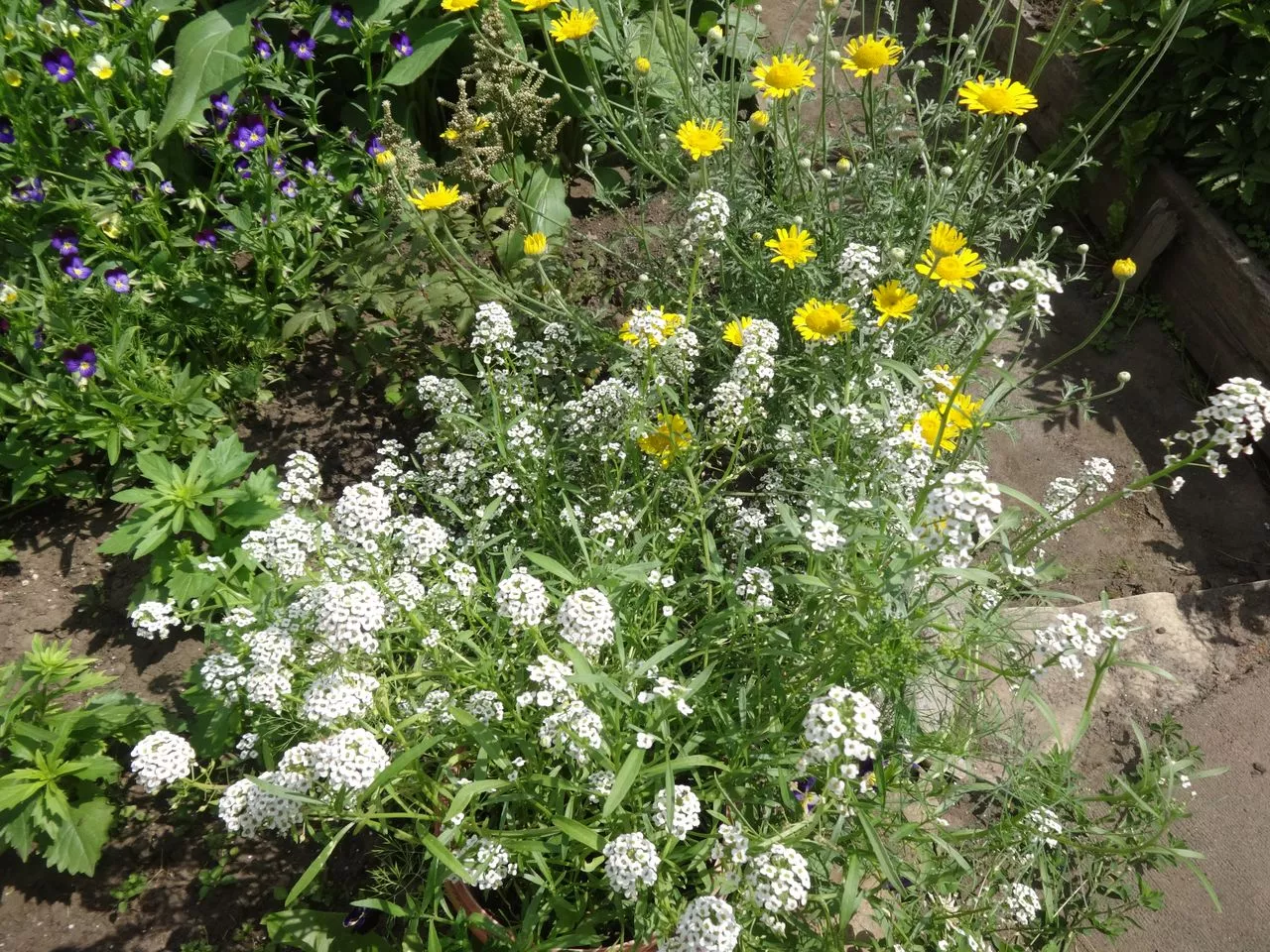
Several flowers can be planted in a pot or a flowerpot. Lobularia will beautifully twine around the pot, towering over the flowerbed.
To ensure early flowering, seeds should be sown for seedlings in mid-March or April. They can be sown outdoors in mid-May. I sow a small amount of seeds in a box in April, and they grow in a greenhouse. At the end of May, I plant the seedlings outdoors.
Lobularia reproduces by self-seeding, seedlings appear everywhere - in flower beds, on paths, between stones, I remove some, and transplant others to other places.
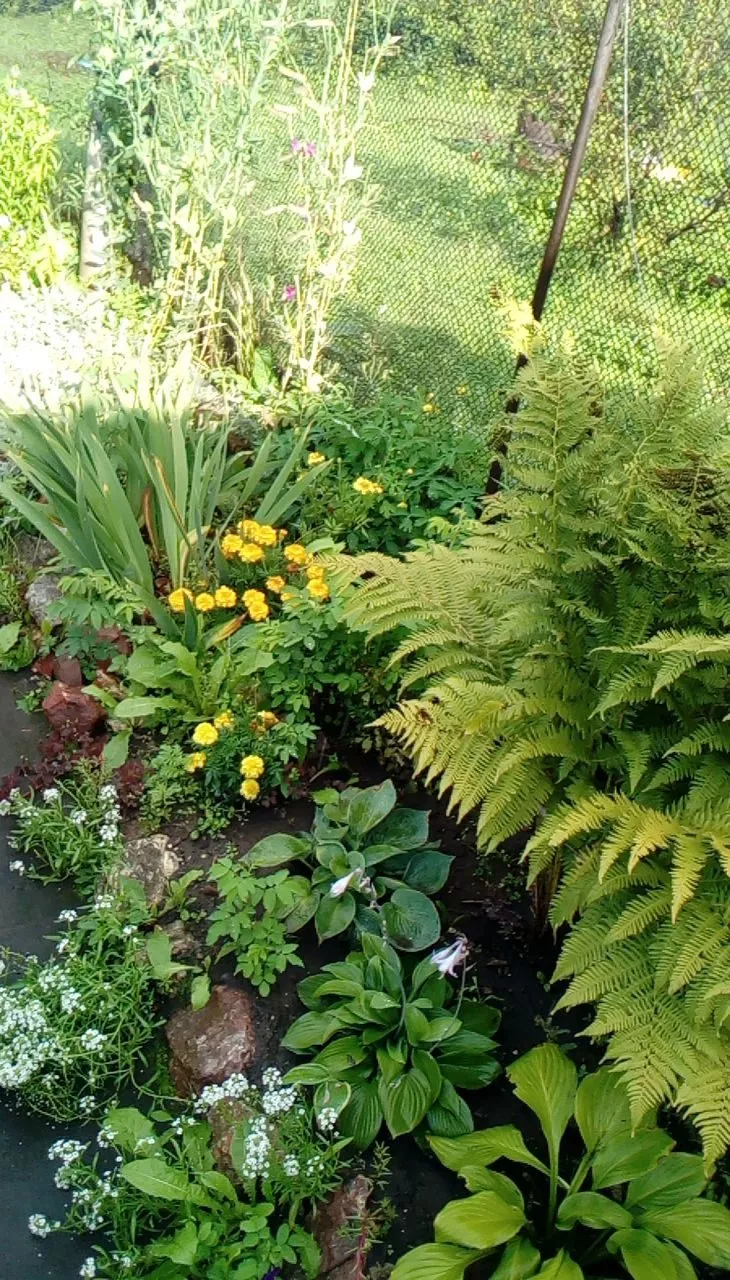
This flower loves the sun, so if you want it to bloom profusely, it's best to place it in a sunny spot and give it at least a little attention.
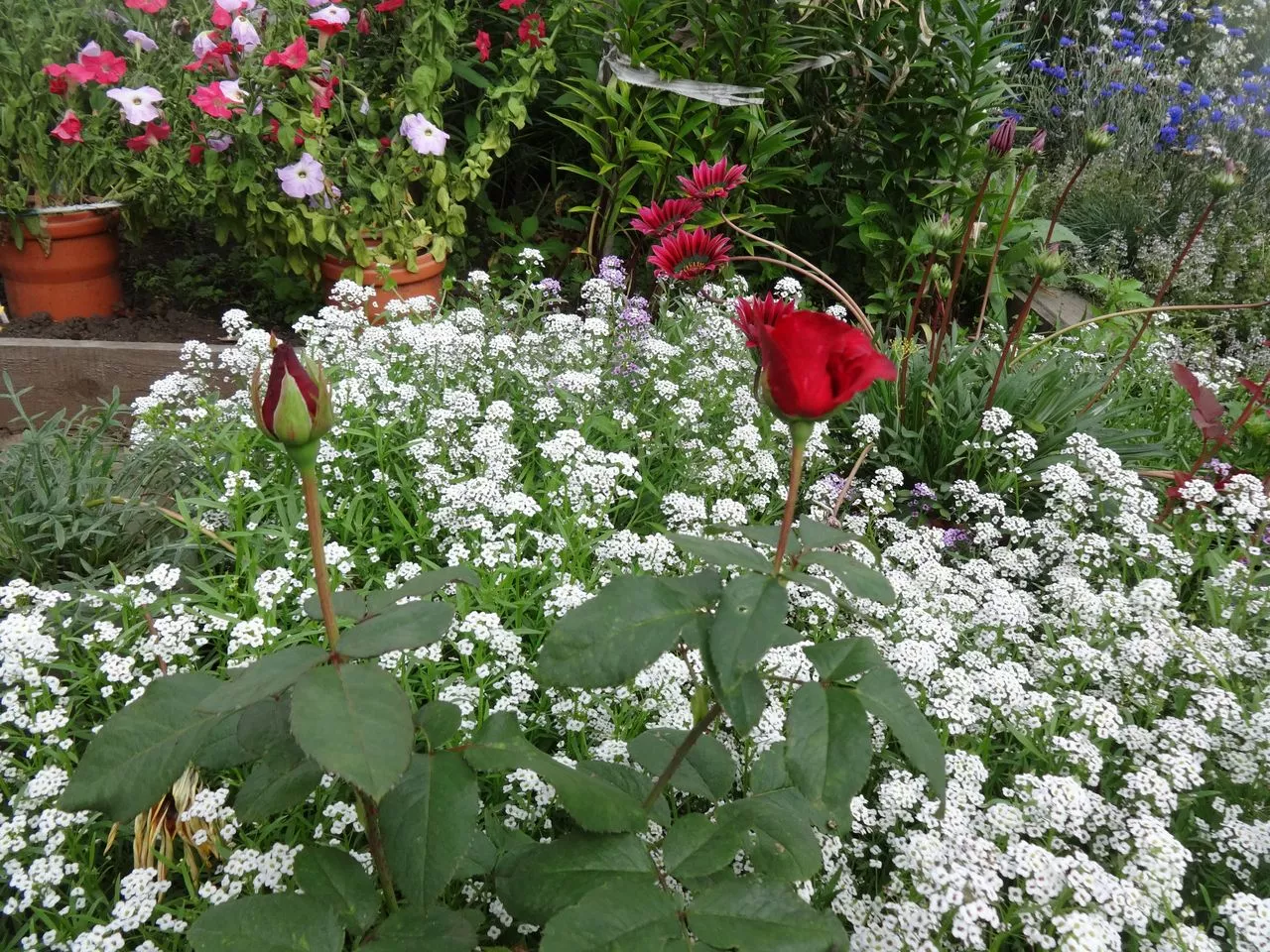
You can add humus or flower fertilizer to the seedlings. I don't bother too much; my Lobularia grows naturally, and it gets plenty of nutrients from the soil.
If it's too hot, I water it periodically and remove weeds. I prune it in midsummer, when the flowering season is winding down. After pruning, water the plant thoroughly, and it will quickly grow new shoots.
I grow white and lilac Lobularia. The lilac-flowered Lobularia is the "Eastern Nights" variety; I've been growing it for two years.
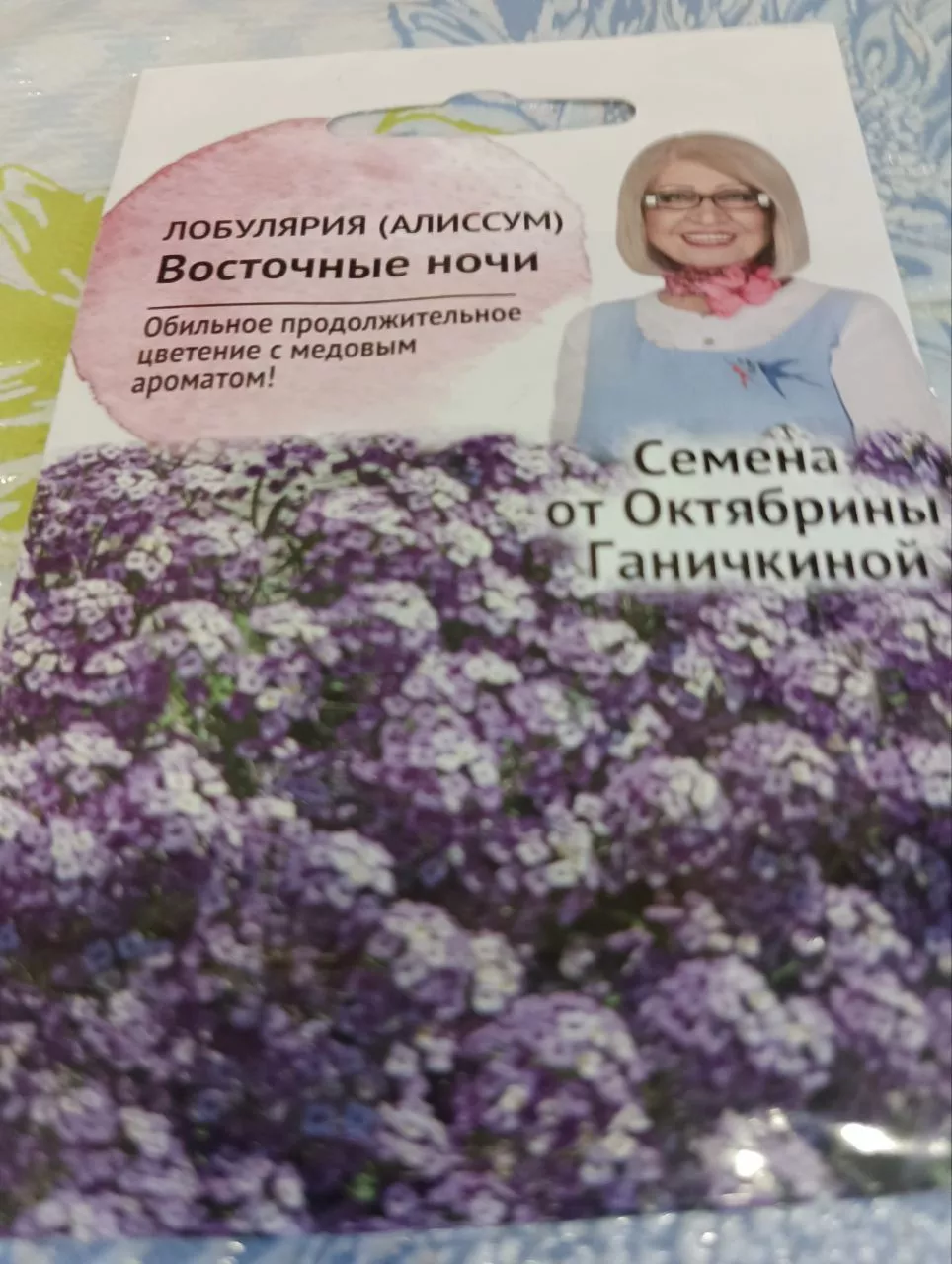
Bright, elegant flowers, some inflorescences contain both white and lilac-pink flowers.
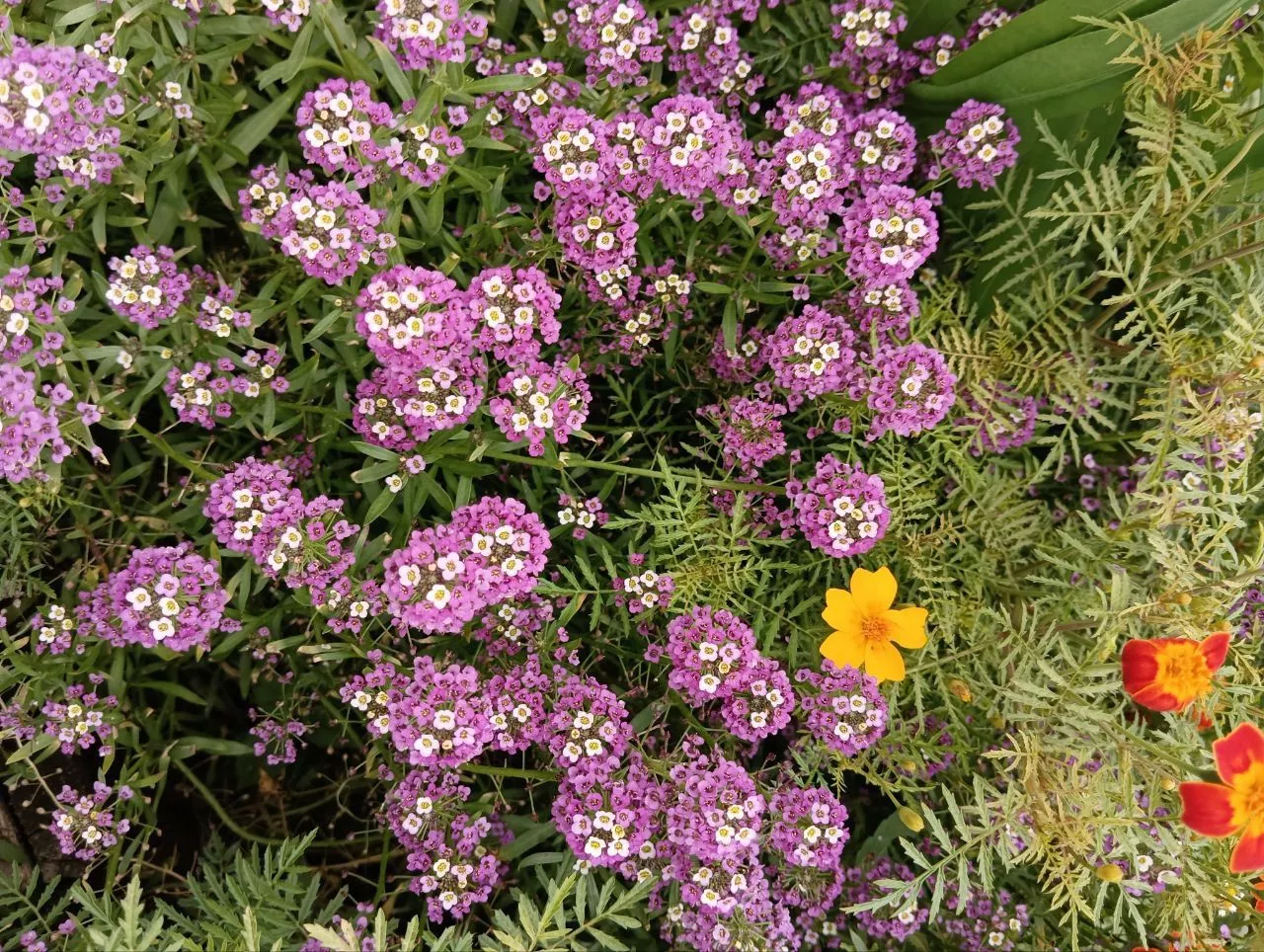
The variety of the white-flowered lobularia is unknown. I bought it as a seedling at the market. I haven't bought seeds since; they sow themselves.
Many gardeners call lobularia alyssum; even the seed packets are labeled as alyssum. But alyssum has yellow flowers. Meanwhile, breeders are constantly developing new varieties of lobularia, with burgundy, red, and purple hues.
Congratulations! You're a poet!