
Liatris has bloomed in my garden,
It shines brightly like a candle,
He is so beautiful, fragrant,
I wouldn't burn the bees in the heat of the moment.After all, they are swarming over him,
They drink nectar and hum merrily.
And the star burns under the summer heat,
Warm rains are making noise above her!
I want to tell you about a perennial flower that simply stole my heart. It's Liatris, a perennial ornamental plant from the Asteraceae family. This easy-to-grow flower can brighten any corner of the garden during its blooming period. Its tall stalks—inflorescences with numerous buds and shaggy, dark pink flowers—open from the top of the stem downwards, resembling a burning candle.
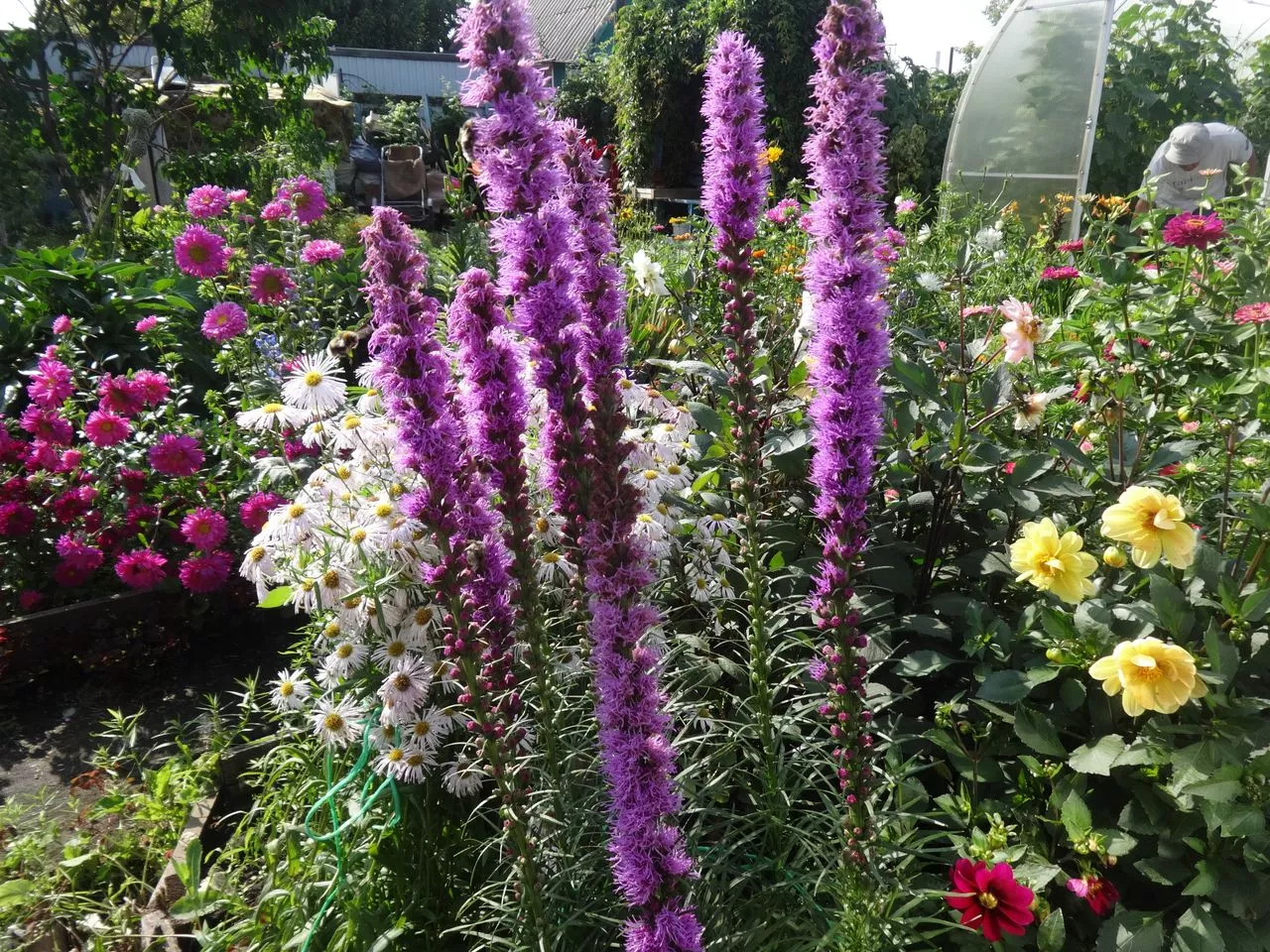
Bright, fragrant flowers attract bees and bumblebees, butterflies and other bugs.
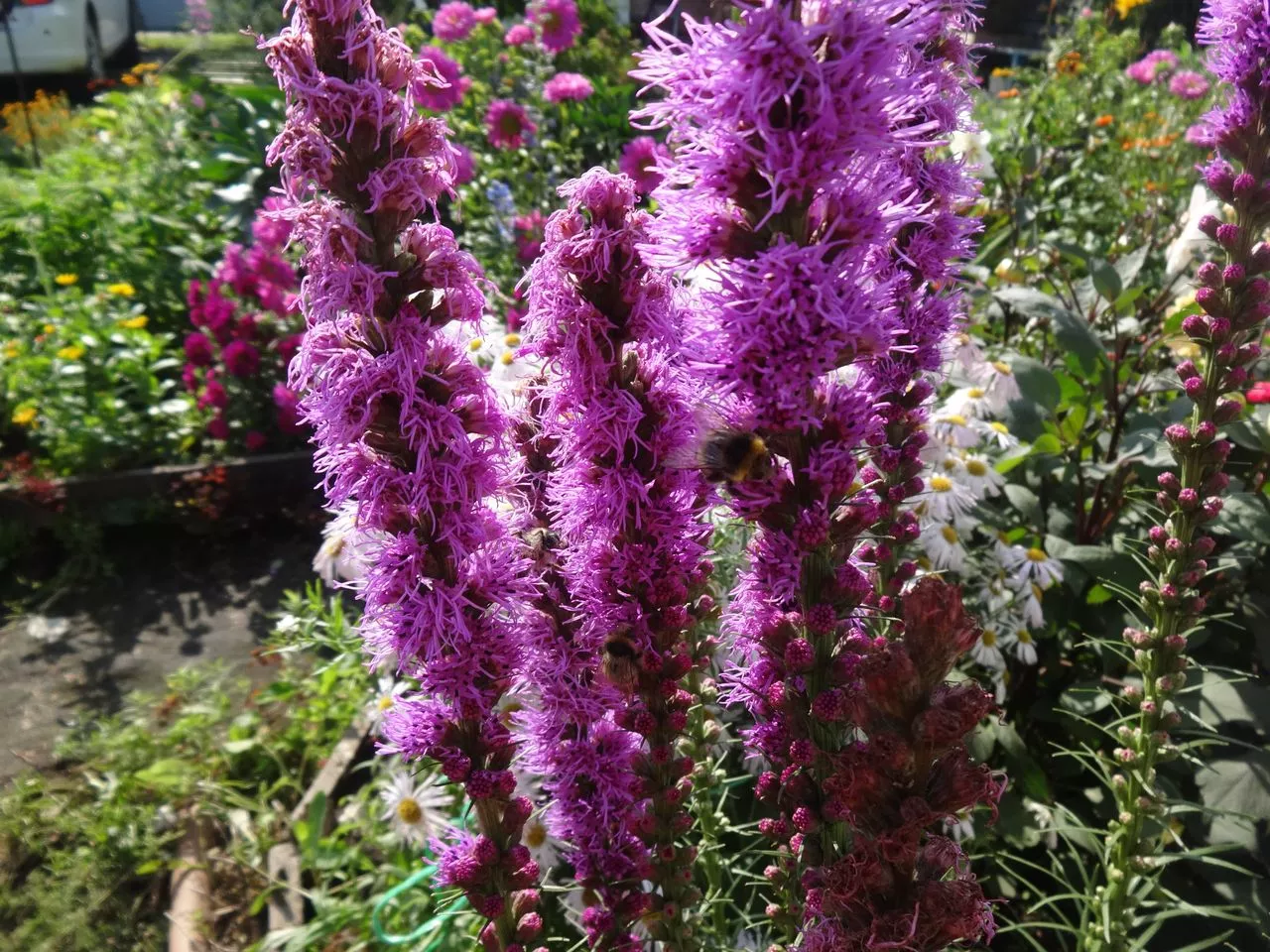
Liatris is a honey plant. It's believed that if you dry a sprig of liatris and place it in a closet, moths will avoid your home.
There are species and cultivars with flowers of various colors—white, pink, lilac, red, purple. I dream of planting colorful varieties at my dacha. Liatris is easily propagated by seed, but I haven't found any in our local flower shops. The tubers of this plant are also available.
I bought my liatris in a pot, a single sprout; it was the last one on sale, the most puny one. Transplanted from the pot into the flowerbed, it quickly began to grow and delighted me with its first bloom that summer—I threw it away and lit one strong candle.
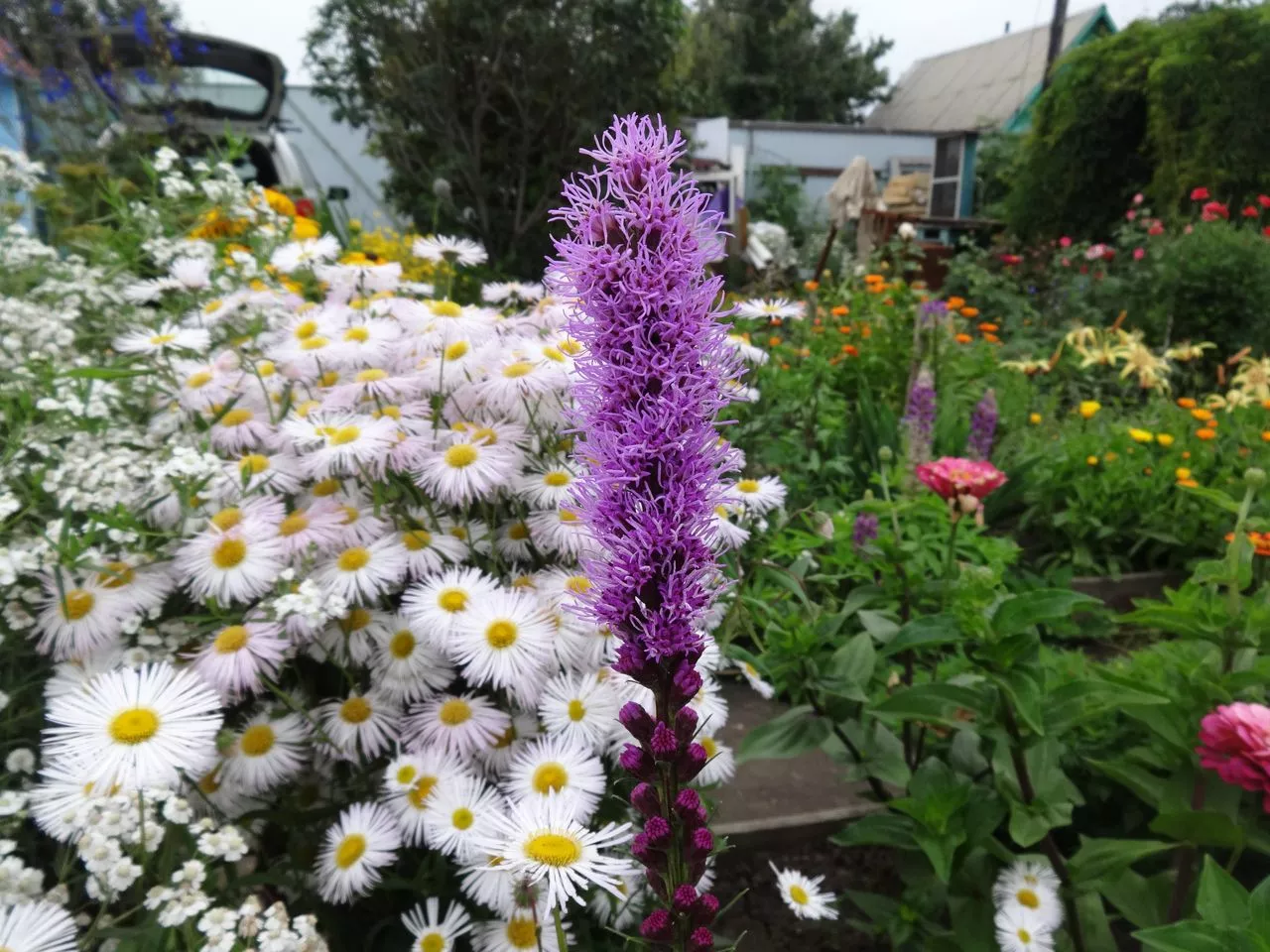
The liatris bush is neat, the leaves are green, linear, the inflorescences are tall, strong.
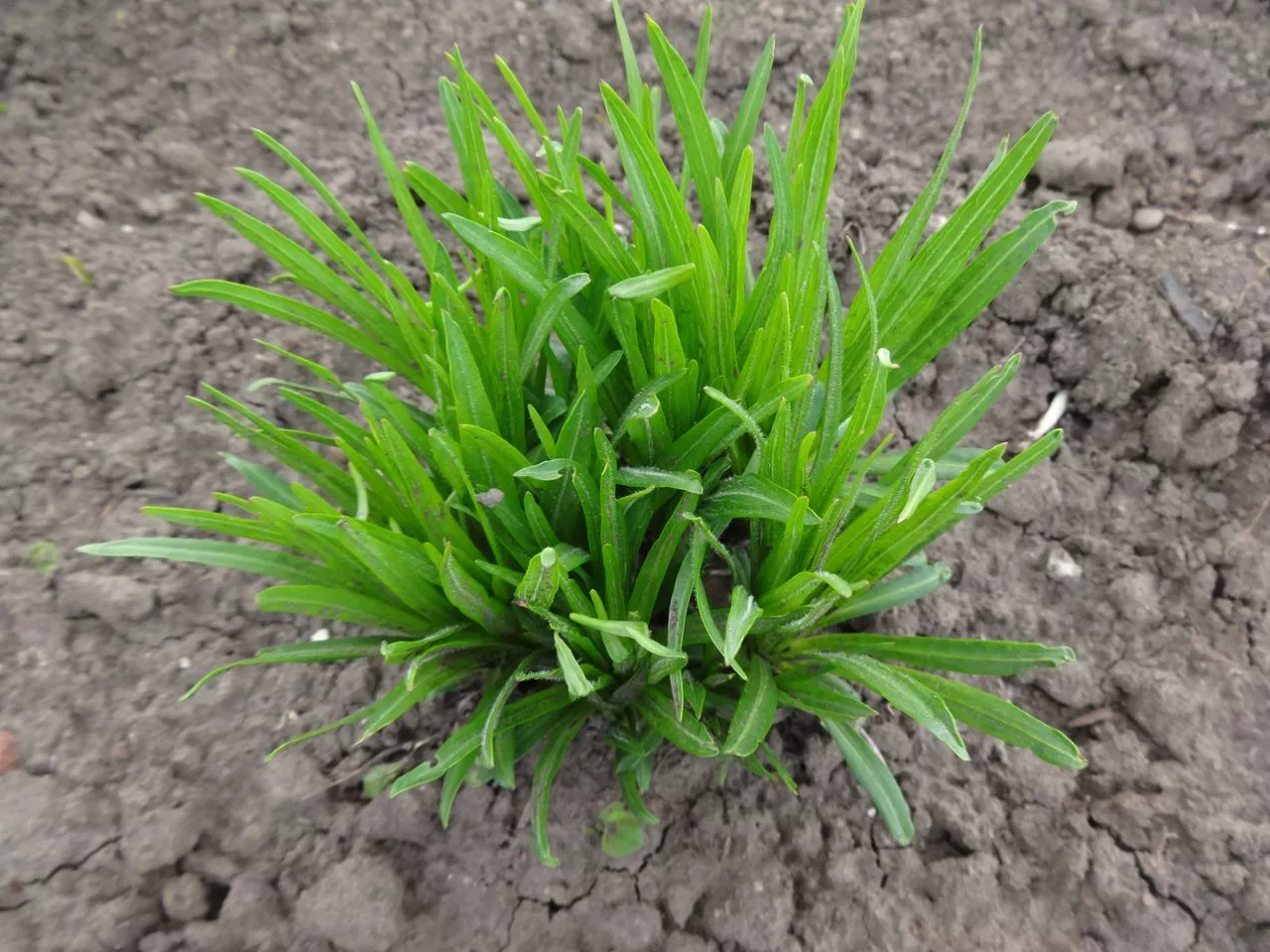
It doesn't require much care. It grows and blooms very well in a sunny spot, with blooms lasting about a month and a half.
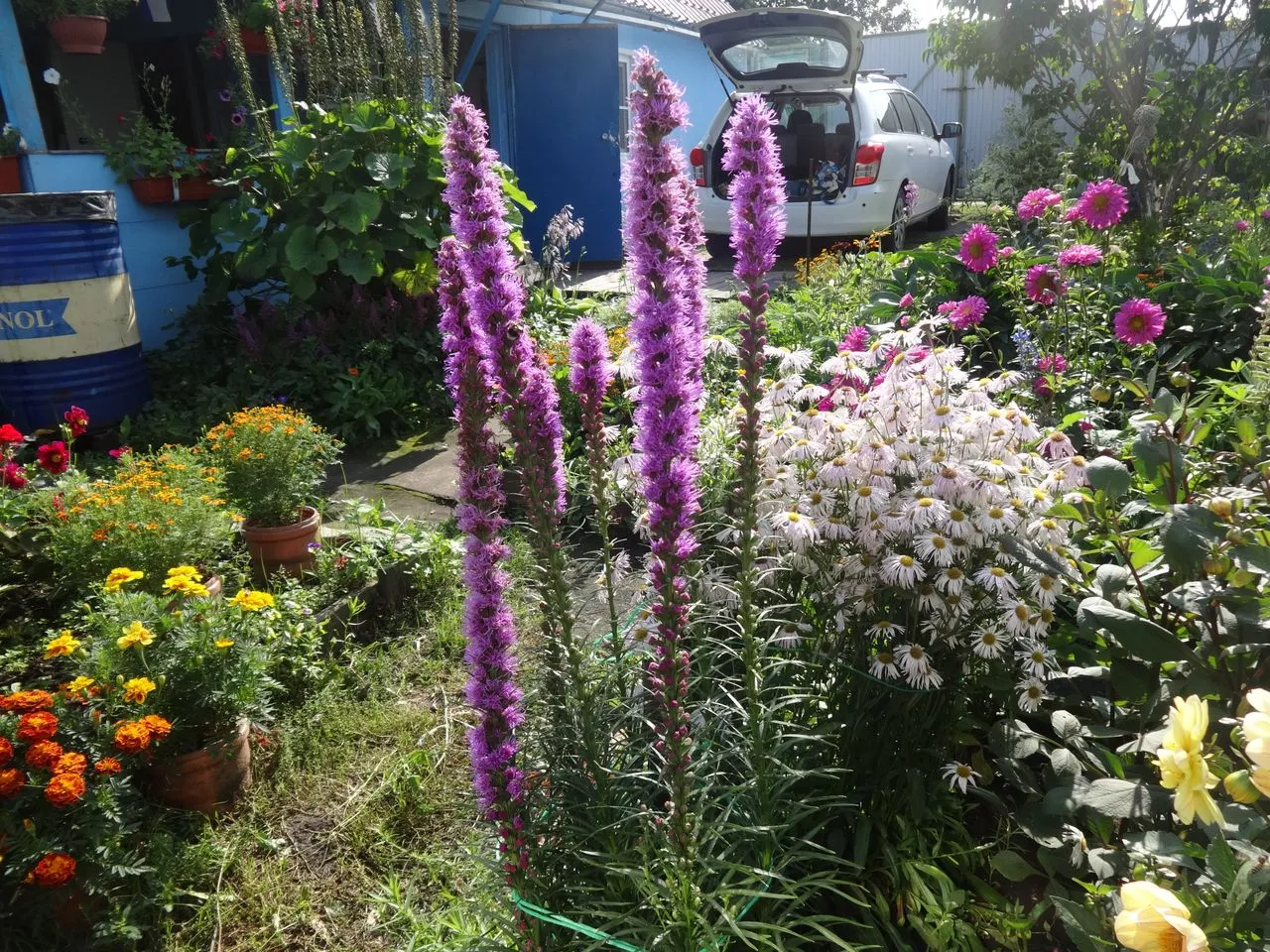 It needs to be watered moderately; it doesn't tolerate stagnant water well, especially spring floods, which can keep the soil from drying out for a long time. Constant moisture can cause the plant's tubers to rot. Here in Krasnoyarsk, the first shoots appear in mid-May.
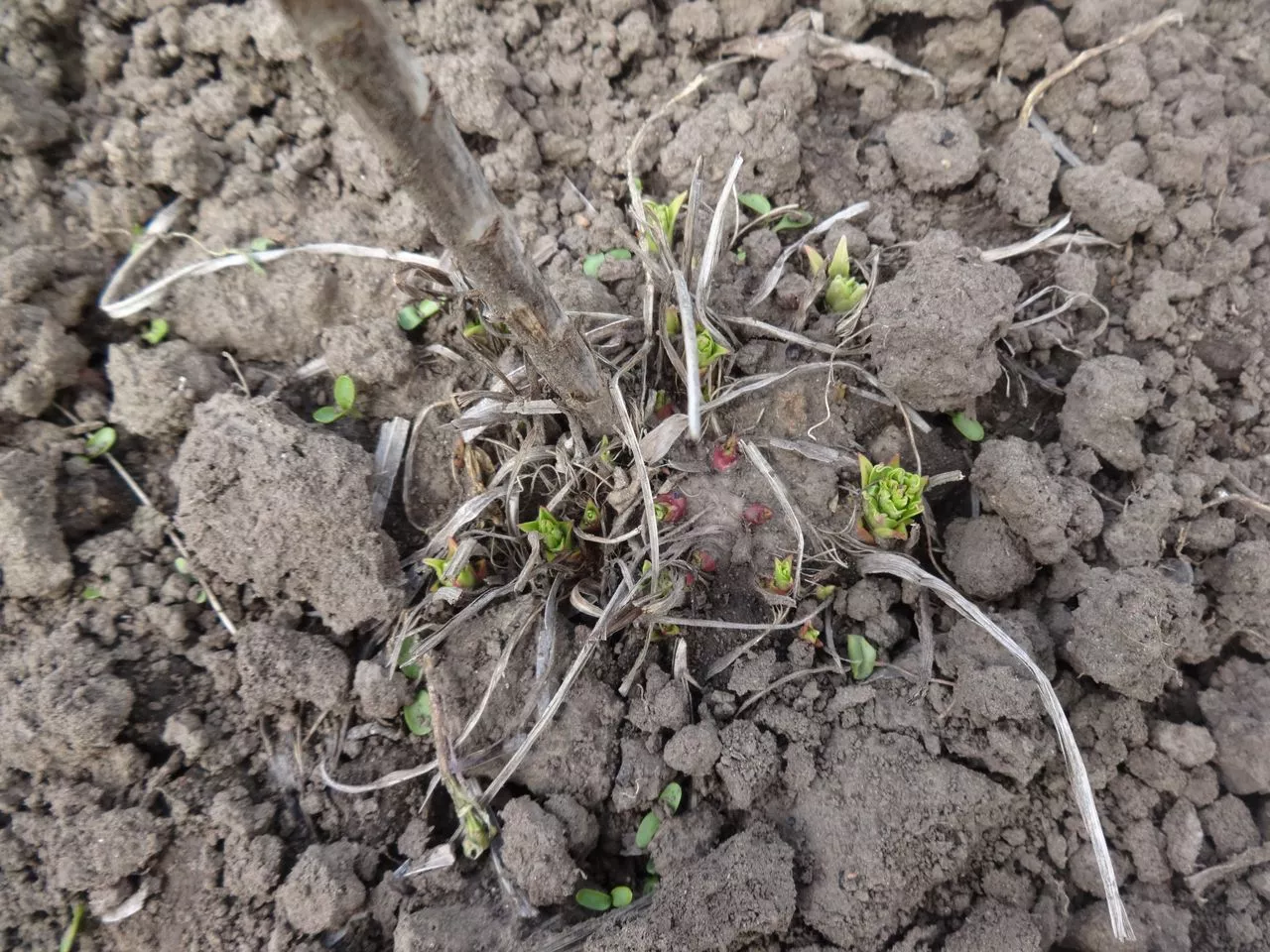
The plant doesn't require regular feeding. It's recommended to fertilize it once in early summer with a complex mineral fertilizer. Adding manure or compost to the plant is not recommended, as over-fertilized tubers will grow rapidly, become loose, and will not survive the winter well.
What should you do with liatris in the fall? All faded flower stalks should be cut off, and the bush should be mulched with a layer of compost, dried leaves, or peat. During harsh winters, you can cover the young plant with a covering material.
My liatris is still very young, planted two years ago, it has already survived two winters without cover, probably it needed to be covered, since the bush froze slightly and only two shoots emerged in the spring.
This spring (2022), the flowers at our dachas froze again - I lost one daylily, and I never saw its large, double flowers again.
The bellflowers were almost gone, and the new seeds I bought in the spring didn't sprout. Some of the lilies were gone, and my favorite astilbe bush froze. The tulips barely sprouted in the spring; all the new varieties froze, and the bulbs rotted. I allocated a new spot for the tulips in the fall, but didn't see a riot of blooms in the spring. I had to camouflage the empty space by adding two pots of feathery carnations and planting white alyssum.
In May, I planted new perennial flowers again - veronica, astilbe, hydrangea, aster, grass pink and planted annuals in the flower beds.
And so every year, some flowers disappear, some new ones are acquired.