
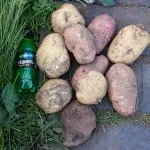
I'd like to tell you about our village vineyard and our experience growing grapes in an urban setting. My grandfather started growing cultivated grapes. Along with sour wine grapes and Isabella, we grew honey-colored white clusters. They were a real treat for us children.
Dad started his own vineyard about seven or eight years ago. It was an experiment, and no one really believed in success, since we had no experience at all in tending it.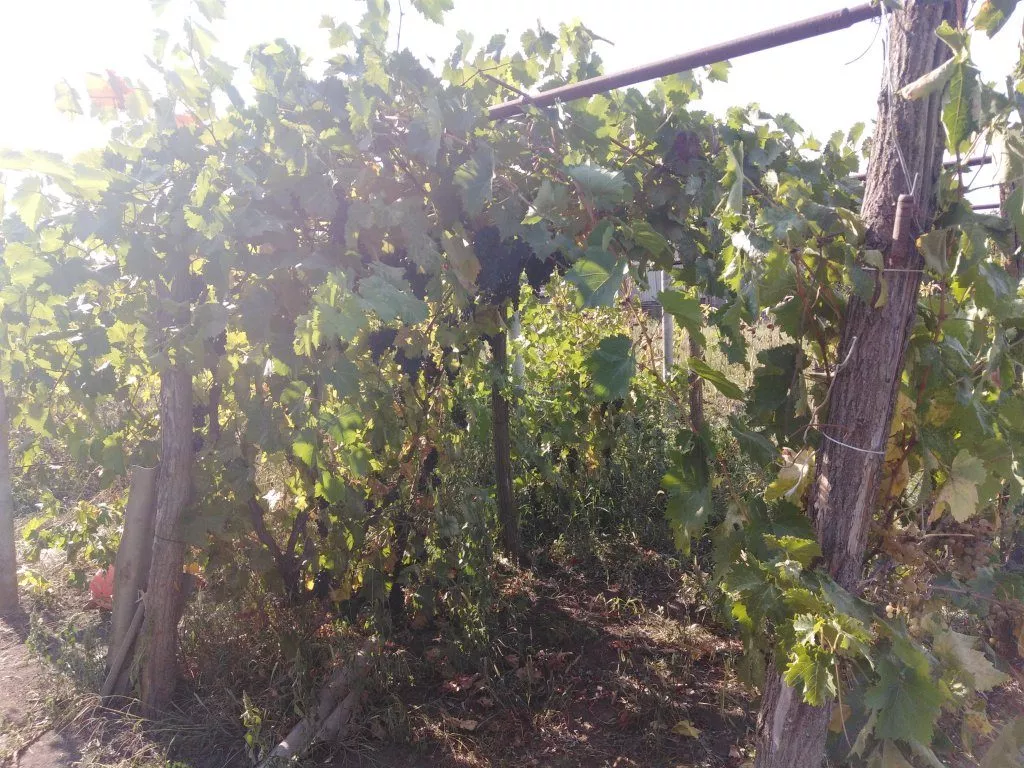
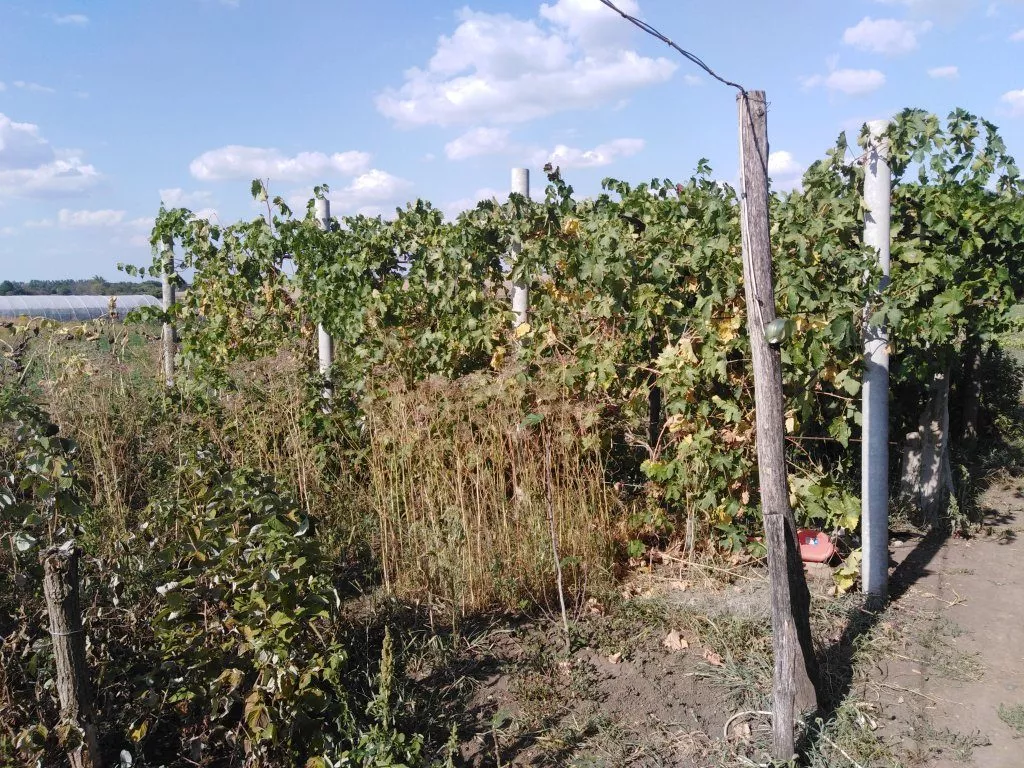
Through trial and error, following the advice and recommendations of experts, and trusting his intuition, my father achieved good results. He currently grows three varieties:
- "Kantemirovsky" white.
- "Lowland" red.
- "Rapture" Black.

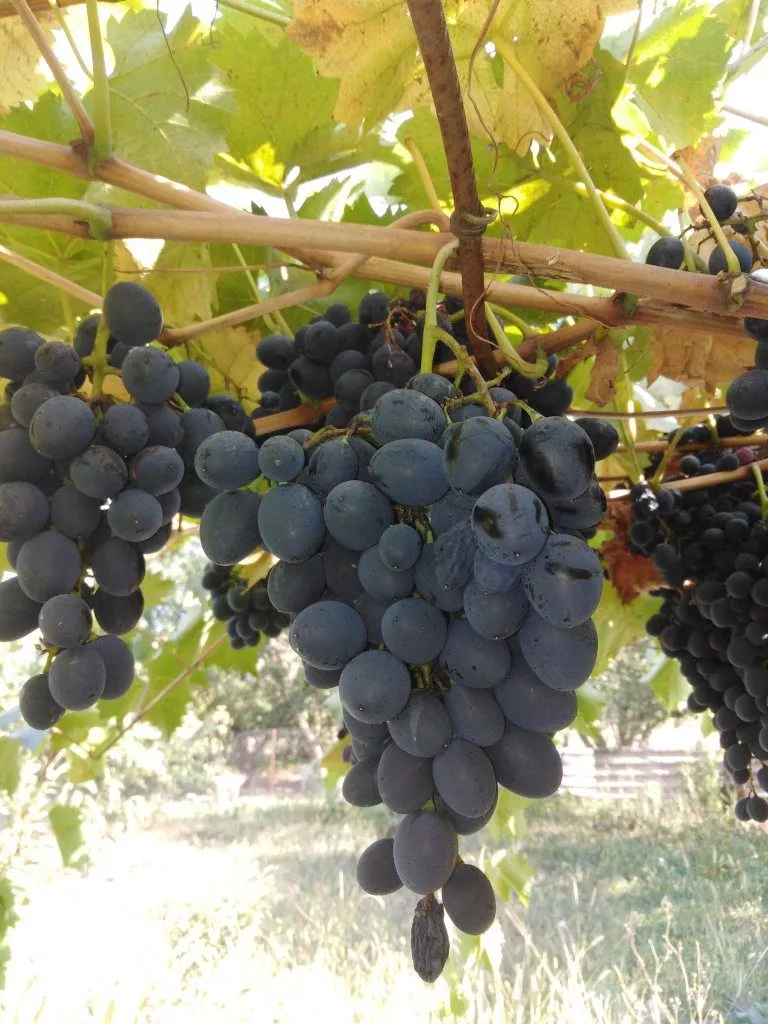
He propagated it using cuttings: he cut the vine and grew it under plastic bottles. Last year, he tried layering. He bent the vine over without cutting it from the bush and covered it with soil. The buried vine took root. In the photo: all the young shoots on the left are cuttings.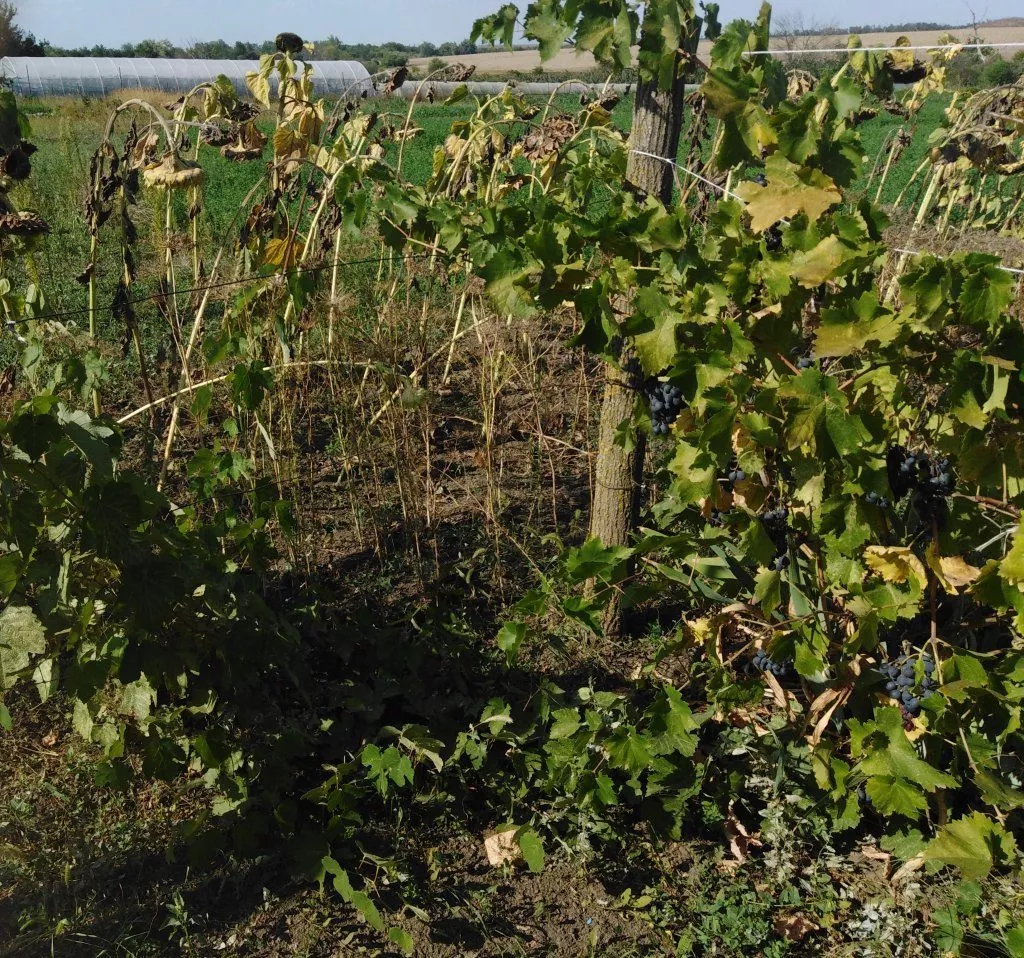
For the winter, carefully roll up the vines and cover them with plastic wrap or laminate flooring. In the spring, when the frosts have passed, uncover the vines and treat them with a ferrous sulfate solution. Dilute it according to the instructions and apply it directly to the vines with a brush.
We fertilize the grapes several times throughout the season, using both root and foliar feeding. In early spring, we apply a complex fertilizer to help the grapes recover from the winter and begin growing. During flowering, we feed the grapes potassium and phosphorus to promote healthy clusters. Phosphorus is also responsible for the grapes' sugar content, so we apply it while the clusters are still green. We also spray Bishofit and Agro-Nova, which contain a complex of additional elements such as boron, magnesium, iodine, and others.
My father monitors the soil moisture in the vineyard and waters the crops. This year, there was very little rain, so we completely moistened the soil with well water, allowing it to settle. We didn't create tree trunk circles, as the experts recommend—there's not enough space, and the care is already quite effective. After all, we're growing for ourselves, not for sale.
Another important aspect of growing cultivated grapes is periodically removing side shoots. Failure to do so can cause them to drain the plant of nutrients and strength, leading to a sharp drop in yield.
My husband and I live in the city. We live in a private home, and my husband adores grapes. We took a few cuttings from my dad and planted them at home. Either from lack of care or our irresponsibility, they died. The following year, we took things more seriously. We didn't take cuttings, but a young vine. We planted them, cherished them, and nurtured them according to all my father's commandments. But it rained after a local chemical plant spill, and the grapes started to get sick. We cut the bunches back to ease the pain.
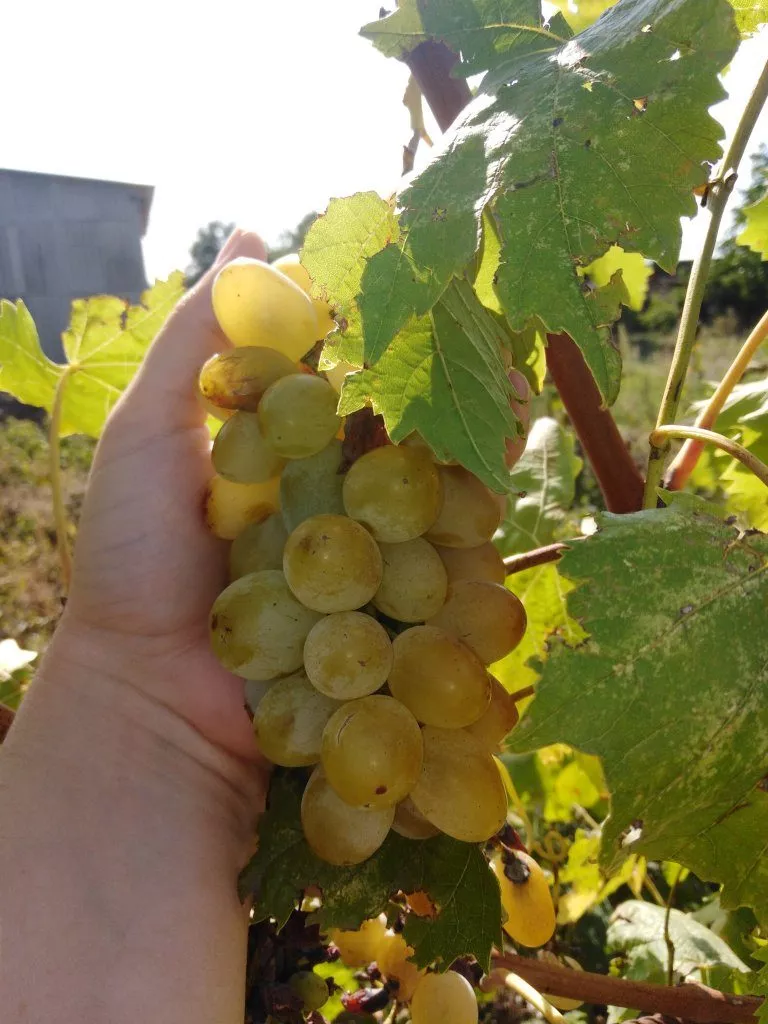
This year we were eagerly awaiting spring. We brought in some black soil and added some topsoil to the bushes. We monitored every feeding and watering. And here's what we got. 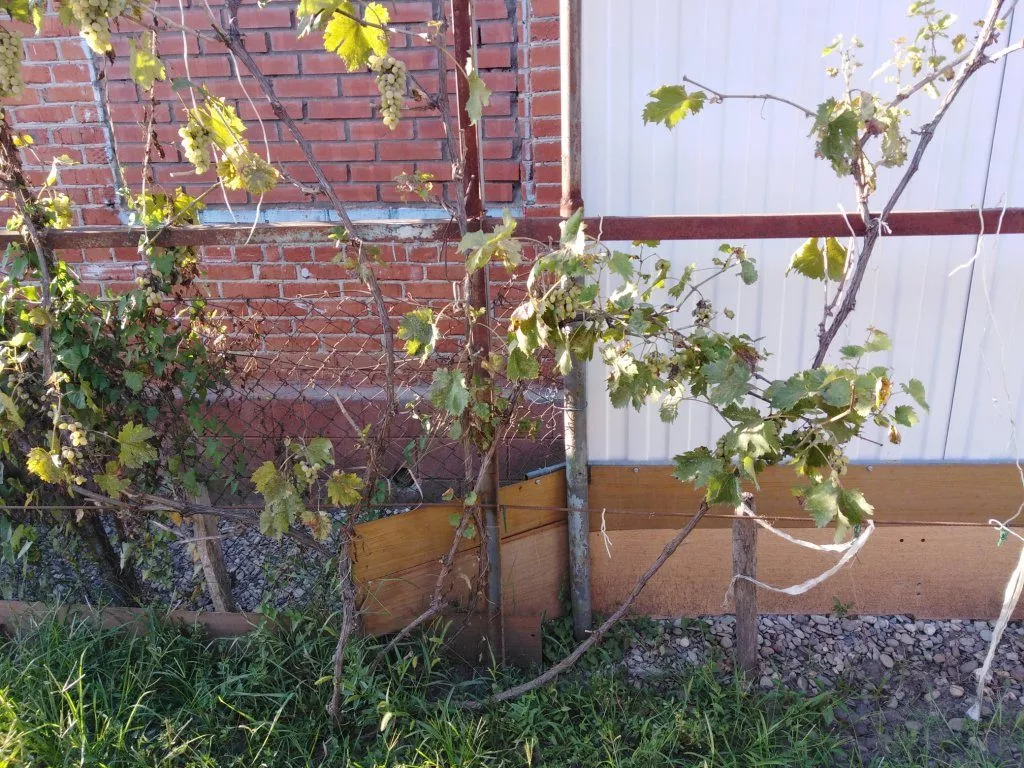
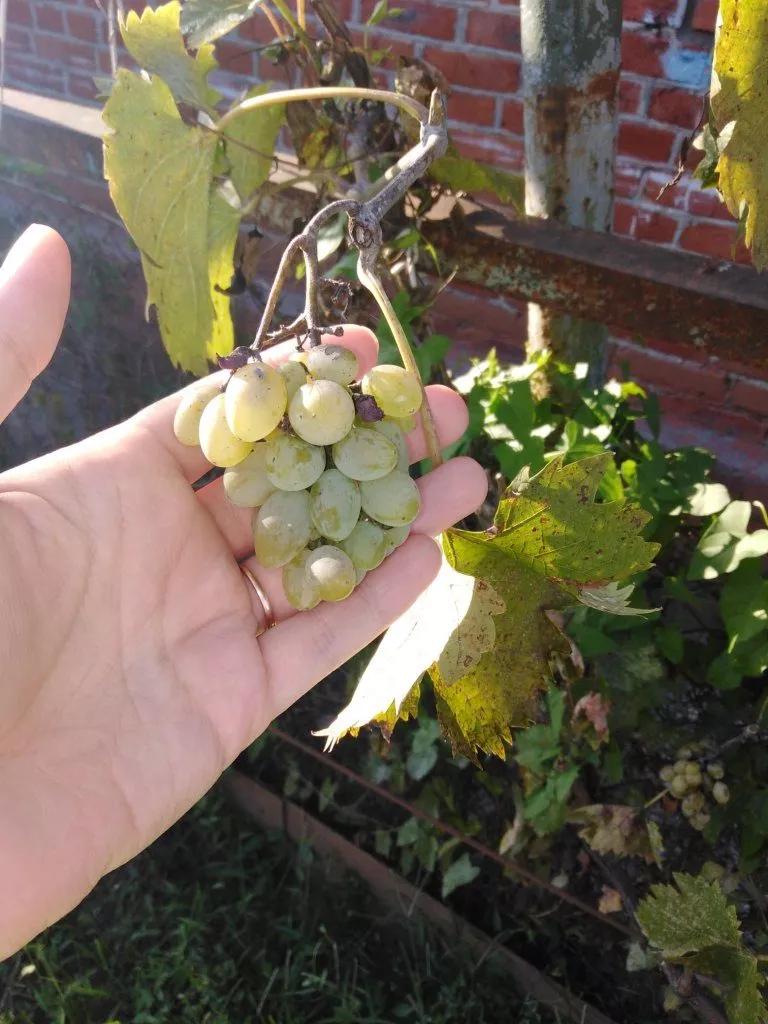
This is the first real harvest of our "Kantemir." For some reason, useful plants and shrubs don't grow as readily in the city as weeds. The photo shows the grass growing during our 10-day absence. During this time, the grapes were only watered—a task entrusted to a neighbor.
I'd also like to build a gazebo and plant Isabella grapes in it. My parents have one at the entrance to their yard. Oh, the smell of those grapes! The beauty and aroma you can smell beneath the vines are indescribable.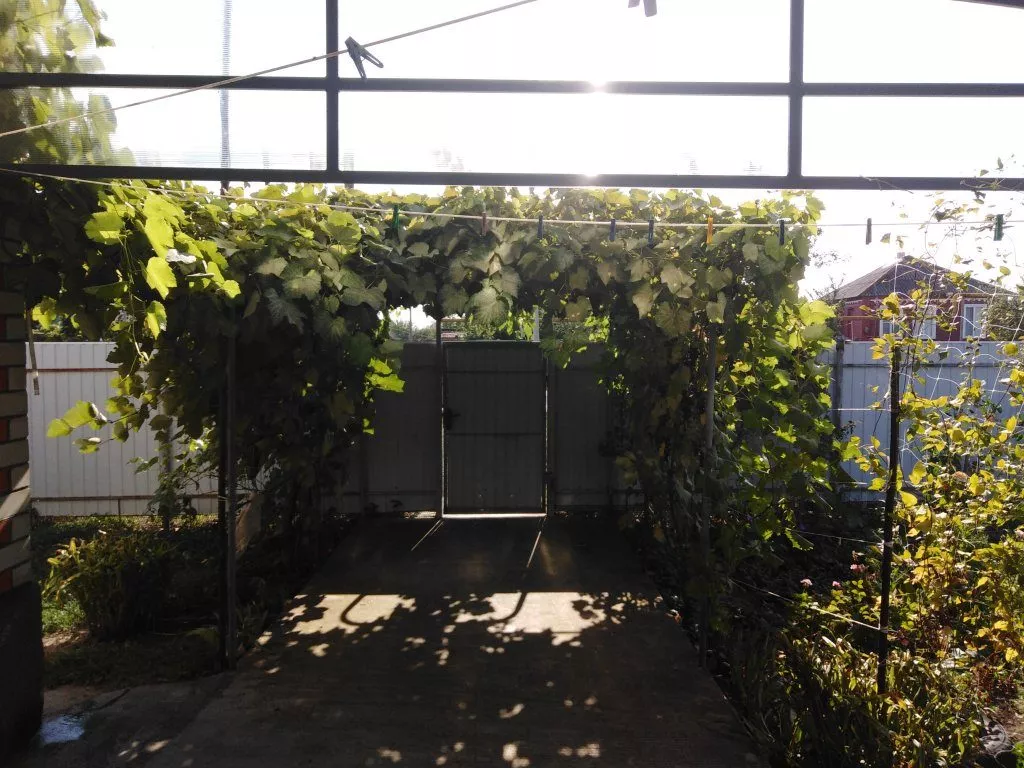
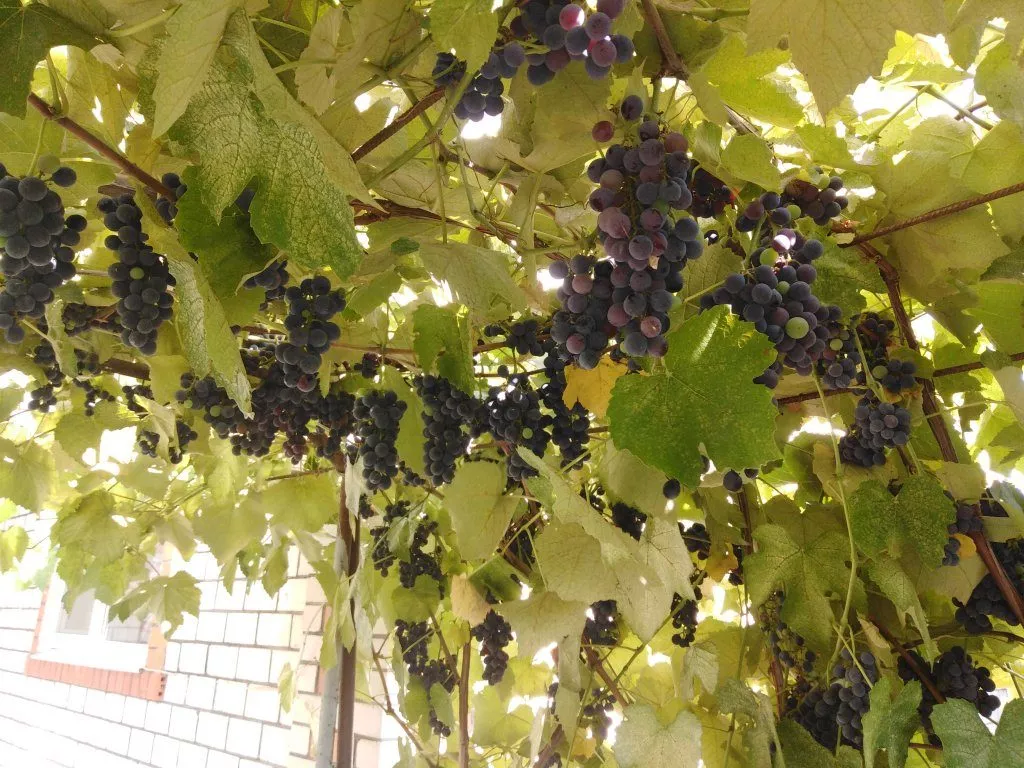
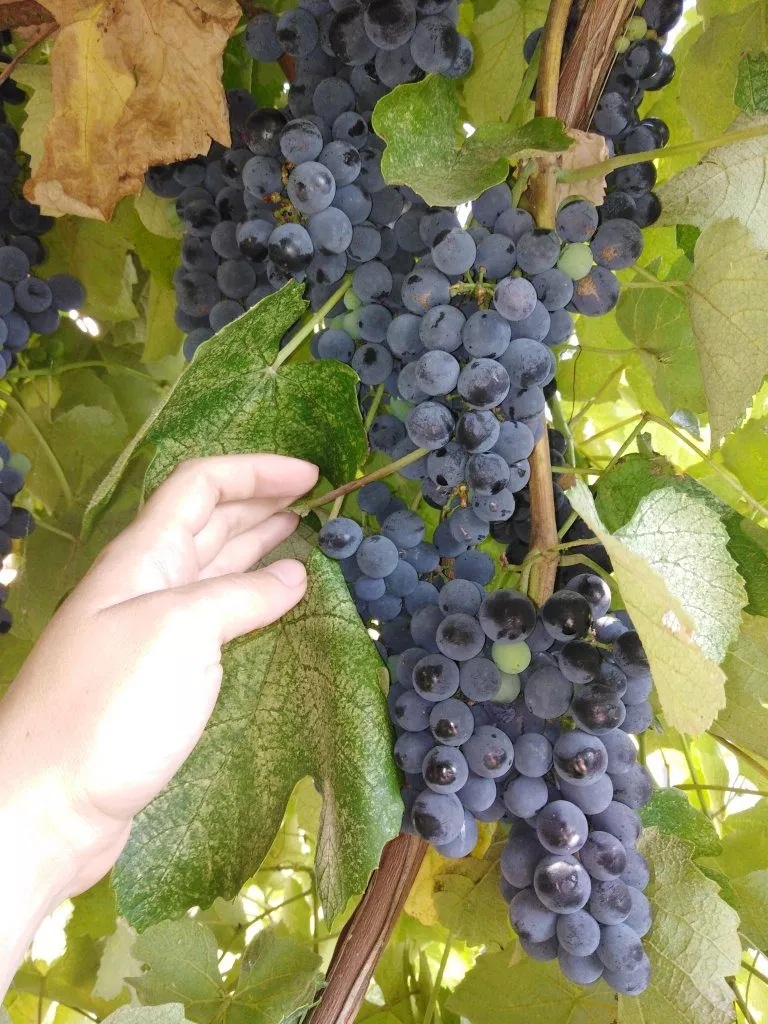
These are the boasts that turned out. Good luck with your grape growing, and may you have a rich, delicious harvest!