

Swollen spots of red, brown and green color appeared on the young leaves of red and white currants.
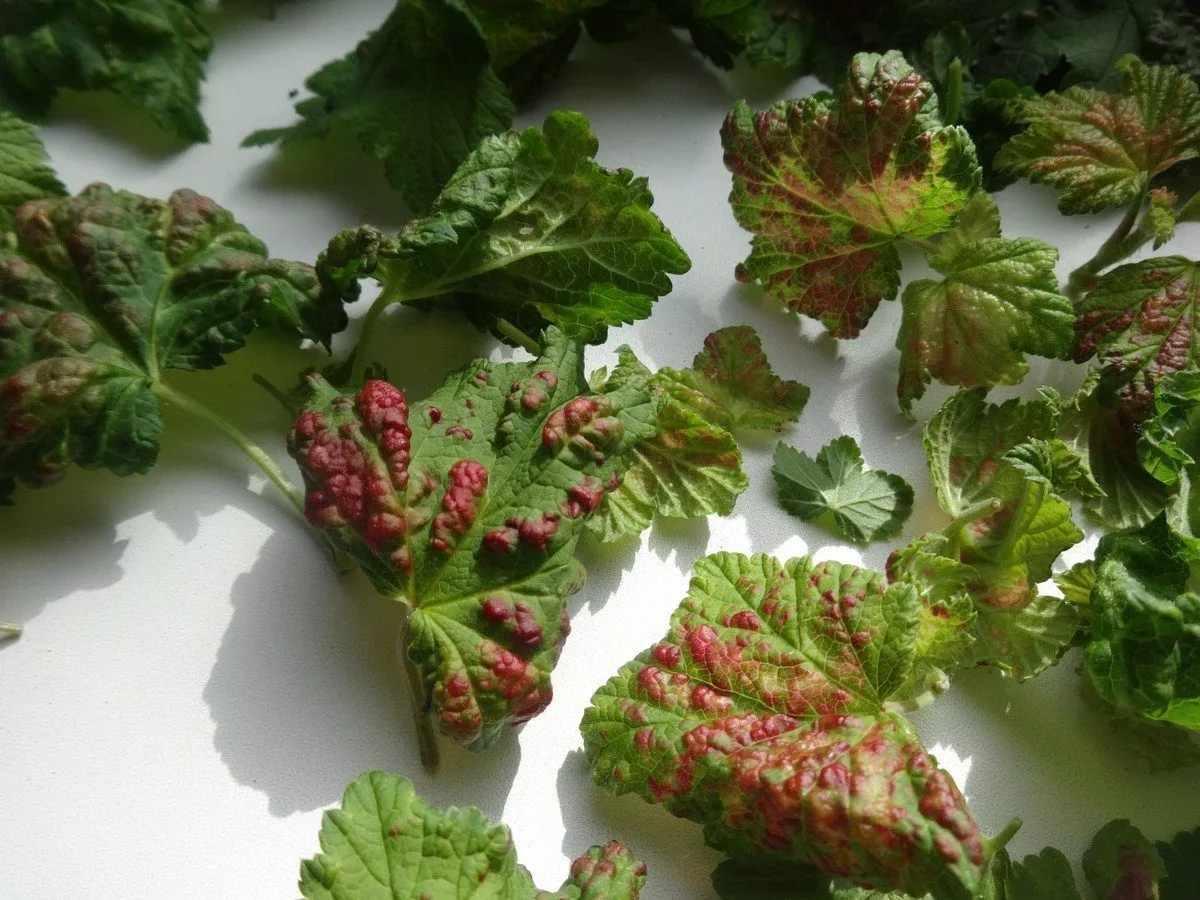
Last summer, we noticed these leaves when the red and white currants were already ripening. There weren't many of them. We picked them off, but didn't treat the currants with anything.
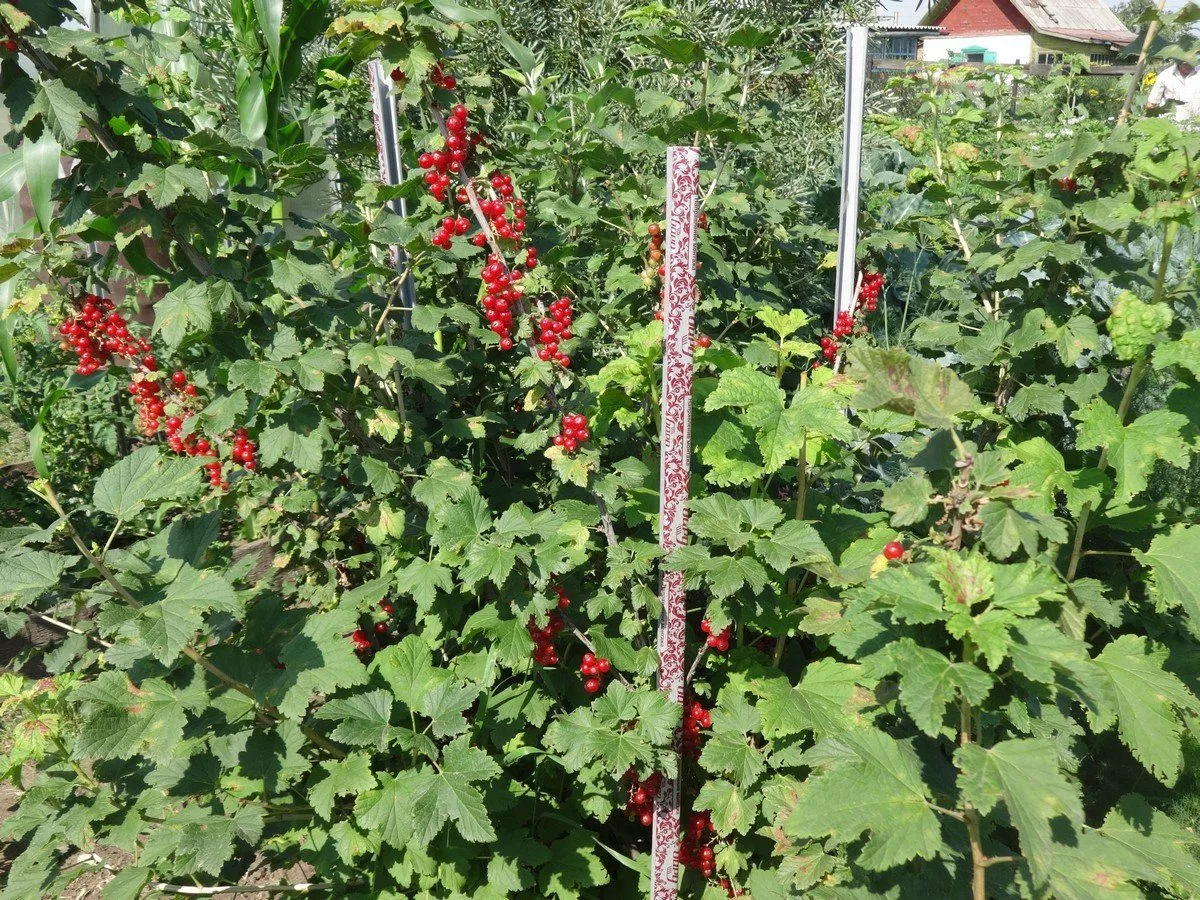
This year, these leaves appeared very early and there are many of them. The currant bush needs urgent attention.
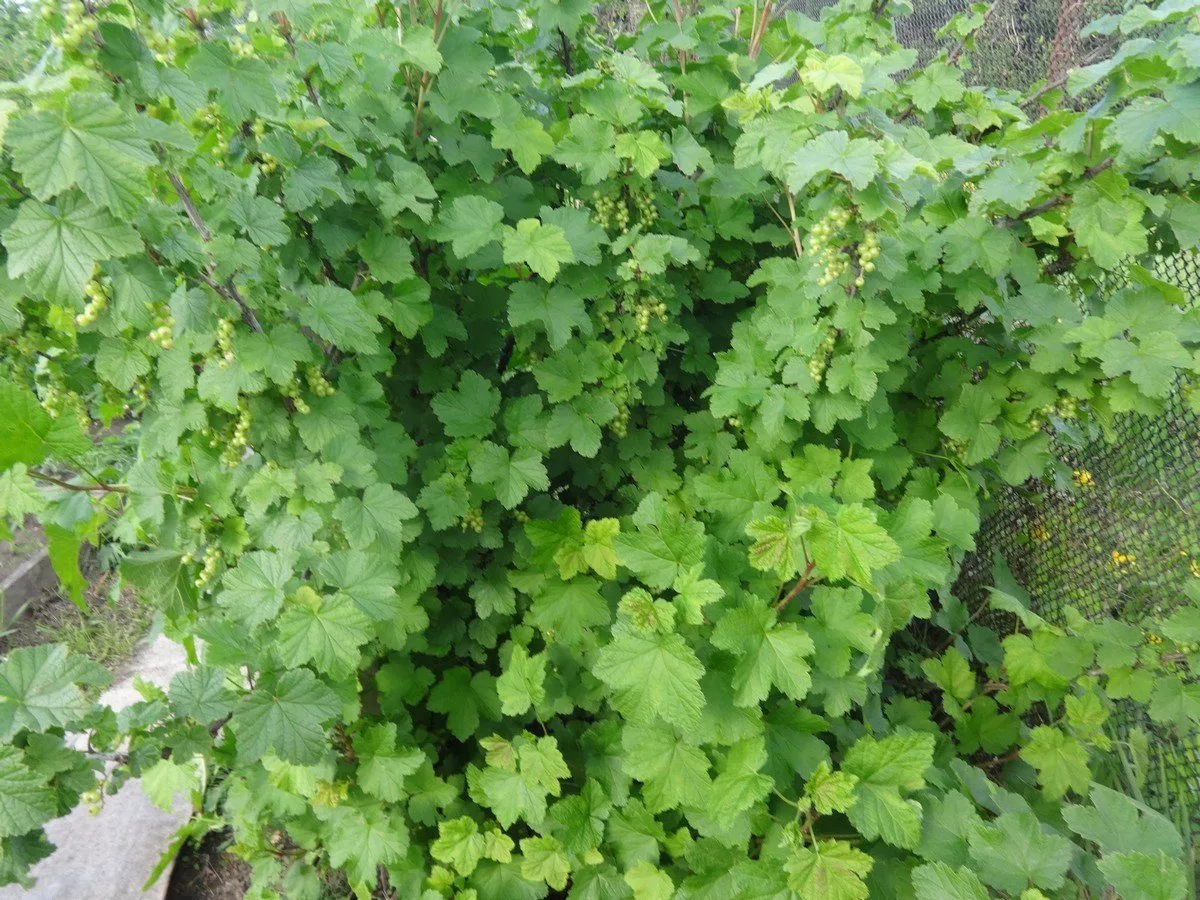
First, I picked off all the spotted leaves and inspected them. Some were simply covered in swollen spots, and some were infested with tiny, light-colored aphids. I burned all of these leaves in the stove.
After some time, the leaves reappeared. What should I do to get rid of these red swellings? After searching online, I found the following information:
Gall or leaf aphid
Currants are being attacked by gall aphids. Very small white aphids were found inside swellings on some leaves. To kill the aphids, use Inta-Vir, Iskra, Actellic, and Bordeaux mixture. I don't really want to treat bushes that already have berries with these chemicals.
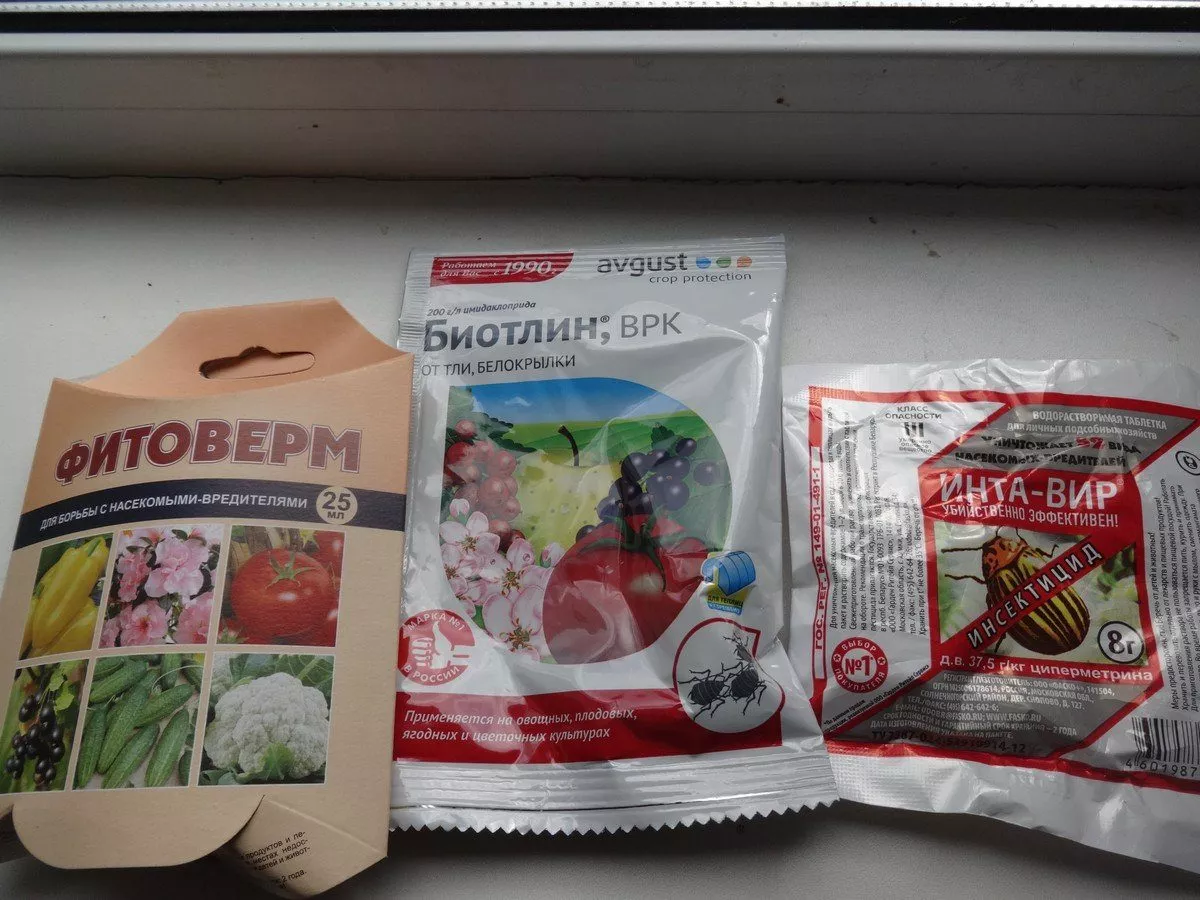
You can treat the currants with Biotlin or Fitoverm—these are biological products. However, after fruiting and in the fall, it's essential to treat the currants, as gall aphids hide in the buds for the winter and lay their eggs there.
Folk remedies recommend spraying currants with infusions or decoctions of onion peels, tomato tops, celandine, and dandelions, adding a little liquid soap to the solution.
So I prepared this remedy: I picked off the side shoots from the tomatoes, pulled out some dandelions and celandine - we have plenty of this stuff - and let it sit for a day.
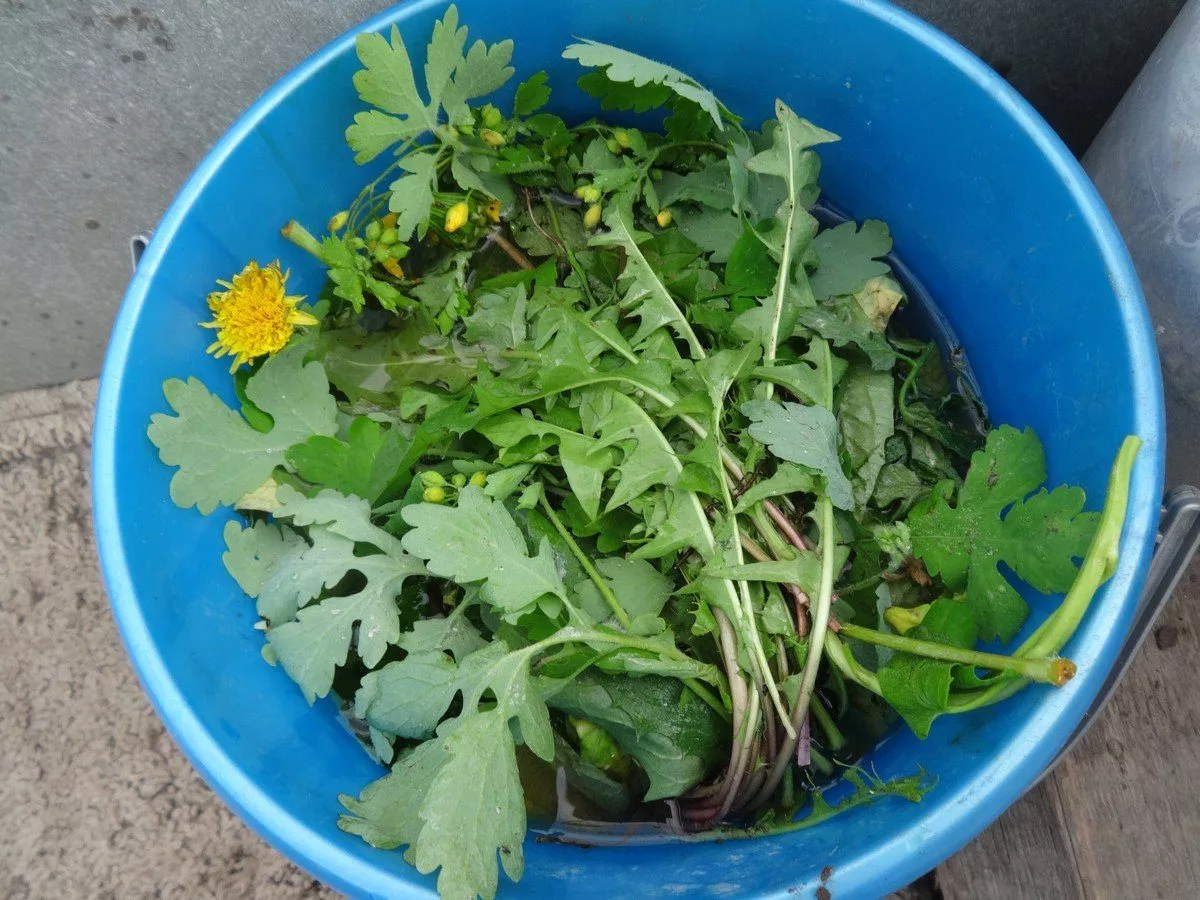
I treated the currants and also sprayed the black currants. There are no red spots on them, but there are curled young leaves swarming with gooseberry or shoot aphids.
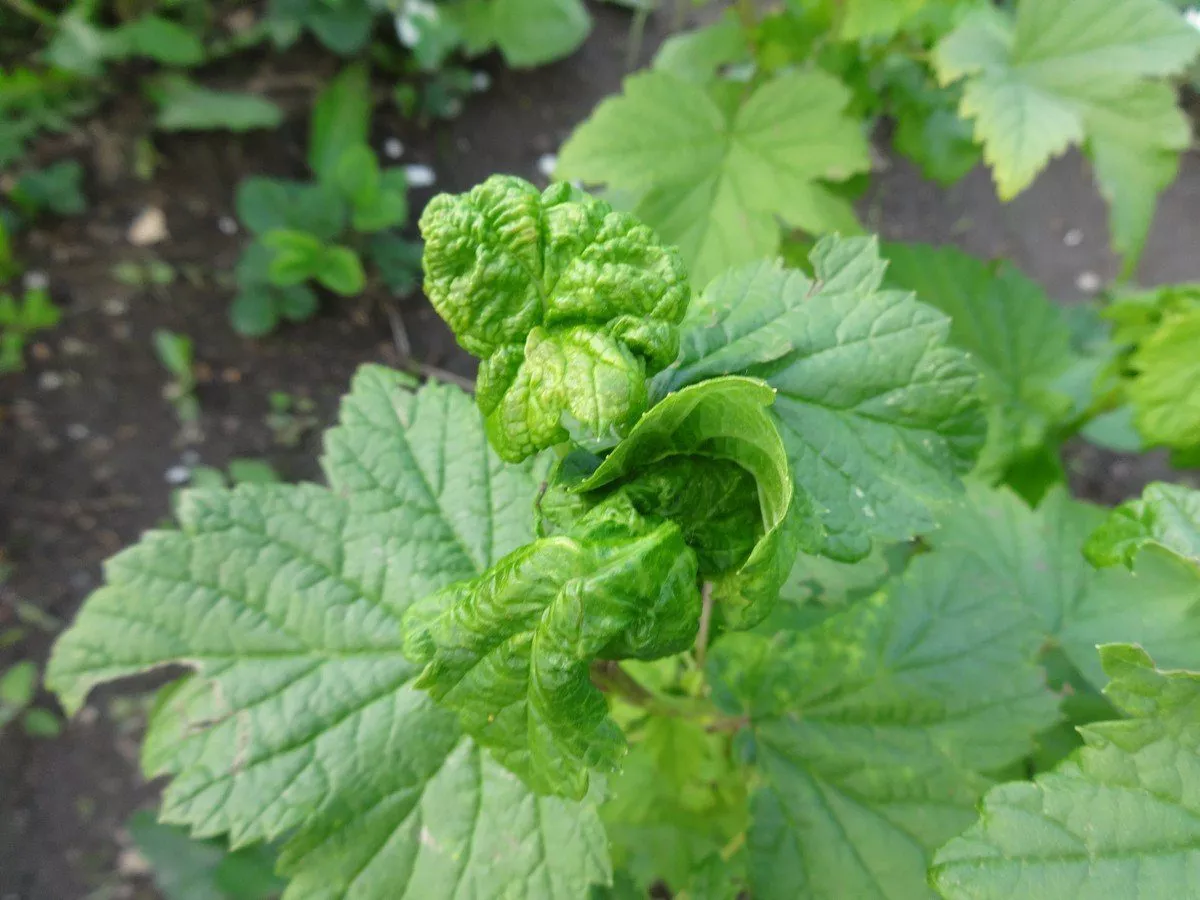
 Shoot aphid
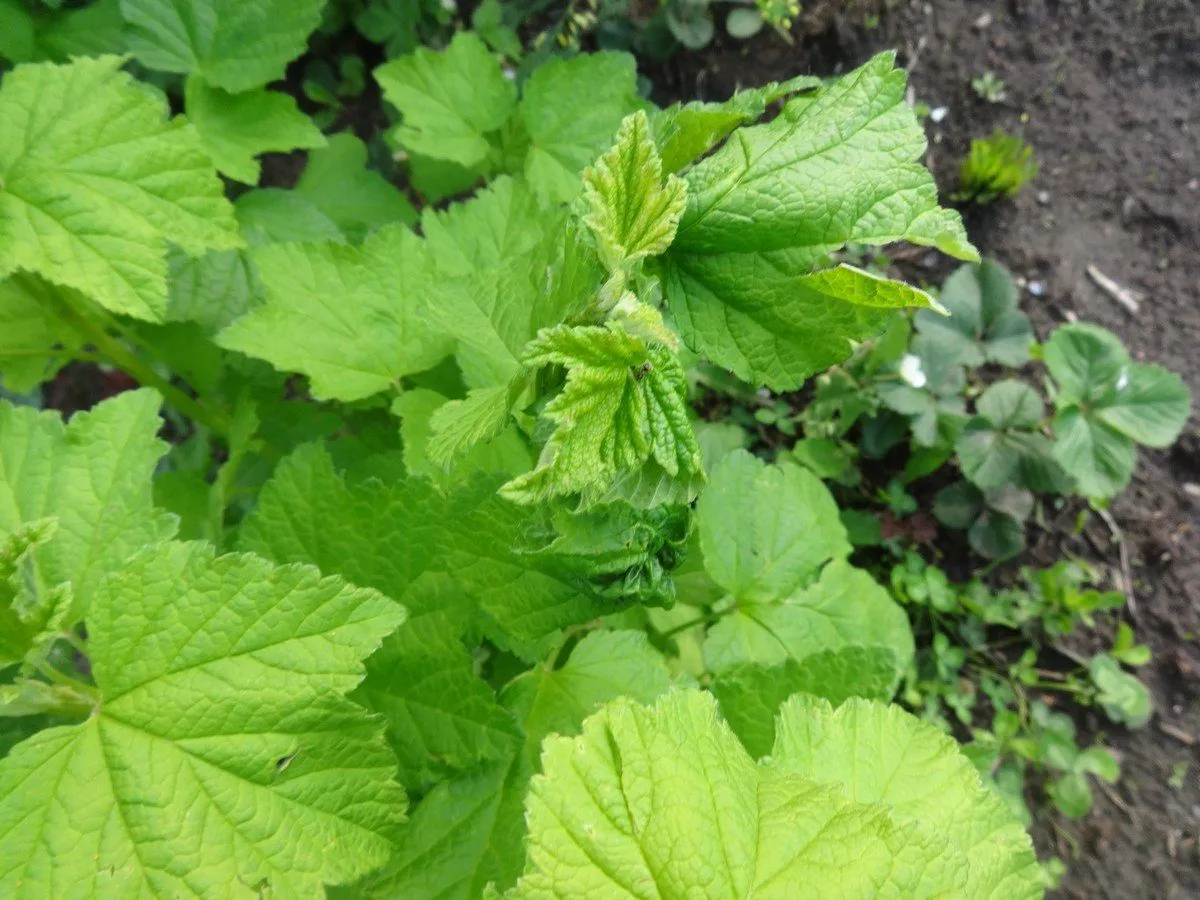
This aphid is larger than the gall aphid and also causes significant damage to currants, spreading fungal diseases. Therefore, it is necessary to exterminate them.
To combat aphids, you can use tobacco infusion, baking soda, soap, or vinegar solutions. I found this recipe interesting:
- Dilute 1 tablespoon of vinegar essence or 10 tablespoons of table vinegar in 10 liters of water and spray the plants against aphids.
- You can simply pour the solution into a mug and dip the curled tops into it, washing off the aphids.
- If the aphids don’t disappear after treating with the herbal infusion, I’ll try a vinegar solution.
- Well, and fight ants, they contribute to the spread of aphids.
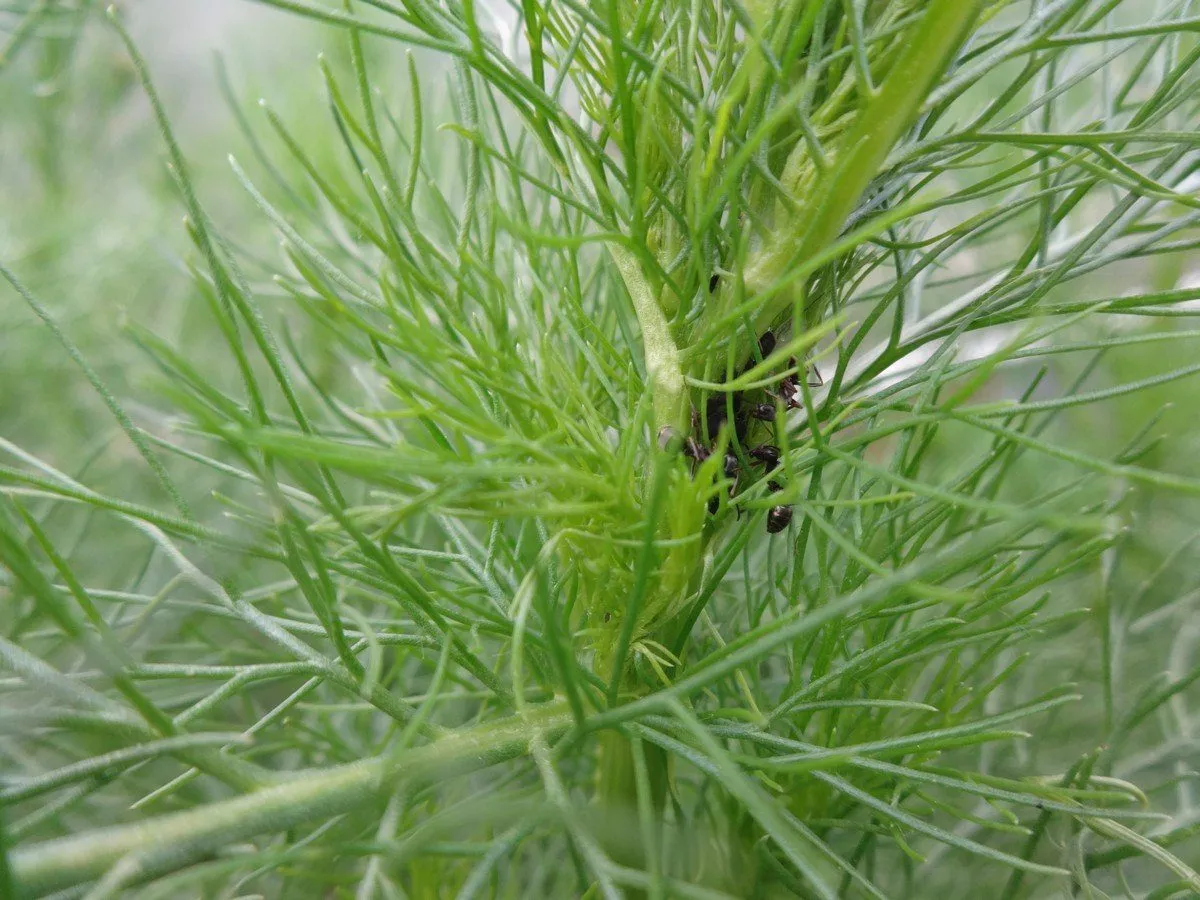
We have tons of these ants! The other day, we destroyed two large anthills with numerous eggs in the flower garden.
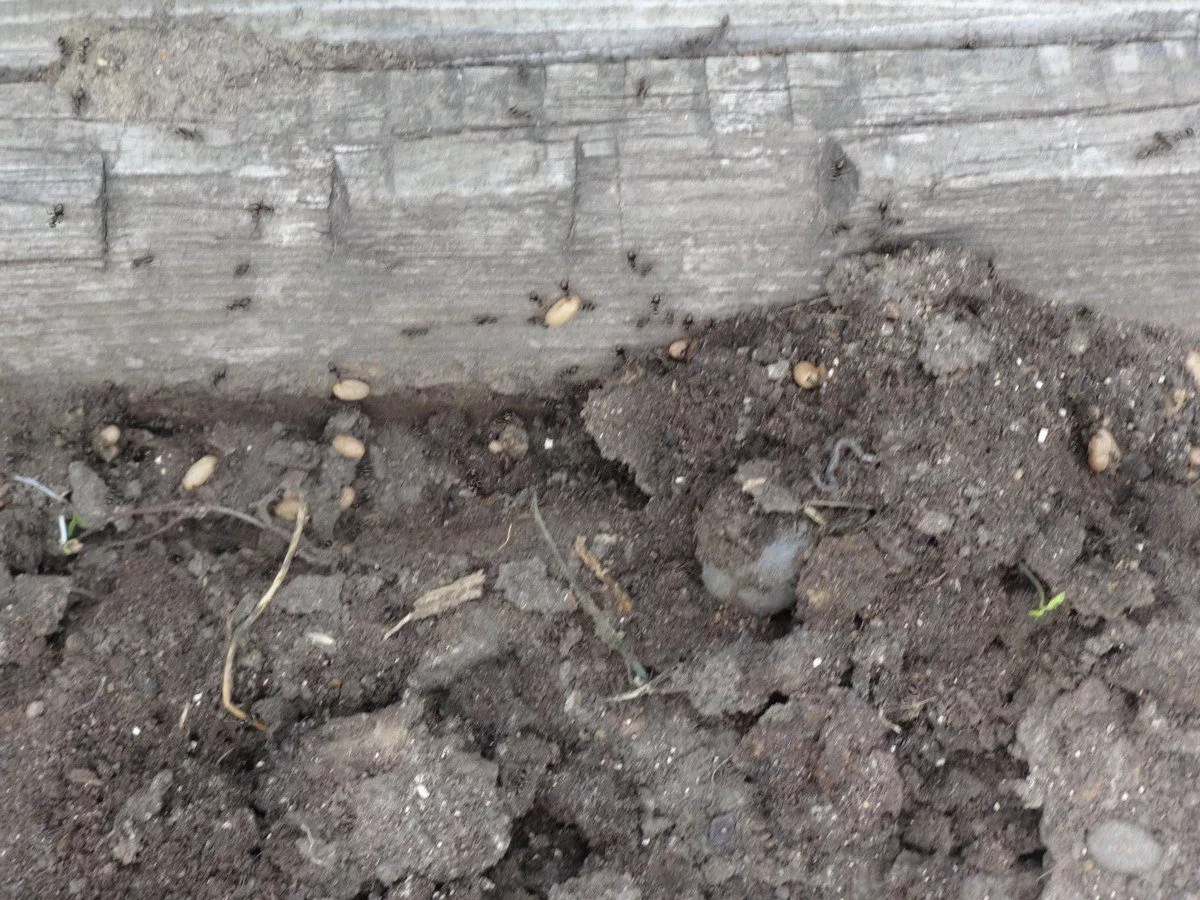
They sprinkled it with this preparation, Grom-2.
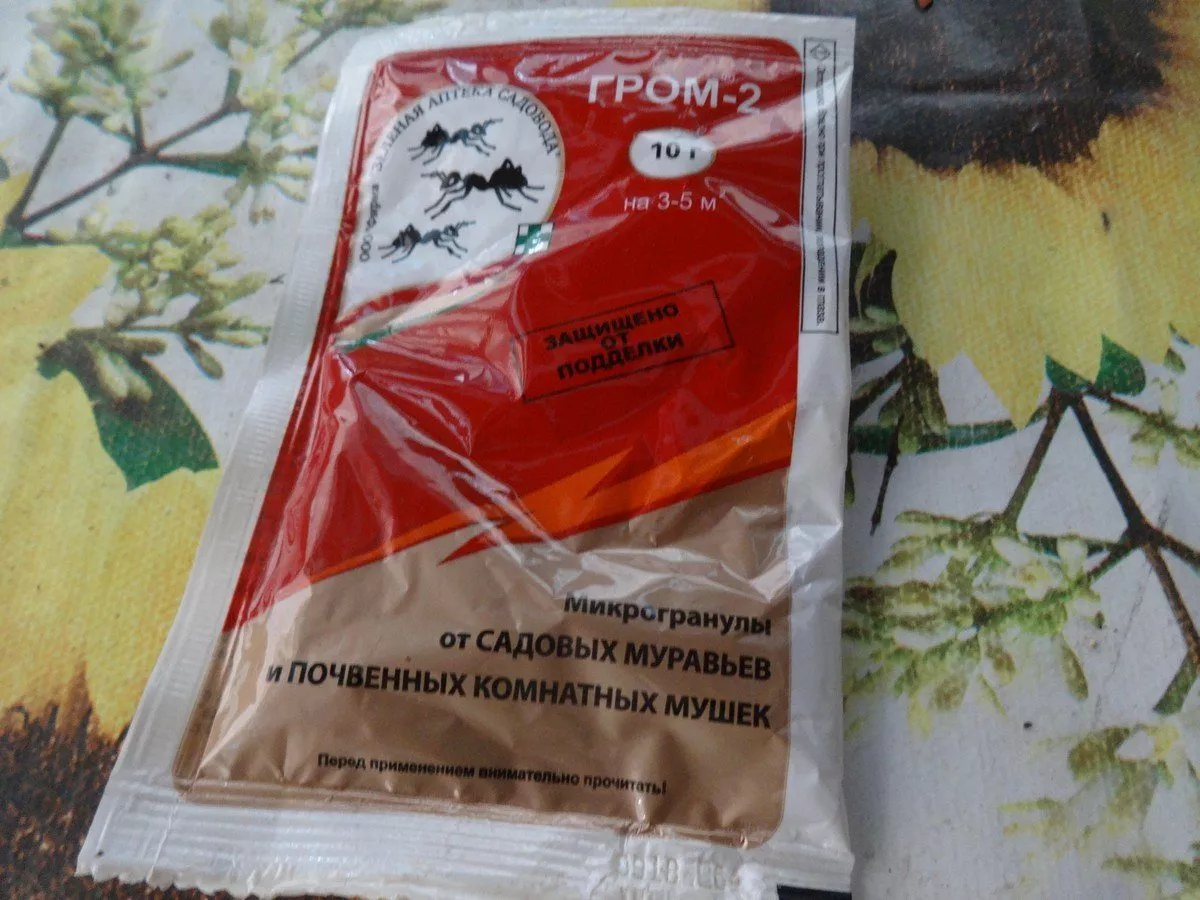
The ants abandoned the flower beds and moved into the tomato greenhouse. It's a constant thing: you survive in one place, then they move on to another and build their new home.
Fungal diseases of currants
Fungal diseases include anthracnose and cup rust. I believe the red swellings are a result of aphid infestation, not disease. Leaves affected by anthracnose look different. The disease appears on the lower leaves of currants, where they become covered in brown spots and become bumpy. The leaves dry up and fall off. The disease spreads to the berries, where black spots form, and brown ulcers appear on the branches.
I think this blackcurrant bush was affected by anthracnose, we treated it in time and it did not die.
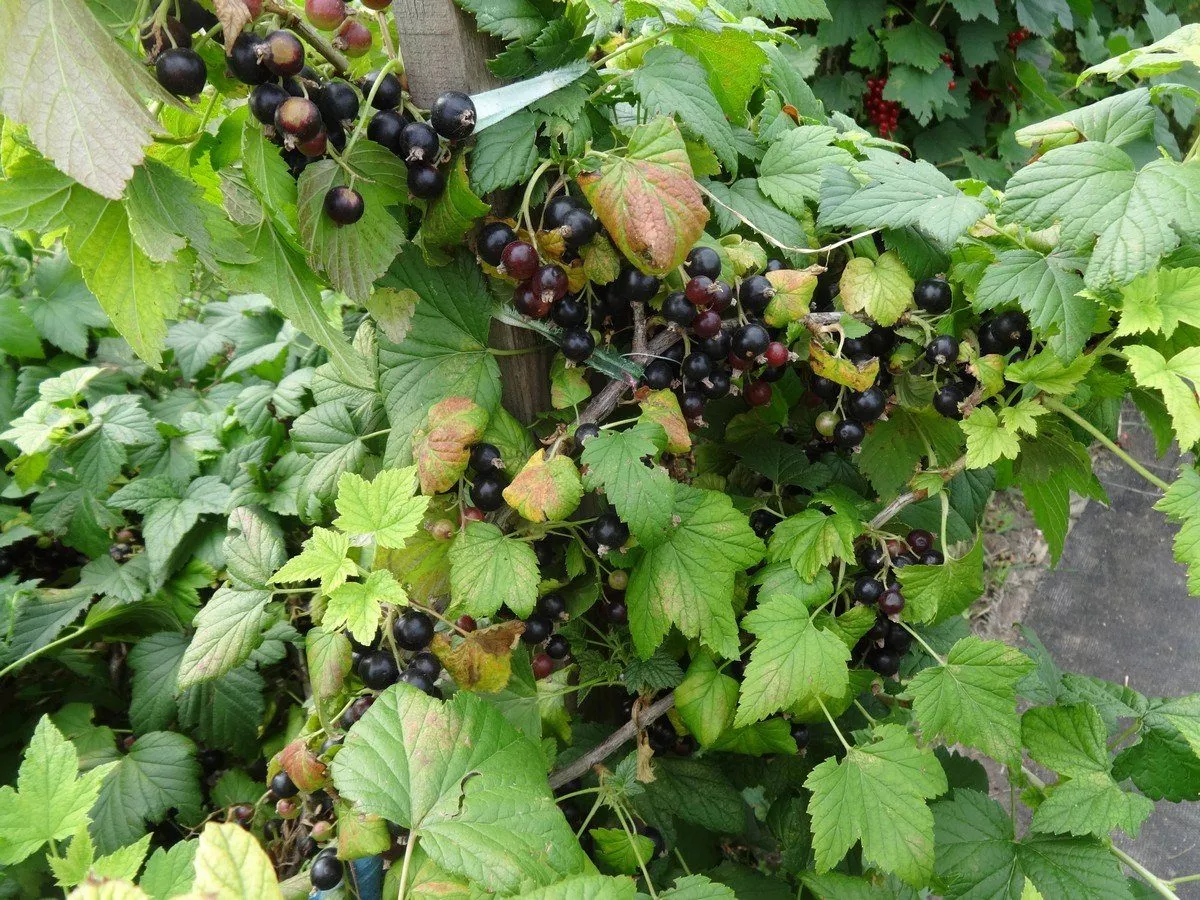
But just in case, preventative measures can be taken. For treatment and prevention of diseases, it is recommended to use products such as copper sulfate, Bordeaux mixture, and Fitosporin-M. In the fall, after harvesting, if signs of disease appear on the leaves, these treatments will need to be applied.
Leaves damaged by cup rust also appear different. Yellow spots appear on the upper surface of the leaf, and the underside becomes covered with cushion-shaped, reddish growths containing rust spores.
So there are no signs of fungal diseases on our currants.
But still, as a preventative measure, I treated the bushes with Fitosporin: I diluted 1 tablespoon of the solution in 10 liters of water and sprayed it using Umnitsa.
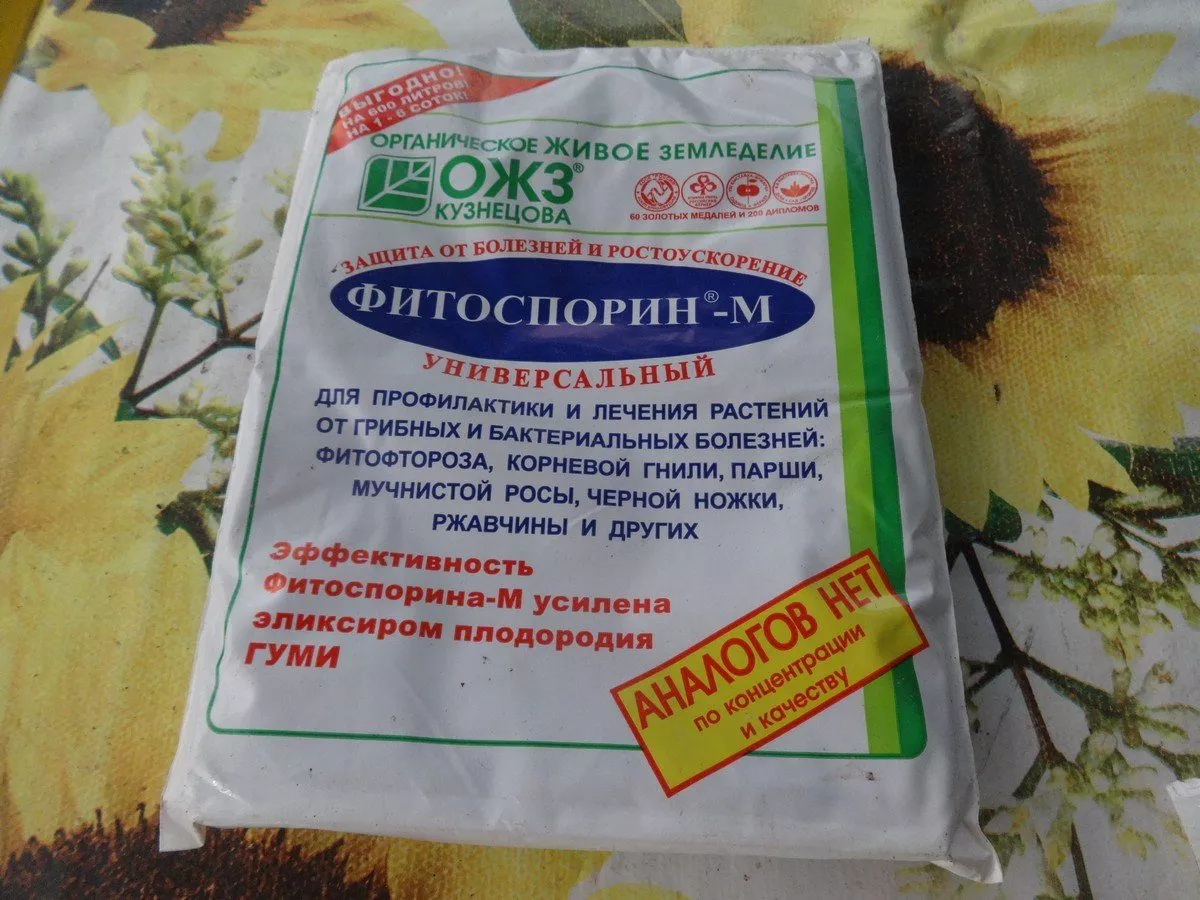
Fitosporin-M is a biological product and is safe. I always use it on the soil when planting vegetable and flower seedlings, and I spray and water the plants to prevent fungal diseases.
Folk remedies recommend spraying with regular vodka. Simply pour it into a spray bottle and spray the inside of the affected leaves. Vodka can be used even when the currants are still bearing berries. It's recommended to repeat the treatment after 1-2 weeks.
Other reasons for the appearance of swellings on currant leaves:
- Blisters appear when there is a lack of potassium and phosphorus in the soil. After fruiting last year, I fertilized the bushes with phosphorus and potassium fertilizers, and this year, during flowering, I also fertilized them.
- Lack of light - currants grow in a sunny area.
- A combination of high humidity and temperature - we've had heavy rains since May 25th, but the temperature isn't high at all, it's gotten sharply cold - no higher than 15 degrees Celsius during the day, no higher than 5 degrees Celsius at night.
What else did I do to help the currants?
In June, the currant bush begins to produce fruit and new shoots begin to grow. To ensure larger and sweeter berries and stronger, vigorous new shoots, the currant bush needs to be fed.
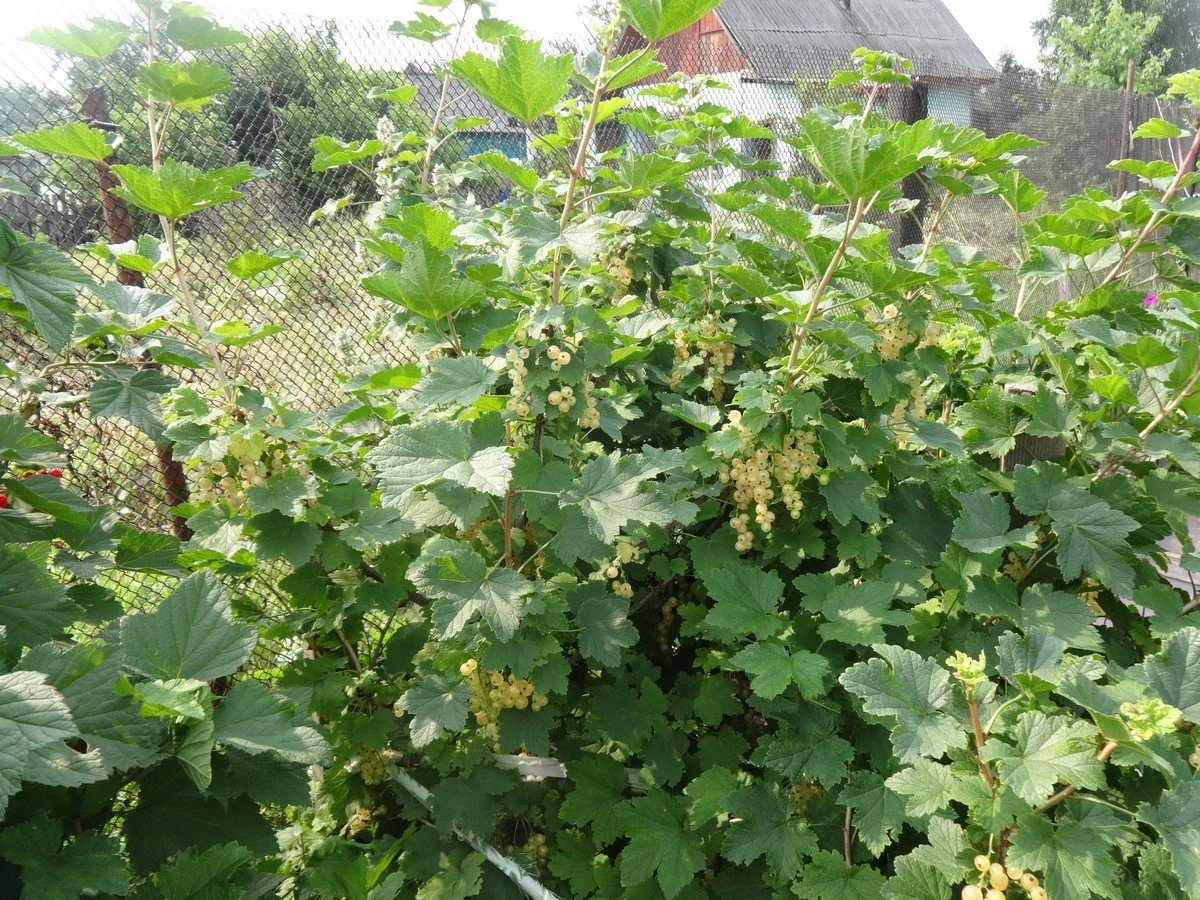
In early spring, I scattered urea, a nitrogen fertilizer, under the bushes. During flowering, I fertilized the bushes with phosphorus-potassium fertilizers. Now I've added one cup of wood ash to the currant bushes, loosening the soil slightly. If the area underneath the bush is dry, it needs a good watering, but we have rain here, so watering isn't necessary.
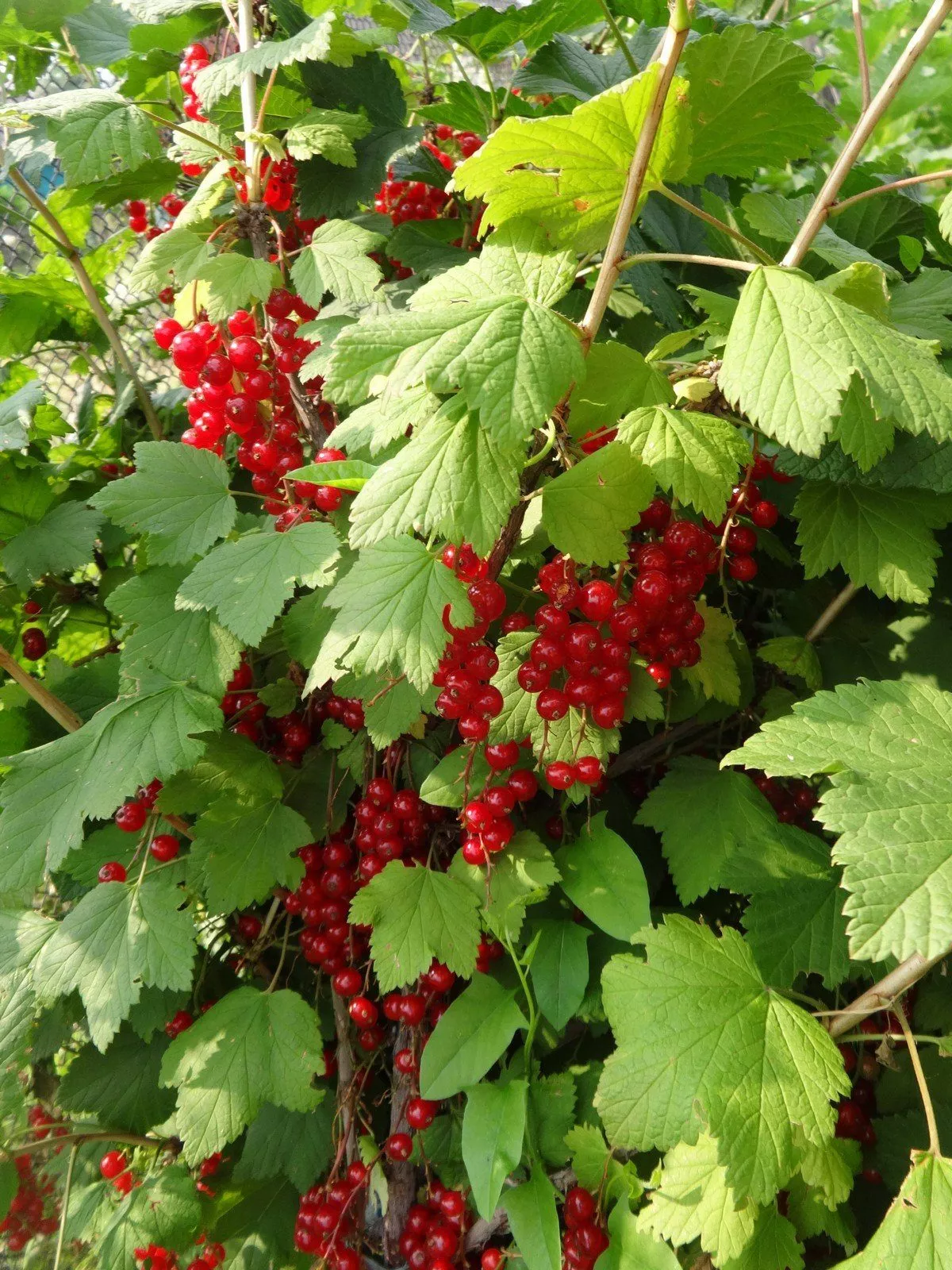
My husband periodically places dried potato peelings and tomato tops under the currant bushes, believing that the tops and peelings make the berries larger and tastier. I don't think this is true. The taste and size of the berries depend on the currant variety, but potato peelings contain beneficial substances and provide additional nutrition to the bushes. Tomato tops help repel harmful insects—mites, aphids, bugs, and caterpillars—because in addition to beneficial minerals, they contain solanine, a toxic substance.
I hope that all the methods I used will help the currants, and they will be healthy and produce a good harvest.