

My coleus grew in the apartment all winter.
And delighted me with its foliage,
When warm May arrived in Siberia,
She took him to the dacha with her.And so, among the pansies and petunias,
He conquers everyone with his beauty,
On a fine day or under a moonlit sky,
Grows and washes itself with dew.
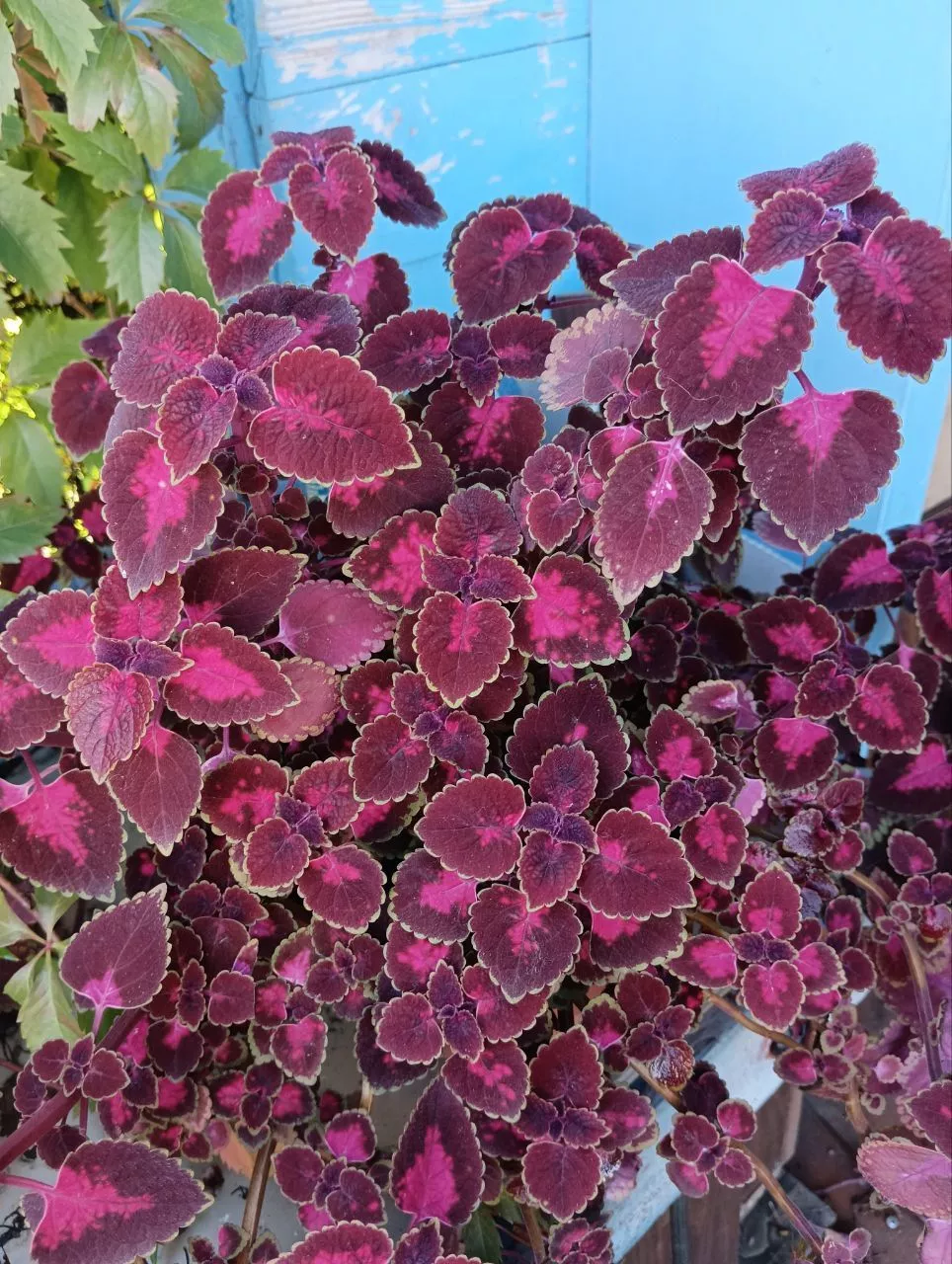
Bright, multi-colored coleus are becoming increasingly popular plants among gardeners and summer residents.
These are ornamental foliage plants belonging to the Lamiaceae family. Commonly known as indoor or ornamental nettles, their leaves resemble those of nettles. Unlike nettles, coleus leaves do not sting; they are velvety, vibrant, and come in a variety of colors, either tricolor or bicolor, with the primary color being greenish-pink.
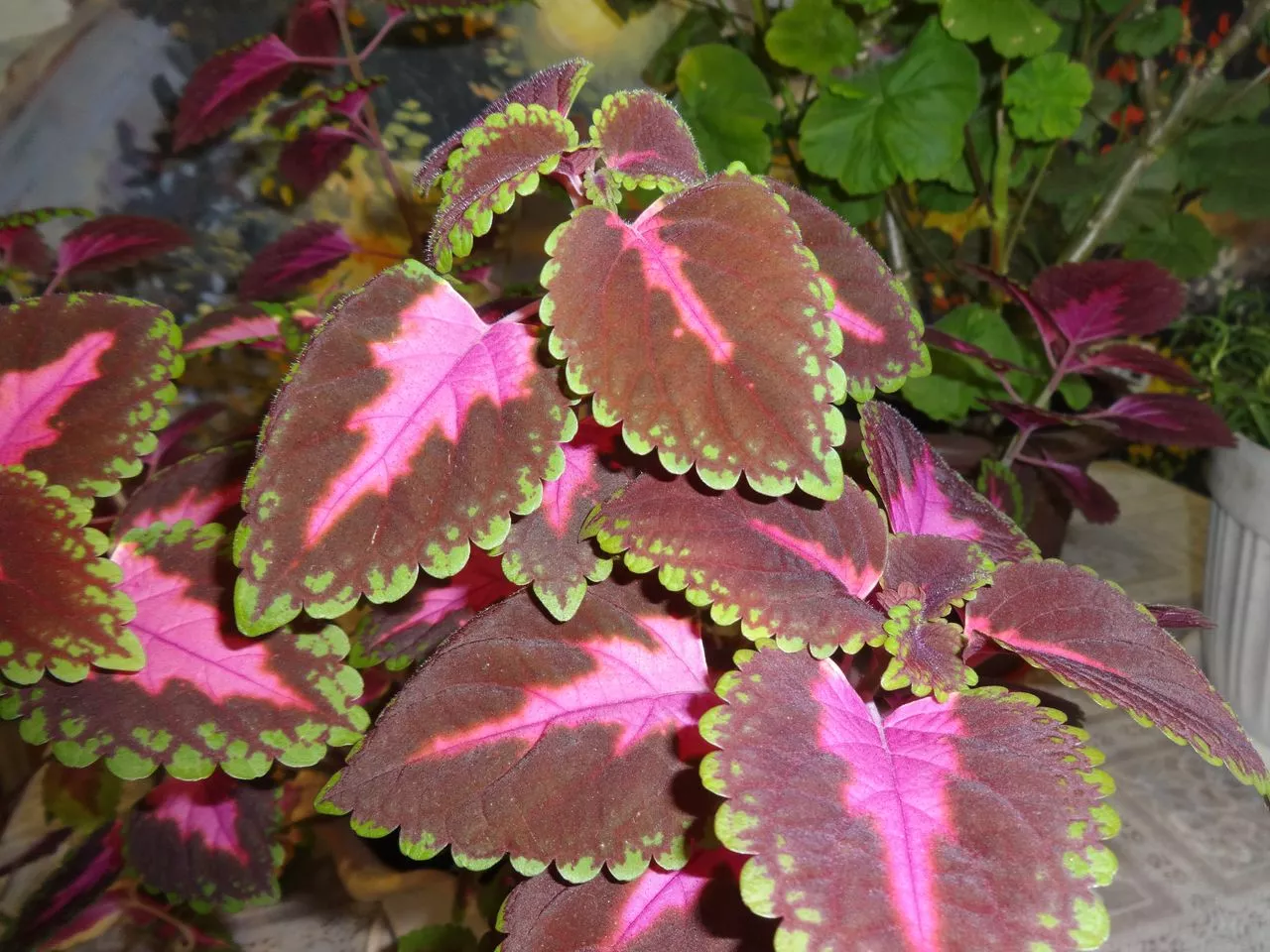
Many varieties have been bred with brown, white, yellow, purple, and orange patterns. The foliage is very beautiful and decorative, but the flowers are inconspicuous.
During flowering, spikelets with small, spongy flowers of blue shades appear at the tops of the branches.
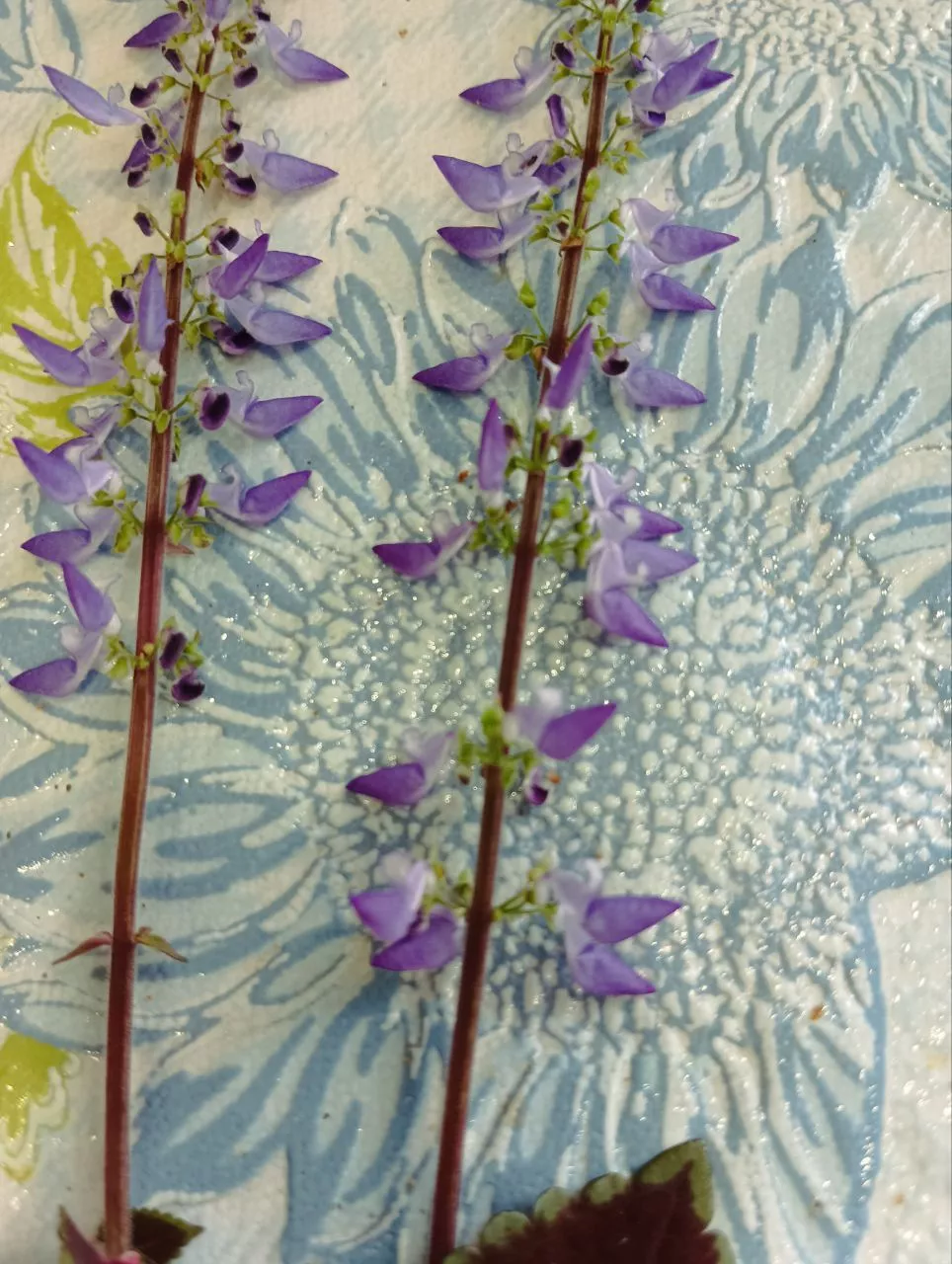
Flowering negatively affects coleus: branches stretch and bend, bushes fall apart, leaves fade and lose their vibrancy. As soon as flower stalks begin to appear, it's advisable to pinch them off.
Coleus are divided into bush and trailing varieties. Trailing varieties have flexible, drooping stems and large, velvety leaves in a variety of colors. Bush coleus vary in height, with low, medium, and tall varieties available.
We've had a coleus growing in our house for many years. My husband brought a small branch home from work; he really liked this bright, decorative bush. I placed the branch in a glass of water, and it soon grew roots. The cutting, transplanted into soil, began growing rapidly, and I've had it ever since. coleus in favorites.
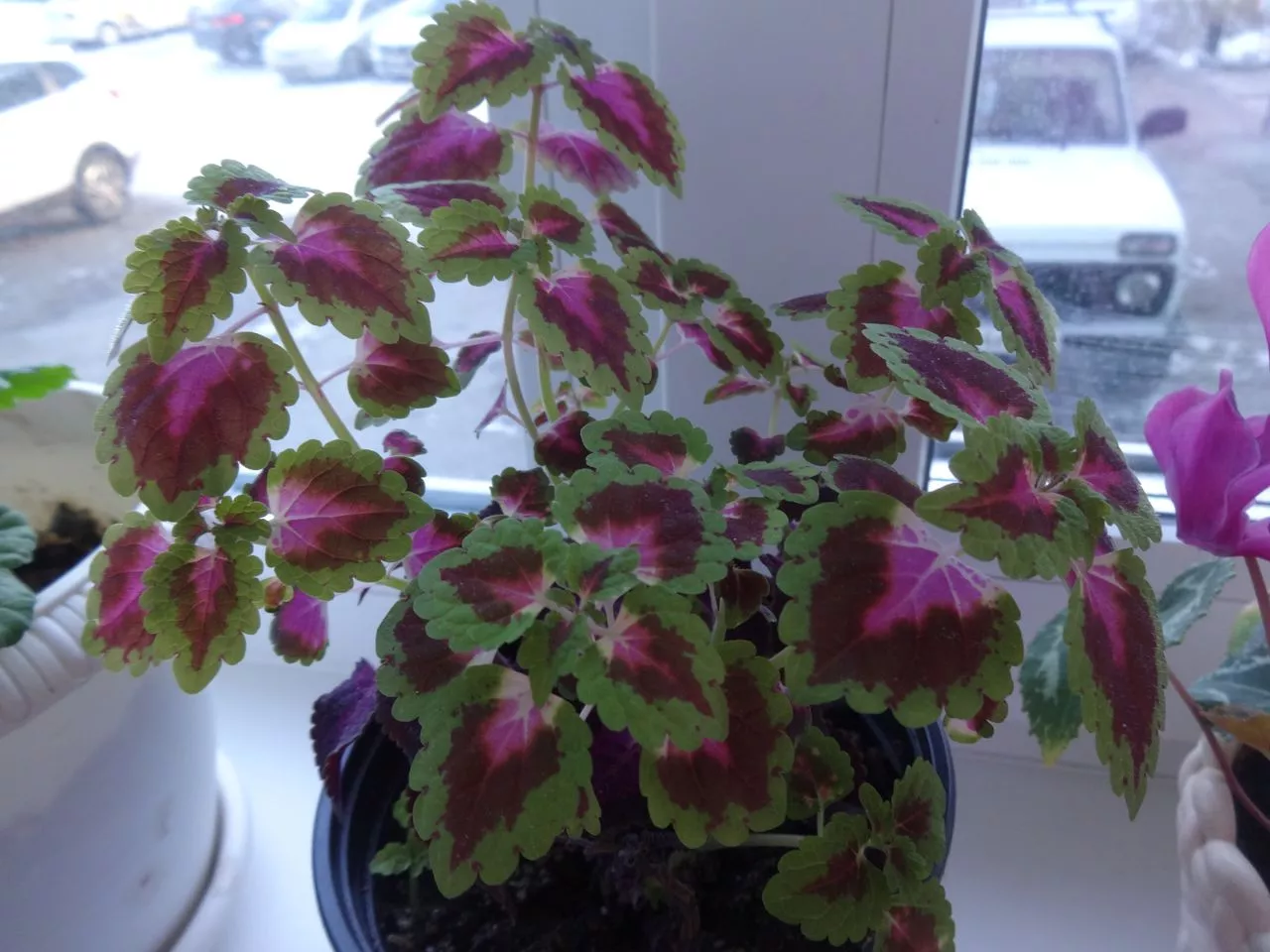
For some time now, I've been taking it to the dacha every spring, and to have more of this beauty, I also take cuttings of nettles in early spring. They're easy to propagate by cuttings; all you need are small shoots and water, and even without any rooting agents, roots form very quickly.
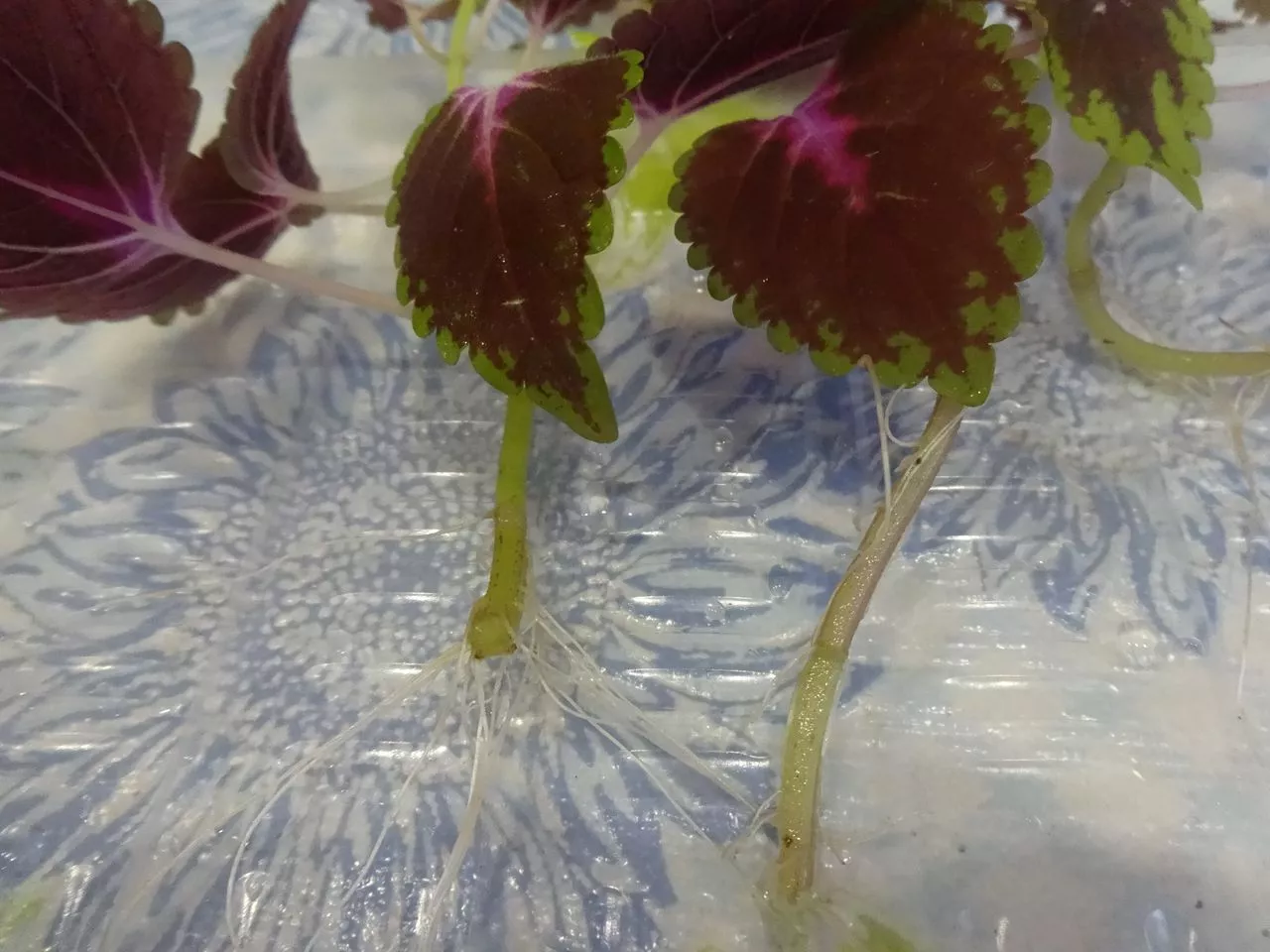
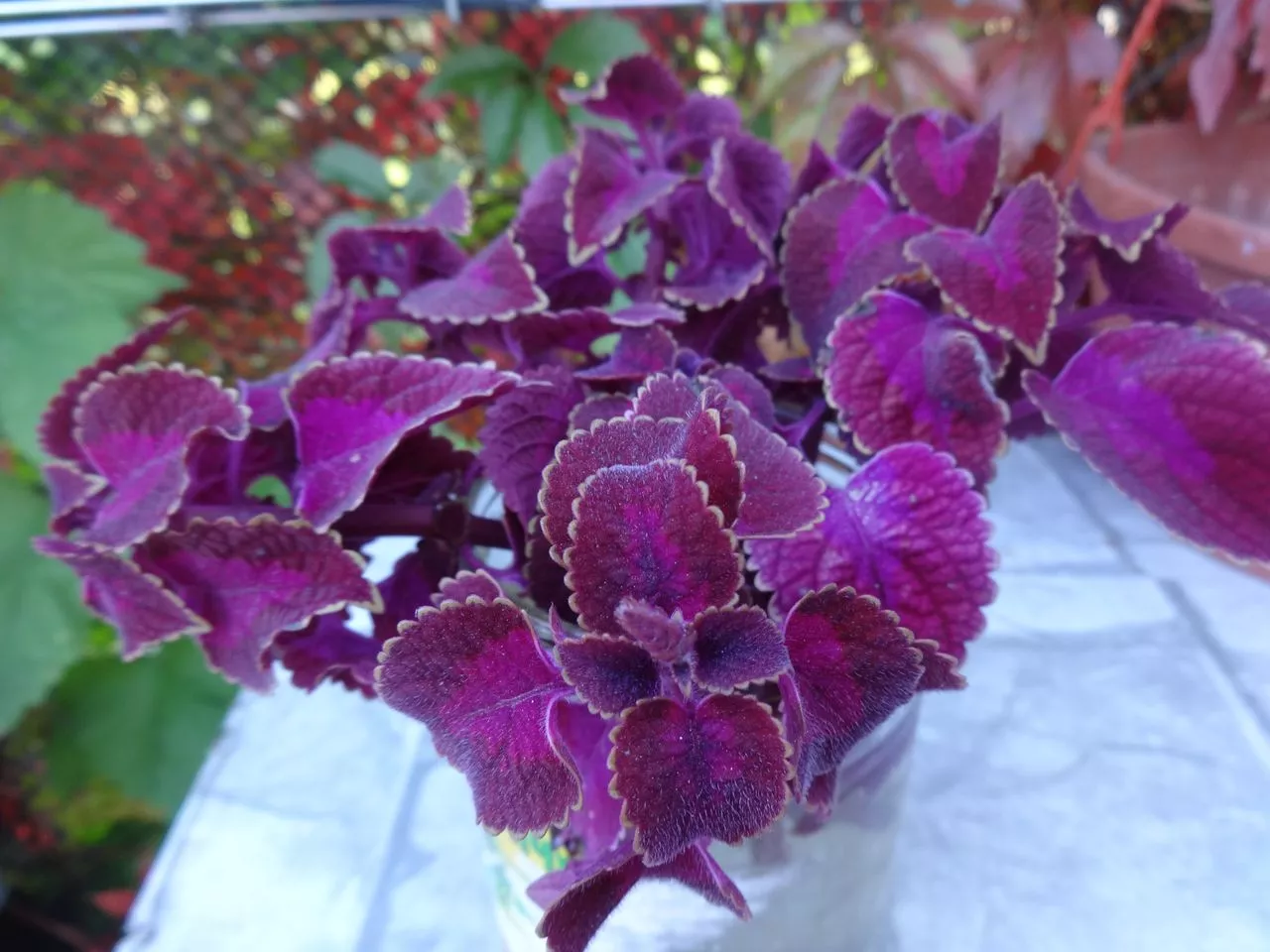
It's important to transplant cuttings into soil promptly; leaving them in water for too long will cause the roots to rot. I plant 2-4 cuttings in one small flowerpot, and at the end of May, at the dacha, I transplant them into other containers, such as flowerpots, pots, and boxes.
In the spring, I planted one bush in the middle of the flowerpot, and around the edges I planted pansies, which sprouted all over the garden that spring, pink alyssum, and also a weed, ground ivy, the vines of which hung beautifully over the edge of the flowerpot.
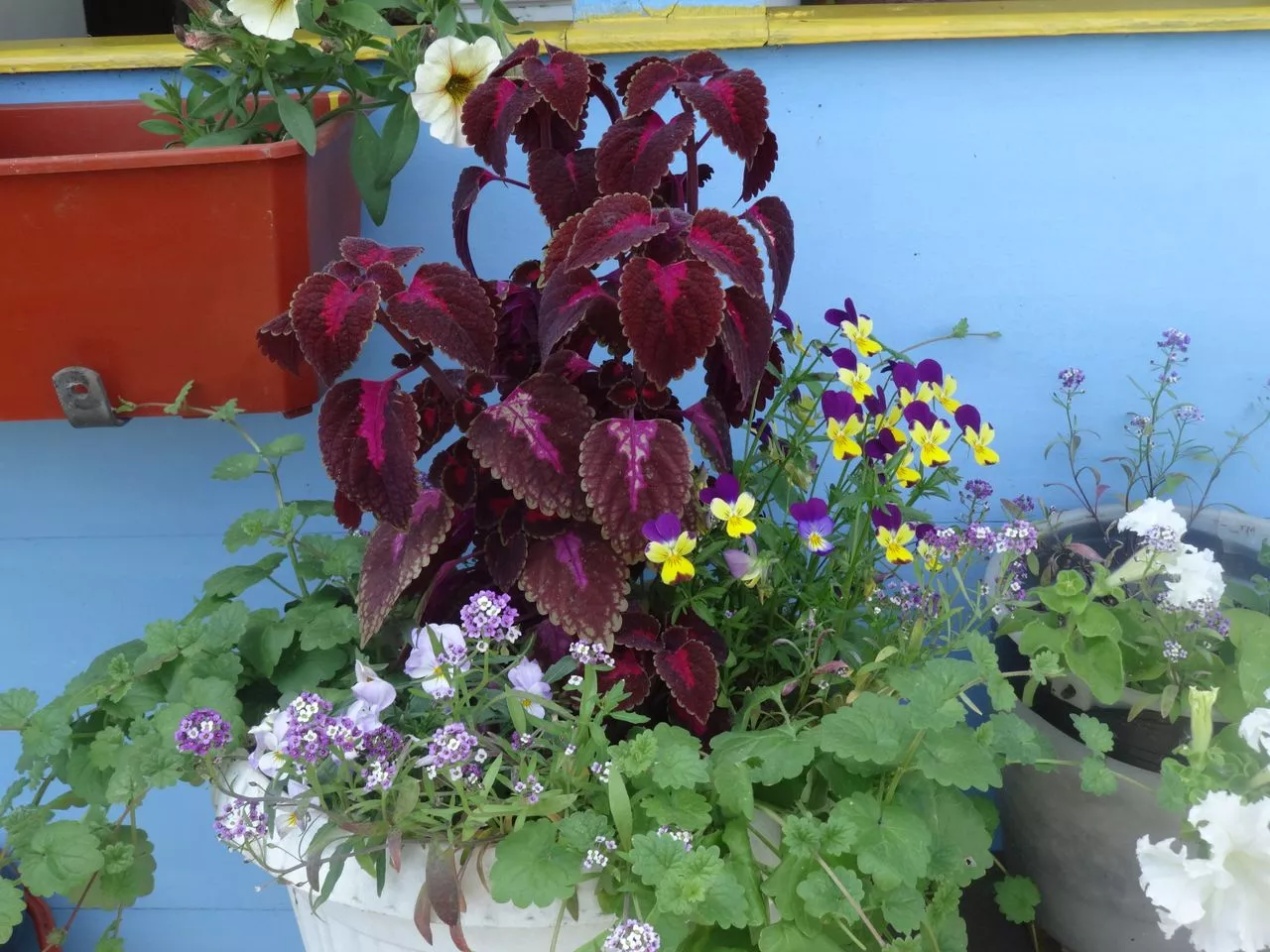
Coleus plants decorated the area around our terrace gazebo all summer long.
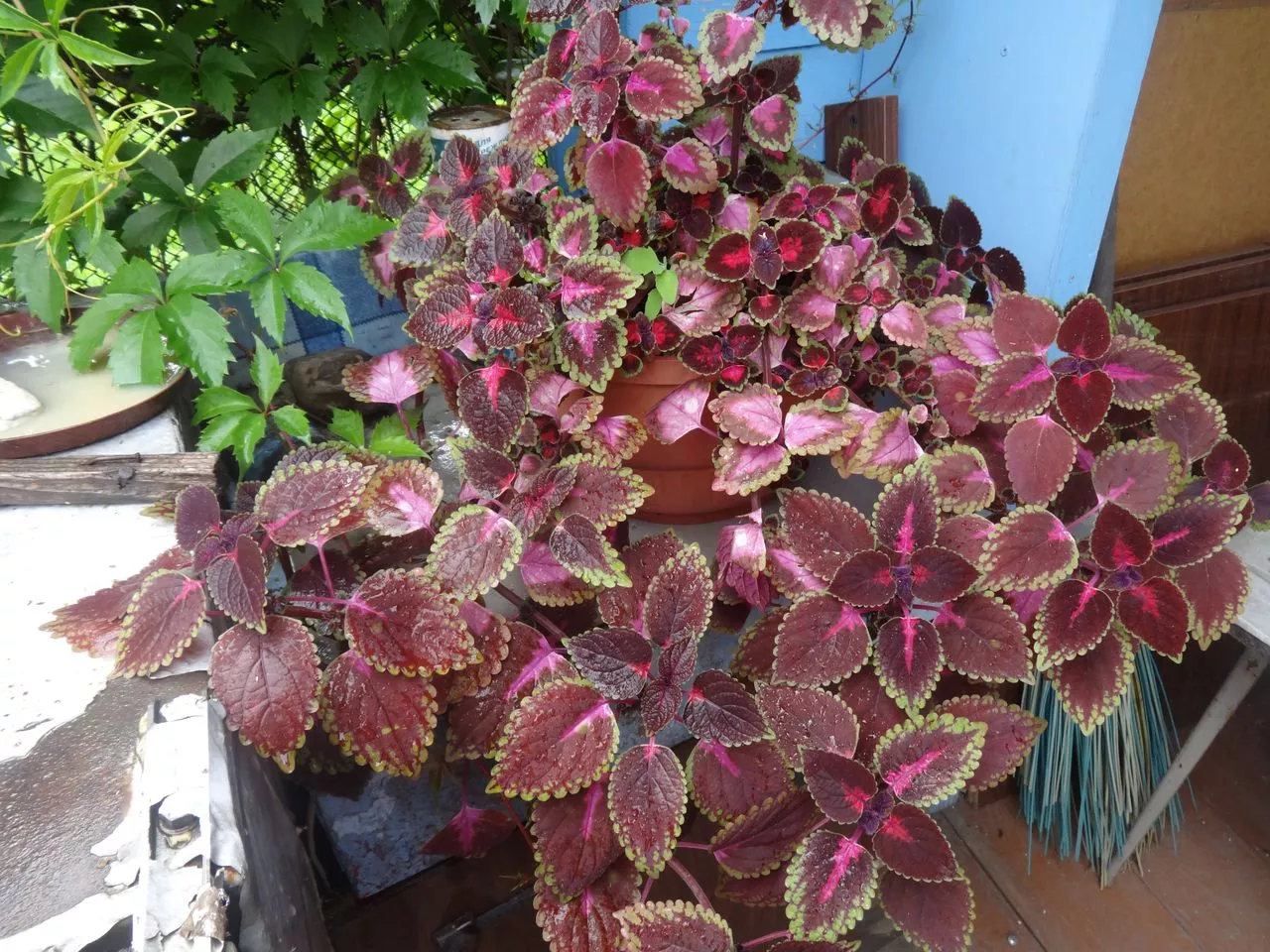
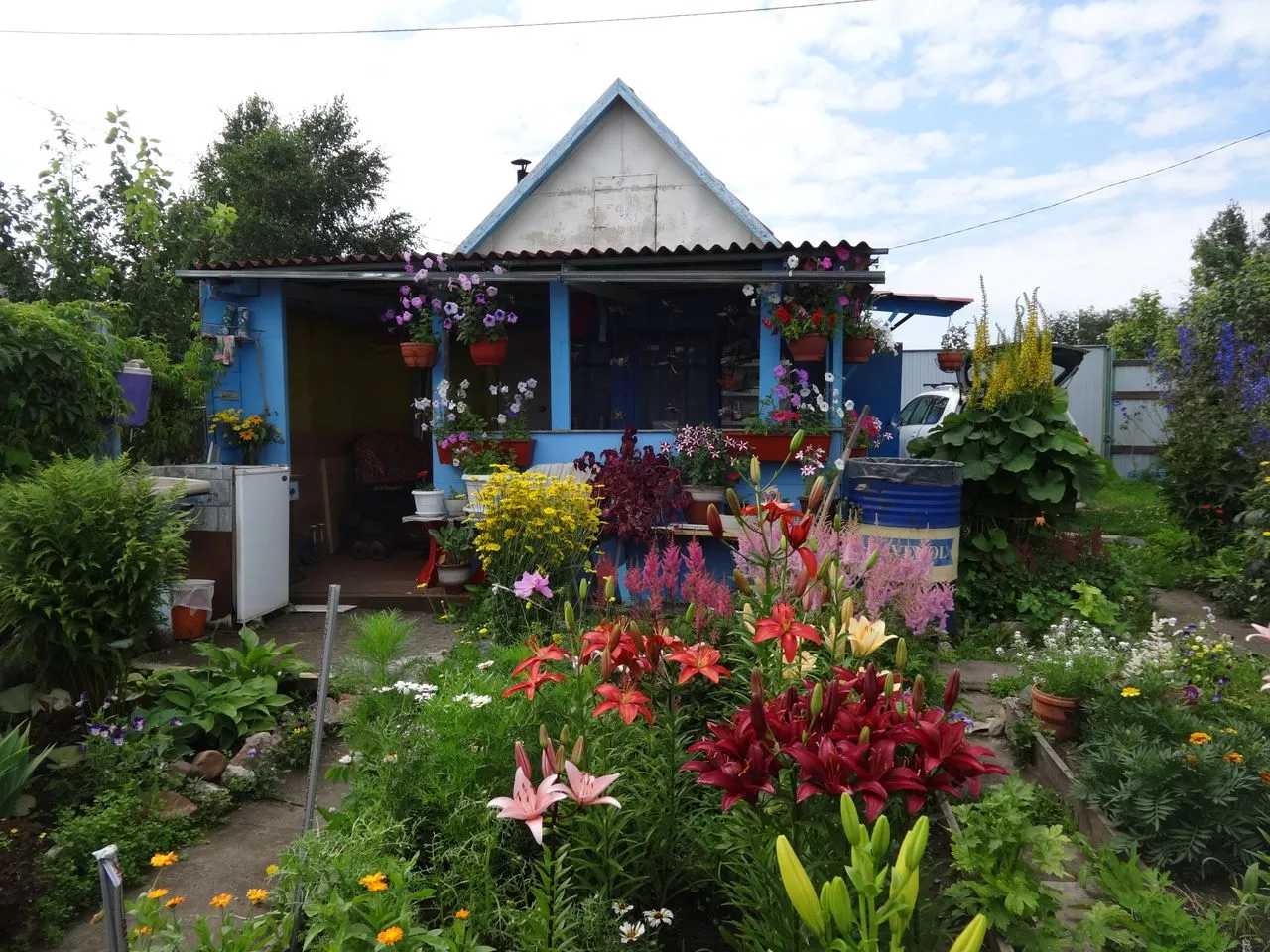
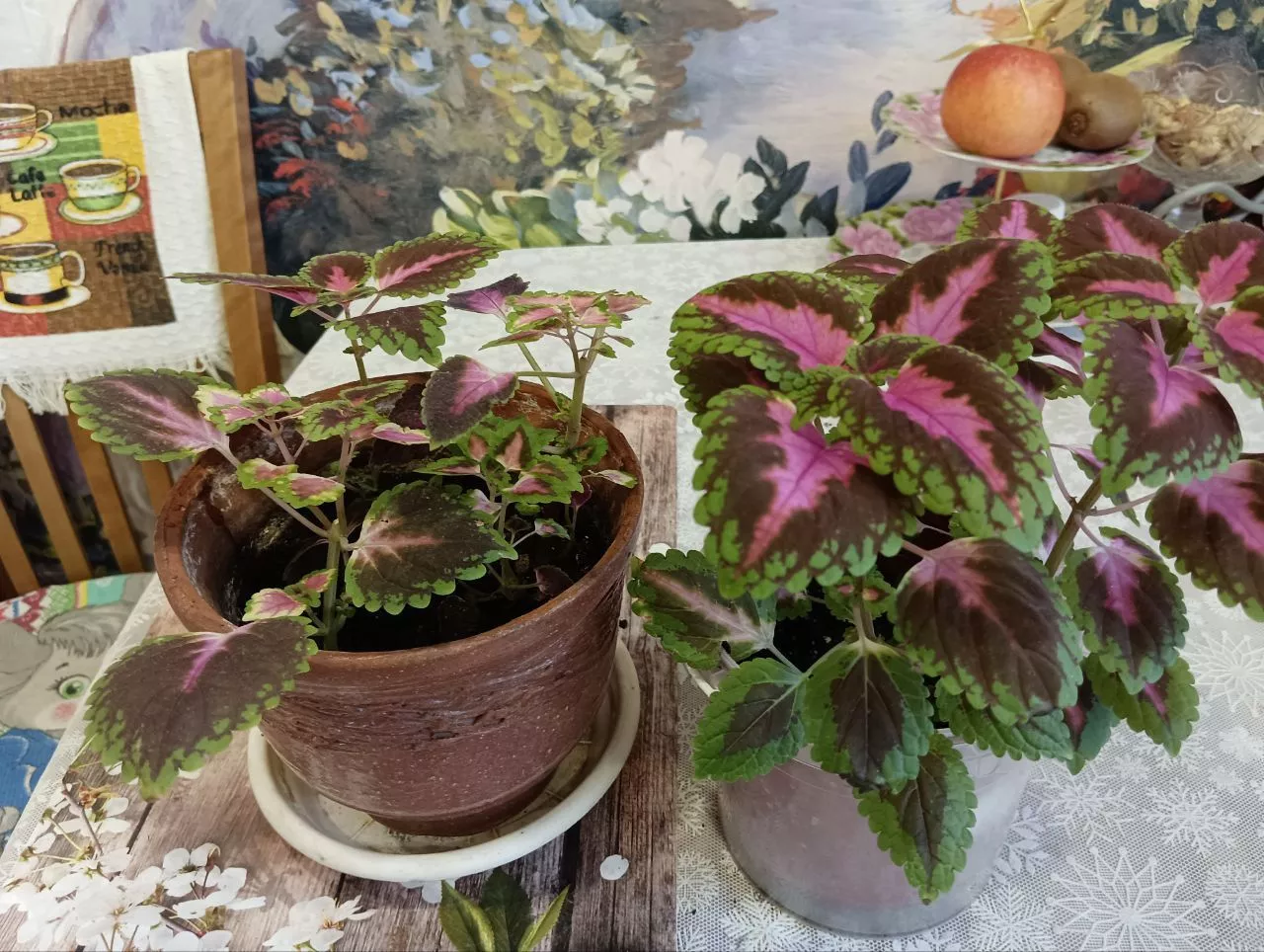
In the fall, I take a pot of nettles home, and they grow on the windowsill all winter. I left the coleus that was growing in a pot at the dacha, and it froze during the first frost. This is the coleus I brought home; it's growing on the kitchen windowsill.
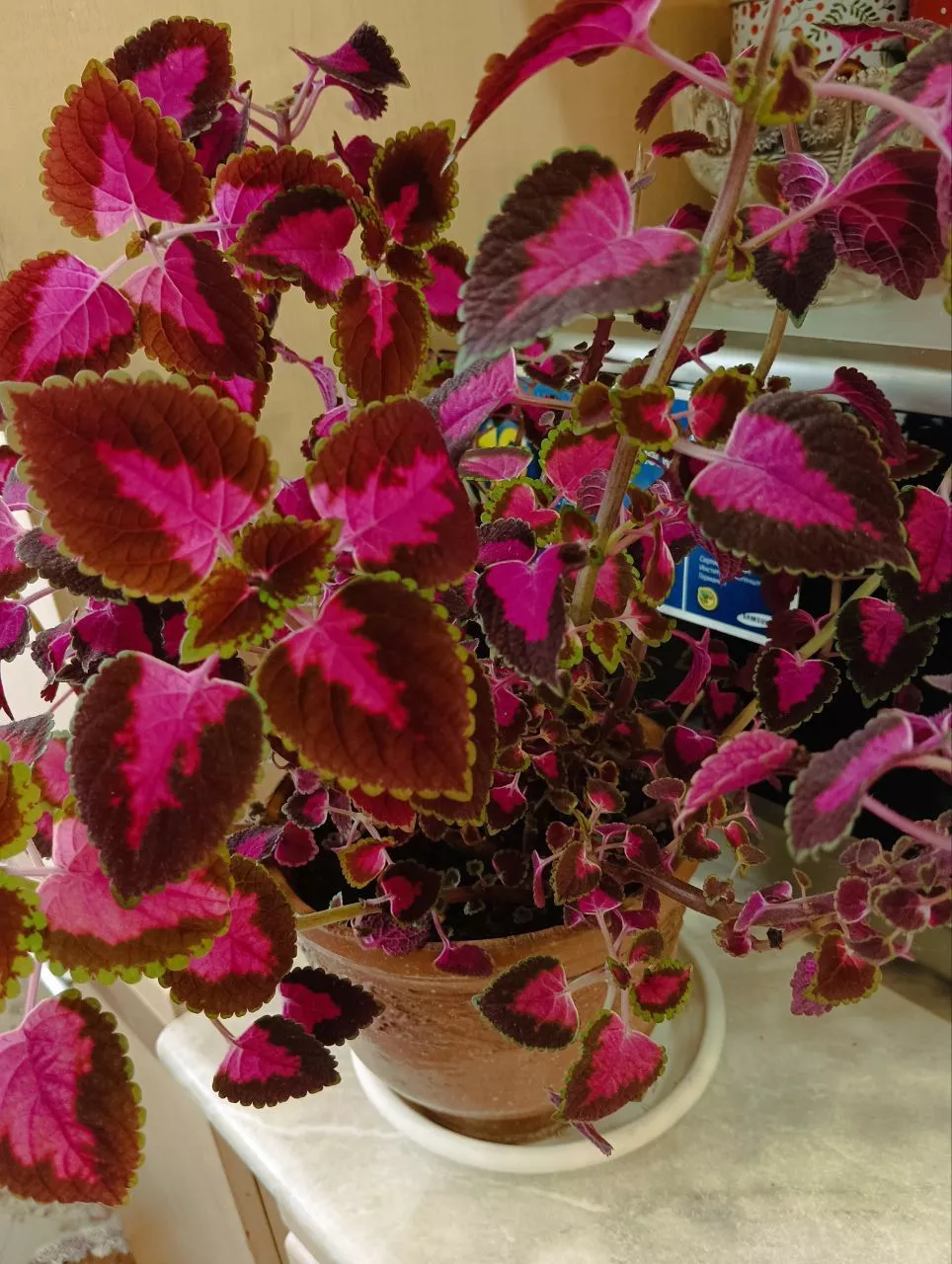
In October, the coleus bloomed, sending up thin spikes that began to reveal small, light-lilac flowers. I trimmed them right away, leaving two to fully bloom for the photo. I then cut those off as well, as the flowers were falling off and littering the windowsill.
My indoor coleus froze twice this winter, and some of the branches froze and dried out. I trimmed off the remaining tops and allowed them to root. I recently (February 20, 2024) transplanted two cuttings into a small pot.
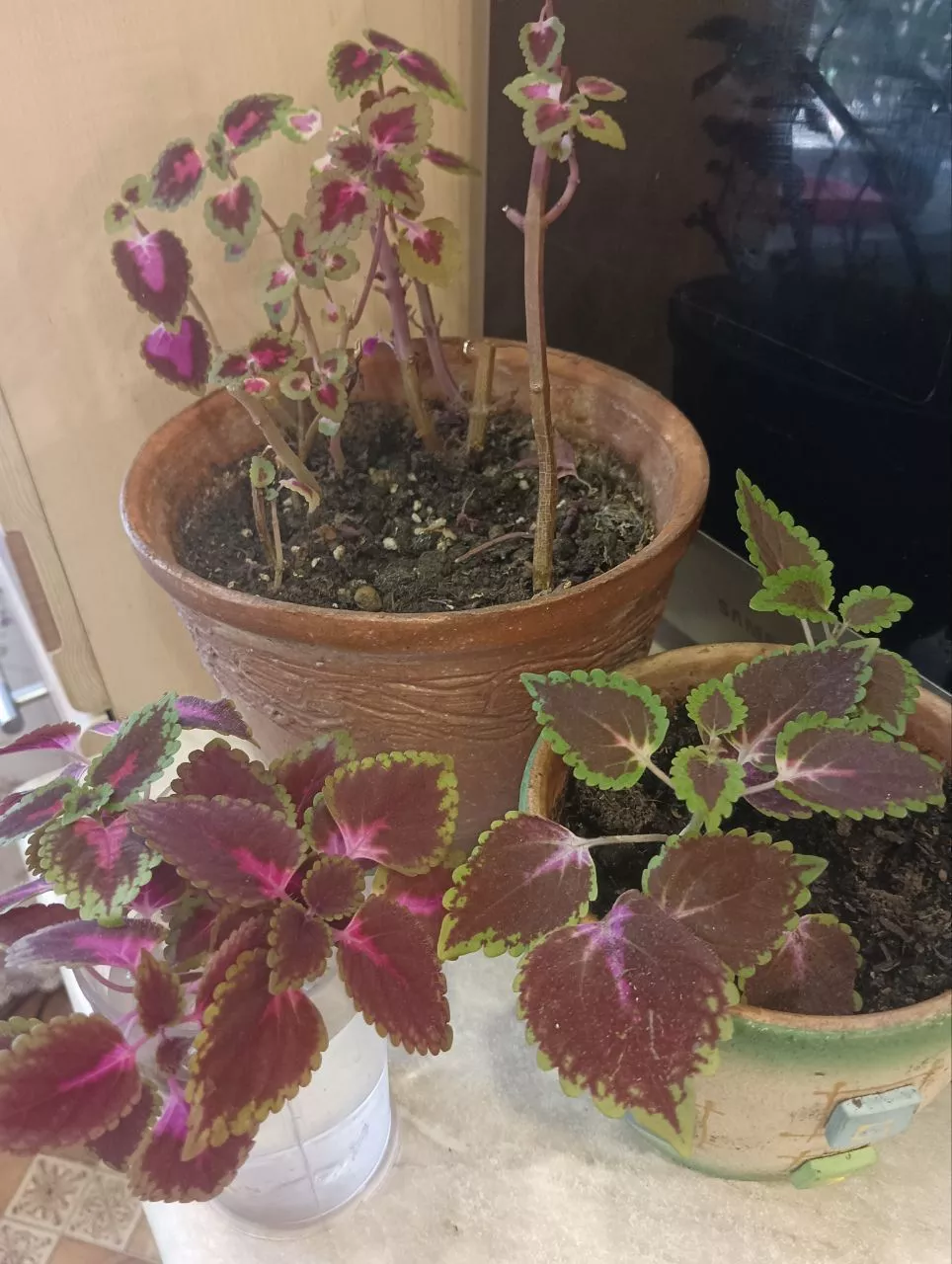
But I've fed the mother plant and added new soil. I hope the coleus will sprout new shoots. I'll plant it at the dacha at the end of May.