

This berry is the most popular among gardeners. In some regions, it's called "strawberry," in others, "strawberry," and in some, "Victoria."
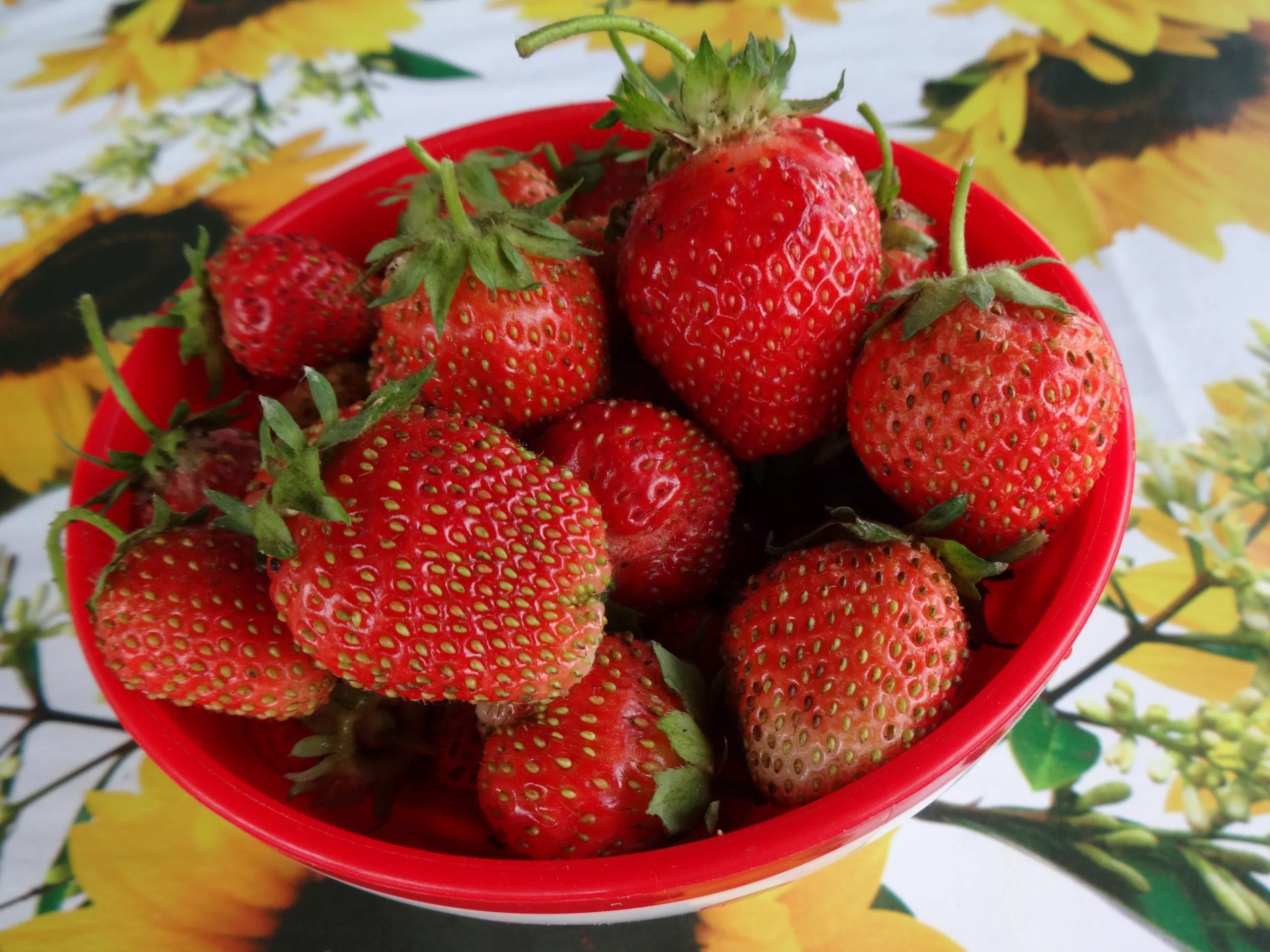
Garden strawberries are my favorite berry. When I was little, every summer during strawberry season, I'd pick a bowl of the fragrant berries, wash them, and have them for breakfast. Now, my grandson, whenever he arrives at our dacha, picks the berries and enjoys them first thing in the morning.
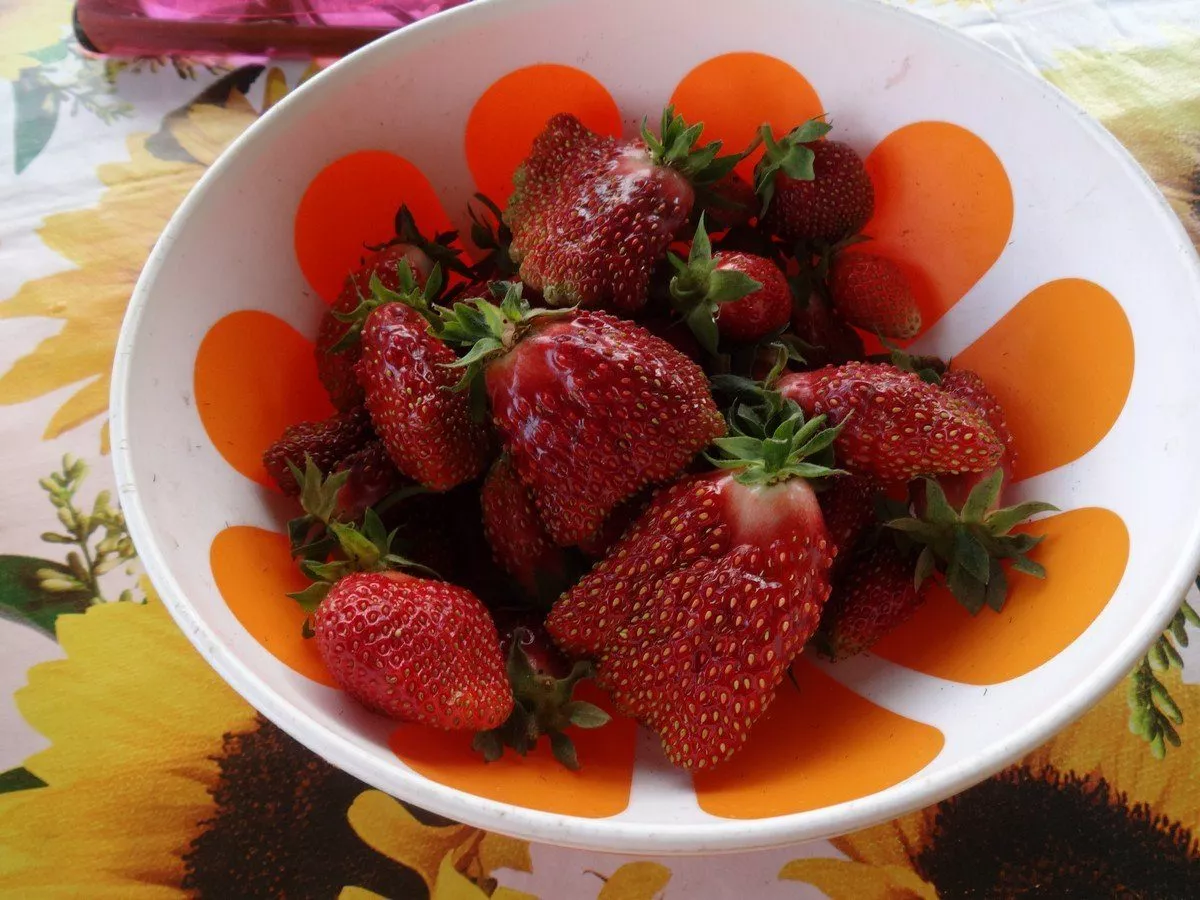
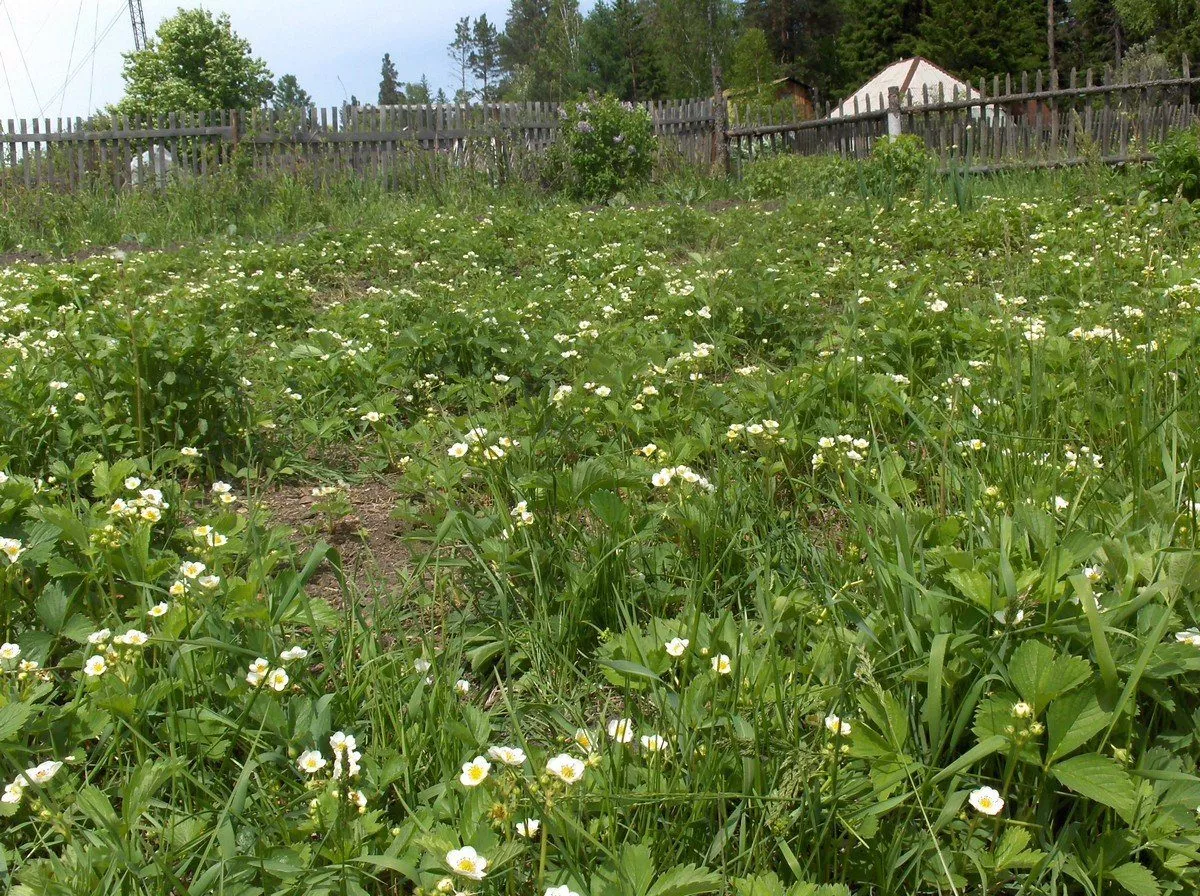
When we bought our first dacha, most of the land was taken up by strawberry fields. The previous owners grew the berries for sale.
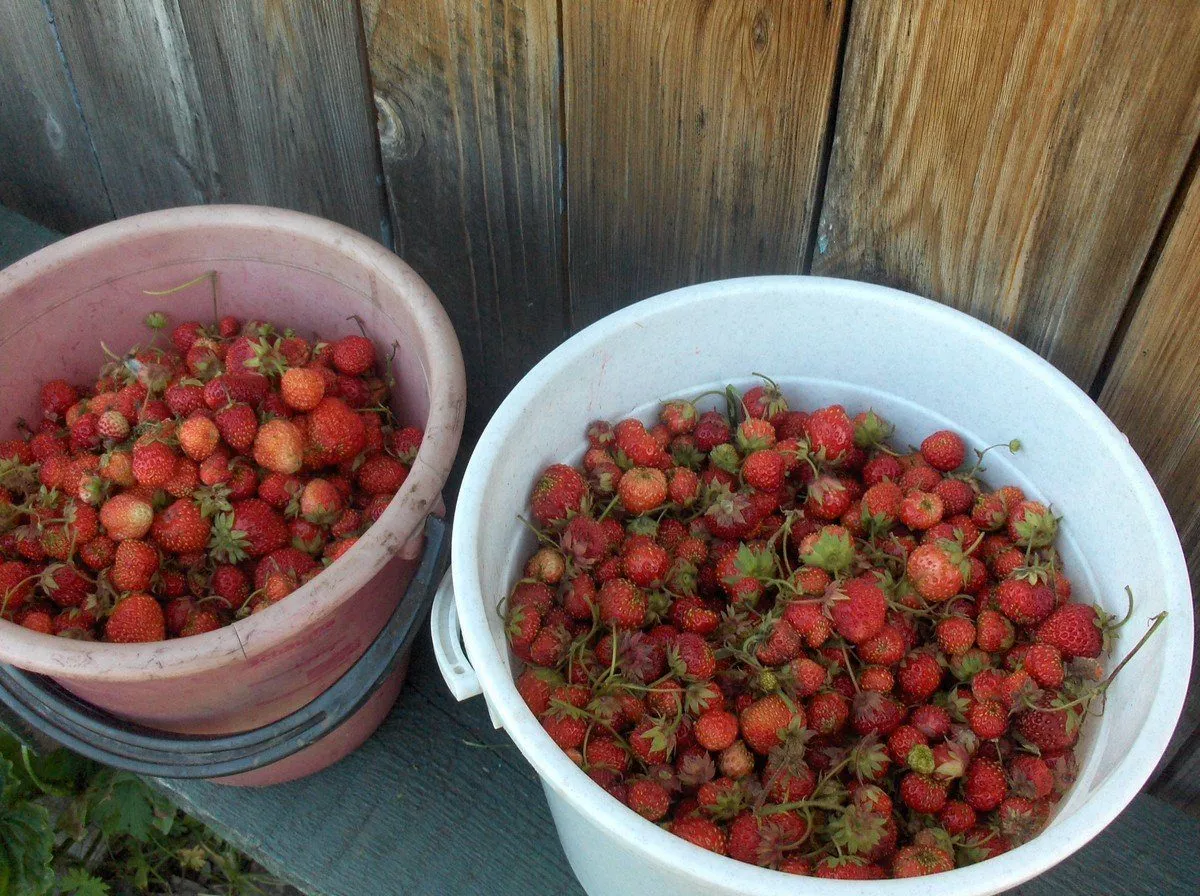
During our first season, we picked 23 buckets of berries. We ate our fill, made jams and compotes, froze the berries for the winter, and shared the harvest with family and friends.
We later downsized the plantation; we didn't need as many berries. Our dacha was 40 km from the city, in the taiga. The strawberries grew well there, didn't freeze, and there was always a harvest. We periodically replanted them, but didn't require any special care, didn't fertilize them, and didn't notice any pests. We pulled up the grass, and if it was too dry, we watered it.
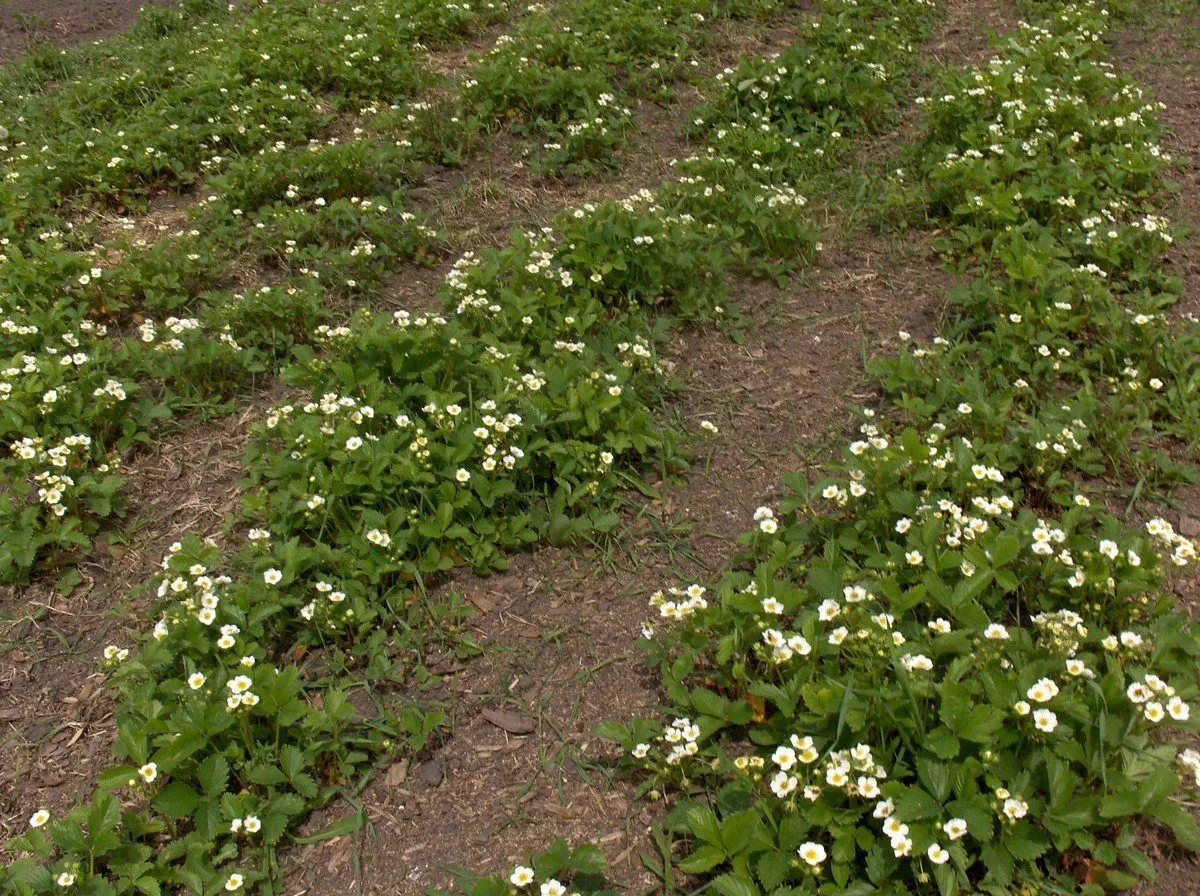
We came to the dacha once a week for one day, and in the evening we went home.
We now have a dacha within the city limits, where we spend every day, coming back after work and spending all weekends there. We also grow strawberries on the property, but here they require extra attention. To ensure a harvest, I start tending them from early spring. They freeze in winter, and are attacked by weevils and mites. Earwigs, slugs, and voracious thrushes also love to feast on the berries.
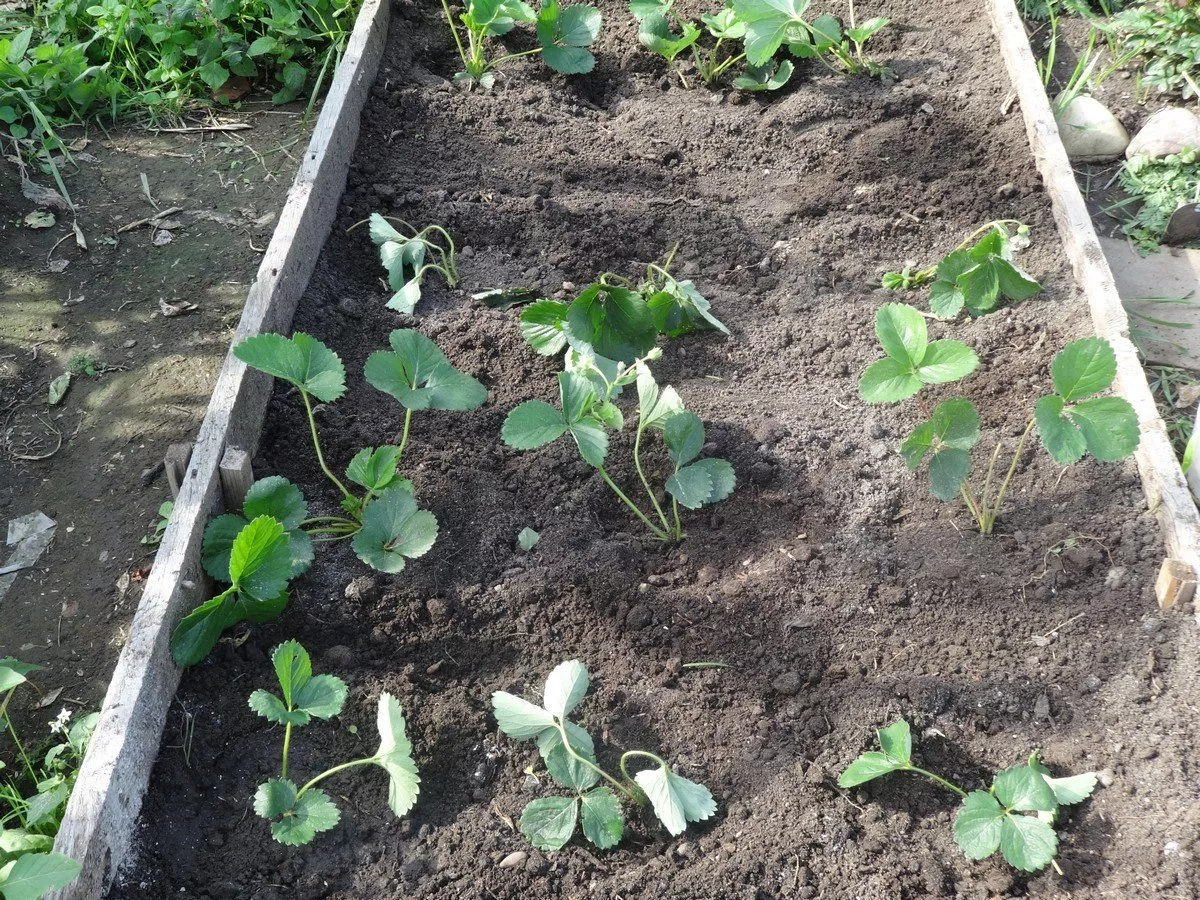
In the spring, while there's still snow, I cover the plantings with a covering material to prevent them from freezing overnight. When the bushes have grown a little, I loosen the soil, fertilize with nitrogen and urea, add compost and ash, and apply organic strawberry fertilizer. I water regularly, remove weeds, and mulch. I also spray for pests; if this isn't done promptly, weevils will ruin most of the harvest.
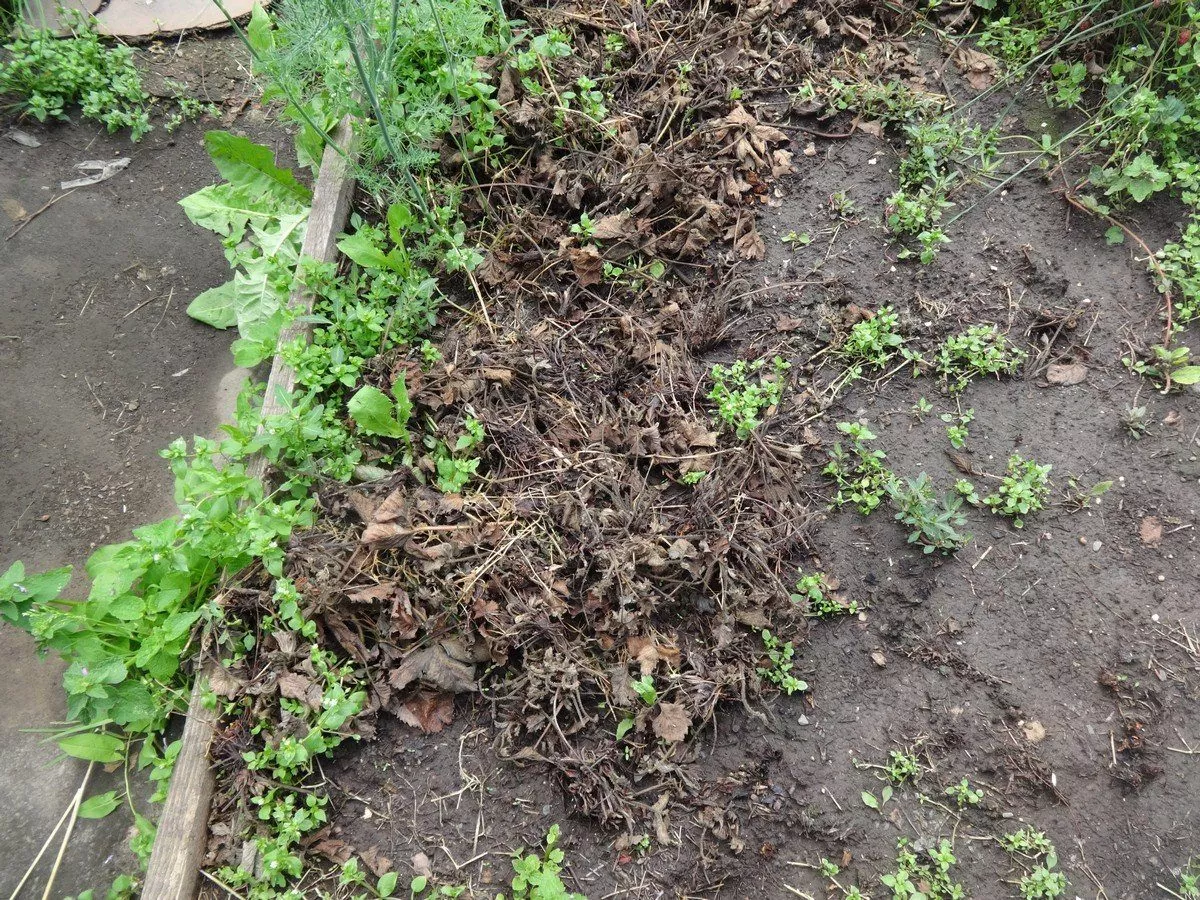
We have four small beds in our plot—one very old, with the Kupchikha variety and the everbearing Irma. This year, I planned to remove the bushes after harvest; the strawberries were blooming profusely. But it rained heavily throughout June, and some of the plants' roots simply rotted. Almost all the plants died. We removed all the plants and roots from this bed, dug over the soil, watered it with a phytosporin solution, and sowed a green manure crop—white mustard.
There's also berry bushes growing along the path, where I planted different varieties—Lambada, Maryshka, Garlanda remontantnaya, and Strawberry from the Forest—fragrant and delicious. But I didn't like these varieties; they're all leaves, the berries are small, there aren't many of them, and they're mostly used for jam. I plan to remove these strawberries, too.
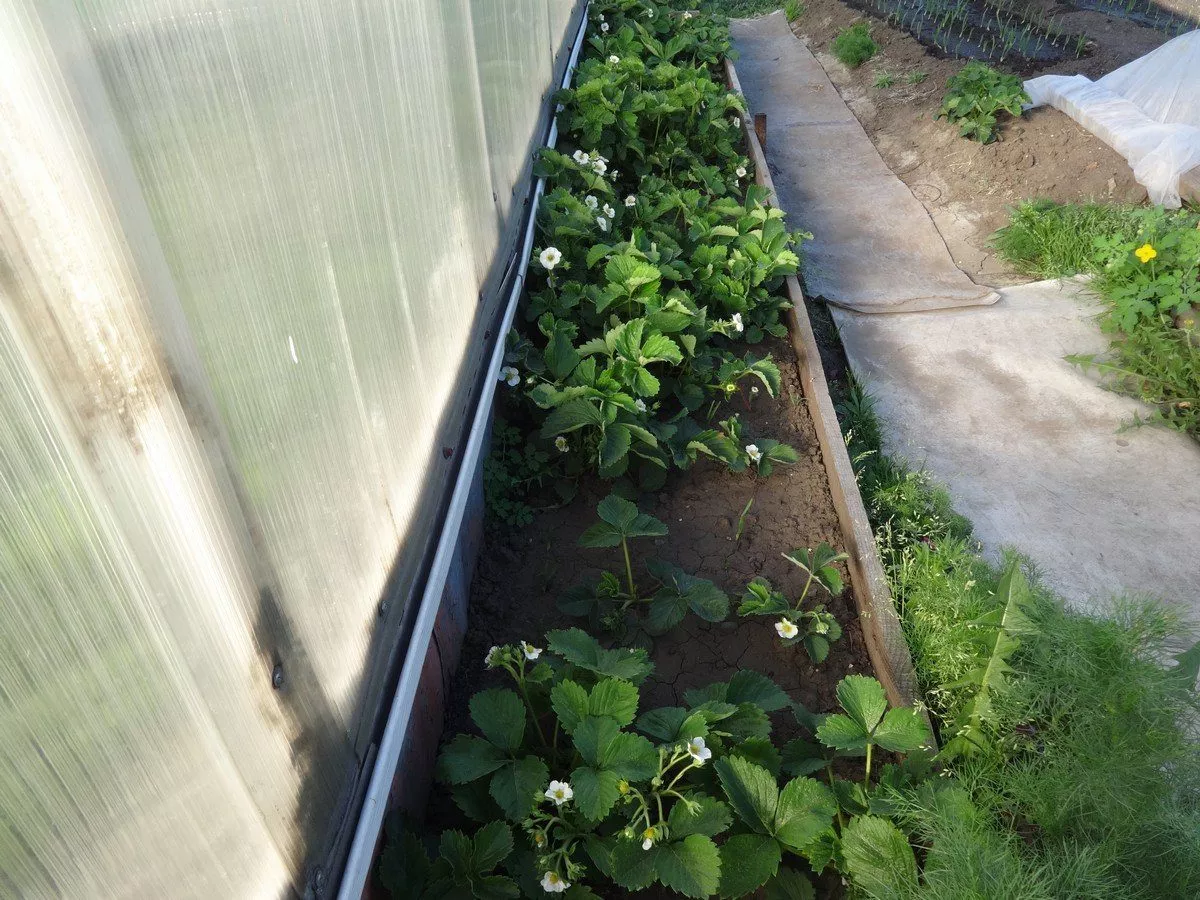
The best bed is located along the greenhouse; it's where the best strawberries grow, large berries, and strong mother plants from which I take new plants. The first berries always begin to ripen there, and the varieties growing there include Konrad Pobeditel, Zenga Zengana, Festivalnaya Romashka, Irma, and Kupchikha Strawberry. This bed is two years old.
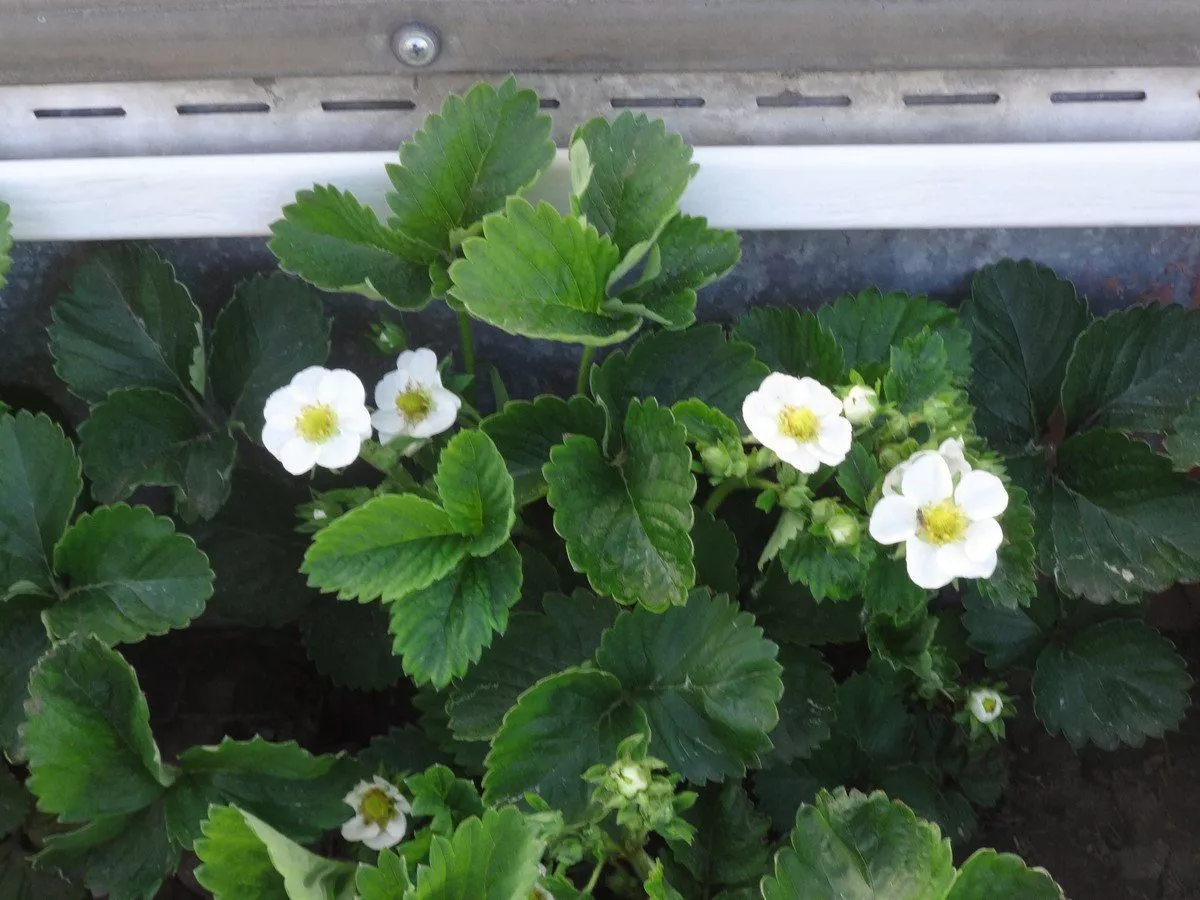
We built a fourth bed last summer, covering the soil with black covering material. I planted the best bushes, but my experiment failed. Under the cover, almost all the bushes died, frozen or soaked. In the spring, I had to replant the lost bushes with young plants I collected from all the beds. Some bushes were very productive, but others were fruitless. I'll have to remove them and replant new plants in their place. I removed the black spunbond.
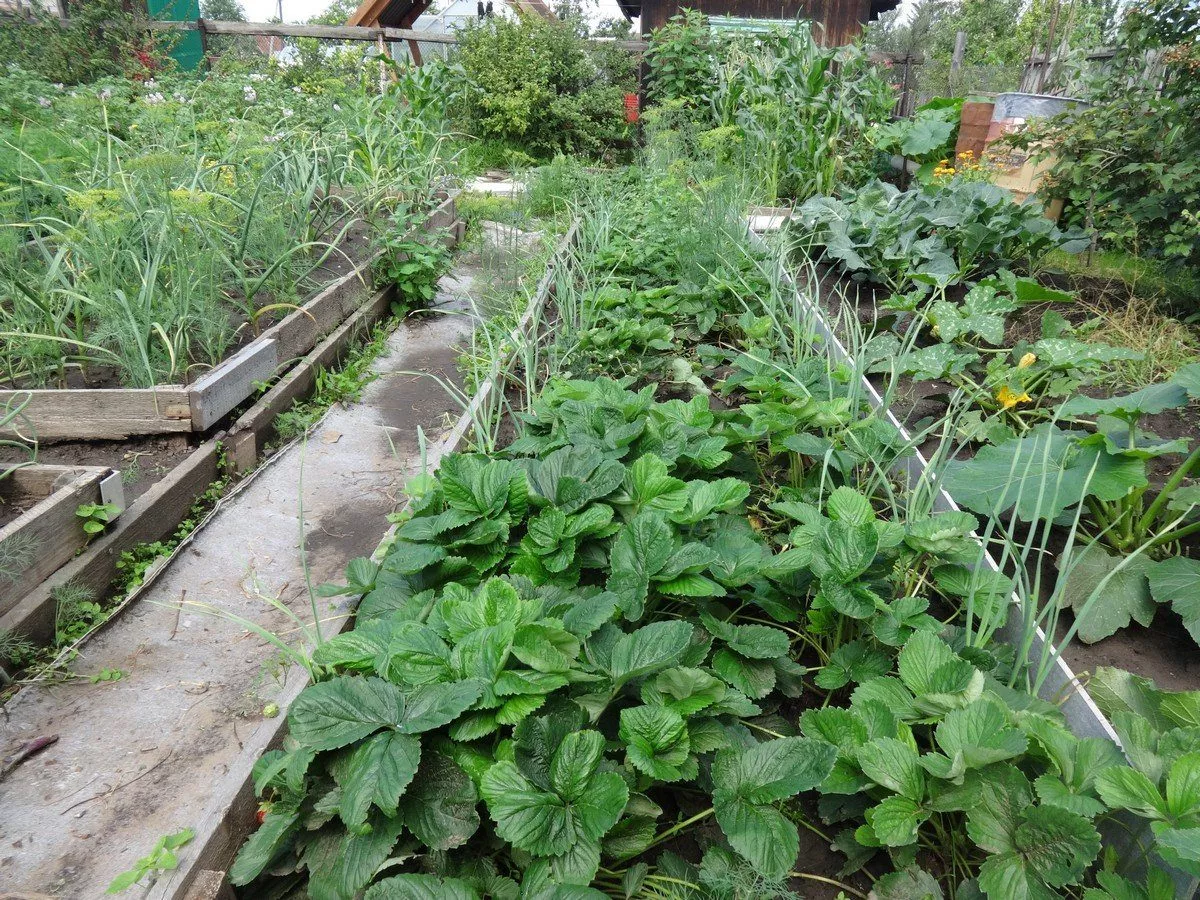
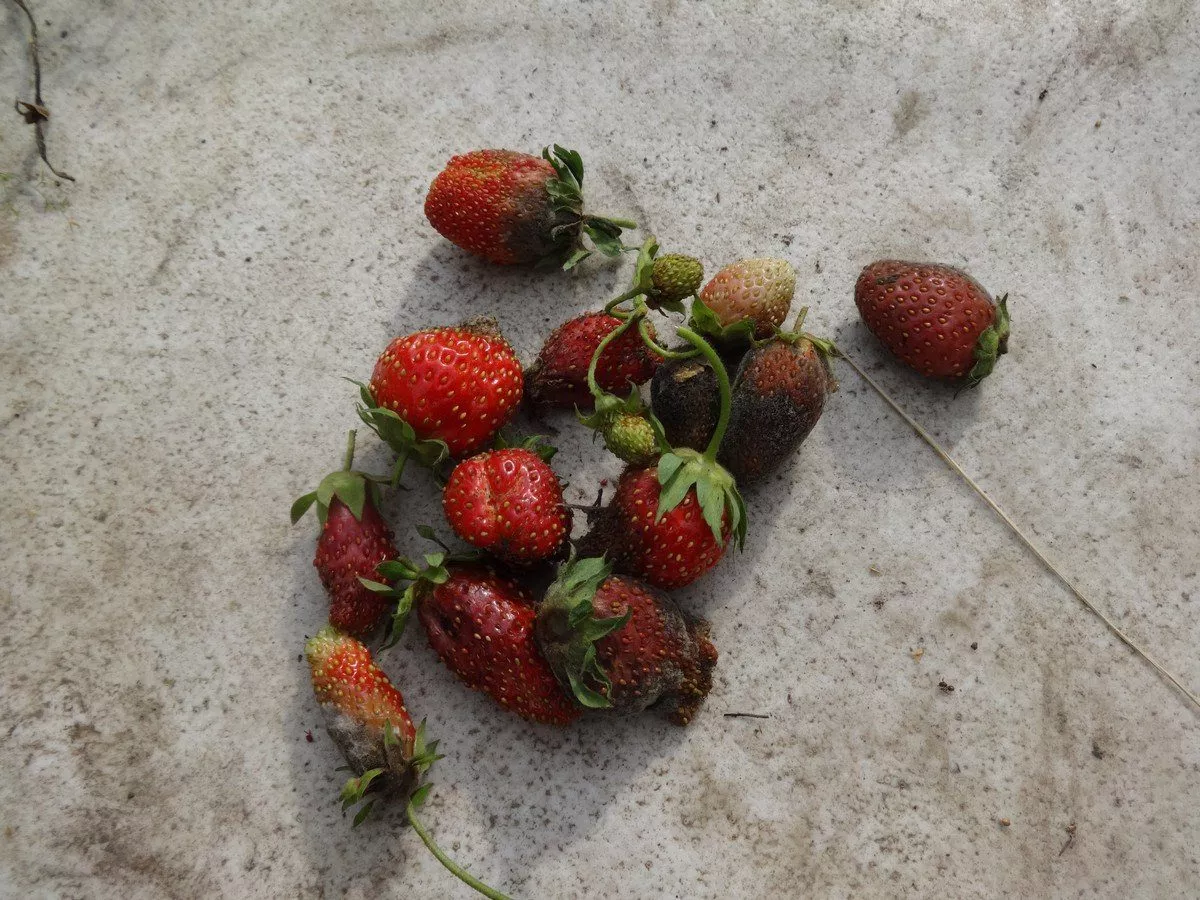
The berries began to ripen in June, the first ones were the largest, but due to excess moisture, many berries rotted.
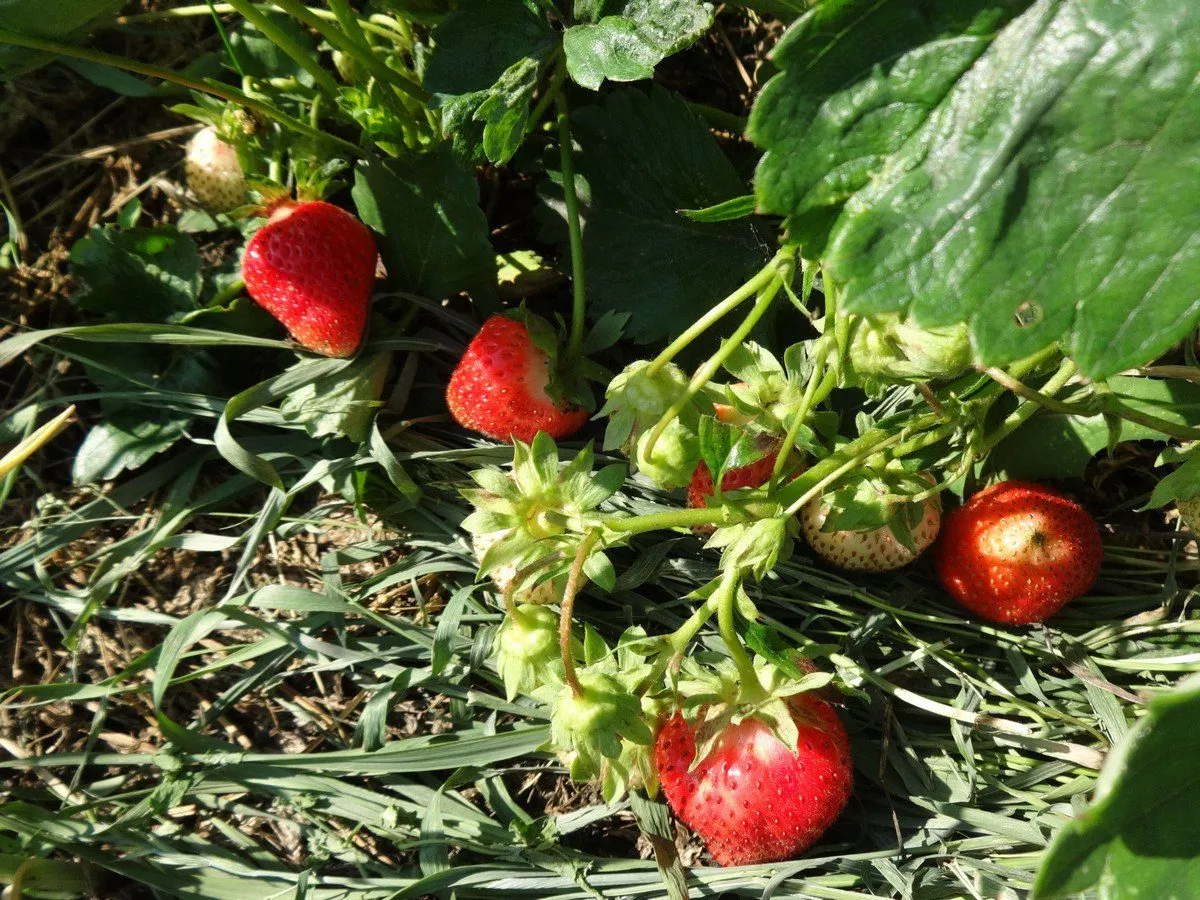
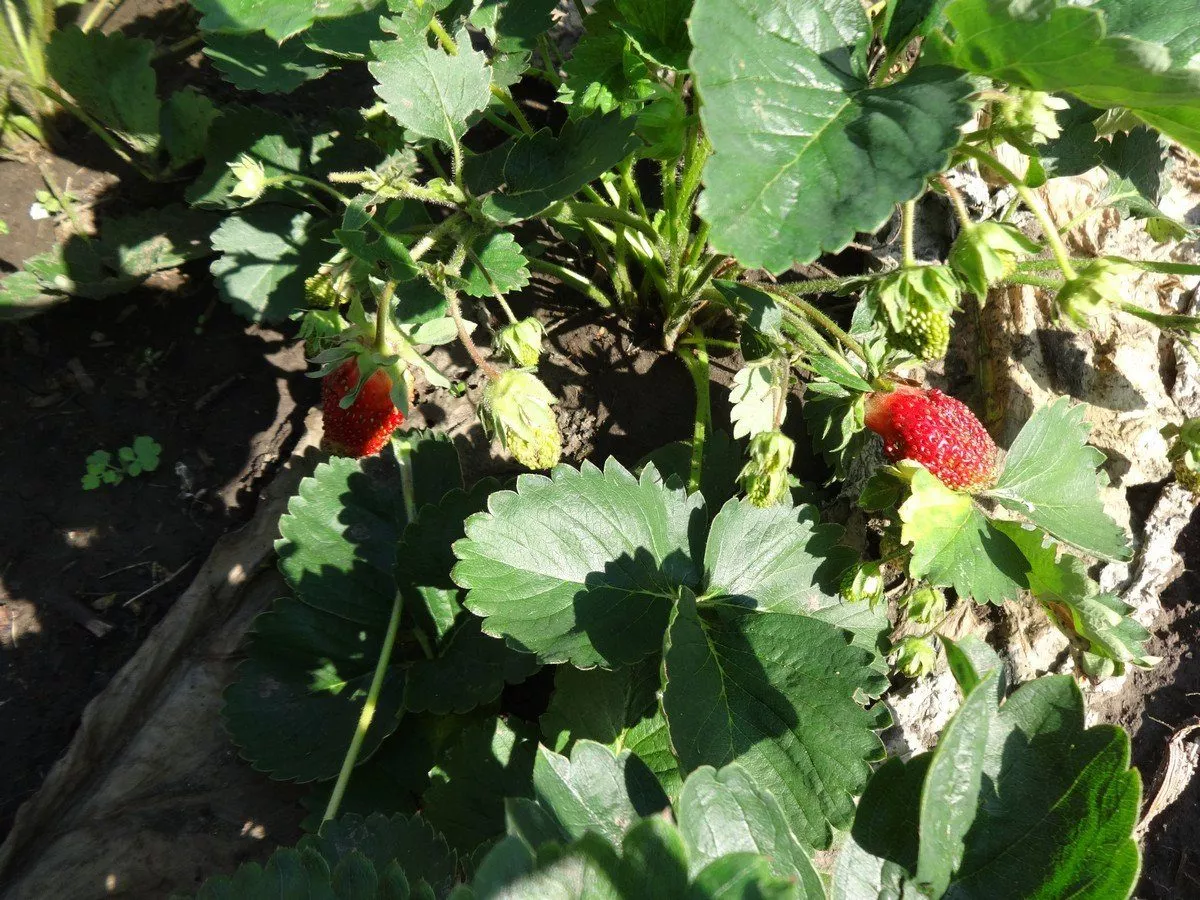
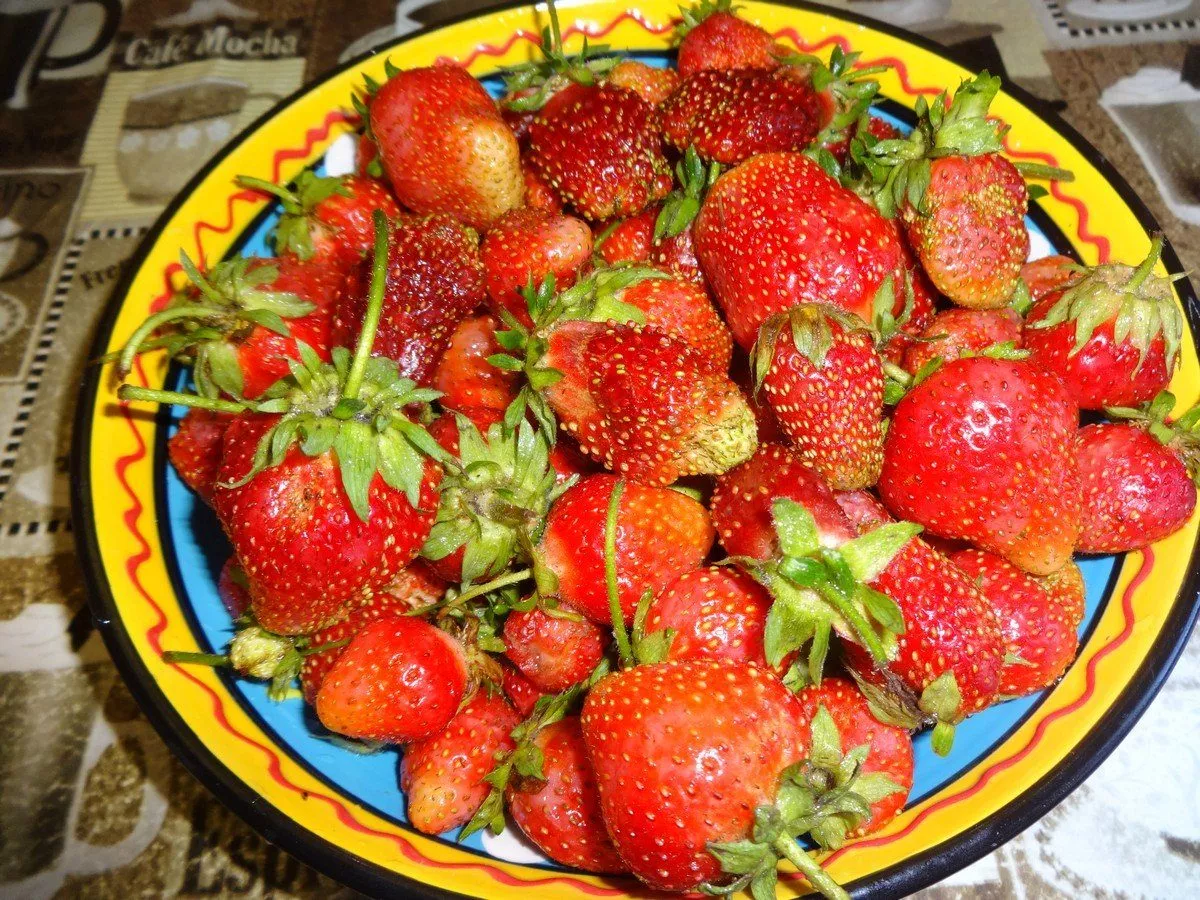
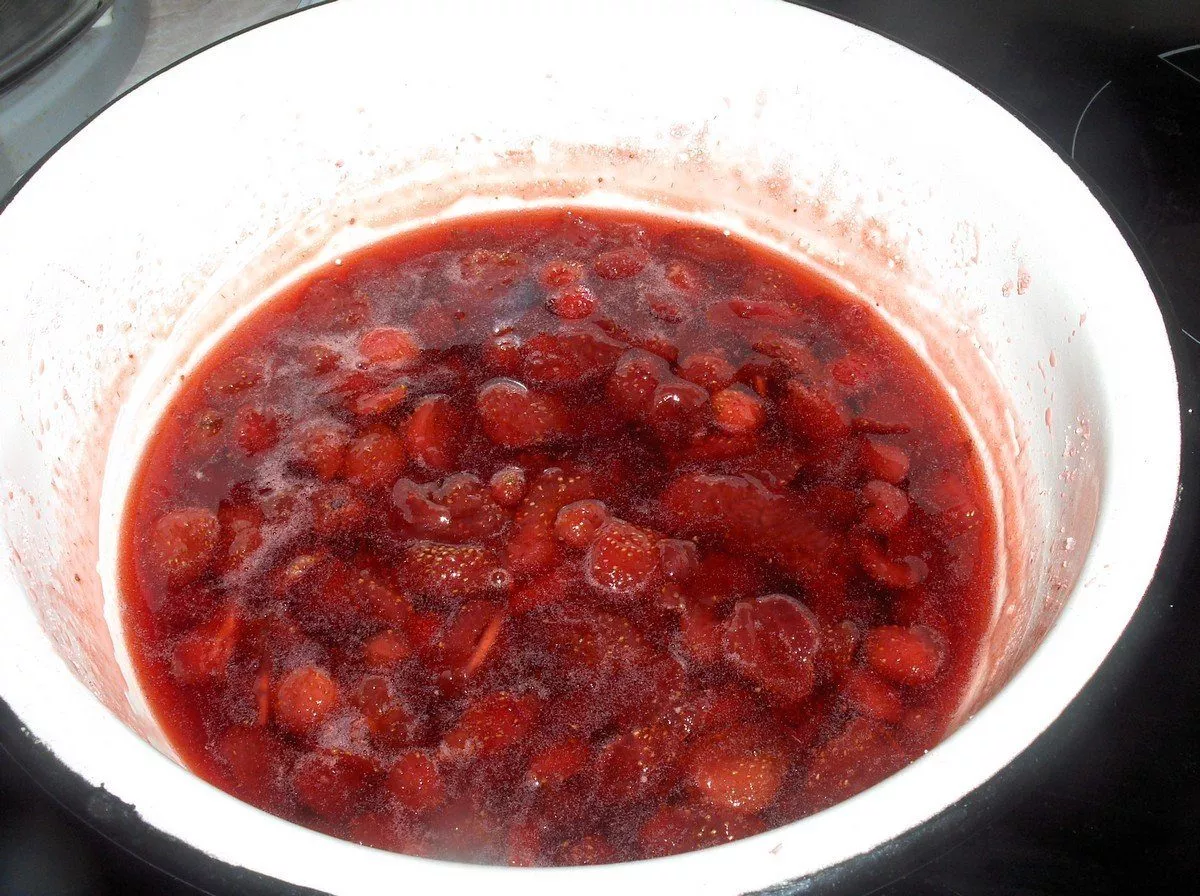
We harvested the strawberries every day, ate fresh ones, and stored them for the winter. I made some jam, froze some whole, and blended the rest with a little sugar.
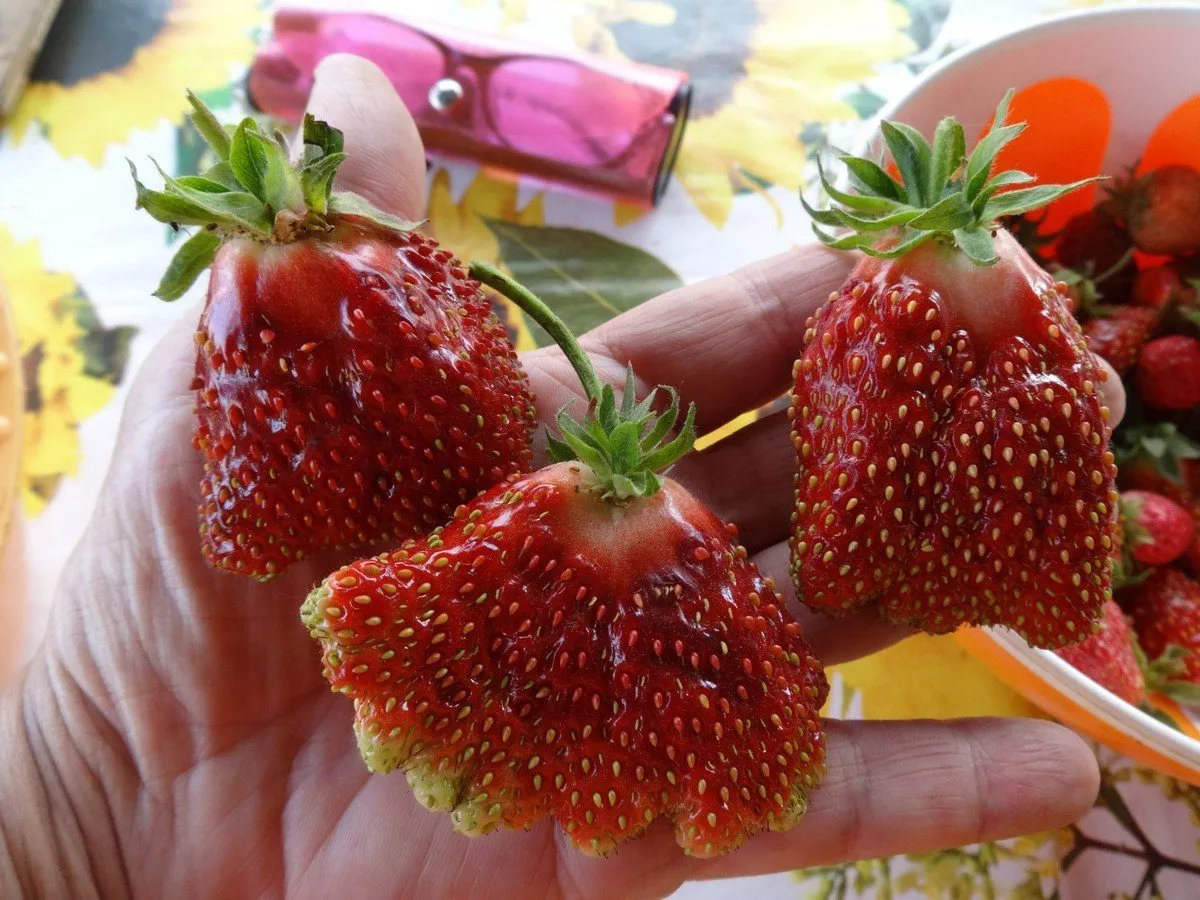
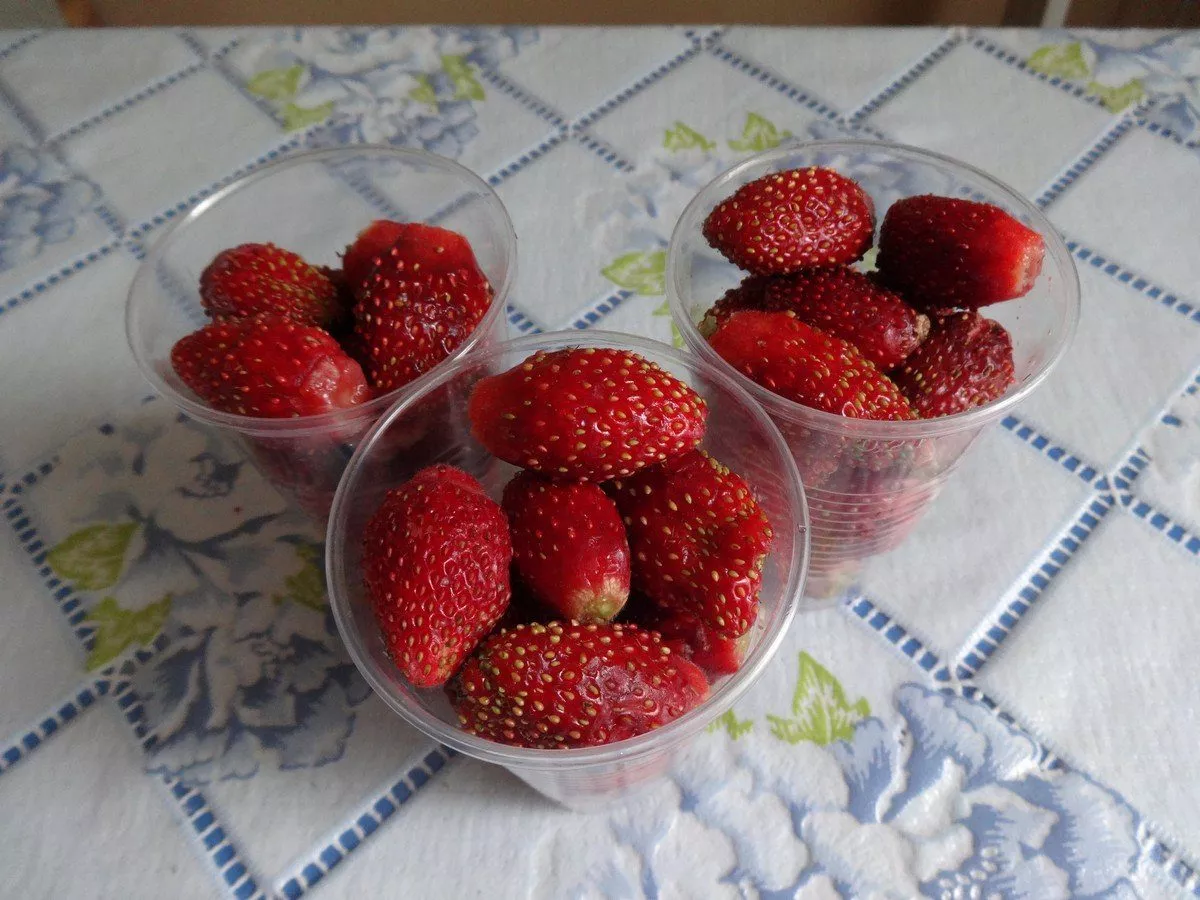
And my grandson came up with this dessert: cut the berries into slices, pour condensed milk over them, top with melted chocolate, and freeze.

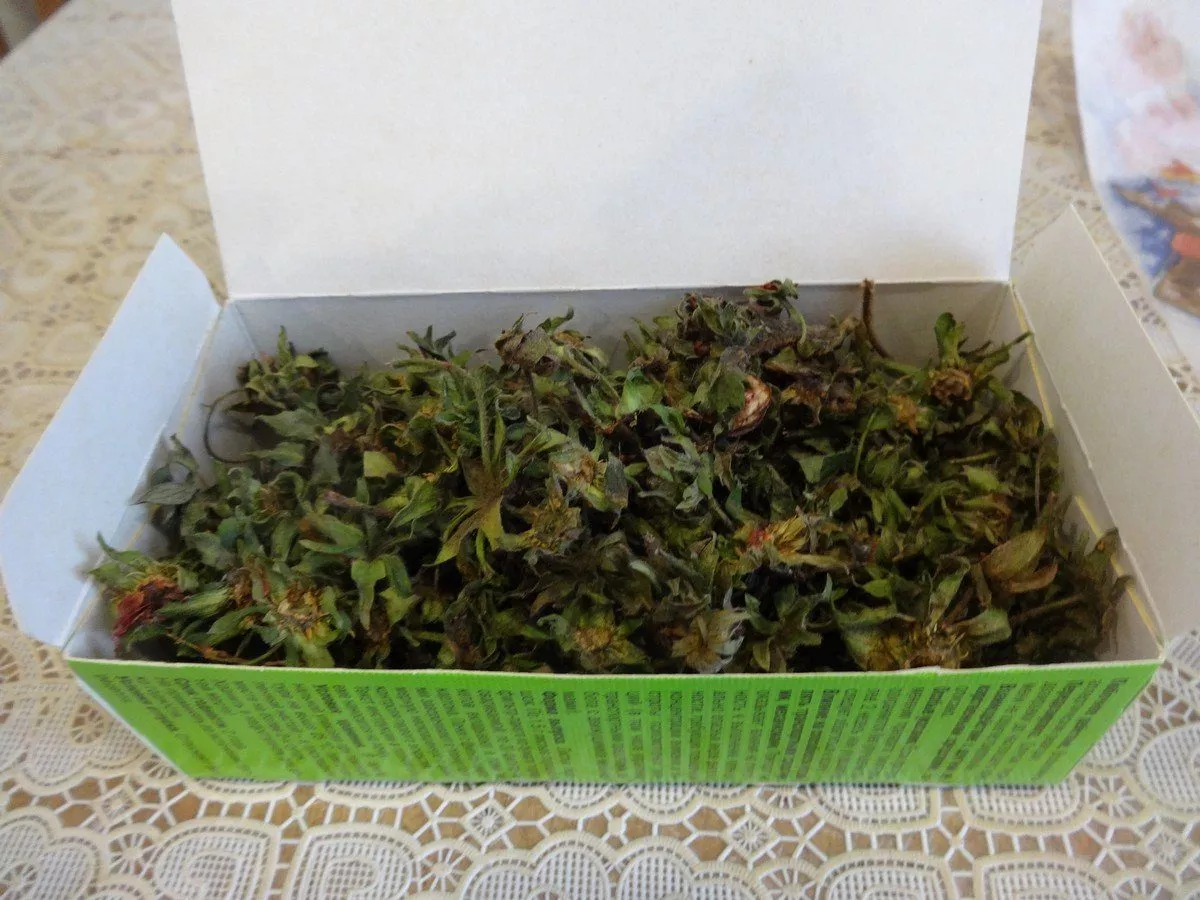
I also dried the sepals of strawberries - the so-called stems - they contain a lot of useful substances and vitamins, we will drink strawberry tea.
What are the benefits of strawberries?
Strawberries are rich in vitamins B, C, A, E, and PP, which strengthen the immune system, protect against colds, flu, and cancer cells, rejuvenate (berry masks), smooth wrinkles, and improve complexion. These vitamins help with stress, improve mood, reduce insomnia, and calm the nervous system.
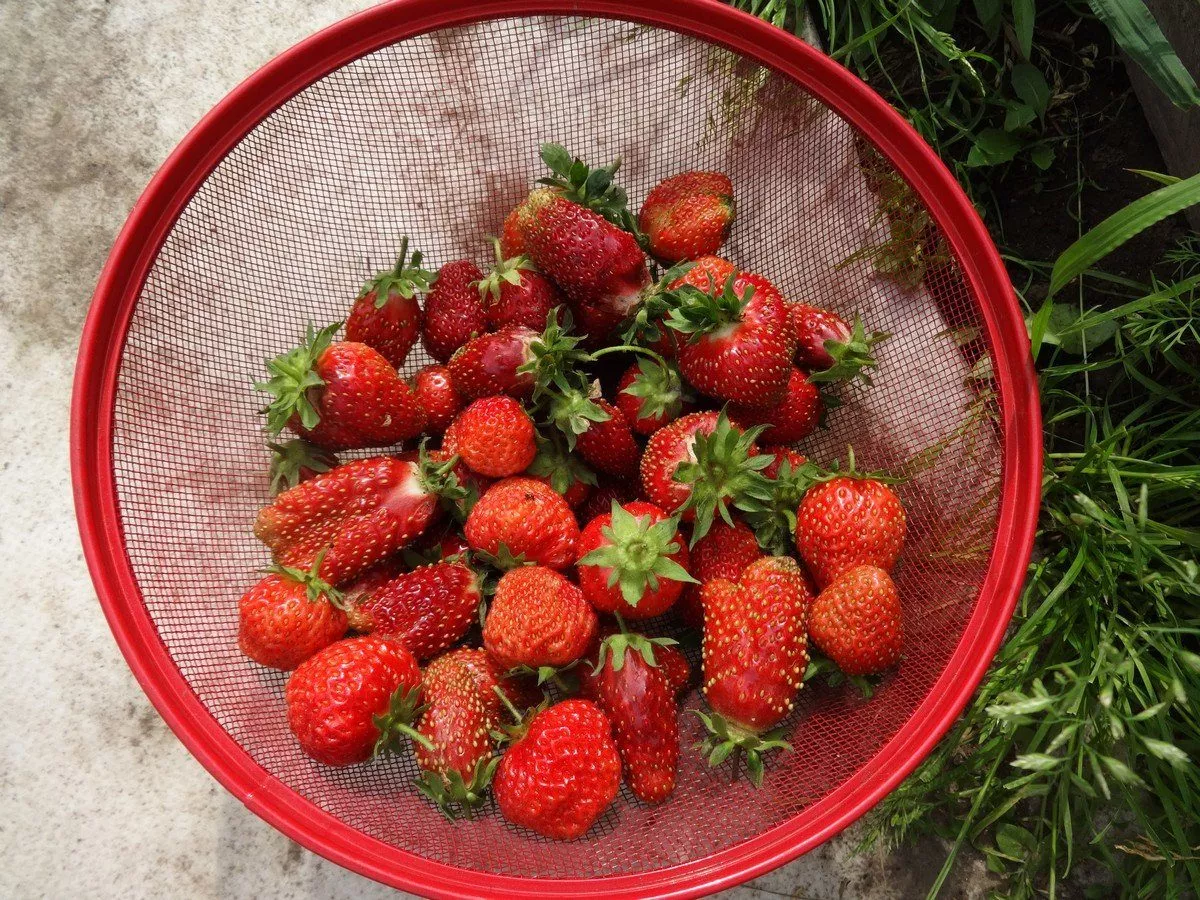
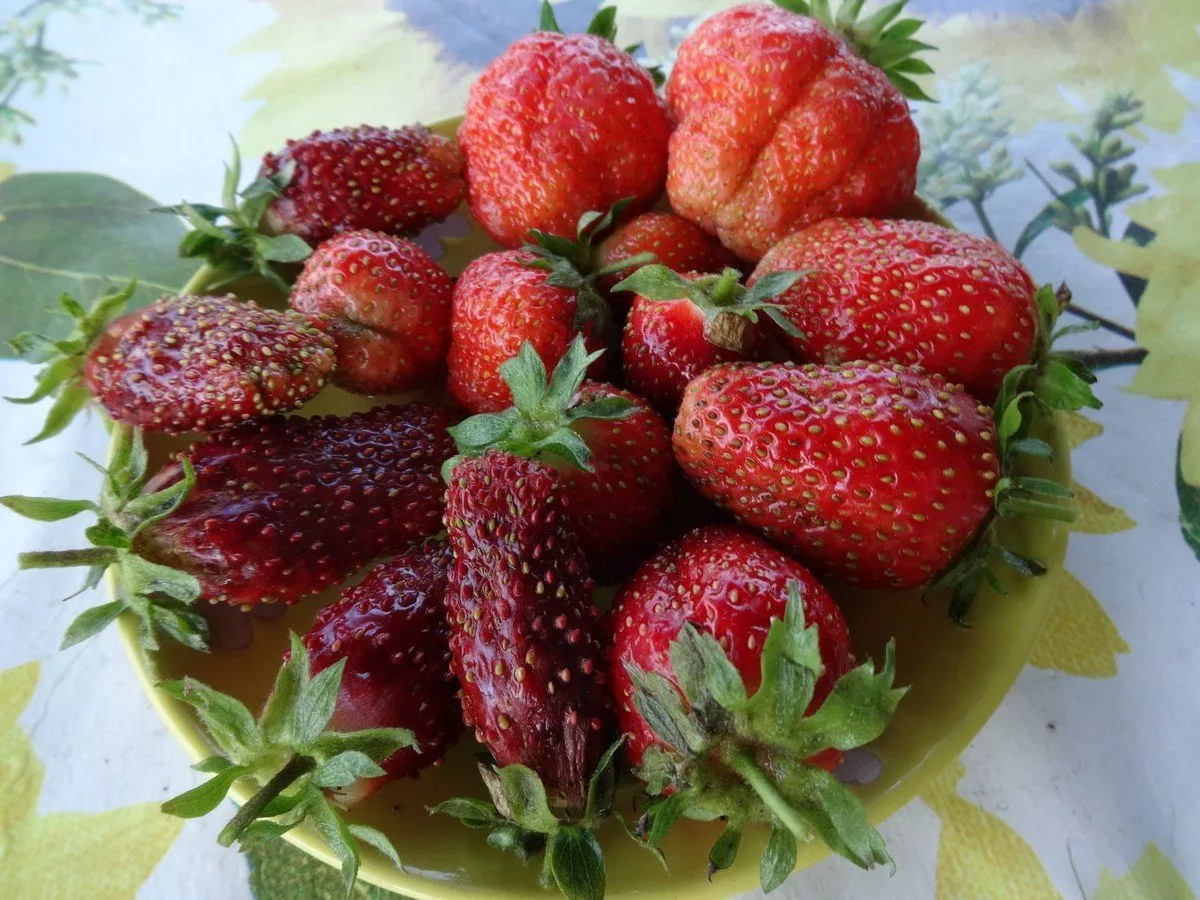
In addition to vitamins, strawberries contain many minerals (calcium, magnesium, phosphorus, potassium, selenium, sodium, iron) and other compounds – all of which have a beneficial effect on the body – they strengthen the heart and blood vessels, protect against stroke and hypertension, purify the blood, and improve brain function.
Strawberry leaves and sepals are also rich in vitamins; they are dried and used as tea or infusion.
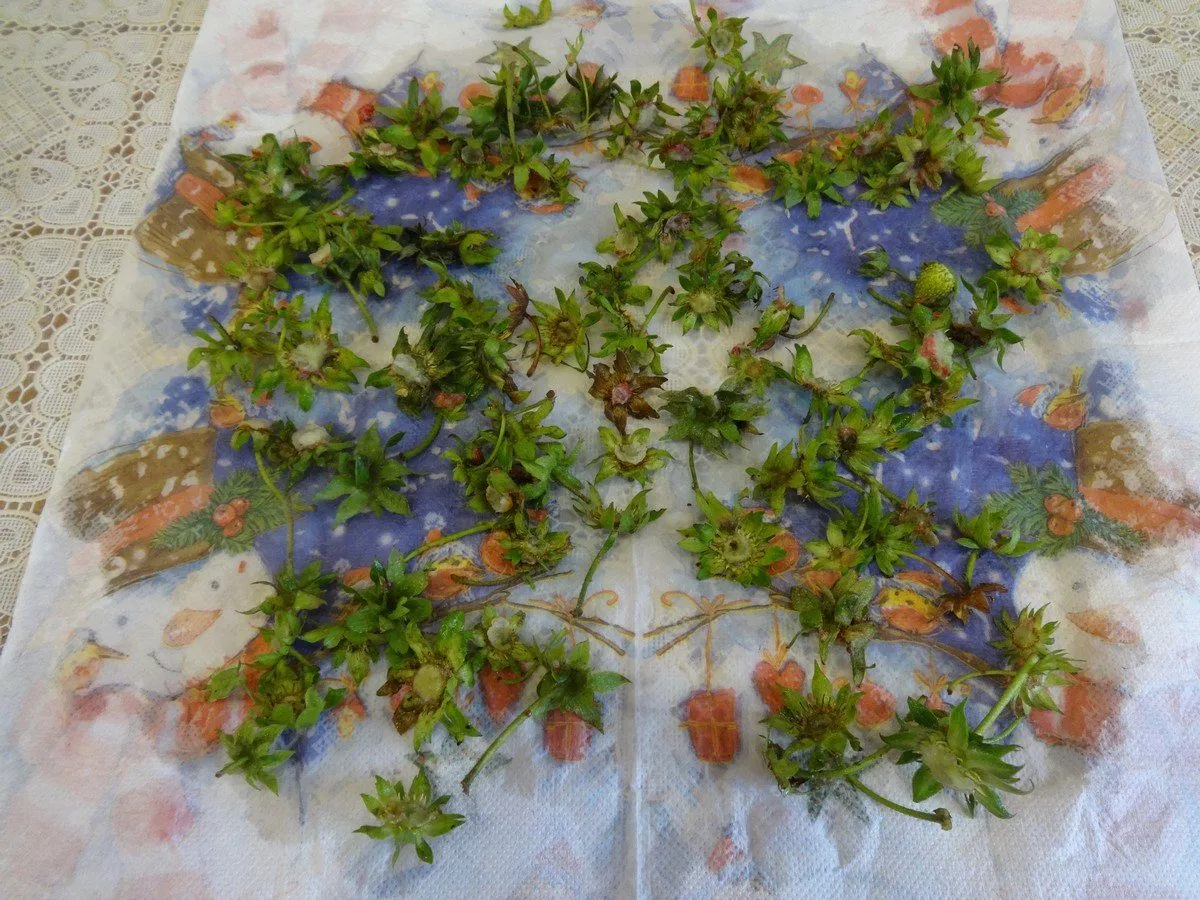
This tea has a diuretic effect and lowers bad cholesterol and blood pressure, reduces the development of cardiovascular diseases, relieves stress, irritation, and fatigue, and is useful for preventing colds. Strawberry tea is also helpful for joint pain, osteochondrosis, and gout.