
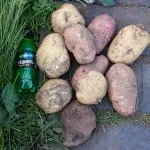
There are no village beds without cabbage.
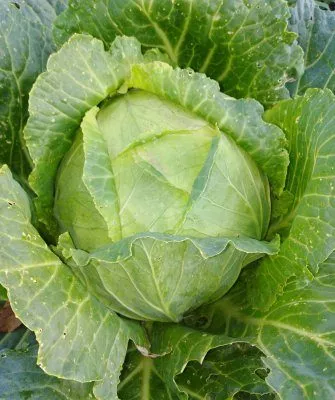
The cabbage in our garden always gave us a great harvest.
Previously, only white cabbage was grown, but today we also grow cauliflower, broccoli, red cabbage, and even Brussels sprouts. The most popular preparation is sauerkraut, which is stored in barrels and then transferred to glass jars and sealed. This preserves both the flavor and the aesthetic appeal of the snack.
But this year isn't a good harvest. Not only are the pests attacking with particular audacity and frequency, but the heat is ruining the heads. In a small bed, you can't even see any whole cabbages, and even if you do find one, you're sure to find a caterpillar inside. What a disaster!
After planting the seedlings, she was attacked flea. In just a couple of days, the leaves looked like a sieve. We used a pesticide to control the pest. Actellik, and they were treated twice with an interval of one week.
Some cabbage died from the activity mole cricketsWe have a pile of manure behind our garden, and our neighbors have animal waste right next to our property line. It's a breeding ground for mole crickets! We spend a lot of effort fighting them every year:
- We place the “Thunder” granules into the holes and rows. We are afraid to scatter them on the surface of the beds, so as not to accidentally poison our pets.
- We prepare a “treat” from 0.5 kg of wheat and 25 g of malathion. Drizzle the porridge with homemade sunflower oil. Then spread the mixture between the rows.
- We spray crops with Medvetoks or Prestige 2-3 times per season. It's important to follow the instructions for use and wear respiratory and eye protection.
This winter was frost-free, so mole crickets have become very common. That's why they're causing so much damage to the garden beds. If you neglect control measures, the mole crickets will be right there.
When tying the heads, they appeared green caterpillarsIf they live on the outer leaves, they are easy to spot, but they can also be found in the heads, making them much more difficult to eradicate.
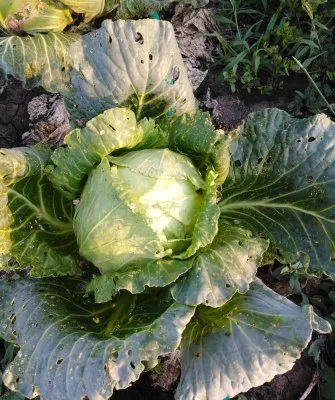
Holes in cabbage leaves left by caterpillars.
We processed the cabbage Decisom Extra — dealt with the problem quickly. But still Fitoverm It's less toxic, so we prefer it. This time, it wasn't available in the store, and the problem was acute.
The most affected heads were cut off for livestock feed. The roots were not removed, as over time several new heads grow from them. These are smaller than the main heads, but are perfectly suitable for both humans and animals.
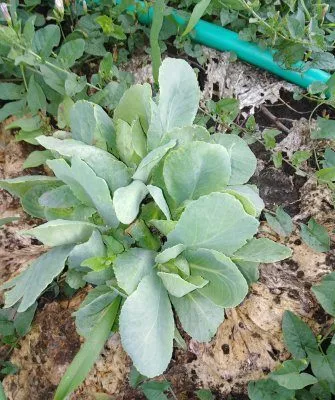
Second harvest of cabbage on one root.
Excessively hot weather caused the leaves to turn black on the inside of the head. The beds were watered sparingly, otherwise an infestation of snails and slugs would have been inevitable.
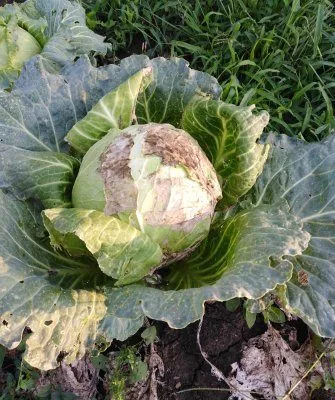
Cabbage spoiled by the sun.
And now it's been raining for three days. I hope the ripe heads don't burst. I'll have to cut them in this weather—they won't last long.
Next season, we'll focus on late-ripening varieties rather than early and mid-season ones. I think this will reduce the hassle and problems associated with growing them.
Oksana, our early cabbage was also completely attacked by pests this year – cabbage butterfly caterpillars and cutworms are gnawing at the leaves. Slugs are chewing huge holes in the leaves and crawling into the cabbage heads. I found a fat caterpillar in one head, and two slugs in another. Horrible. And due to the excessive humidity – we've had rain all summer – the cabbage is starting to rot.