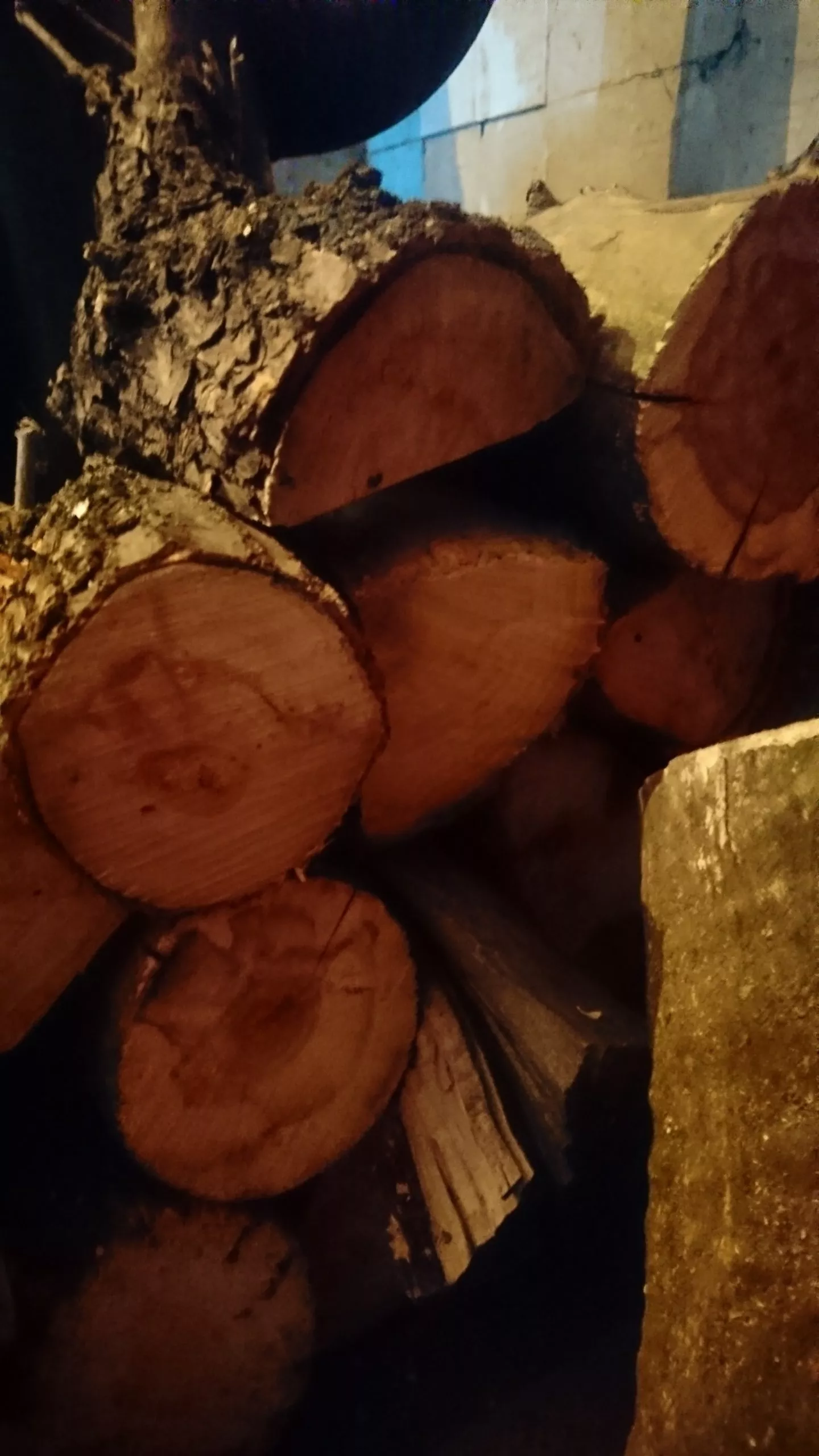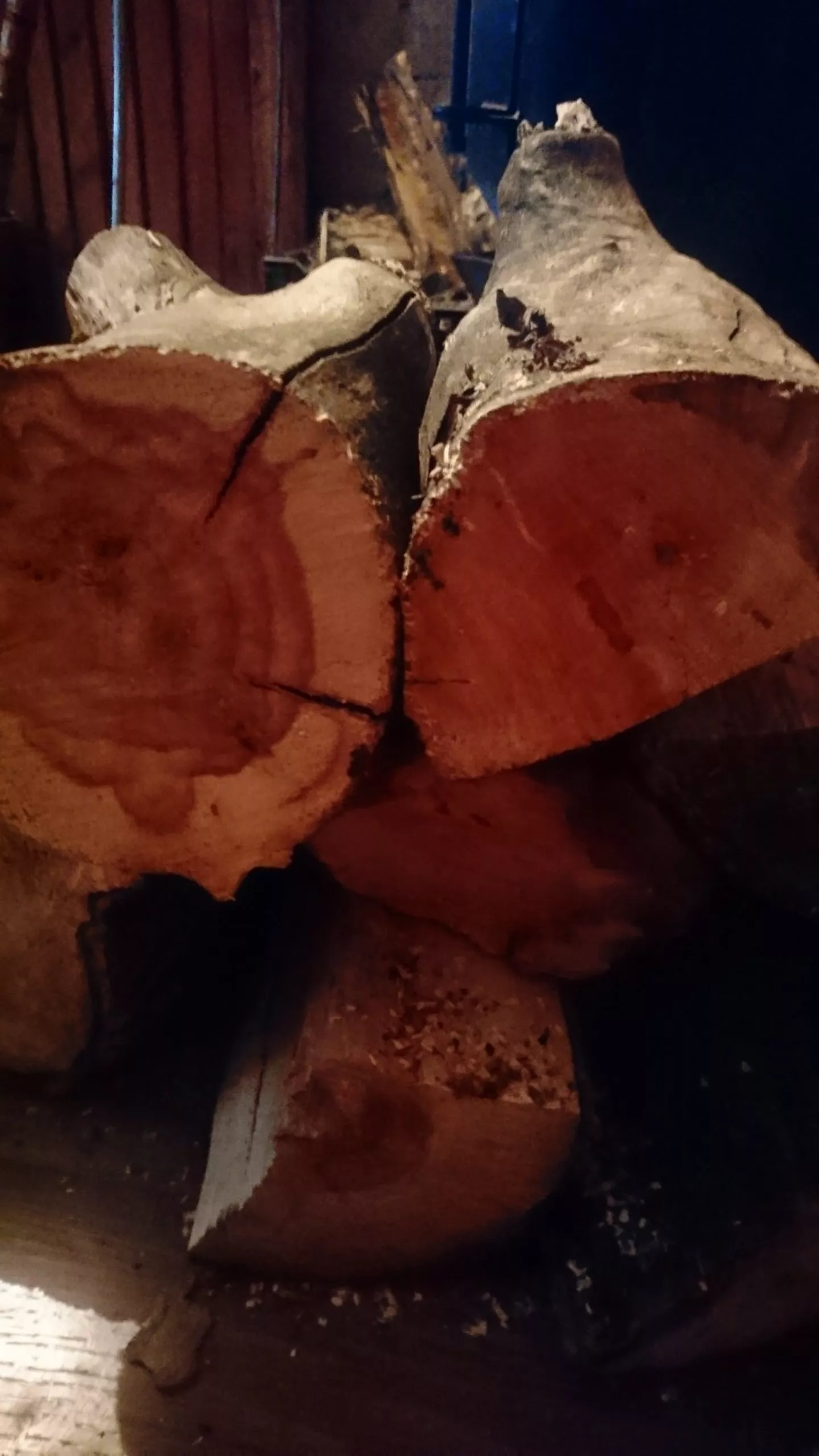
Life in the village is not only a pleasure (I mean that wrote), but also some problems associated with stove heating. Of course, many homes today have gas, but there are also traditional Russian stoves and potbelly stoves. Therefore, the choice of firewood (which, incidentally, is an order of magnitude cheaper than coal) is a very pressing issue.
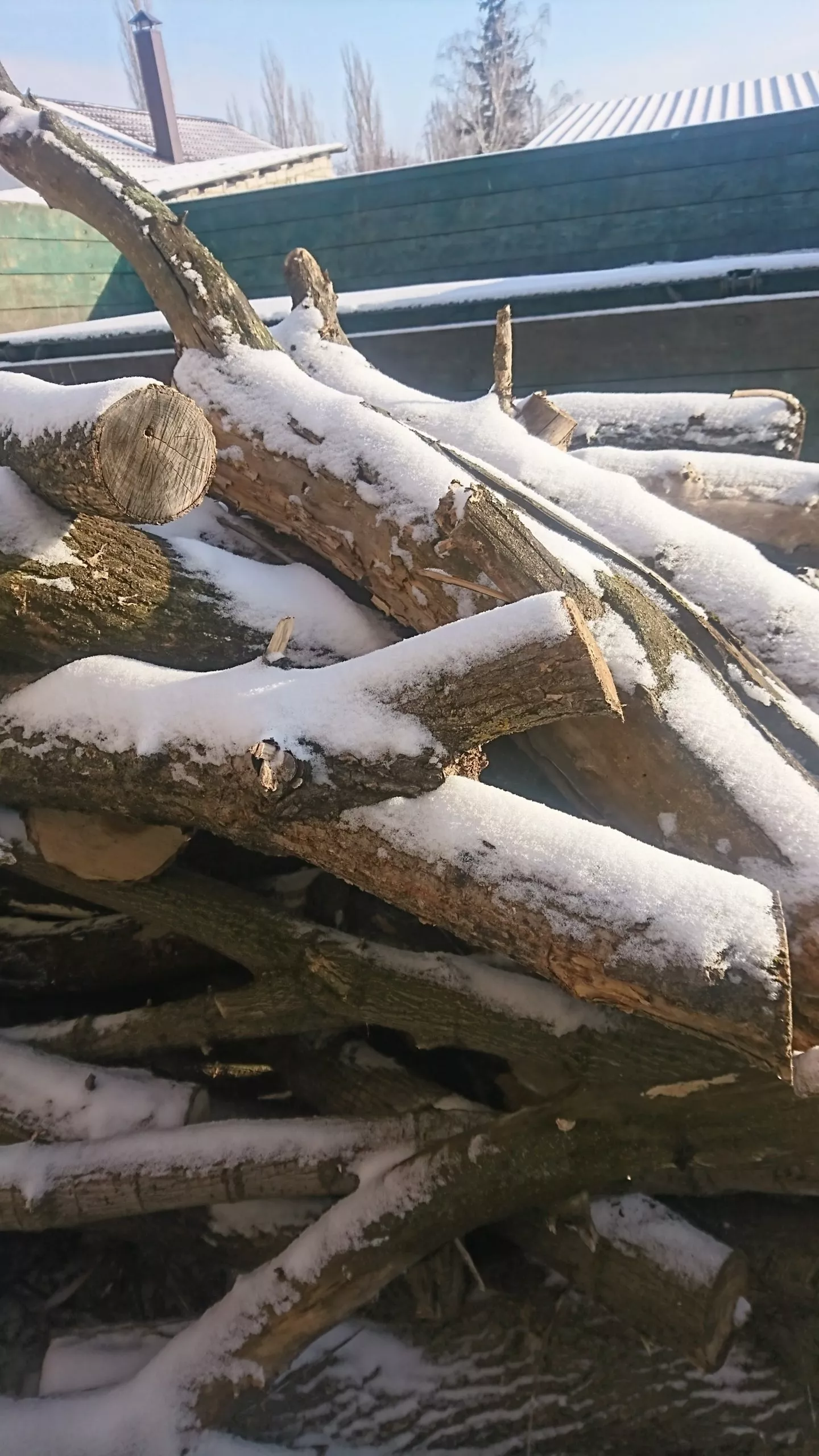
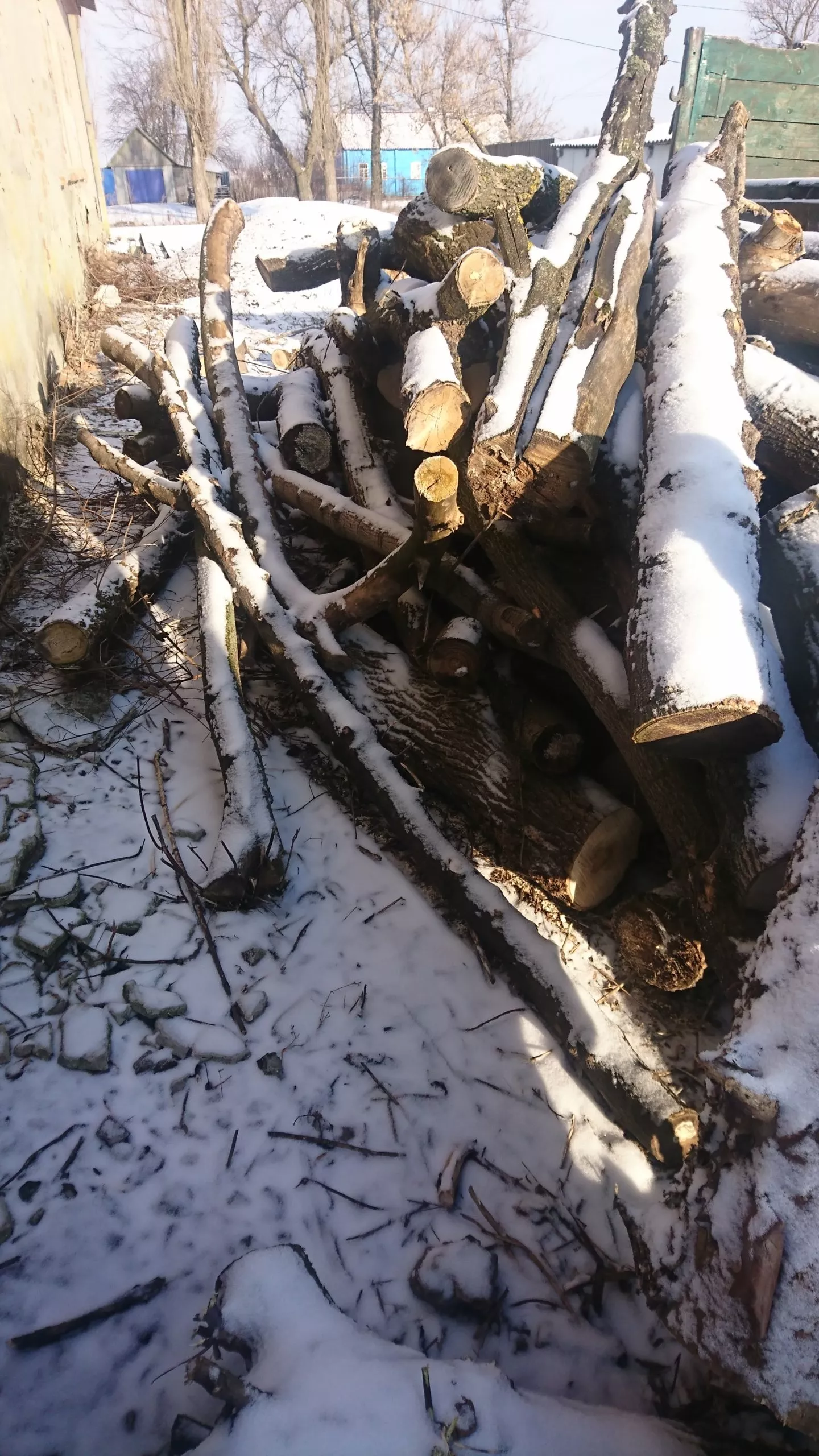
Birch wood is generally considered the best fuel for firewood, but birch groves are very rare in our region. Therefore, we have to look for an alternative.
I'll tell you a little about each type:
- Oak. This is a very good option, as these logs burn for a very long time, so you use little fuel. However, oak logs are difficult to light. Incidentally, they fill the room with a pleasant aroma, as oak contains many essential oils.
- Birch. I've already mentioned it, but I'll add a bit. It also burns for a long time, splits easily, emits a scent from essential oils, has impeccable calorific value, and is spark-free. Despite this, I would avoid birch firewood because it produces a lot of soot, which quickly clogs the chimney.
- Fruit trees. All fruit firewood has its own unique aroma and is resin-free. Or rather, it's resin-free, but in very small quantities. Plus, it produces excellent heat. We used it when we did a major pruning in our very old garden. Even now, after pruning, we always leave even the thinnest branches, dry them thoroughly, and use them for kindling.
Especially different types of fruit:- Apple wood – burns for a long time and as evenly as possible;
- Pear - have a slightly lower combustion temperature, but after burning wood there are unburned coals that can be collected and then used to cook shish kebab and barbecue;
- Cherry - best emit a fruity aroma, similar in properties to cherries.
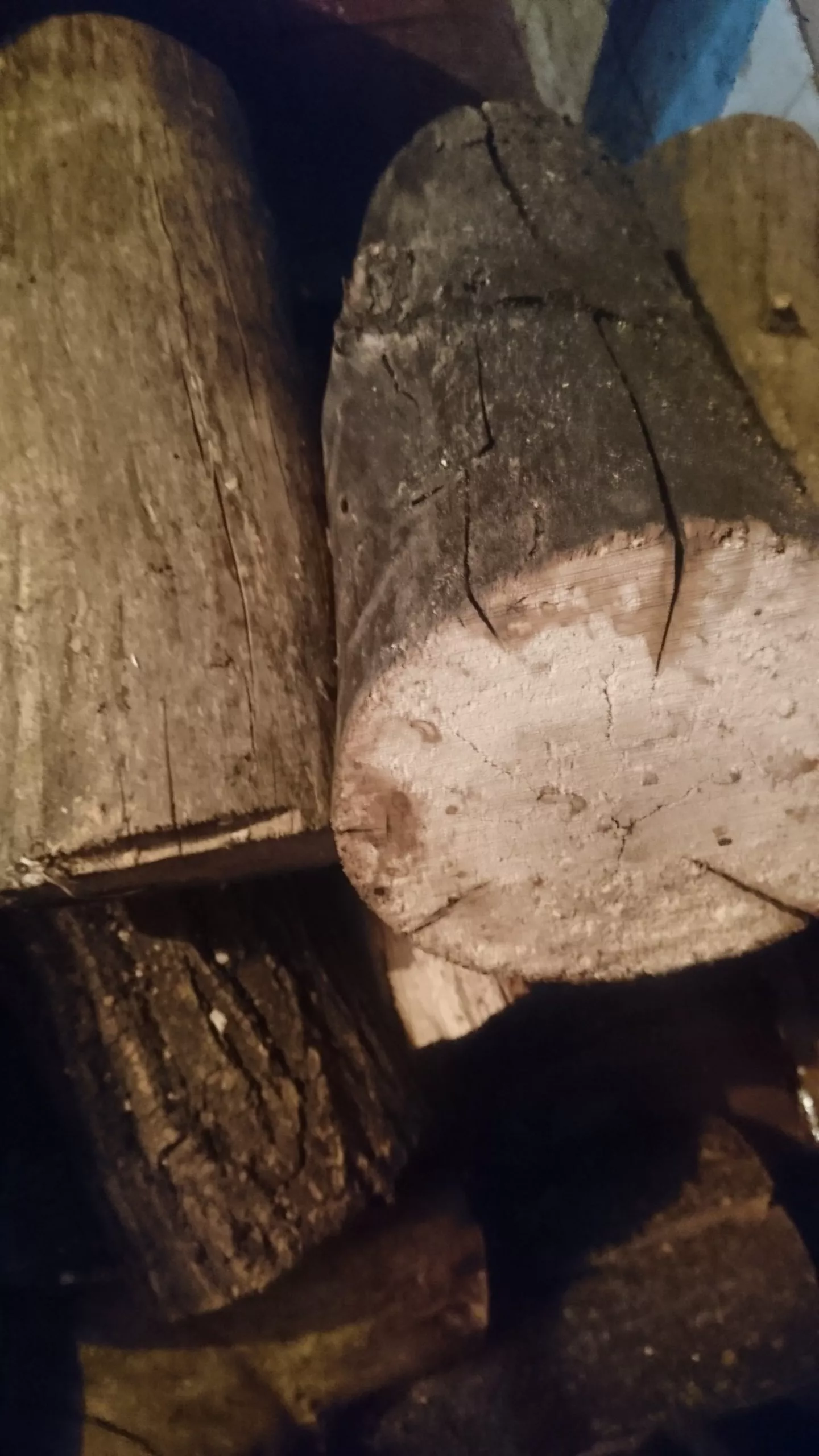
- Elm. This is an elm family, which is well suited for heating a stove, because it completely resembles oak, but such firewood is much less expensive.
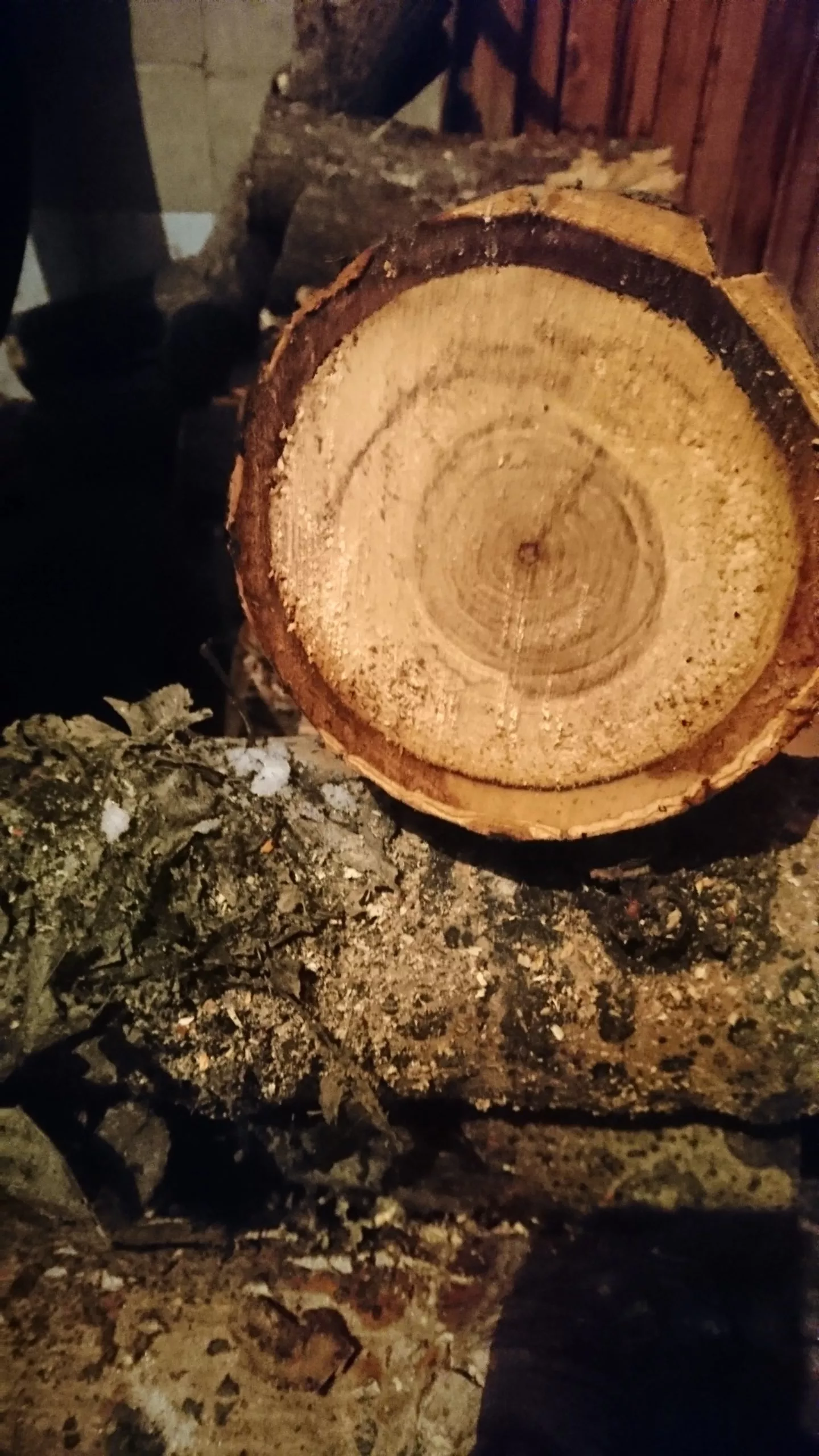
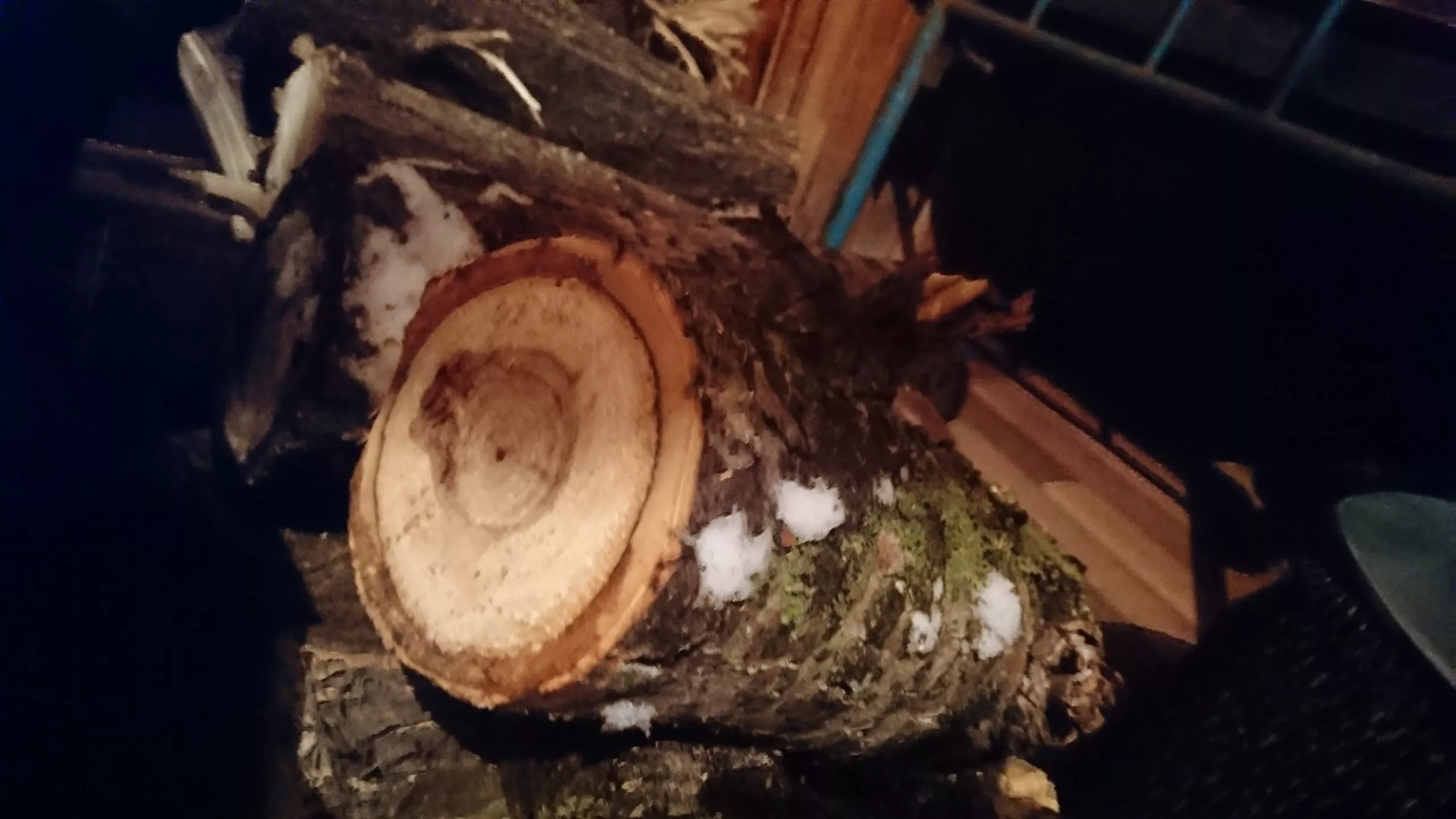
- Poplar. It's impossible to heat a house with poplar alone because, firstly, it has only a moderate calorific value, and secondly, it burns very quickly. Therefore, you'll have to buy two to three times more poplar than, say, oak, elm, and so on. But poplar is cheap, and by the way, we use it too—we add poplar firewood before starting the fire—it ignites not just quickly, but instantly. And, by the way, it produces no soot or smoke.
- Coniferous, but not deciduous. Absolutely unsuitable, as wood contains excessive amounts of resin, which sprays out when heated. This isn't a problem for a closed stove, but the downside is that it produces very thick smoke and leaves a sticky soot coating on the chimney walls. Try cleaning that off!
- Maple. A good, inexpensive option – it burns for a long time, produces almost no smoke, and splits quickly. However, it is very susceptible to rot, so it should only be stored in a well-dried, ventilated area.
Did you know that in the old days, people used to harvest at least three types of firewood, and this technique is still used in Finland today. Because different types of firewood complement each other perfectly.
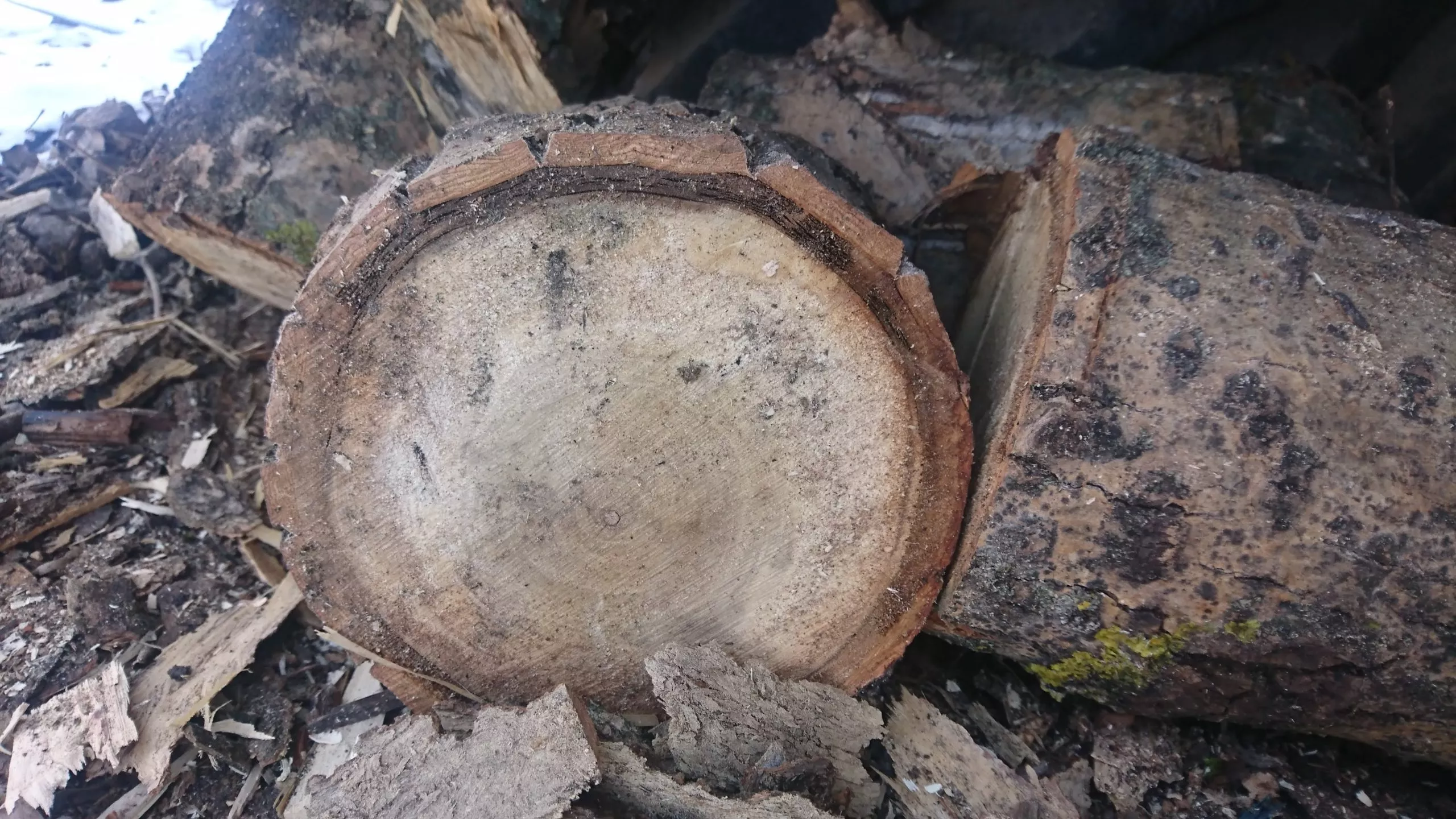
Look, we have a poplar, and it looks like this:
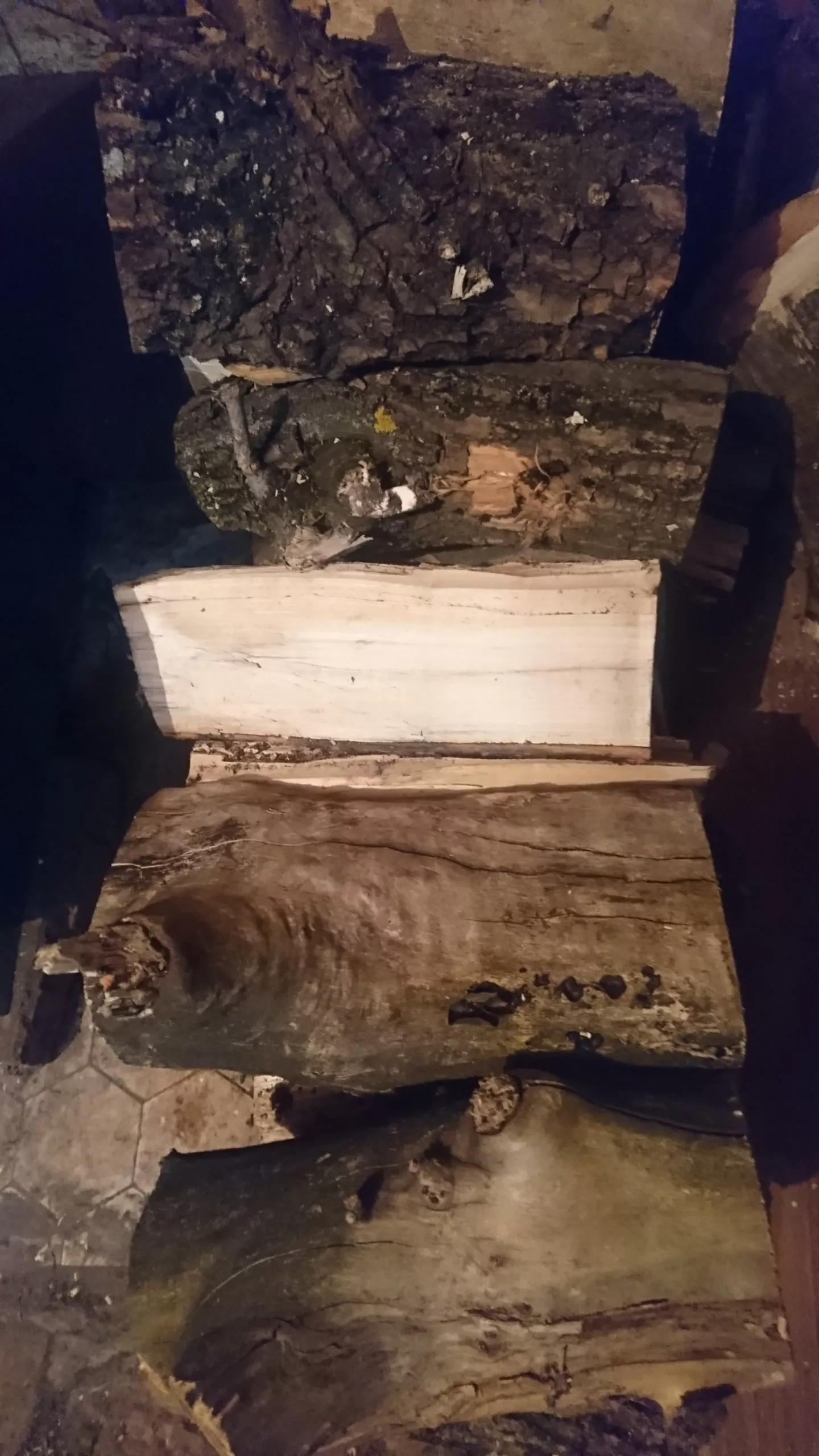
Elm:
Maple:
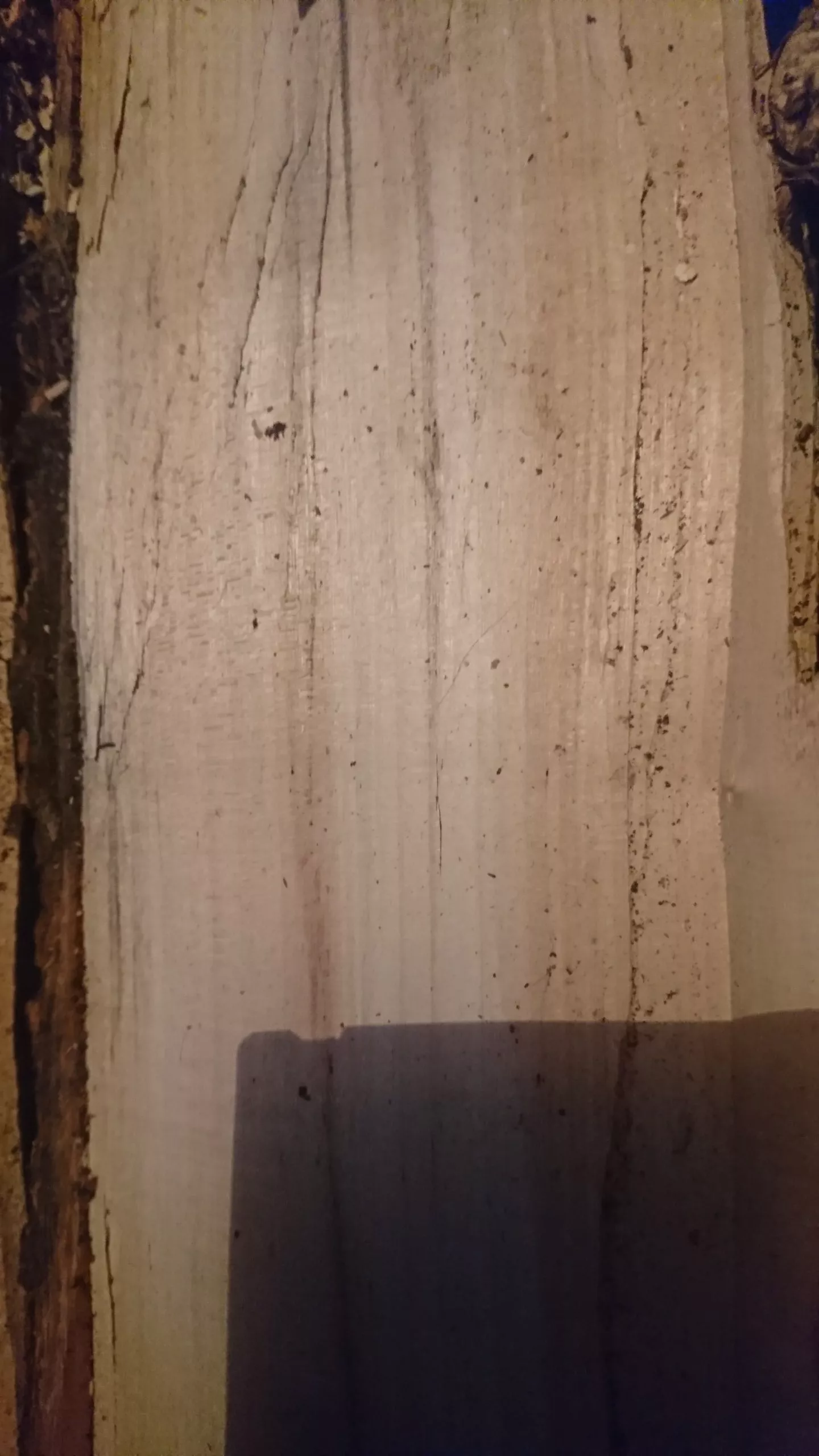
And some others, to be honest, we don’t even know )))