

About how plant Isabella grapes, as well as what they represent variety, I already wrote about it, and now about care, which is not at all difficult.
How to water correctly?
The variety doesn't tolerate drought, so I pay special attention to watering. However, you shouldn't apply too much water either. For example, other varieties require about 50 liters at a time, while Isabella only needs 20 liters. Other things to consider:
- with clay soil it is better to water less often, but not 20, but 40 liters;
- with gerbils - more often, but less, sometimes 10-15 liters is enough;
- water young bushes once a week, and mature ones – once every 2 or even 3 weeks;
- I always water in the evening, after 7 pm;
- It is better not to get water on the leaves;
- I completely stop watering at the end of August, that is, when the berries are almost ready to ripen (if you continue to water, the fruits will be too watery).
And look at mine, how plump the fruits are, but not watery:
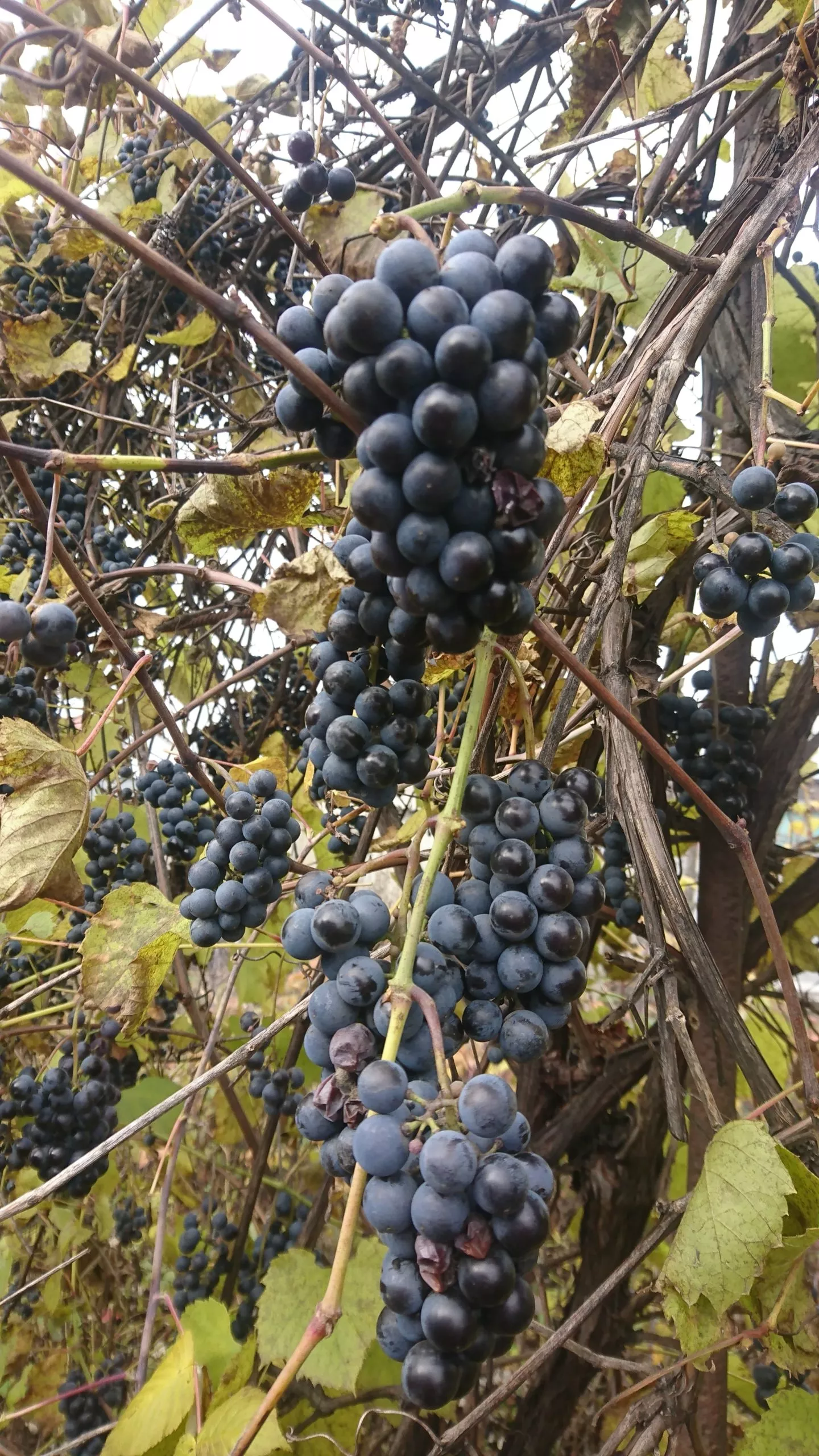
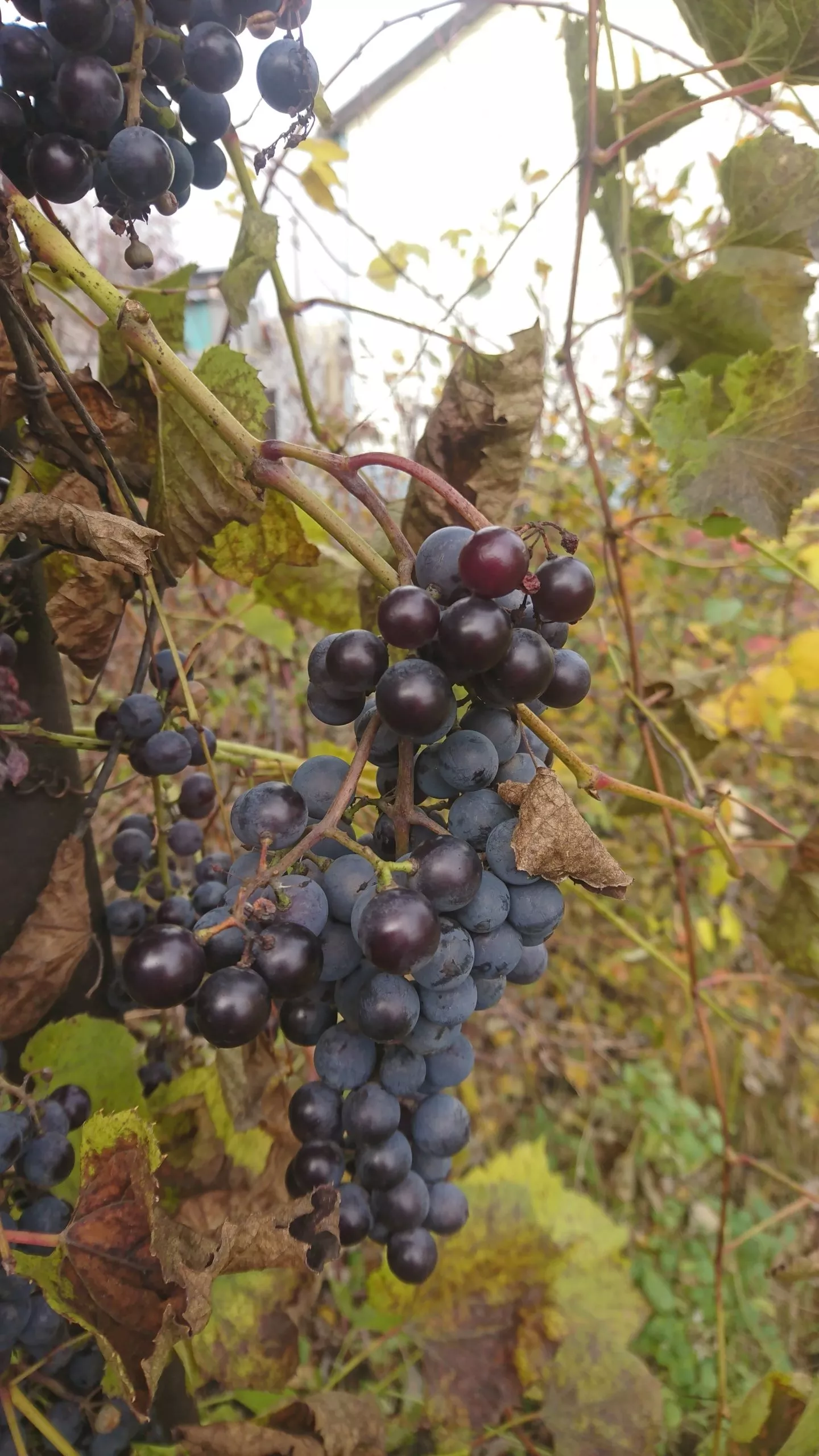
Yes, be sure to water the bushes for winter after harvesting. You'll need to pour about 80 liters of water under each one.
Do I need to apply fertilizer?
You don't have to do this; I try to be grateful for the crops I grow, so I always fertilize them. If the soil is fertile, one spring application is enough; if not, three applications are needed. But I usually do this every other year—that's quite enough for Isabella.
My scheme:
- First time. Of course, it's spring, right after the meltwater has receded and the topsoil has dried slightly. You'll need nitrogen fertilizers. These can be either ammonium sulfate or ammonium nitrate. I use about 2 g per liter of water. It's also a good idea to use liquid bird droppings.
- Second time. This is berry setting time. Potassium and phosphorus are essential, so I use regular superphosphate (40 g per bush). But to fully saturate Isabella, I can dissolve 40 g of superphosphate in 10 liters of water and add 25 g of potassium magnesium sulfate. If I don't have either of these on hand, I use a wood ash solution (a 1-liter jar of ash per 3 liters of water).
- Third time. Already in the fall, I buy complexes - Kemira-Lux or Ecoplant.
By the way, Isabella also needs magnesium, so I use 25 g of magnesium sulfate once a year. You can also add organic matter in the spring every three years, for example, 15 liters of compost or humus.
Bush formation
Isabella grows quickly and impressively upward and sideways, so the standard should be tall. I'll give you some advice on what to do during the first four years after planting. This will reduce the amount of pruning later.
What I do:
- Nothing in the first year.
- In the second year, in the spring, I cut back the one-year-old shoot so that three buds remain. I always remove all green shoots, which are no longer than 20 cm. Then, when they reach 50 cm, I cut them back again, but I choose one shoot that seems the most developed.
- In the third year, I prune the side shoots at the second level, but again leave three buds. When branches emerge from the new buds, I simply thin them out. Then I tie them up.
- In the fourth year, I prune the shoots that are almost on the ground, but also leave four buds. Then I make a cut on the apical shoot, but leave 10-12 buds.
That's all because in subsequent years I only do sanitary pruning and thinning. If suddenly your grapes start to grow poorly, read this useful universal information.
These are the bushes I get:
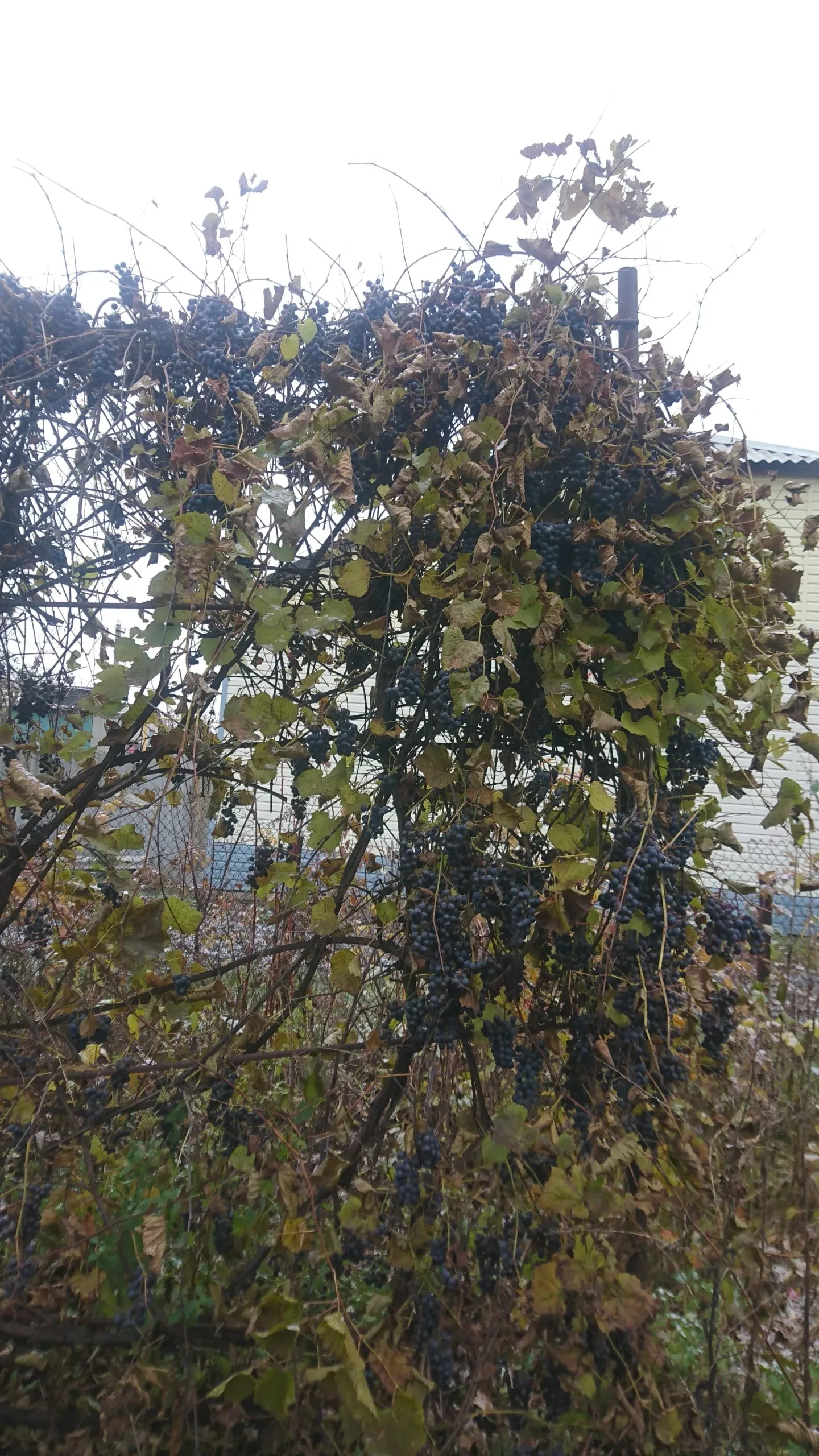
Read on to learn how to care for grapes specifically in the fall. HereAnd if you need to cover Isabella for the winter, use this one articleAll the methods are described there, some of them are quite interesting.