

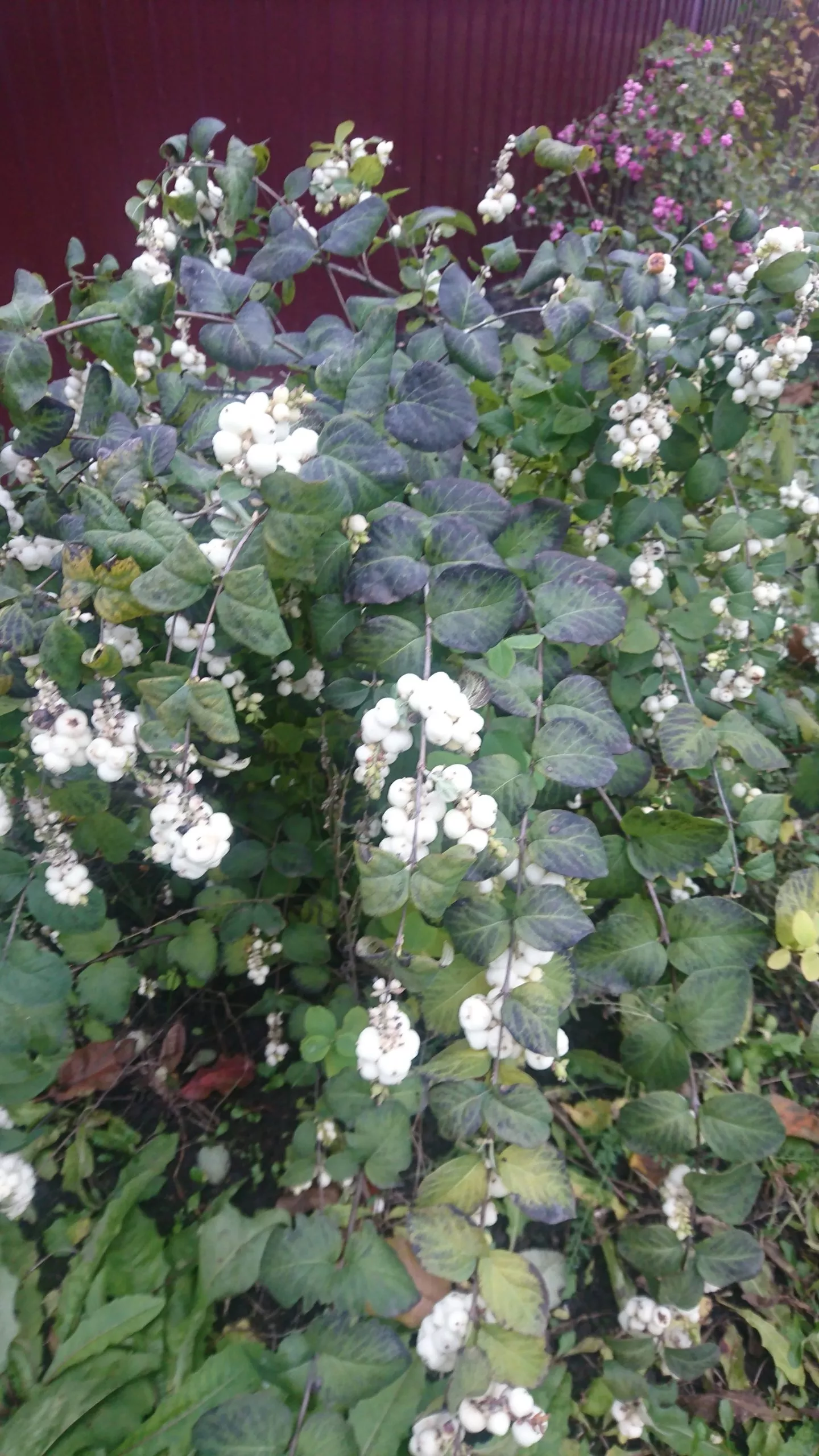
Continuing the theme of the snowberry, a surprisingly beautiful and undemanding plant whose berries hang in clusters even in winter. Read about its cultivation characteristics. HereThe first thing I want to talk about is diseases. The shrub is considered poisonous, so it almost never gets sick or attracts pests. Almost... because if the shrub is completely neglected, infection will take hold, as the plant's immunity is greatly weakened.
But there are two diseases that can spread from other crops if they grow too close together: gray mold and powdery mildew. My snowberries never get sick anymore because I treat them with fungicides in the spring. I like Fitosporin-M, Topaz, and Skor. But the choice is yours.
How to water?
Snowberries don't really need much water. I water them rarely—only once a week during dry summers. I use about 15-18 liters of water per bush. If it rains occasionally, you don't need to water at all. I've already written about how this plant absolutely doesn't tolerate overwatering (it starts to rot and become diseased).
After watering, I always loosen the area around the trunk, which I advise you to do as well.
How to feed?
If your soil is fertile, you can apply fertilizer every other year, but if it's not, you can apply it every year. Here's how I do it:
- In autumn. When digging before winter, I add compost, making sure it's well-rotted. First, I spread it under the bushes to a depth of 3-5 cm, then dig it in.
- In the spring. Also, when digging (before the leaves bloom), I add manure mixed in equal proportions with humus, in a 3-4 cm layer, and evenly add 20-40 g of potassium salt and superphosphate.
- In summer. I don't usually fertilize, but if the soil is poor, I need to. Or, if the soil is moderately poor, I do it once every 2-3 years. For this, I use 50 g of Agricola and 10 liters of water. This is per plant.
Do I need to trim?
Snowberry bushes are quite neat and attractive. However, pruning is necessary to produce more flowers and berries. To achieve this, the stems need to be shortened in early spring. Each stem should be trimmed back to 10-15 cm, which is sufficient.
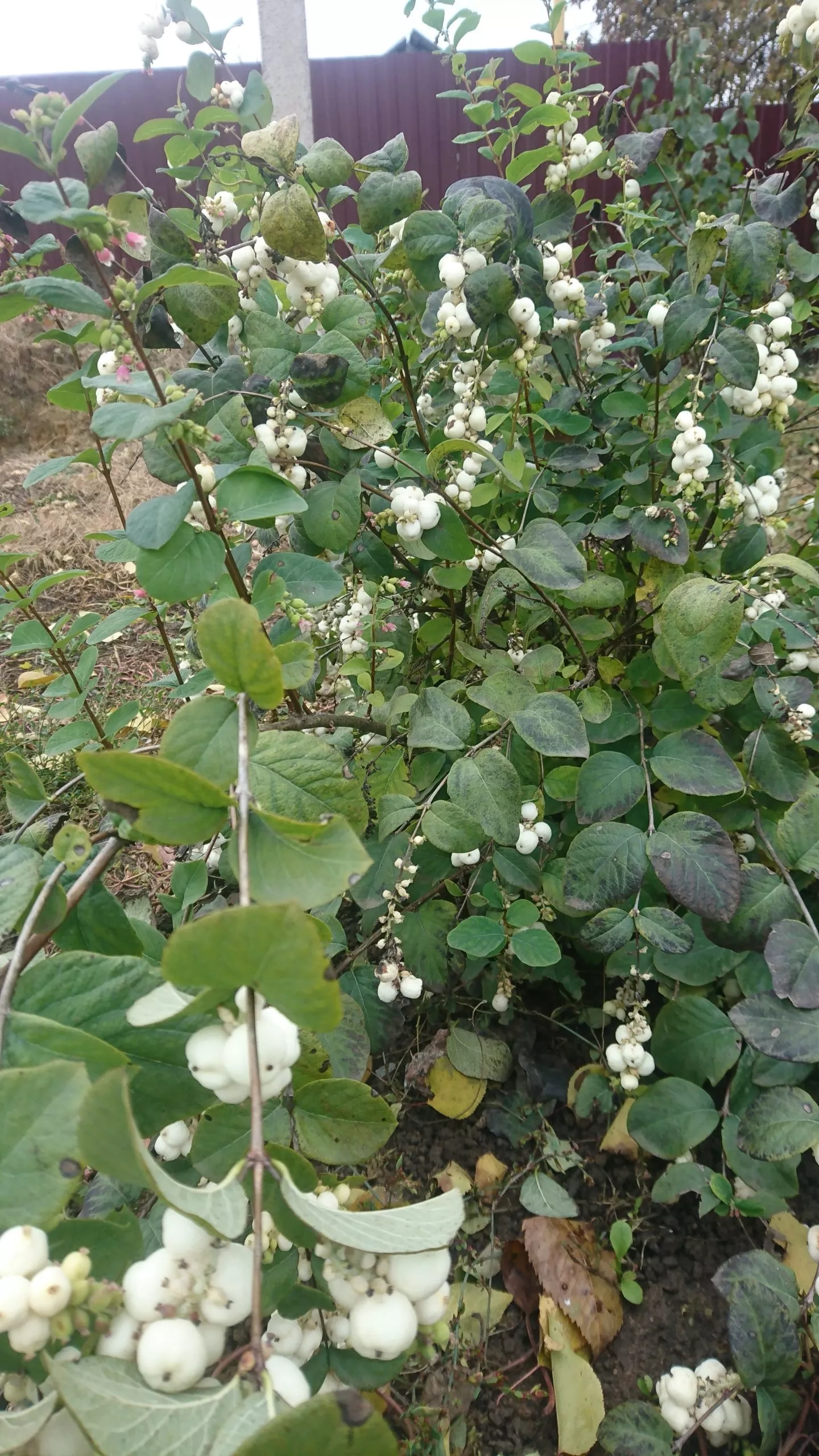
If you have a snowberry hedge, a second pruning is also necessary, which I do after flowering has finished. In this case, I shorten the branches to the most developed buds and the height of young shoots.
Other features I use when needed:
- If the bush is already old, it needs to be rejuvenated. To do this, I shorten the shoots by three-quarters. Fruiting will be weak this year, but the renewed bush will delight you next year and in subsequent years.
- In spring and fall, I try to prune out overdried, broken, or rotten branches. I also try to remove those that are overly dense. This is easier to do in the spring.
If you're willing to experiment, it's all yours. My husband spent about three years doing this, shaping the bushes in different ways. For example, he trimmed them so that from a distance they looked like floating clouds or waves, sometimes creating an island-like effect.
Peculiarities of care at different times of the year
Depending on the season, I carry out special manipulations.
In autumn:
- It's deciduous season, so the garden plot doesn't look very attractive. So I rake up all the leaves (I then use them for mulch or compost). Keep in mind that if there's been wind, leaves can get stuck among the snowberry branches. Be sure to remove them.
- The second question is whether the bushes need to be prepared for winter in the fall and whether they should be covered. Snowberries don't need to be covered—they tolerate severe frosts very well, but how can you protect such beauty?

But mulching is worth it. There's only one reason: mulch will absorb excess moisture, so the snowberry won't suffer from overwatering. I use chopped pine bark or wood chips. If you live in a harsh climate, it's best to first lay a layer of compost and then wood chips on top (this will help retain heat). - If the bush is very young, meaning you just planted it and don't live in the South, then cover it. To do this, simply bend the stems slightly toward the ground, secure them with staples, and sprinkle them with thoroughly dried leaves and then top with branches or spruce branches.
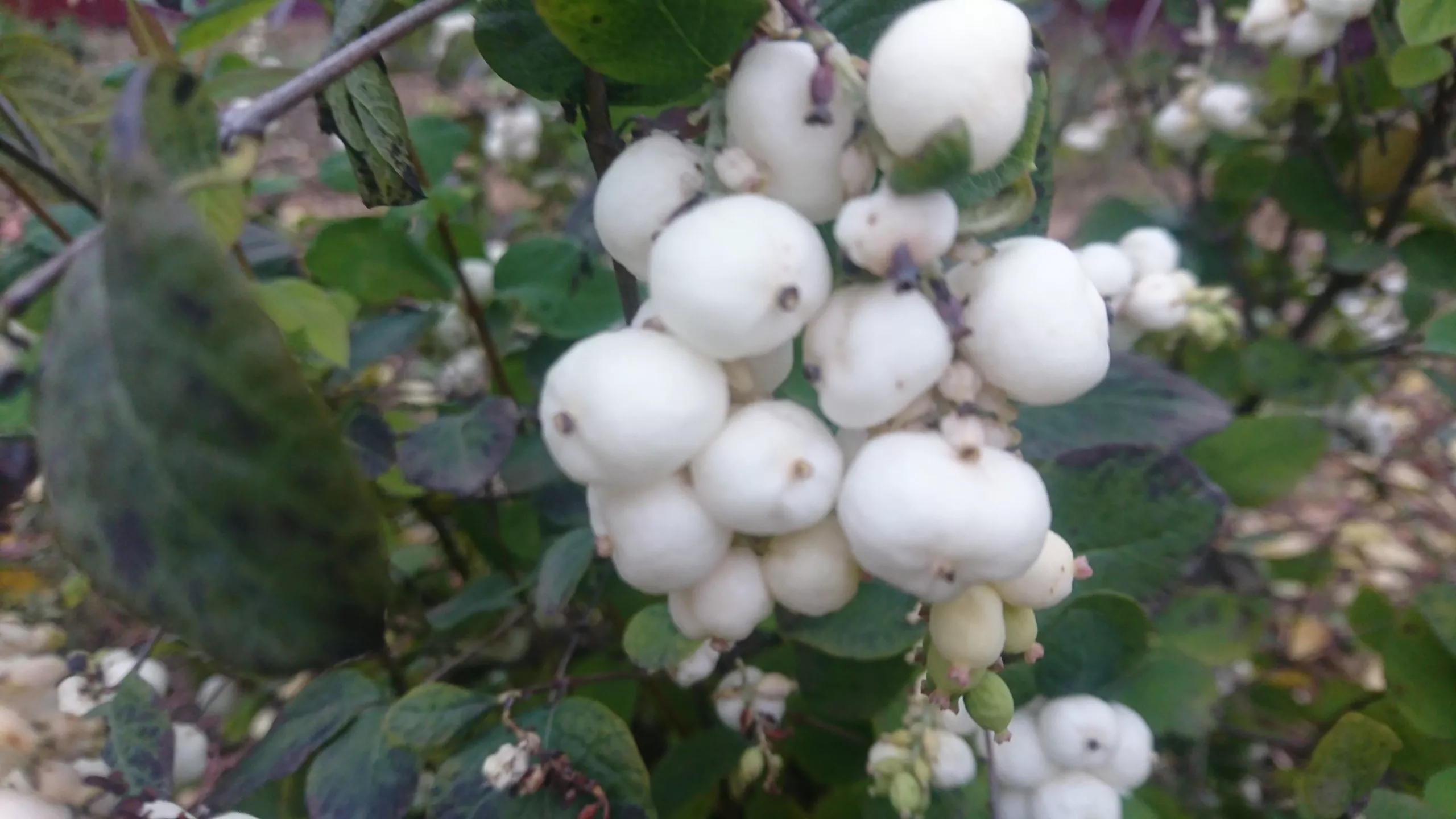
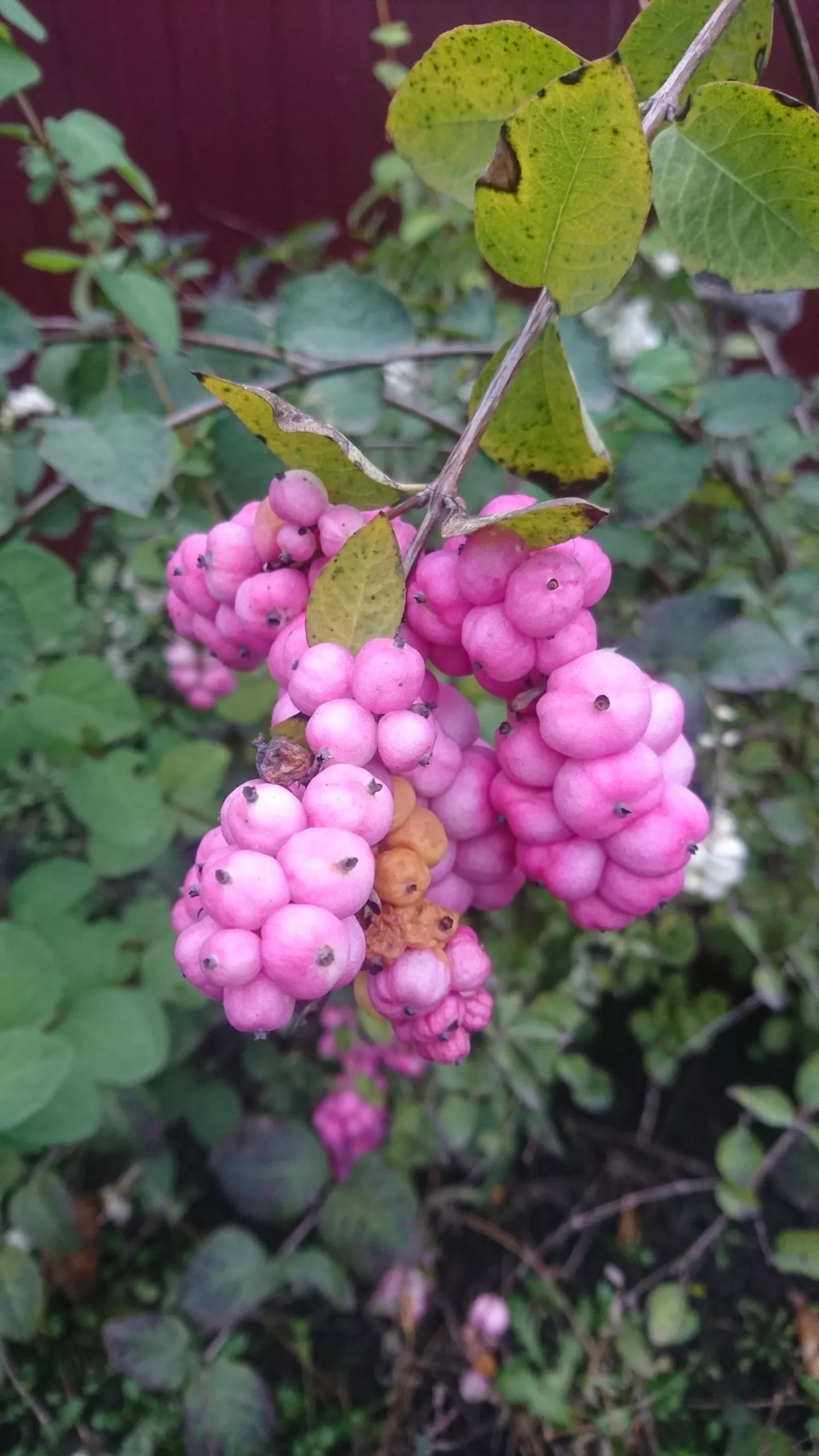
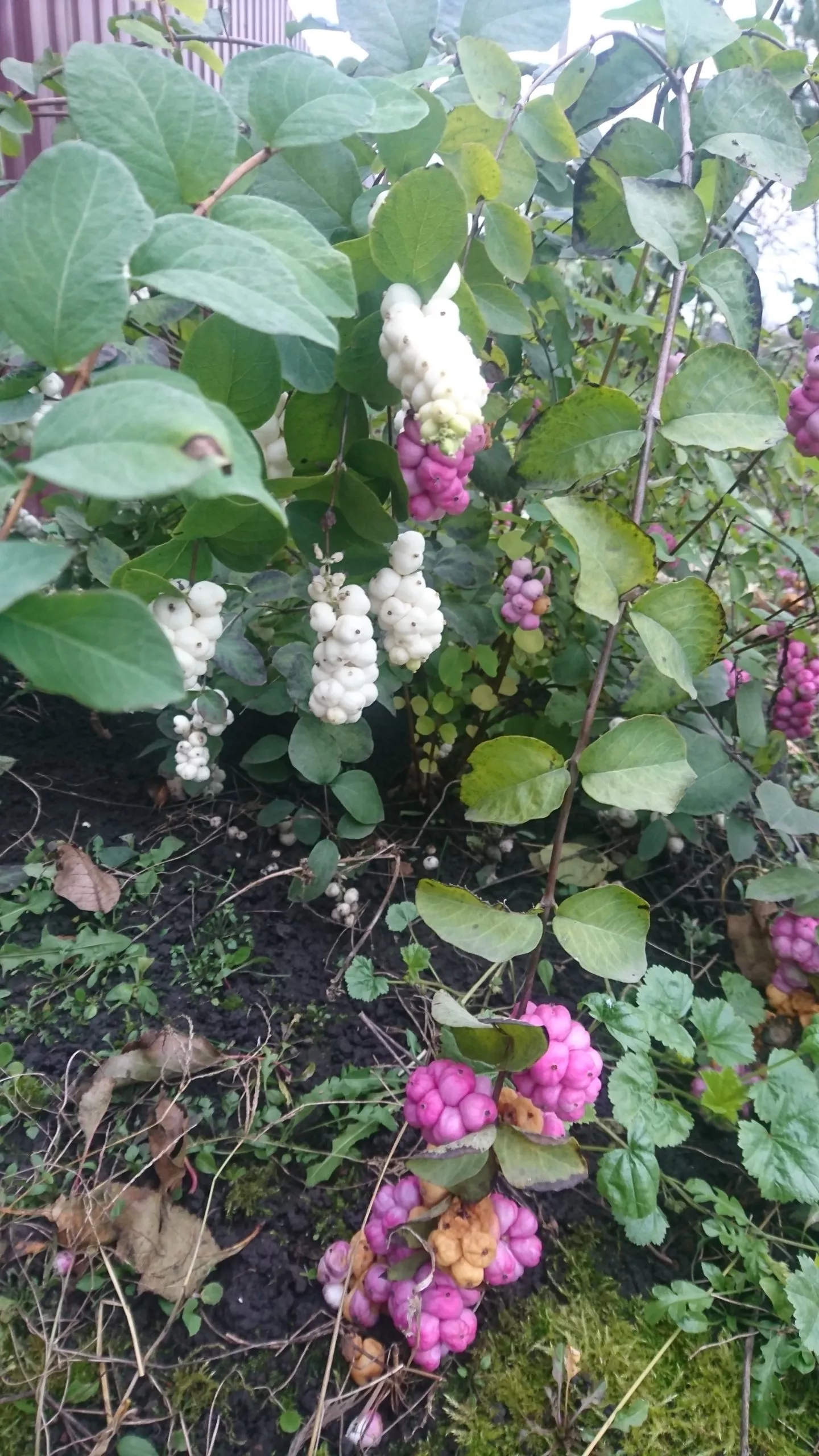
I want to say that the white and pink varieties, like mine, do not freeze at all, and I live in the middle zone, so I never cover them.
At other times of the year:
- In winter. No action is required.
- In the spring. I always prune, fertilize, and dig around the tree trunks. But the very first thing I consider to be draining meltwater is removing the mulch. To do this, I remove the mulch (I immediately throw the leaves into the compost bin) and dig channels to allow all the water to drain.
- In summer. Like in winter, I don't do anything. The only thing I might do is adjust the direction of the shoots and remove any debris.
I also wanted to plant snowberry in my garden, but when I learned its berries were poisonous, I decided not to buy any. Children from neighboring dachas often visit my grandchildren. I've never seen one with pink berries, though. It looks very beautiful, especially a bush with both pink and white berries.