

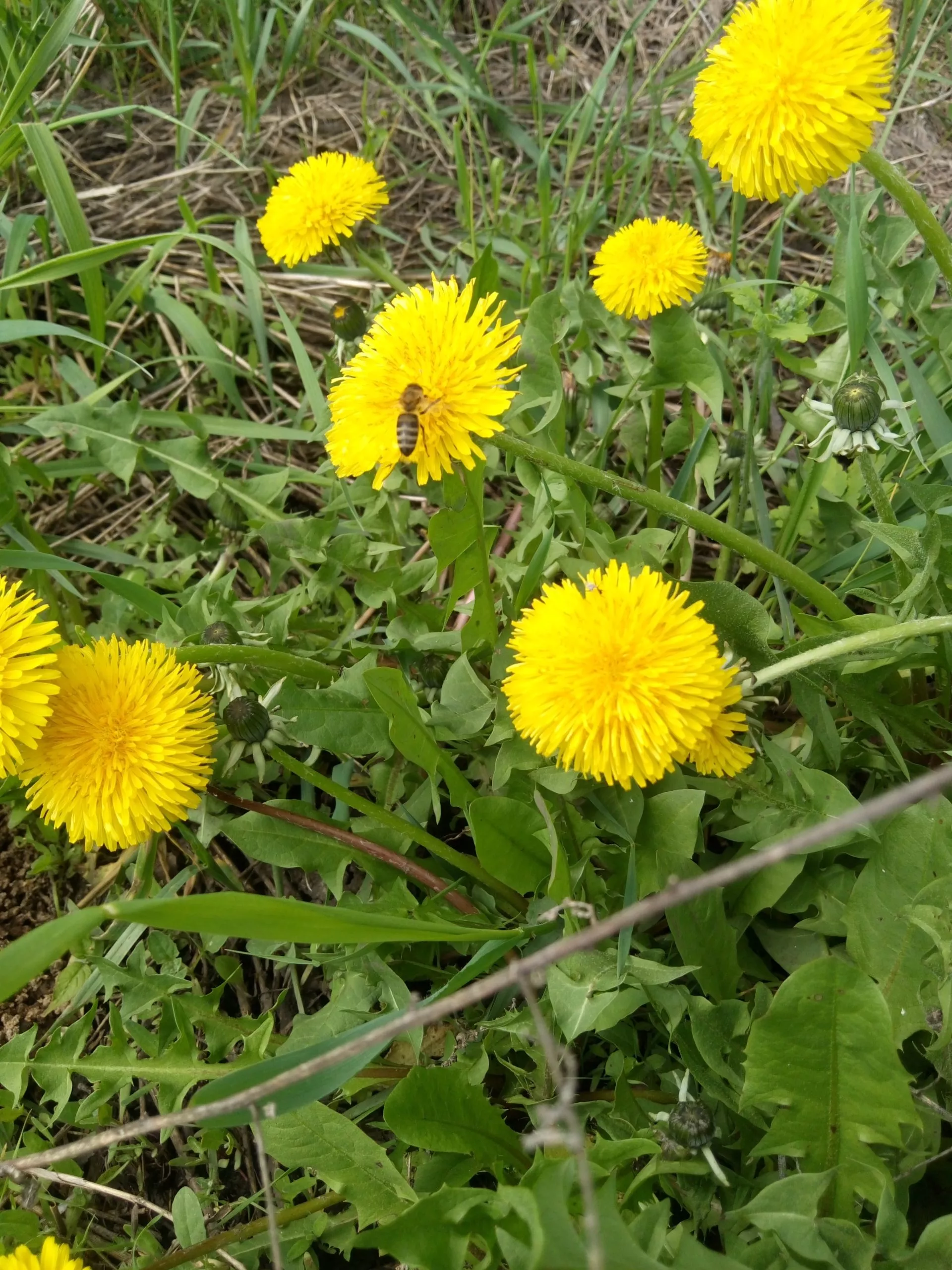
Dandelions are medicinal plants, so they're often used in folk medicine. I never miss this opportunity, especially since I have a ton of them in my garden:
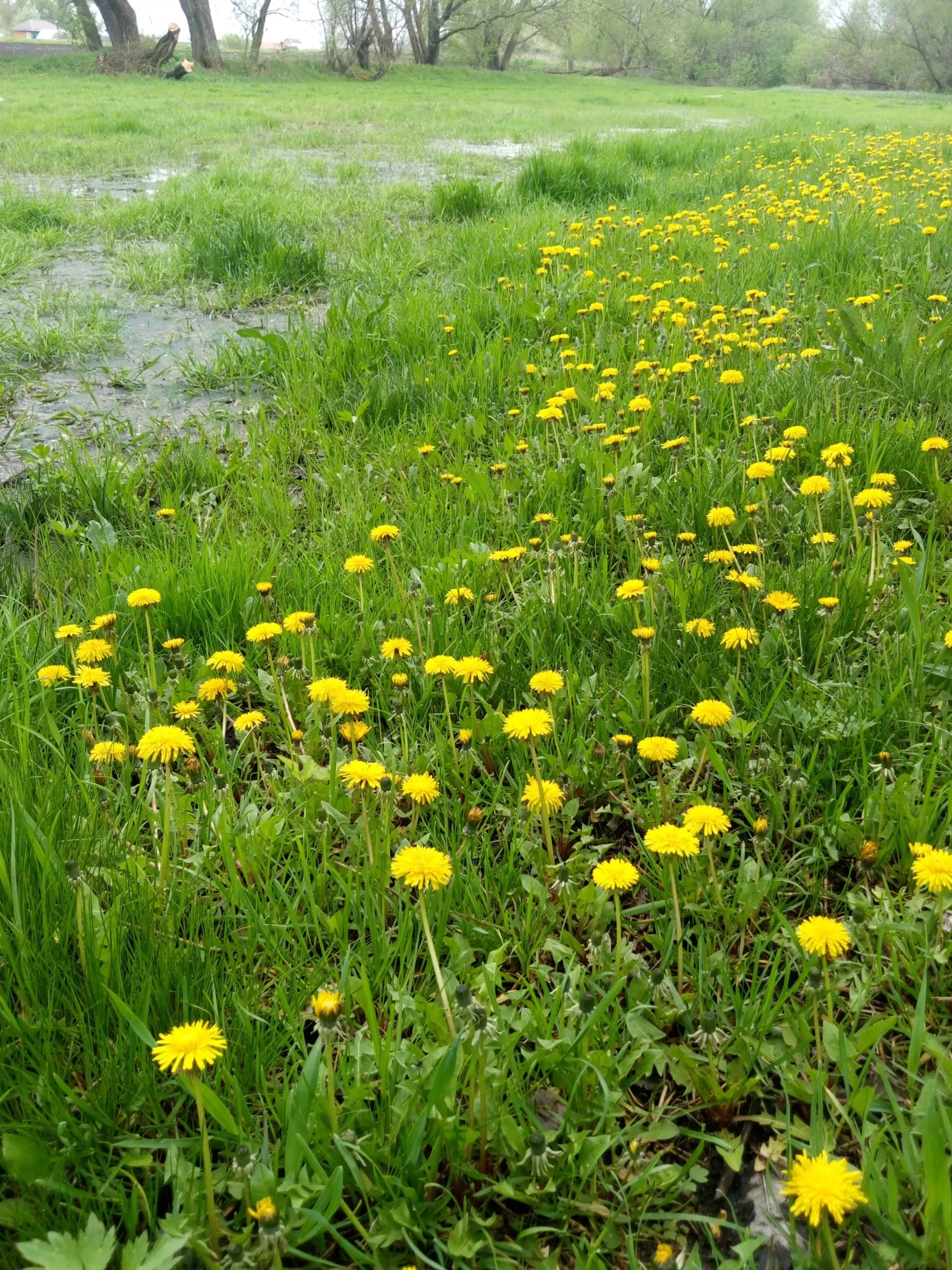
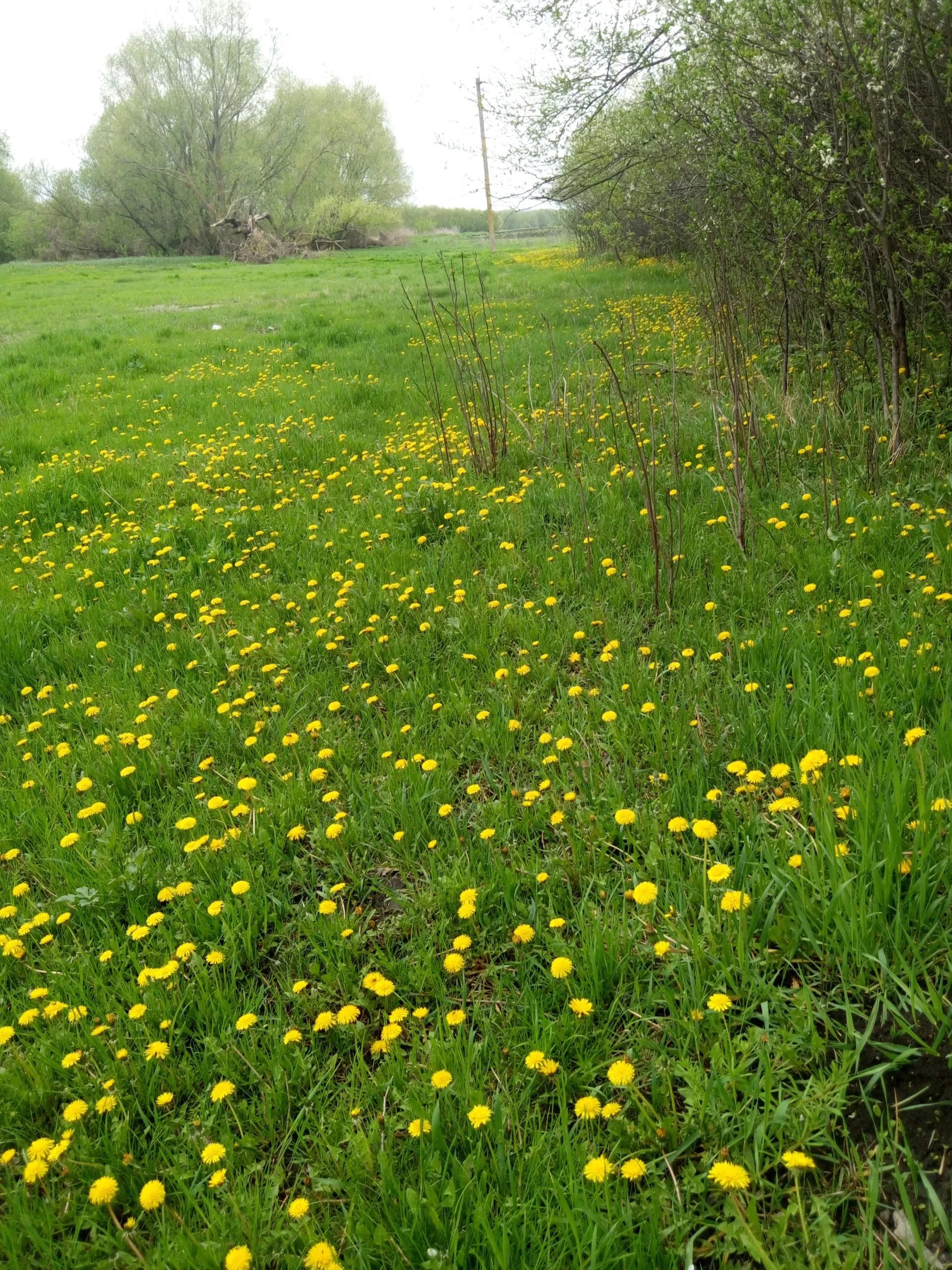
But to ensure the plant is beneficial, you need to learn how to dry it properly. There are universal options for this—an oven, a dehydrator, or an electric dryer—but I don't have any of these devices, and the flowers don't turn out very well in the oven. You can dry them on a string, but that's time-consuming and tedious, so I opted for natural drying.
But let's take things one step at a time. First, the plants should be harvested in the spring or no later than mid-June. At this time, the leaves are at their most tender, and all parts of the dandelion contain the maximum amount of nutrients.
Second, you can use absolutely any part of the plant, but I don't like the roots—they taste too bitter. So I only use the leaves and flowers.
Collection Features:
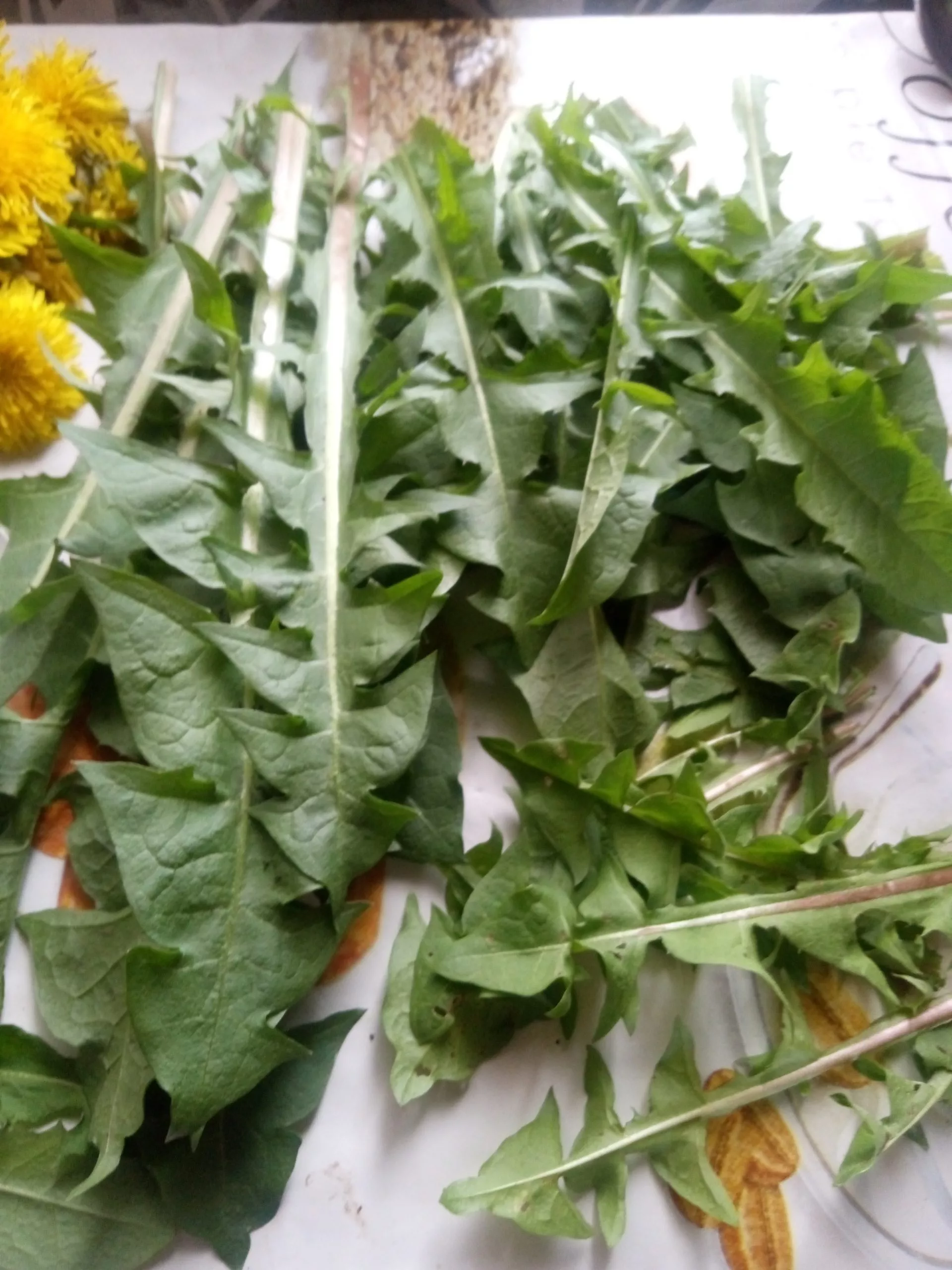
- Leaves. The best time is before the flowers bloom, otherwise the leaves will lack nutrients. This is what the bushes should look like.

I cut the leaves with a sharp, thin-bladed knife or simply trim them with scissors. Then I lay them out on the table and inspect them carefully. If there are any signs of damage, I discard them without hesitation. The rest I set aside to dry.
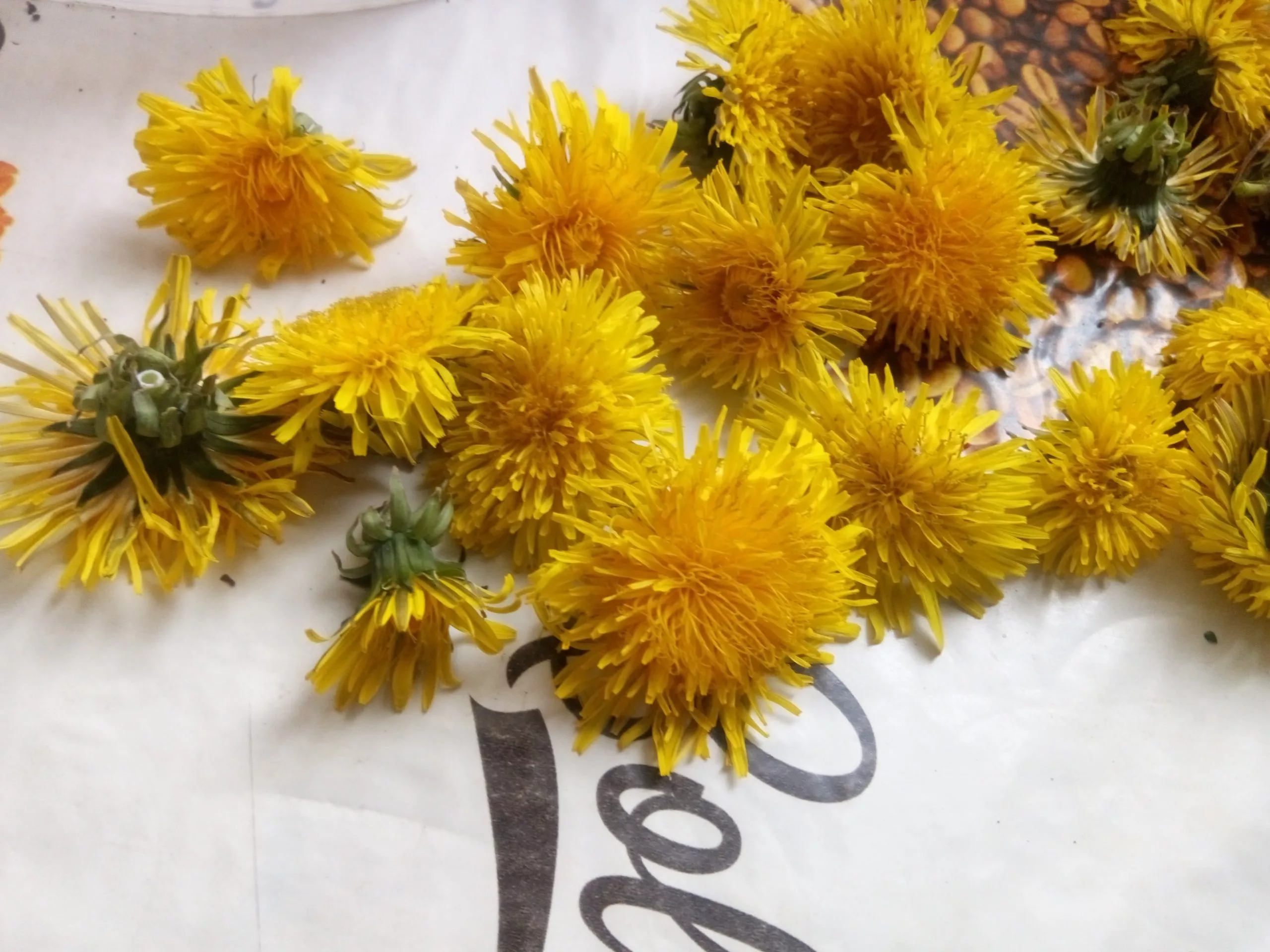
- Flowers. They can be harvested until September or October, but it's best to do so in spring or early summer. Avoid picking them with bare hands, as they leave yellowish stains on your fingers that are simply impossible to remove immediately.
And picking them with gloves isn't an option. Let me explain why: the flowers contain a lot of pollen, which is very beneficial, so it's best to cut them with scissors to ensure all the pollen remains in the buds.
I also lay out the flowers on the table and sort them out.
- Roots. I've harvested them before, so I know how to do it right. We don't use a shovel—the plant comes out of the ground easily.
Here I work with gloves, but only to avoid getting my hands dirty.
These are small roots with shoots.
We tear off the shoots and leave the whole root.
Next, you need to wash it, scrape it with a knife, and cut it into thin strips.
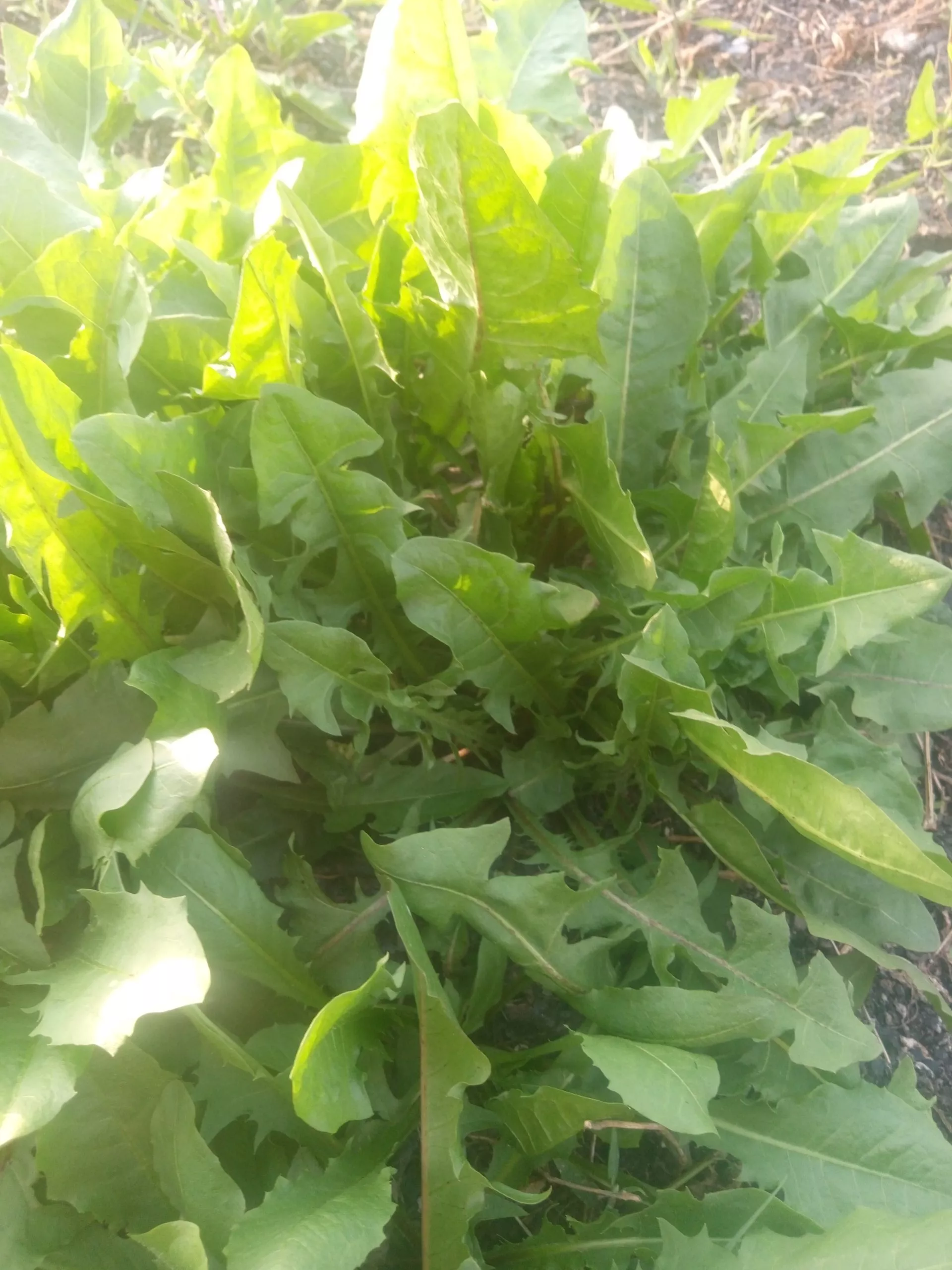
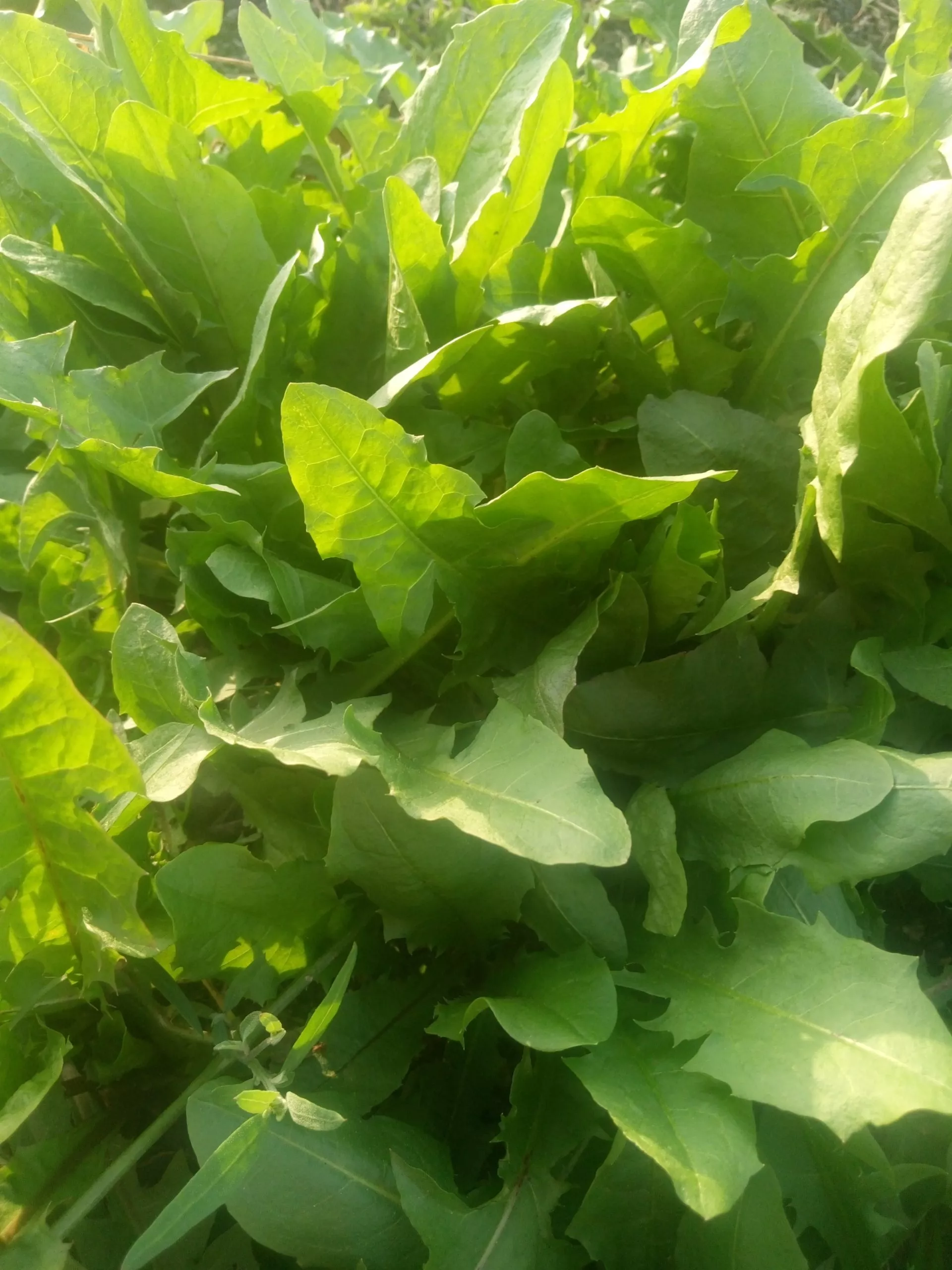
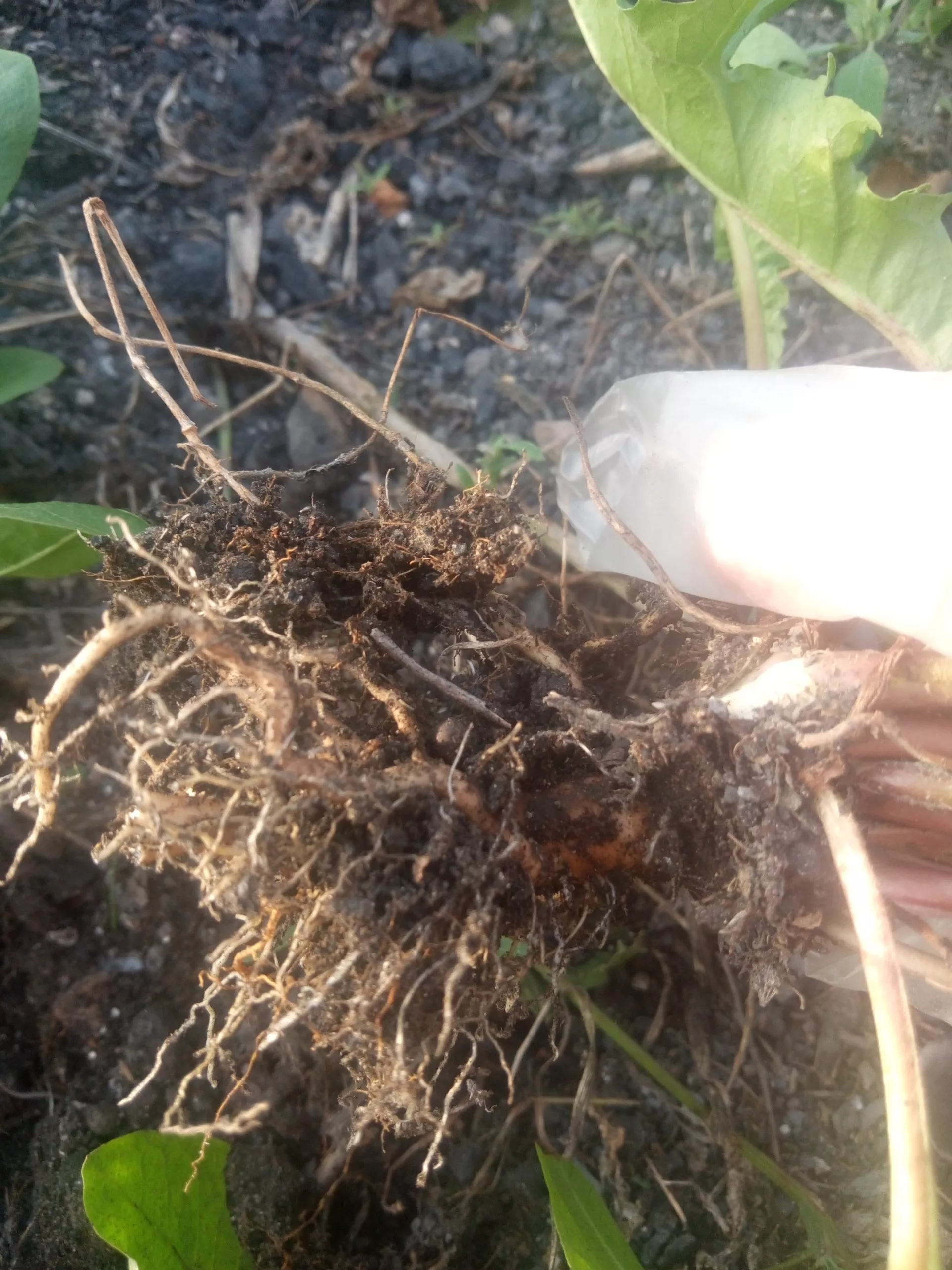
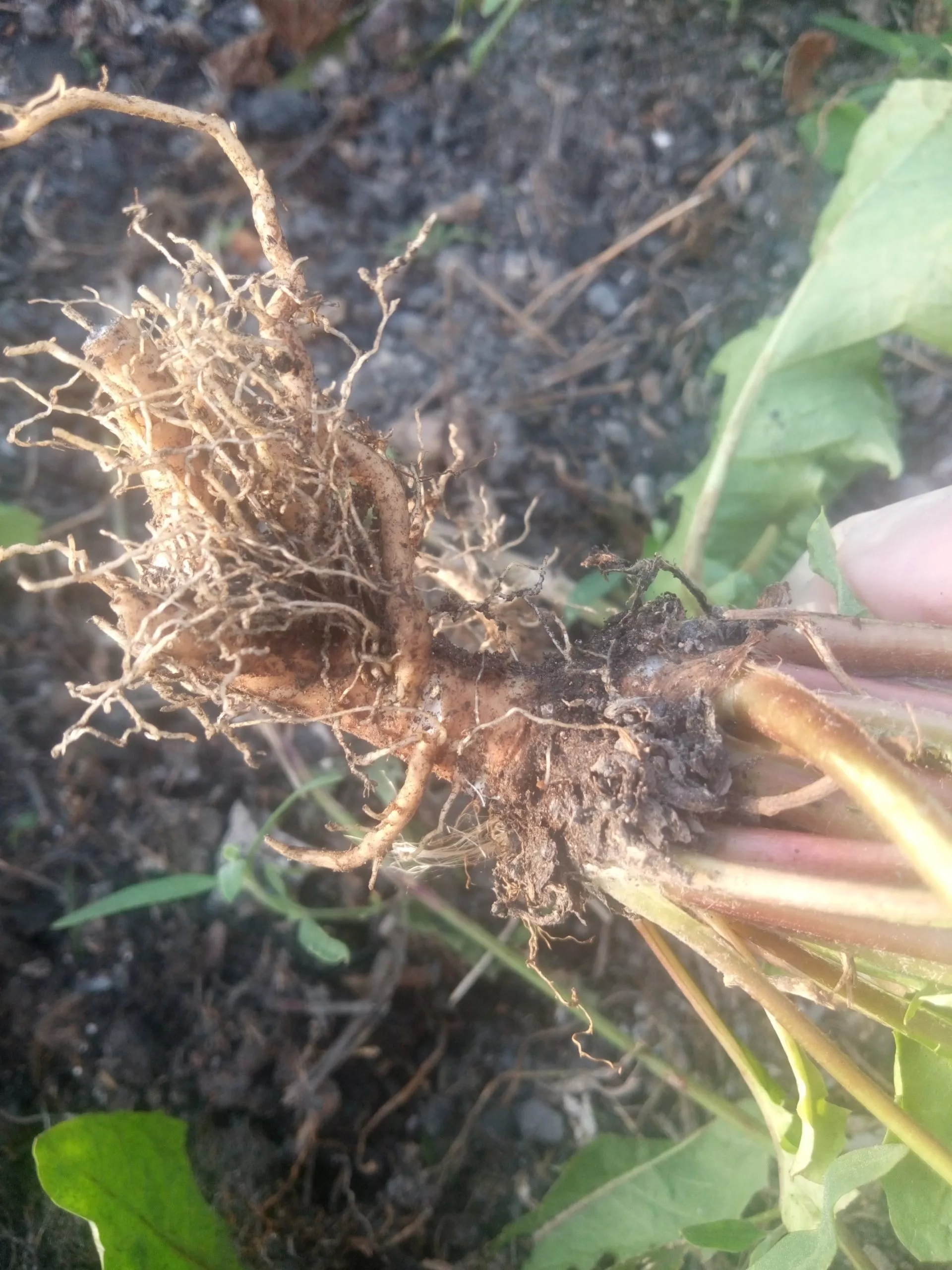
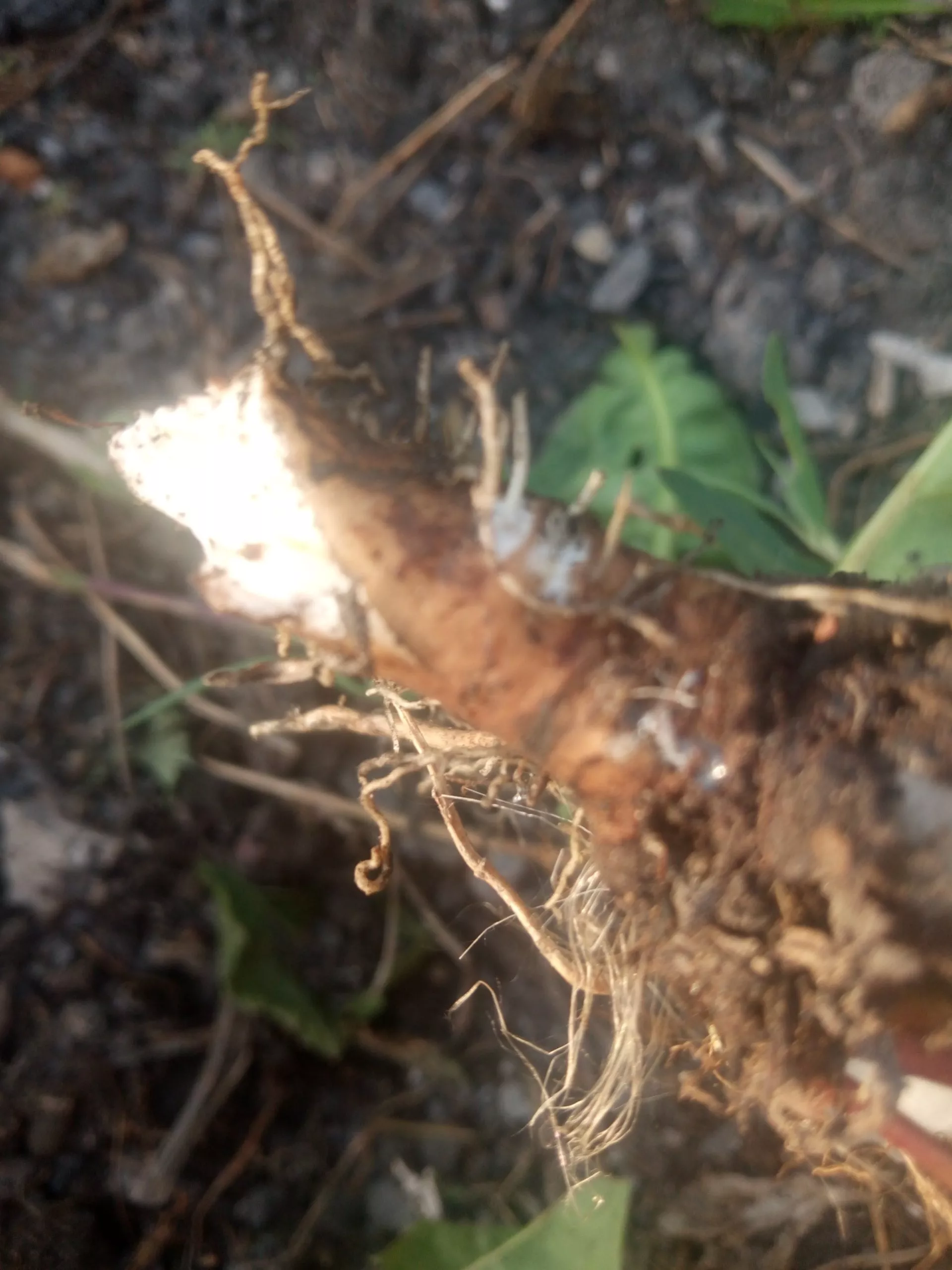
Dandelions don't require any special preparation—they don't need to be washed. The only thing is, if the leaves are dirty, you can do this. But I always collect them in dry weather, so simply shaking them is enough. Sometimes I wipe them with a soft, dry cloth. You don't need to do anything with the flowers at all. Again, because of the pollen.
Please note that after cutting plant parts, they should be processed no later than 4 hours later.
If you're drying a large quantity, you can use a metal baking sheet lined with paper towels. But I usually dry small batches, so I just use store-bought trays (I always leave them empty of ingredients and wash them thoroughly).
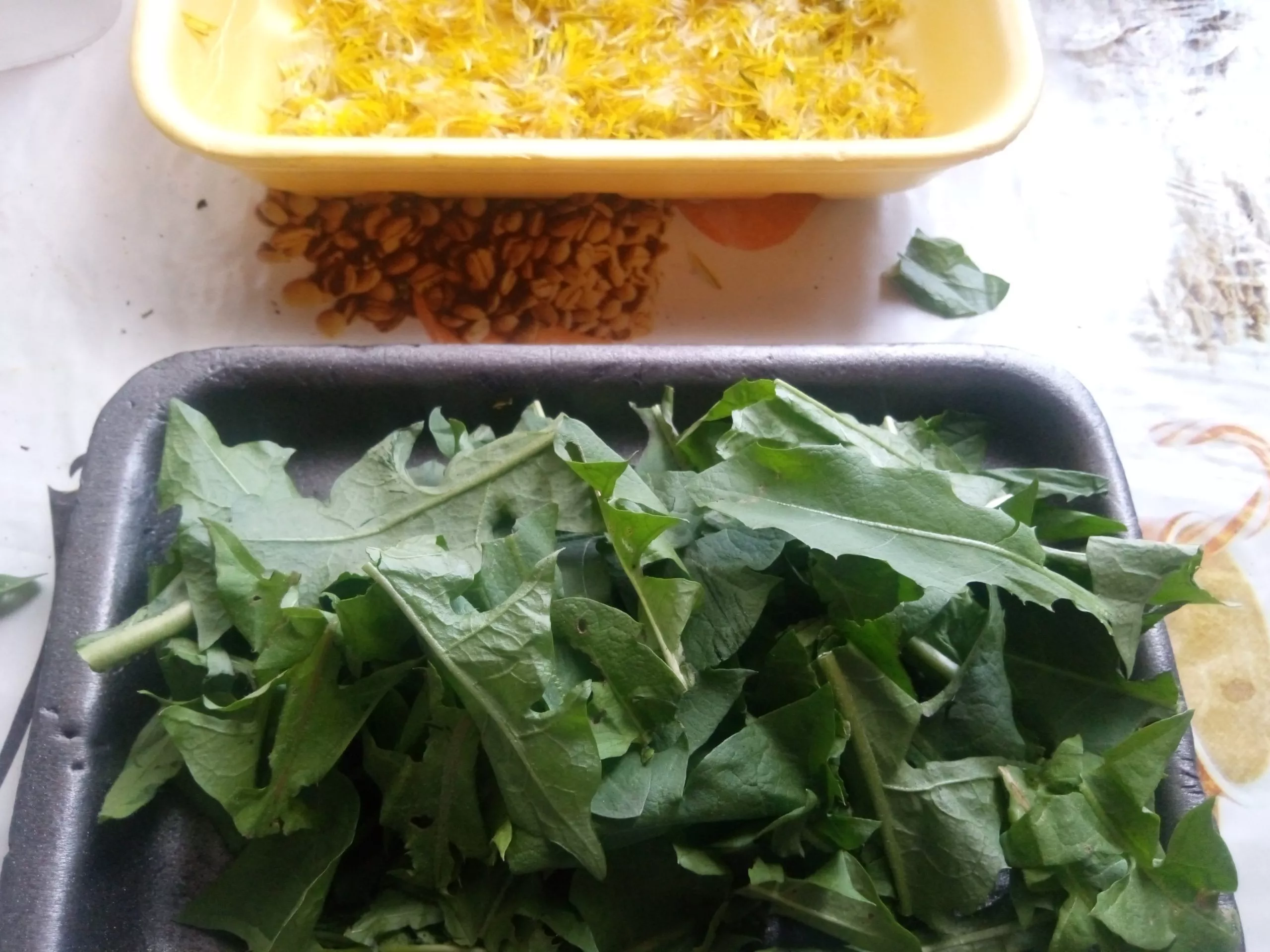
I always place the flowers in a single layer. I separate them into small fragments directly in the tray.
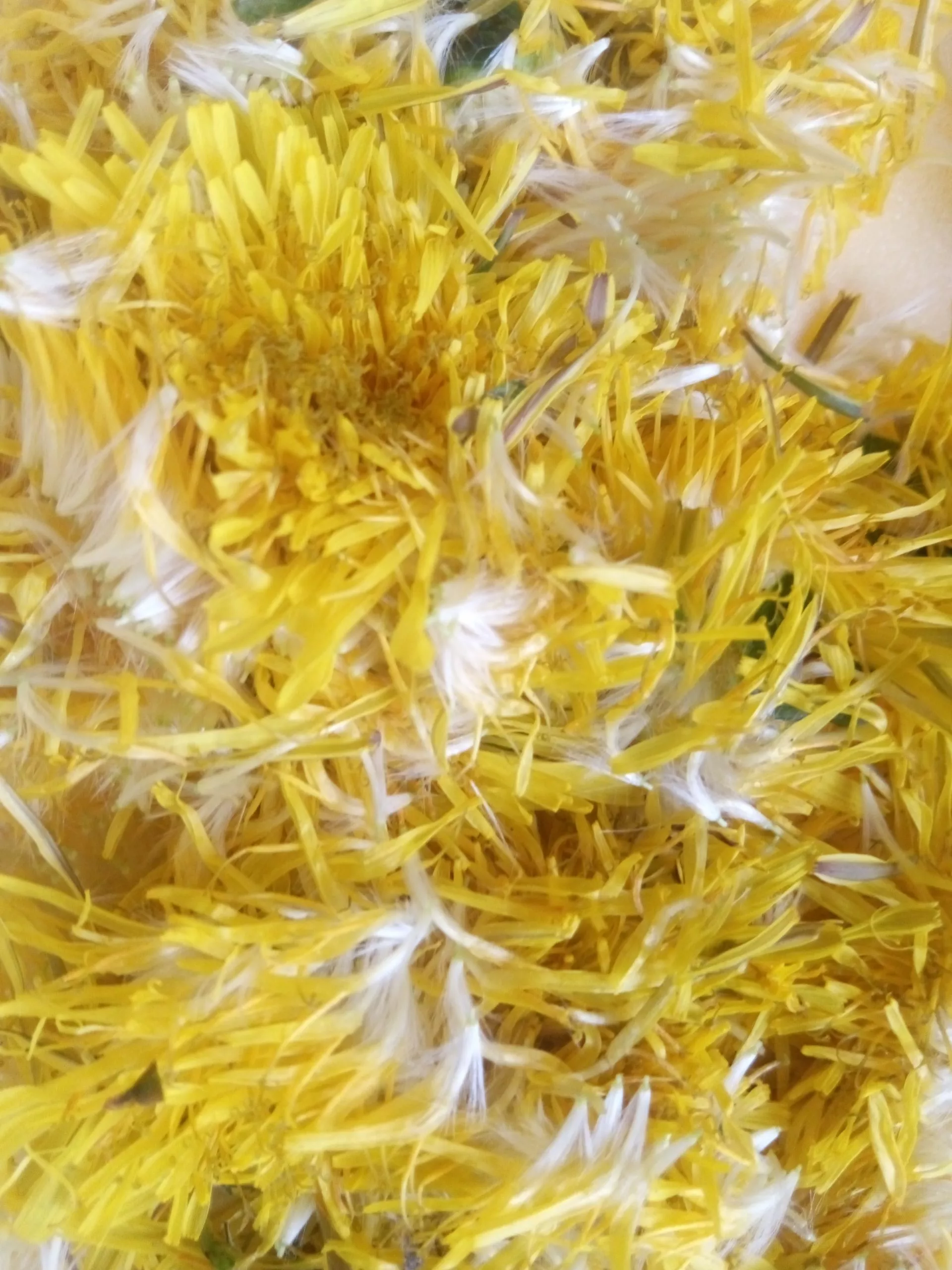
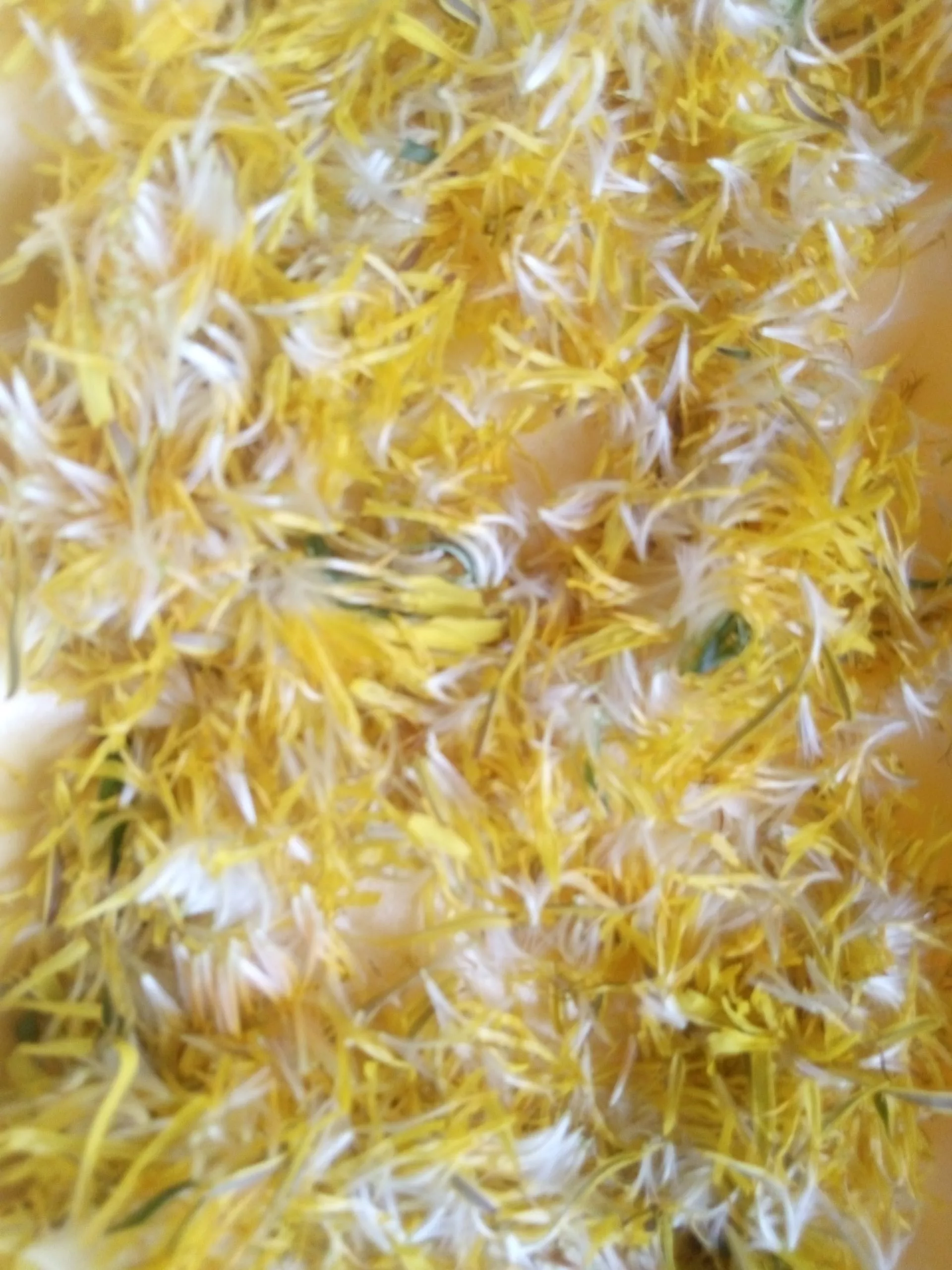
I place the leaves uncut and not necessarily in one layer – they dry well as is.
It's not advisable to dry the roots this way—they don't dry out completely. I leave the trays in a well-ventilated area, away from direct sunlight. I dry them right in the room, uncovered (I don't have any flies or other insects, and I don't have any dust).
I turn the “dryer” over several times a day and determine its readiness by a specific crunch.
The air temperature should be at least 18 degrees Celsius. Then I pack it into woven bags or glass jars and store it. And in the winter, I enjoy this delicious, and most importantly, healthy tea.
I also preserve dandelions—I dig up and dry the roots. But I couldn't dry the flowers; they turned into white balls. Perhaps I should have separated them into petals, but I simply laid them out whole and they became fluffy. I recently learned that you can freeze the leaves and flowers and make tea, tincture, infusion, or decoction from them in the winter.