
The concept of a "rock garden" emerged in Eastern countries three thousand years ago. By combining plants with pebbles and arranging them into original compositions, people sought to recreate miniature islands of wild nature. Stone decoration became a key component of contemplation—a sensory experience.
Residents of European countries became familiar with the art of creating combinations of plants and hard rocks in the 18th century. Royal gardens in England, France, and, a little later, Russia, began to be adorned with original rock gardens. Our gardeners took a liking to flower and rock arrangements. A combination of strength and delicacy!
In the 21st century, gardeners often dream of creating an alpine slide or rock garden at their dachas. To ensure this dream is a success, a number of rules must be followed.
Alpine slide or rock garden - similarities and differences
Since landscape design became fashionable, practitioners have been debating nonstop whether a rock garden can be considered a separate flower garden. While many designers classify it as an alpine garden, a rock garden requires different plants. Furthermore, the maintenance requirements for a rock garden and an alpine garden are different.
The main component of an alpine garden is exotic flowers, which look harmonious in the mountains and unusual on the plains. Rocks play a minor role in creating an alpine garden. Hard rocks are necessary to highlight the beauty and originality of the flowers and greenery.
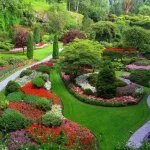
In a rock garden, everything is different. The stones are the masters of the composition. They are laid on a mound. Flowers serve as decoration for the boulders, adding a touch of soul to the solid, monumental structure.
When designing flower beds, we look at the relief
When creating an alpine garden or rockery, you need to adapt it to the site's natural topography—ravines, hills, and waterfronts. Rocky flowerbeds look beautiful when they blend naturally into the surrounding environment.
If your garden plot is spacious, you can add variety to the landscape. For example, you could install a rock garden in the foreground to create the illusion of unevenness, and create an alpine garden in the background. Gazebos, flower beds with vibrant colors, and shrubs trimmed into various shapes would perfectly complement the rock garden.
Choosing stones wisely
When designing flower beds, sandstone, granite, various types of slate, or limestone are most often used.
When creating an alpine garden, it's best to use rocks that resemble mountains or cliffs, but avoid rocks with sharp edges. The rock-and-flower arrangement itself should be oriented upward. When designing your rock garden, keep color in mind. Light-colored rocks don't look good against brightly colored plants. Smooth boulders will also look out of place.
Typically, when creating an alpine garden, designers choose one type of rock, or two at most. Excessive diversity and unevenness in the size of the elements will ruin the structure.
When creating a rock garden, it's best to focus on larger stones. Smaller ones can be used to add some variety to the composition. As with an alpine garden, it's important that one type of rock predominates in the flowerbed. Small additions of other types of stones are acceptable, but they should complement the main boulders.
A rock garden is a miniature replica of a specific corner of the globe. You can choose any landscape for your design—for example, the Caucasus or Himalayan Mountains. When creating a composition, use plants and rocks native to the chosen location, which you want to create a miniature version of on your property. A rock garden won't take up much space in your garden, but it will be a delight to the eye.
Thinking about the shape of the stones
When creating a rock garden in your garden, it's best to use round boulders that complement each other in color and size. The spaces between the stones can be filled with river pebbles or gravel. A layer five to ten centimeters thick is typically used. If the boulders that form the base of the composition are light-colored, the gravel should be darker, and vice versa. Crushed stone can be used to frame the flower bed; it will help keep weeds at bay.
The stones should be buried about one-third of the way into the soil. Make sure they don't wobble or tip over when touched.
Rockeries made from stones of the same type but different sizes look spectacular. If you plan to decorate a composition with ten or even twenty plant species, you can experiment with rock types and shapes, combining different options. The result will be a floral display, but don't overdo it—the key is to maintain the style.
Rough, broken stones are suitable for creating an alpine slide, but round boulders are used only when decorating a pond that is part of the composition.
We structure and drain the soil
When building a rock garden in your garden, you need to ensure the soil is well-drained. Take crushed stone and mix it with broken brick. Bury the mixture at the base of the rock garden and cover it with sand.
The drainage layer should be lined with geotextile or polyethylene film. This is done to drain excess moisture from plants accustomed to a lack of moisture. An alpine garden is made from precisely these types of plants. Large holes should be made in the polyethylene or geotextile layer to help inhibit weed growth.
After these steps, you can begin adding soil. Use high-quality soil. The layer should be at least 20 centimeters thick. Be sure to fertilize the soil with mineral fertilizers. For example, two tablespoons of superphosphate. You can also add potassium sulfate in the same amount. These amounts are used for an area of one square meter. After fertilizing the soil, begin laying out the stones.
Deciding on the type of rock garden
So, an alpine garden is a garden structure resembling a mountain landscape. When building an alpine garden, spectacular flowers and stones of varying sizes are used. Both blend seamlessly into the garden's panorama. The garden will delight the eye for many years. To ensure a low-maintenance rock garden, use plants and stones that are easy on the soil.
Alpine hills are divided into the following types:
- European. The construction is based on perennial flowering plants, framed with stones. Here, plants reign supreme in all their glory.
- Rocky. Large stones, even boulders, take center stage. Smaller ones are placed at their bases. Low plants or small bushes are planted between the stones.
- MountainThey are typically set up on a garden hill—large stones are laid at the base, and the slope is covered with crushed stone. Groundcover plants should be planted here, such as heather and edelweiss. Conifers look beautiful at the top of the slope.
- English. This rock garden combines dozens of small stones, bushes and dwarf trees.
Choosing a location and flowers
Certain plants and locations are suitable for rockeries and alpine slides.
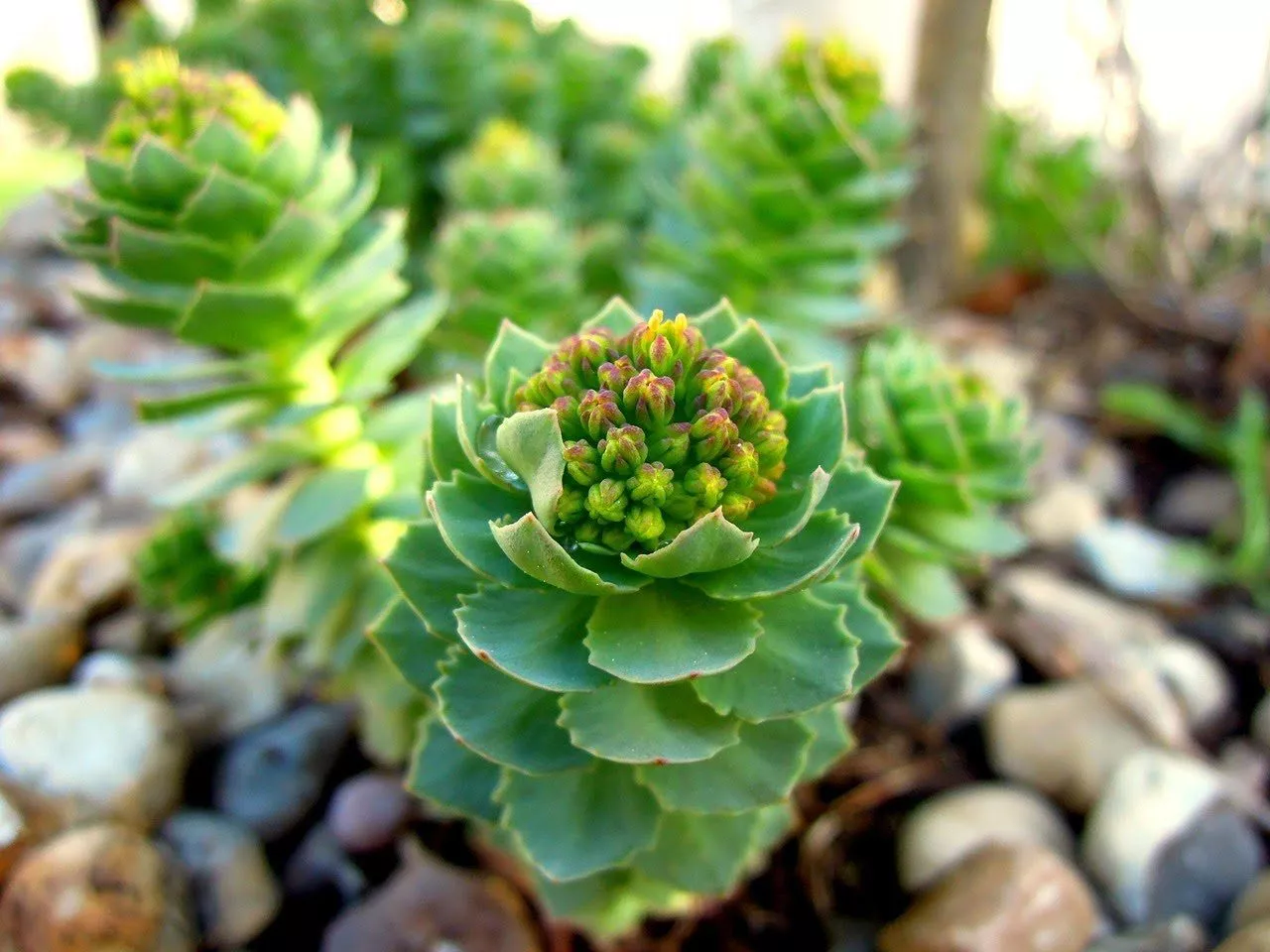
For a rock garden, choose a shady spot, as it's formed from plants accustomed to cooler climates. Saxifraga, geranium, rosemary, lavender, and other flowers common at high altitudes are suitable.
A rock garden can be built anywhere on a summer cottage. However, the needs of the plants that will be growing in the mini rock garden must be taken into account.
They should be low-growing and have compact roots. This is necessary to ensure that the flowers don't obscure or displace the stones. Irises, tulips, crocuses, and bellflowers—these low-growing perennials are perfect for rock gardens. Shrubs that can be used include junipers, barberries, and cotoneasters.
Taking care of it properly
It's fair to say that both rockeries and alpine gardens are low-maintenance installations. However, they do require maintenance.
When maintaining a rock garden, you need to periodically adjust the position of the stones, add soil, sow plants, and trim the bushes. Of course, weeding and watering are still essential.
An alpine garden requires more careful maintenance—the greenery that thrives there requires a certain amount of privation: low heat, low humidity, and poor soil. Care must be taken to ensure the plants don't overindulge in nature's bounty.
Creating a small rock garden is a fascinating endeavor. It doesn't matter what kind of garden you create—an alpine garden, a rockery, or both. Use your imagination and enthusiasm, and everything will work out!