

According to one folk belief, if there are a lot of ants in the fall, the winter will be harsh. On our property, they move in even, dense rows, resembling black trails from a distance. They even enter the house, looking for shelter or supplies.
Since the end of August, we have been unable to get rid of these insects, although we have tried a ton of different means and methods, which I want to tell you about.
The negative impact of the ants was first noticed in the garden—a plum tree was withering. It turned out to be infested with aphids, which these insects also flock to.
On the neighbors' recommendation, we treated the lower part of the trunk with vegetable oil and poured it onto the soil around the plum tree. The ants got their feet dirty with the sticky oil and were no longer able to climb the tree. So, we created a barrier, but didn't get rid of the pests.
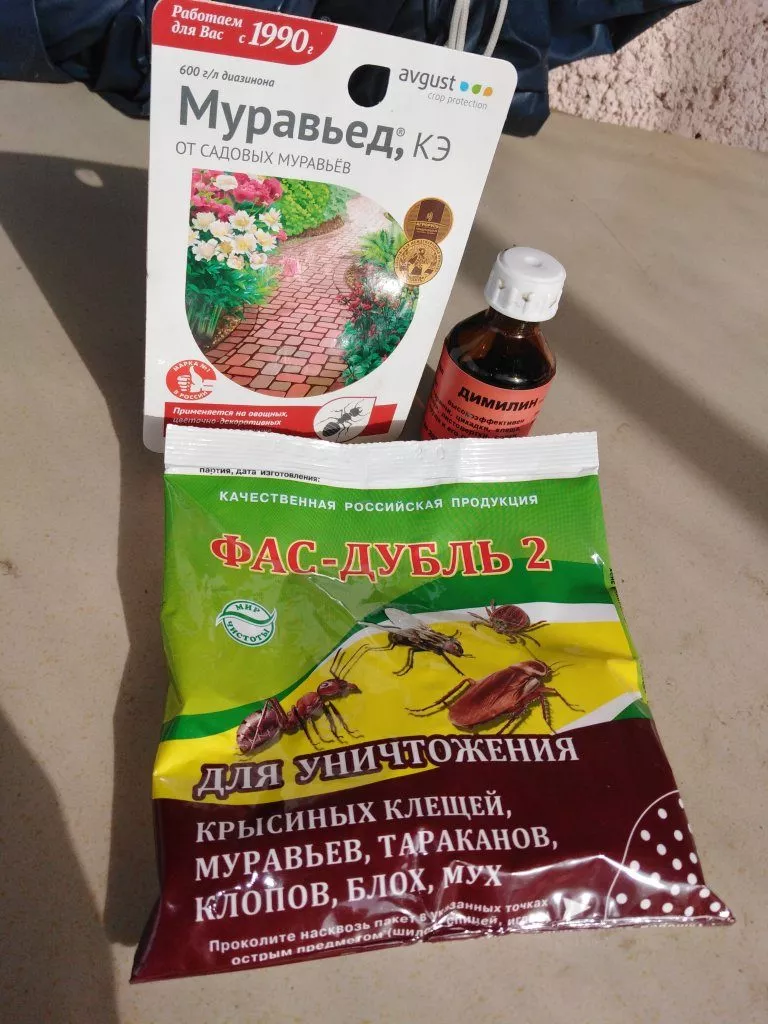
We consulted a specialist at the Biosfera store and purchased the necessary chemicals. We prepared hand-held sprayers at home and got to work.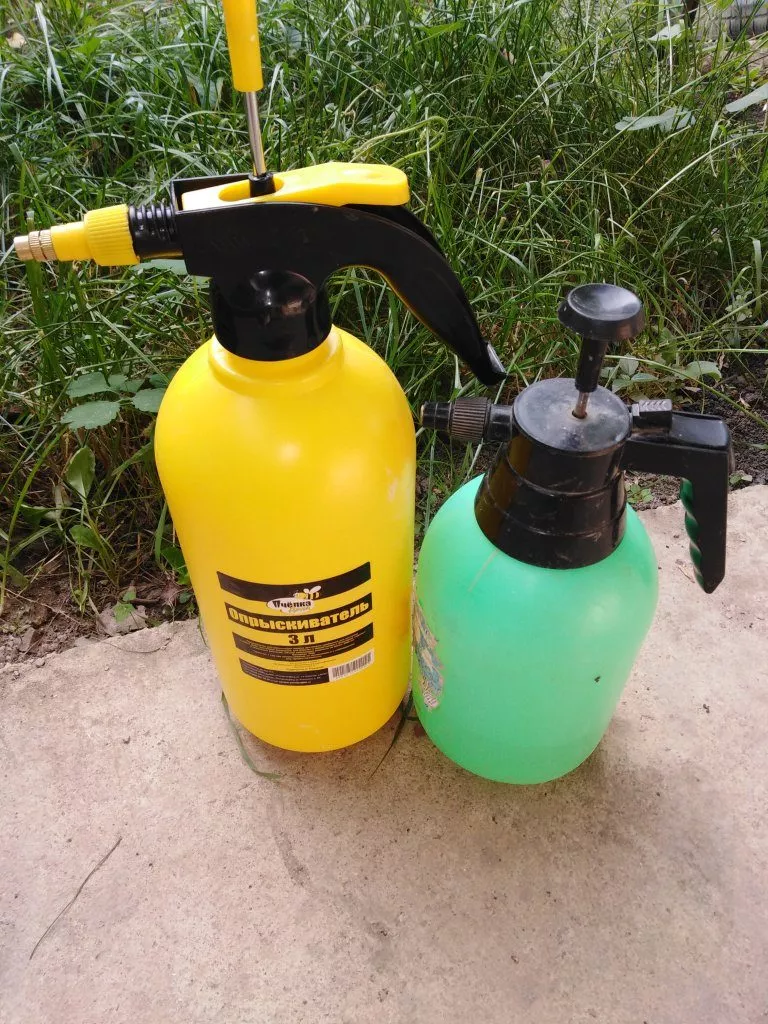
We treated the garden for aphids Dimelin solution — sprayed on tree crowns and lawns. This is an intestinal insecticide that inhibits the formation of the chitinous covering of garden insect pests. It has a long period of action—up to 20 days—but the pests die gradually as their chitinous covering is renewed.
Within two weeks, the number of pests on the site had decreased, but the ants were now attacking our house.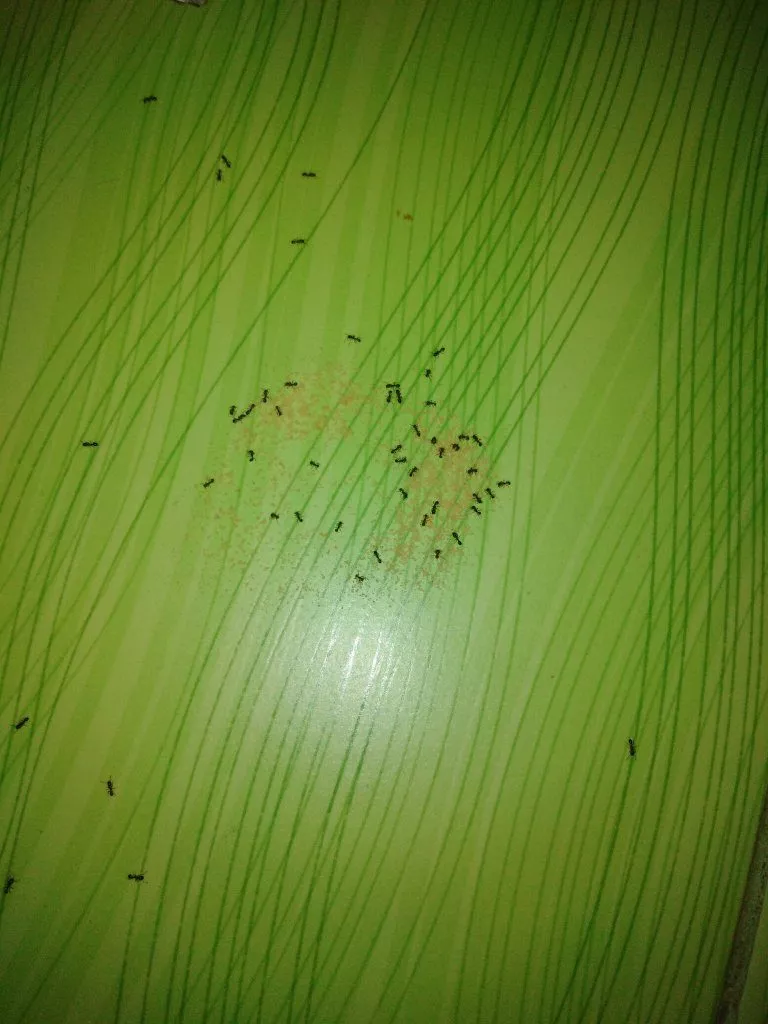
If I wasn't careful and crumbs or other food scraps were left on the floor after a meal (and in a house with three children, this is a very common occurrence), an army of ants would immediately rush to stock up on winter supplies. As an experiment, we left them a whole cookie. They devoured it in three and a half hours—and not a trace remained!
They fought the invasion of thrifty and clever bastards AnteaterWe mixed 1.5 mg of the product with 3 liters of water to create a cloudy, white, and unpleasant-smelling solution. We applied it to the floors, paying particular attention to cracks and baseboards, the backs of rugs, and the backs of furniture. We closed all windows and doors. We left the house for four hours to avoid inhaling the chemical fumes. After the allotted time, we ventilated the house, washed the floors, and vacuumed the flooring. The ants were gone.
But not for long. They appeared in the yard—not just the black ones, but also the red ones, the garden ones. I resorted to a new remedy against them. This time, I sprinkled the path and the yard. Fas-Double 2 powder.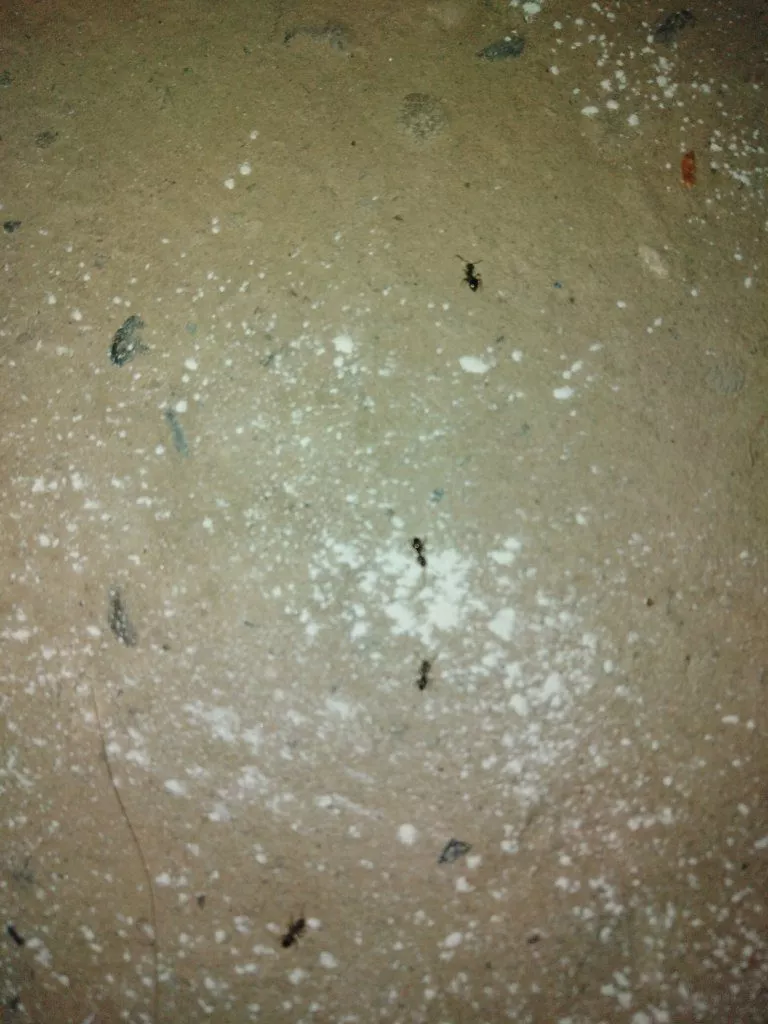
This formulation doesn't require a sprayer or other equipment. Simply puncture the bag several times in a corner and sprinkle the powder over the area.
But a major drawback is that it's easily carried and blown away by the wind! Therefore, you need to take extra care to protect yourself: wear a respirator, protective goggles, and cover any exposed areas of your body.
In the evening, I repeated the treatment along the ant path and in the place where the anthill is located.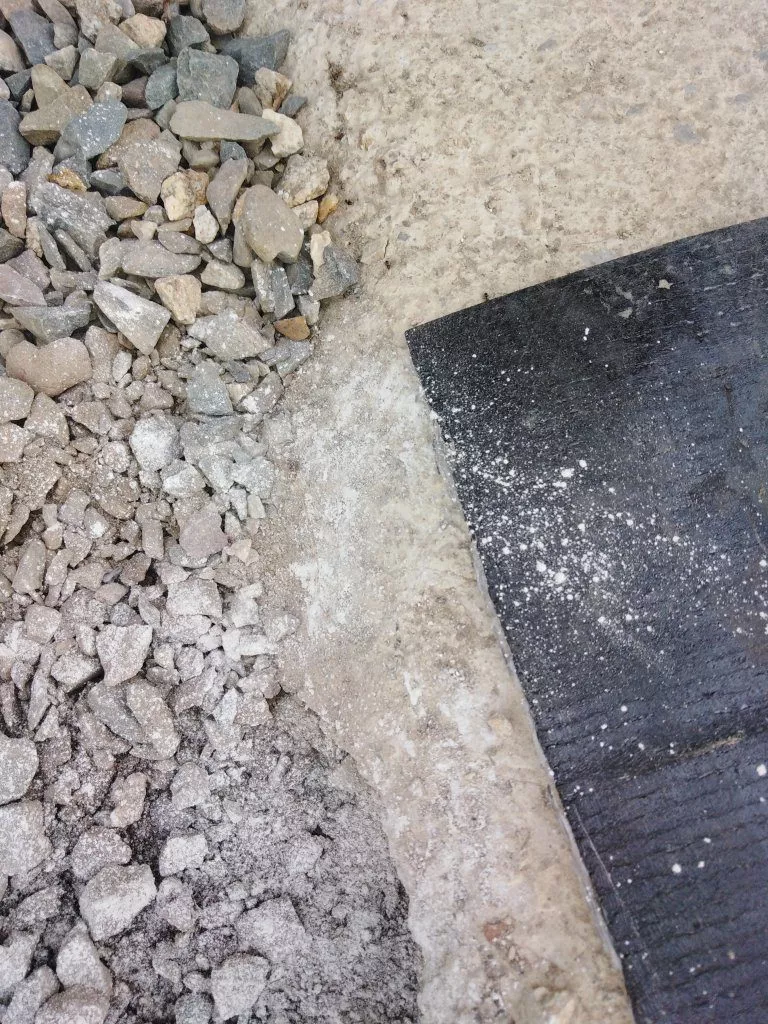
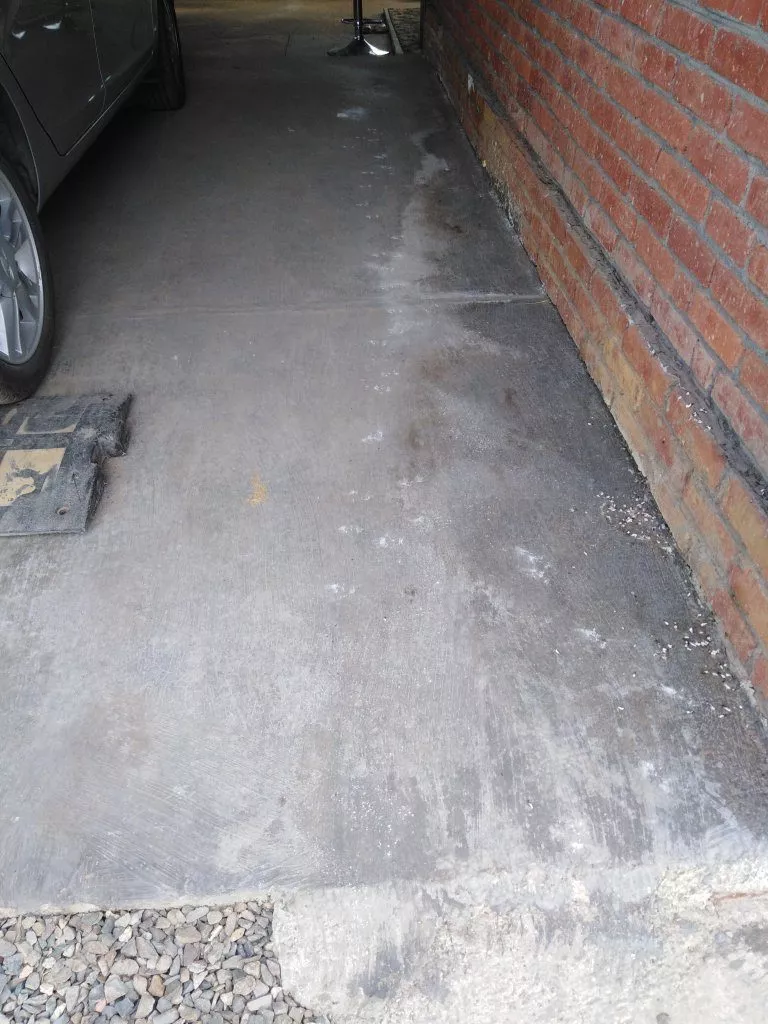
The insects were actively scurrying around after the powder was sprinkled, and within an hour their numbers had dwindled. I really hope this victory will be ours!
After a month of fighting ants, I realized that it's best to treat both the yard and the house simultaneously. It's best to use two-component or combination products. And, of course, don't neglect preventative measures.
At our dacha, we also have a lot of black ants of two types—large and medium-sized. They carry aphids, which damage flowers and trees, and gnaw at plant roots when they dig their nests. We've been fighting them all summer with both natural and chemical methods.
In the fall, very small, light-brown ants appear in our apartment; there aren't as many of them as at the dacha. I call them ant midgets. They're gone in the summer, but as winter approaches, they crawl from the basement into the apartment (we live on the ground floor). We also fight them—we treat tabletops with vinegar and ammonia, set out bait, and treat them with boric acid. They're not particularly bothersome; you can't see them during the day, but at night you might spot a few crawling toward the kettle. They're probably looking for water. Therefore, every time before drinking tea, I have to drain the kettle and rinse it. Otherwise, the tea will end up with ants in it.
We also had small red ants appear a couple of weeks ago this year. I rarely see them near the sink. I need to do something before they settle in and multiply.