

I've already mentioned that ground ivy can be harmful to allergy sufferers and that this medicinal plant contains poison. It's also not particularly useful for the garden, as it grows wild and reproduces quickly (by self-seeding and by creeping stems).
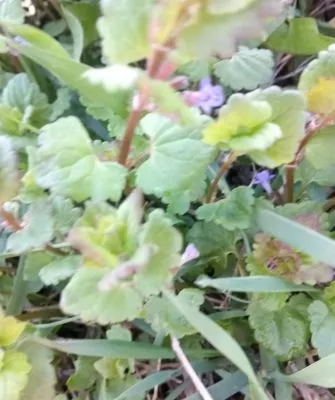
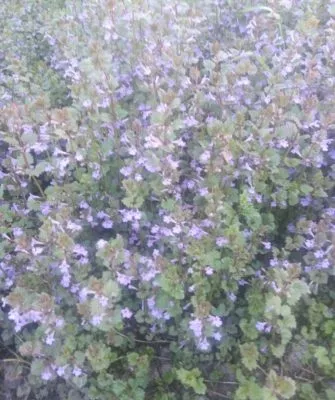
Getting rid of them is problematic, as the roots are very small and branched. But it can be done:
- Herbicides such as Roundup and Tornado are effective in controlling ivy grass. Apply them according to safety instructions. The herbicide is applied once per season, targeting young growth in the spring and treating extensive growth in the fall.
- You can also use borax (sodium tetraborate), a non-toxic substance available in all pharmacies and hardware stores. To prepare the solution, dilute 400 g of the substance in 200 ml of water, then dilute the resulting saturated solution in 8-10 liters of water.
This amount of product should be enough to treat an area of 250-300 square meters. If ivy grass is rare, treat each plant individually using a brush. It is recommended to repeat the treatment after a couple of weeks.
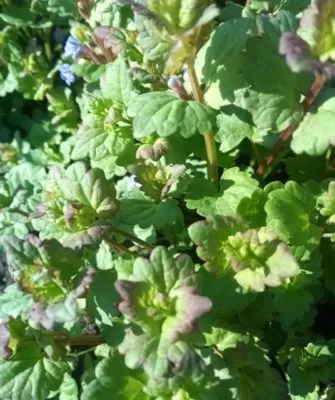
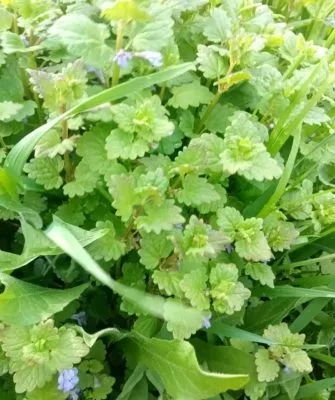
In autumn, the soil must be thoroughly dug up and all remains of ivy must be removed.
Let me remind you that herbicides cannot be used on a living lawn, as they destroy the lawn grass itself.