

We recently moved to the Voronezh region, and my husband decided to go fishing with his new friends. We fished at a pond, but this summer we only managed to catch two species of fish: roach and this one:
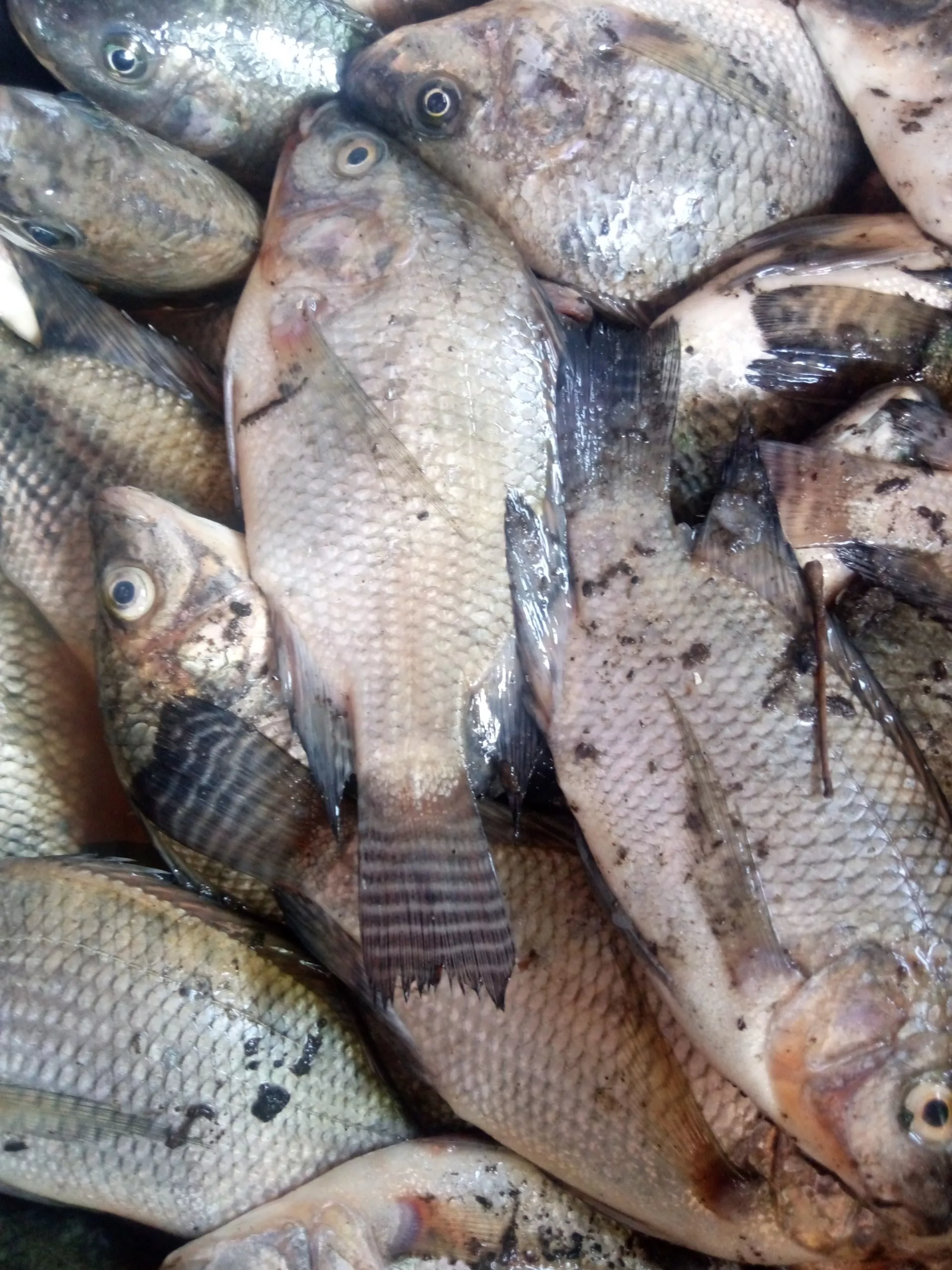
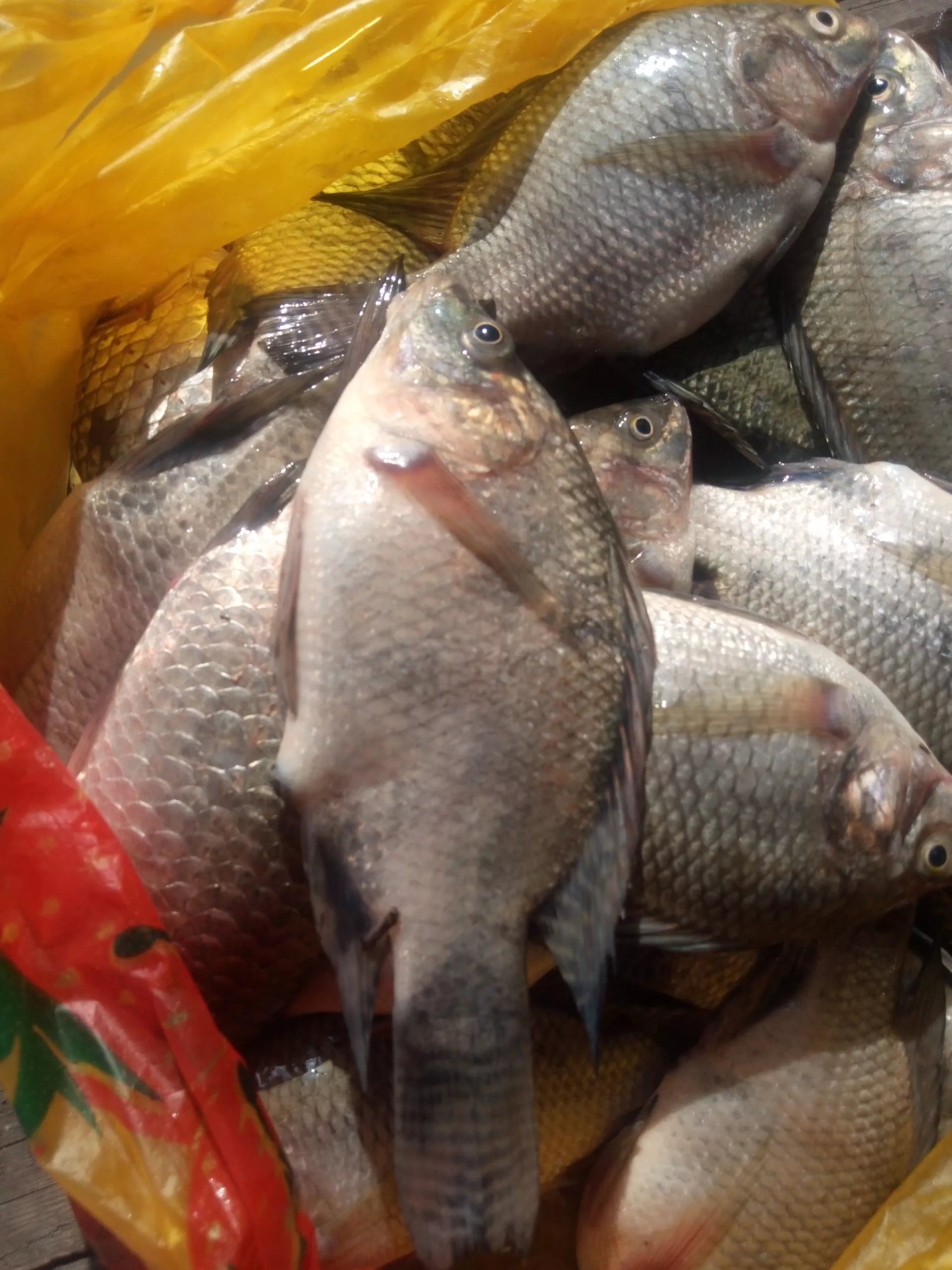
We'd never seen a fish like this before; we were told it was called a tyulapka (sea sprat). I tried searching online to find out what kind of fish it was, but I couldn't find anything, so I turned to some knowledgeable people for help. Eventually, they explained to me what this wonder fish was.
So, this is a species – Galilean tilapia. There are a lot of tilapias, they are related to cichlids, and some are harmful. But I'm not writing about the fish, I'm writing about how my husband always salts his fish. Incidentally, it tasted exactly like dried roach.
This time, I did the salting myself, as my husband was busy at work. First, I washed the fish thoroughly in several different waters.
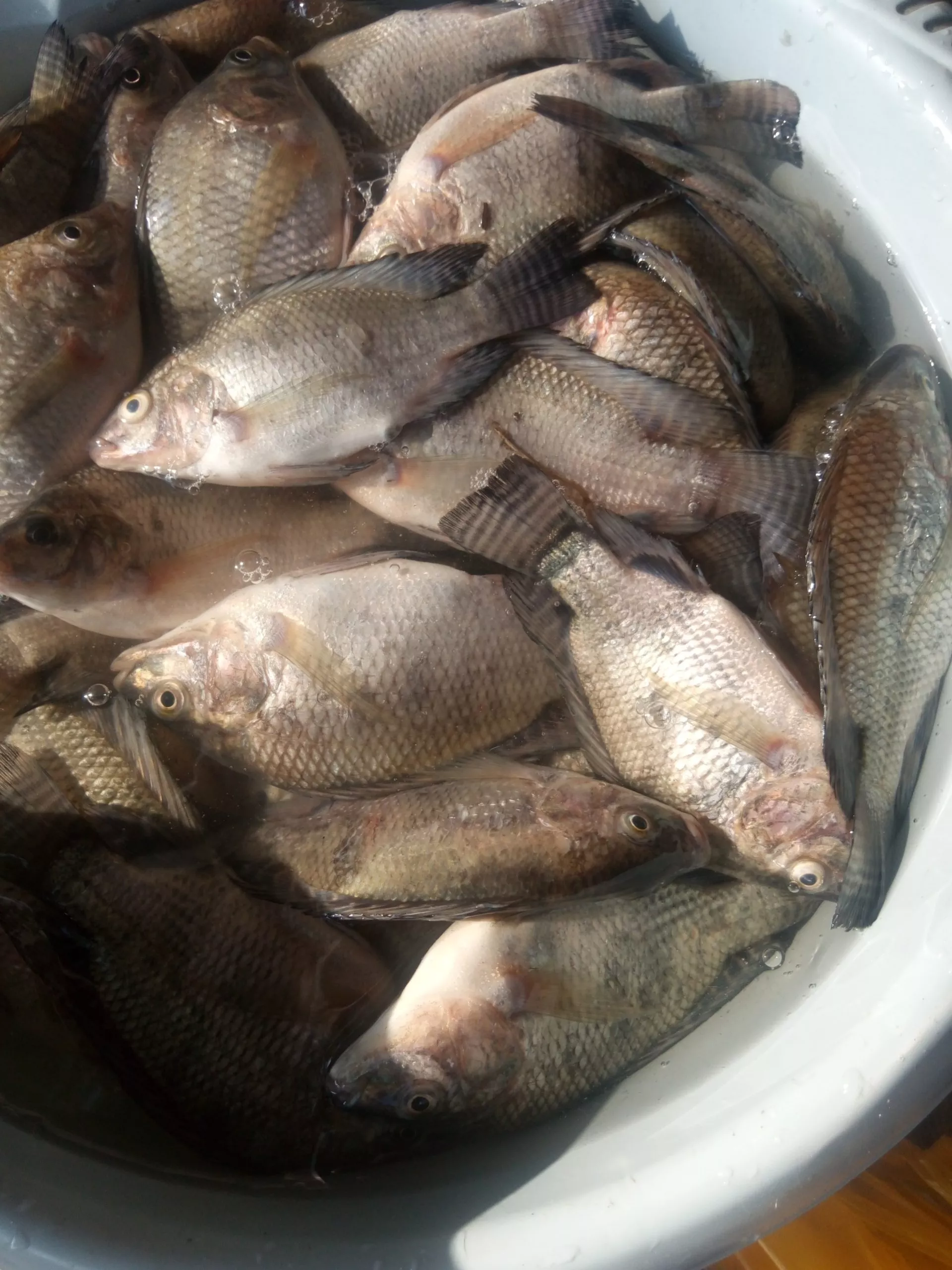
Because it was very dirty. Apparently, this fish swims on the bottom and feeds exclusively on grass. I reached this conclusion because there was only green matter in the intestines.
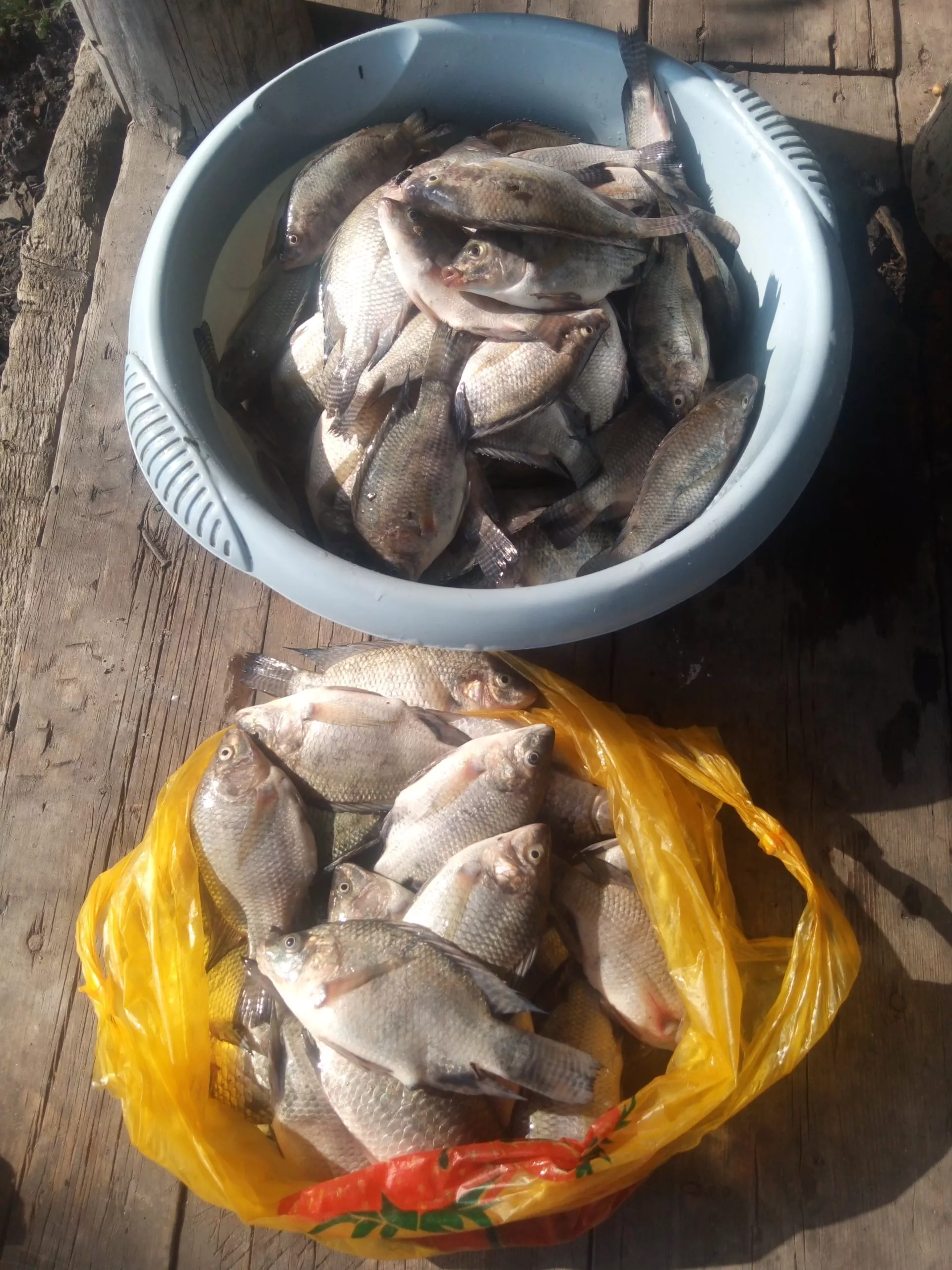
I had a lot of fish - almost a full 15-liter bucket, so I took two kilogram packs of salt (but they weren’t enough, so I had to take almost another pack).
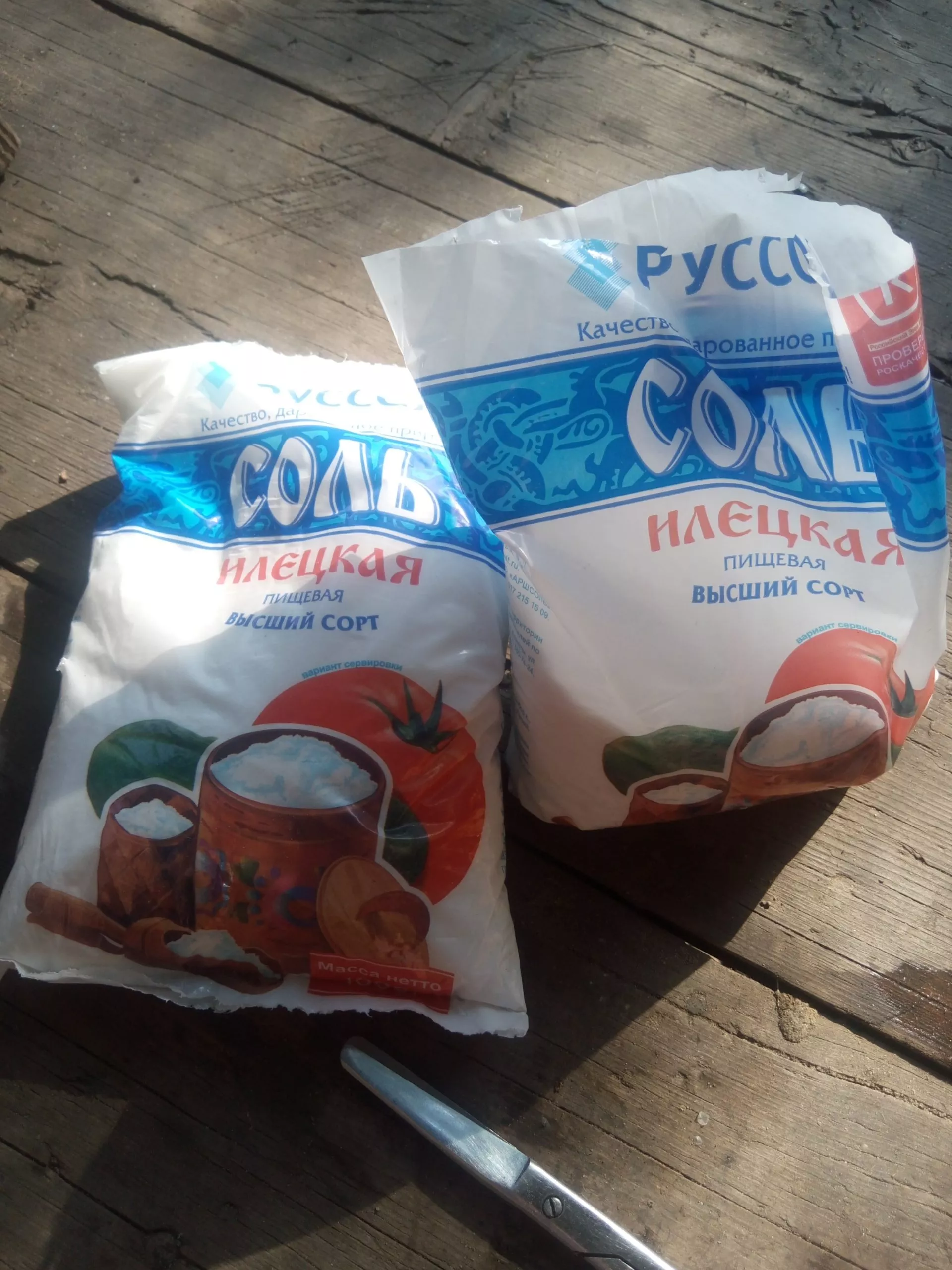
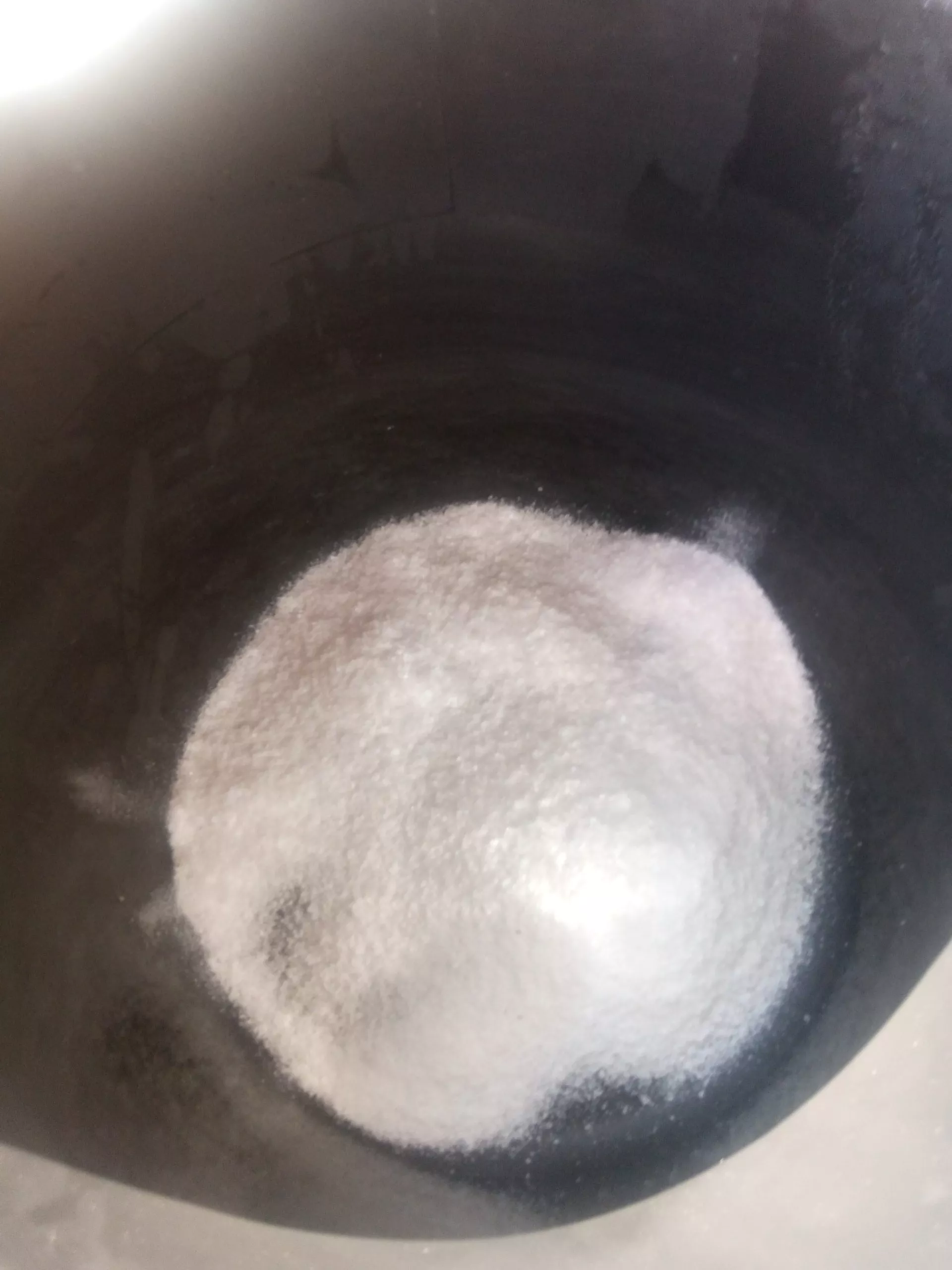
I poured a layer of salt about 1-1.5 cm thick onto the bottom of the bucket.
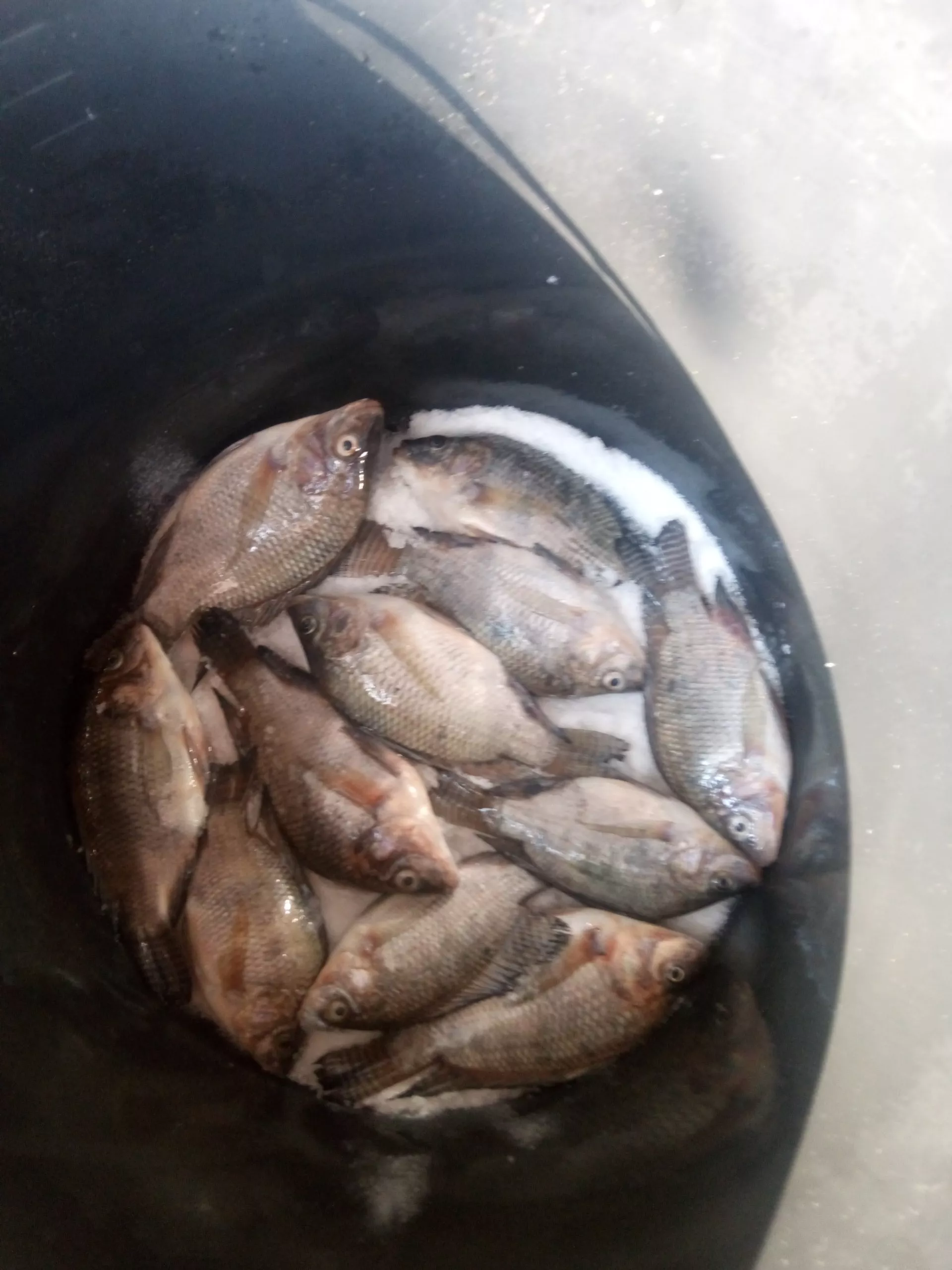
I placed an even row of fish on top in one layer.
I sprinkled salt again, but the layer was a little thinner.
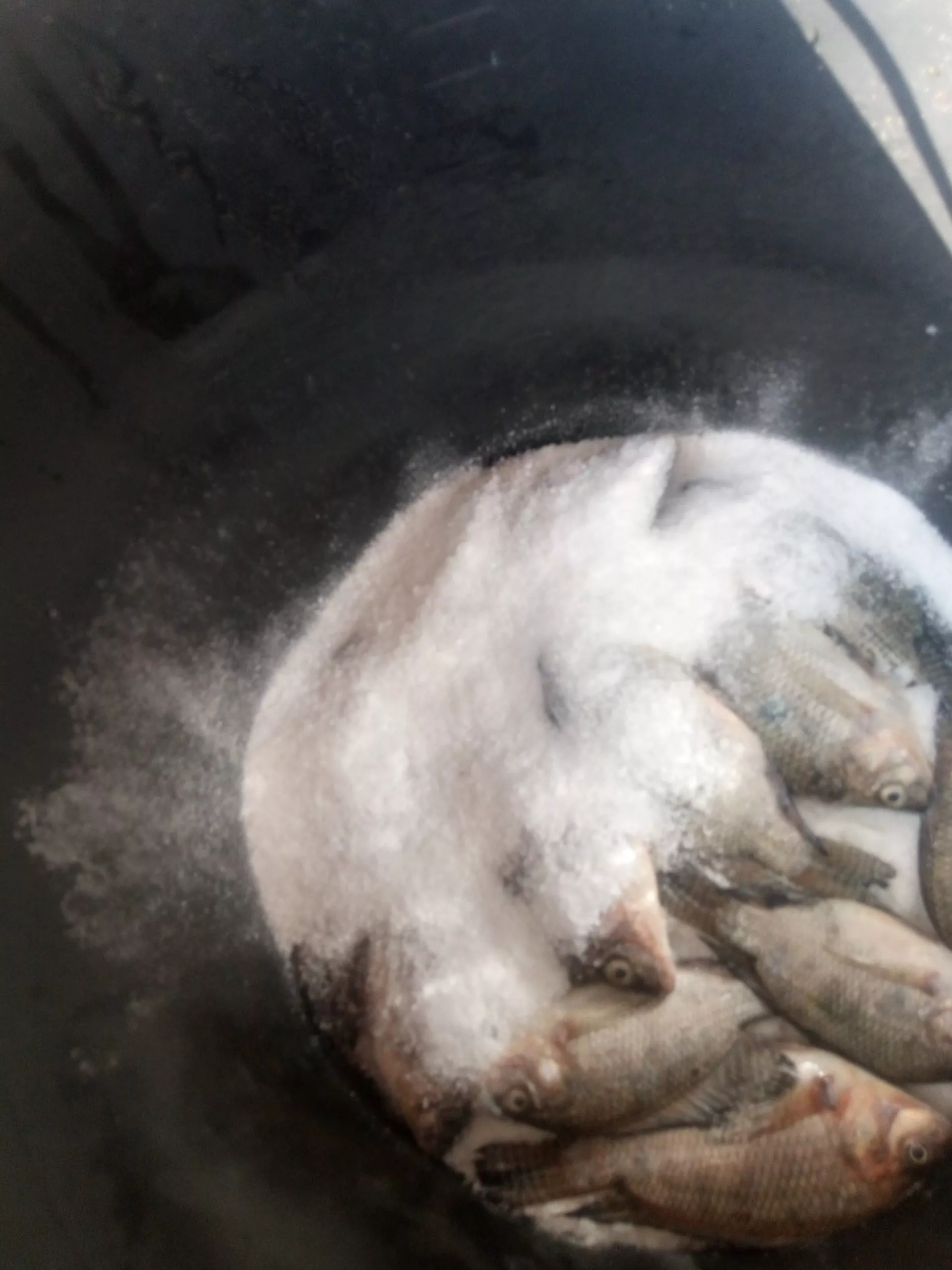
So I ended up with 7 layers. I sprinkled a lot of salt on top again. And yes, you have to make sure there's salt on the sides too.
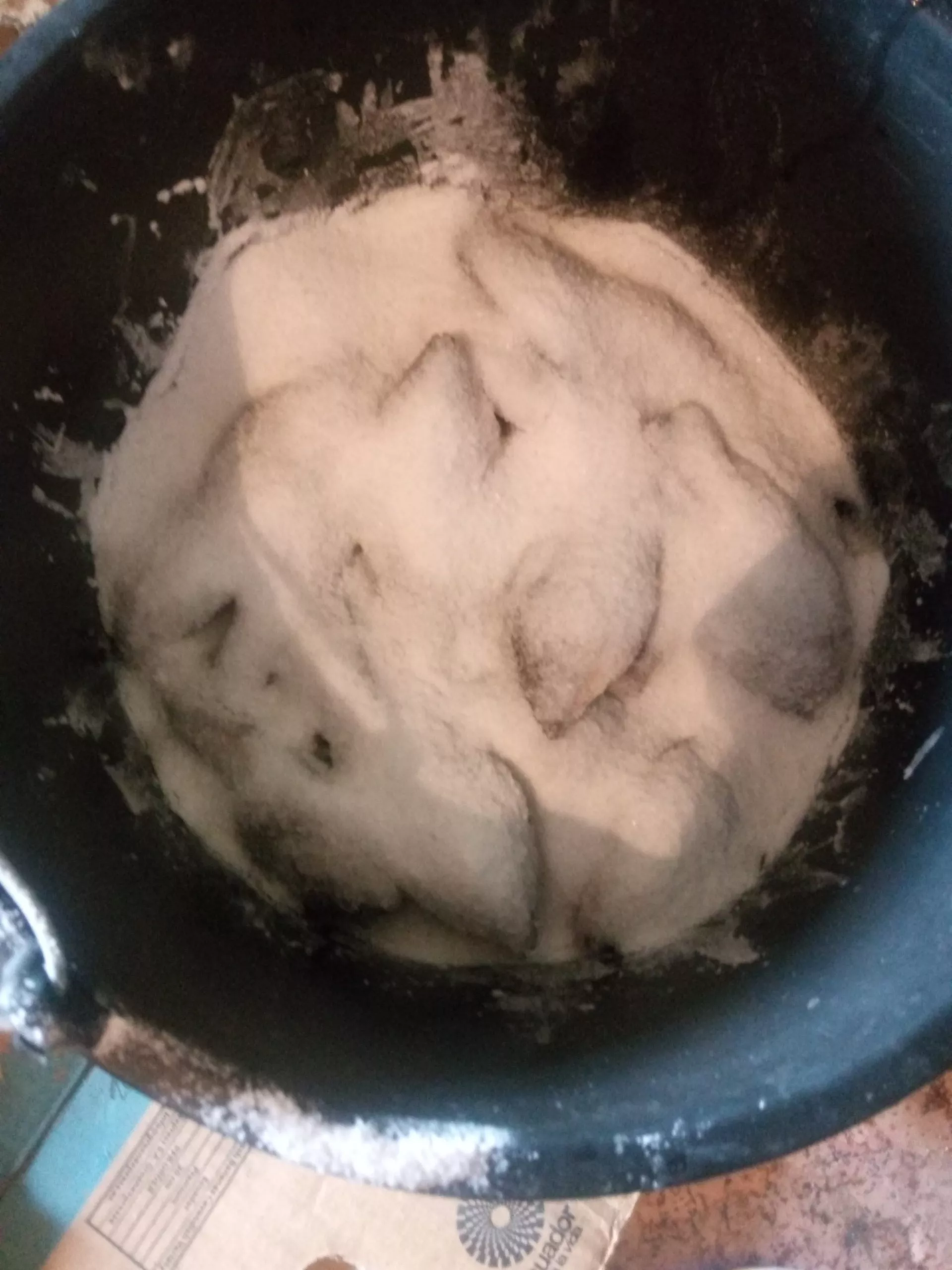
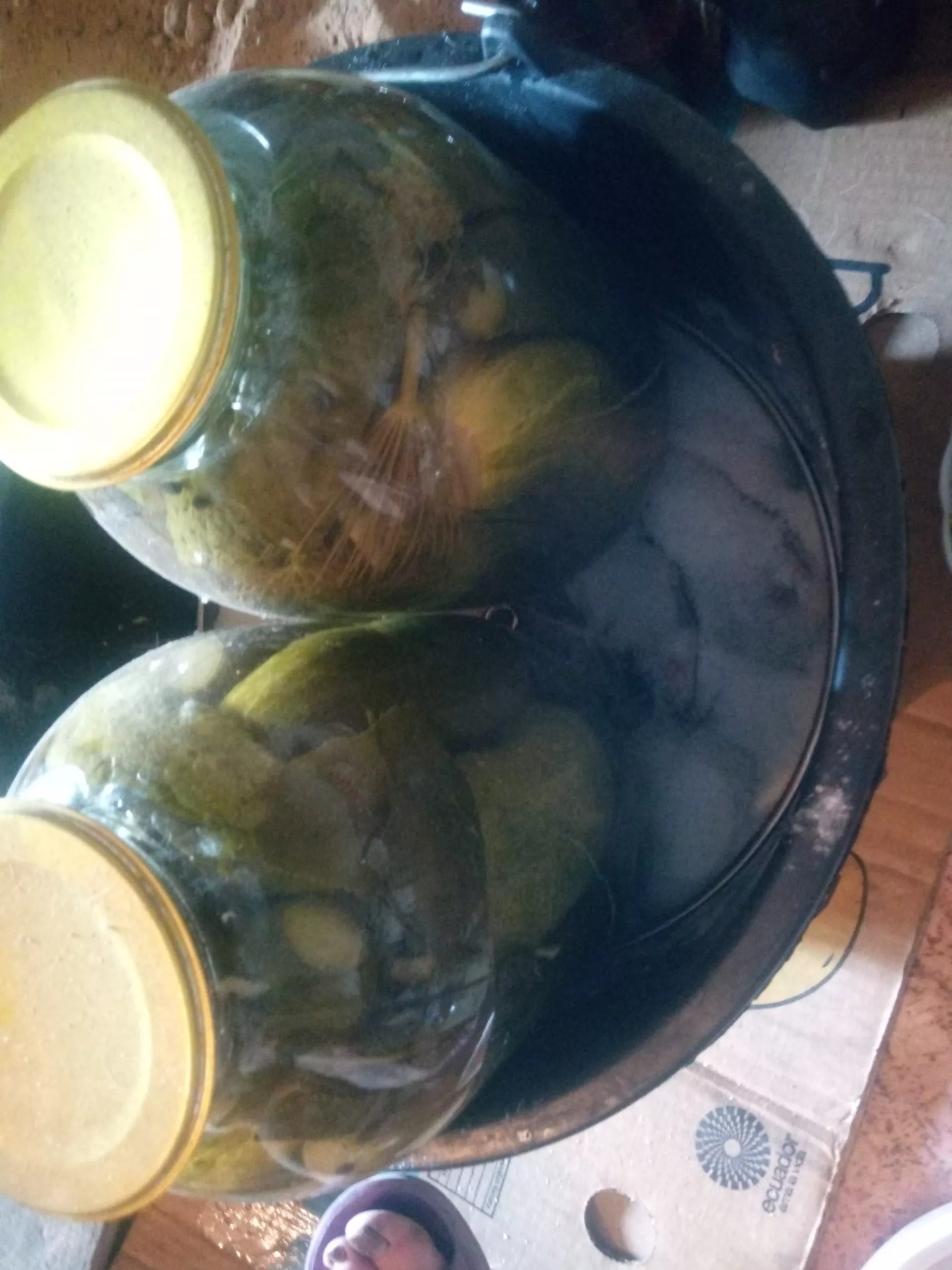
Now all that was left was to cover it with a lid, but I only had one that was so huge in diameter with a long “handle,” so to make the lid fit more tightly, I made a hole.
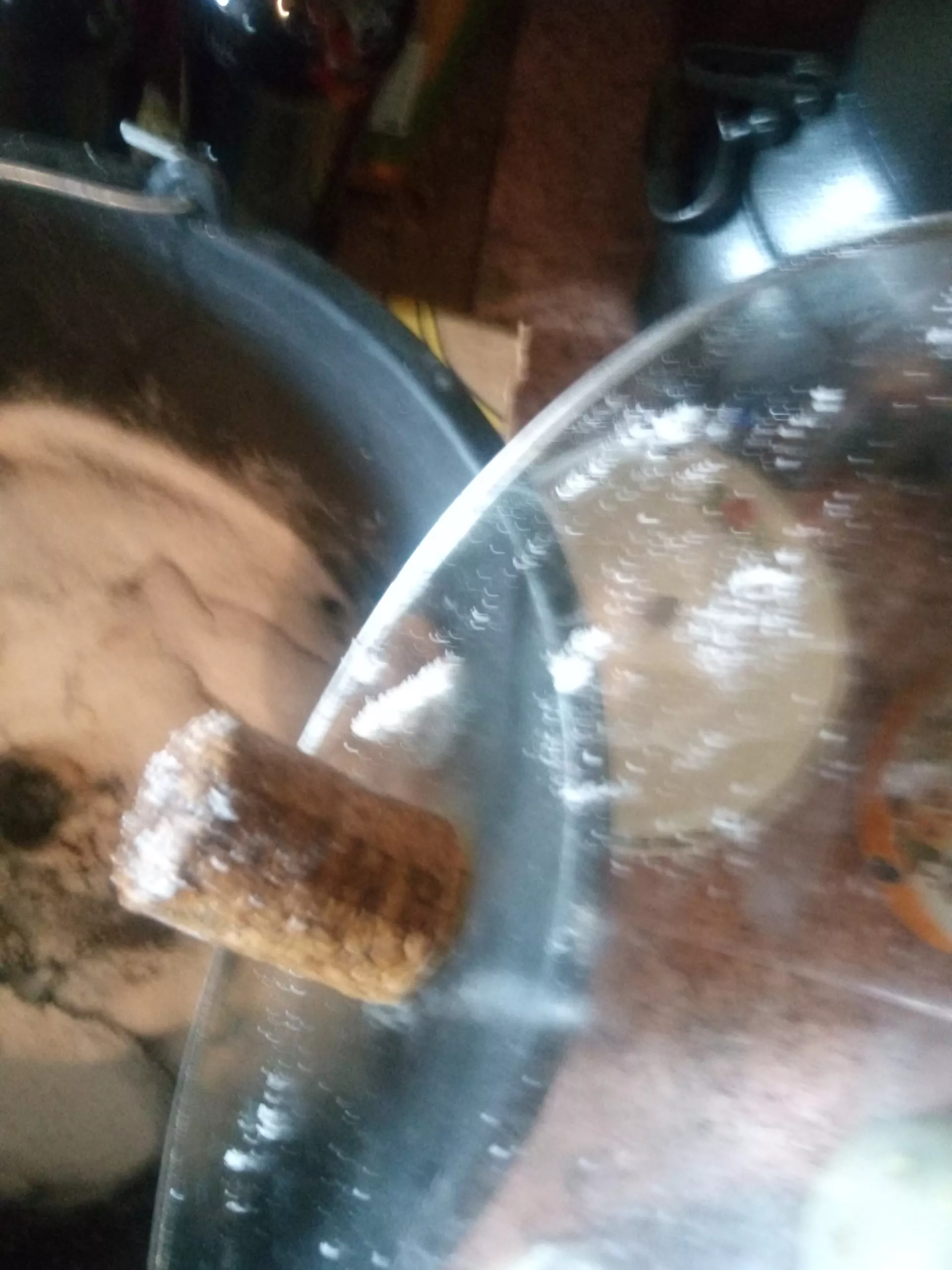
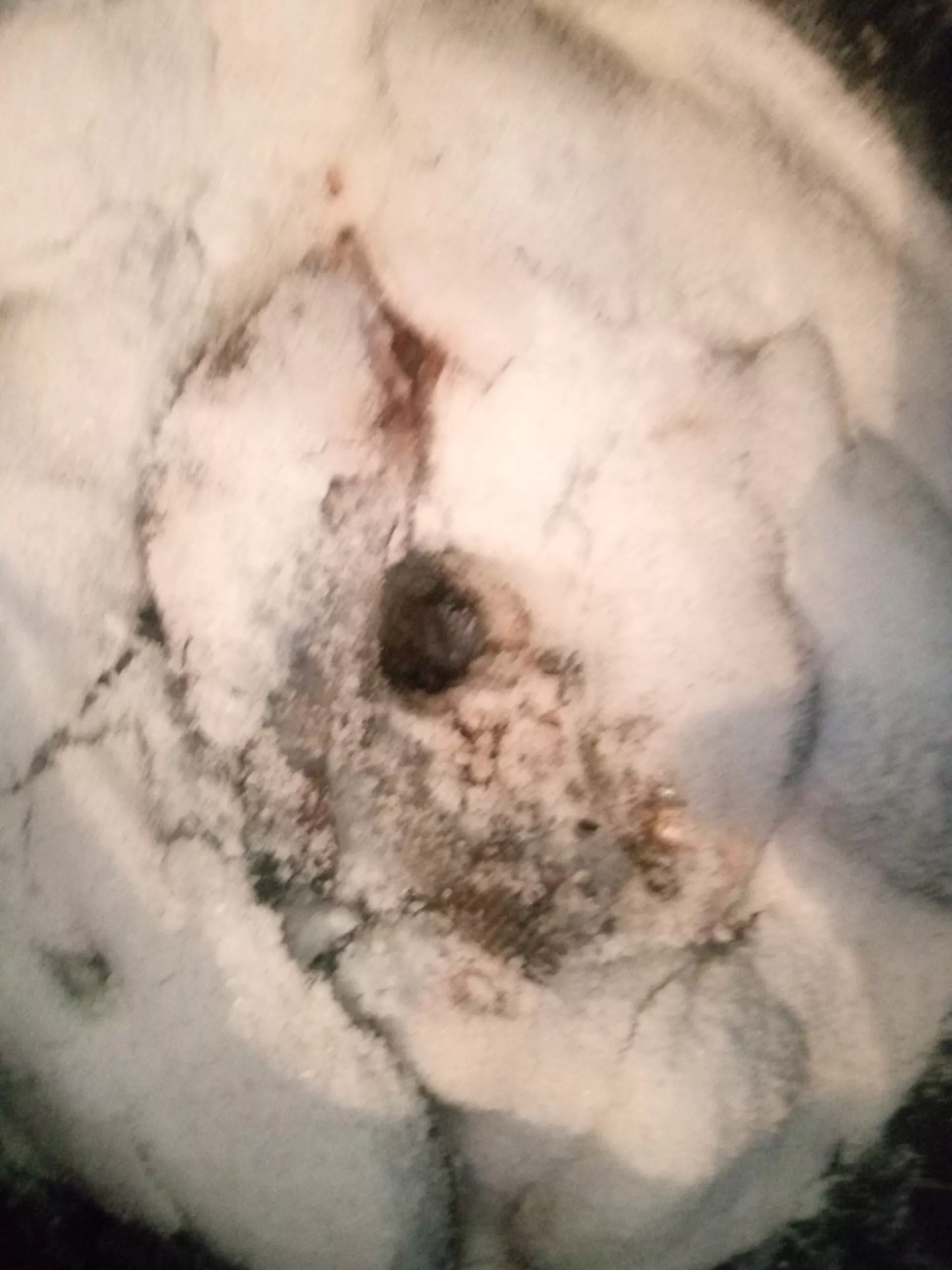
I placed the lid upside down and pressed it down firmly. I placed a couple of jars of freshly pickled cucumbers on top as weight.
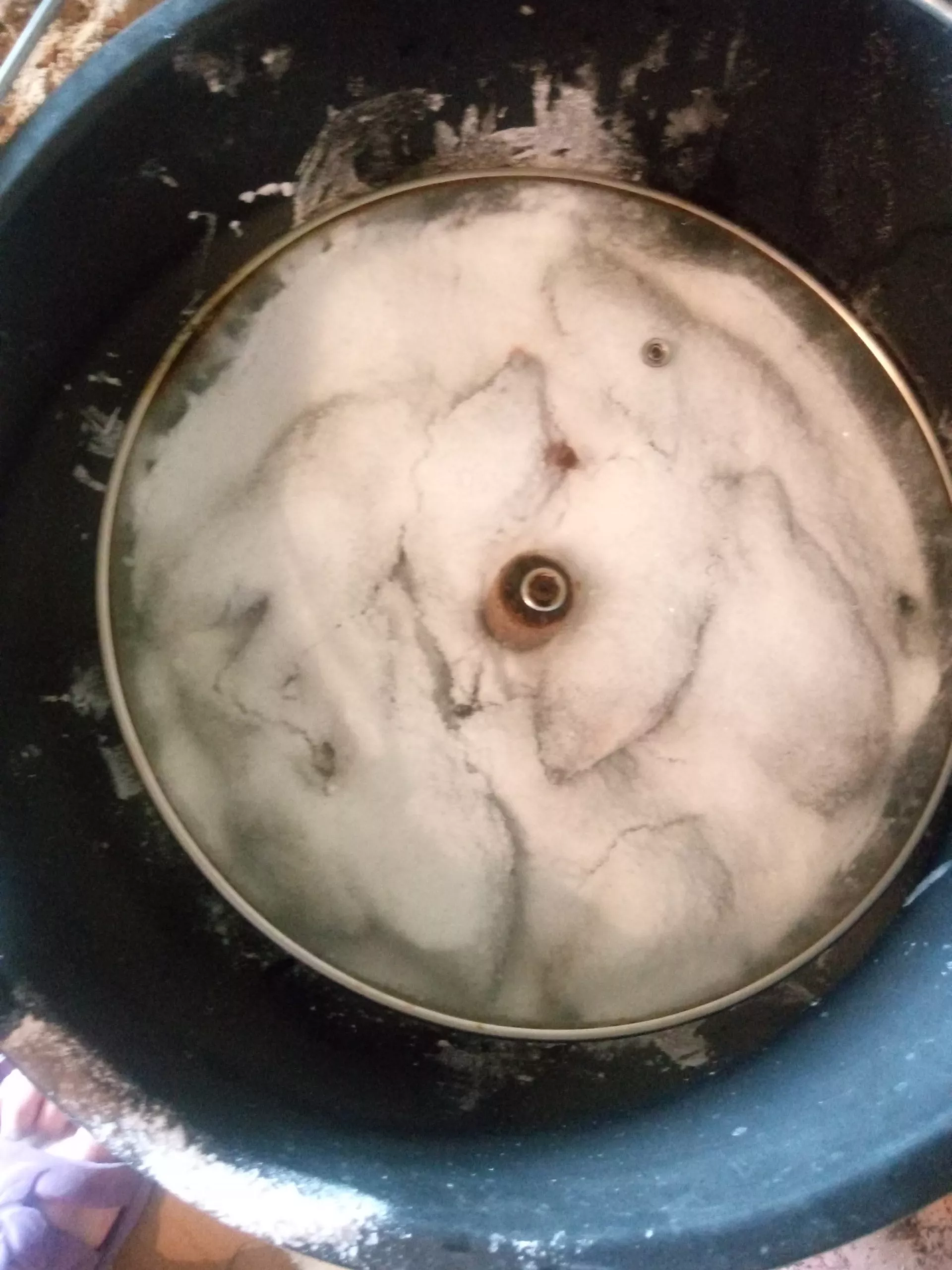
The next day, I rinsed the salt off the fish. I placed the fish in a homemade drying rack and hung some on a rope.
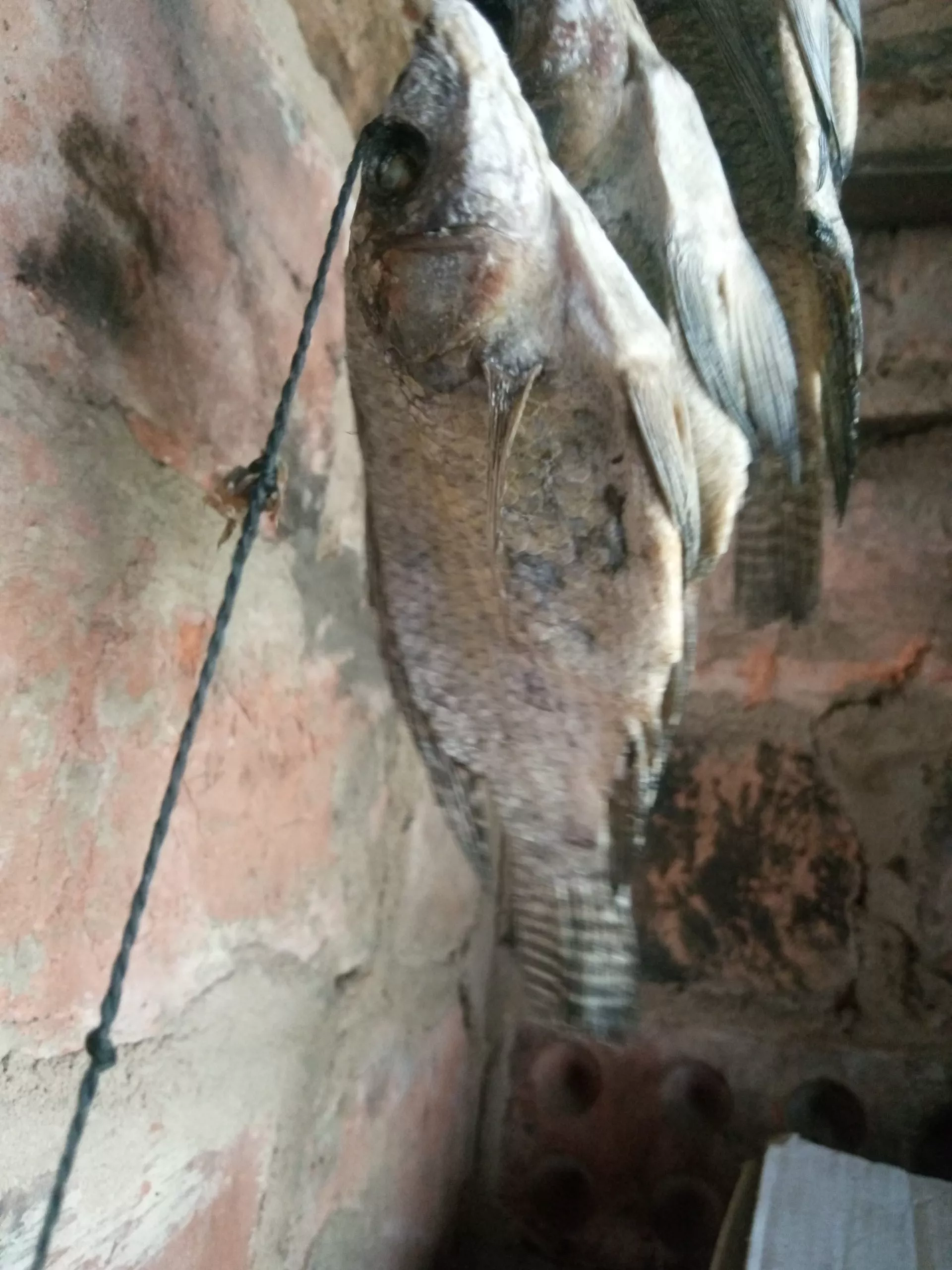
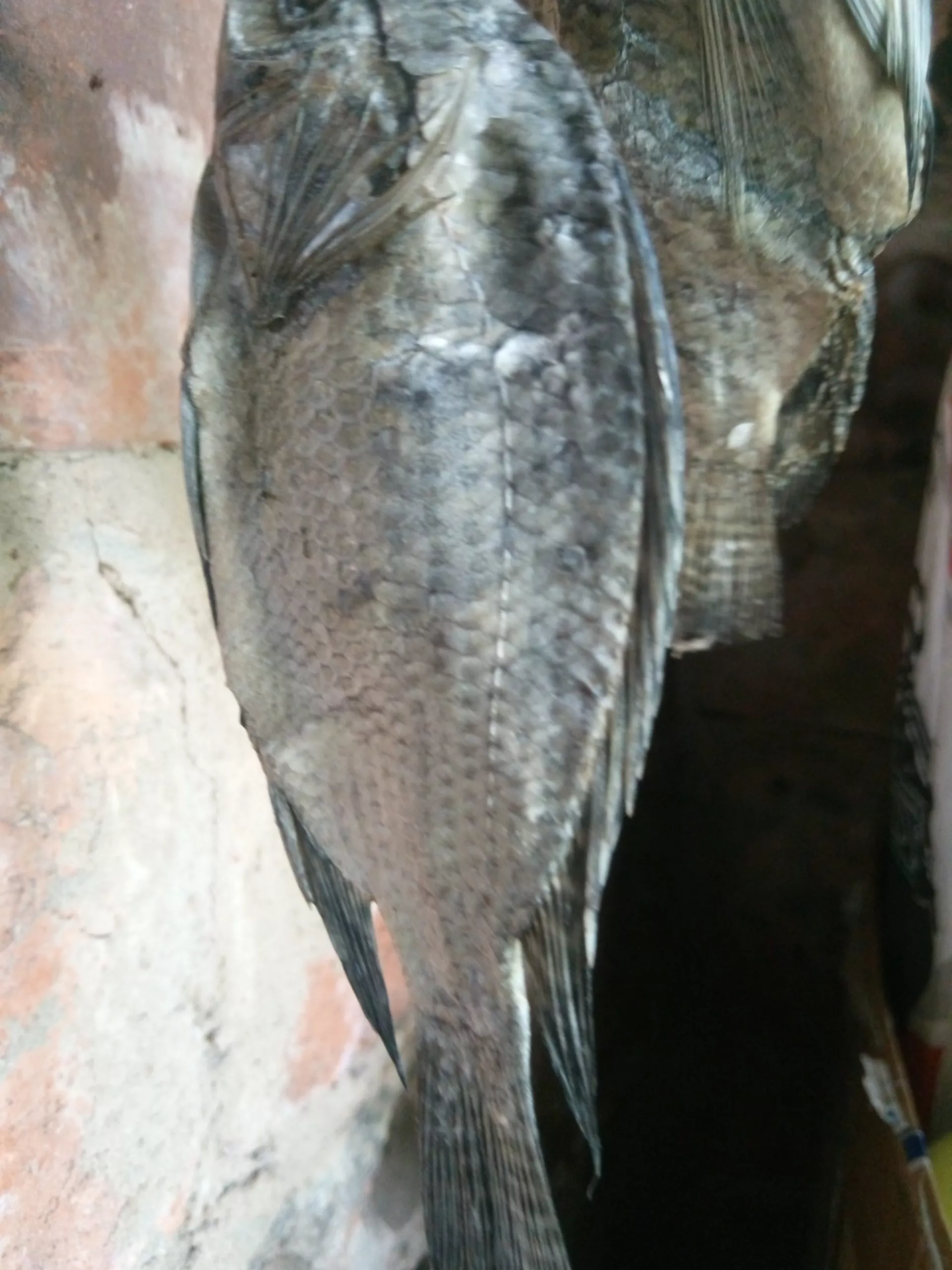
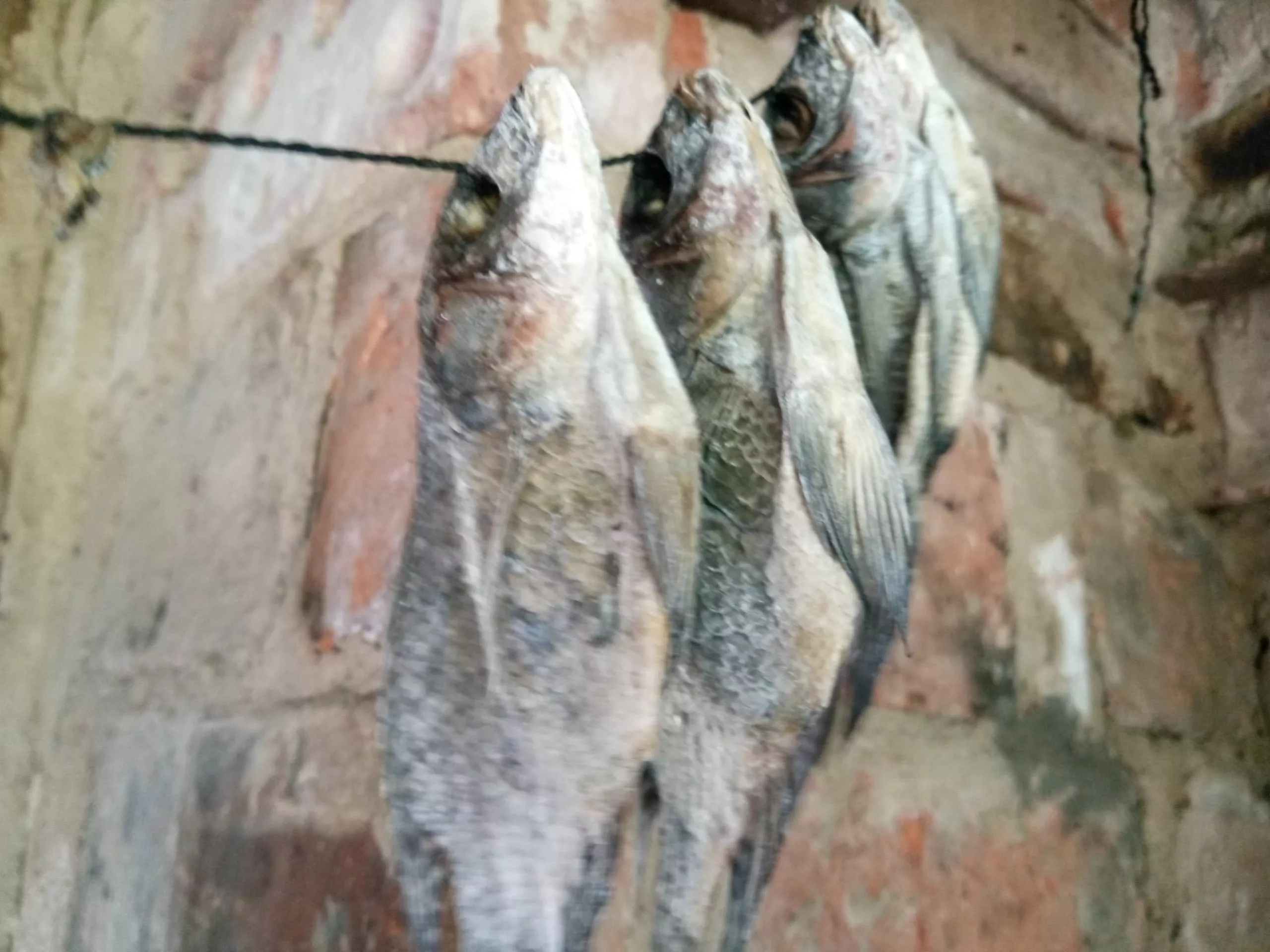
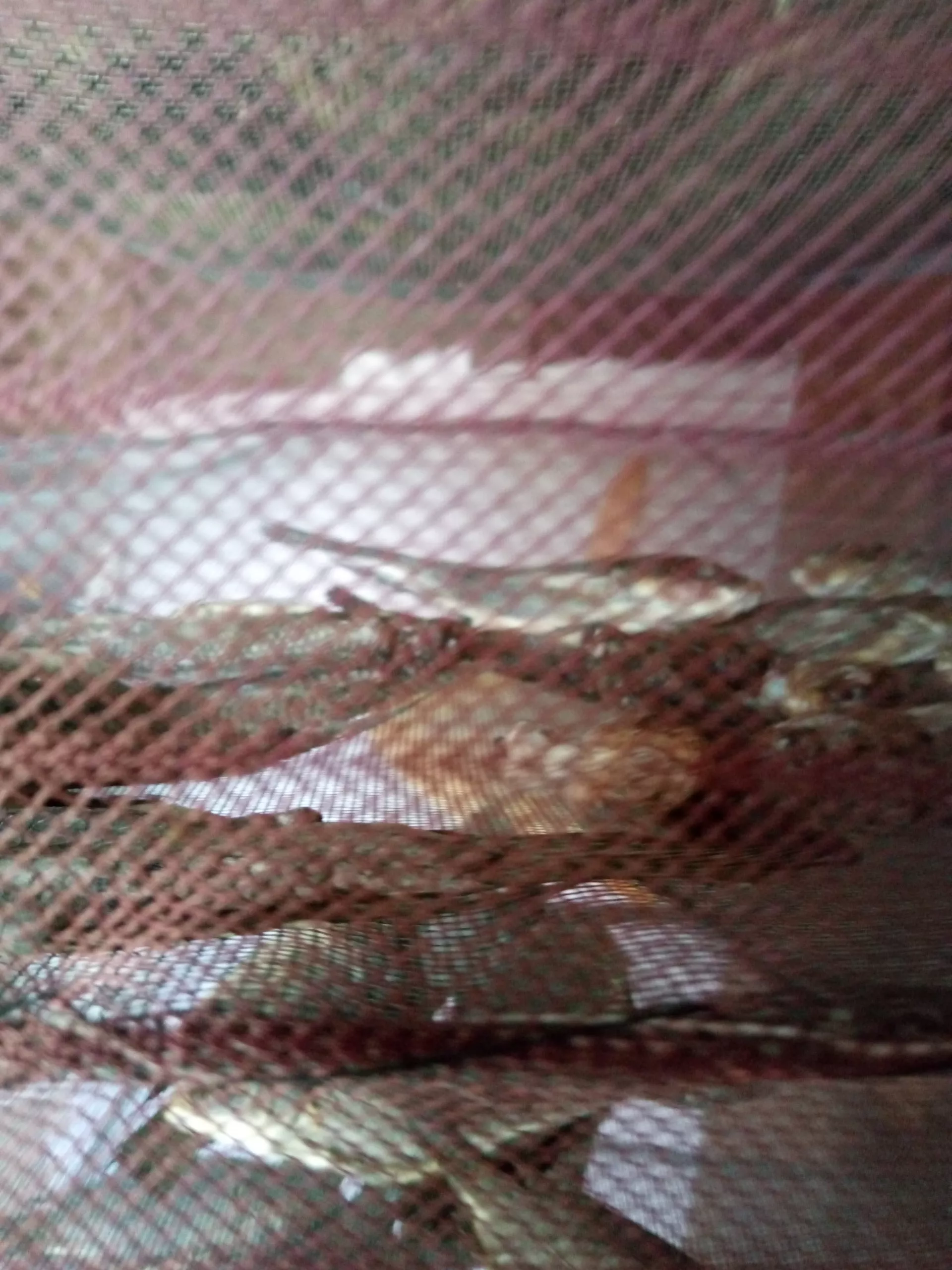
For some reason, it took a long time to dry—almost two weeks—and the only dampness was in the bellies, but the taste was very pleasing afterwards. The key to this quick salting process is to add plenty of salt, similar to salting lard. Keep the fish for a day, after which it needs to be rinsed again, very thoroughly. If you keep it for 2-3 days, you'll have to soak it afterwards—for example, if you're salting for two days, soak it for a day; if you're salting for three days, soak it for a day and a half.