

Good afternoon
Today I'll tell you about some garden weeds that get in the way, stubbornly growing in the beds, and require weeding, but it turns out many of them can be useful. Let's take a closer look at some of them.
Quinoa
Oh, that ubiquitous quinoa, one of the first to sprout in garden beds and familiar to every gardener. If not pulled out in time, this delicate plant with glaucous leaves, seemingly dusted with flour, can grow into meter-tall bushes. Another common name for quinoa is "flour grass."
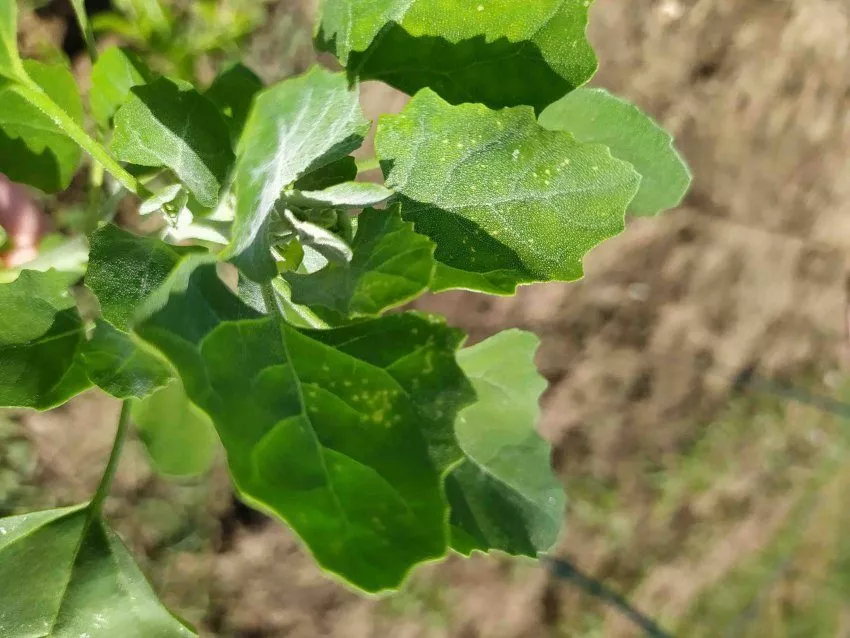
Young quinoa is a favorite among chickens, but it has other beneficial properties as well. This plant has both medicinal and edible uses. Quinoa is used to make cabbage soup and botvinya, and is added to cutlets, dumplings, mashed potatoes, and salads. It is also dried, salted, and pickled.
People have noticed this herb since ancient times, calling it "the gold of the Incas" and "the queen of grains." Quinoa saved people during periods of famine. When other food was scarce, pancakes were baked from the seeds mixed with flour. The young shoots of this plant contain a lot of protein, so their nutritional value can even rival that of meat.
It has wound-healing and anti-inflammatory properties, as well as diuretic and choleretic properties. It helps with expectoration, prevents the formation of atherosclerotic plaques, and therefore protects against stroke and heart attack.
A quinoa decoction is effective for gum and oral conditions. A leaf applied to a wound will stop bleeding and disinfect. Steamed quinoa leaf compresses are also effective for radiculitis.
Dandelion
Gardeners don't like this weed - it's easy to sow seeds, but difficult to weed out.
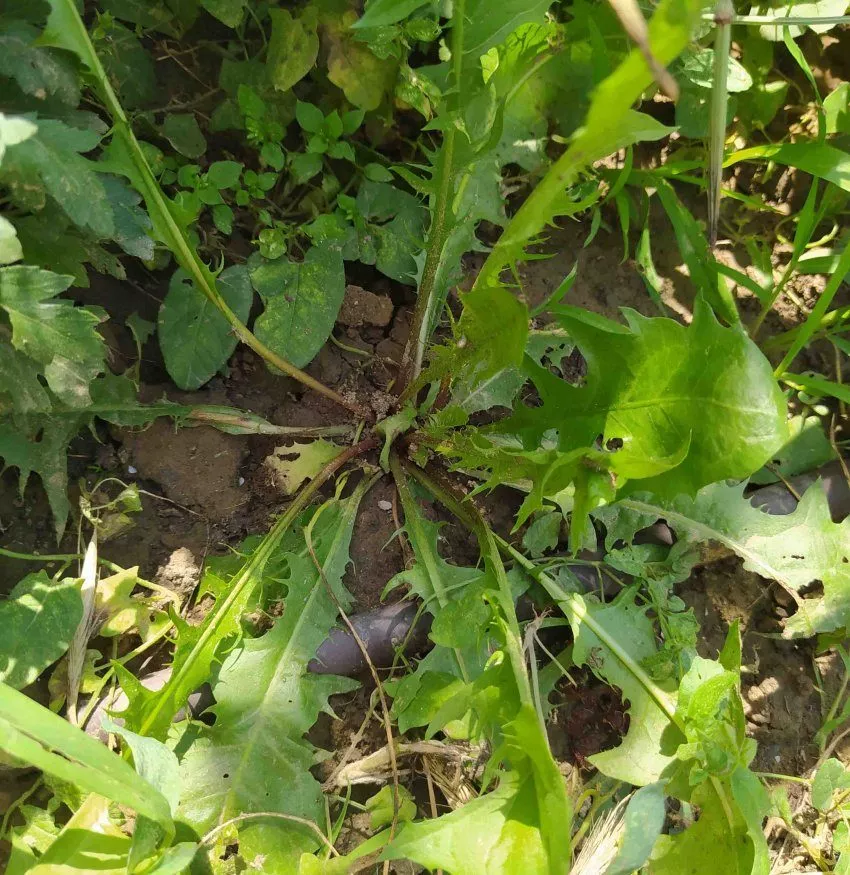
But its flowers make a delicious dandelion honey. To make it, collect the flower heads, remove the green sepals, sprinkle with sugar, and simmer over low heat, stirring regularly. For a tart, aromatic flavor, you can add lemon wedges.
Dandelion is also known as Russian ginseng for its rich composition of beneficial vitamins and minerals. Dandelion flowers taste similar to expensive artichokes.
Dandelion roots can be used to make a coffee drink. To do this, the roots are thoroughly washed and dried. They are then dried in the oven and roasted at 180 degrees Celsius (350 degrees Fahrenheit). Once cooled, break them into pieces and grind them finely. The resulting powder is then brewed to create a drink.
Dandelion leaves are useful to add to salads.
This weed is also useful in the garden. Its infusion can be used to combat scale insects, leafhoppers, aphids, and spider mites.
Purslane
A pesky weed that grows in any garden bed, purslane has thick, fleshy leaves and stems. The root grows up to 20 cm long. It's very tenacious; if you tear off the leaves and the above-ground part, it quickly produces new shoots. The stems are brittle, but a piece of stem that falls to the ground will root and continue growing the next day. The small seeds are easily dispersed throughout the garden.
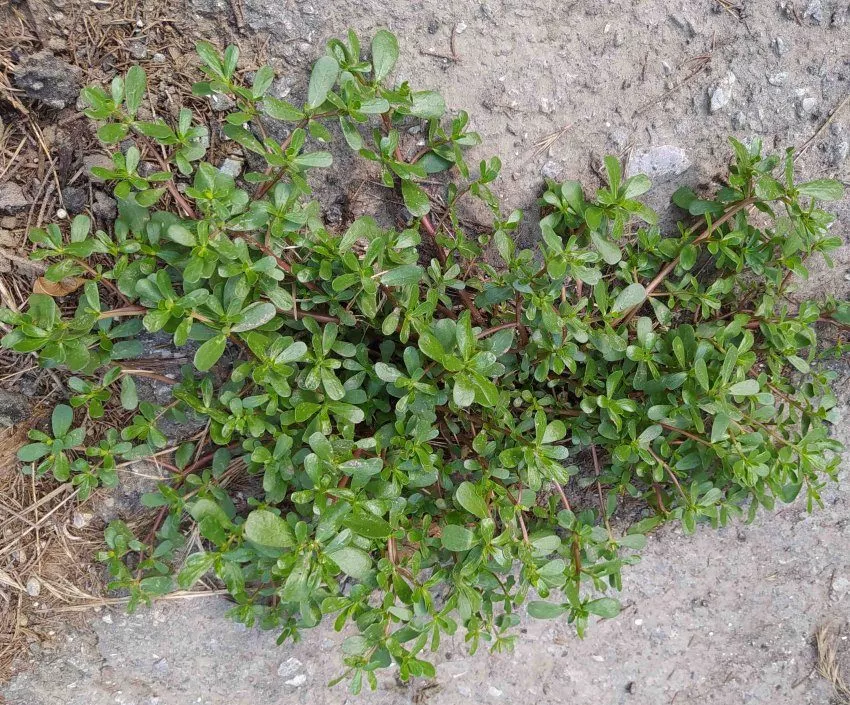
But it turns out we just don't know how to prepare it properly. In the Caucasus, Armenia, and other Asian countries, this plant is used in culinary dishes: added to salads, preserved for the winter.
The beneficial properties of purslane were noticed and used by the ancient Egyptians and Greeks.
It has wound-healing and hemostatic properties, is antiparasitic, regulates hormones, acts as a laxative, and promotes the healing of stomach and intestinal ulcers. It treats gastrointestinal infections and reduces inflammation of the mucous membranes.
Fresh purslane juice can be used to treat wounds, cuts, and abrasions. It also helps with insect bites.
Woodlice
Chickweed or chickweed — A small annual plant whose bushes grow by means of branched, creeping shoots. These shoots are covered in hairs that collect moisture. Wherever it touches the ground, woodlice easily take root. This characteristic makes this weed difficult to eradicate. Every piece of stem that falls to the ground roots and grows into a new bush. The flowers are small, resembling white stars.
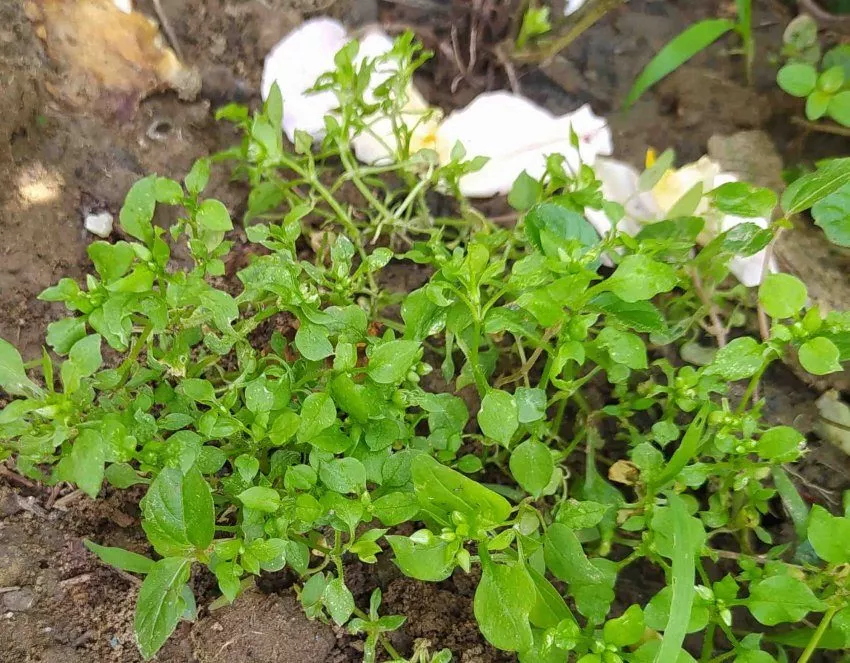
Loves damp and shaded places.
This plant is a treasure trove of beneficial substances. It has analgesic, emollient, diuretic, and expectorant properties, as well as choleretic and antiseptic properties. It is used as a hemostatic agent. In folk medicine, chickweed is used in decoctions, infusions, and as juice for eye ailments, to increase hemoglobin levels in the blood, kidney disease, and stomach ulcers. Chickweed poultices are made for radiculitis and rheumatism. It helps with rashes and ulcers.
People suffering from low blood pressure should be careful when using chickweed, as this herb can lower it even further.
To harvest chickweed, cut it with scissors. It's best to do this in sunny, dry weather. Since the stems and leaves are saturated with moisture, let them dry in the sun for 4-5 hours first. Then place them in a ventilated area, such as a shed or a canopy, and continue drying, avoiding direct sunlight.