

I take every crop, even the weeds, on my property seriously. I'll explain why: many weeds can be beneficial to a vegetable garden, while some ornamental crops, on the contrary, can be harmful. This year we moved into a new house, and there's a lot of hops growing near the barn and in the vacant lot (I wrote about them). here, and about the benefits and harms for humans Here, there is also adviсe (on home brewing).
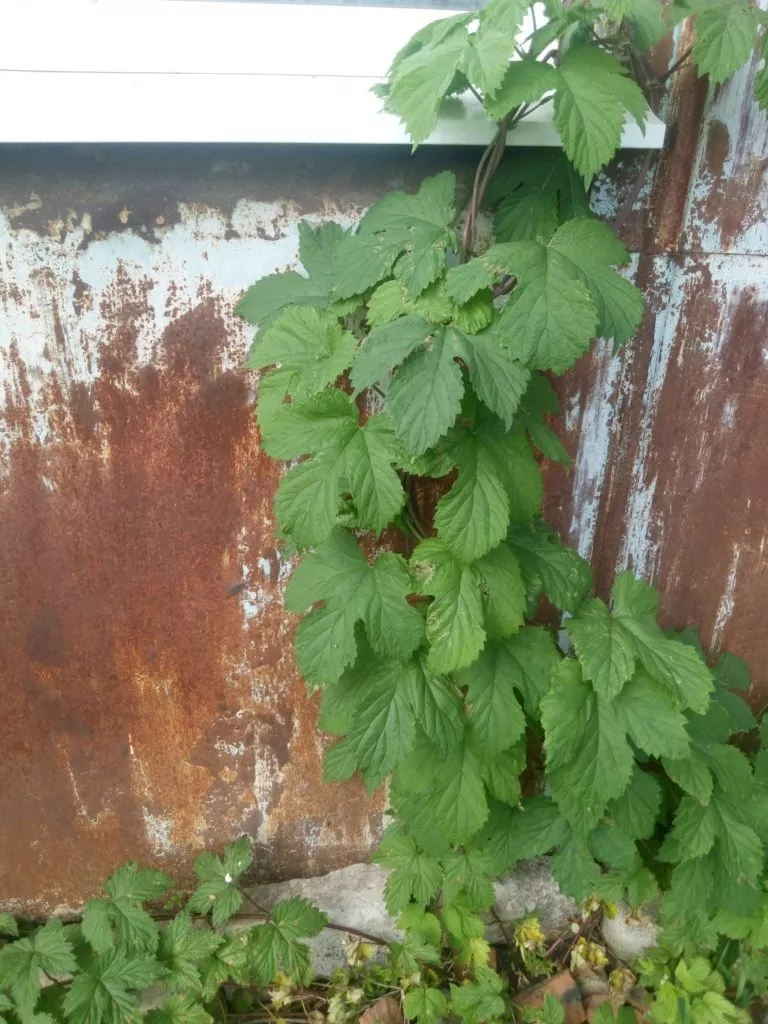
This is the kind of hops we have growing near the barn:
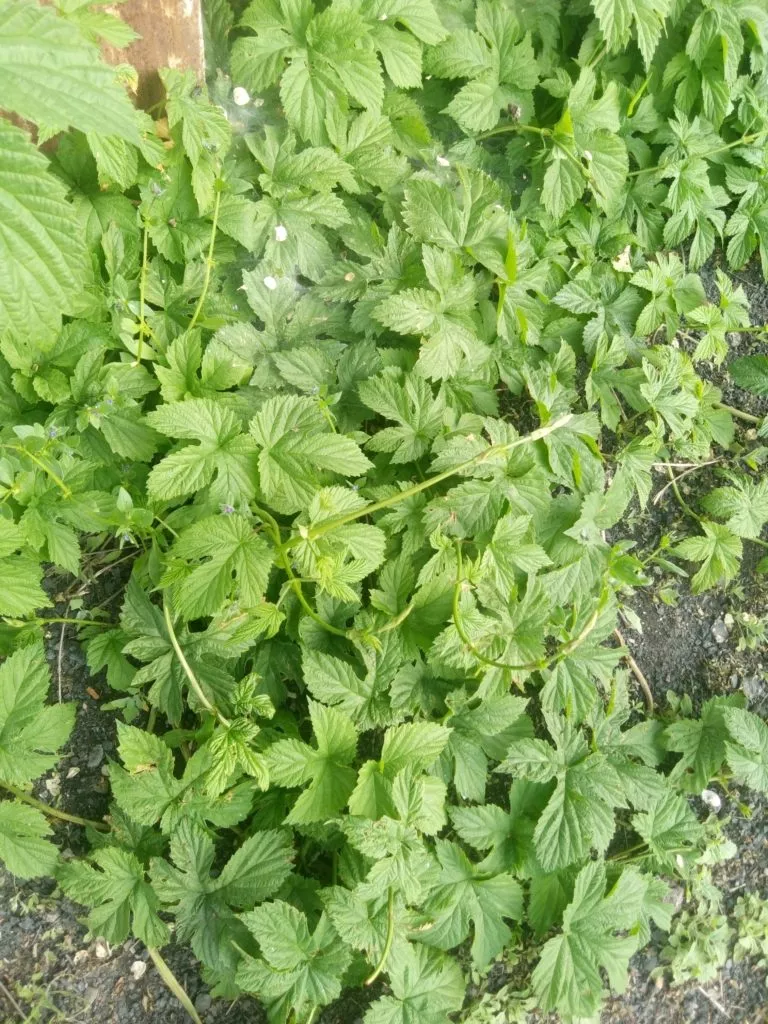
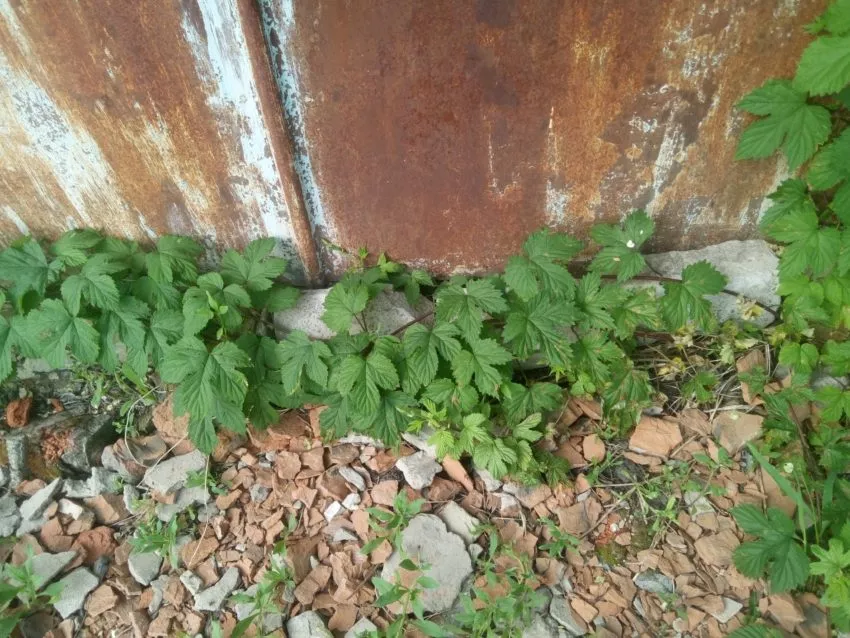
And here are the thickets on the abandoned site:
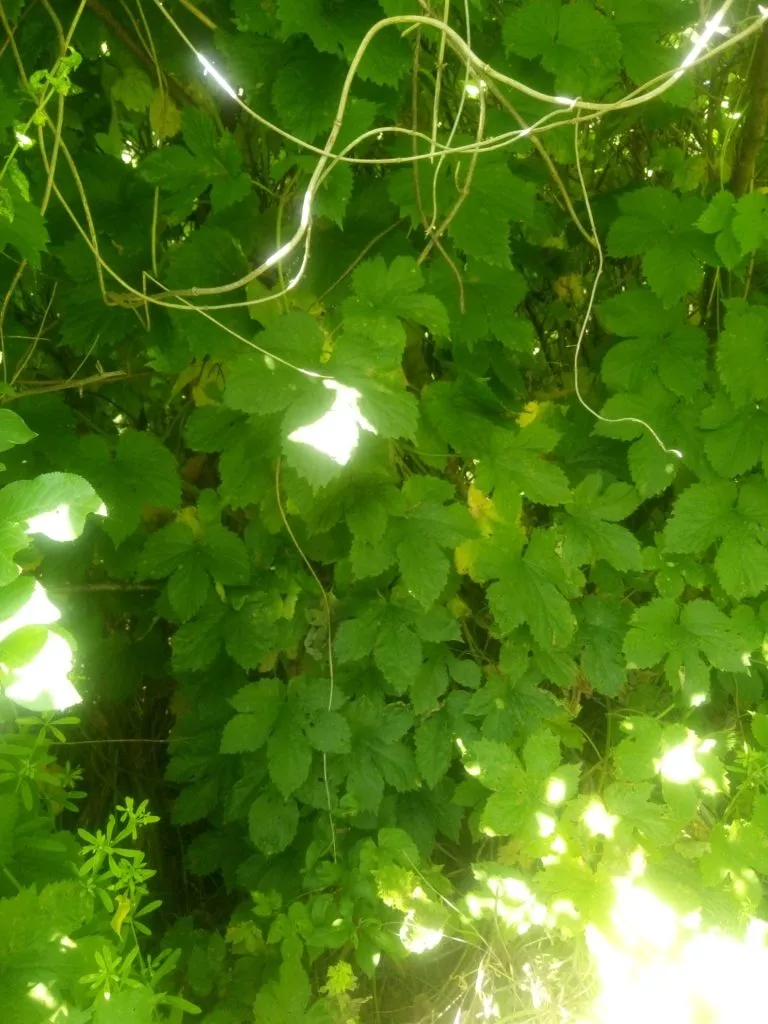
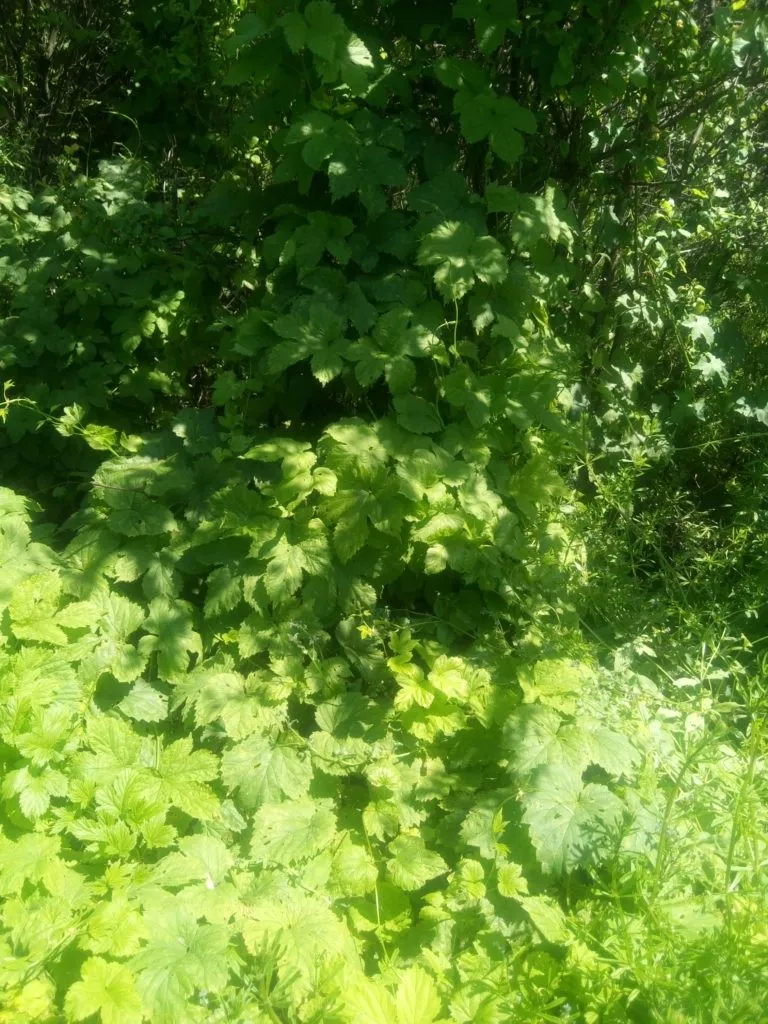
As you can see, there are many of these plants, and I know how to use them. But I wondered how I could use hops in the garden and whether the crop would harm the plot. Here's what I learned about their benefits:
- leaves and cones can be used to make fertilizer (I'll give a universal recipe at the end);
- hops are perfect for a hedge on a support (we plan to plant them along a chain-link fence next year);
- perfectly hides building defects (like on our barn);

- Hop seeds attract birds that eat pests in the garden beds;
- When the cones fall, field mice and other rodents feed on them, which prevents them from eating the bark of fruit trees and shrubs.
Briefly about the harm:
- Hops, starting in their second year of life, grow very rapidly, so they can quickly fill a plot and crowd out planted vegetables.
- The plant has very tenacious and strong shoots, so they twine around everything. We had one growing near a raspberry patch a couple of years ago—poor bushes, because we couldn't completely remove the hop stems that year. Consequently, there was almost no harvest, and diseases appeared (due to a lack of air circulation).
- The hops root system is quite powerful, so it absorbs all the nutrients, leaving none for other crops.
- Hops are very difficult to get rid of, as the roots are long, deeply buried and capable of self-regeneration.
Now the promised recipe for hop fertilizer:
- chop up shoots, leaves and cones (whatever you have) into a barrel;
- fill with warm water so that it covers the green mass;
- add 1-1.5 kg of wood ash for every 10 liters of liquid;
- add a little jam that has started to ferment - this will speed up the process significantly, but you can do without it;
- let it sit for a few days – usually 6-10;
- strain and dilute 1:10 with water.
Don't be afraid of unpleasant aromas—hops don't produce them. In fact, the smell will be pleasant.
And don't forget that some people are allergic to hops.
Make beer from it.
It's great that there are people like you who share their experiences! 👍🏻