

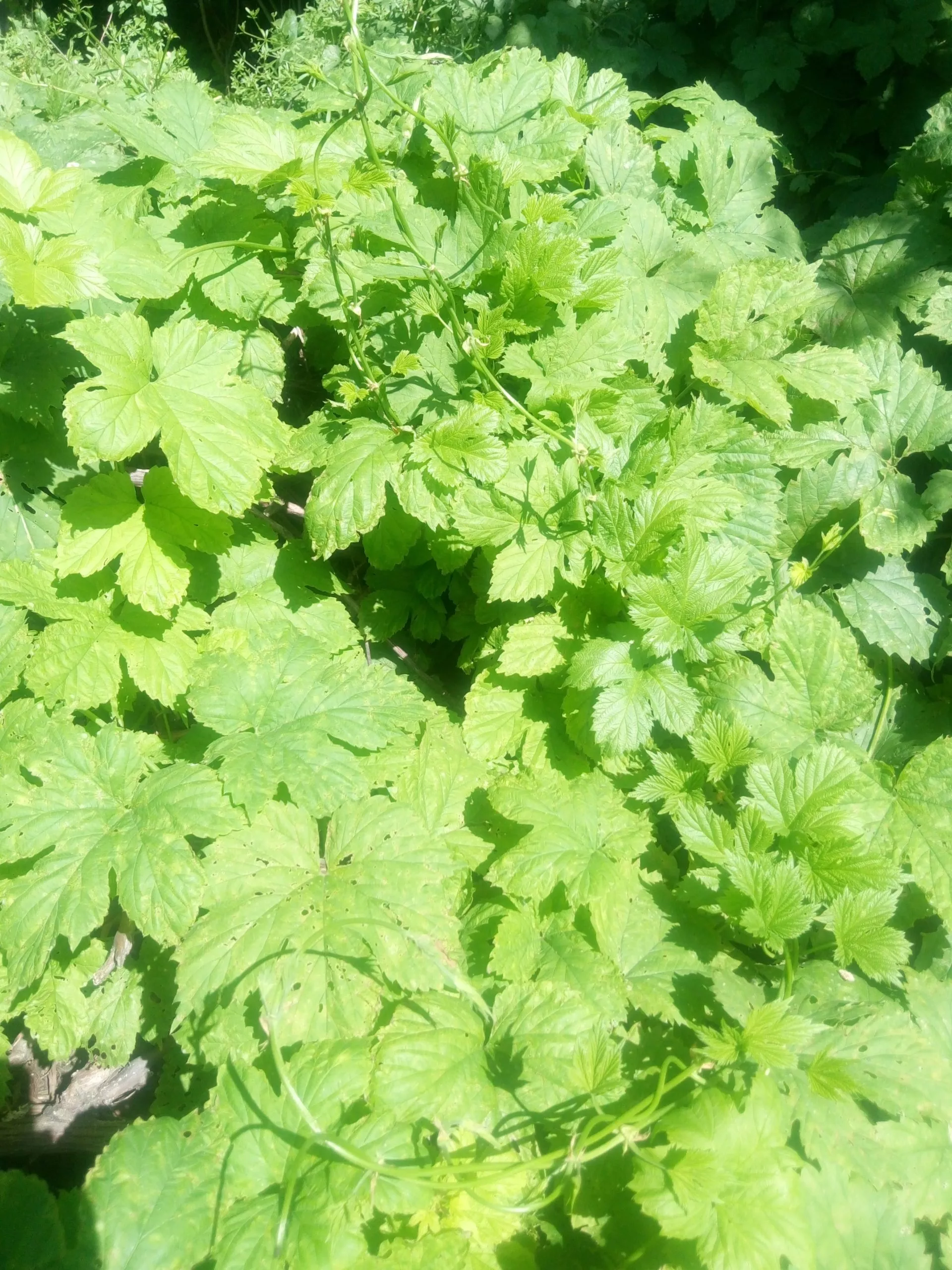
A ton of hops have grown around our barn in the house we recently purchased. They're growing right against the walls, but there's also plenty of them in the empty, overgrown areas. This is what the hops looked like in the spring:
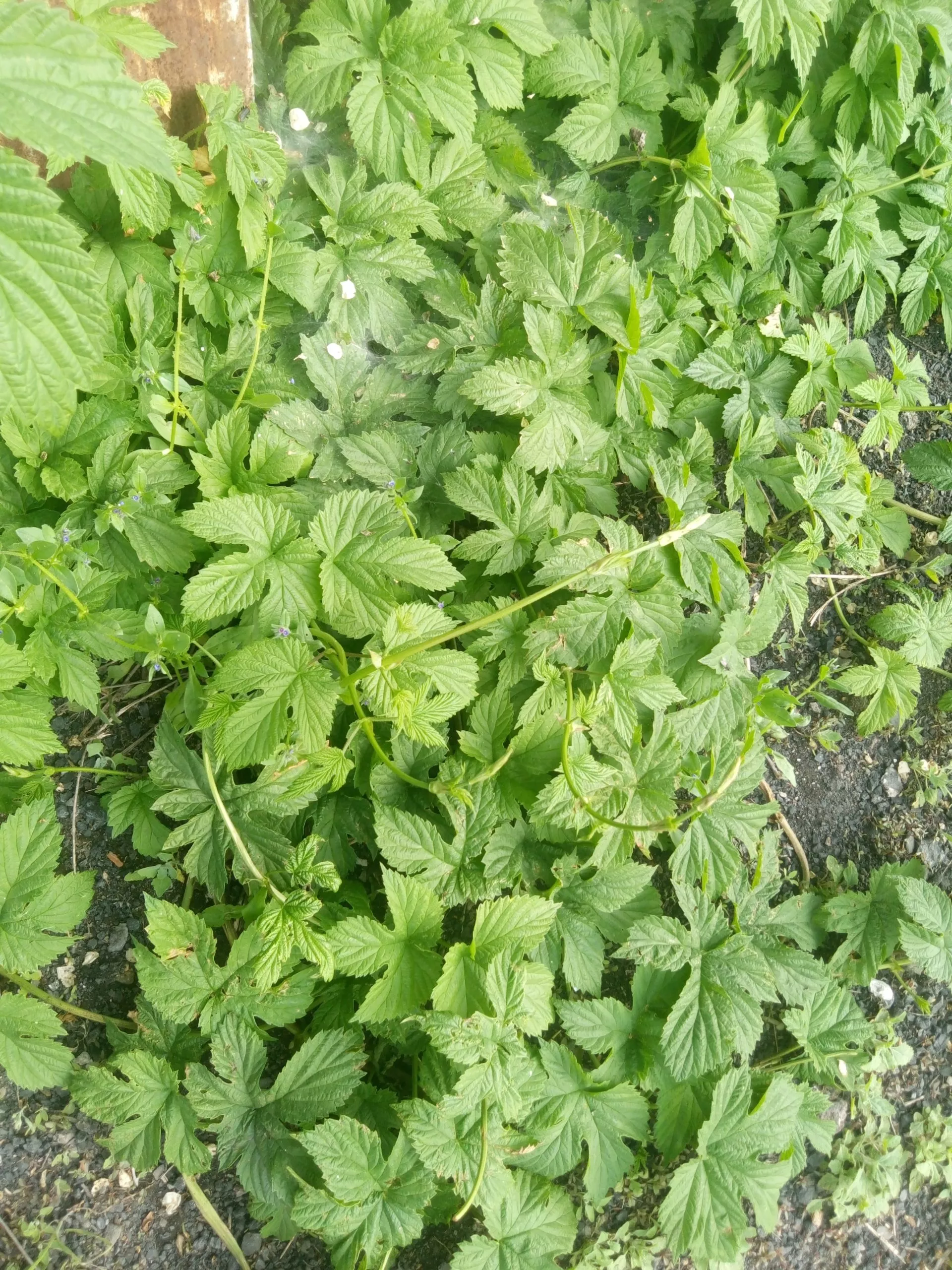
But we initially thought it was wild grapes – after all, the leaves are very similar – hops in the first photo, grapes in the second:
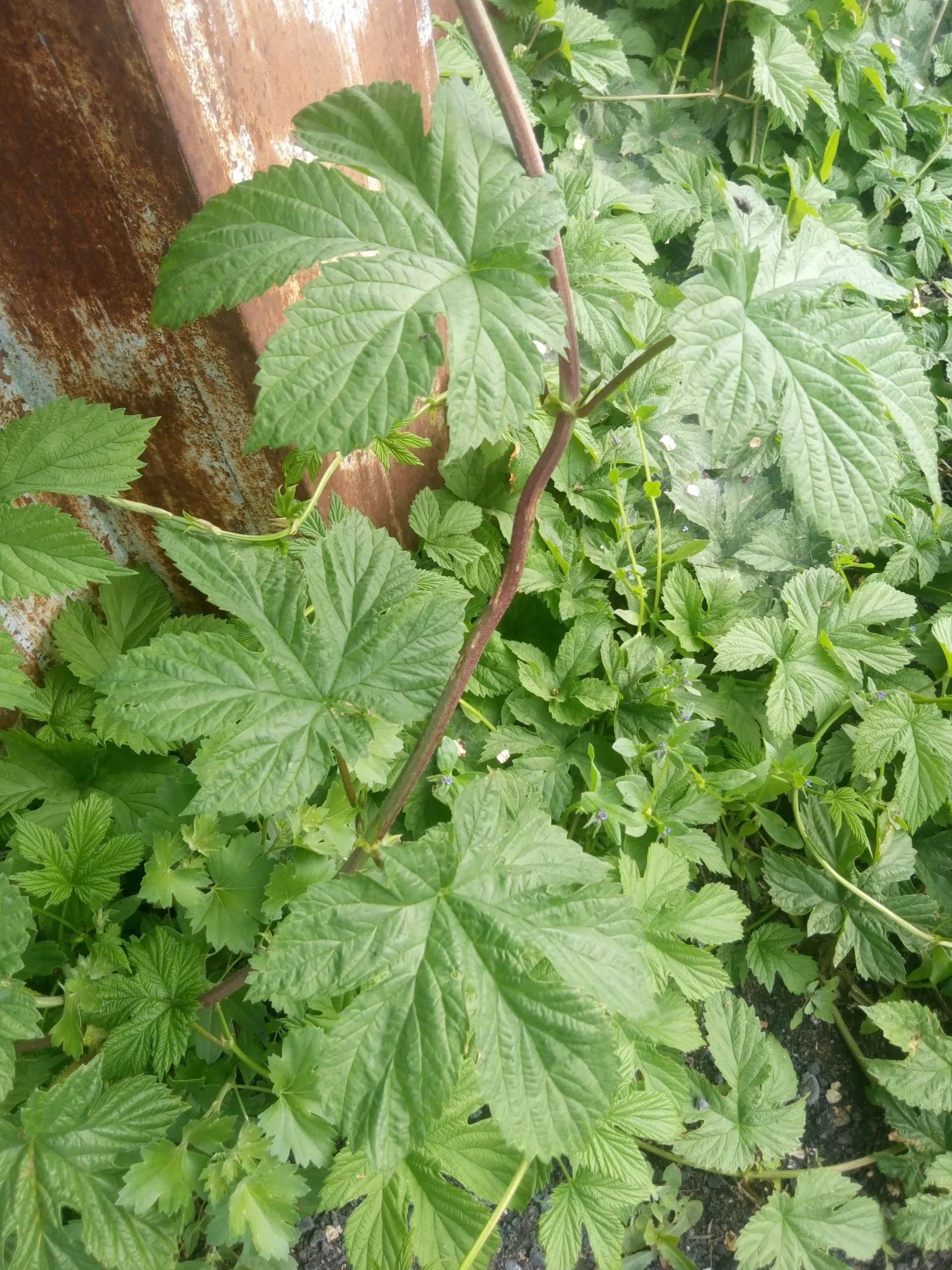
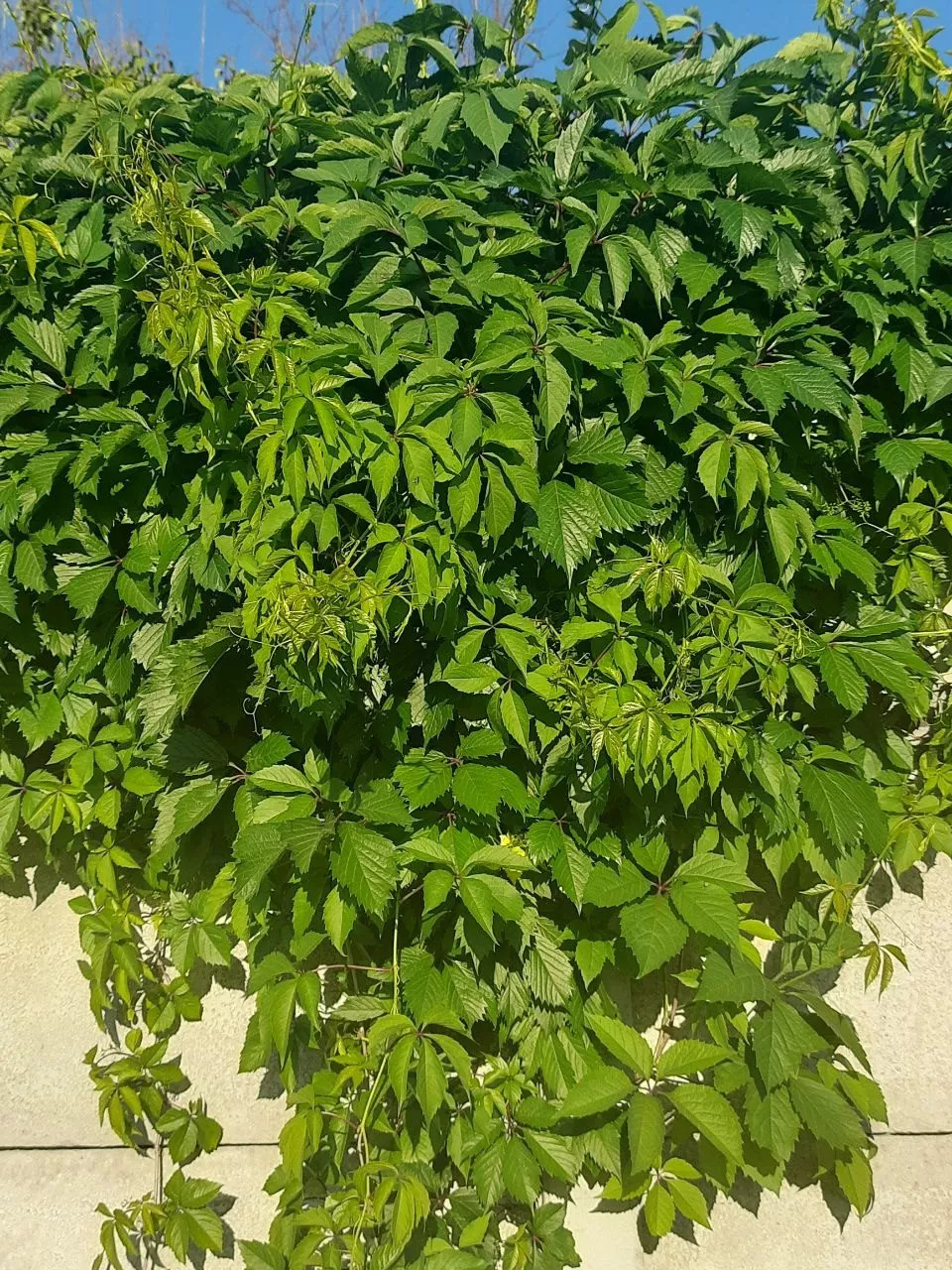
But there are differences between them: hops don't grow on vines; they don't have visible tendrils, but they do have stiff hairs on their stems. It's through their shoots, not their tendrils, that hops cling to any support.
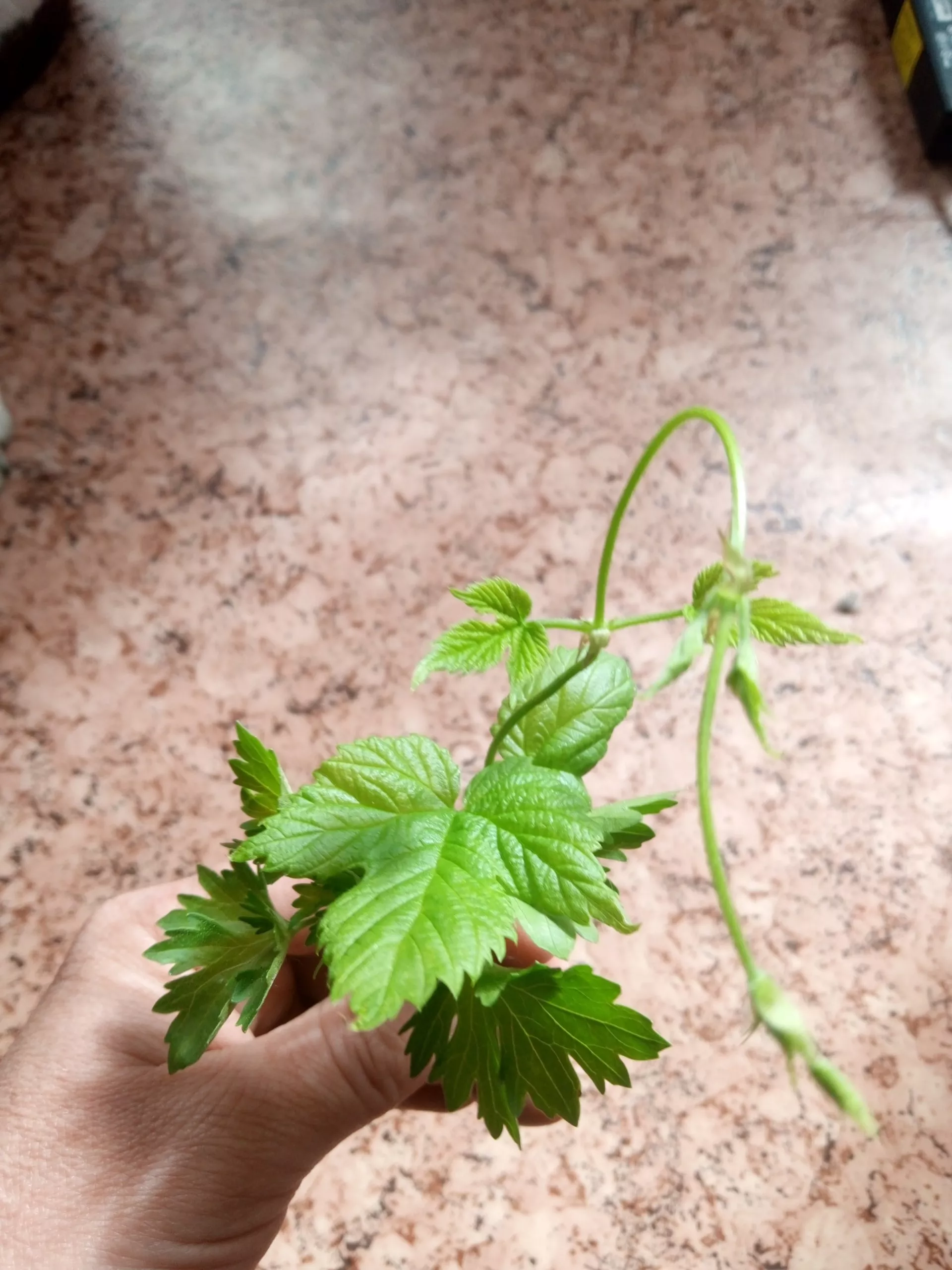
Then these “germs” appeared, which made it clear that these were not grapes:
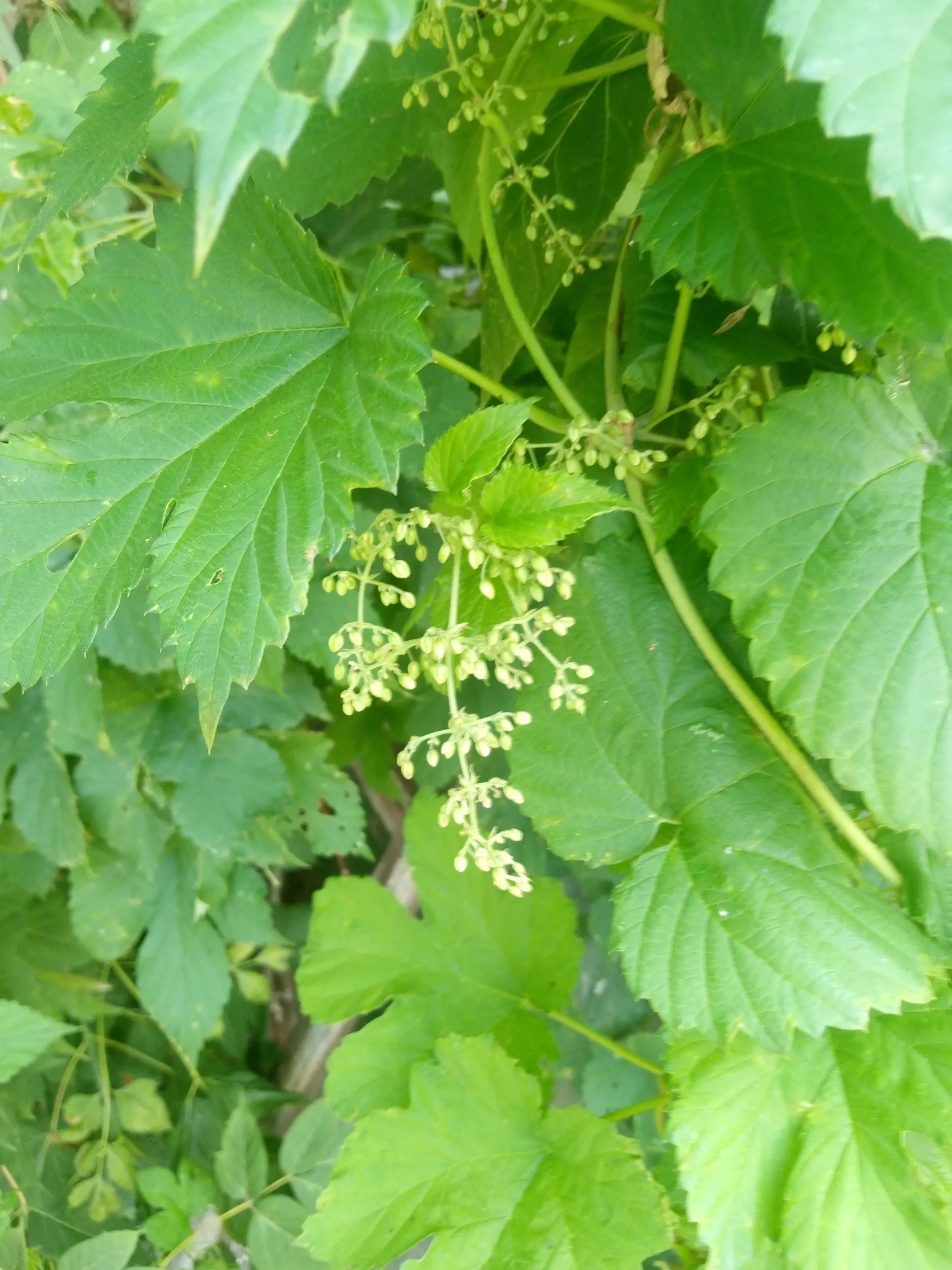
Over time, they increased in size:
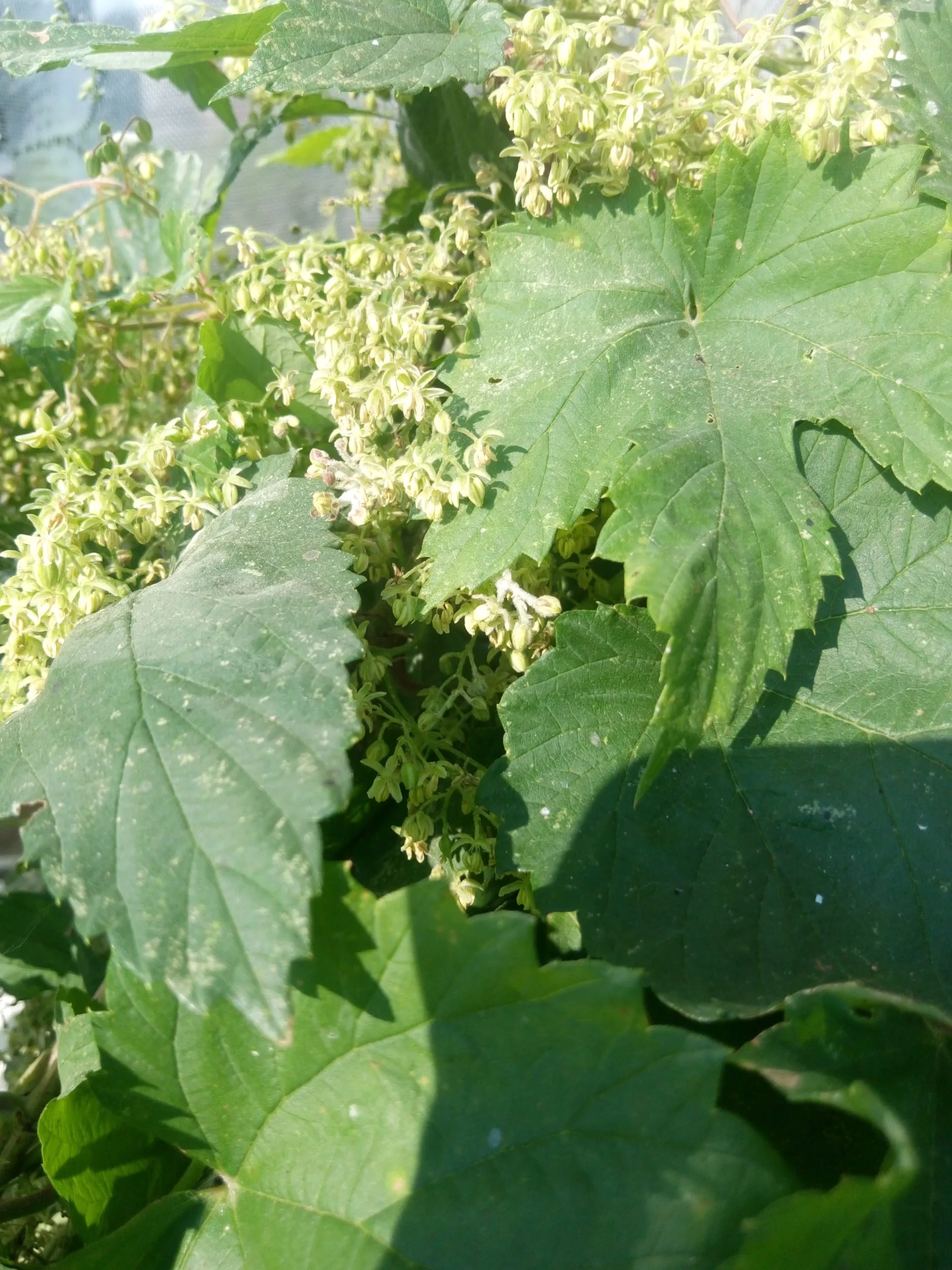
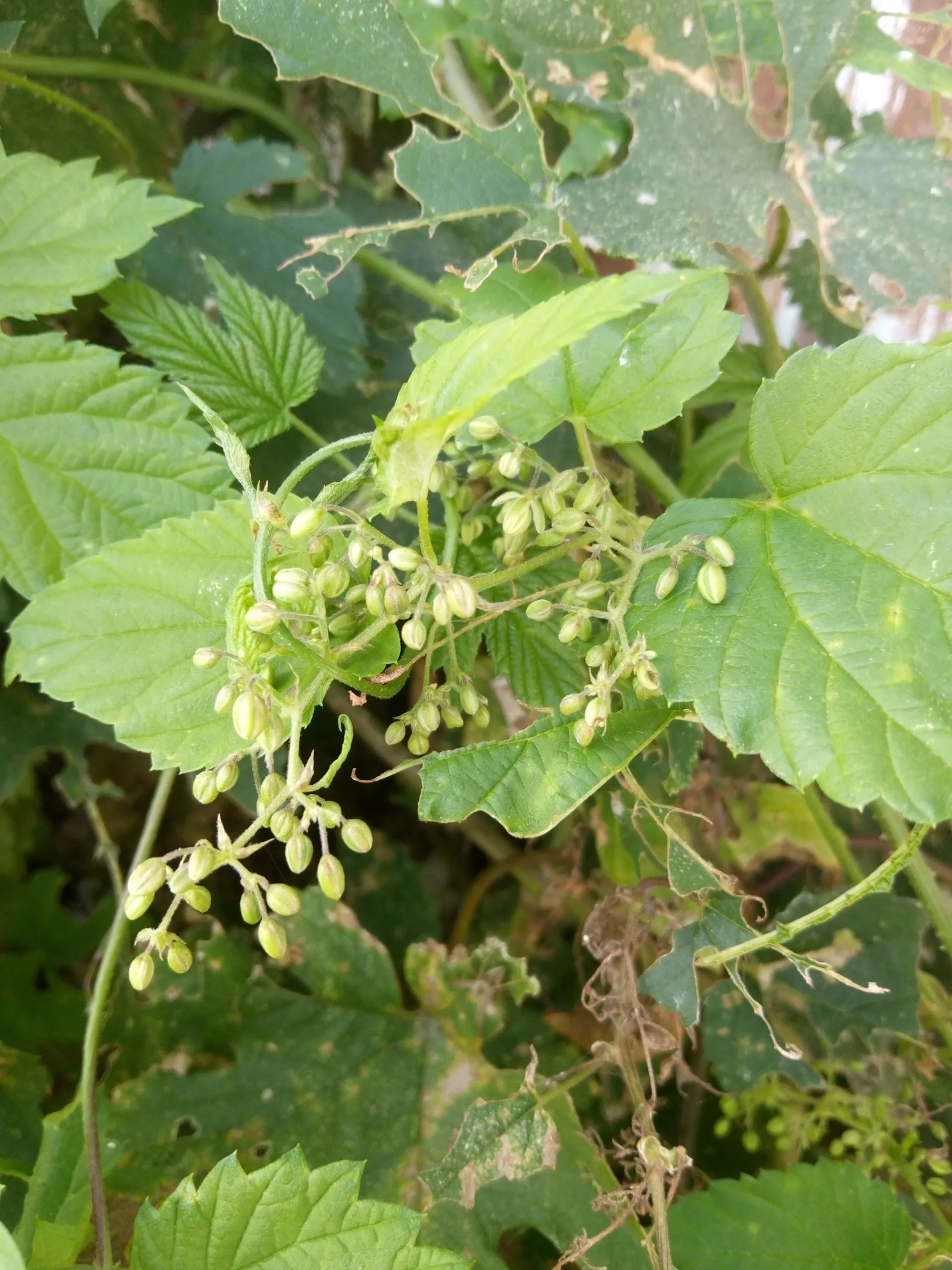
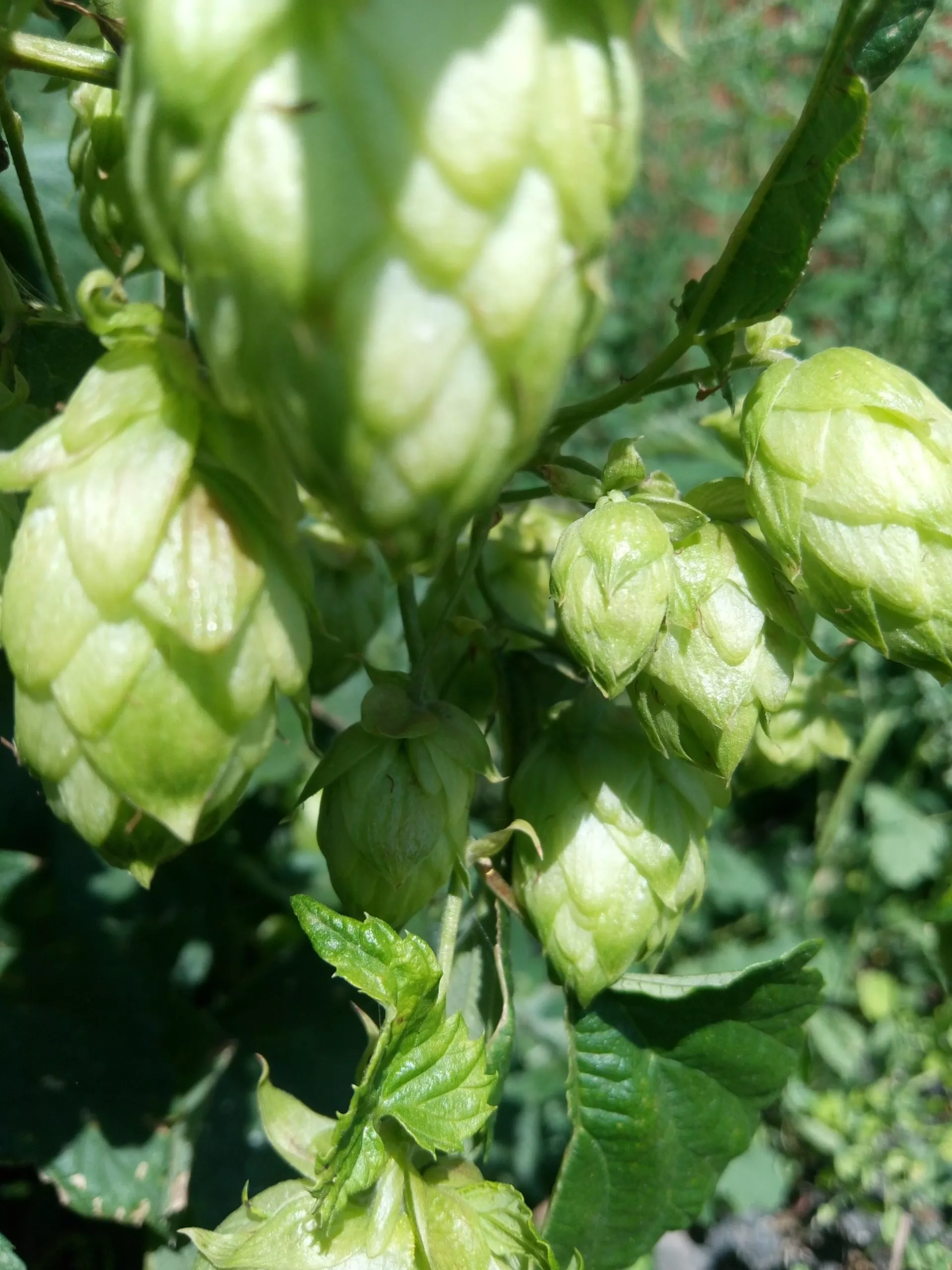
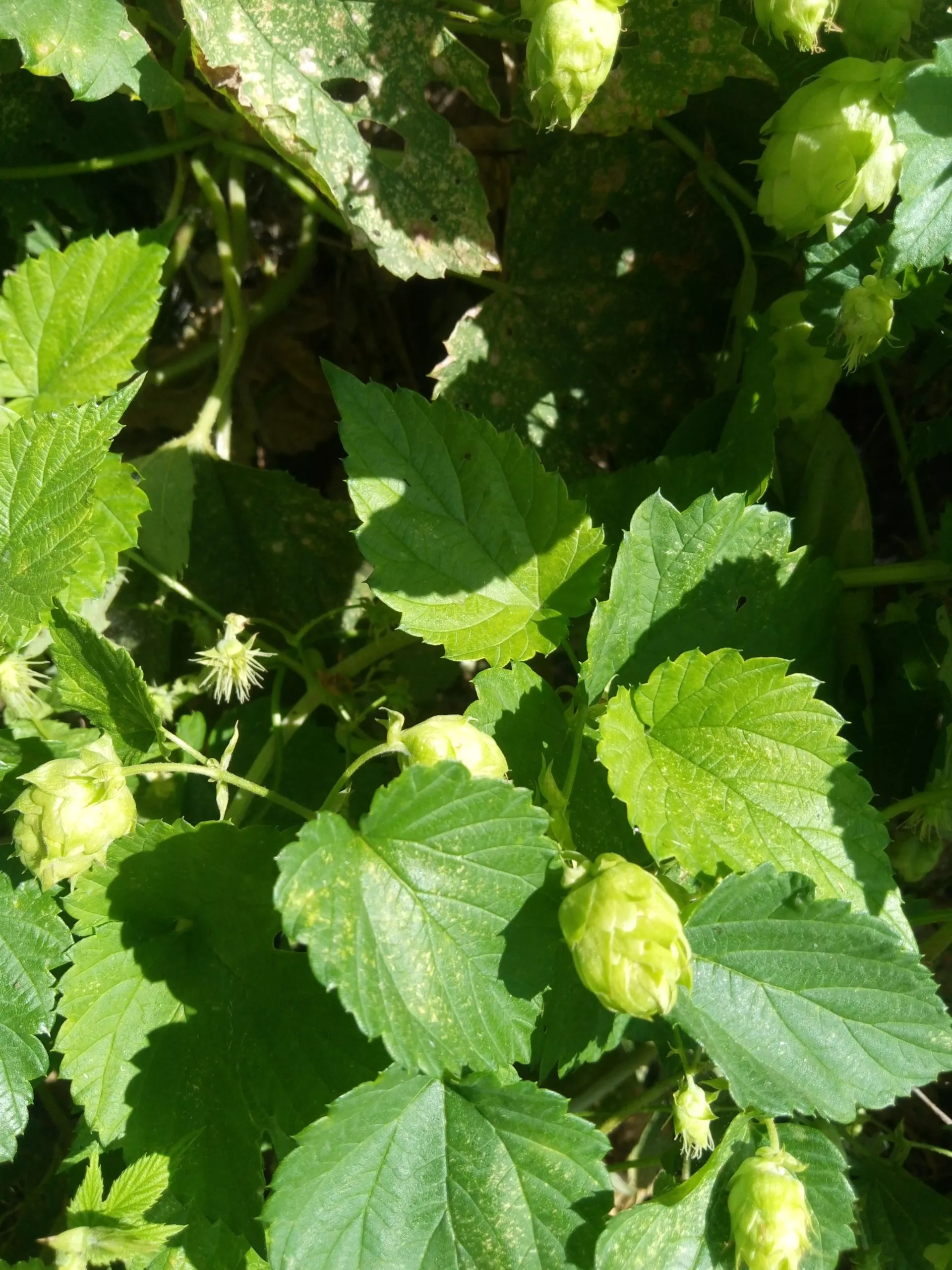
But for a very long time, there were no cones. I began to doubt it was hops, but then it turned out that first-year hops develop very slowly in a new location. Well, until a certain point, of course. And then, by the end of August, enormous cones unexpectedly formed:
Brief description
Well, now a little about this amazingly useful plant:
- Hops are a perennial and dioecious plant that belongs to the genus Hops and the Cannabis family;
- The cone consists of a peduncle, a stem, flowers, petals and lupulins;
- Hop shoots are annual, so new ones are formed every year;
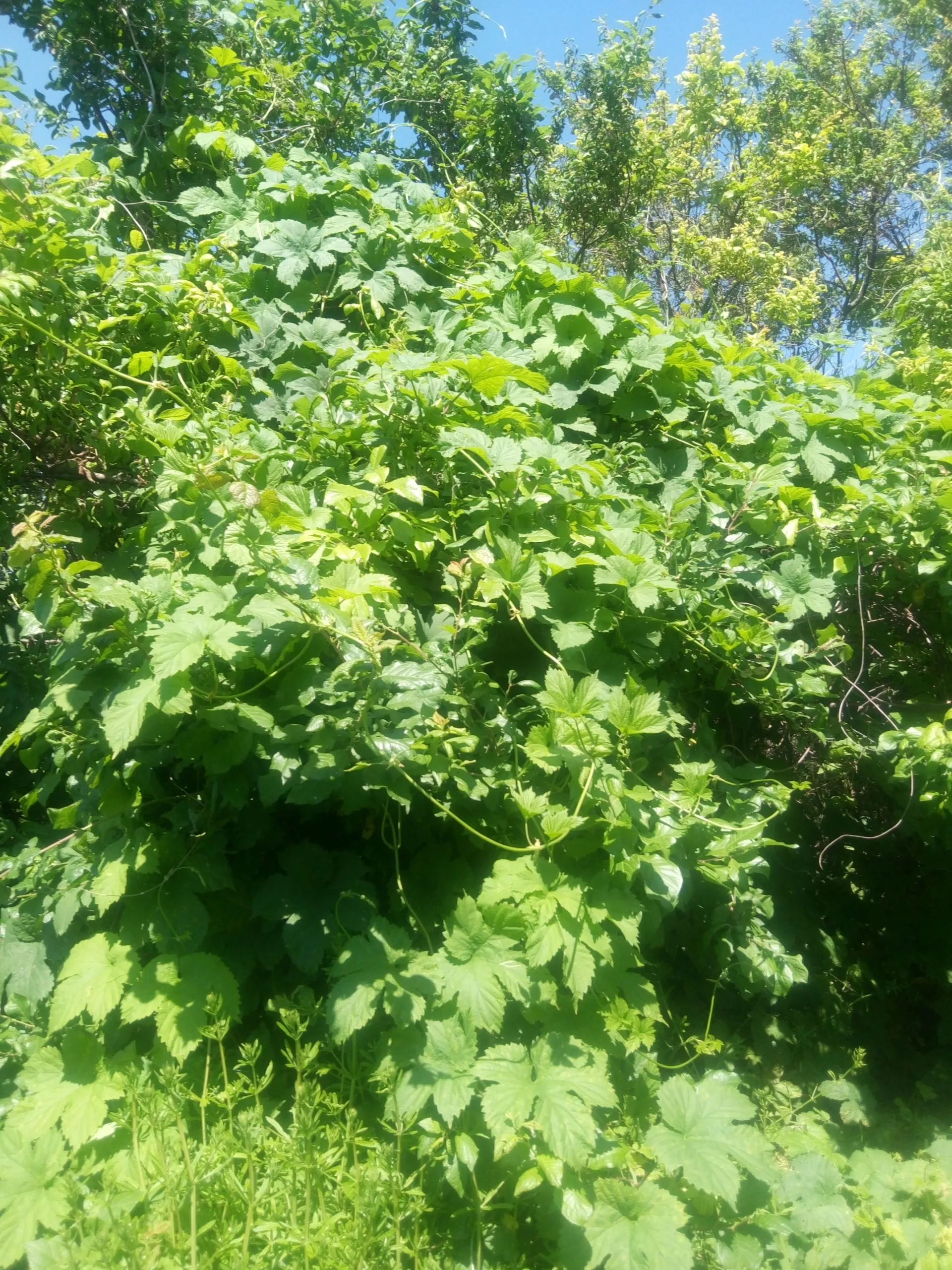
- the vines grow up to 4-7 m in length;
- without support they spread along the ground;
- likes to grow where there is a lot of sun, but also develops well in the shade;
- Hops have a lot of beneficial properties, but they can also be harmful (read about this here);
- There is no need to pollinate female flowers - moreover, if the male flowers pollinate, the quality of the beer will be low;
- Hops are useful and at the same time harmful for the garden (written here).
Scope of application
The first thing that comes to mind when thinking about the hop plant is beer. Indeed, the cones are actively used in brewing, both on a large scale and at home. Hops are essential for fermentation, so the cones are also used in baking. But the list goes on:
- young leaves and even shoots (this is only in early spring) are intended for salads;
- until mid-summer they can be boiled and eaten like asparagus;
- mature stems are used to obtain fiber for ropes, paper, and even fabric;
- the decoction is used as a dye;
- Hops are actively used in folk medicine to solve various kinds of problems.
Hops were once hung along book shelves in European libraries because the shoots and cones, even when dry, absorb moisture so well. This way, the books never became damp, mold never grew, and insects never appeared. The vines were renewed every three years. In fact, I wasn't upset that we grew hops—they can be used for so many purposes, especially considering I have a garden plot.