
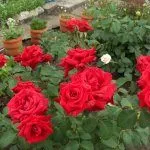
What a wonderful clearing!
Our grass has blossomed!
A thin, fragile stem,
Like a star flower,The leaves are a solid carpet,
They delight and caress the eye,
Like friendly sisters
These bright carnations.
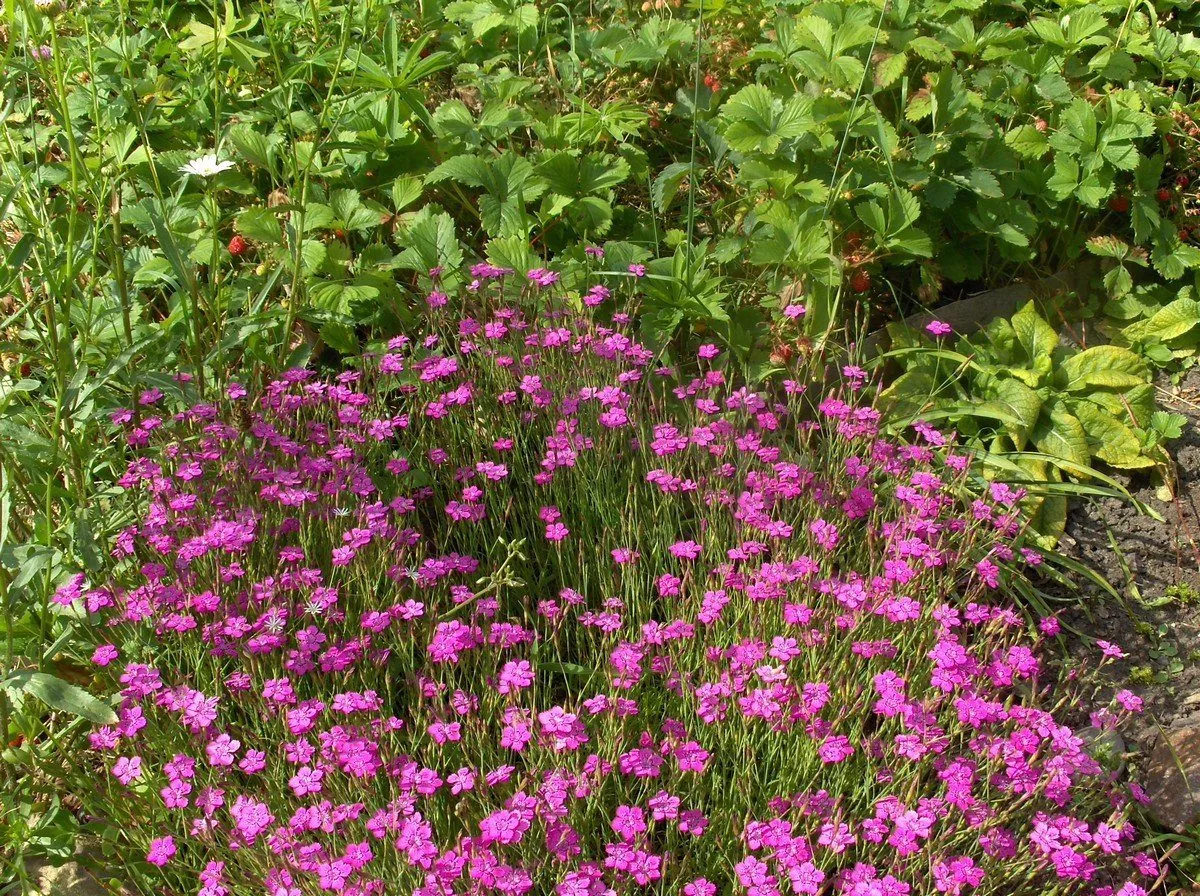
Carnations are a popular plant among gardeners: they're easy to grow, frost-resistant, and produce beautiful flowers. I also have carnations growing at my dacha—Turkish, grass, and feathery.
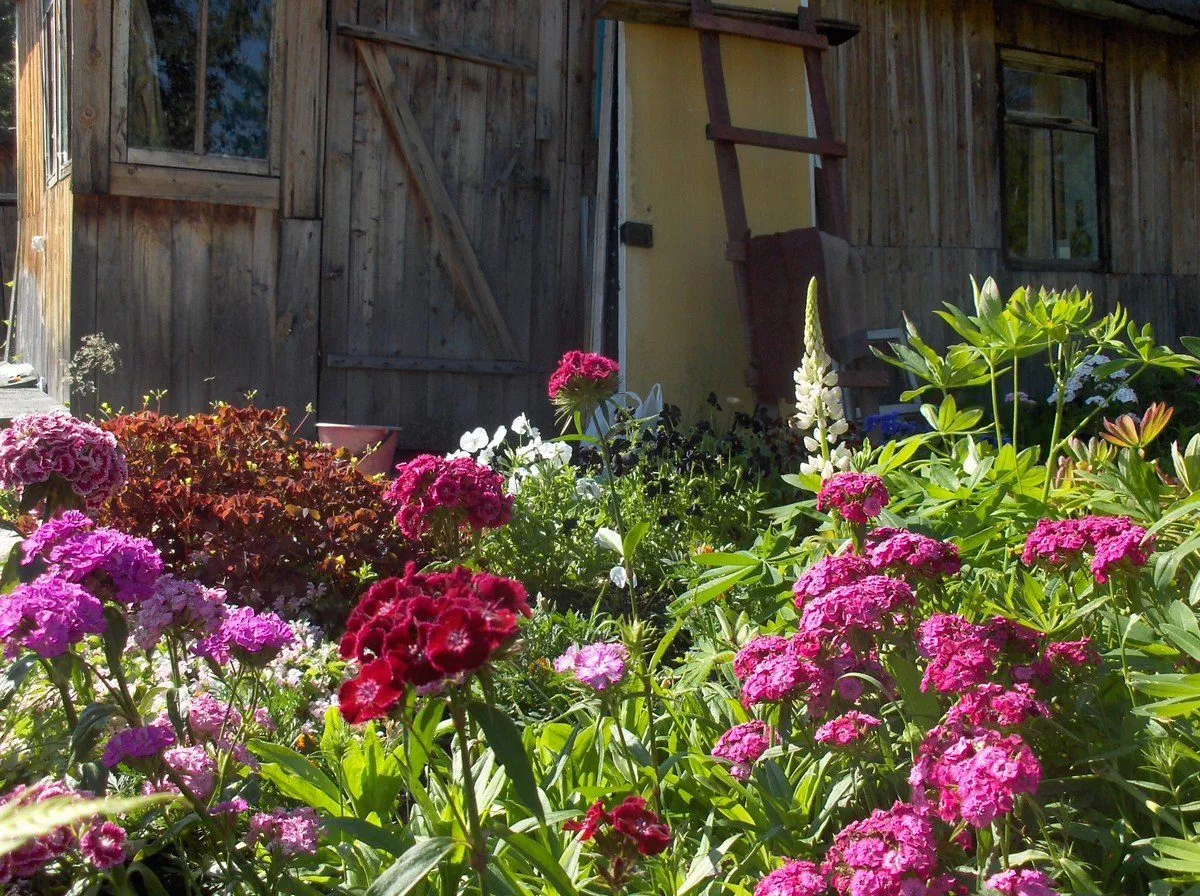
Turkish carnation
This variety of carnation is a biennial. Sow the seeds in late May, the shoots appear, the carnation grows, and goes into winter with green stems. The following spring, as soon as the weather warms up, flower stalks appear, and flowering begins in June.
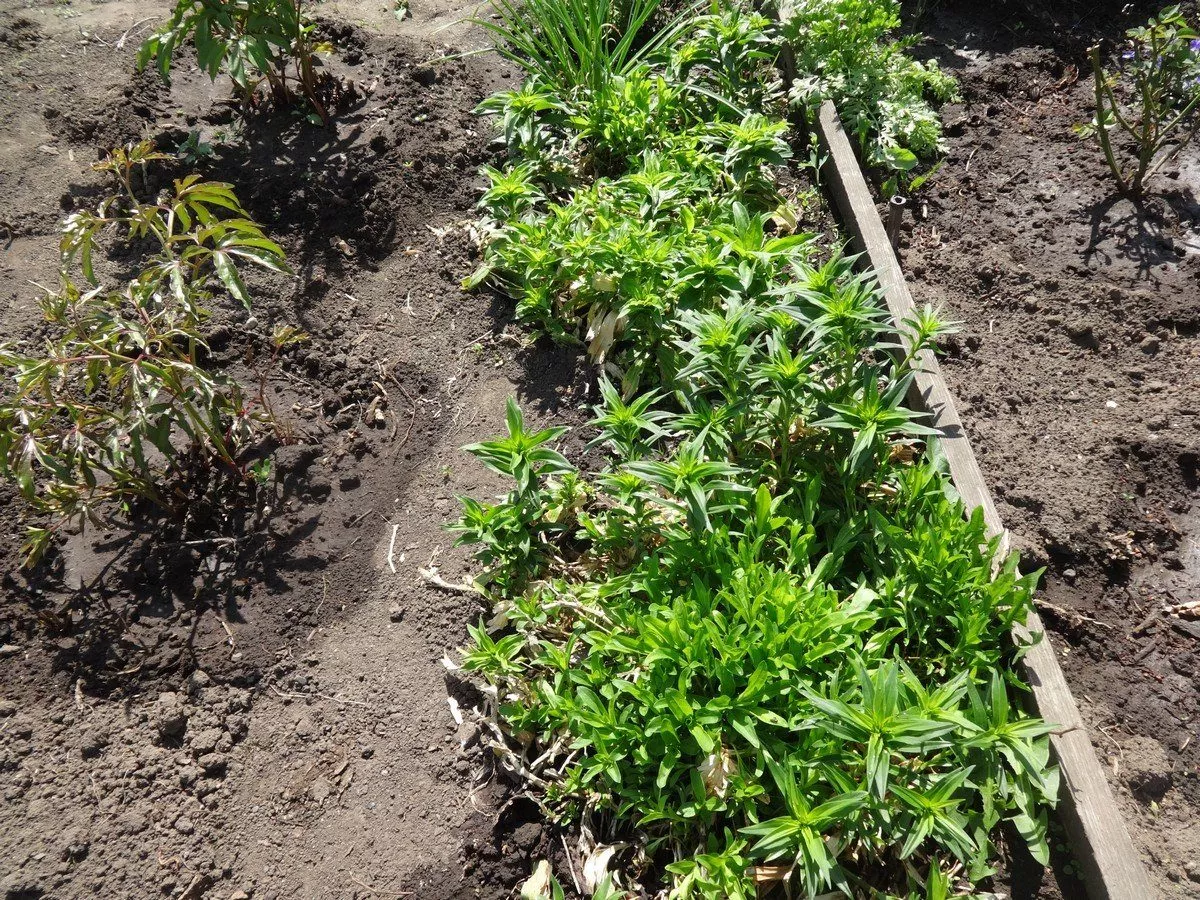
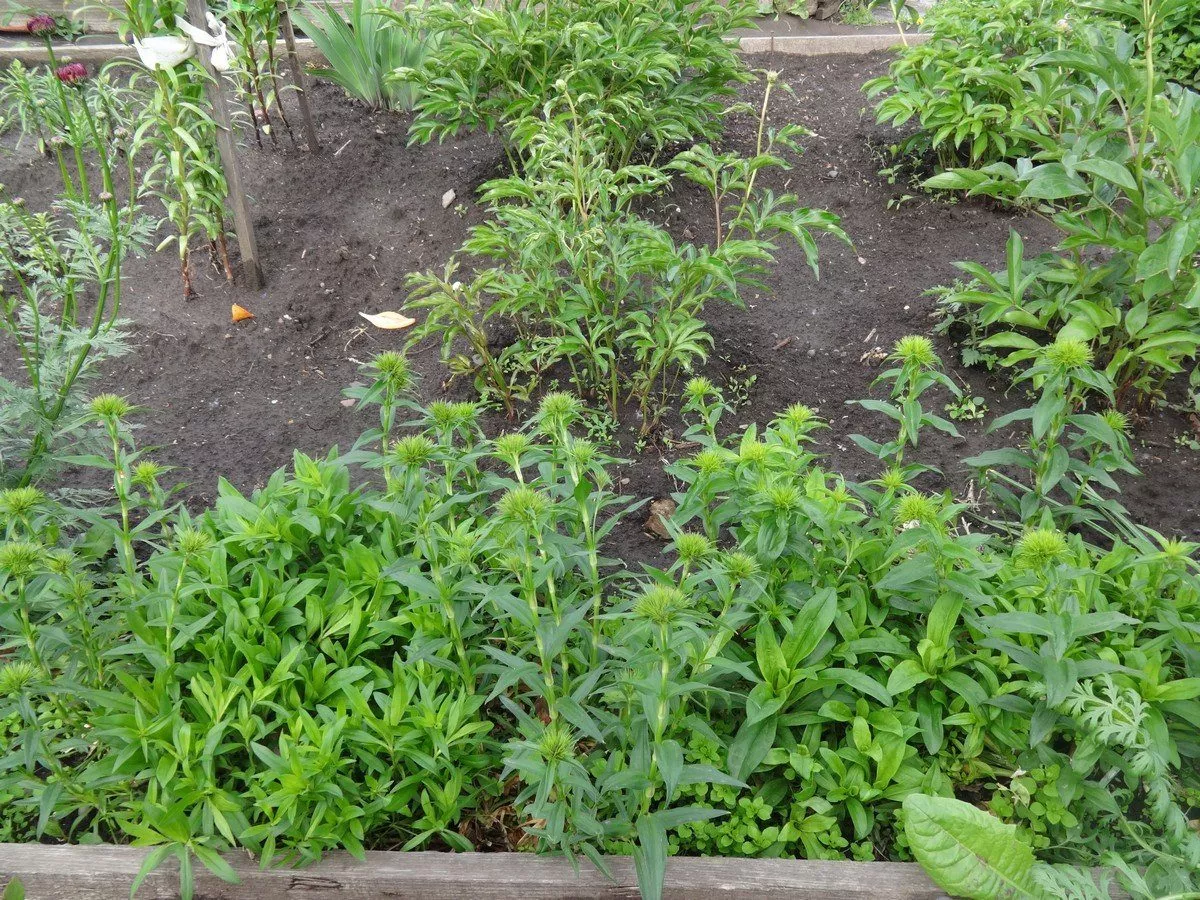
Beautiful large inflorescences—umbels of brightly colored flowers on long stems—are simply eye-catching. Flowers can be single with five petals or double, in a wide variety of colors, and there are varieties with petals of multiple colors.
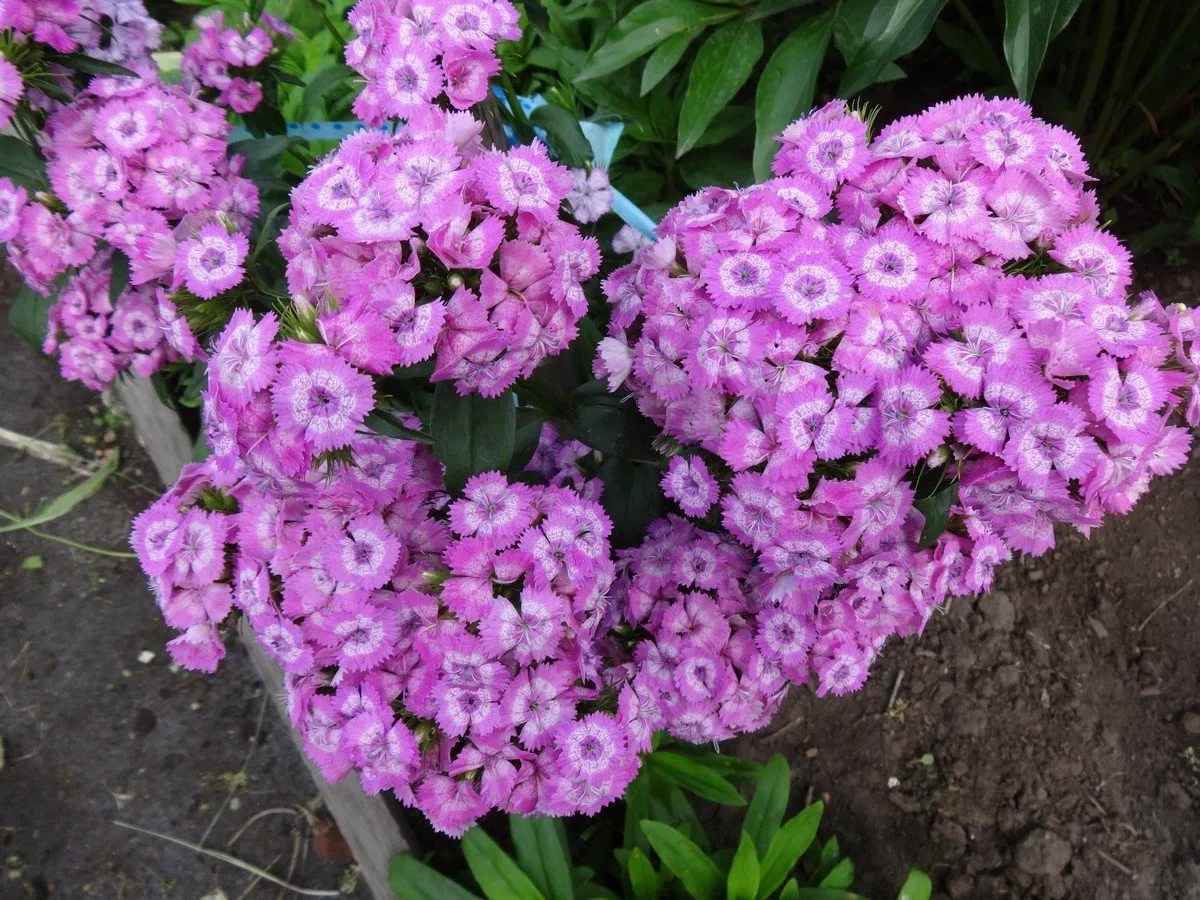
Carnations are easy to propagate. After flowering, you need to leave a few flower stalks, and when the seeds are ripe, collect them, or you can simply leave them and they will sow themselves.
Grows well in sunny areas and in light partial shade.
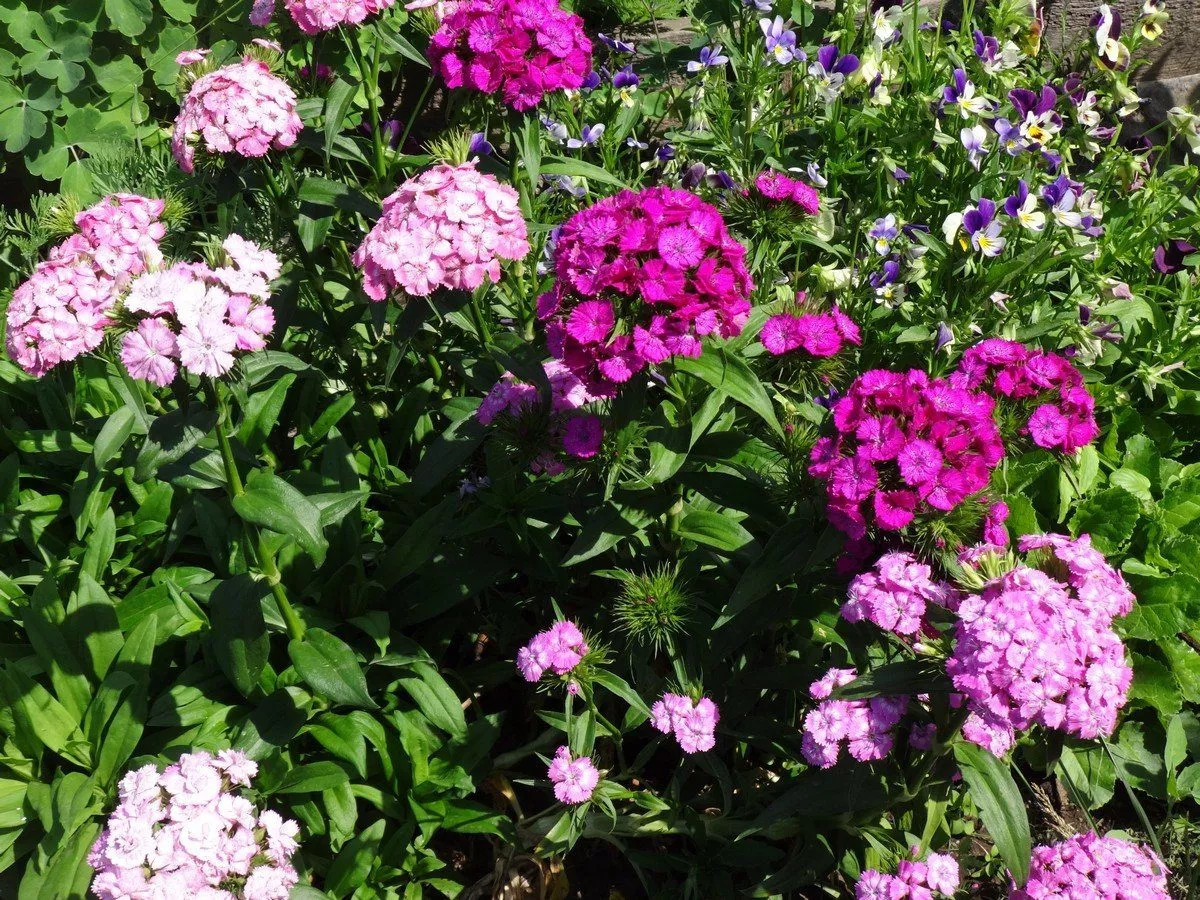
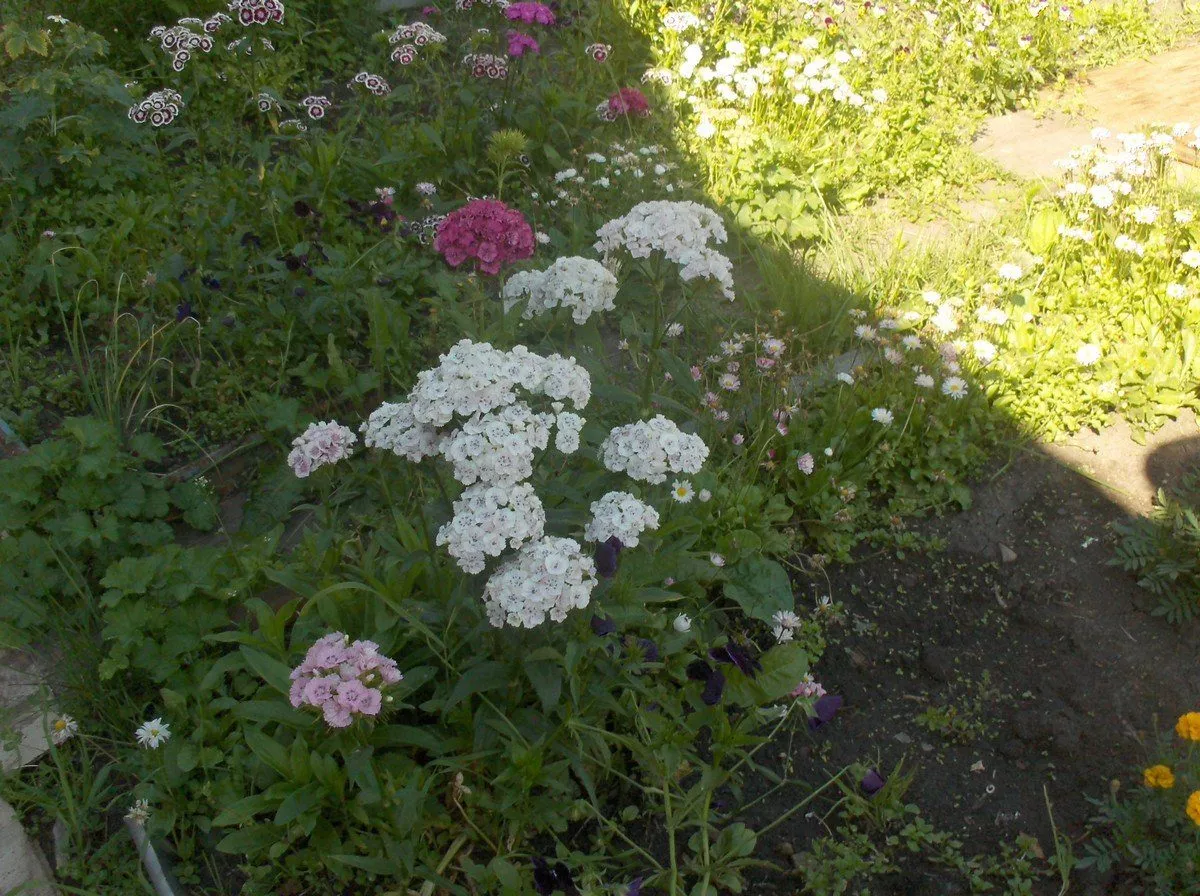
It doesn't require any special care; watering in hot weather is sufficient. In the spring, like all plants, I feed it with urea—1 tablespoon diluted in 10 liters of water and watered. In the summer, you can also feed it to ensure profuse blooms. However, the plant grows and blooms well even without any additional feeding.
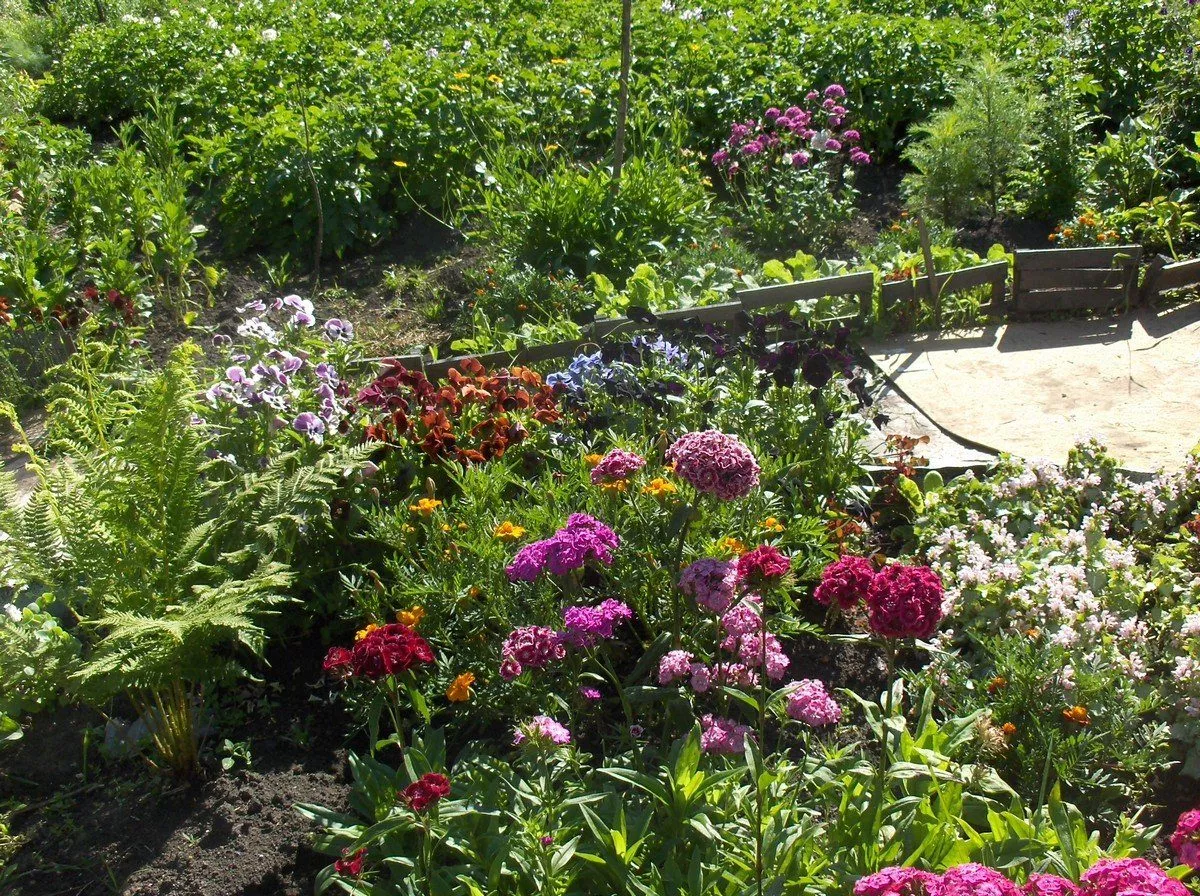
I haven't encountered any diseases on carnations, although they are often susceptible to fusarium wilt, gray mold, and leaf spot. I haven't seen any insect pests on the plant either.
Mice are damaging my carnations. They're invisible in the summer, but they appear in late fall. We put out mouse poison in the shed, in the summer house, and in the gazebo. In some years, they still gnaw at the carnations. The plant, with its thick green foliage, overwinters under the snow, and the mice damage the leaves. In the spring, when the snow melts, you often find dried leaf fragments where the bush once was, as if they've been cut into tiny pieces with scissors.
I don’t know for sure whether they feed on leaves or make nests out of them; often in the spring, clumps of chopped grass are found in the area.
Of course, new shoots will emerge from the roots, and the seeds will germinate, but there will be very few flowers. Therefore, for the winter, you can cover the carnations with spruce needles or spruce branches. You can also scatter burdock around the carnations; mice don't like it, but then burdock will sprout everywhere.
One year, to combat mice, I grew comfrey, also known as mouse killer.
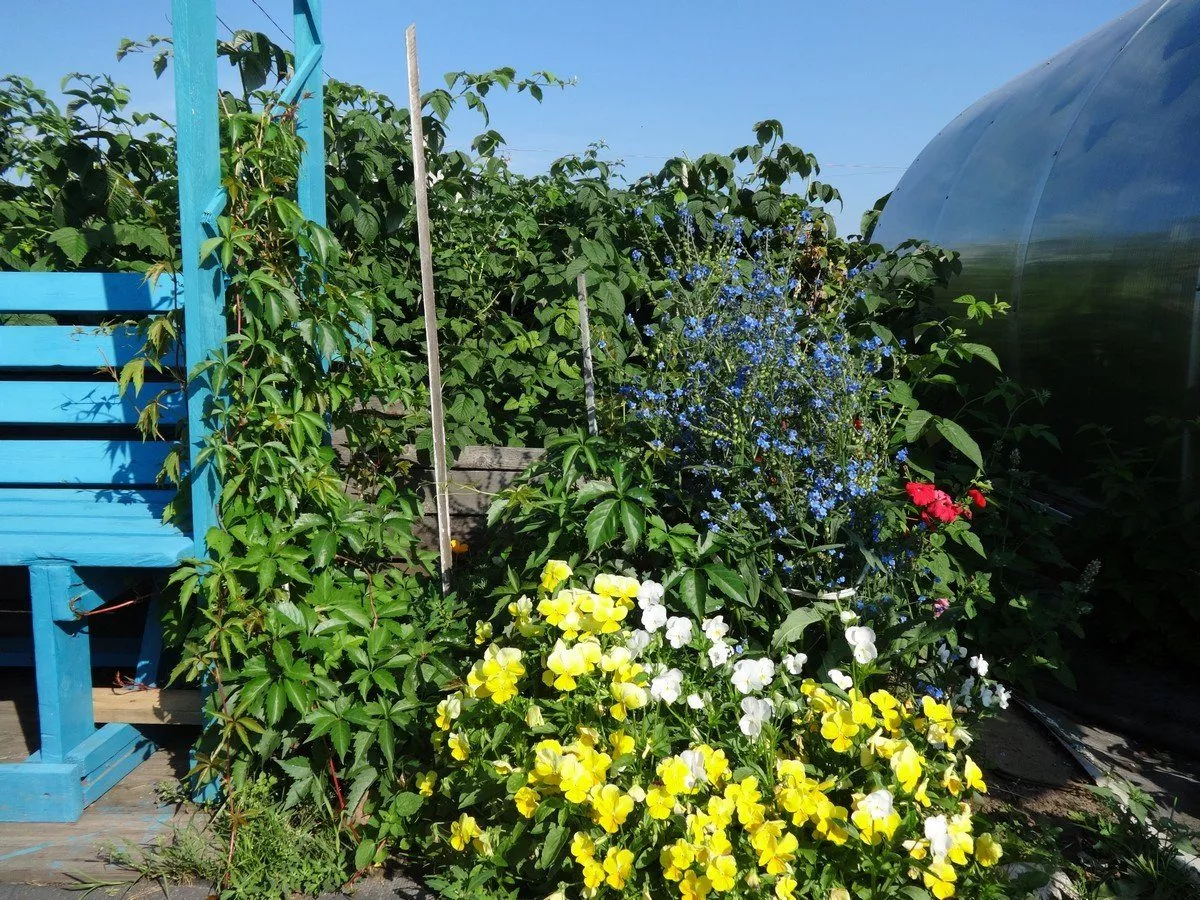 It blooms with small blue flowers, then produces seeds with sticky hooks that cling to clothing. So, in the fall, I surrounded the carnation bushes with dried stems containing seeds, but I didn't see any changes. In the spring, comfrey seedlings sprouted from the seeds all over the flowerbed, and I had to pull them out.
Dianthus herbaceus
I have been growing grass pinks for many years.
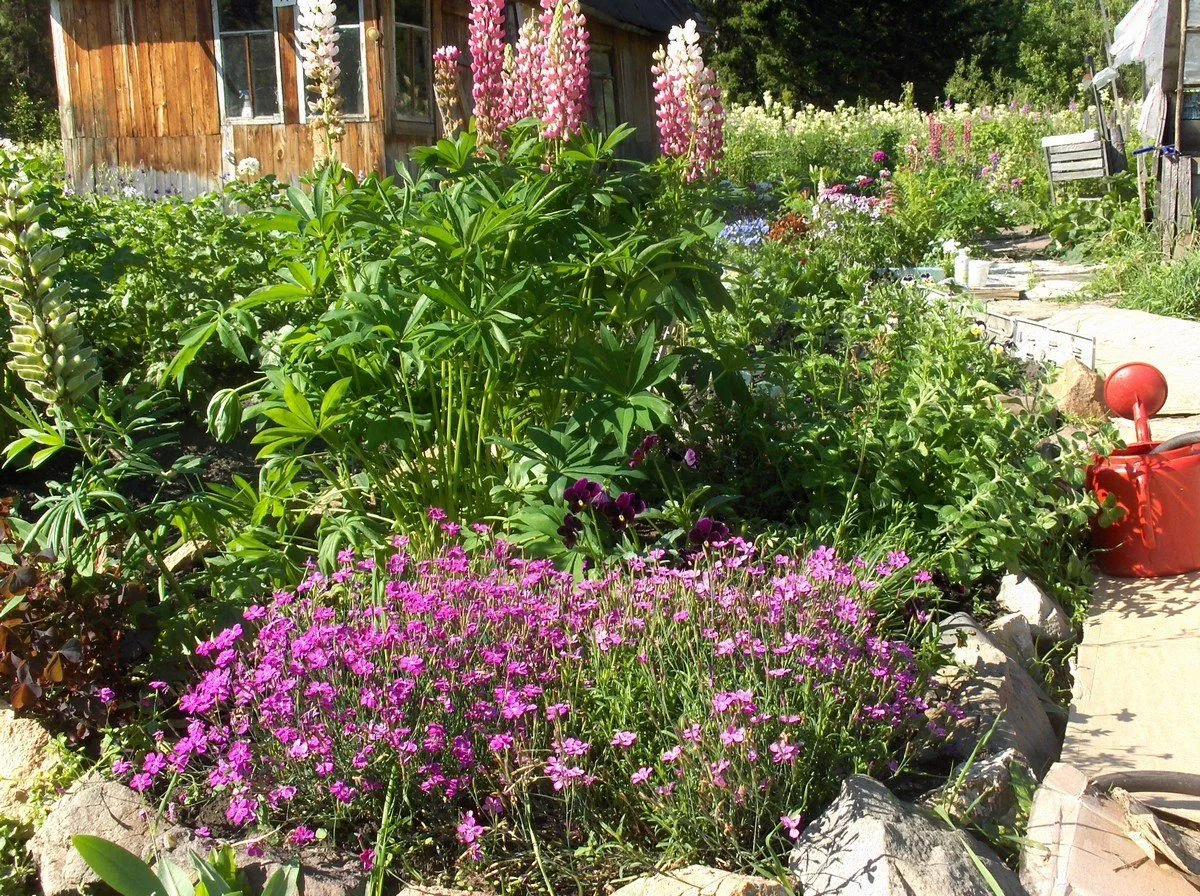
This is a perennial, groundcover, low-growing and very attractive plant that is ideal for growing in an alpine slide, rock garden or as a border plant.
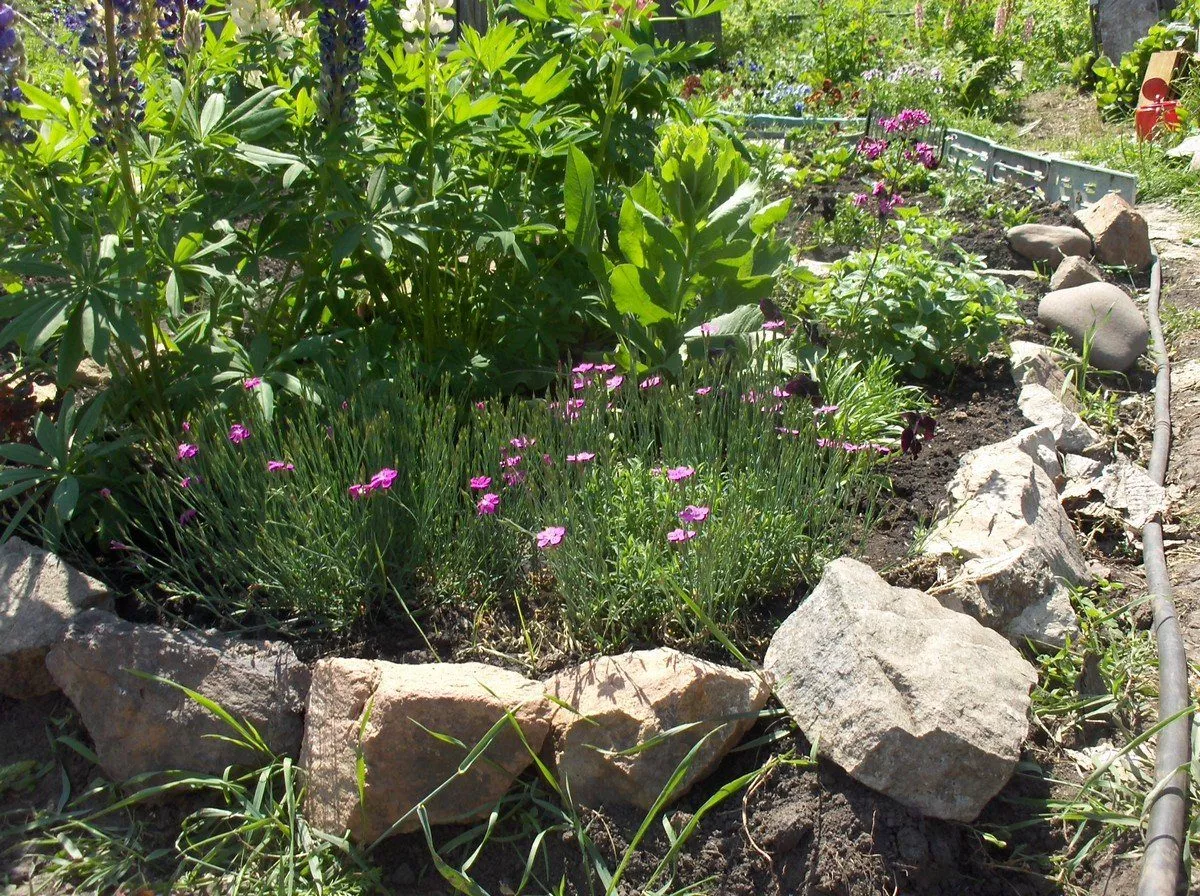
The grass weed weaves a continuous carpet across the soil with its stems bearing small, narrow green leaves, then produces thin, fragile flower stalks on which, in June, bright, light or dark pink flowers with five petals open.
The petals have serrations along the edges, and dark or light stripes forming a rim closer to the base. Long, cilia-like stamens are located in the center of the flower.
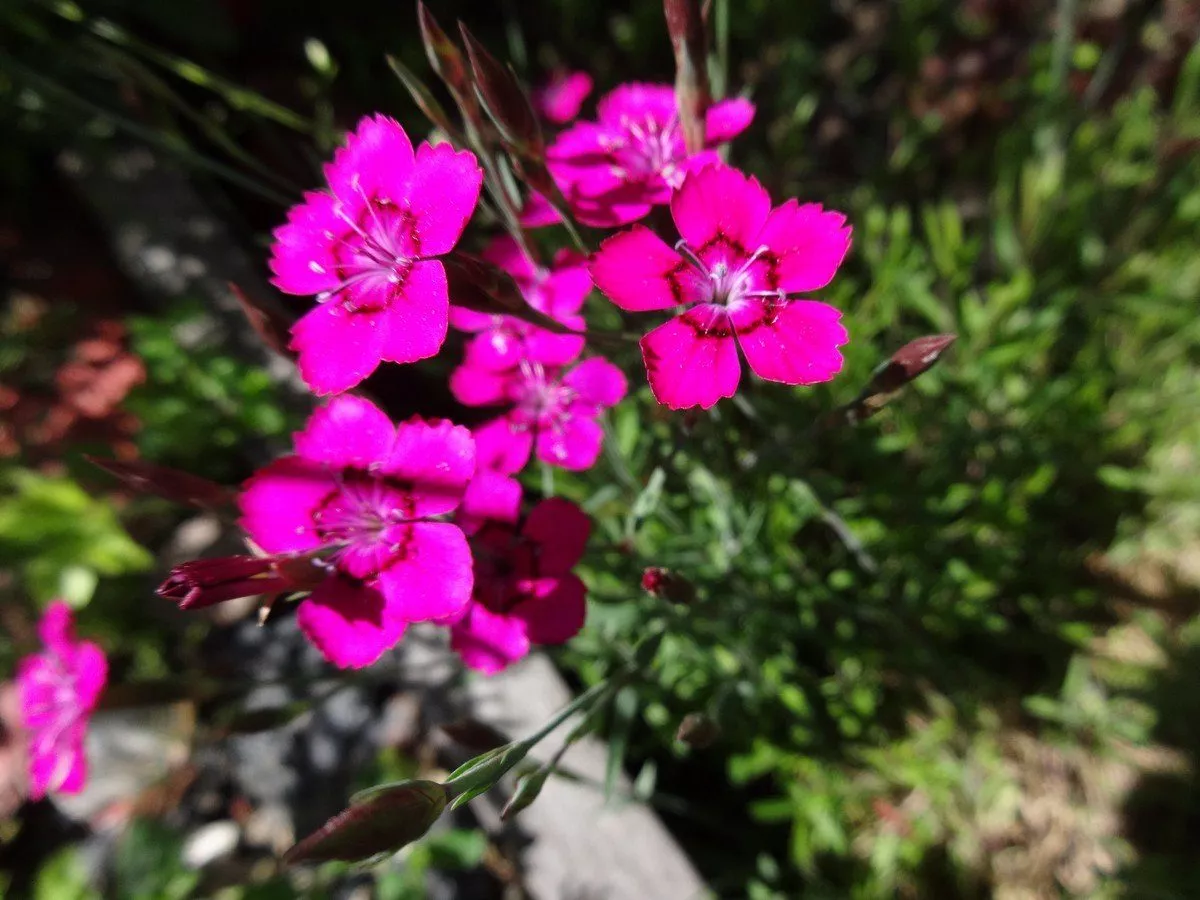
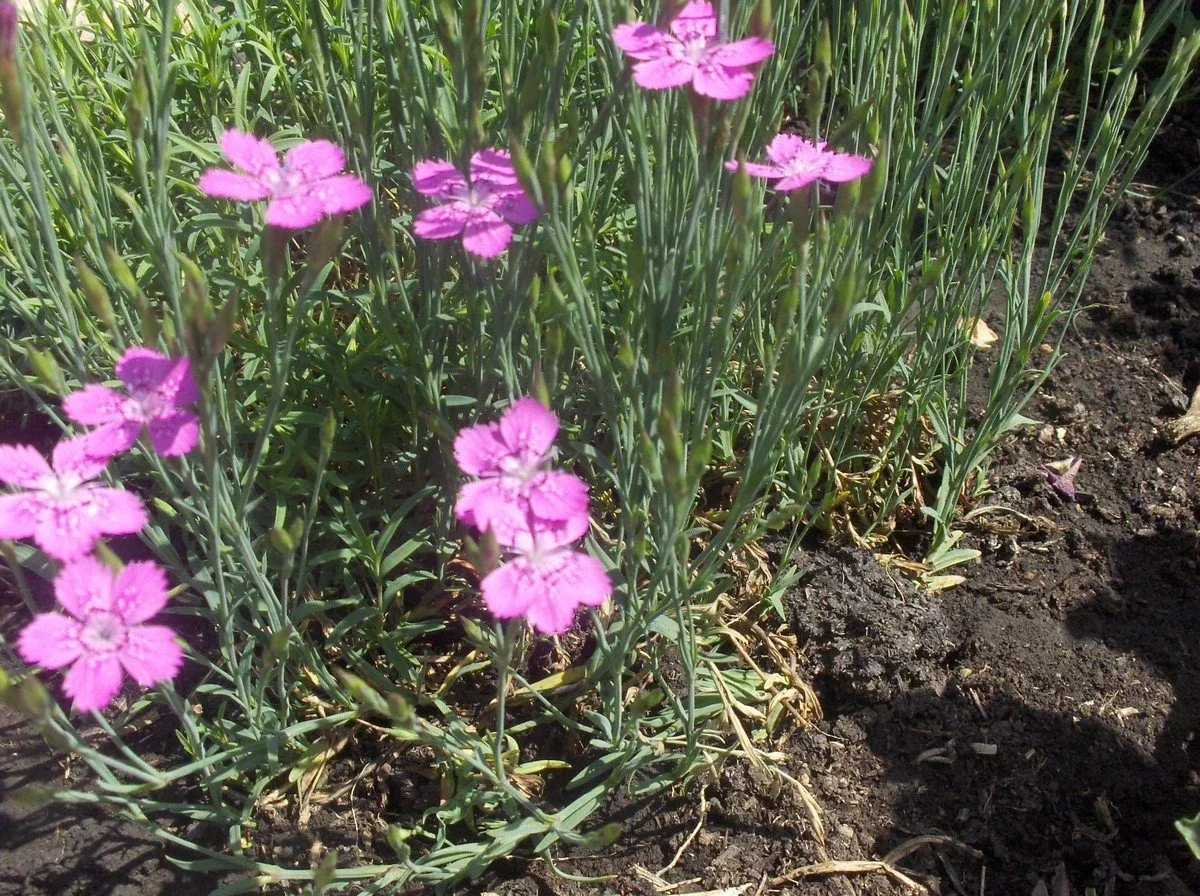
Carnations prefer to grow in dry, light soils in bright places; they do not require abundant watering; they become soaked from excess moisture and die.
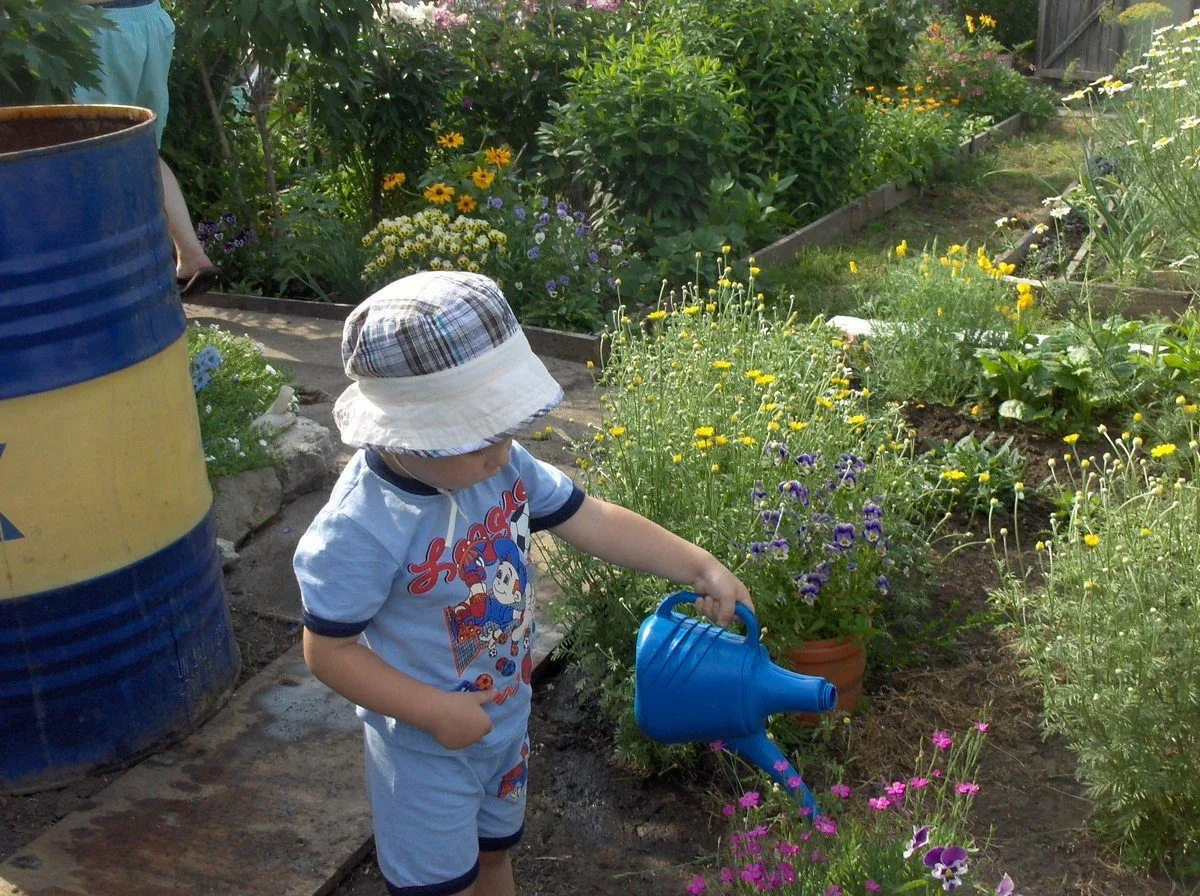
The plant does not thrive in acidic soils; when planting, add dolomite flour, sand, and a little humus. It will also struggle near tall plants that will shade it.
The grasshopper is a natural plant, growing in Siberia on sunny forest edges and in open clearings, but I've never seen it in the wild. I bought the seeds at a flower shop and sowed them directly into the ground in the spring. The grasshopper sprouted beautifully, and by the end of summer it had several stems with flowers.
Pinnate carnation
I also grow feathery carnations from seeds. They look like grass carnations, but the flowers have wavy, fluffy edges, reminiscent of airy feathers. The flowers and buds are larger than those of grass carnations.
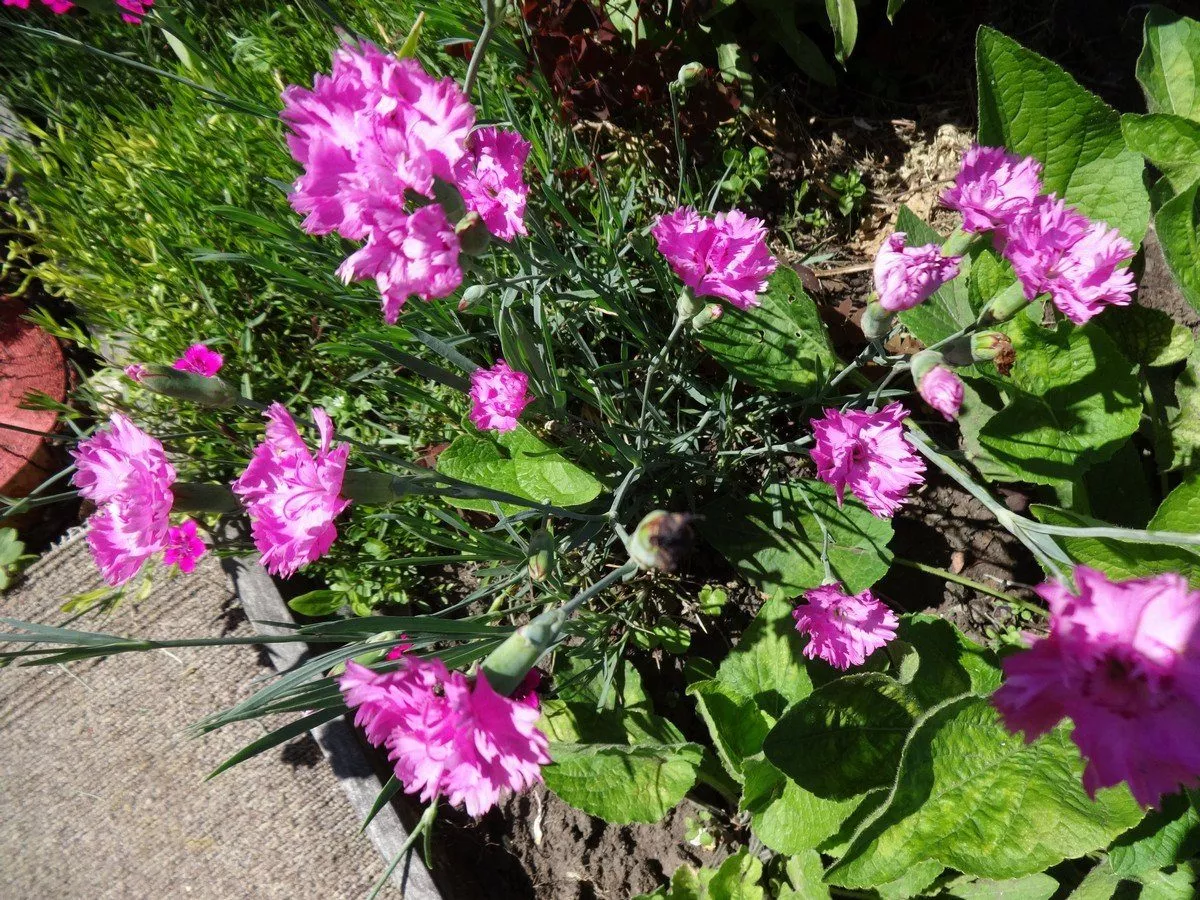
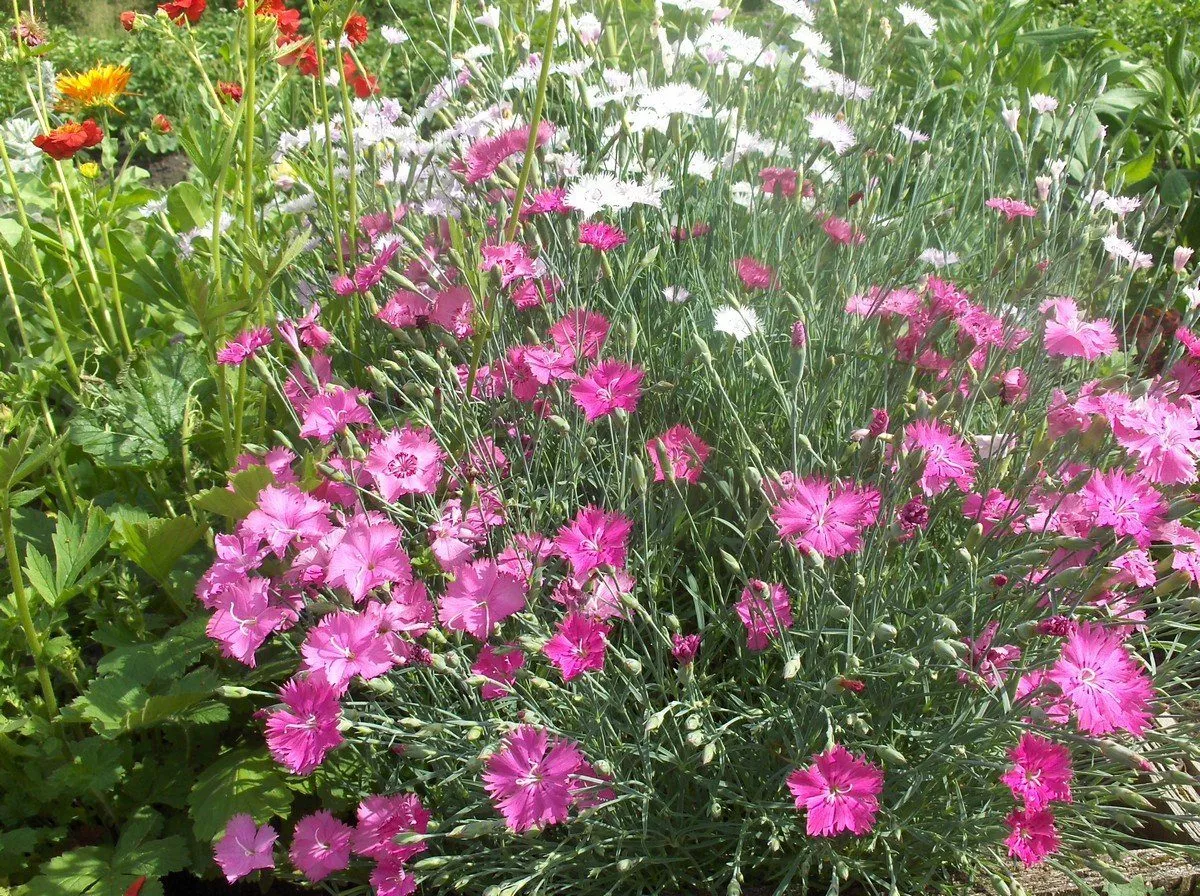
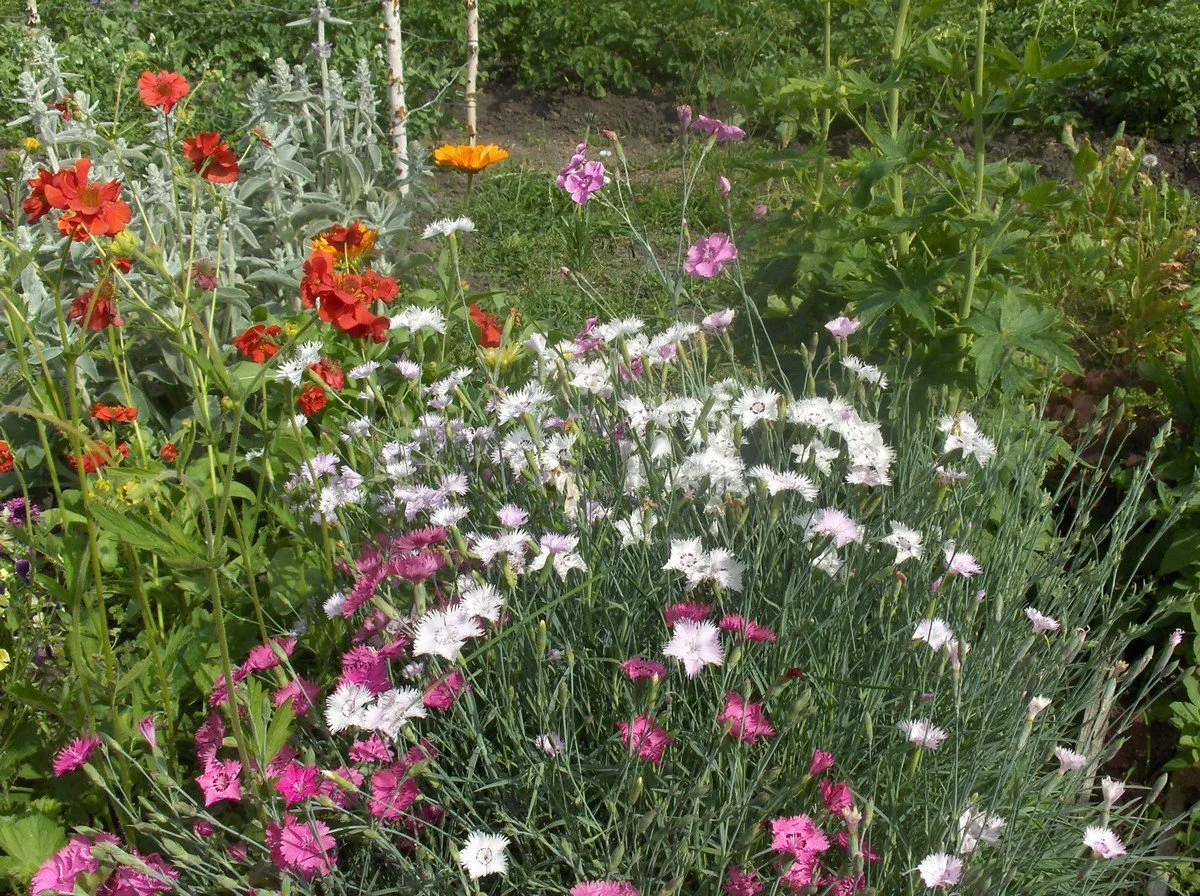
These carnations grow quickly, overwinter well, and are easily propagated by dividing the bush or by seeds.
If you give them even a little attention, they will thank you with beautiful flowering.