

 Hello!
I want to say right away that I'm a fan of medicinal plants, but not to the point of fanaticism, just within reason. Therefore, I try to grow the most beneficial and common herbs in Russia in my garden. Moreover, many of them are beneficial not only for human health but also have other uses.
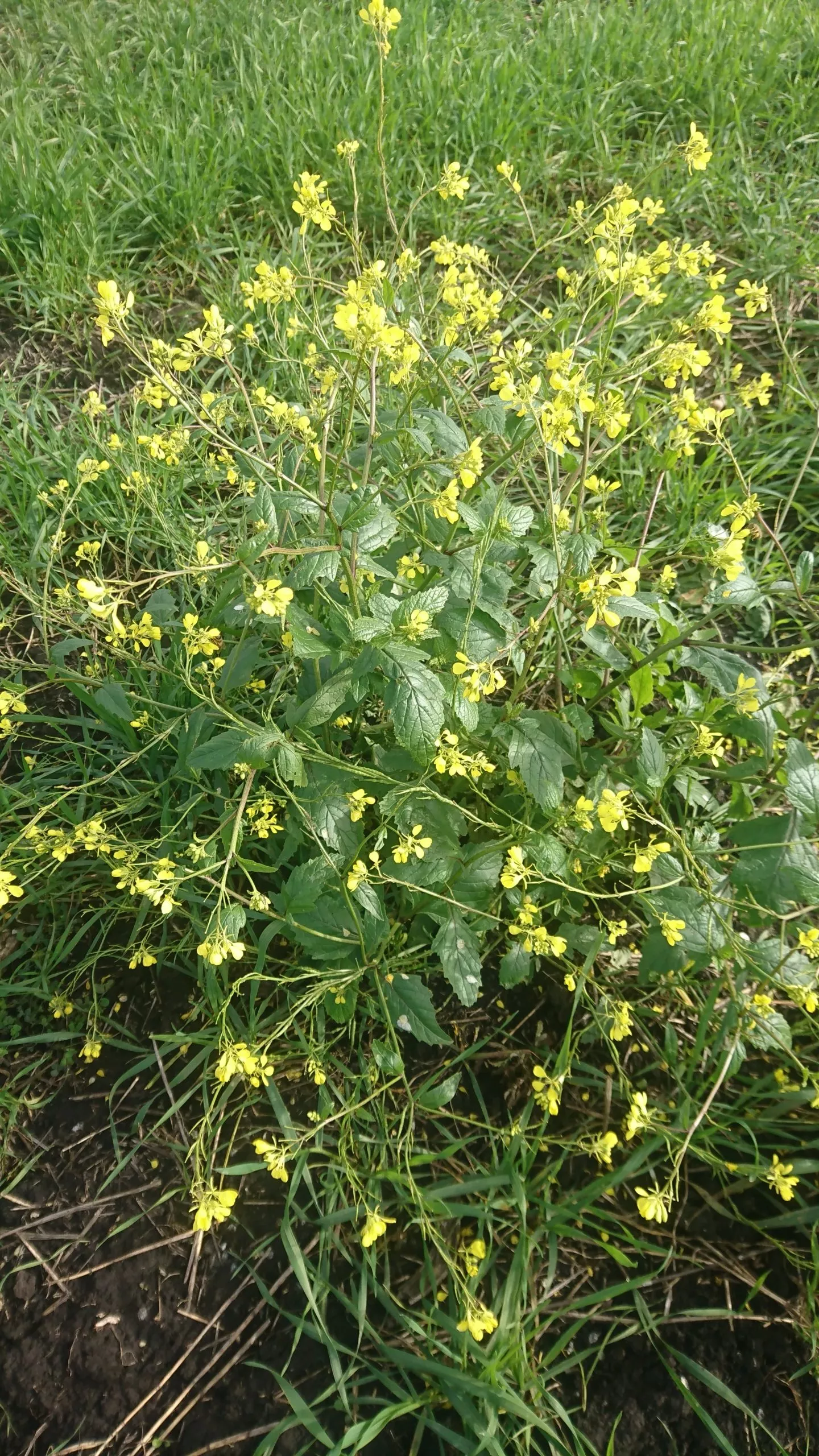
Today I'd like to talk about Sarepta mustard, which grows practically everywhere. It's used in various fields—cosmetology, folk medicine, official pharmacology, in the home, and even in the garden. The benefits of this type of mustard have long been proven by scientists from around the world. Read more about the benefits and harms of this plant. here.
Brief description of the culture
Mustard belongs to the Brassicaceae (Cruciferae) family of annual plants, so it needs to be planted annually. Alternatively, you can leave the process to nature's forces—the wind will disperse the seeds, but then the grass will grow haphazardly.
Characteristic:
- stem height – from 50 to 150 cm, but can be higher;
- the root system is of the taproot type, goes deep up to 3 m, it is powerful, so it is difficult to damage;
- the stem is straight and bare, branches at the very base;
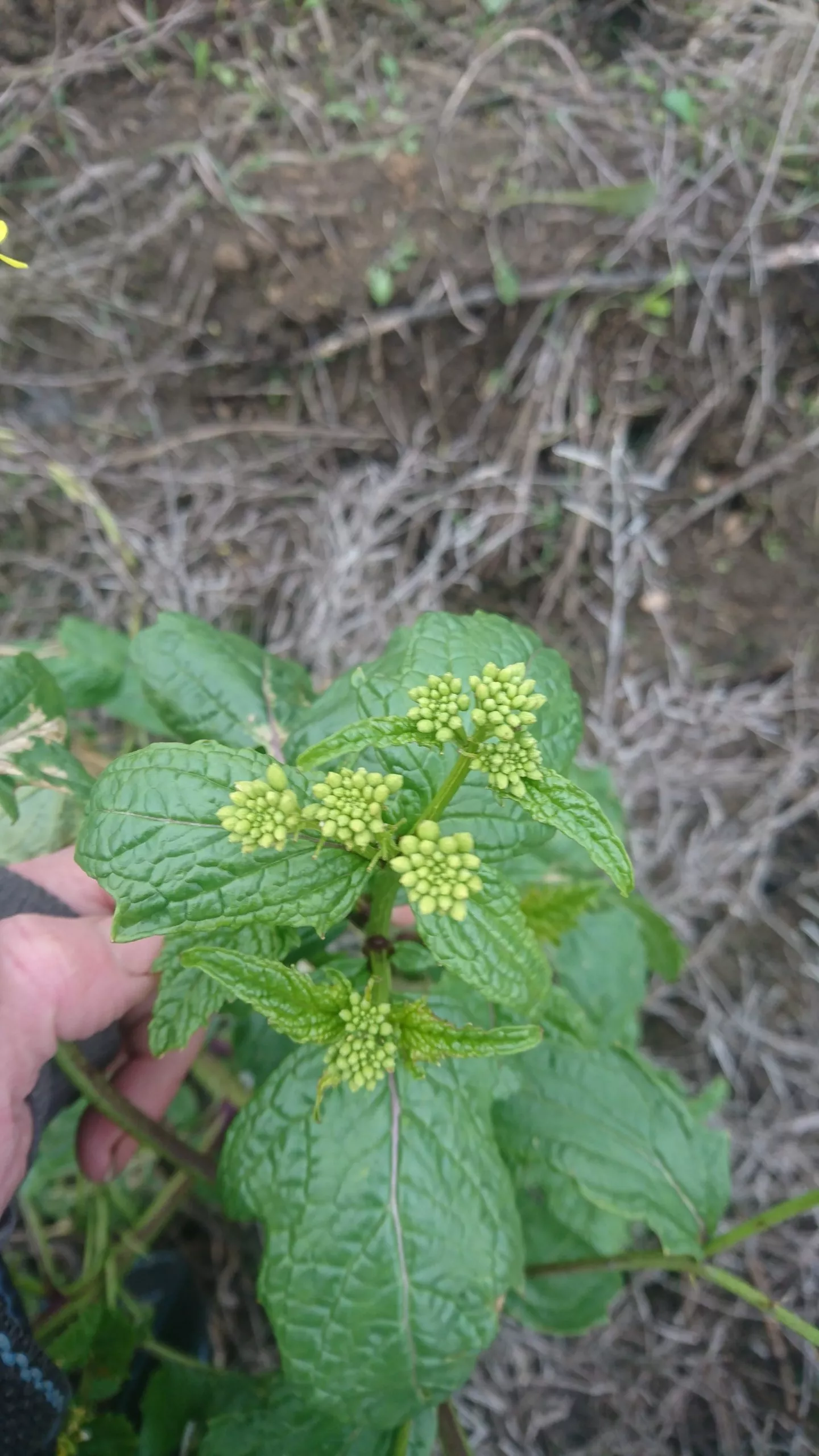
- The leaves are petiolate, whole at first, but then become incised and pinnate, green in color, especially below, but may have a bluish coating on top;
- flowers are very small and yellow, located in a corymbose inflorescence;
- petals - have bends at the edges;
- chalcedony - usually horizontal in appearance;
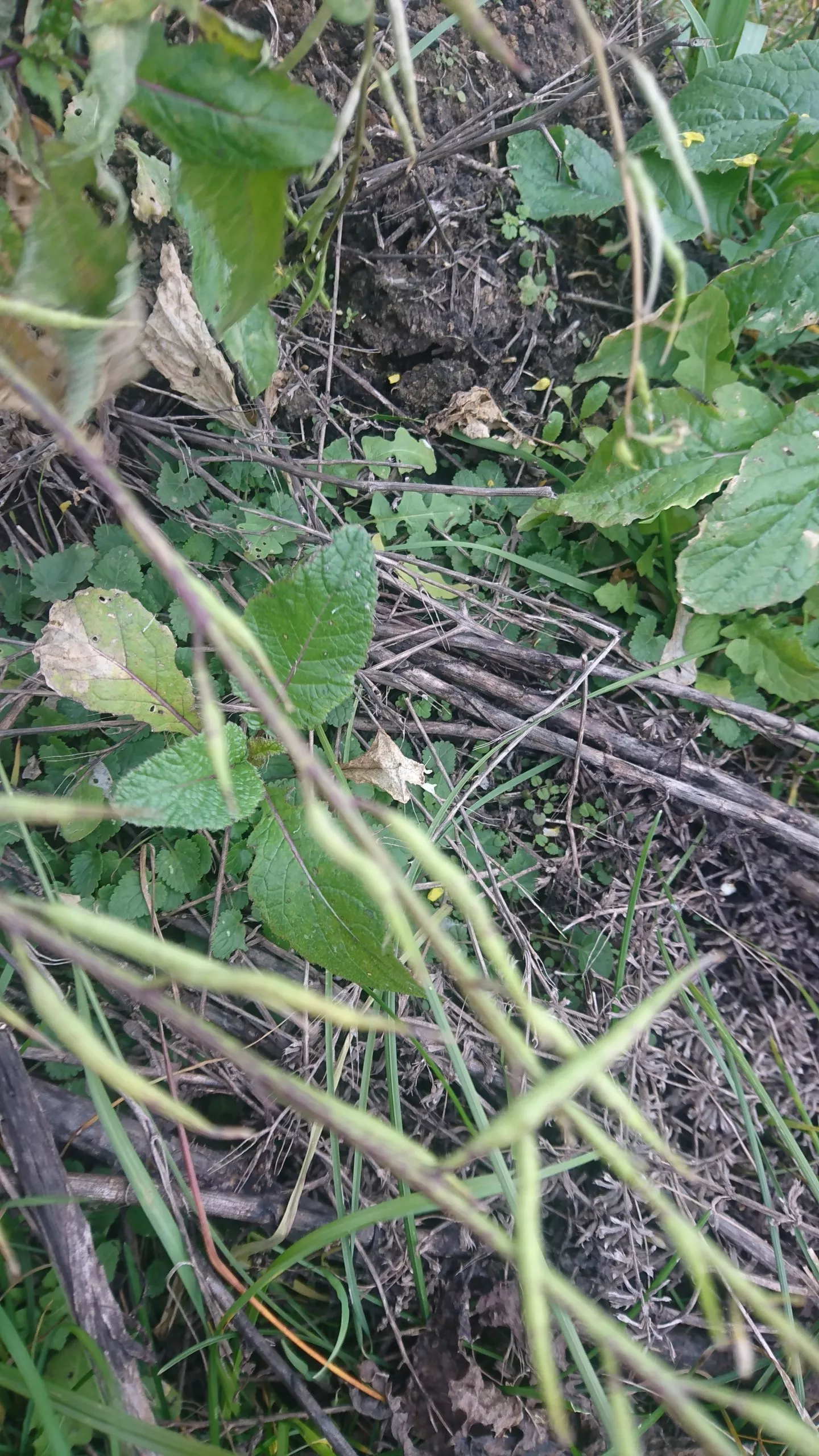
- the fruit is pod-shaped, tuberculate and thin;
- seeds – brownish, reddish, small, ripening period – from the end of August.
I'd like to say a special word about seeds. Unlike any other crop, they retain their viability for up to 10 years, so they can be stored for a long time.
How did mustard appear in Russia?
Sarepta mustard was brought to us from Asia along with flax and millet. At the time, agronomists considered it a weed and actively fought the crop. However, local residents of the Lower Volga region learned to process the seeds and began using the green part of the plant. In 1810, German settlers planted several fields with mustard, after which a mustard oil mill was opened.
Mustard is called Sarepta because it was first grown near the village of Sarepta. Some people still call this variety Russian.
Another thing that strikes me is that Sarepta mustard is considered a cultivated plant, used to make mustard powder and mustard, but when found among other crops, it's considered a weed. What a paradox!
By the way, if you're interested, check out the articles on how to make your own mustard powder from seeds (there are also some of the most delicious mustard sauce recipes here). And if you'd like to grow your own mustard, there are threads covering the basic planting and care guidelines.
We have this weed growing at our dacha. I just didn't know it was Sarepta mustard.