
Dahlias with purple foliage
I planted it in my garden,
Admiring this beauty
I forgot about the other flowers.And they blossomed and blossomed,
Attracting a buzzing swarm of bees.
Only the warm days have passed
And my frozen dahlia drooped!
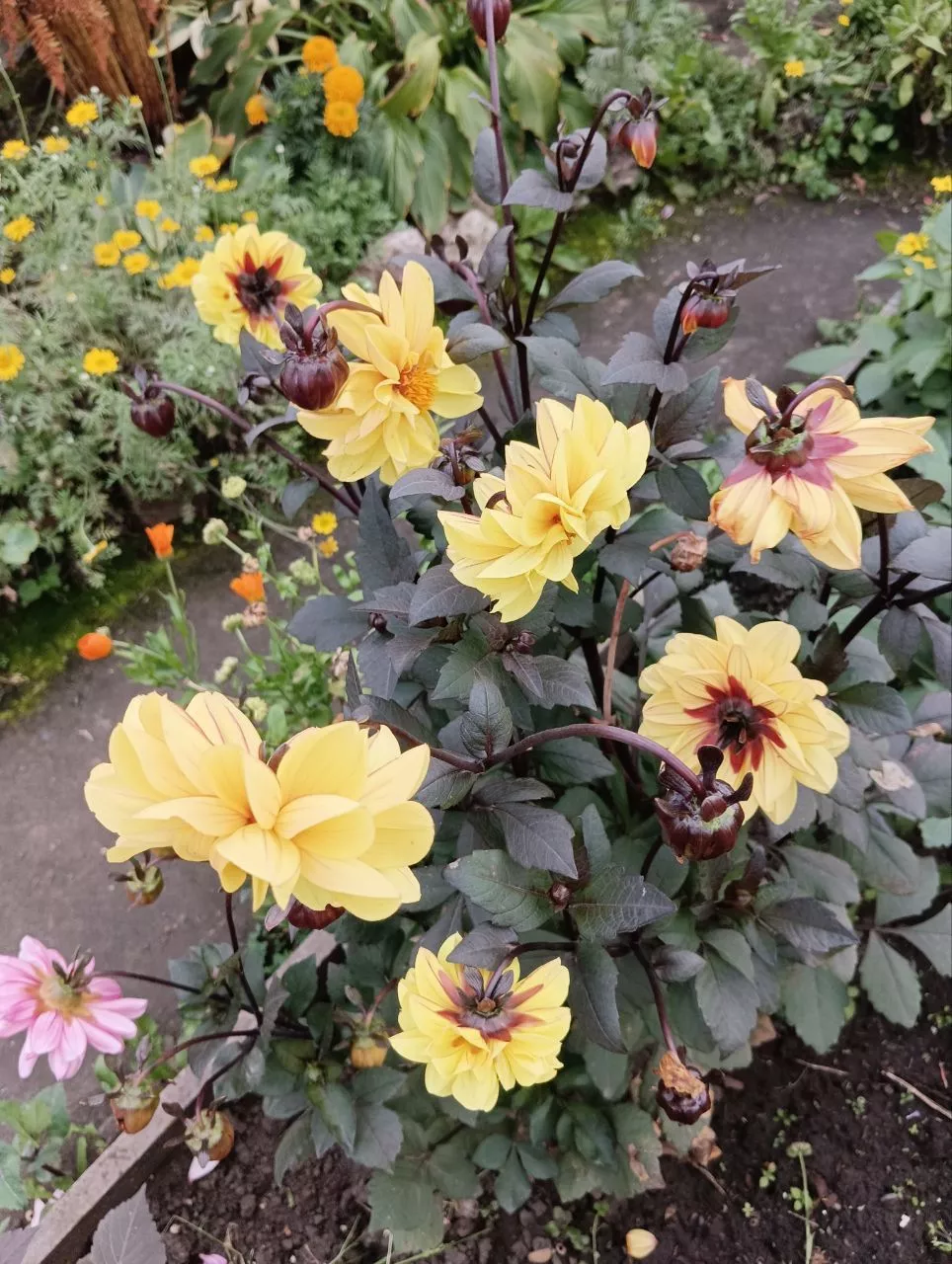
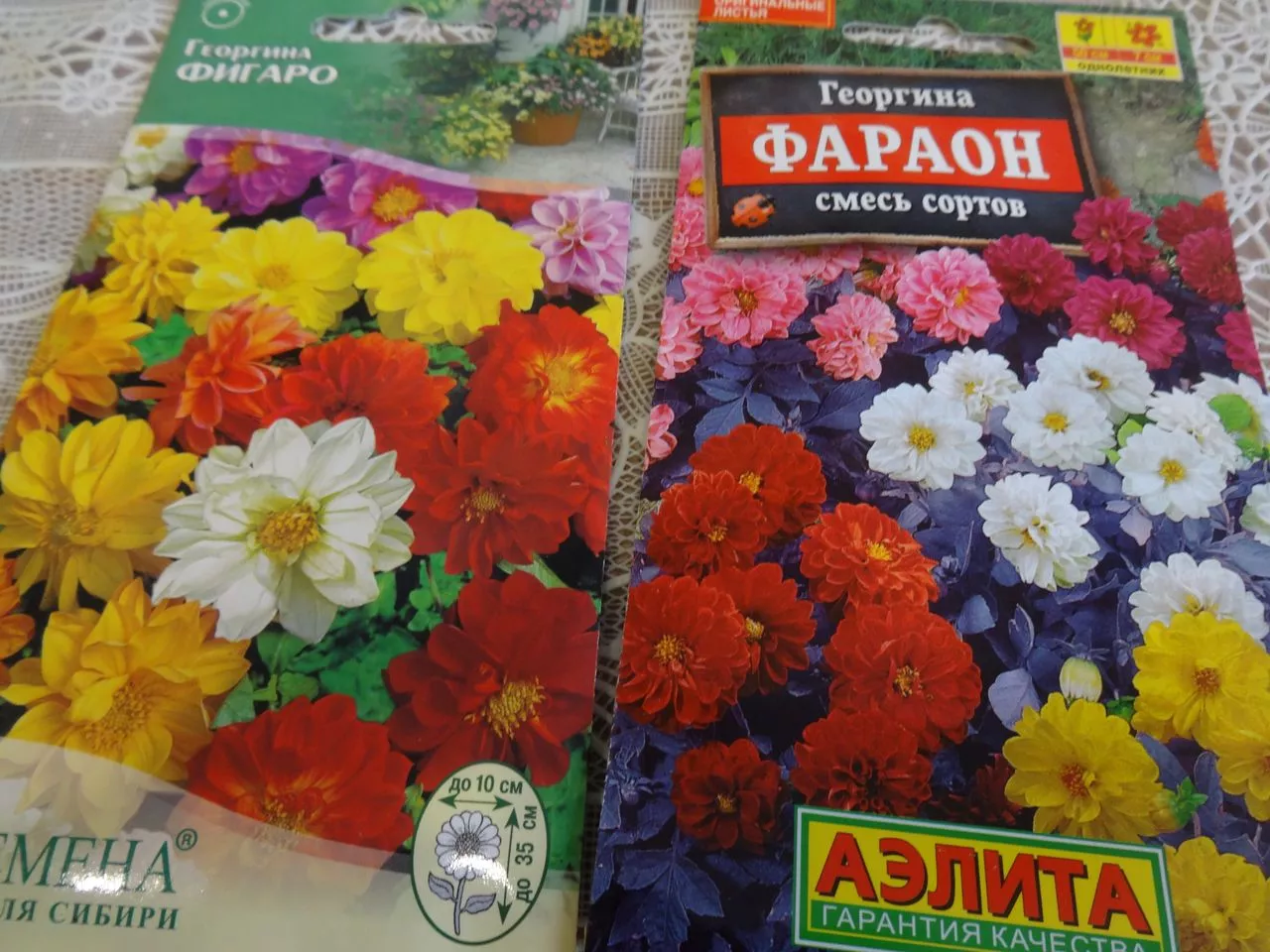
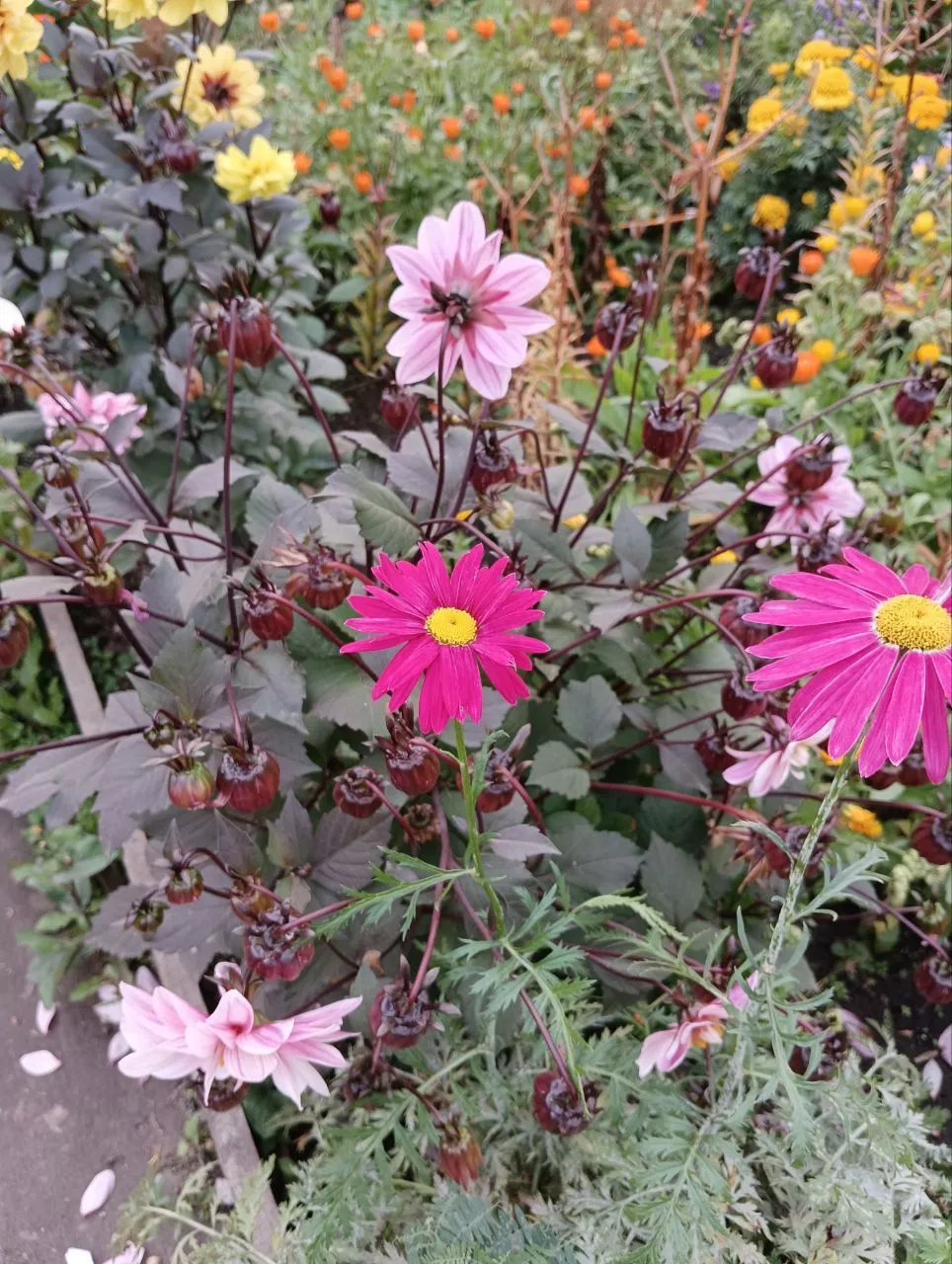
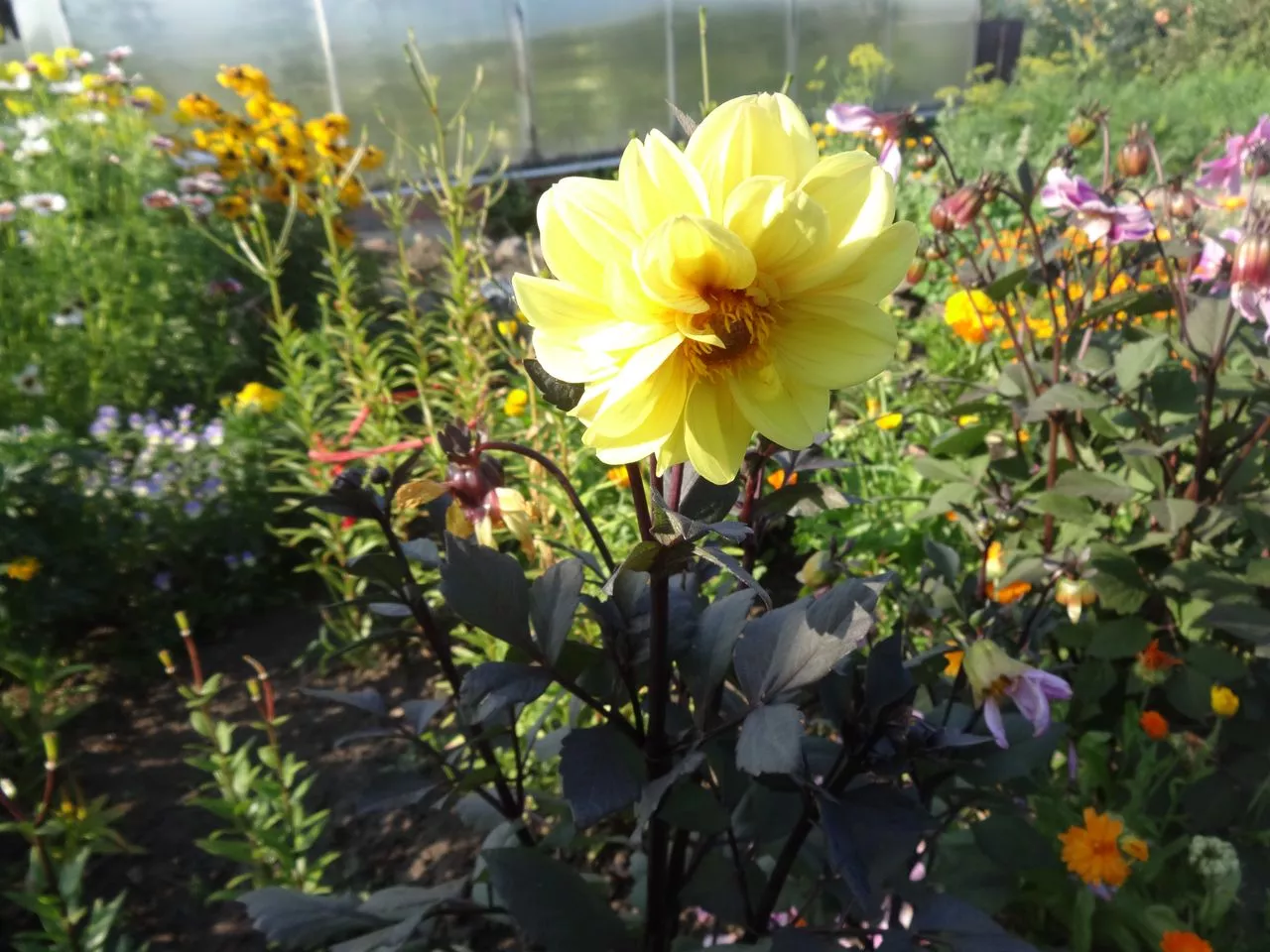
I've been growing purple-leaved dahlias in my flowerbeds for the second year. The variety is called Pharaoh, and the bushes grow up to 50 cm tall. The flowers are semi-double, up to 10 cm in diameter. They come in a variety of colors: soft yellow, light lilac, pink, red, and bright yellow. They resemble my favorite low-growing dahlia, the Figaro, except their foliage is purple.
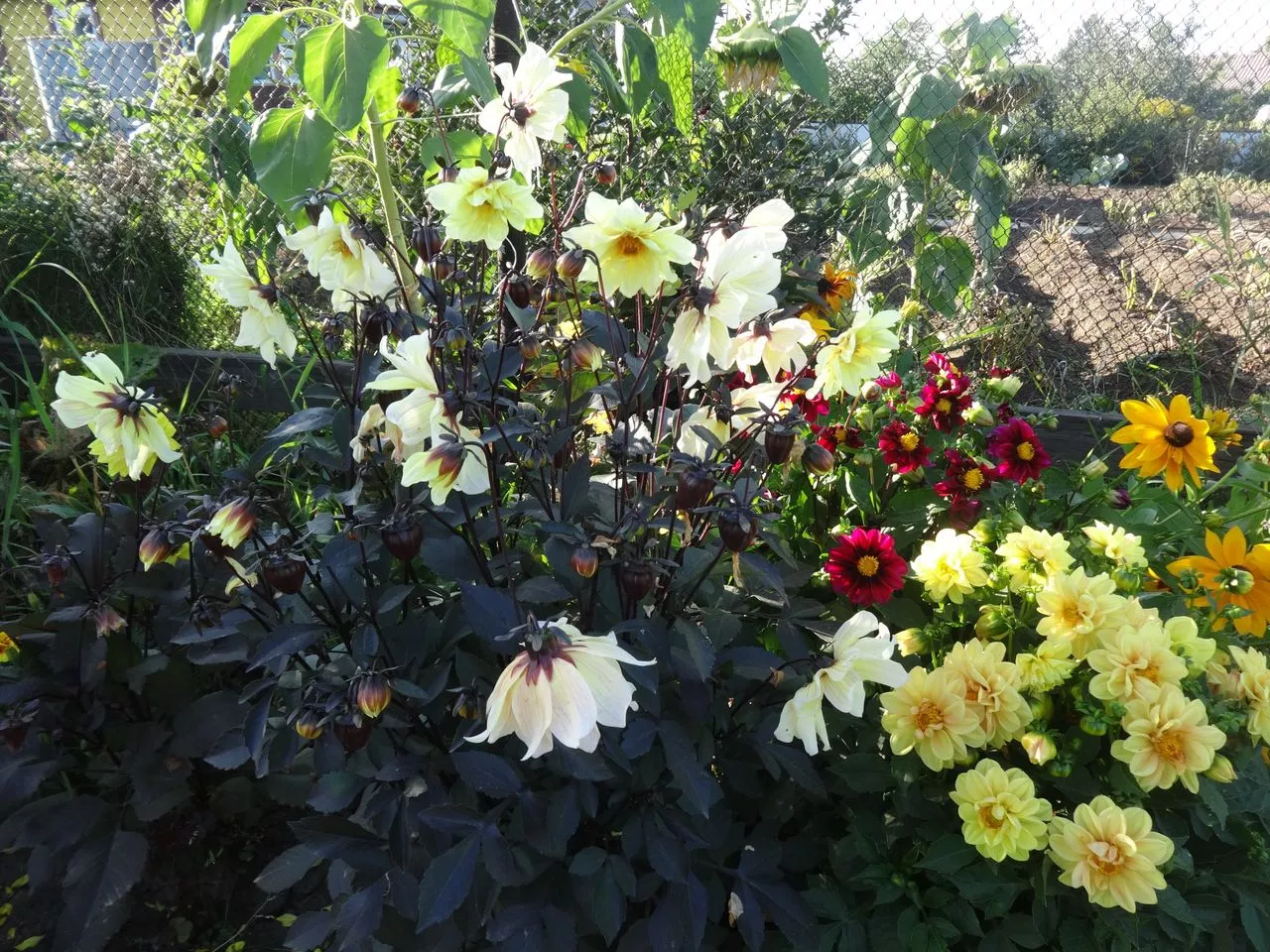
And against such foliage, the flowers look simply stunning, so touching and delicate. I especially like the bushes with light yellow flowers. Purple bushes pair harmoniously with low-growing dahlias with green leaves.
You can also read about dahlias here.
These are annual, heat-loving flowers. I grow them from seeds and seedlings. The seedlings are easily grown indoors. I grow dahlias in a greenhouse, as I do all my annual seedlings.
This year (2022), there was a frost in June, and some of my dahlia seedlings froze when they were planted in open ground. The roots didn't freeze, and the flowers grew back. Of course, this affected the flowering, which was later than usual.
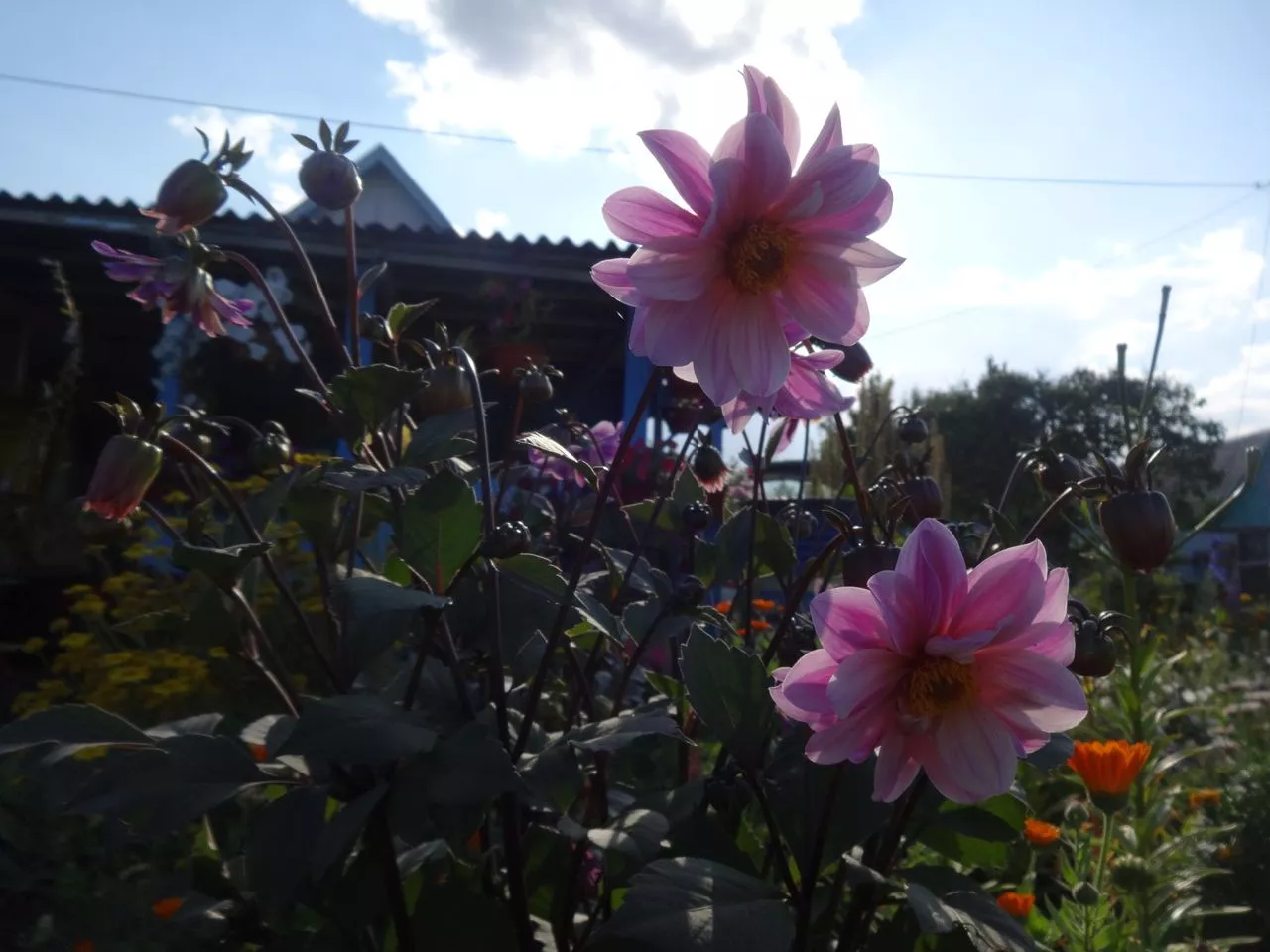
Where is the best place to plant dahlias and how to care for them?
Dahlias love warmth, so a sunny, wind-free location is ideal. Light partial shade is also acceptable.
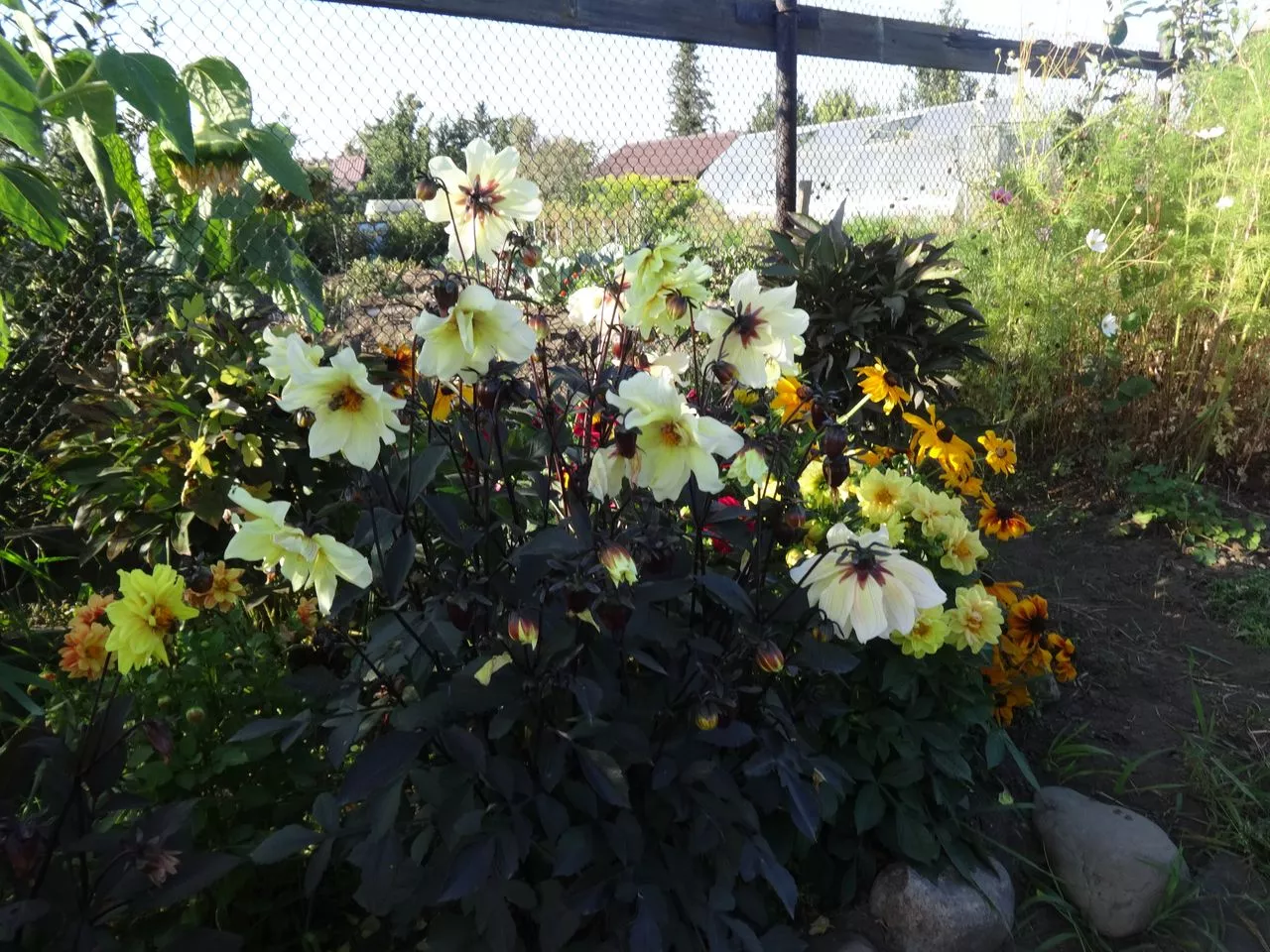
It's not recommended to plant these flowers next to asters or in the same spot where asters were previously grown. In my flowerbed, dahlias grew next to asters and thrived.
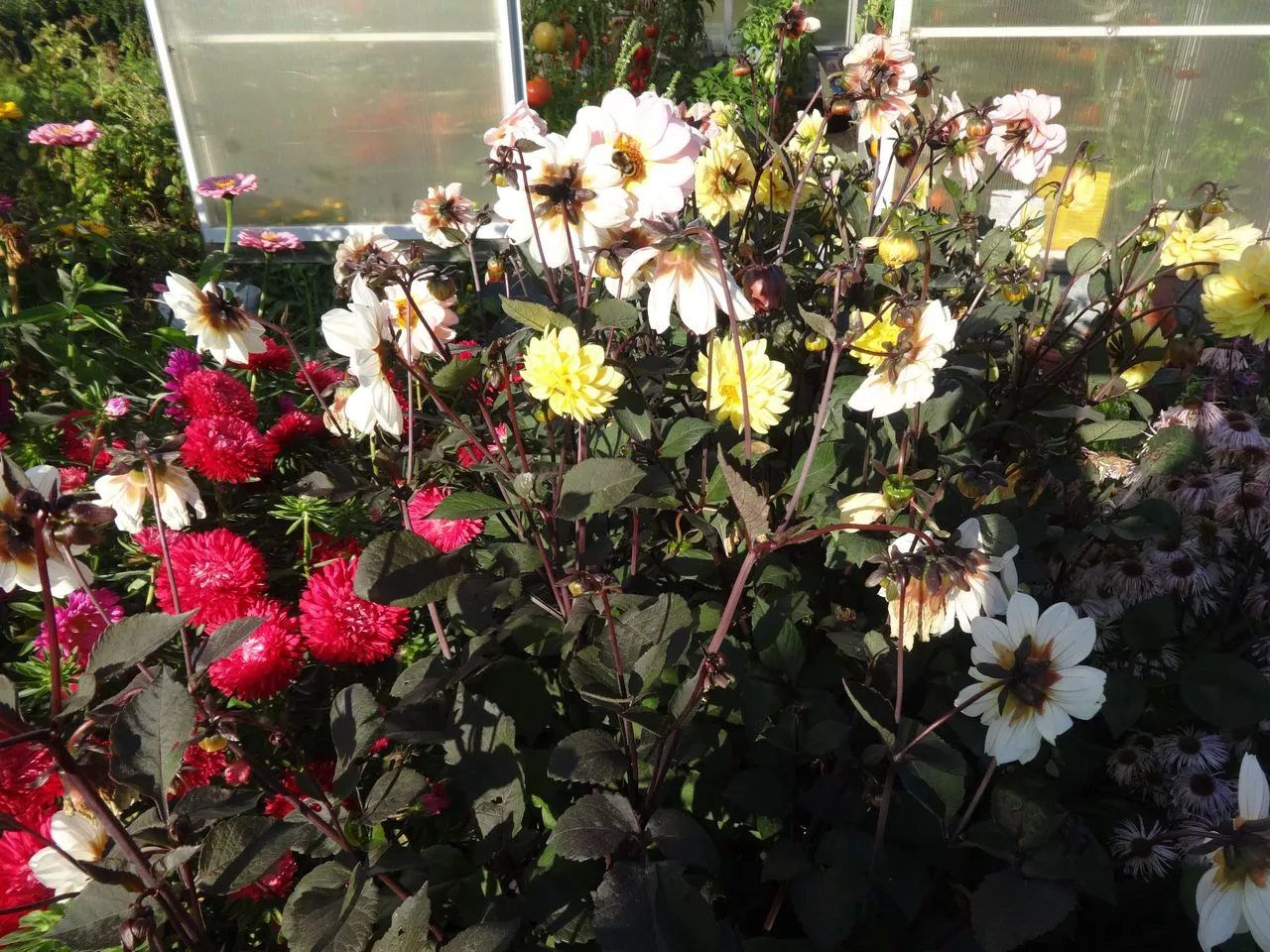
Even though it rained all summer, neither the asters nor the dahlias showed any signs of fungal diseases. Before planting, I disinfect the holes with a solution of Fitosporin or a pink solution of potassium permanganate. To prevent fungal diseases, you can also spray all the flowers with a solution of Fitosporin a couple of times during the summer.
The soil should be fertile and loose. When planting, I add a handful of humus and a pinch of azophoska to the hole, mix it well with the soil, water it, and plant the seedlings. It's important to mix the fertilizer with the soil to prevent the delicate roots from getting burned by the fertilizer.
I water well and mulch the holes with compost. The compost will help retain moisture in the soil, and the nutrients it contains will nourish the plant at first.
When the dahlias take root, I water them with herbal infusion for better growth.
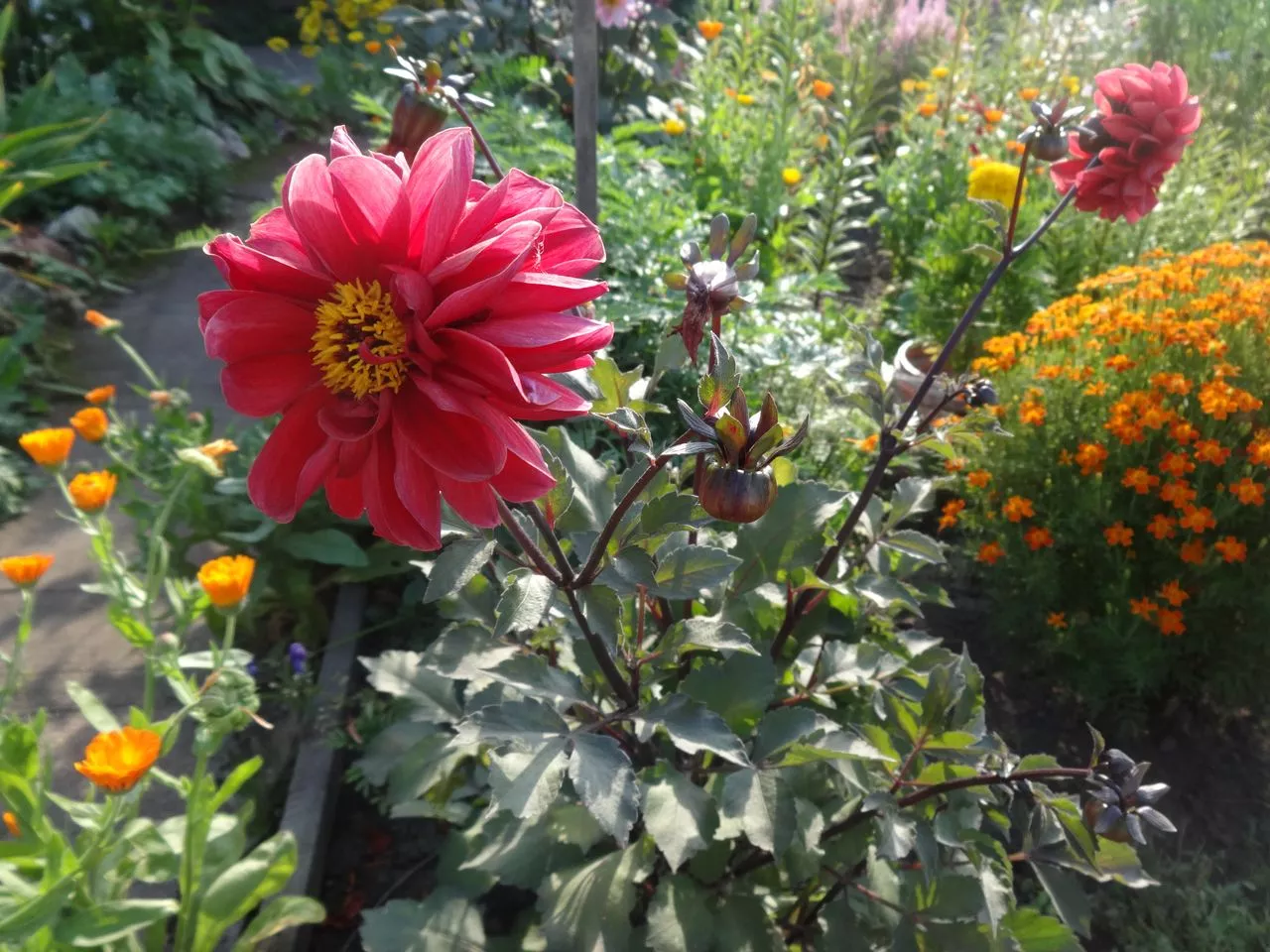
During inflorescence formation and for optimal flowering, dahlias require potassium fertilizer. I sprinkle ash under the bushes or water them with an ash solution: I dissolve 1 cup of ash in 10 liters of water, let it sit for 1-2 days, and then water.
You can also feed the soil after watering it with potassium humate, superphosphate, and other potassium fertilizers, diluted according to the instructions.
Faded flowers should be removed to encourage new buds to develop, ensuring lush, long-lasting blooms right up until the frost.
Dahlias aren't fussy plants for me. In all my years of growing them, I've never encountered any pests. The leaves are always intact, and neither caterpillars nor snails feast on the foliage.
Although dahlias do have pests, including spider mites, thrips, nematodes, whiteflies, aphids, cutworms, bugs, and slugs, they can be controlled using store-bought pesticides or folk remedies.
Dahlias can also be affected by fungal, viral and bactericidal diseases, such as white and gray rot, fusarium, black leg, leaf spots and other diseases.
But I think that if you devote at least a little time to caring for flowers, then neither pests nor diseases will be a problem.
If something unexpected happens, you can always treat the flower or remove it.
These are very unusual dahlias—I've never seen anything like them. Now I need to find seeds to plant in the spring. And you've already told me how to do it right.