
A picture dear to my heart since childhood
Dahlias have blossomed in the flower beds,
Very large, velvety,
There are terry ones, there are radiant ones,And in various colors
Bright yellow, white, red,
I can't take my eyes off it
From beautiful cheerful guys.
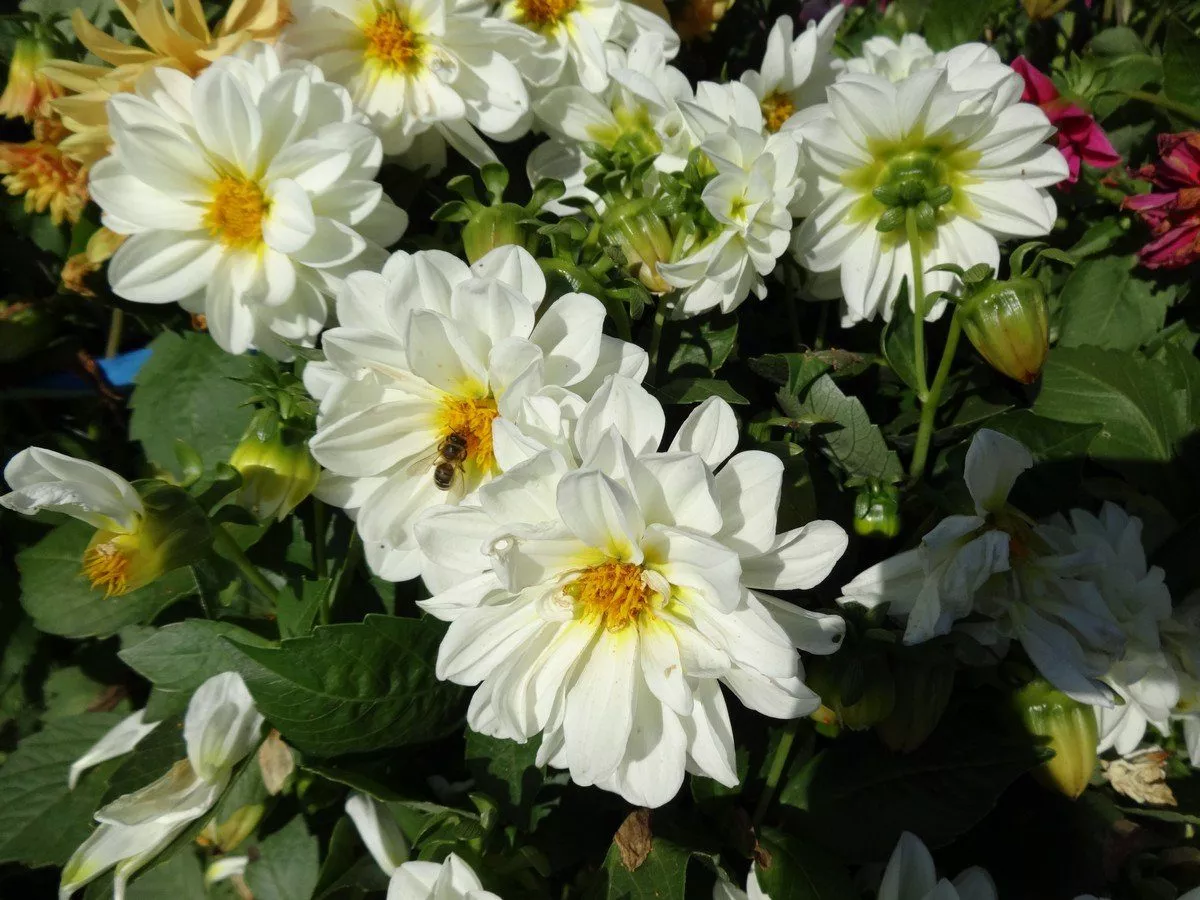
Dahlias are beautiful flowers, available in a wide range of colors, from white to deep burgundy, and even bicolor. The buds vary in shape—large and small, double and single, cactus-shaped, spherical, and pom-pom. Petals are also varied—round and oblong, narrow and pointed, curled and open.
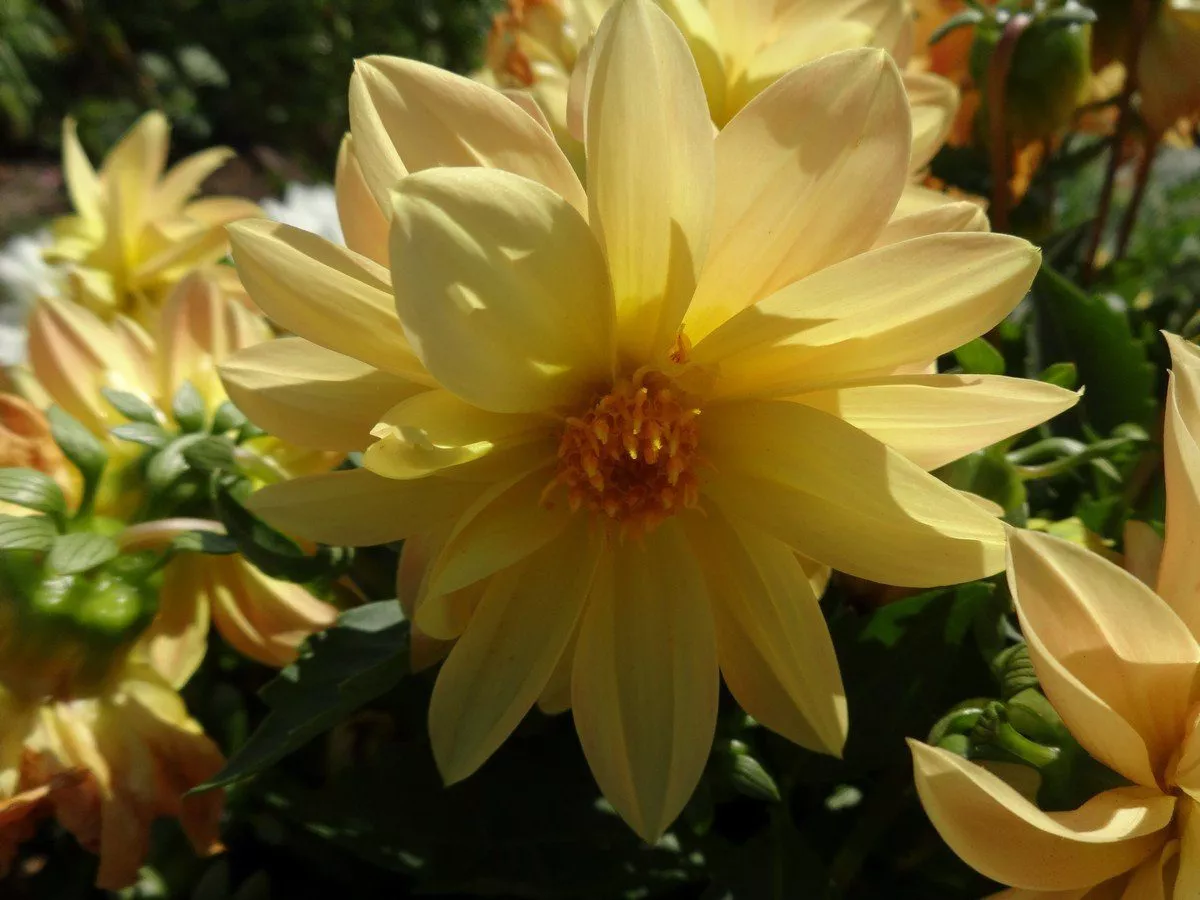
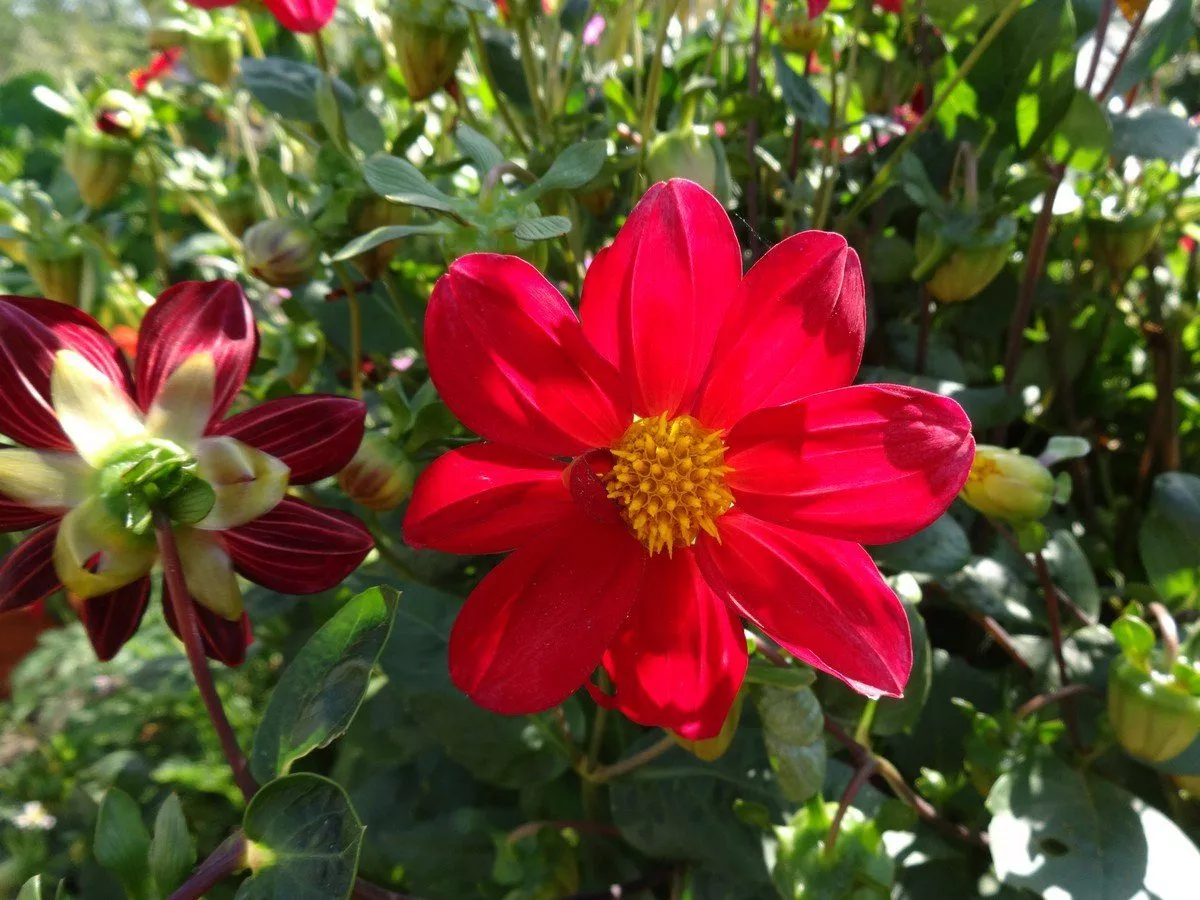
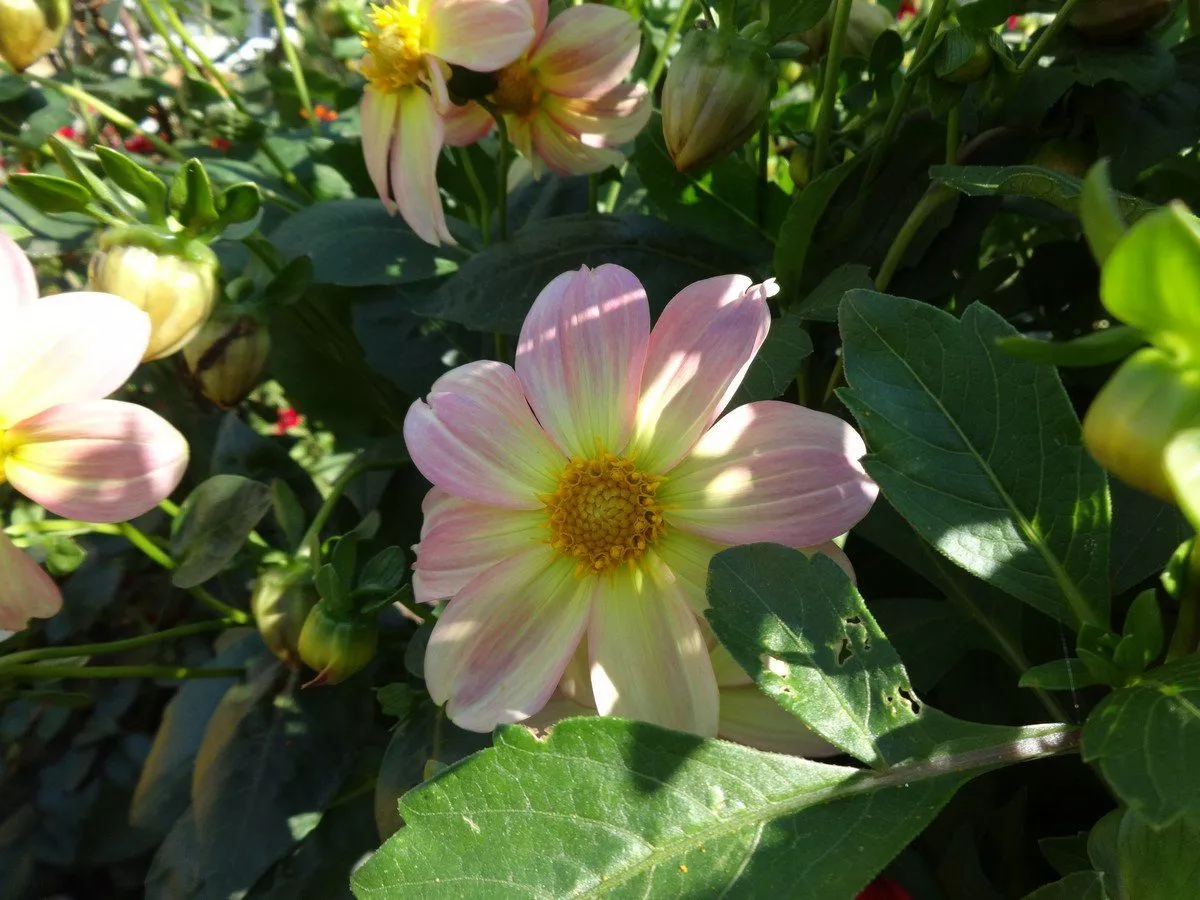
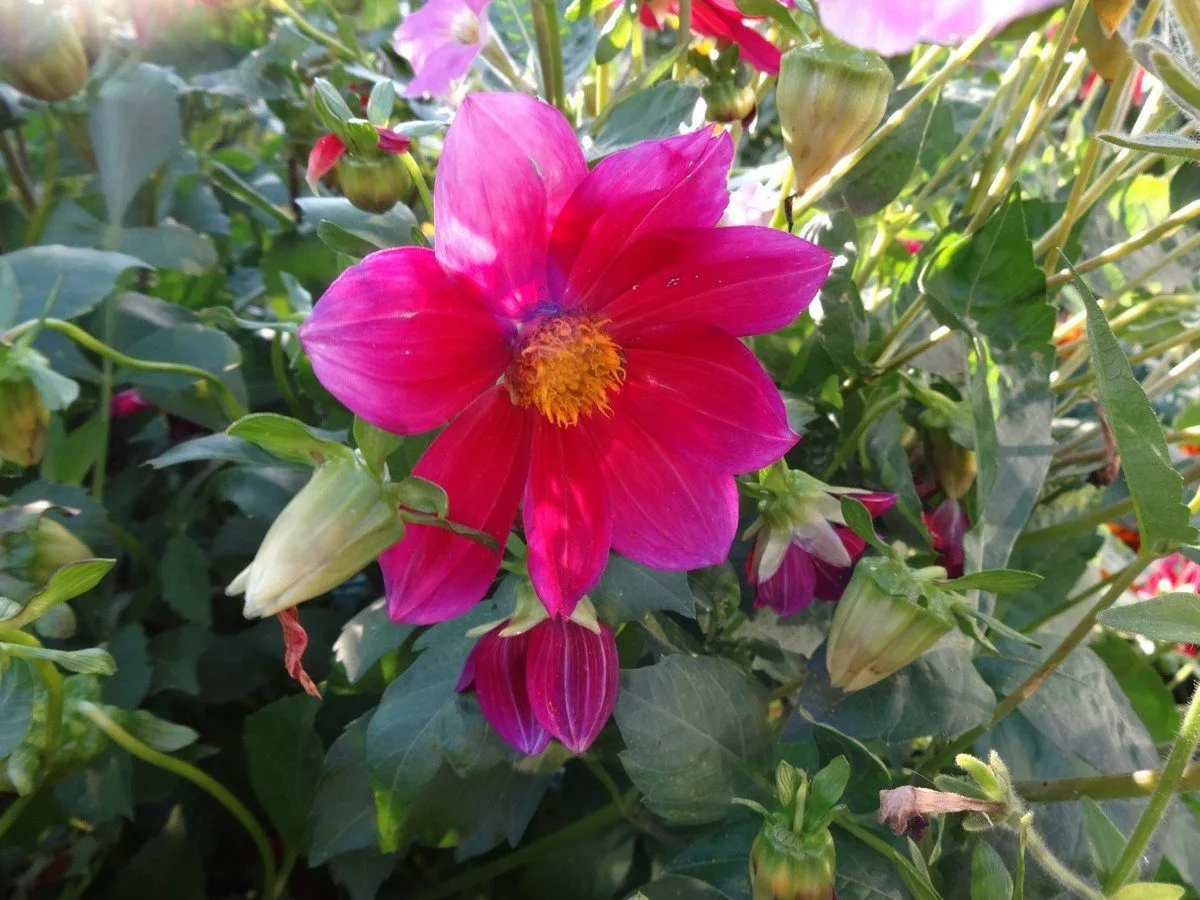
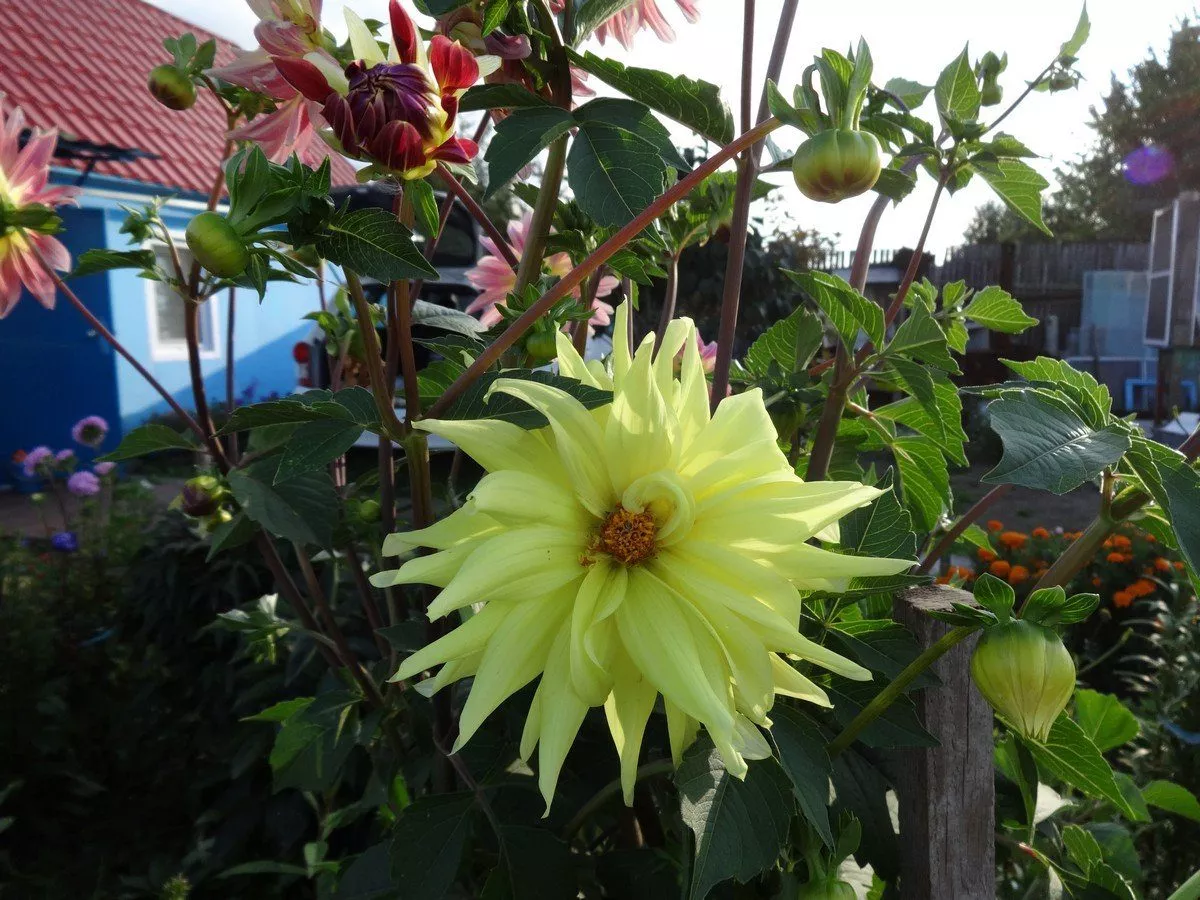
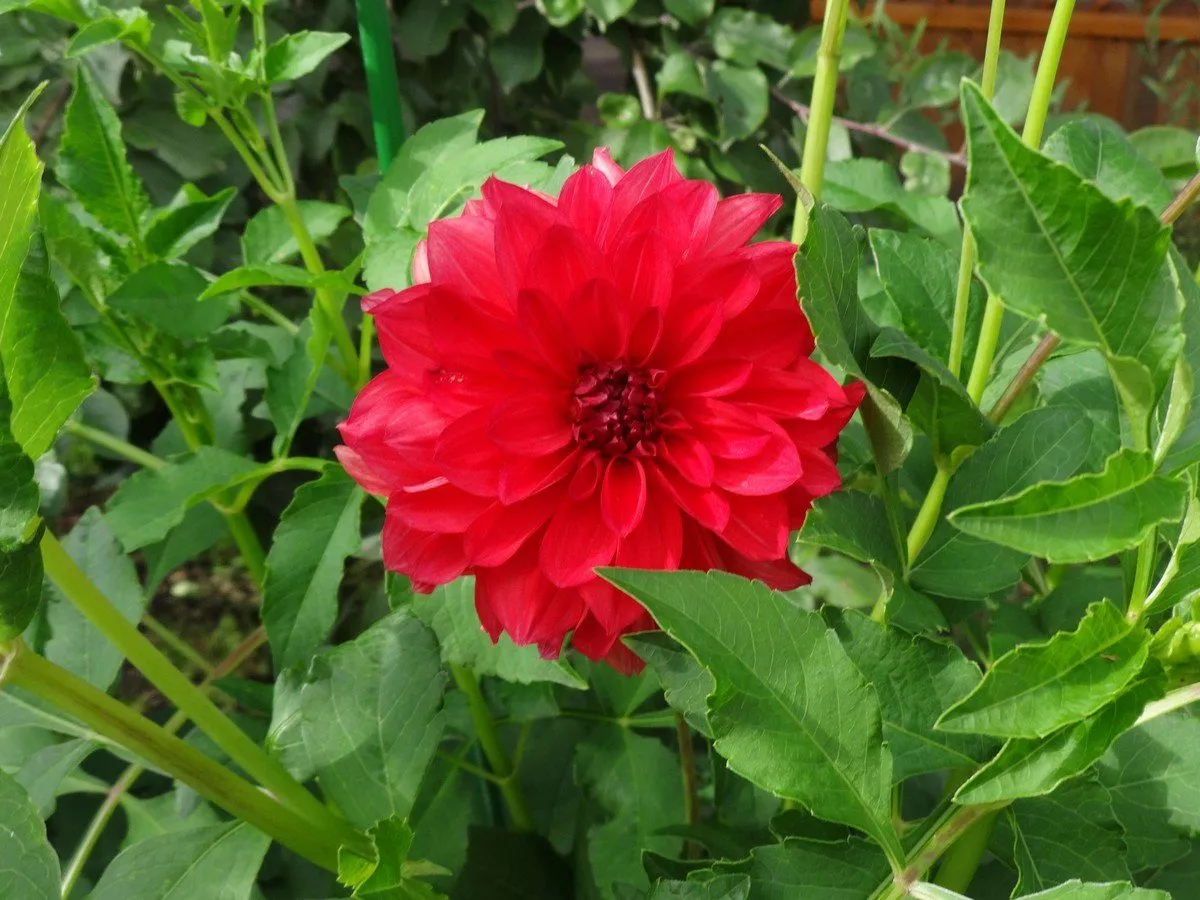
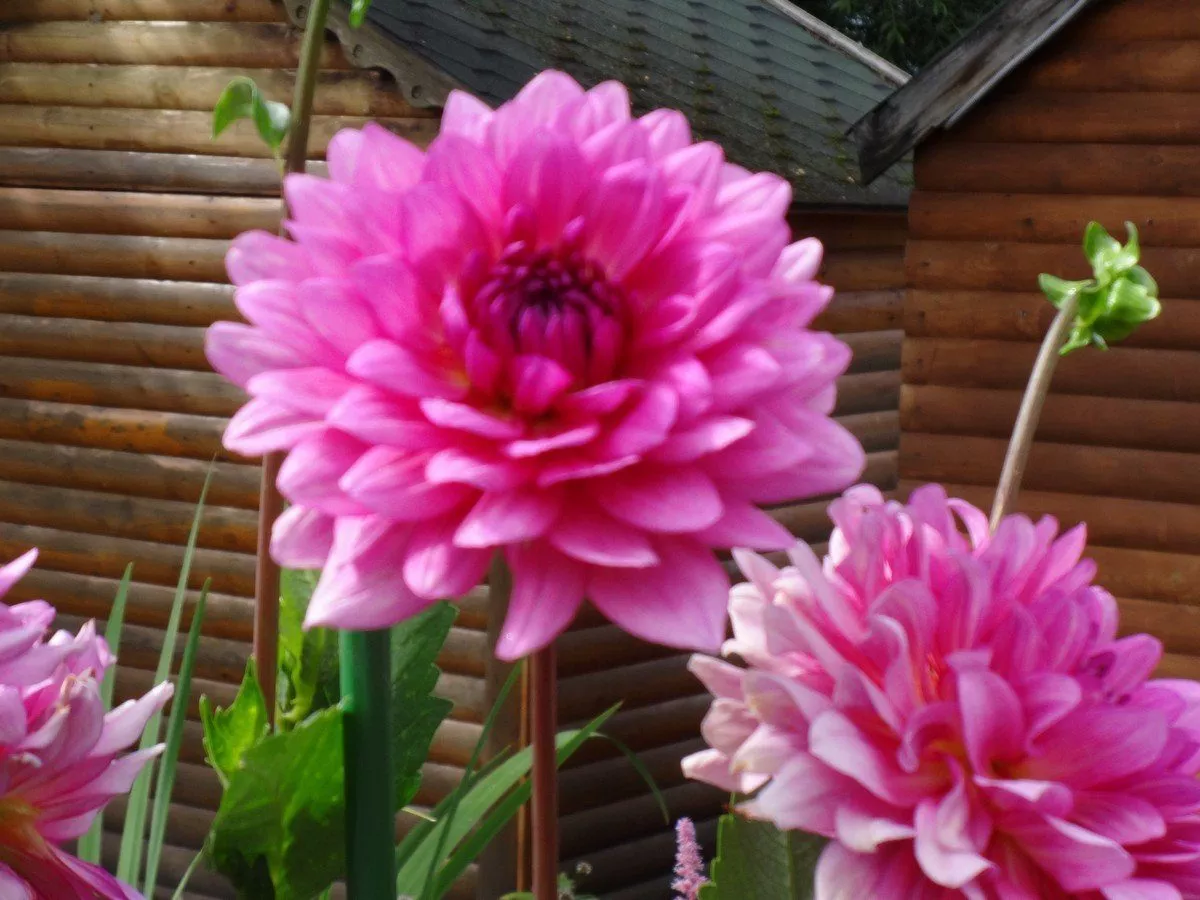
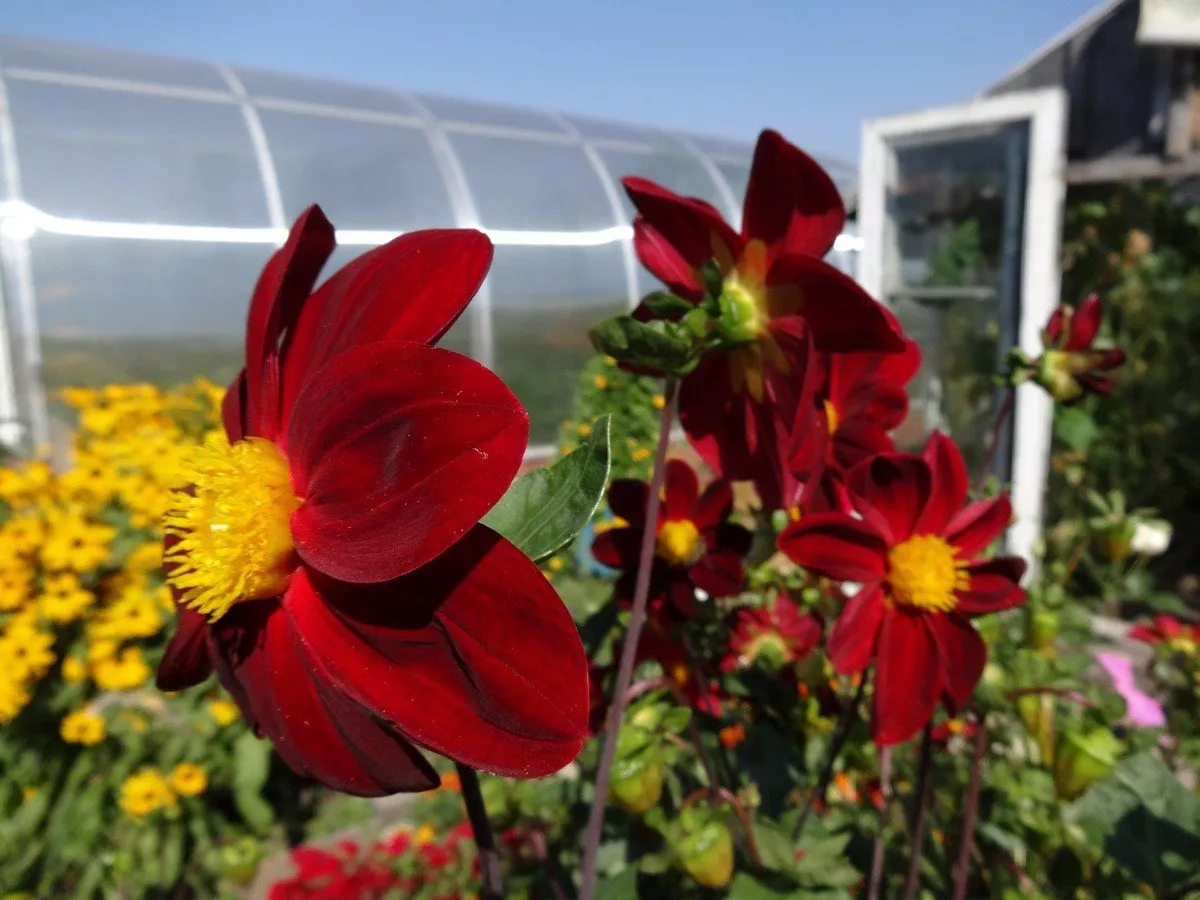
The bushes can be tall and strong, and there are also low-growing ones.
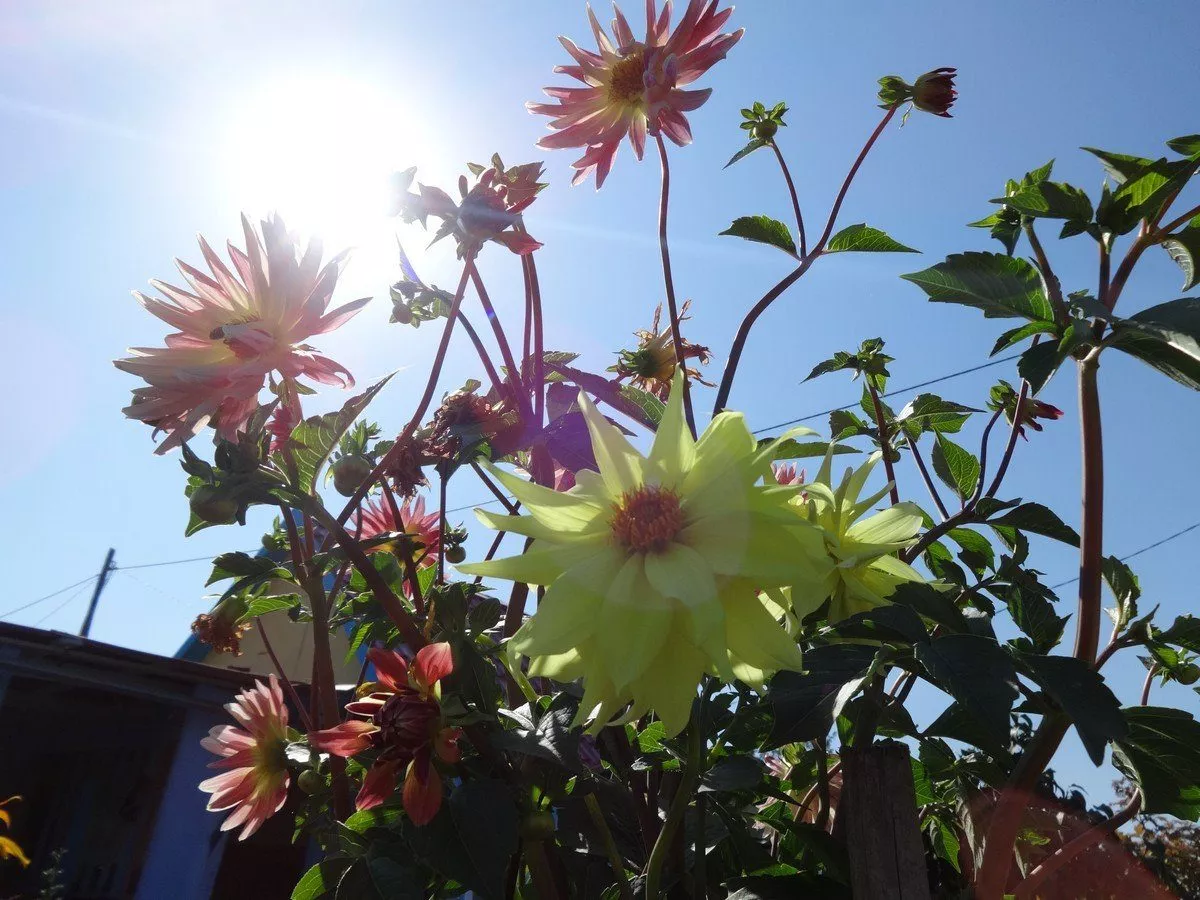
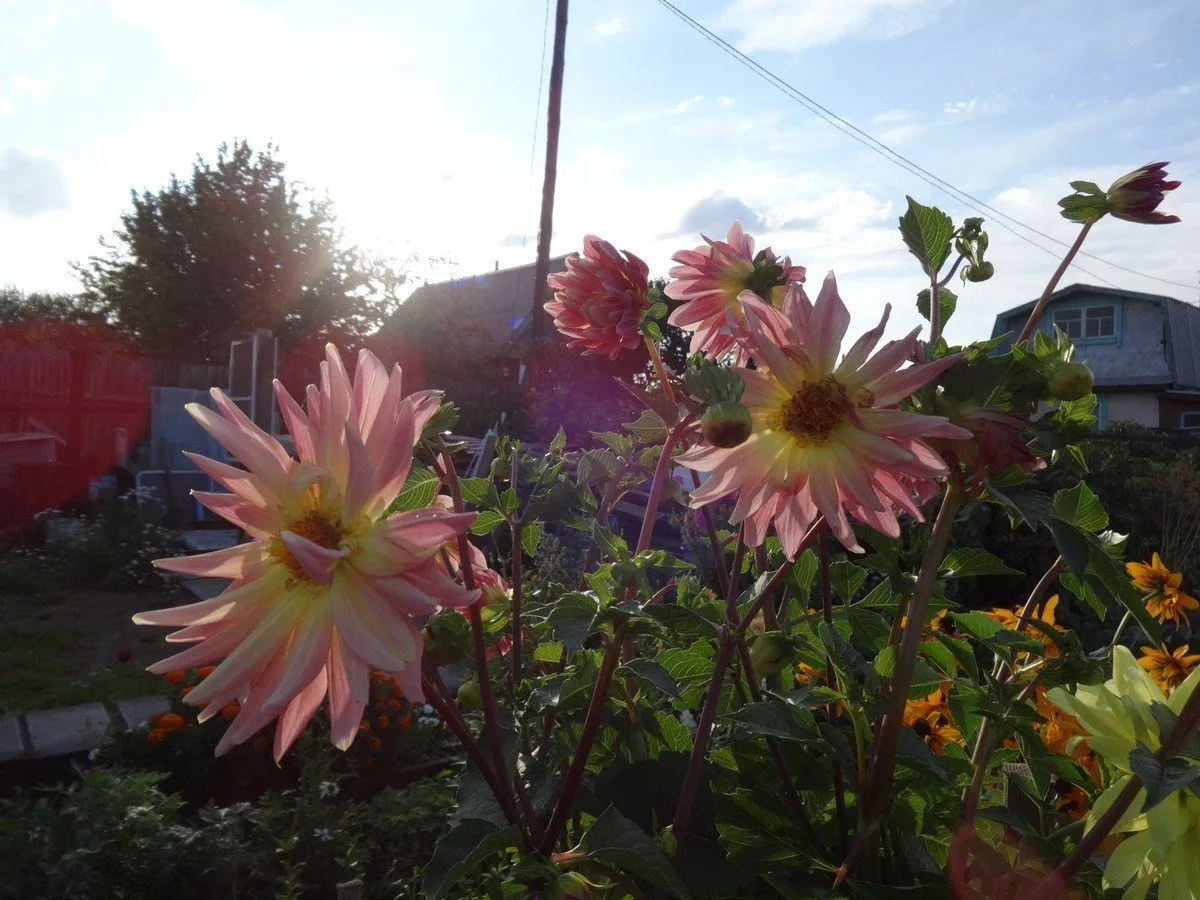
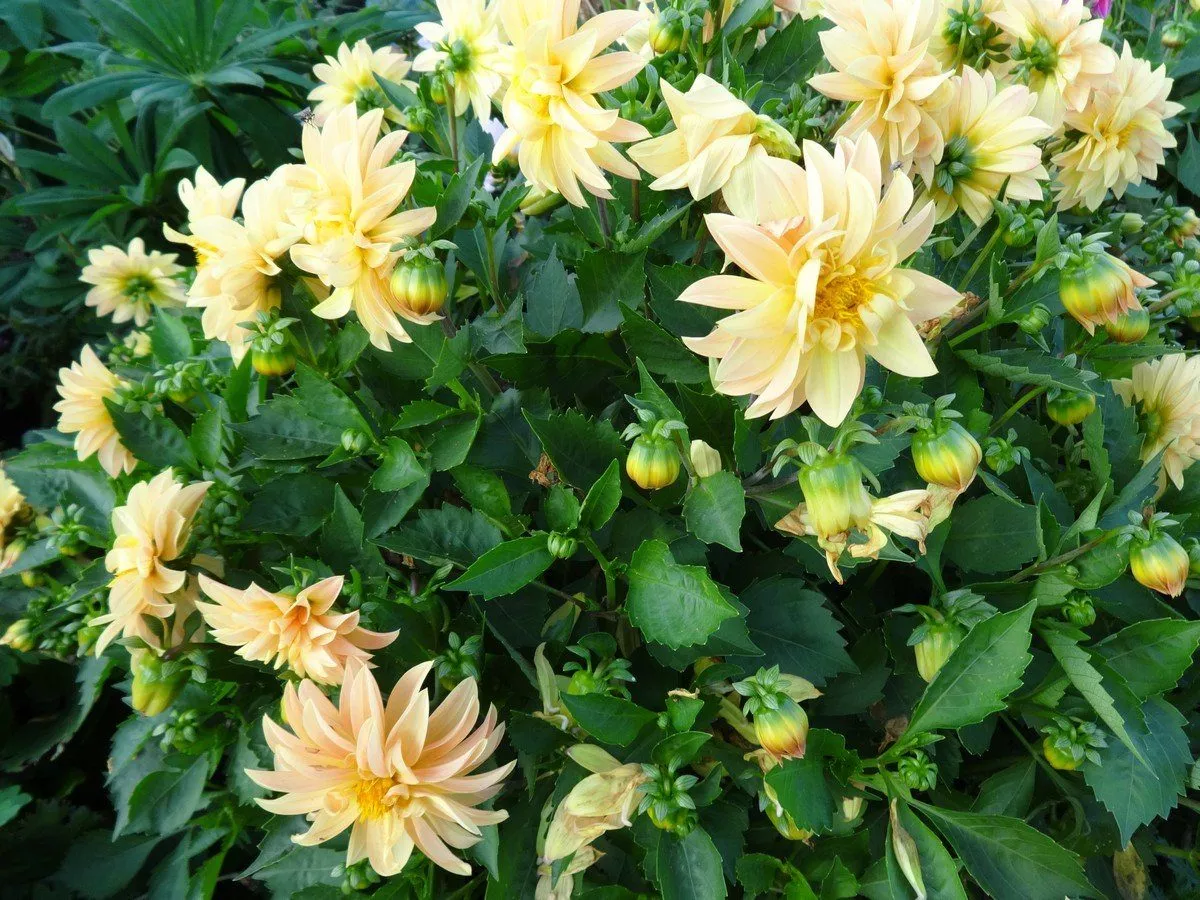
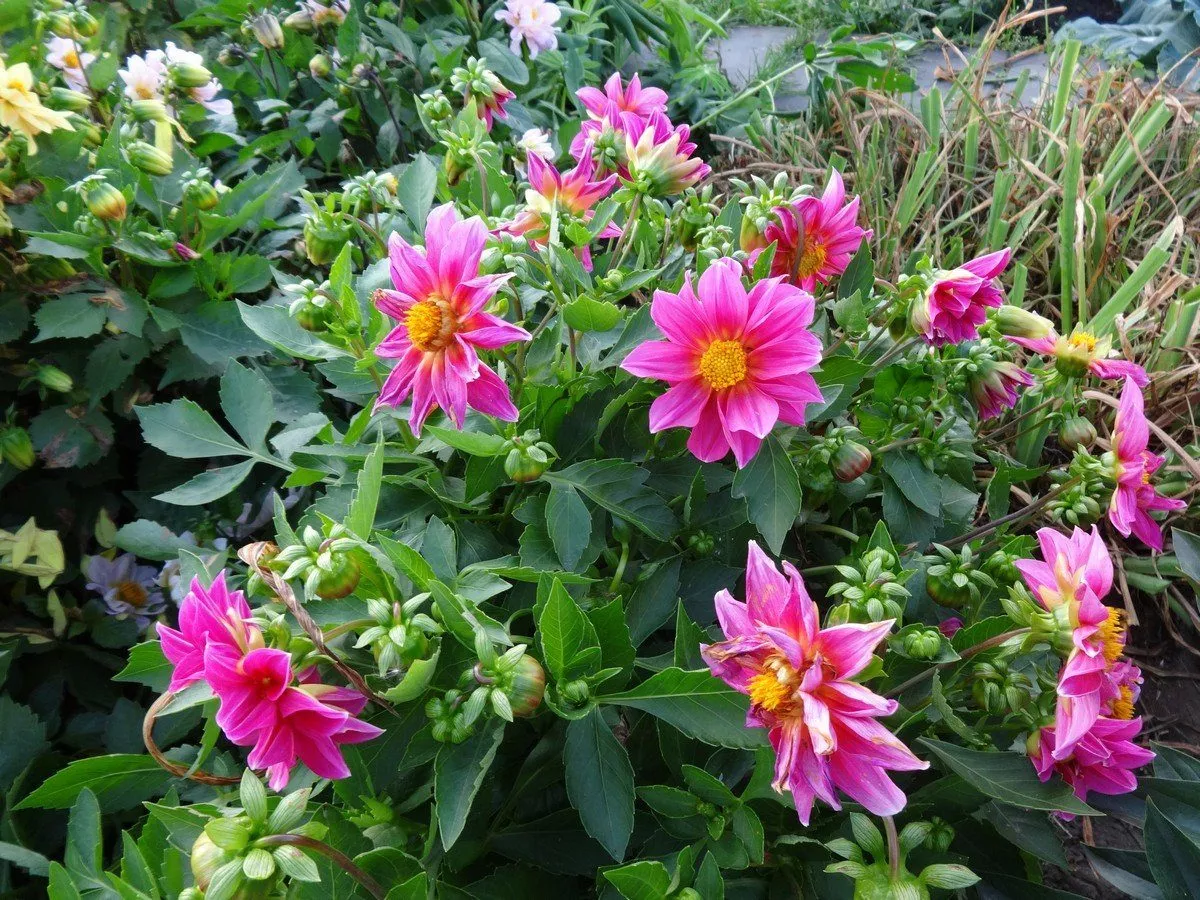
Dahlias can be perennial, the tubers of which need to be dug up for the winter, or annual, the seeds of which are sown in the spring. Dahlias bloom for a long time; in our country, the first flowers bloom in July and remain fragrant until the first autumn frosts.
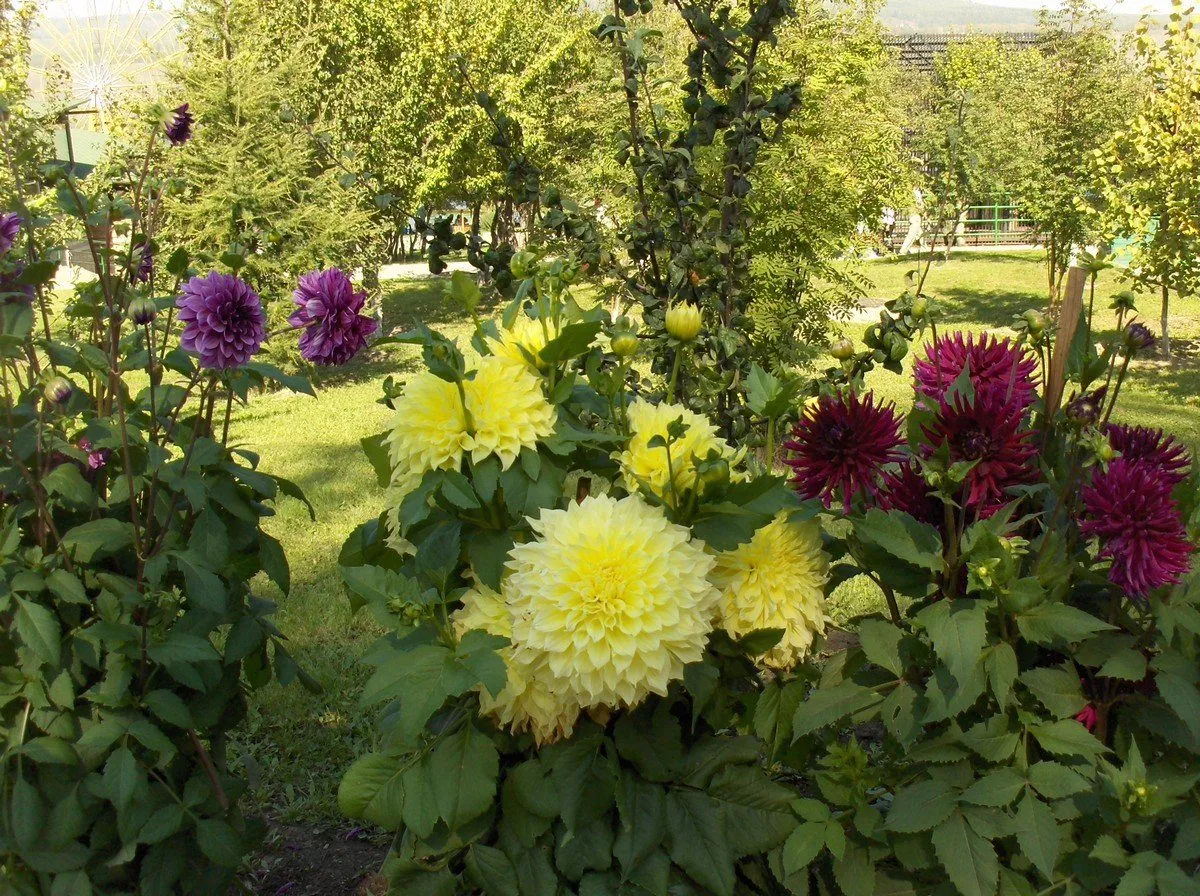
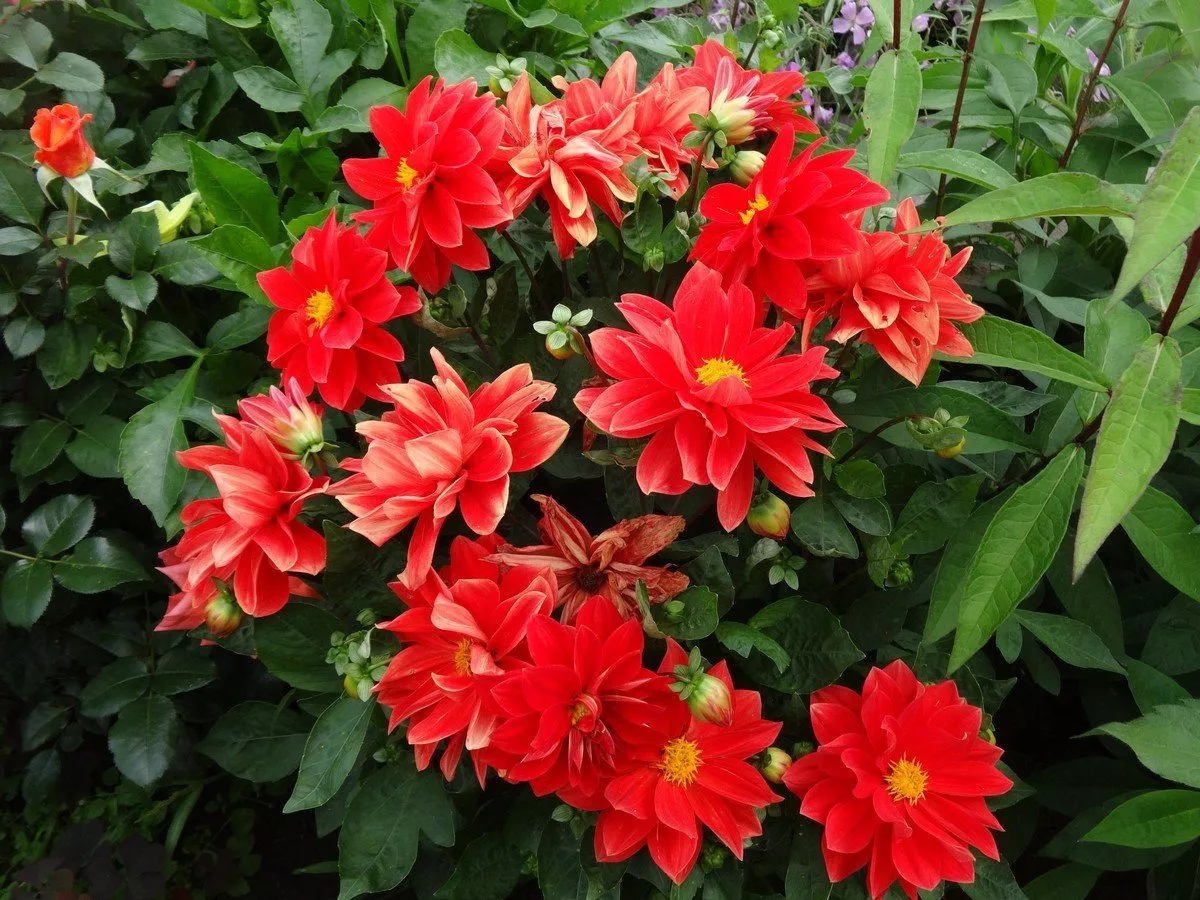
My mother loves these flowers; she used to grow perennial large-flowered dahlias, like the ones in this photo. These dahlias grow in our Royev Ruchey Park.
Now my mother is no longer involved in flower growing.
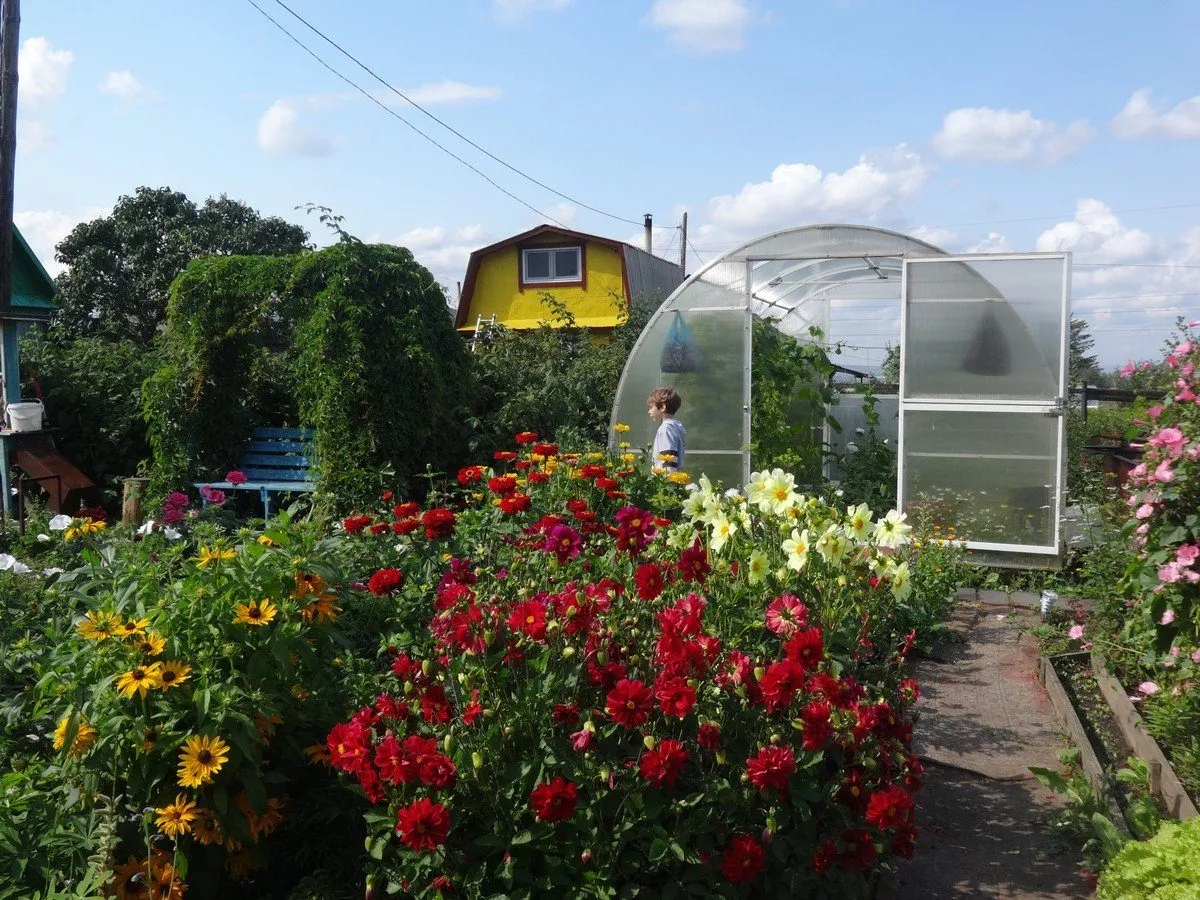
The dahlias were a real pain to deal with. We dug them up in the fall, put them in boxes, and put them in the cellar for the winter. Early in the spring, we took the boxes out, placed them on the windowsills to let them sprout, and then planted the bushes in the yard. Our entire yard was fragrant with large, colorful dahlias. On September 1st, all the neighborhood schoolchildren were provided with beautiful bouquets.
Here in Krasnoyarsk, annual dahlias of the "Vesyolye Rebyata" variety grow and bloom in every yard, flowerbed, or garden. These low-growing bushes bear fairly large flowers. These vibrant, multicolored blooms—white, red, pink, yellow, lilac, and burgundy—adorn our Siberian yards all summer long.
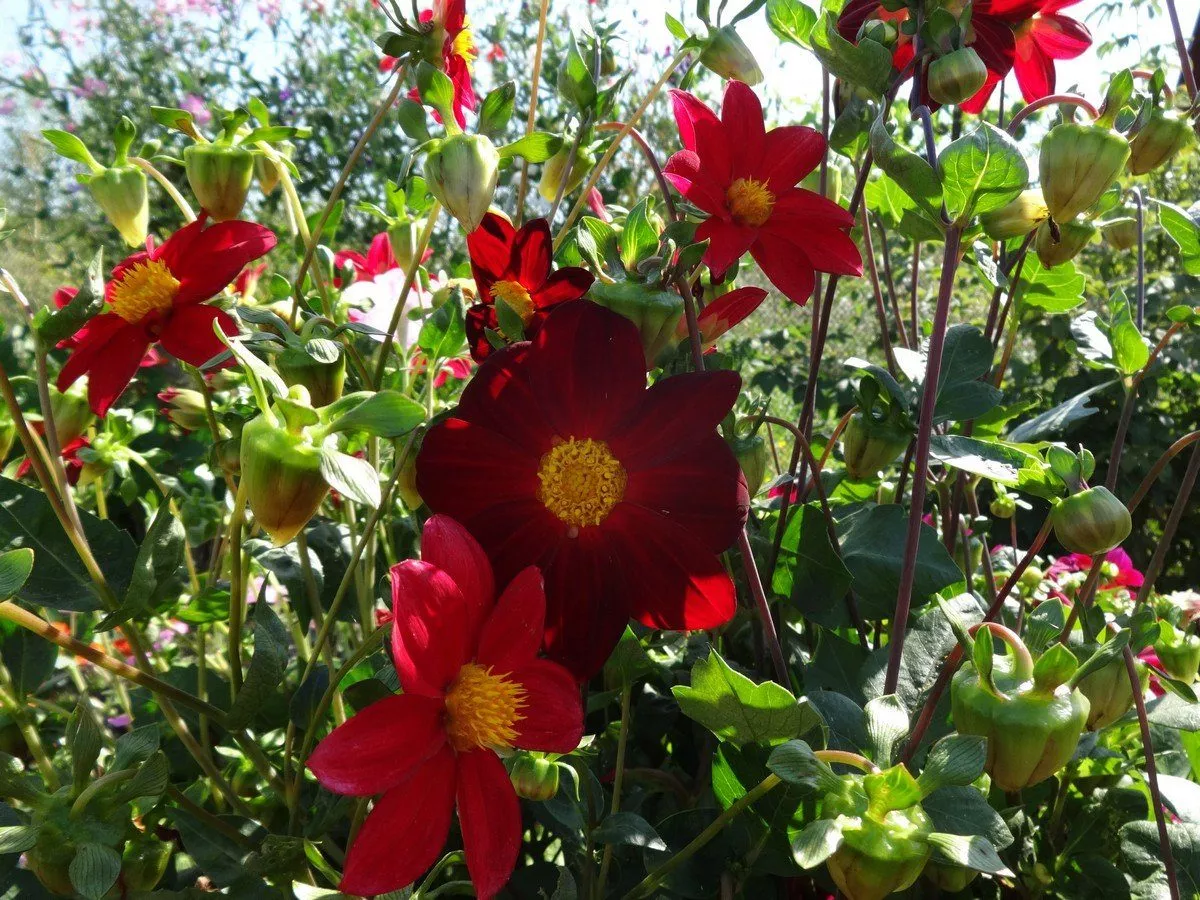
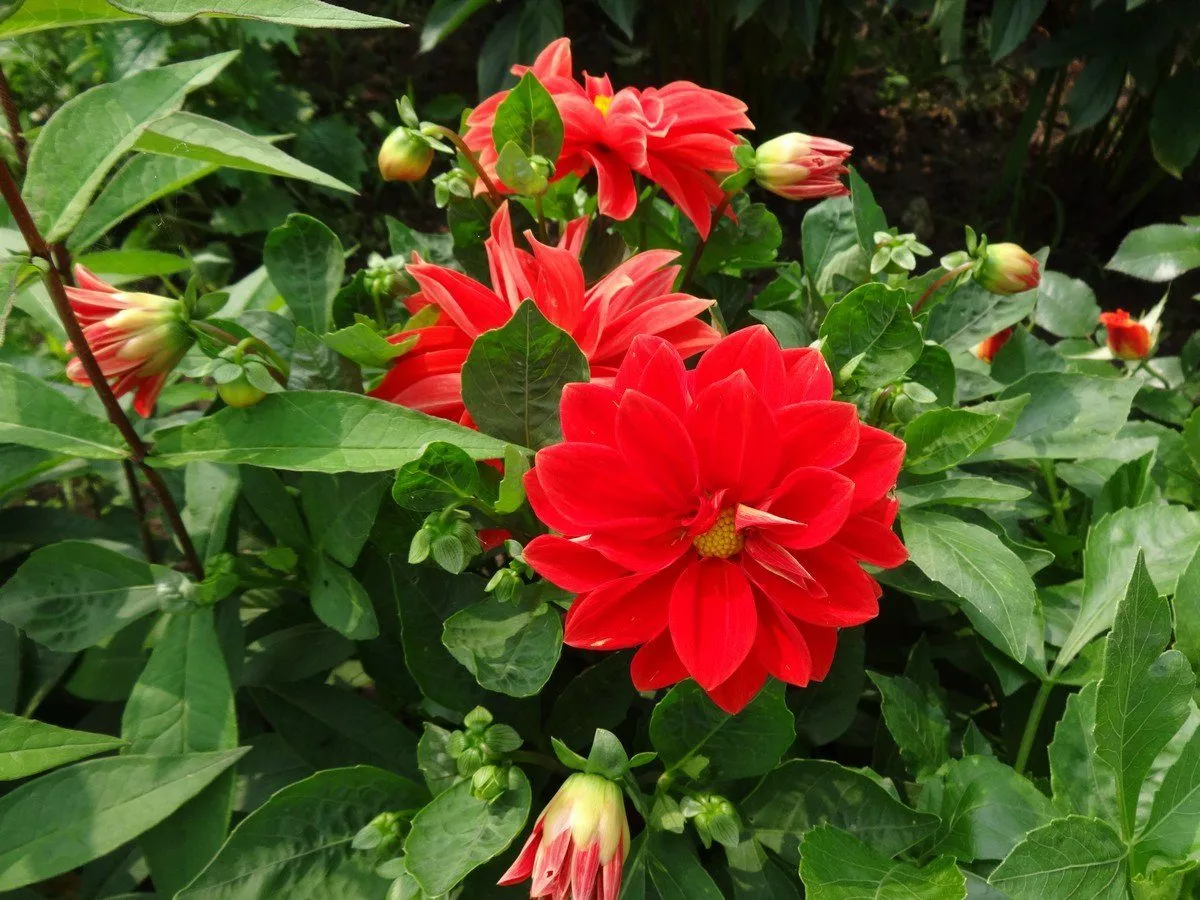
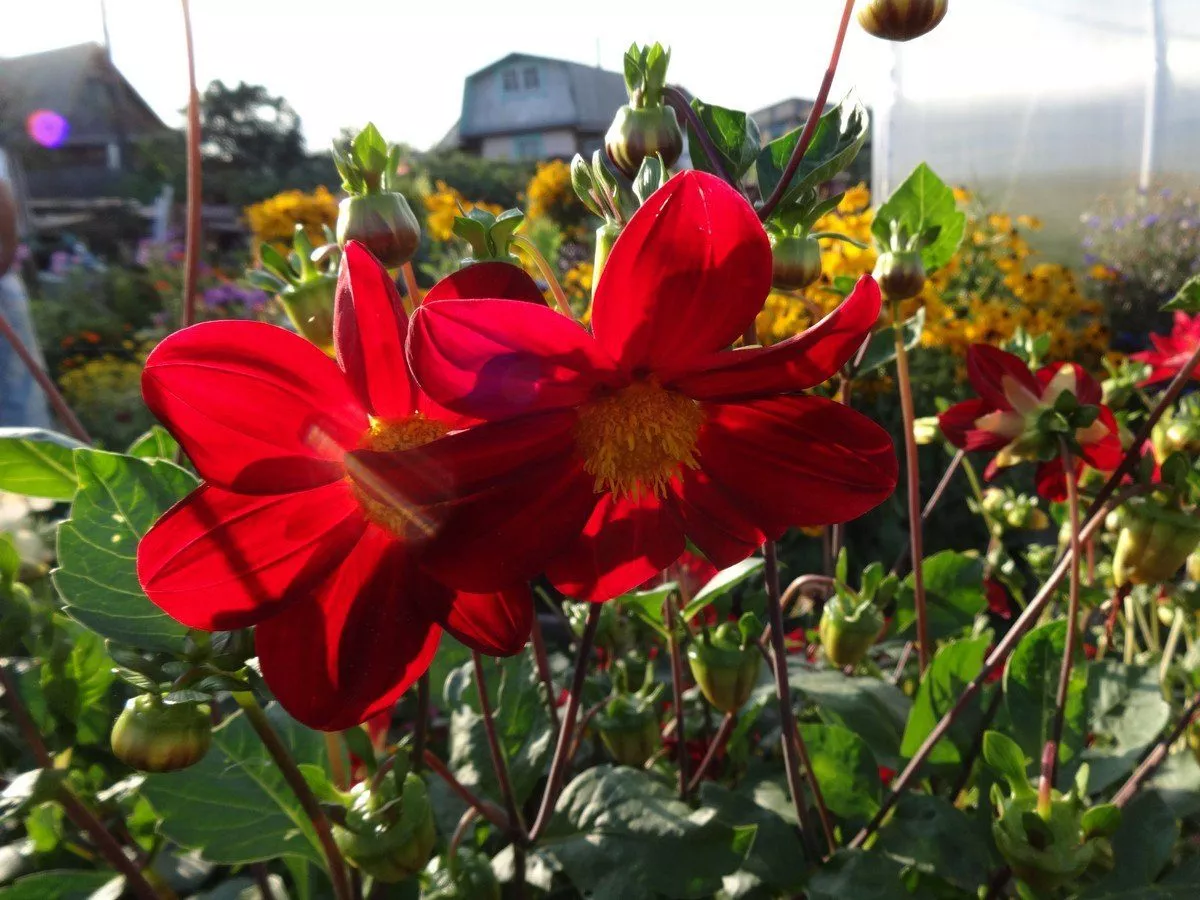
I also grow dahlias at my dacha. I don't want to bother with perennials, so I grow annuals. Every spring, I sow seeds in boxes, and the seedlings grow in the greenhouse until the end of May, then I plant them in the ground. I buy different varieties; I prefer low-growing ones like "Vesyolye Rebyata" and "Figaro."
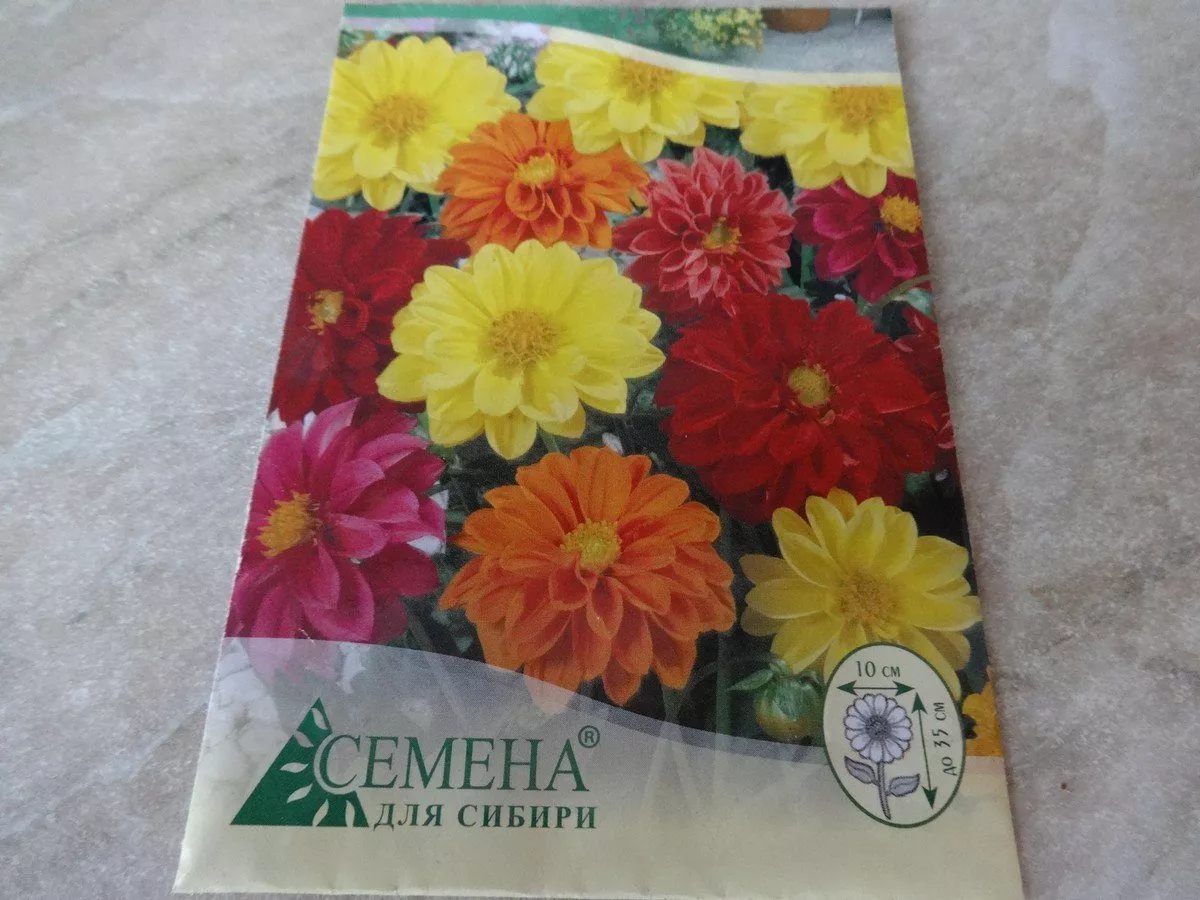
Dahlias grow well and bloom profusely in sunny locations. When transplanting seedlings, I usually add a little wood ash and compost to the hole, water, and mulch the plants. To speed up growth, I feed them with grass fertilizer.
Tall and medium-sized bushes must be supported, as dahlias have fragile stems that easily break during rainy weather. Shorter bushes do not require support.
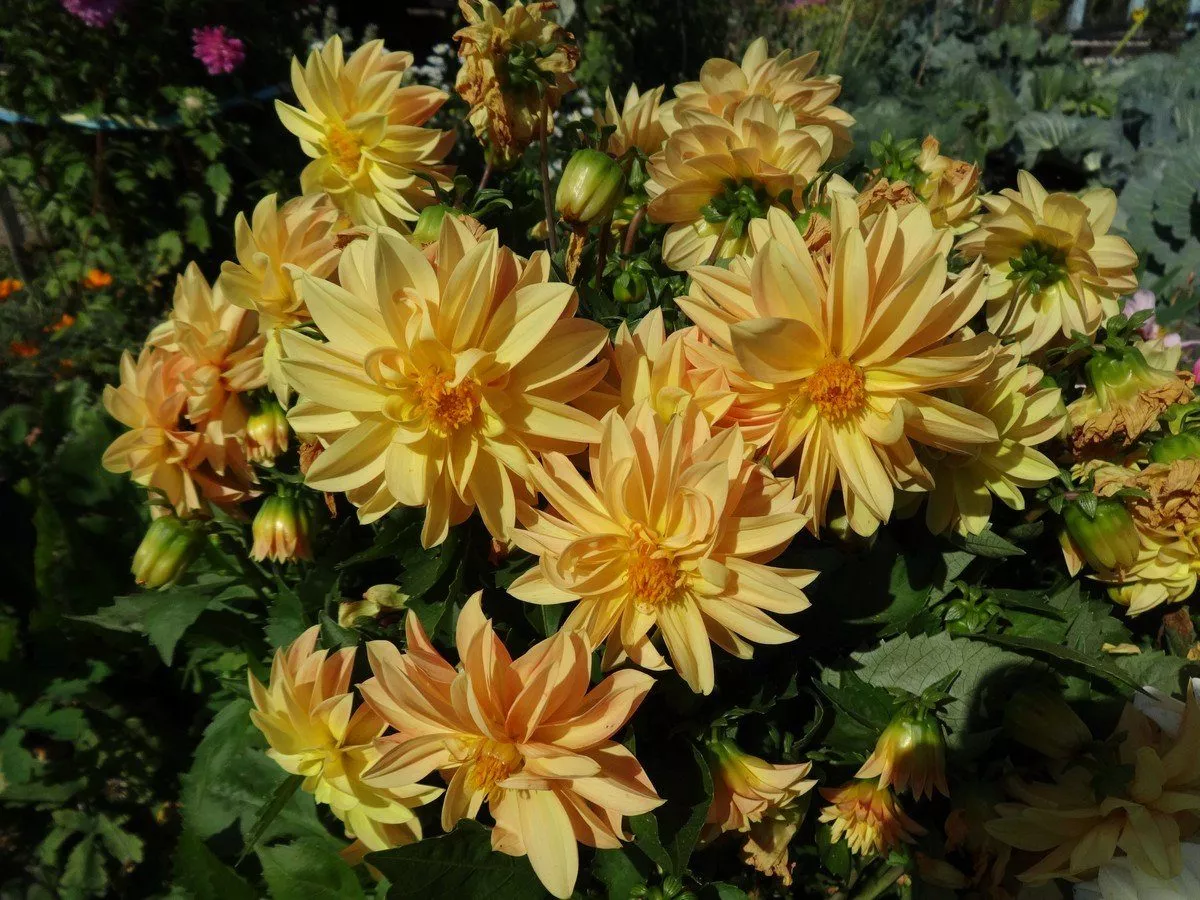
To ensure long-lasting blooms, faded buds should be removed, which will encourage new flowers to grow. Sometimes I leave a few faded buds on my favorite varieties, saving them for seed and harvesting them in the fall. Dahlia seedlings often sprout in the flowerbed in the spring by self-seeding. If you pull up the plant in the fall, you may find tubers growing on the roots. These can be stored in a cellar over the winter and then planted in boxes in the spring. So, propagating dahlias is a no-brainer.
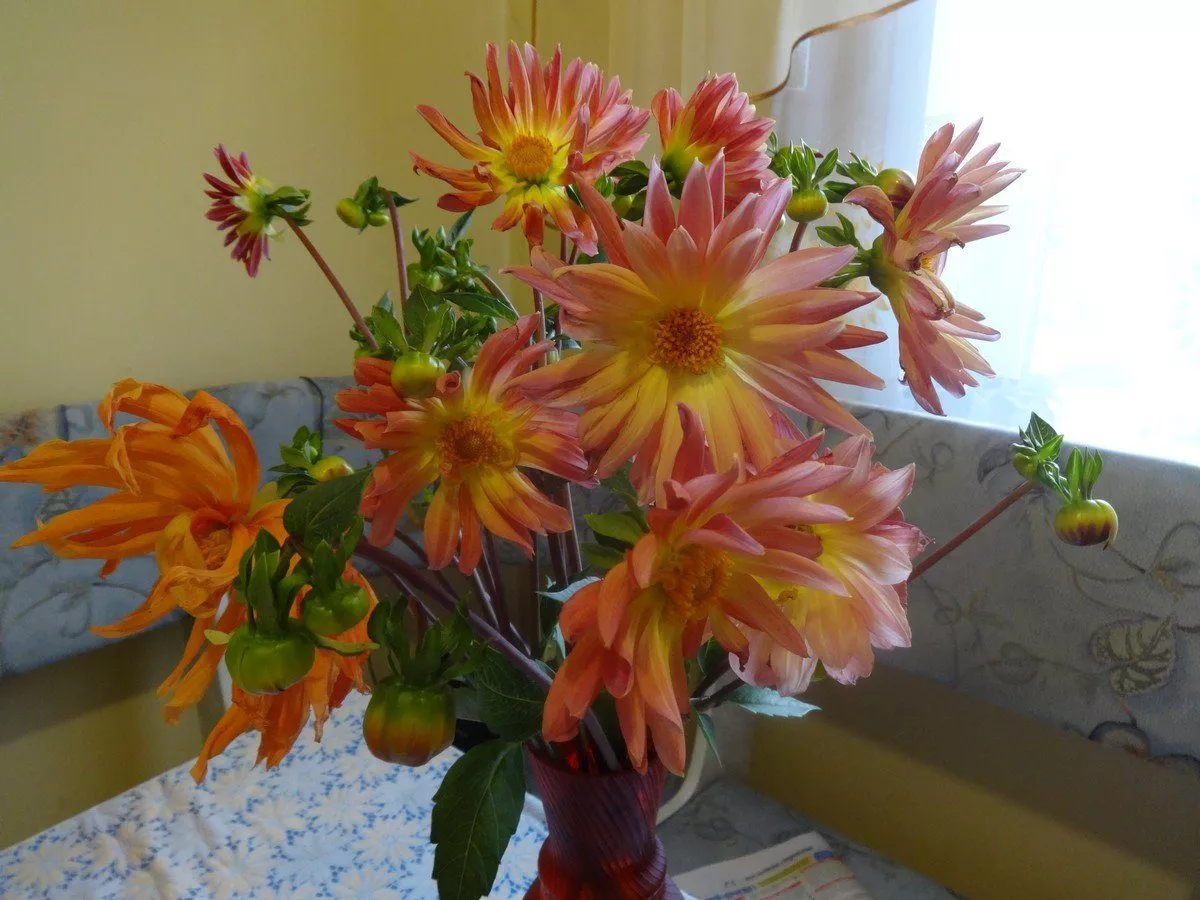
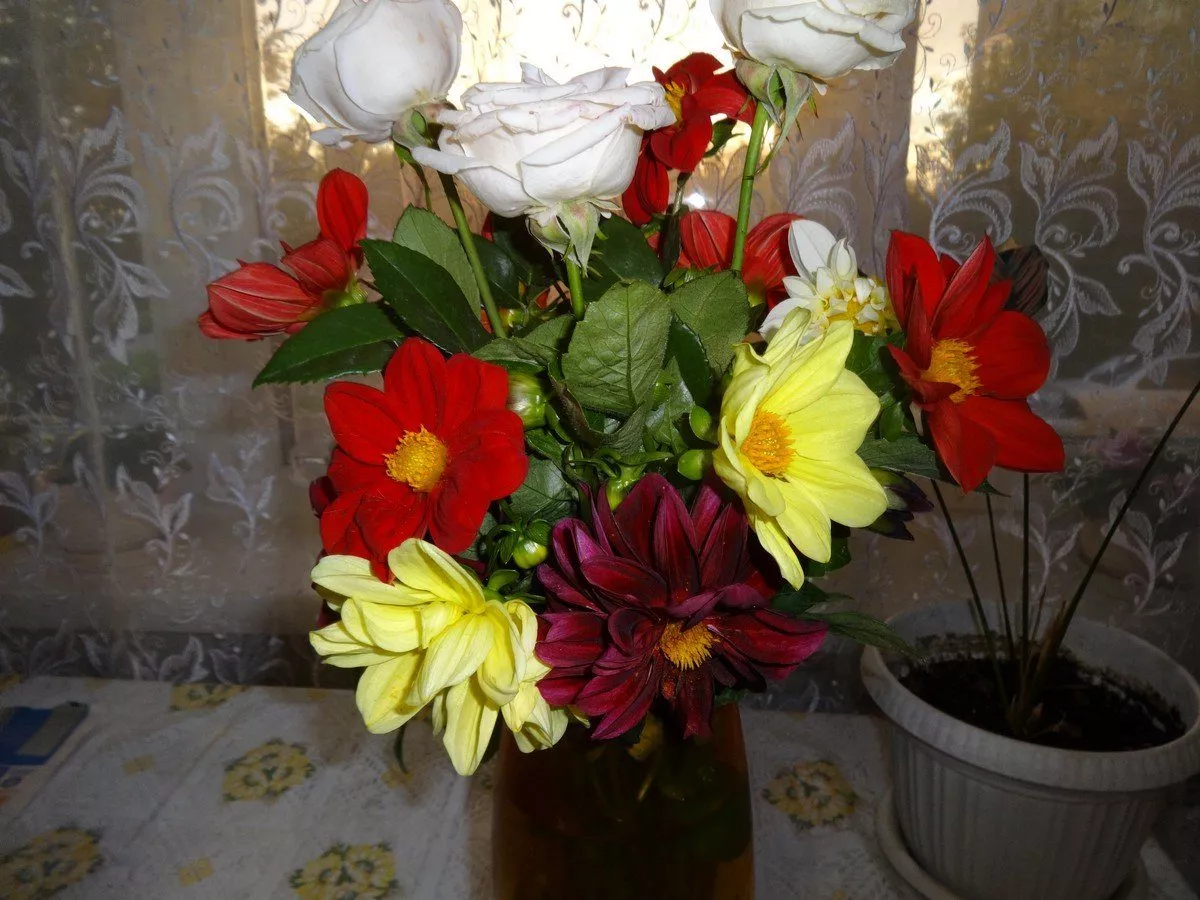
Dahlias also look beautiful in bouquets.
Diseases and pests
Dahlias can suffer from rot, fusarium wilt, and fungal diseases, especially in rainy summers or from overwatering. Leaf spots and powdery mildew may appear. I haven't encountered any such problems; even in this rainy summer, the dahlias are healthy. The only pests that have chewed the leaves are likely cutworms, although there are no caterpillars visible on the plants. Or perhaps slugs. We've had a lot of them this year. It's been raining for three months now, and these vermin are everywhere—on cabbage, hostas, ligularia, strawberries.
I've sprinkled wood ash under the bushes several times, but it washes away in the rain. I sprinkled mustard mixed with red hot pepper; maybe that will keep the slugs away from my plants. I read online that sprinkling superphosphate on the soil under the bushes will kill the slugs. But these are minor issues; these problems can be addressed with pest control.
What beauty! ?