

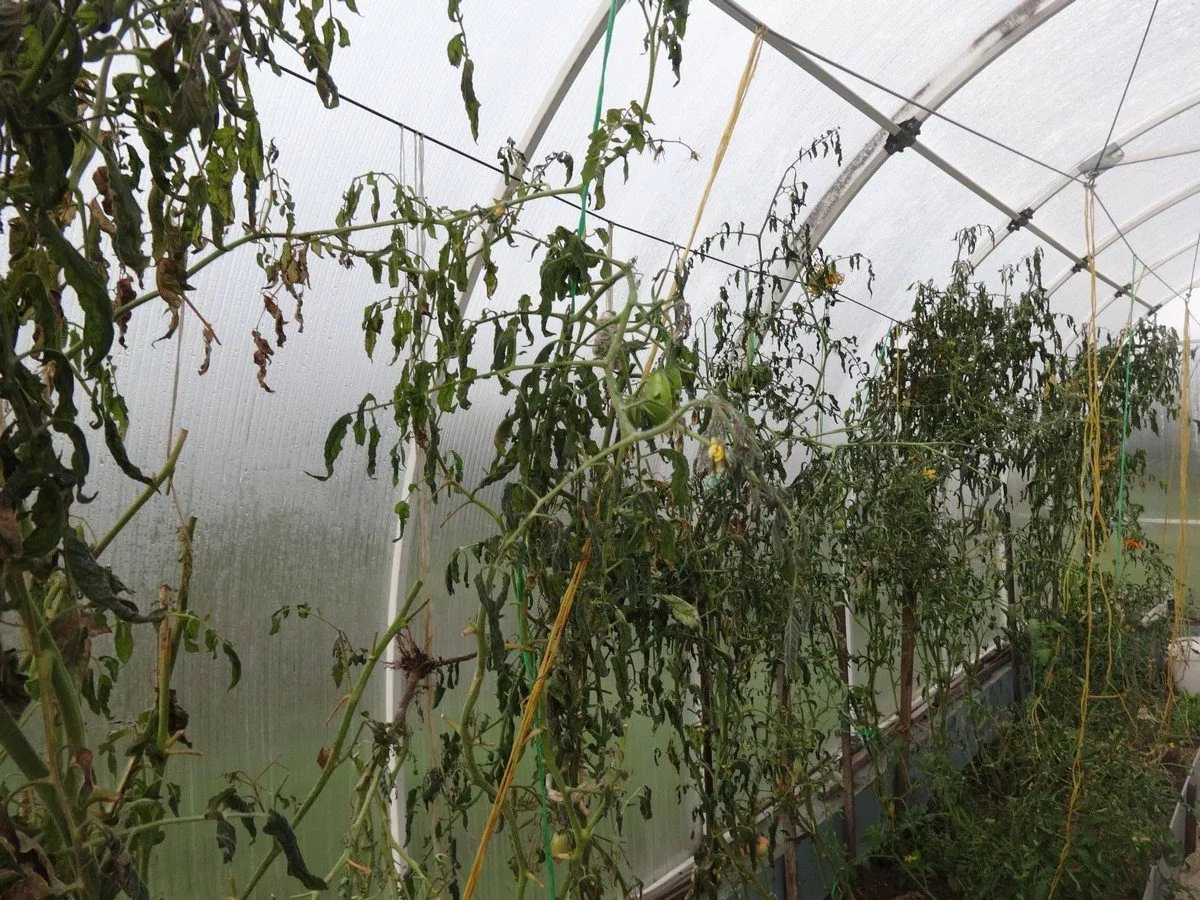
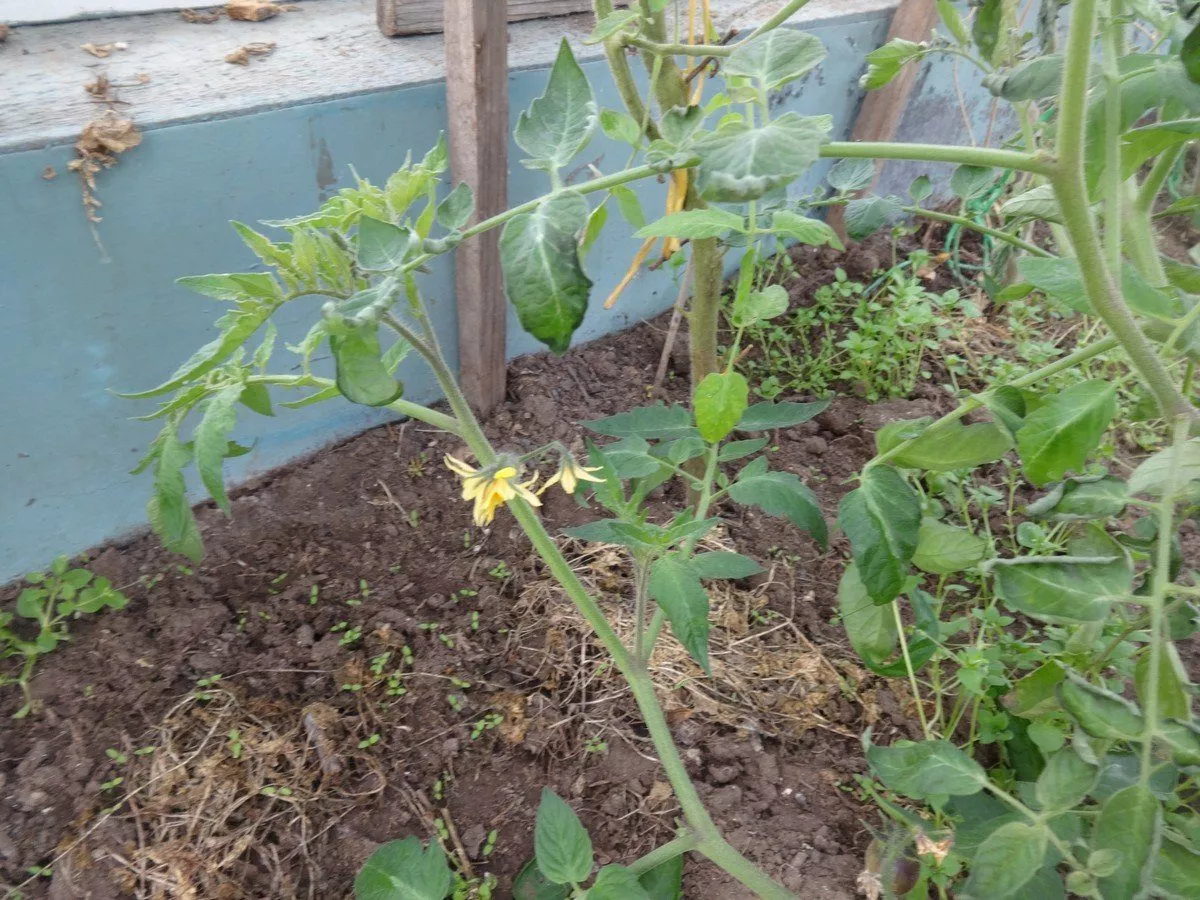
The first frosts arrived in early October. The tomatoes in the greenhouses froze, the branches touching the walls and roof withered, and the side shoots near the ground stubbornly continued to bloom.
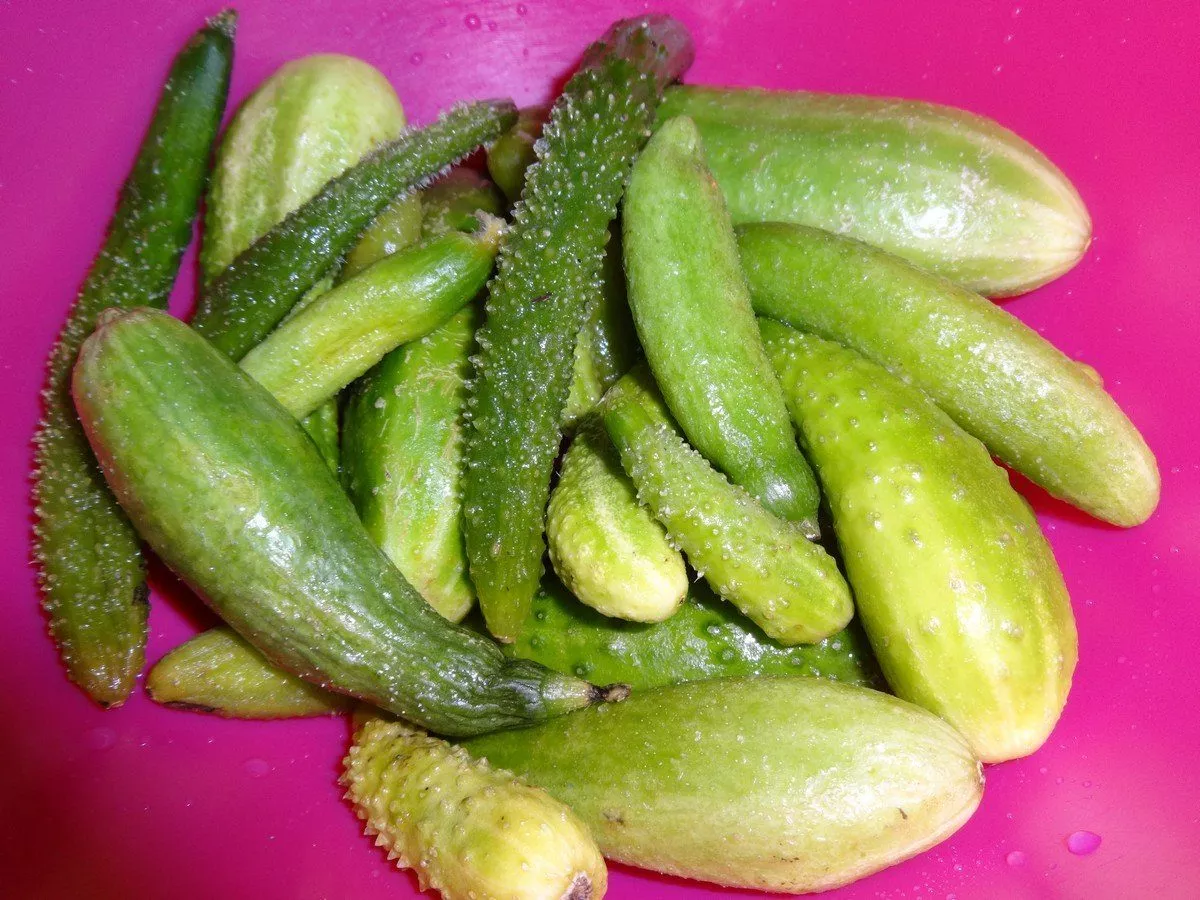
The cucumber vines were drooping. I pulled out the bushes and picked tiny cucumbers from them; they were sweet and crunchy.
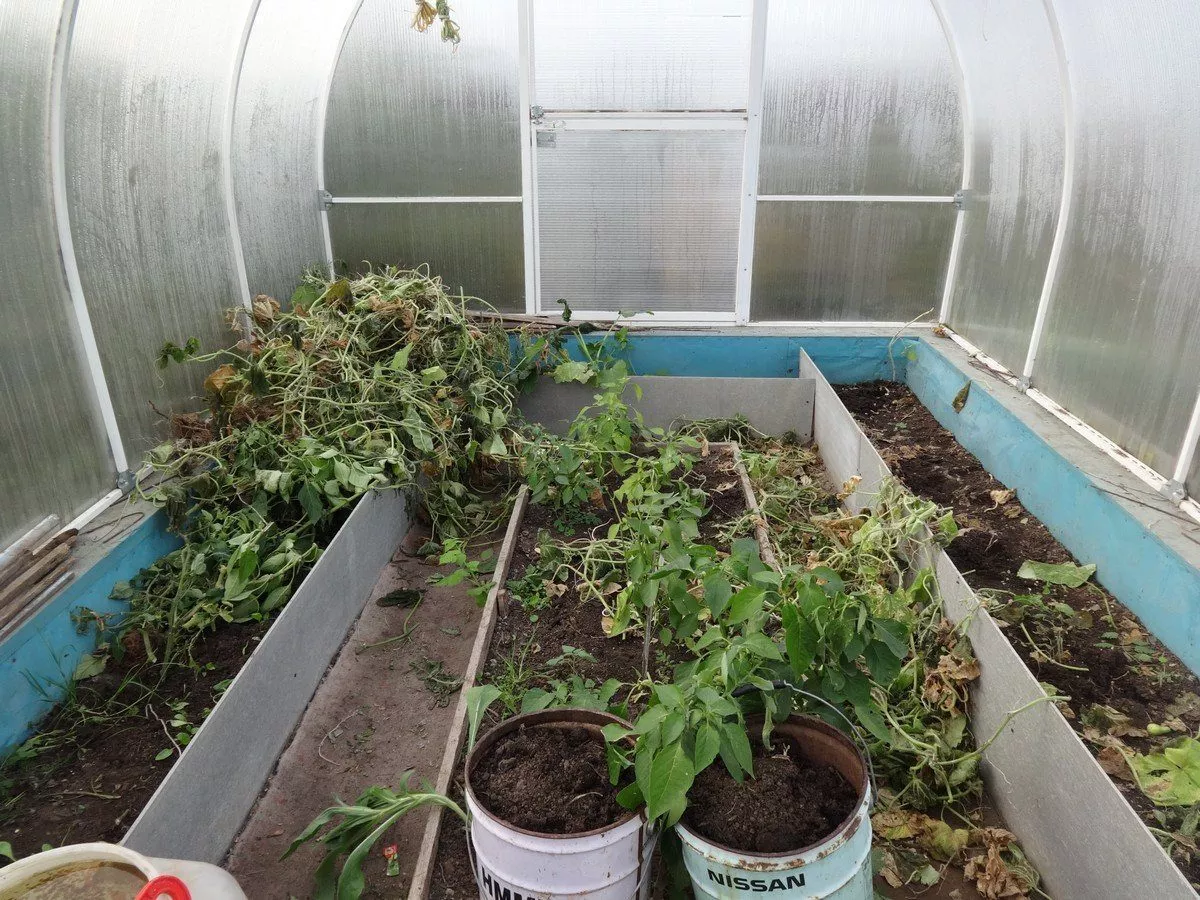
The peppers, untouched by the frost, are in full bloom, unable to believe summer is over. It's a shame to pull them out, but they refuse to die; they cling to life, catching every ray of sunshine, stretching their white flowers toward it.
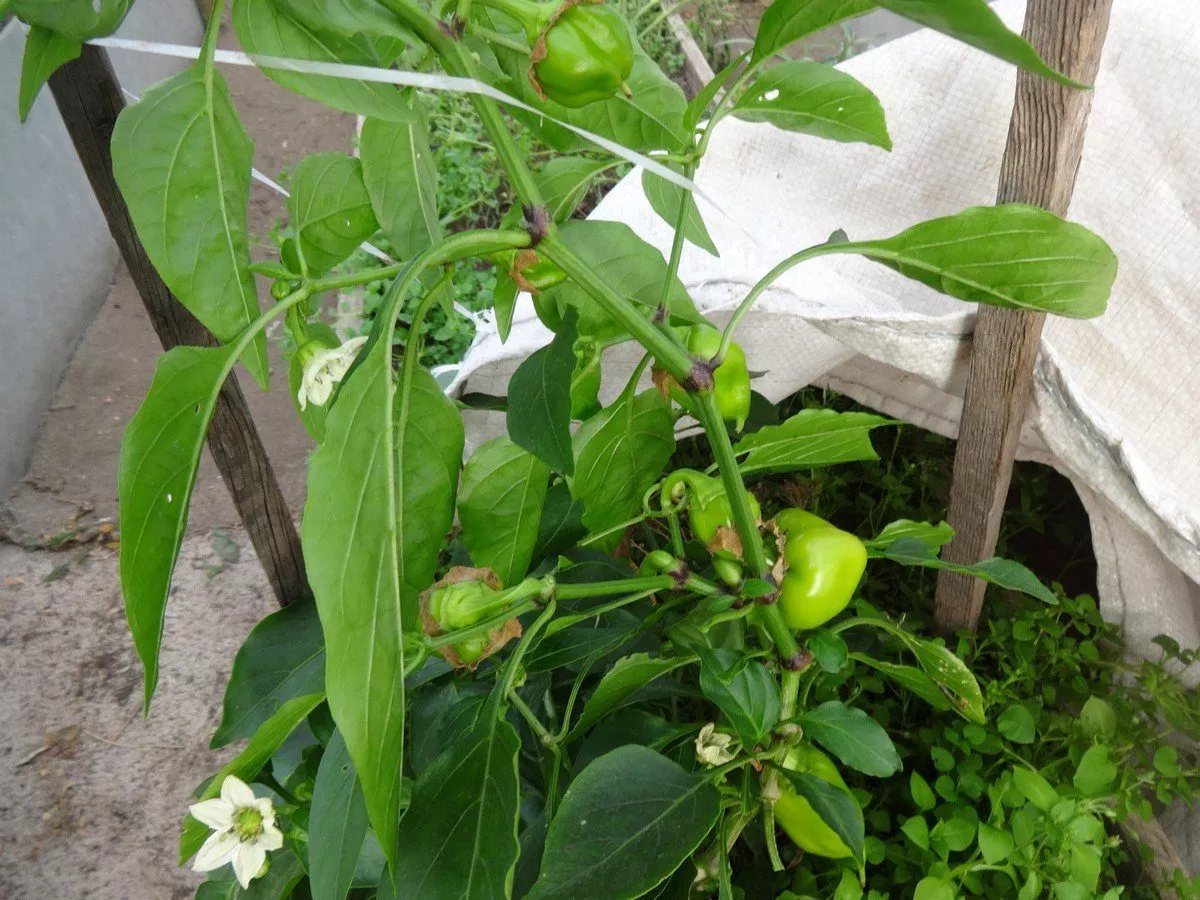
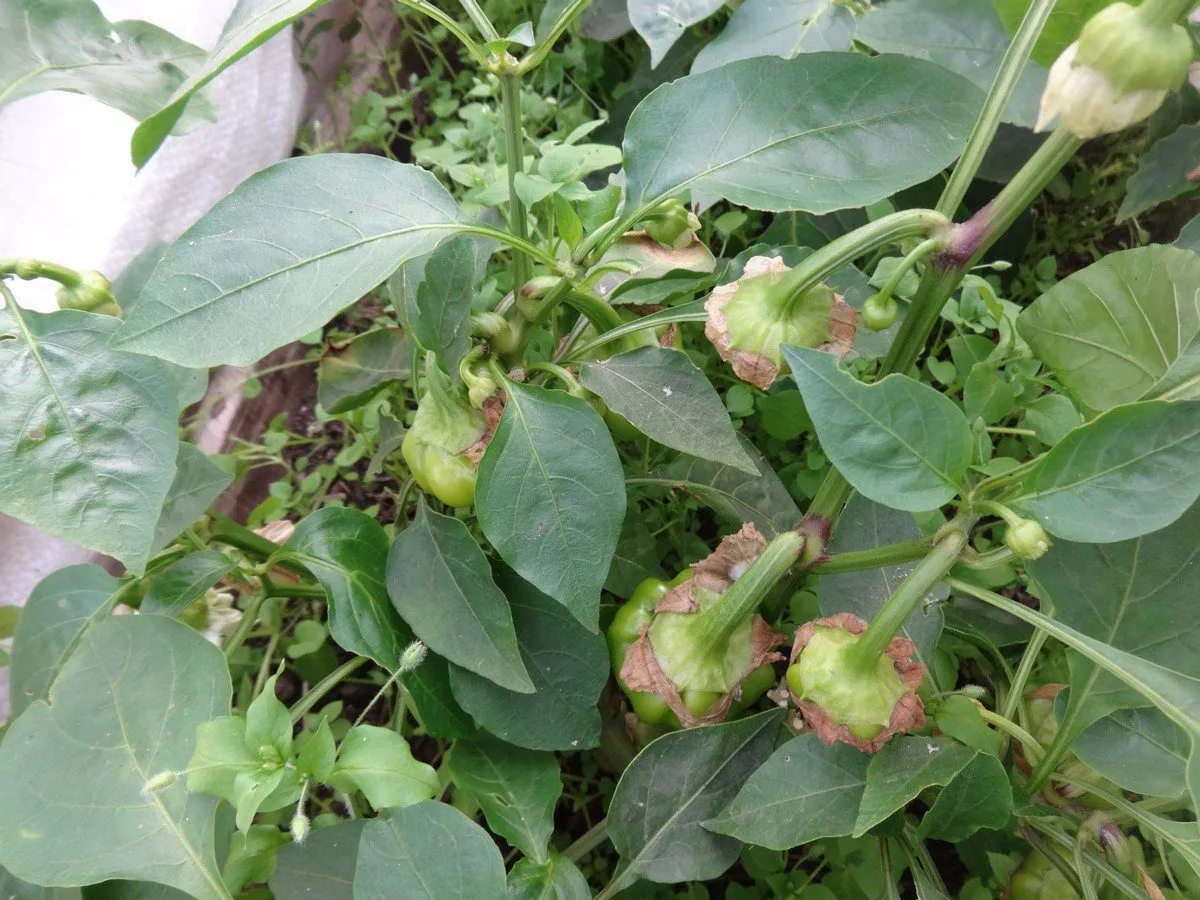
There are a lot of ovaries on them in the tomato greenhouse, I covered them with a large bag, maybe the peppers will grow a little more, and I will add them to the soup.
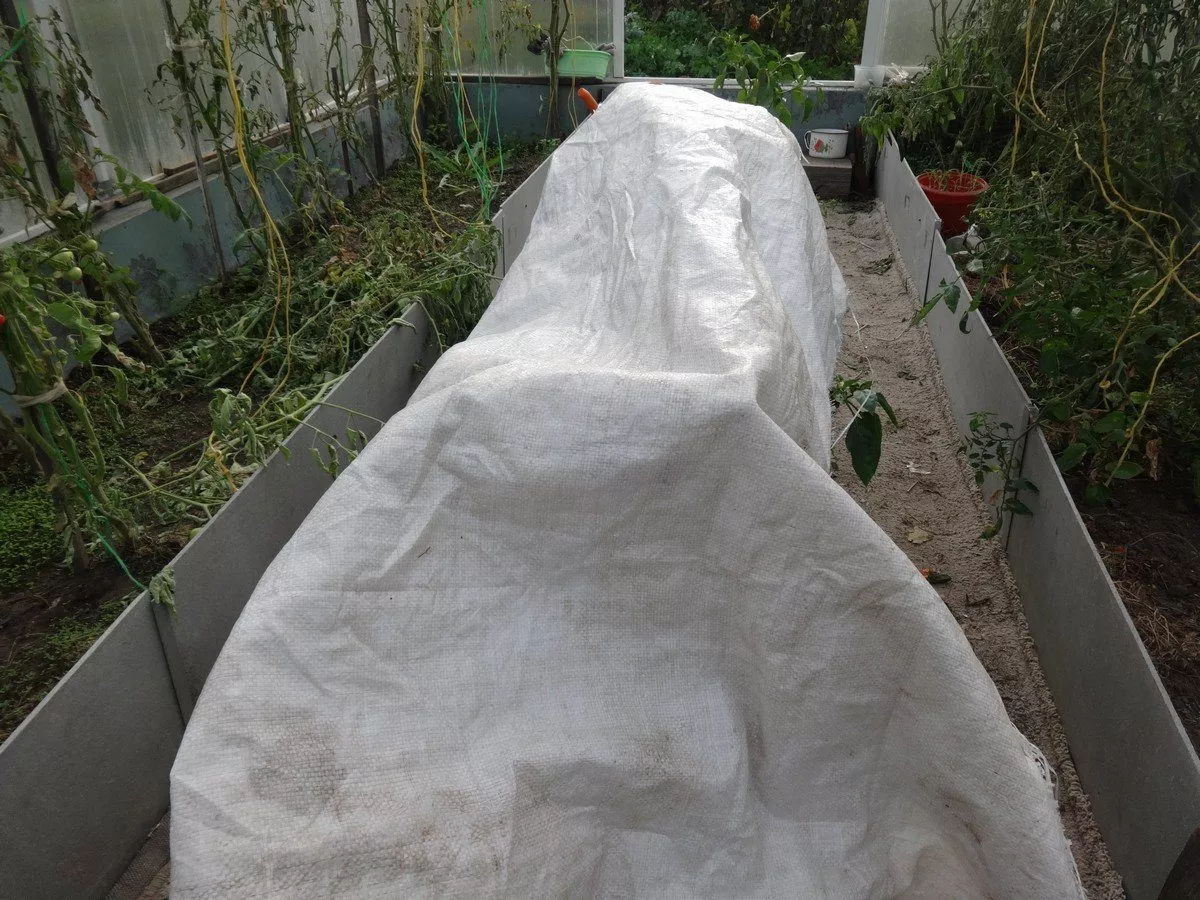
I'll probably remove them this weekend, as I need to prepare the greenhouses for next season.
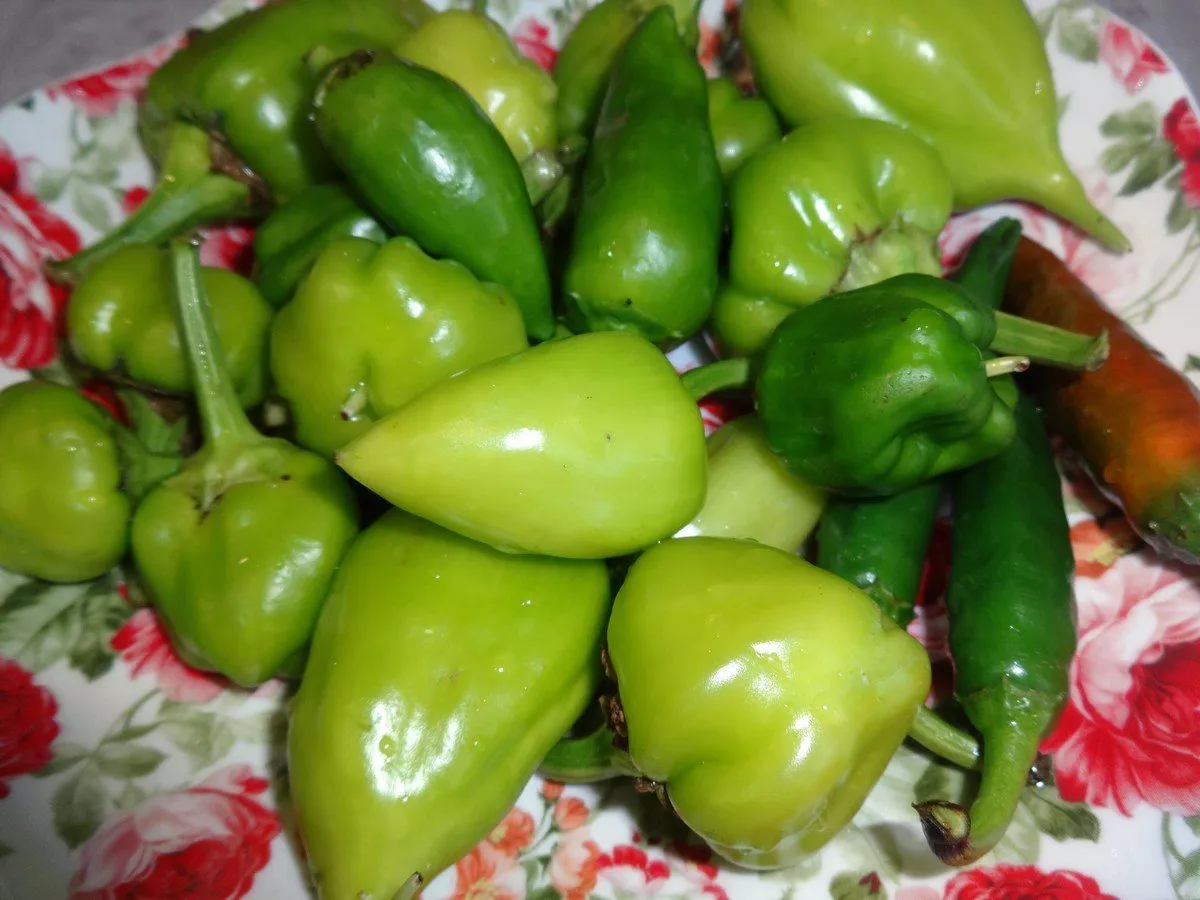
On Saturday, the first thing I did was pull out all the bushes and pick the last harvest from the peppers, these mini-peppers.
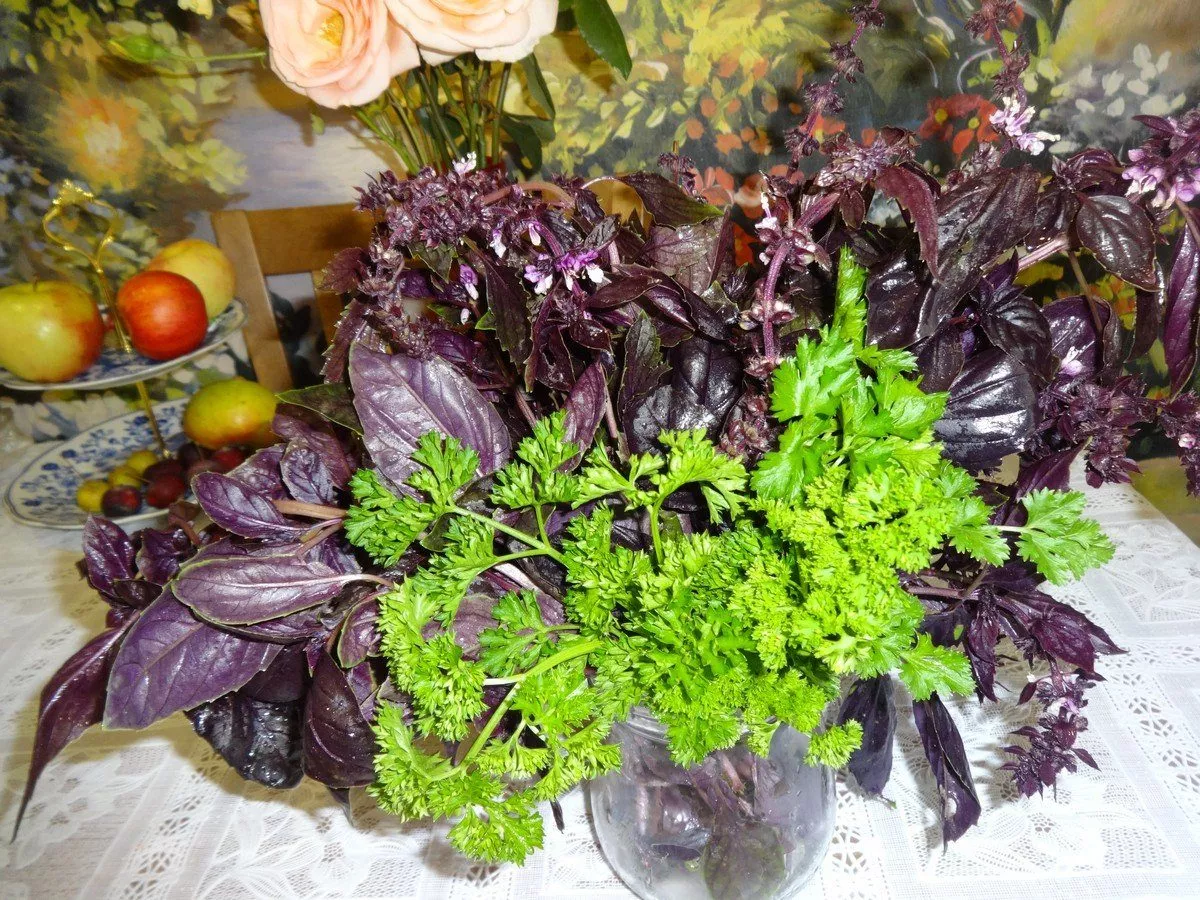
I cut the last basil and got a small bouquet of aromatic herbs.
I removed the stakes and twine used to tie the bushes, twisted them into bundles, and tied them to the wires at the top of the greenhouse. This will serve as ties next year.
This year, at the end of the season, yellow spots appeared on the tomato leaves in the tomato greenhouse.
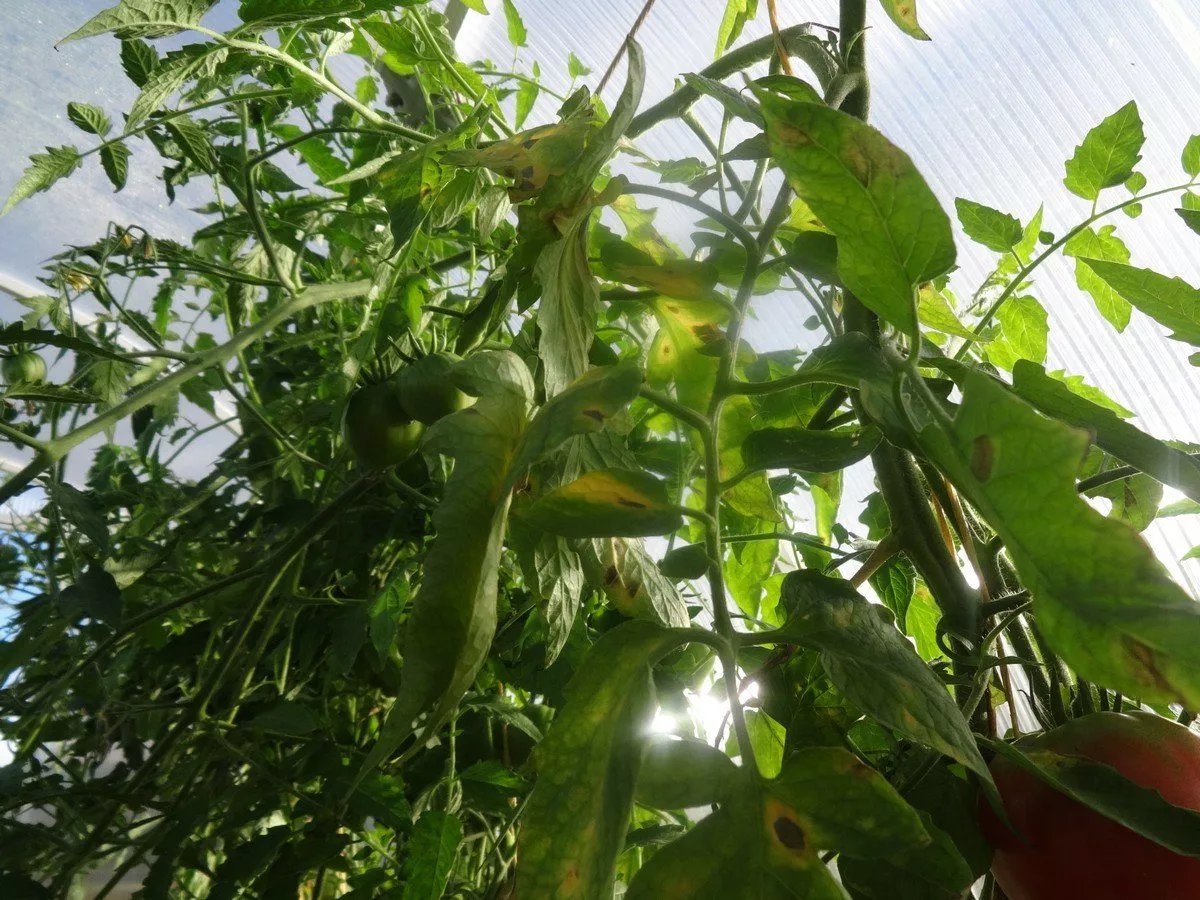
And at the beginning of summer, some of the tomatoes were infected with some kind of disease. The leaves and tops of the plants were wilting, curling, and drying out. I trimmed off the diseased leaves, watered them, and sprayed them with Fitosporin. The disease was defeated, the tomatoes produced a harvest, and I didn't have to uproot a single plant. Also, in September, small white gnats appeared.
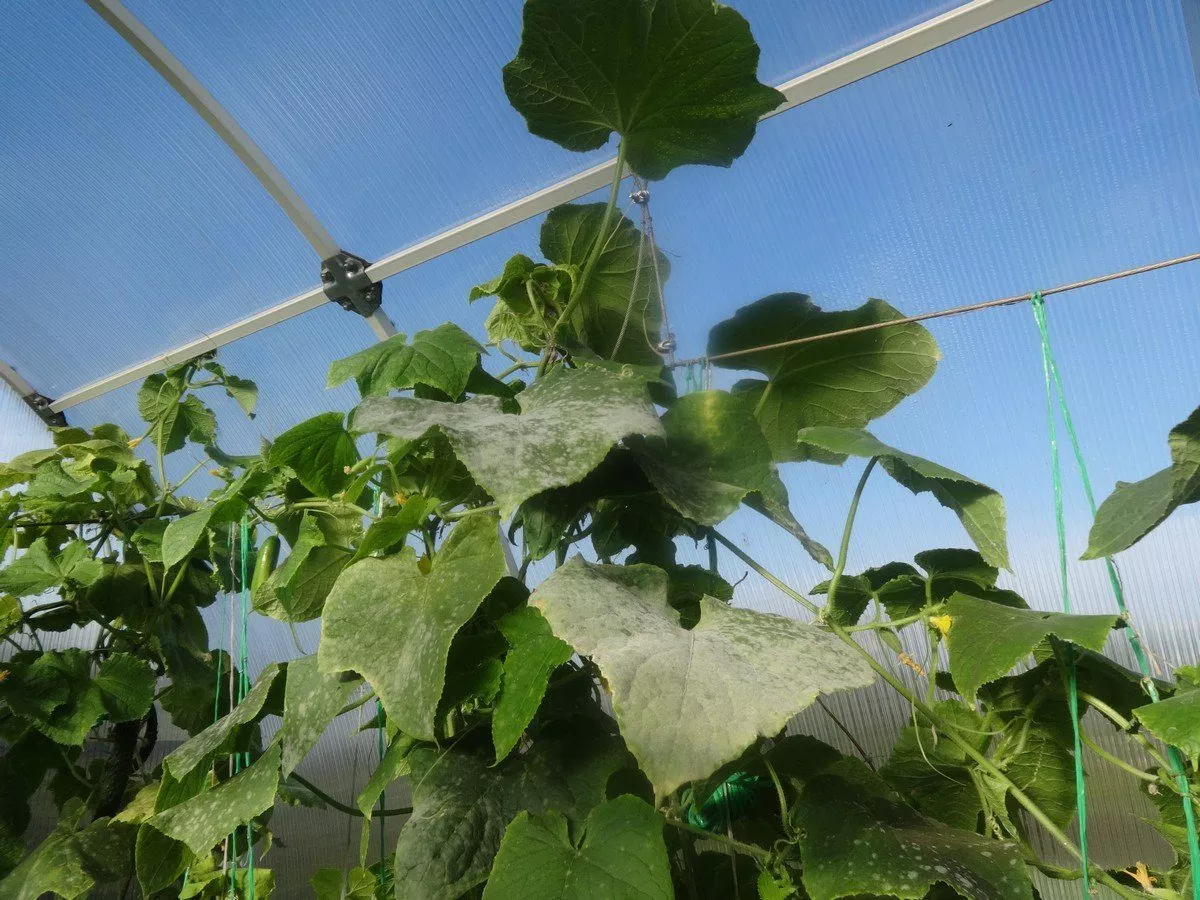
In the cucumber greenhouse there was powdery mildew on the cucumber leaves.
So now I'm wondering what to do with the tops: should I burn them, or treat them with Bordeaux mixture, or leave them in the greenhouse and light a sulfur candle?
We always put all the tops in the compost bin, but they were always healthy, with green, spotless leaves. We decided to light some sulfur candles and treat the greenhouses with the tops, then put them in the compost.
And also treat pegs, twine, pots and flower boxes with sulfur smoke.
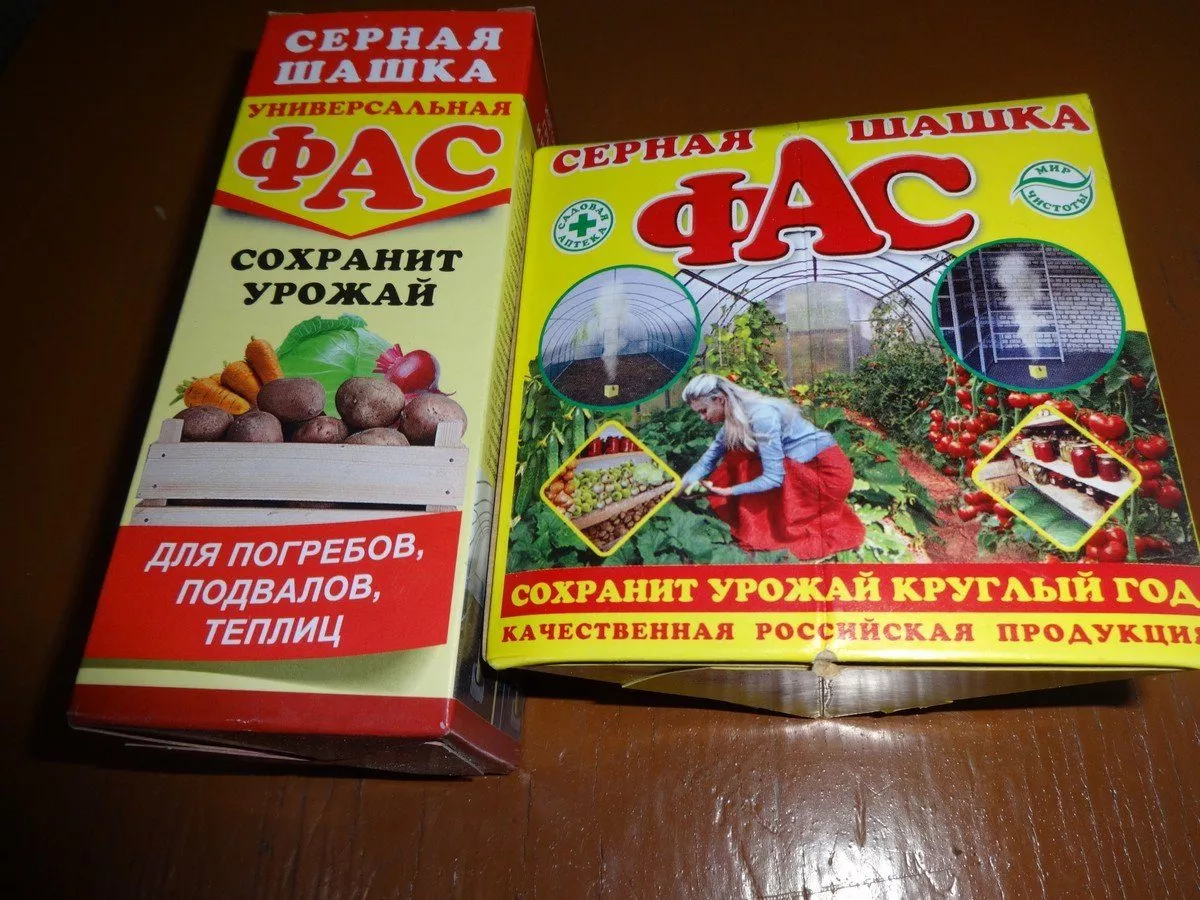
One smoke bomb was placed on an iron sheet in each greenhouse, lit, and the greenhouse was closed. The greenhouses filled with smoke, the smoke bombs burned to ashes, and the ashes were composted.
Within 24 hours, fumigation with sulfur smoke will destroy mold, bacterial and fungal infections, as well as insect pests.
On Sunday, we cleared the greenhouses of tops and added compost, dolomite flour, and a little mineral fertilizer, primarily potassium and phosphorus, to the beds. These are the fertilizer residues; if left over the winter, they will likely lose their potency.
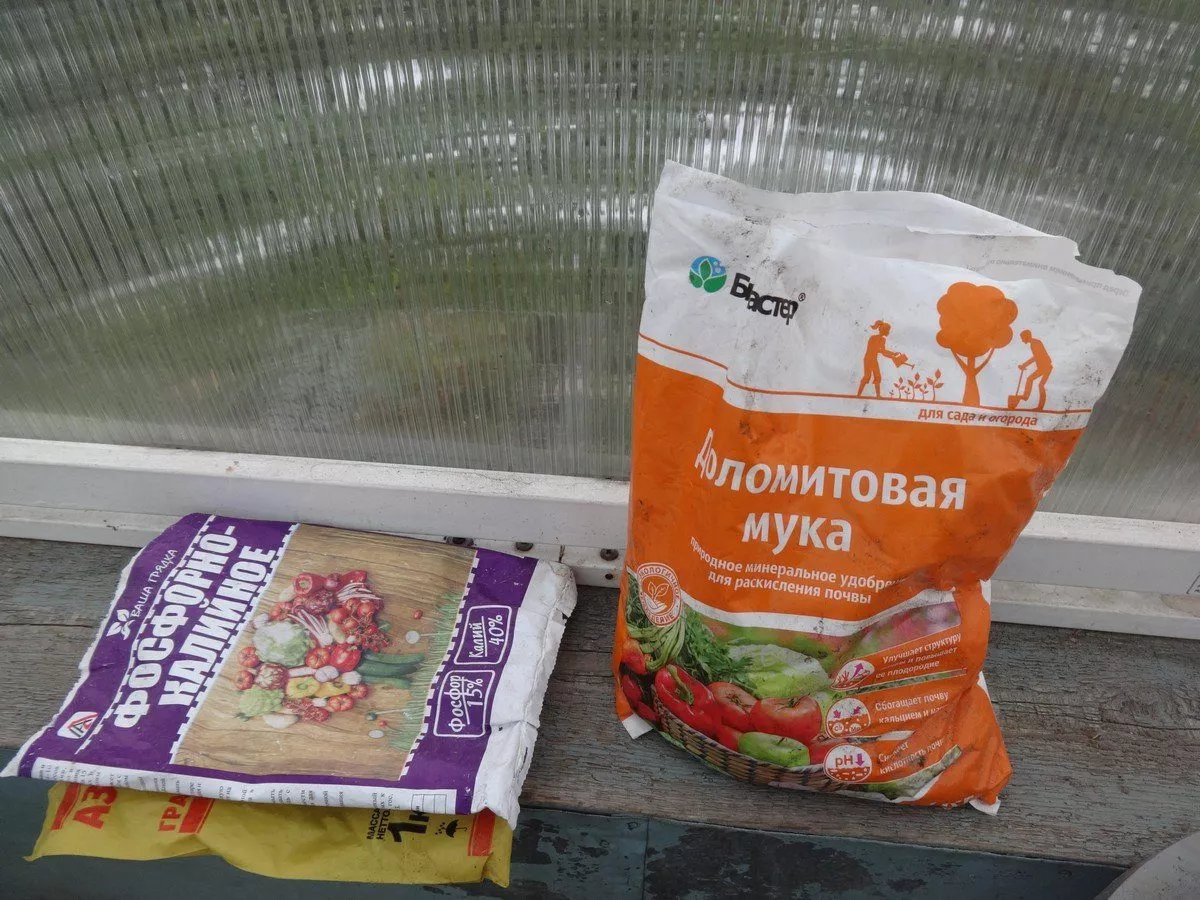
We dug up the beds and watered them with a solution of Fitosporin.
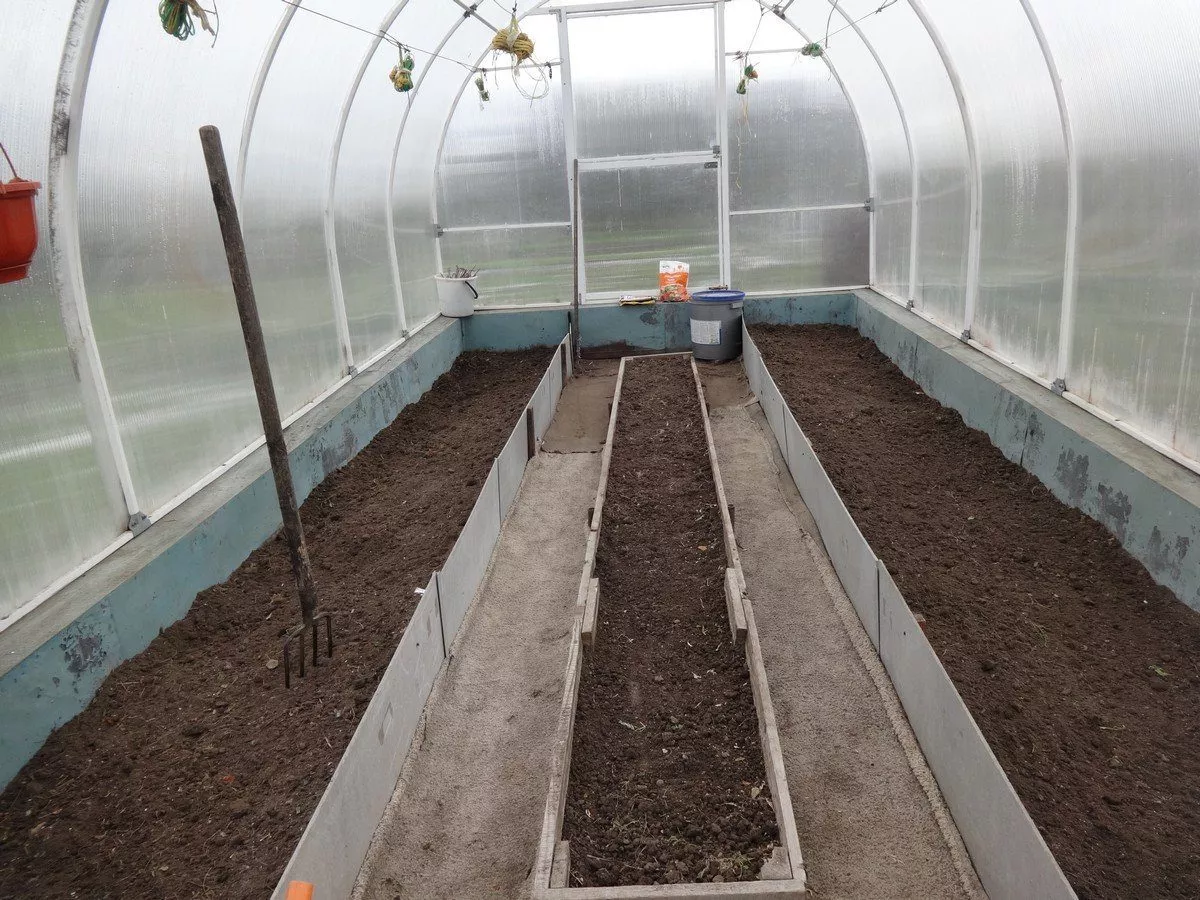
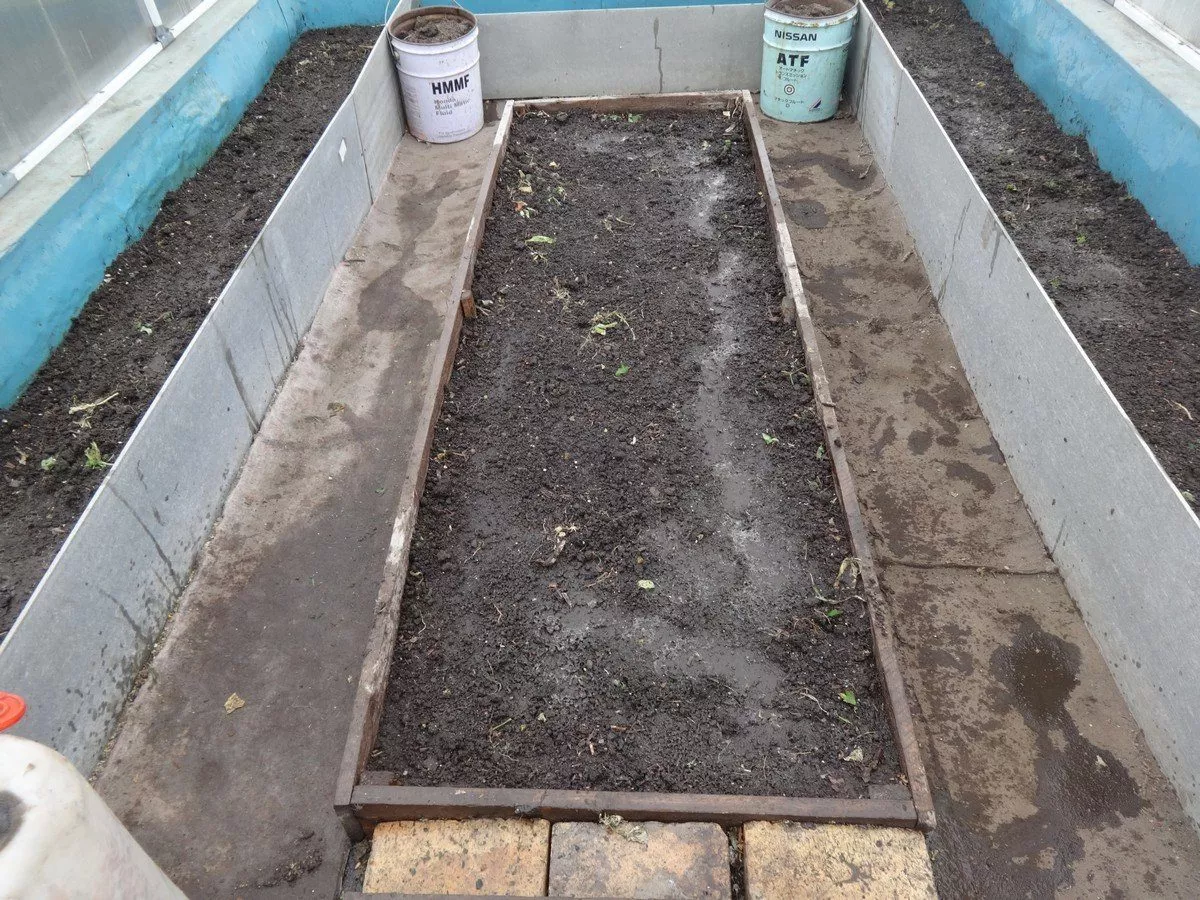
We will wash and treat the walls and roof of the greenhouse early in the spring.
Our greenhouses are ready for winter.
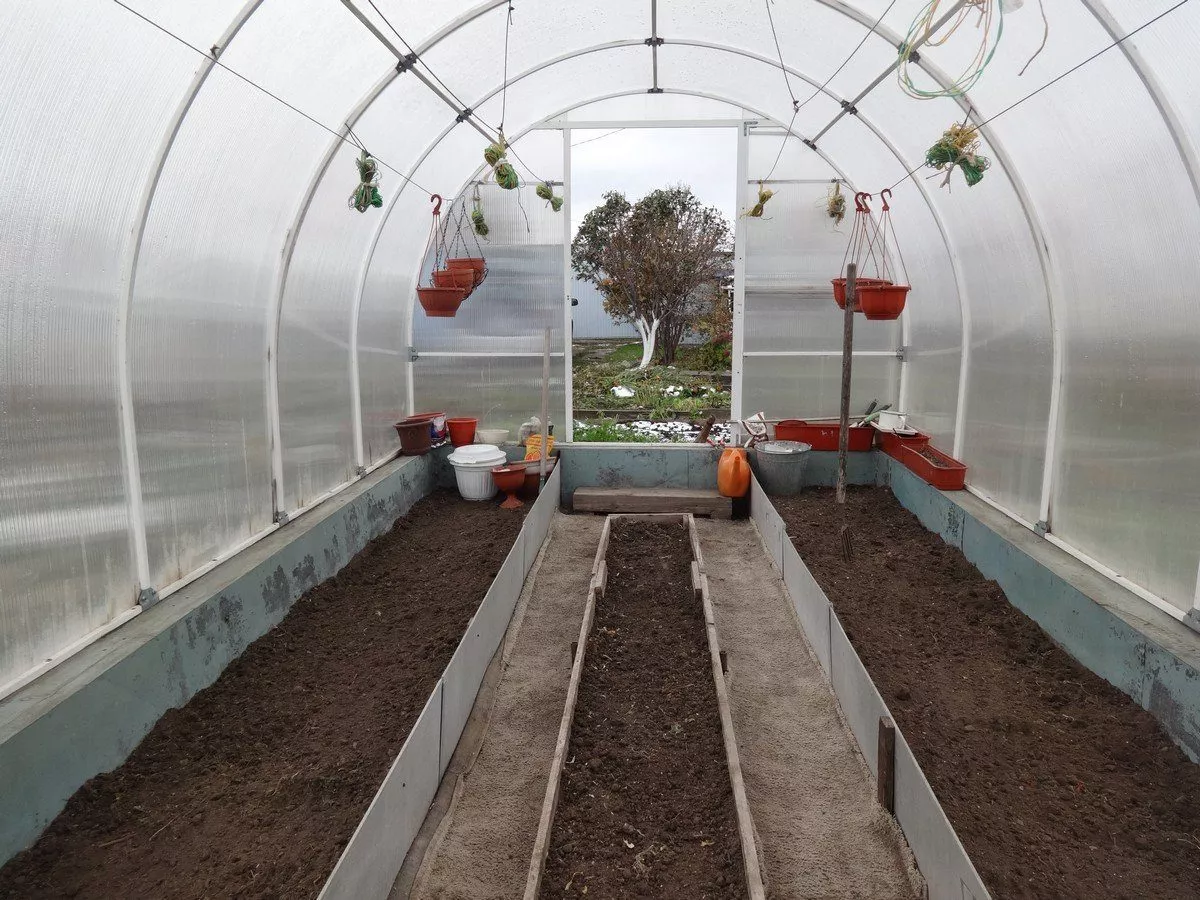
In winter, we'll throw snow on the beds and wait for spring and a rich harvest of tomatoes, cucumbers, and peppers.