

I initially assumed this herb must have medicinal properties, and I wasn't wrong. It turns out that ground rhododendron relieves pain, reduces inflammation, is a powerful antiseptic, purifies the blood, stops bleeding, heals wounds, stimulates appetite, promotes expectoration, and is considered a good diuretic.
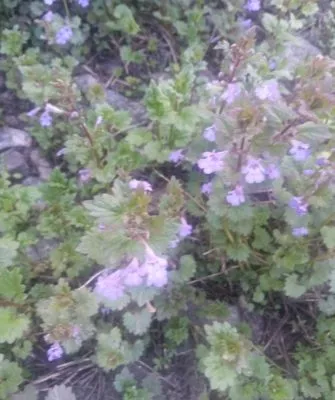
Different parts of the plant are used for preparations – flowers, stems and leaves:
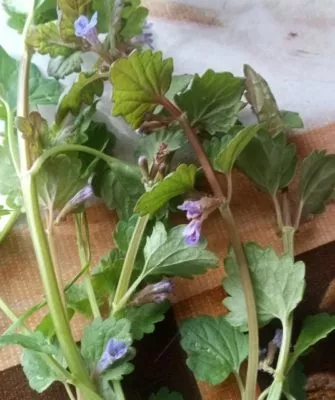
There's no mention of the root anywhere, but it's recommended to dry it exclusively in the shade. Exposure to direct sunlight supposedly degrades the composition.
Traditional healers, as well as official pharmacology, use ivy-leaved ground ivy to treat:
- cough, bronchitis, pneumonia, bronchial asthma;
- gout;
- cellulite;
- various skin lesions;
- gallbladder and liver;
- kidneys, urolithiasis and stomach;
- thyroid gland;
- rhinitis;
- lead poisoning;
- abscesses, ulcers, scratches, wounds.
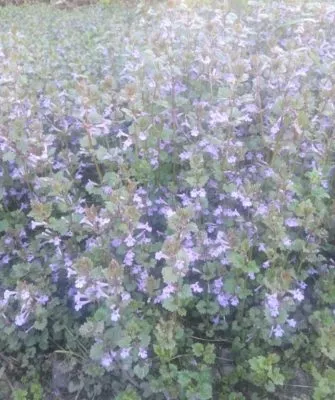
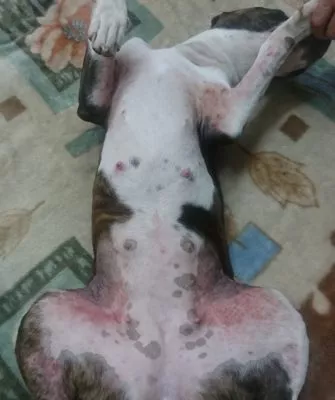
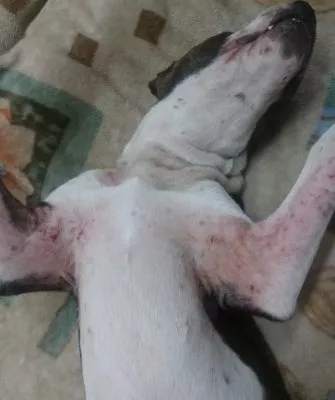
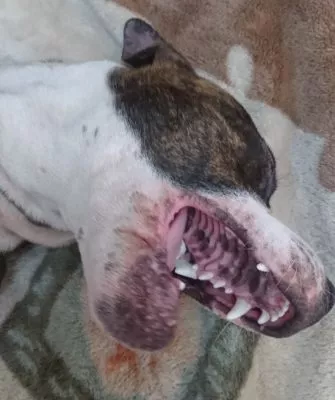
Infusions are recommended for menopause and menstrual problems. Compresses can be applied after fractures and dislocations. Ground rue grows quite tall. Here's a photo from this year; the plant blooms for only two weeks: And this is what I took last year, about a month and a half after the budding began: The difference is dramatic, because their growth and development are truly rapid. By autumn, these bushes were about 70 cm tall, although everywhere they say the maximum height is half a meter. But no, it's higher. Warning!!! Ground ivy is poisonous, and it's especially dangerous for people with allergies, as it can cause a rapid and severe reaction, including pulmonary edema. Some people experience dizziness just from smelling the flowers. Increased sweating and severe headaches may occur. I can't comment on the latter issues—my husband and I tolerate the smell well, but I completely agree about the allergic reactions. I have two Staffordshire Terriers, and my daughter is terribly allergic. I sometimes walk them in areas where ground rue grows. The reaction was immediate: Here is an allergic reaction: If the plant affects animals so much, what about humans? But I want to point out right away that the allergy only occurs during flowering—the leaves and stems don't cause a reaction. Last year, and this year too, when there are no flowers, we roamed freely there, and the dog felt fine. If ground ivy grows in your area and you have an allergy, try to get rid of it. The plant is used not only in traditional and traditional medicine, but also in beekeeping, as it is considered an excellent honey plant. And even in cooking: Many landscape designers also recommend growing ground ivy to decorate a garden plot.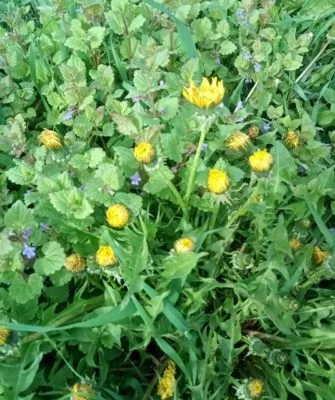
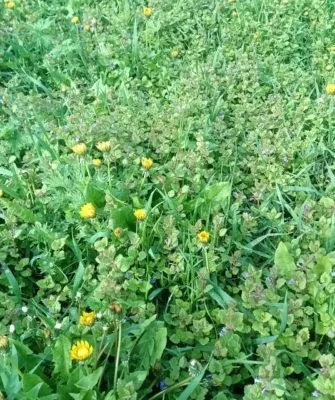

We also have this herb growing in our garden. Of course, we don't let it grow in the beds; it grows along the paths and even tries to climb into the raspberry patch. Maybe leave it in the raspberry patch and let it grow as a groundcover. I once added groundcover to a pot of coleus and pansies, and it turned out beautifully.