

Phlox awl-shaped
Enviable flowers,
They lie on the pillows,
They look at the blue sky.Fragrant flowers
Of unprecedented beauty,
Creeping branches
They are really prickly!
At the end of May, subulate phloxes bloomed.
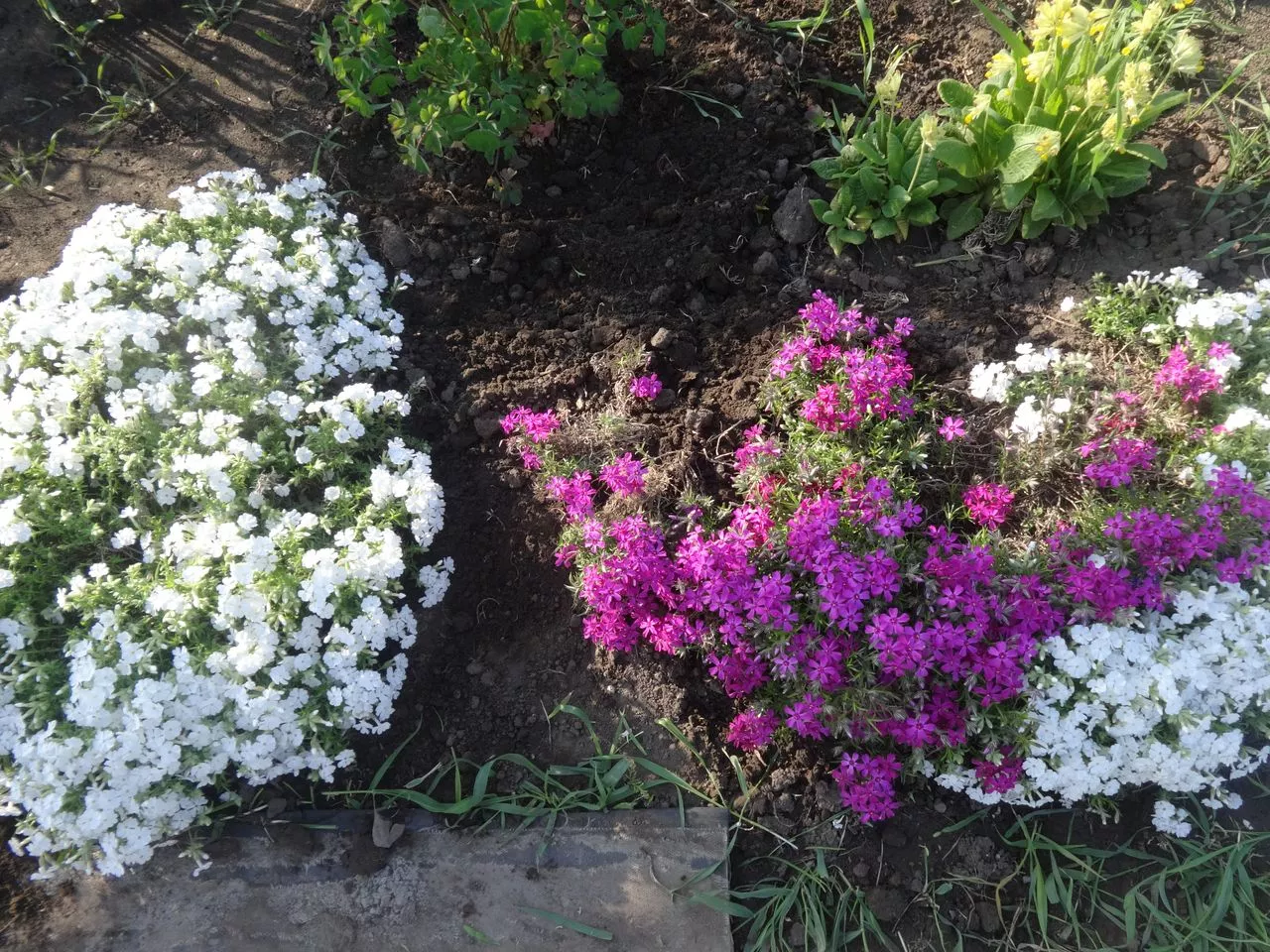
And they immediately transformed the still-empty garden with their magical blooms and fragrance. Why empty? Because nothing had sprouted in the garden yet; they'd only just planted potatoes. Recently, they'd planted cabbage, corn, and pumpkins.
We haven't had a spring yet. It wasn't until late May that the real warmth arrived. And the phlox, spring flowers, had already formed buds but hadn't opened for a long time, waiting for warmth. And now they're blooming profusely and abundantly!
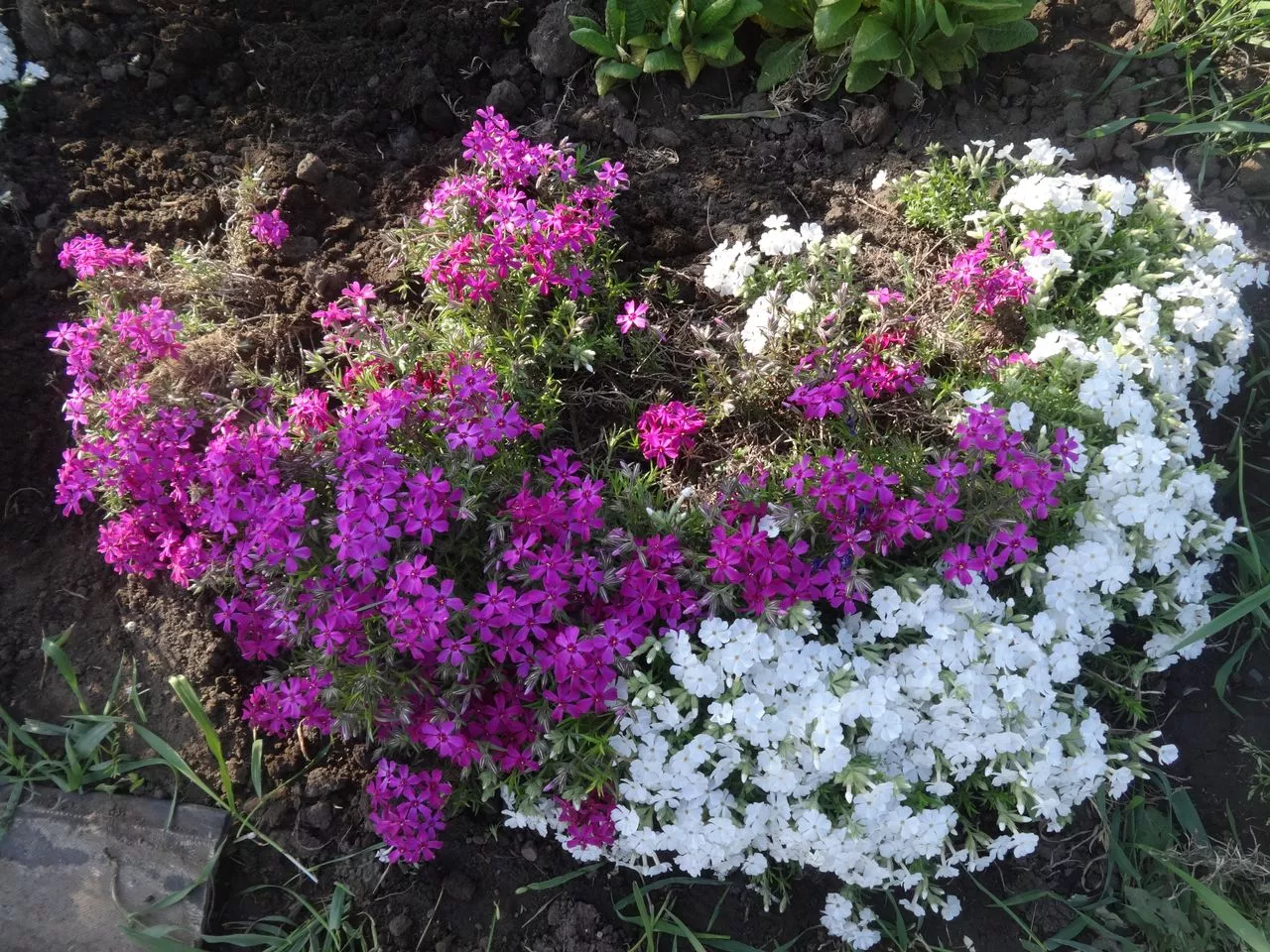
What kind of flower is this? It's a perennial groundcover herbaceous plant with slender, branched stems covered in dense clusters of narrow, needle-like leaves. The stems are creeping, prickly, and root well. The plant is low-growing, about 15 cm tall, and as it grows, it forms neat, dense green clumps, completely covered in small, brightly colored flowers in the spring.
During flowering, the leaves are barely visible, making it look as if someone has scattered brightly colored pads on the ground.
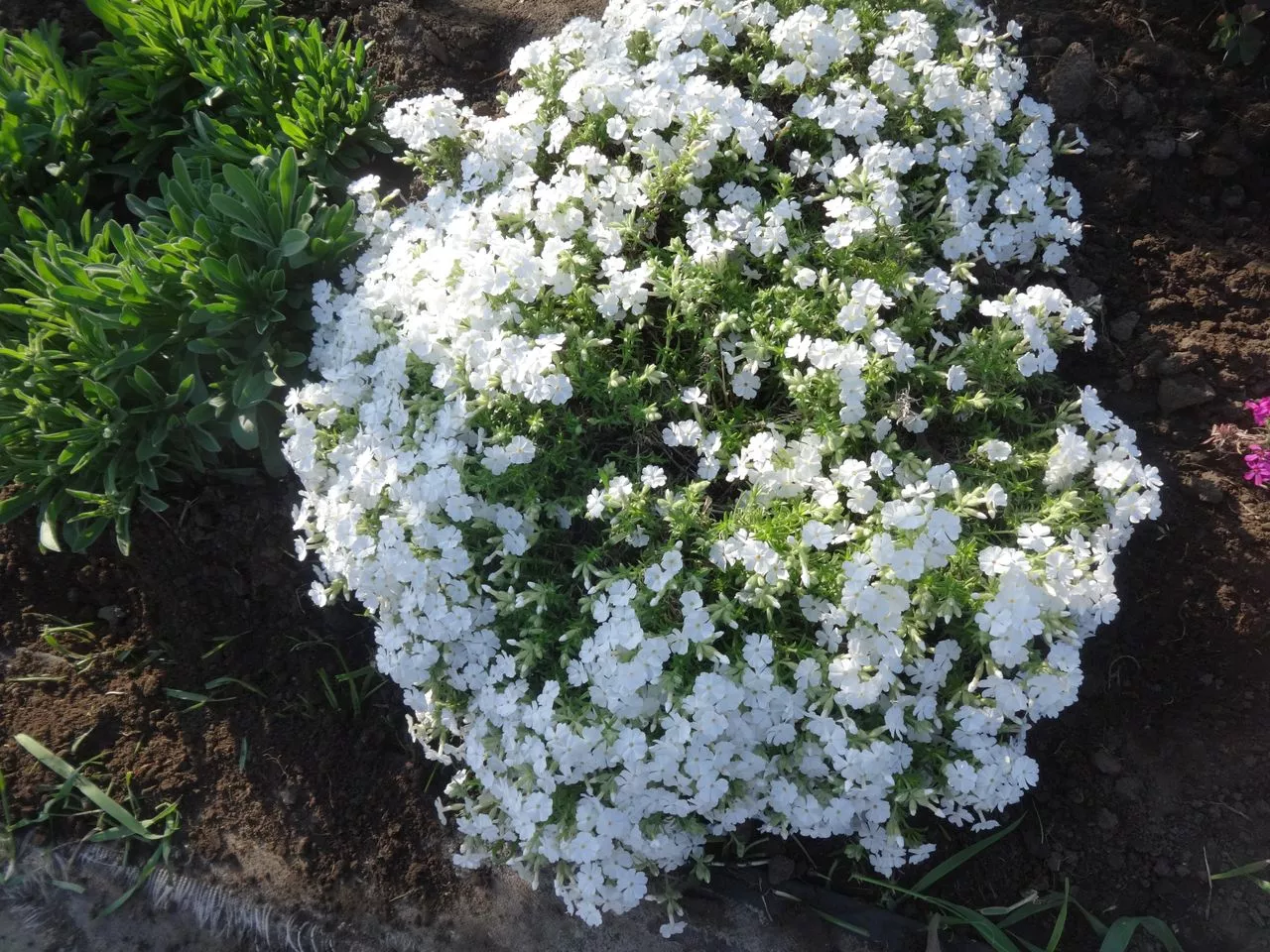
I grow phlox in two colors: pure white and pink. The flowers have five petals. The white phlox has round petals.
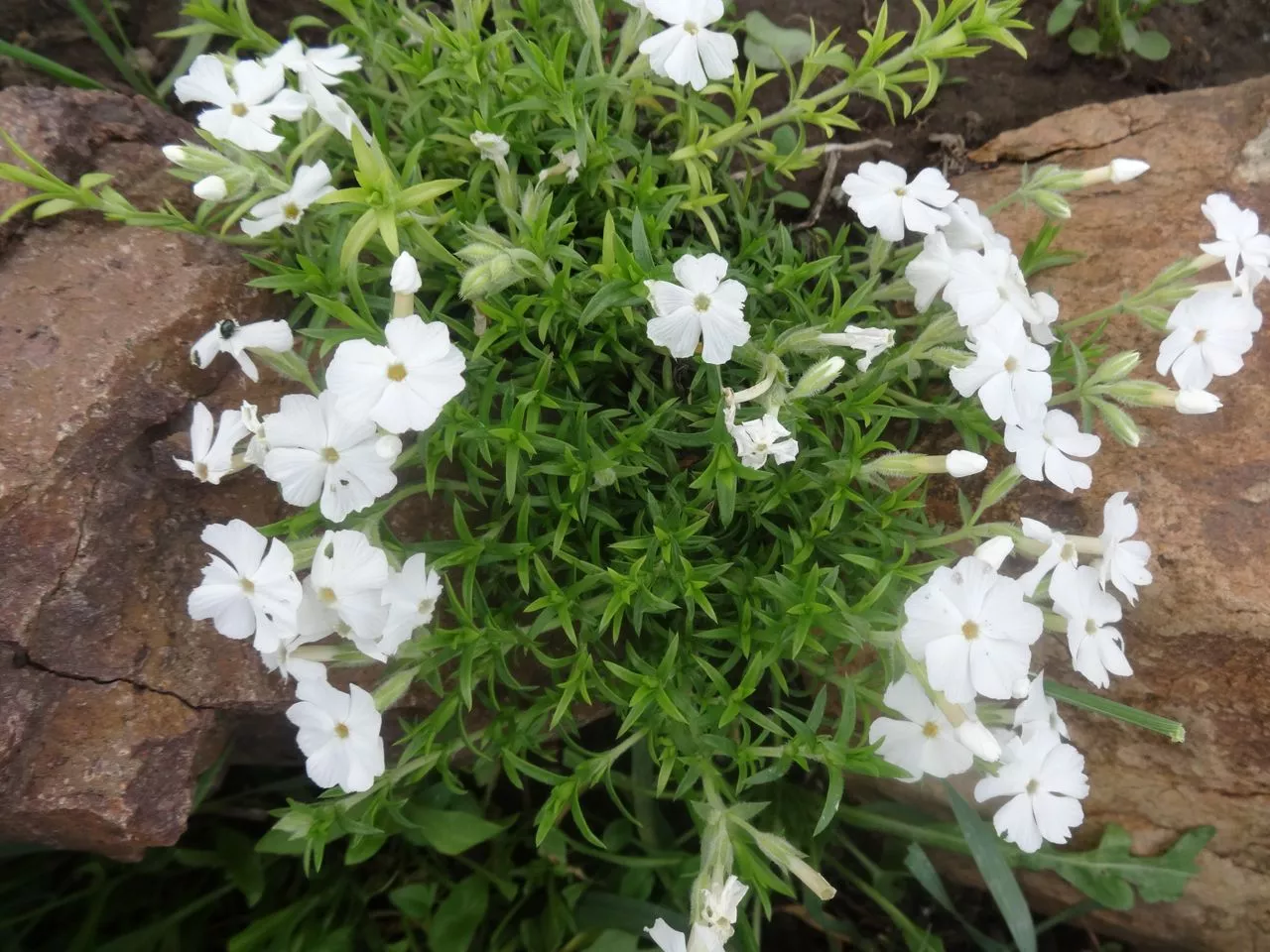
Pink phlox with star-shaped flowers, slightly elongated petals, with darker strokes closer to the center of the petals.
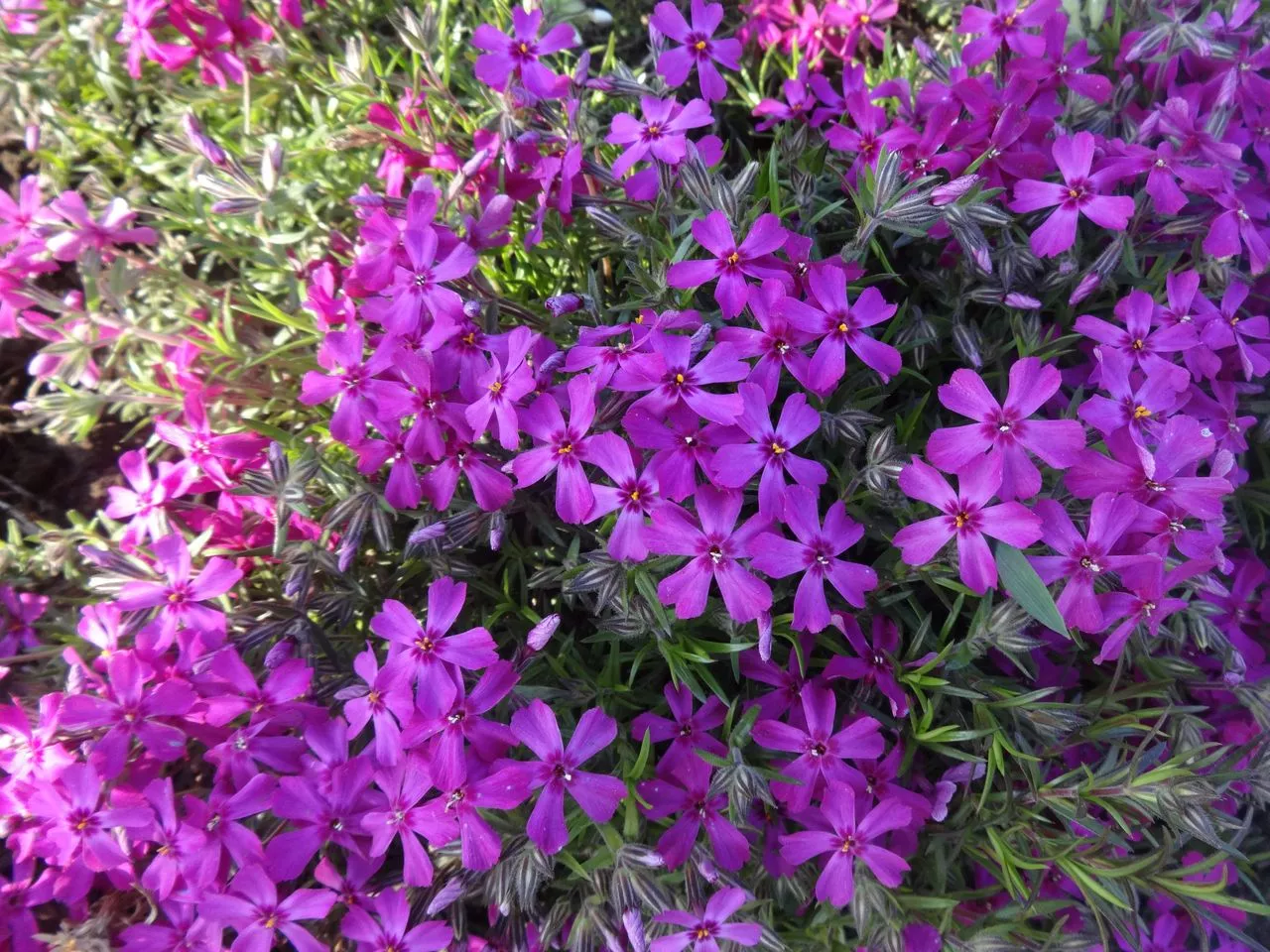
Here in Krasnoyarsk it blooms from the end of May, closer to autumn there is a second blooming, but there are very few flowers.
After flowering, phloxes do not lose their decorative qualities; they grow with rich green foliage all summer long, disappear under the snow with green foliage, and emerge in the spring with green leaves.
When the snow starts to melt, I cover the phlox with a covering material or plastic; you can even cover them with wooden boxes. Because in March, when there's no snow left, we often get nighttime frosts down to -20 degrees Celsius. If the phlox aren't covered, the leaves and stems freeze and become dry.
In spring, old, tough, dried, and frozen shoots should be pruned. Loosen the soil and lightly cover the exposed stems with fertile soil. Fertilize with organic fertilizer; you can simply sprinkle wood ash on top or water with an ash solution, and the frozen flower will quickly regrow. During flowering, additional fertilizing with an ash solution is also necessary.
The internet recommends pruning the stems after flowering, supposedly rejuvenating the plants, causing them to grow better and become bushier. However, I believe this can harm the phlox. Why trim healthy stems? The green, fluffy cushions of phlox will decorate your flower beds all summer long.
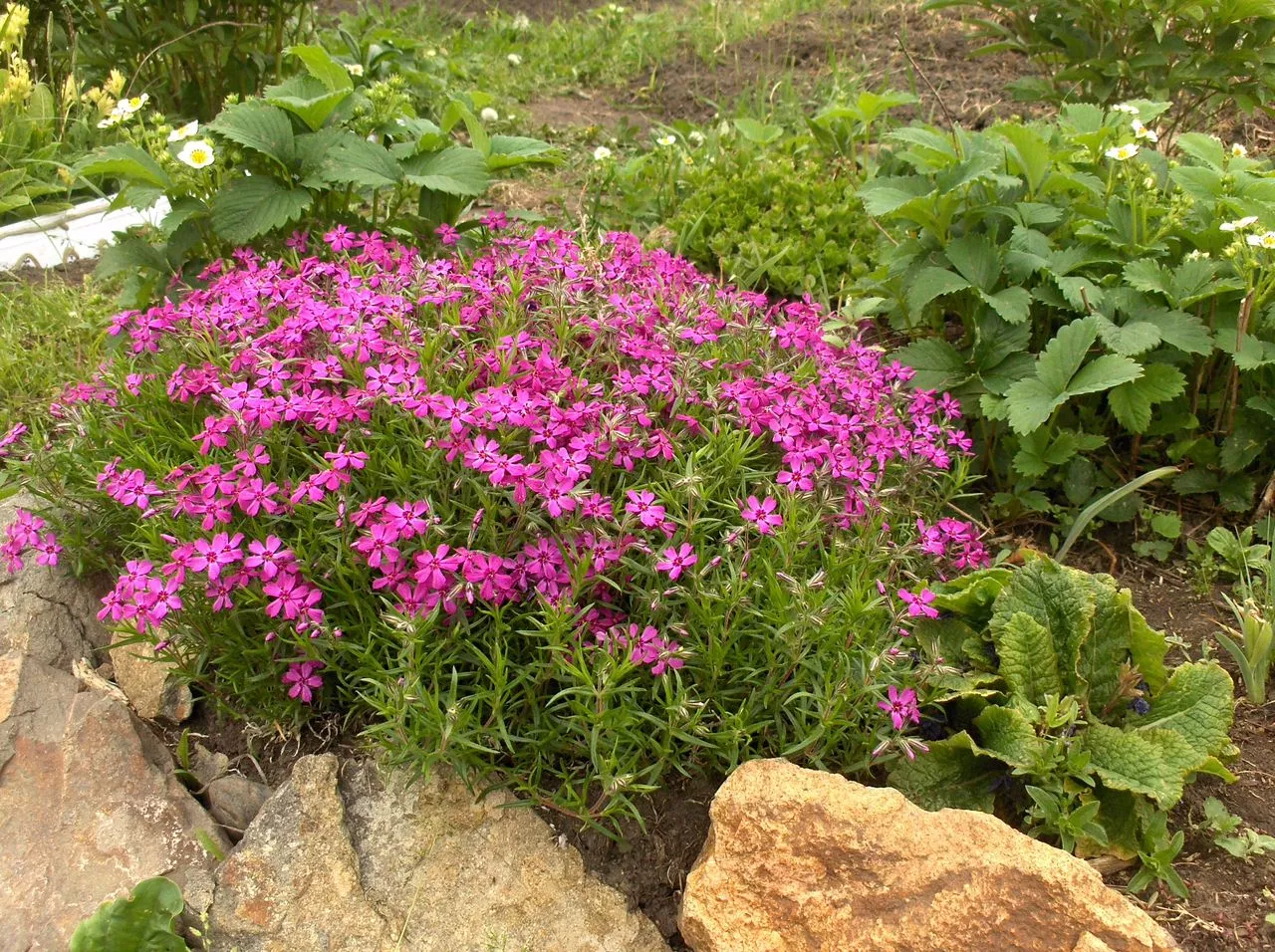
Of course, if a flower is sick, pruning is necessary. Although this species is disease-resistant, powdery mildew sometimes affects phlox. I've never encountered any diseases on my phlox, even in the rainiest summers. And pests, too, except for ants; they make their nests under the rocks where the phlox grow. I had to remove the rocks.
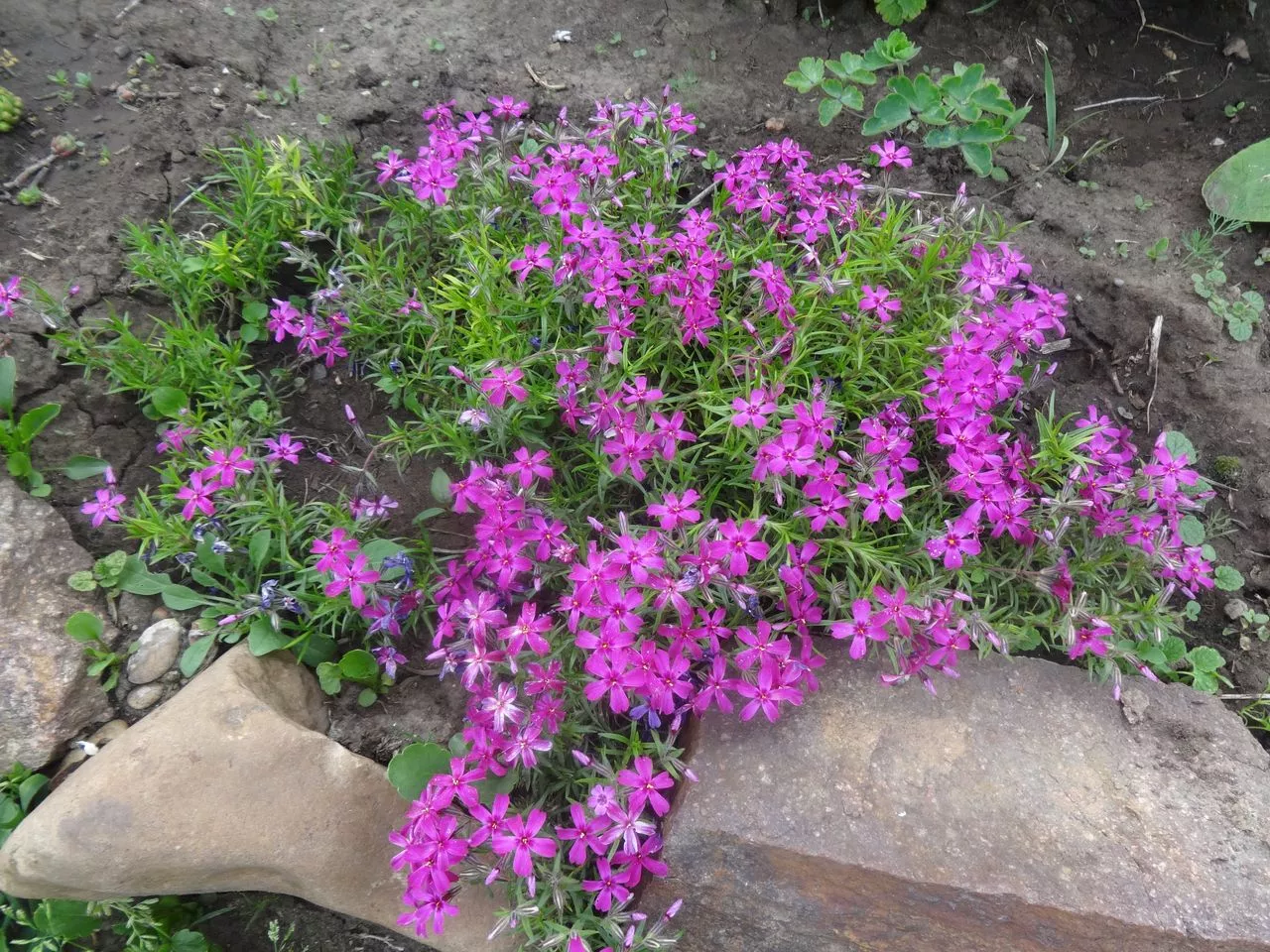
Phlox can be attacked by spider mites, in which case you'll need to spray the plant with a mite repellent. Weeds should be removed periodically to prevent them from overrunning these small plants.
Subulate phlox are very easy to grow and can grow without fertilizing. They are drought-resistant, don't require frequent watering, and thrive in full sun and light shade. They look beautiful in the foreground of flower beds, along paths, and on rockeries.
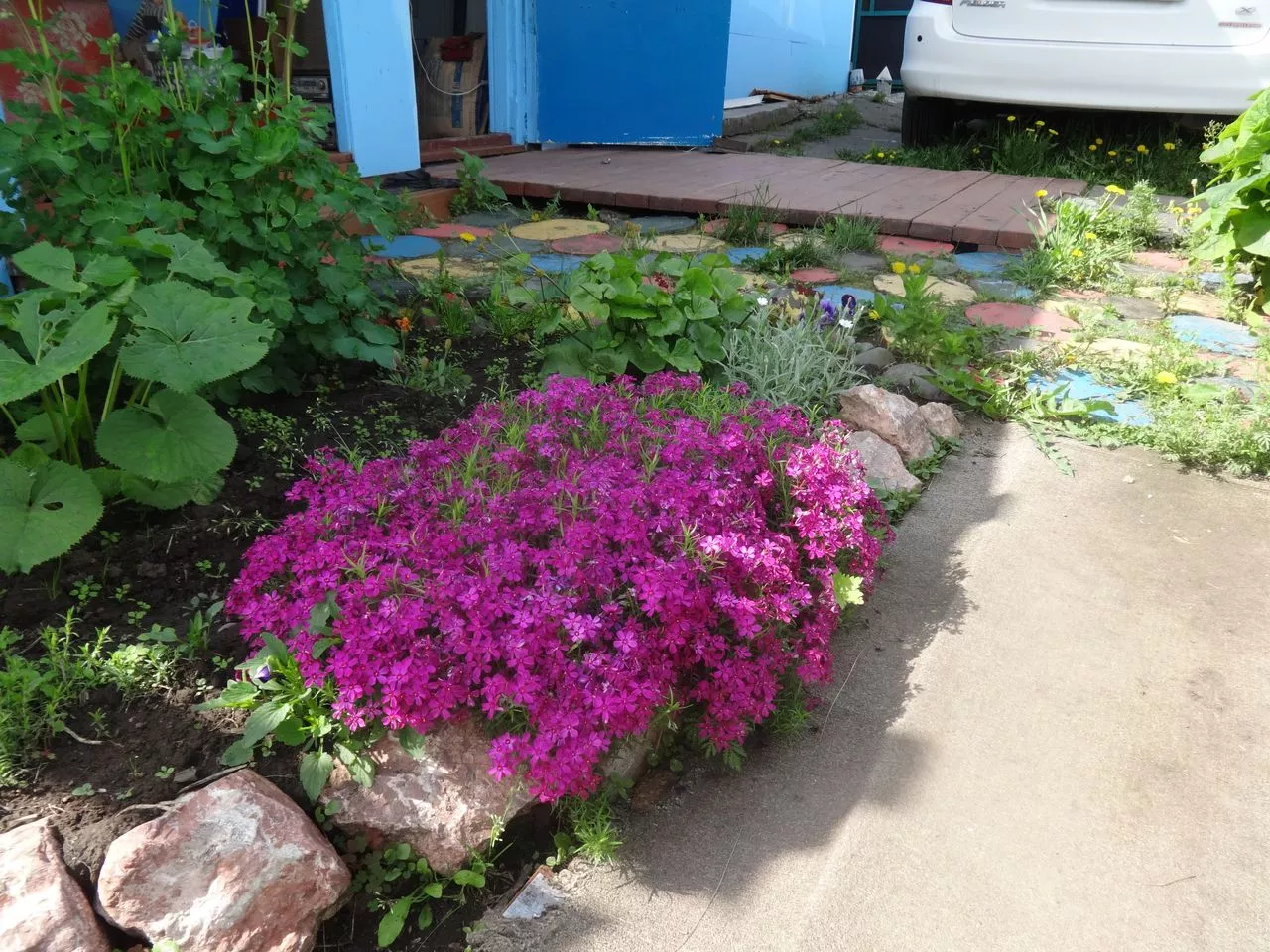
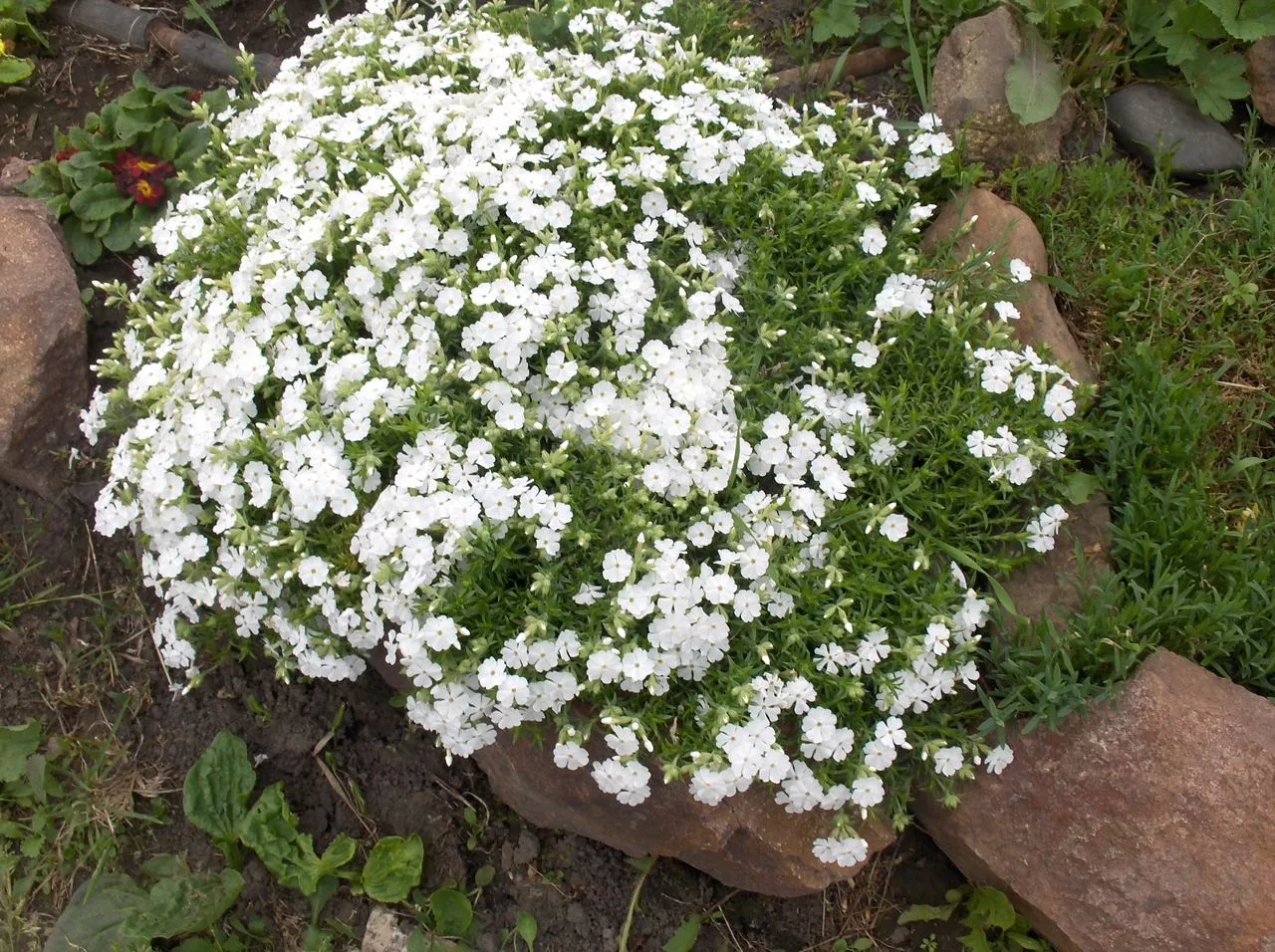
Over time, phlox, like all plants, age, their stems become bare, and the center becomes hollow. So I rejuvenate the subulate phlox, dig up the plant, and replant the young shoots. I do this every 5-6 years, after the phlox have finished blooming. This year, repotting the phlox is on my list, but that will be at the end of June.
In the meantime, I am enjoying the lush flowering of the subulate phlox.
They look very beautiful! We had some like these when I was in school. My mom used to plant them near the yard. And as far as I remember, yes, they're easy to grow, they just grow quickly, so my mom would shape them into bushes.