

In the spring our simple phlox blossomed,
Surprised with its gentle beauty
He spread out his bright bouquet,
As if sending greetings to the blue sky.The dew shines on the flowers in the morning,
It sways its stems in the wind,
Sends a fragrant aroma to everyone,
Butterflies rush to him for nectar.
Phlox diversata is another spring-flowering perennial that grows at our dacha. In Krasnoyarsk, it blooms in mid-May and delights gardeners with its delicate blue flowers.
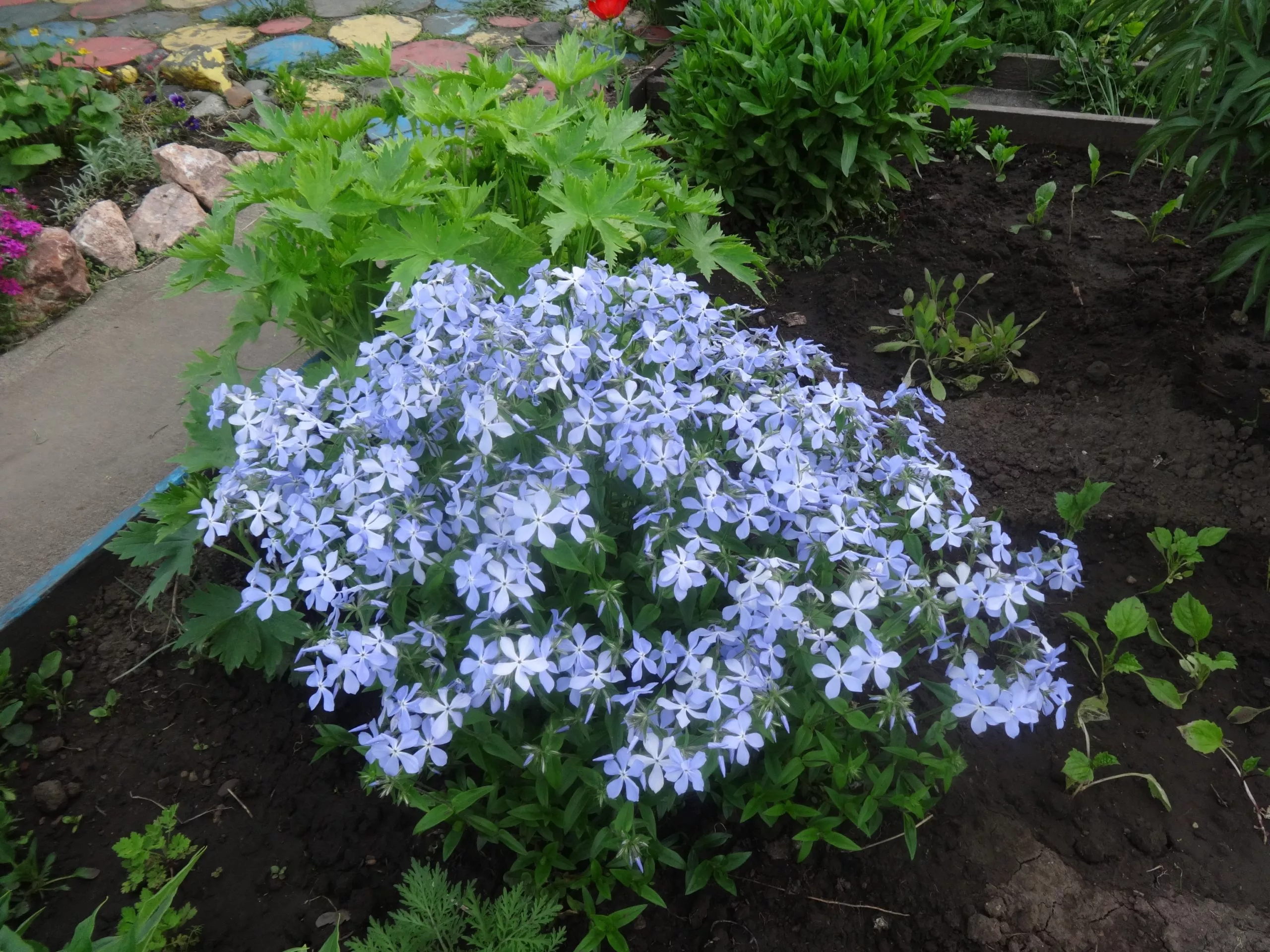
The flowers of the spreading phlox are larger than those of the subulate phlox. The star-shaped flowers are simple, five-petaled, and delicately fragrant.
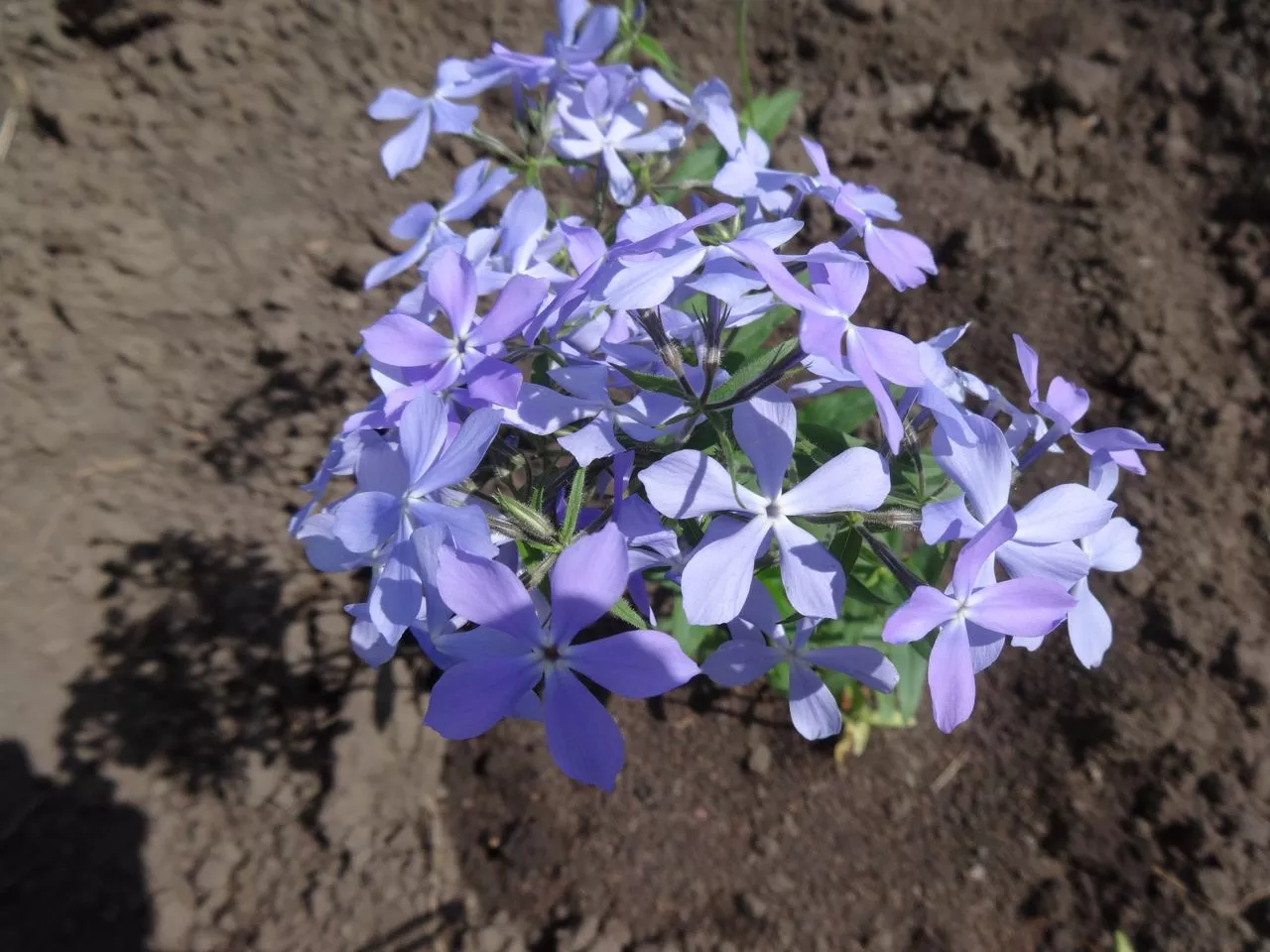
The flowers are mostly blue, but there are varieties in lilac, lavender, and white. I have a blue phlox. Phlox are often considered fairly easy-to-grow plants, able to grow and bloom with minimal care and grow anywhere. But that's not true.
In deep shade, under trees, the flowers will stretch. Almost all plants love the sun, but in bright sunlight, phlox will dry out; if there's insufficient moisture, the vibrant petals will quickly fade.
Spreading phlox grows best in fertile soil. It's advisable to fertilize, water, and weed the plant periodically throughout the season.
Spreading phlox should not be planted in low-lying areas, where water stagnates in the spring after snow melts or heavy rains. Excessively wet, damp soil is harmful to spreading phlox. The root system becomes waterlogged, the plant becomes weak, and freezes out in winter.
I had a similar situation: too much snow fell, the meltwater stood in the flowerbed for a long time, and almost nothing remained of my phlox. And other flowers died too.
The thin, soaked, frail sprouts were somehow saved.
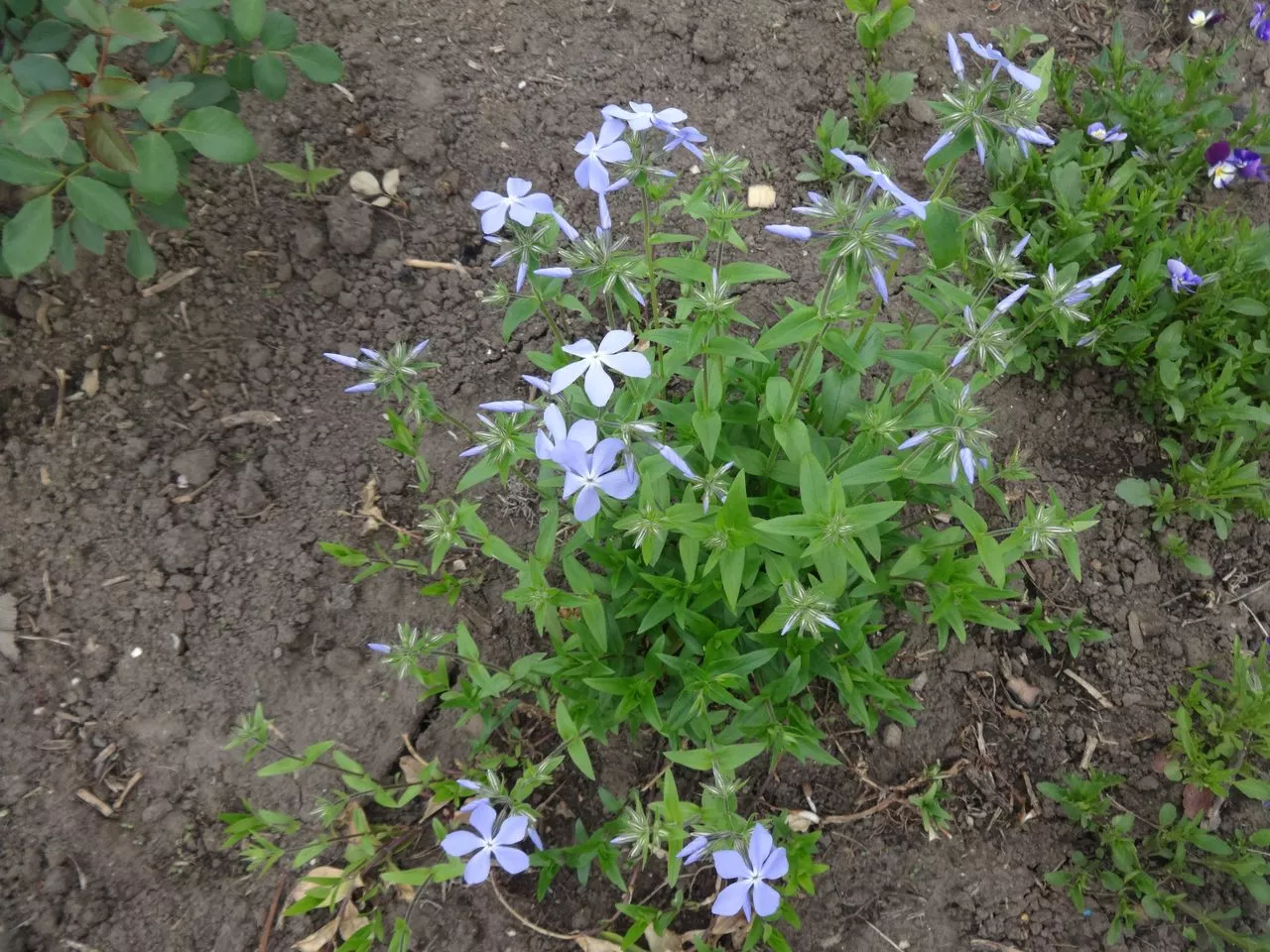
I transplanted them to another location. There, they gained the required mass over the summer, and by early summer this year, they were blooming more beautifully.
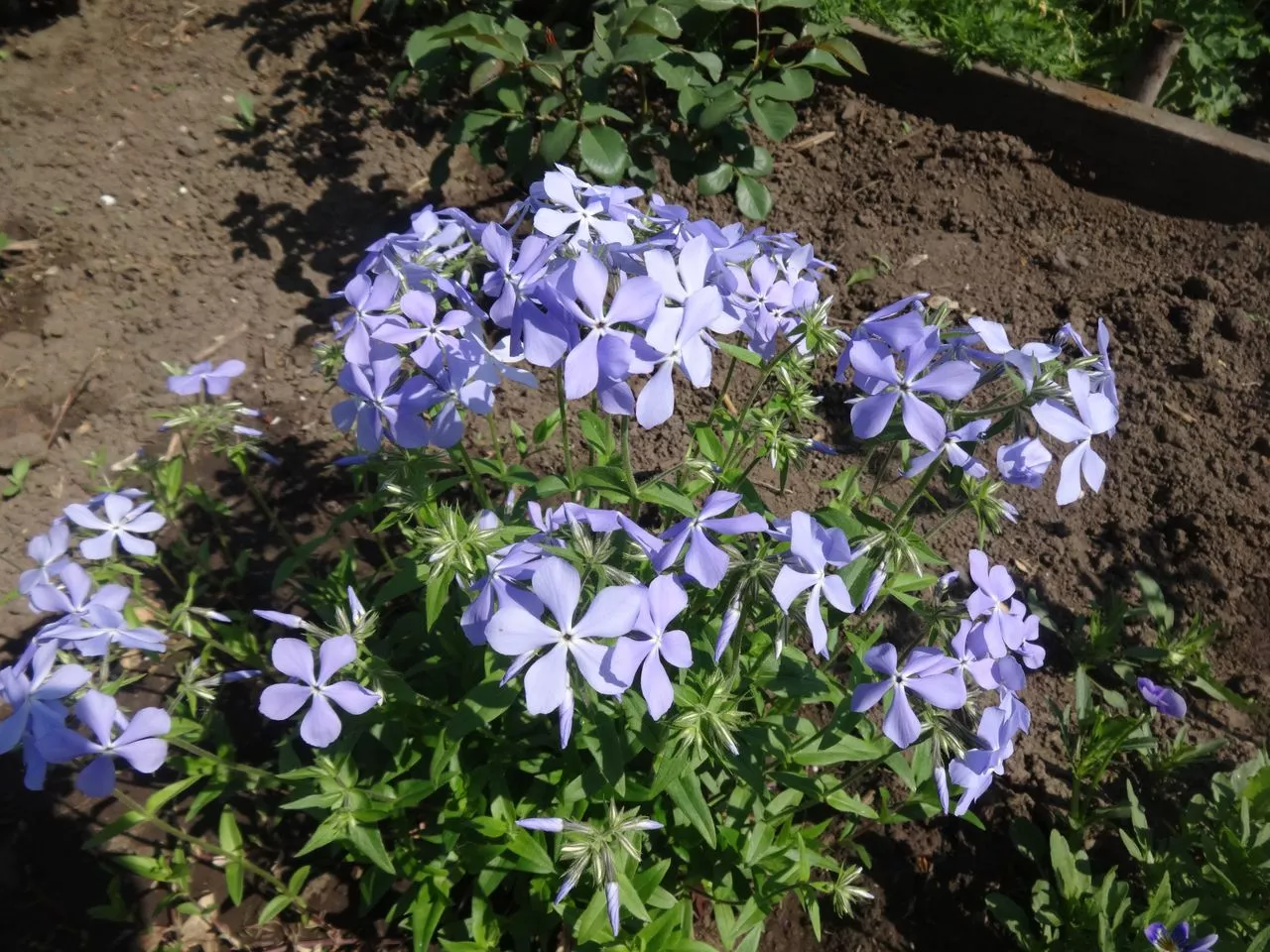
I buried two stems in soil, and they've taken root. The splayed phlox are starting to root on the horizontal layers, and new growth buds are appearing on the stems. I'll replant the young bushes a little later and find a suitable spot for them.
If the spreading phlox is happy, it will grow quickly, and the side shoots will immediately send up roots as soon as they touch the ground. After a while, you can simply trim the stem that has taken root from the side shoot and replant it in a new location. Once the new plant has grown a little, you can feed it with nitrogen fertilizer to encourage more foliage. As autumn approaches, a phosphorus-potassium fertilizer is needed.
It can also be propagated by dividing the bush.
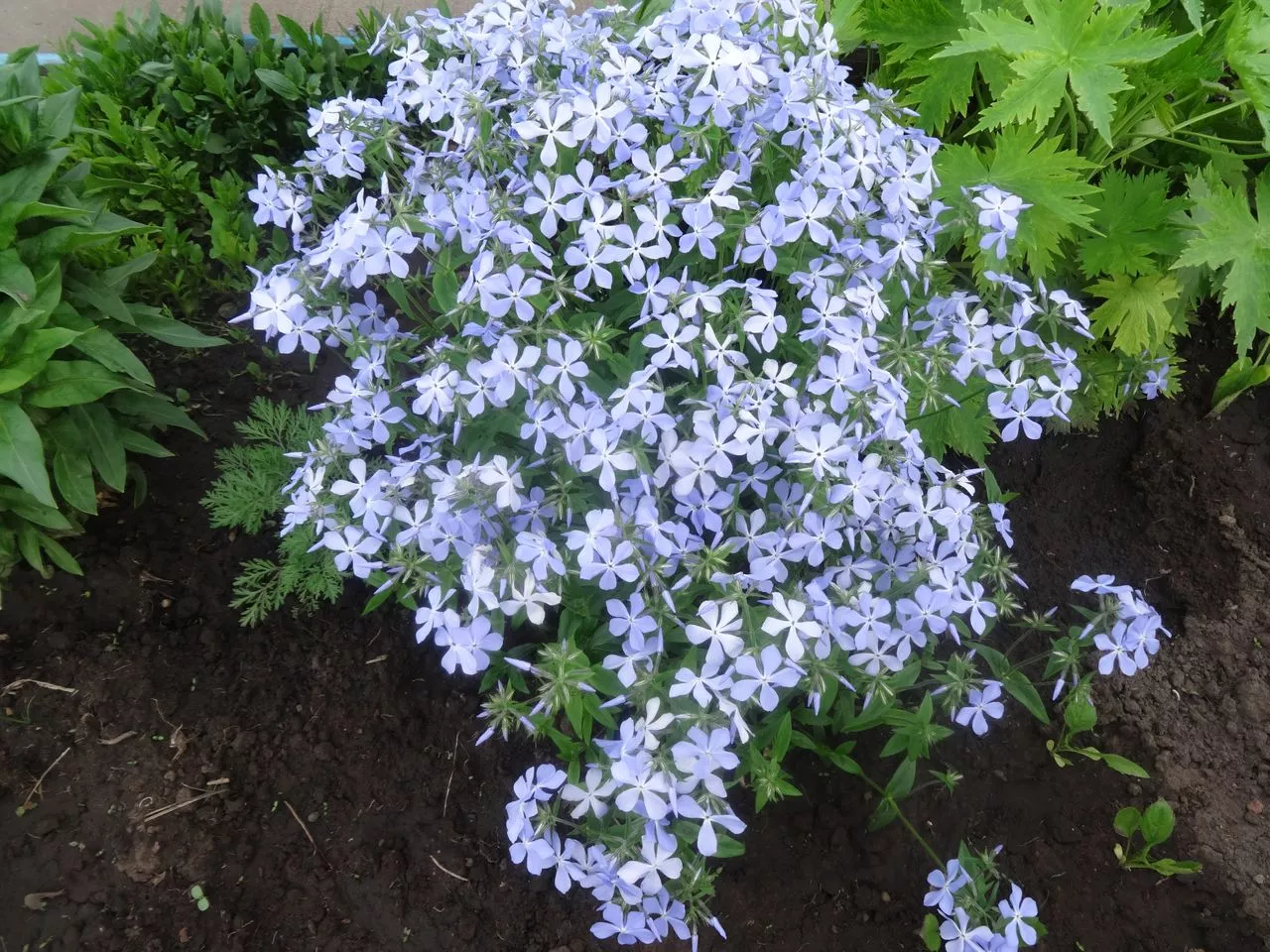
It's best to divide the phlox after they've finished blooming. Ours are finishing blooming now, and the blue flowers have faded in the sun and are almost white.
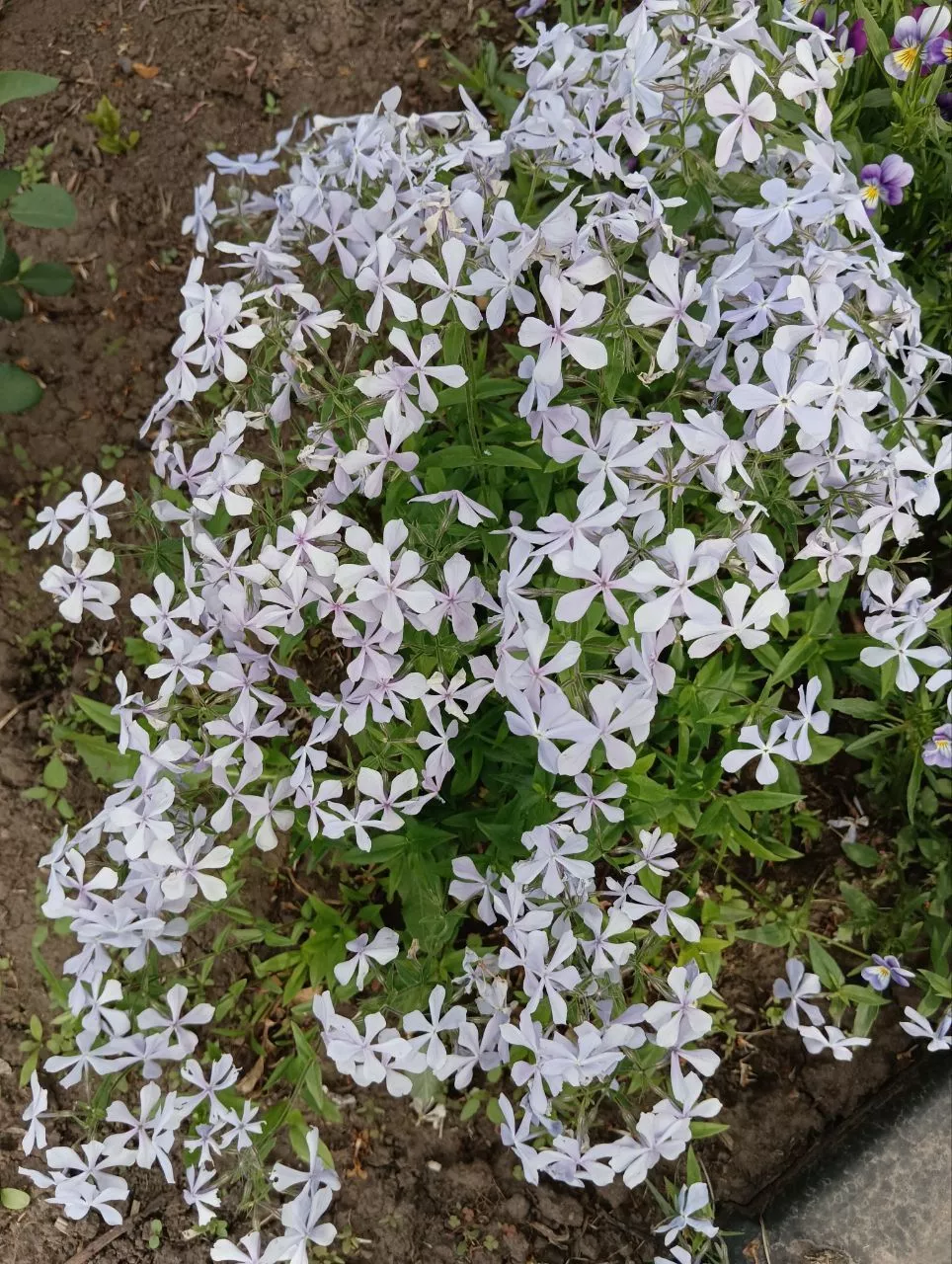
Many sources say that phlox, regardless of species, are frost-hardy plants. They don't need winter cover. And that's exactly how it was; neither I nor anyone I know ever covered our phlox. They never froze and bloomed profusely.
But one day, the phlox at our dachas simply didn't bloom in the spring. It's unclear what caused it. It's hard to imagine a dacha without panicle phlox. Without them, the dachas would be deserted. How beautifully they bloomed in every yard until autumn!
You can imagine how gardeners will cope without phlox. Everyone immediately started buying new bushes, but the following spring, no new ones emerged. I tried planting phlox in other spots for a couple more years; they grew and bloomed in the summer, and I covered them for the winter. It was all in vain. By spring, only dry stalks remained where the phlox had been. I no longer have paniculate phlox. All I have left are photographs as souvenirs.
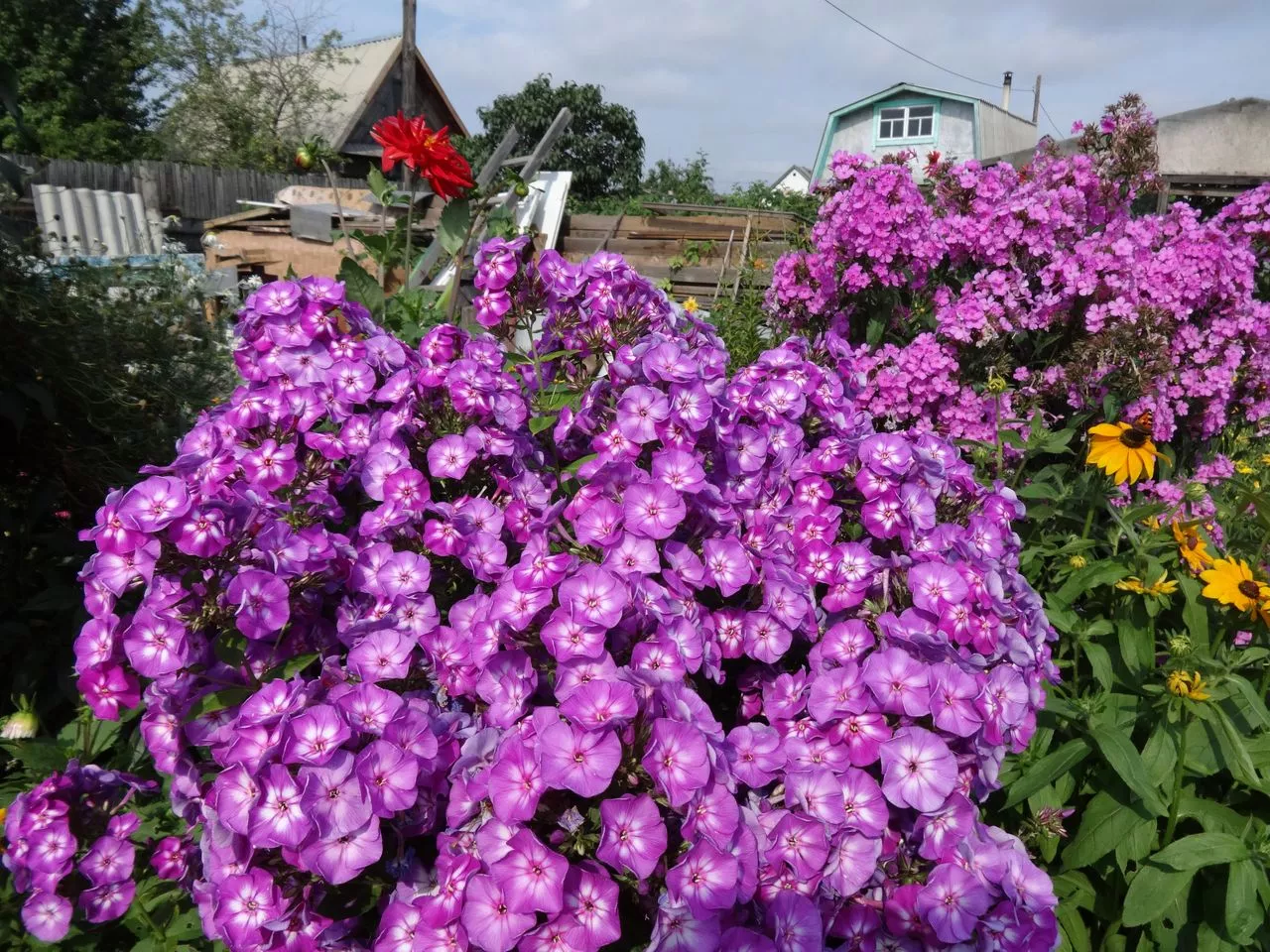
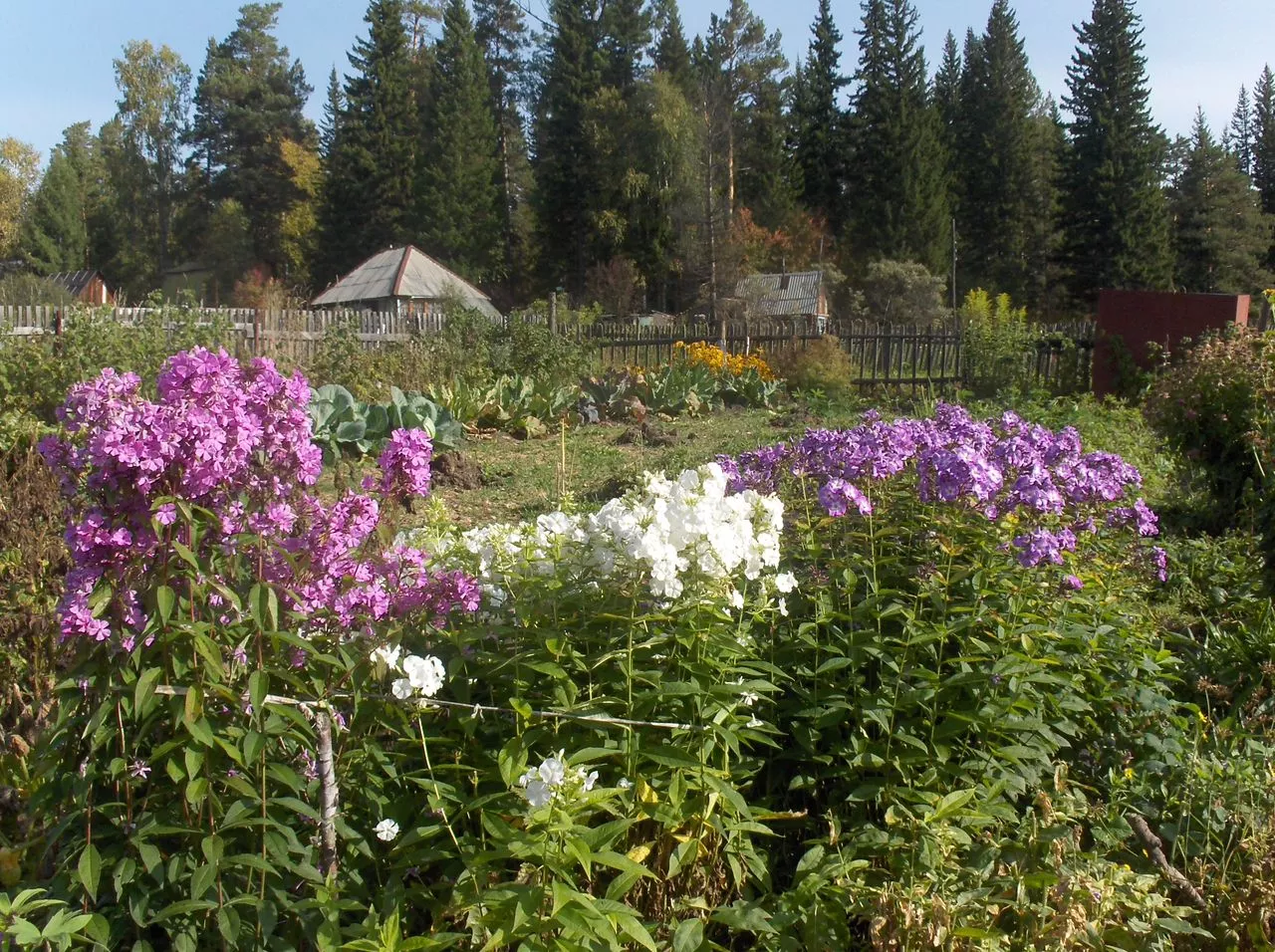
And the annual Drummond phlox have stopped growing too. What happened to them? I once grew them from seeds, and the seedlings grew quickly, blooming profusely all summer.
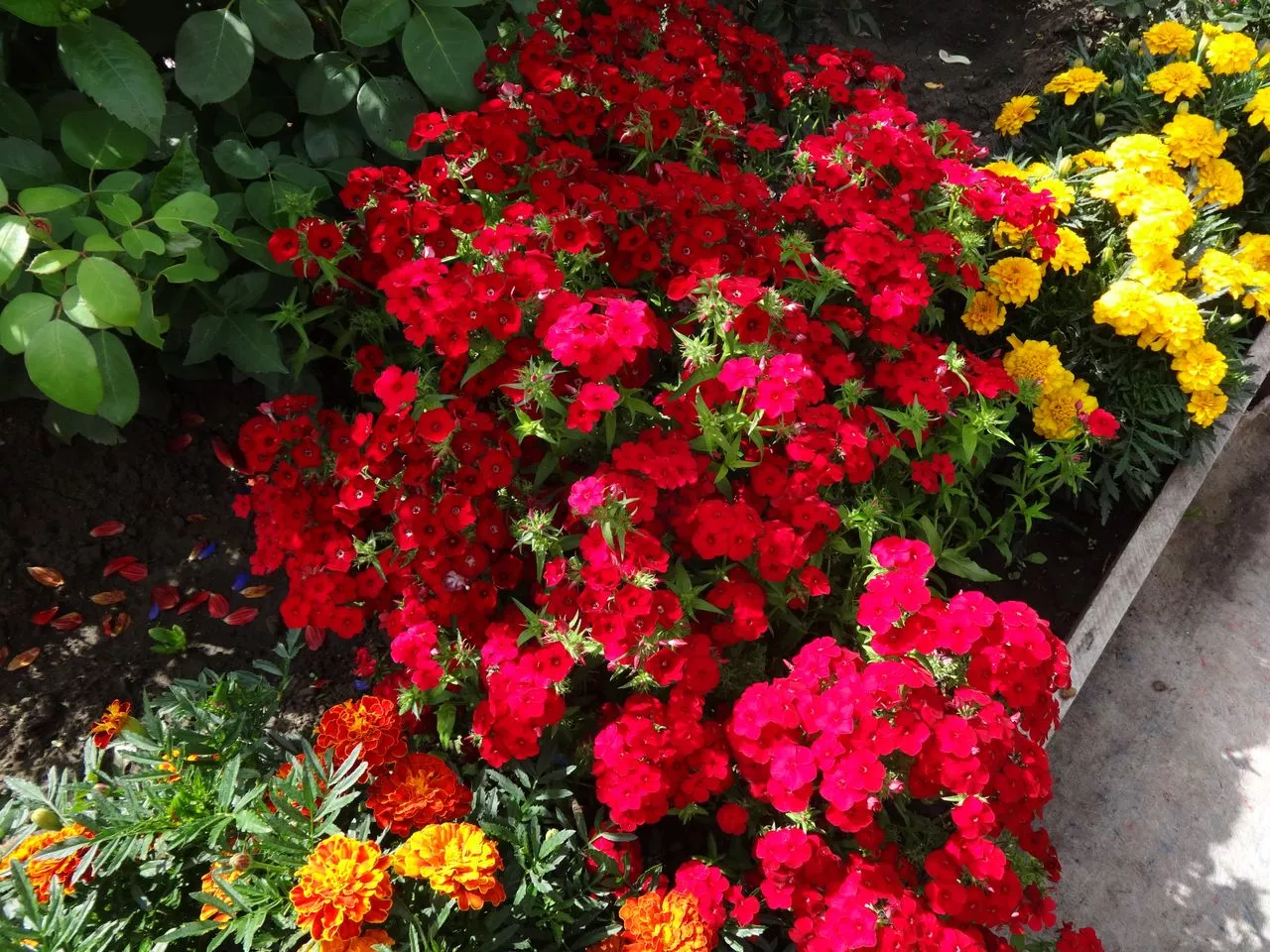
Why do you think phlox is called "splay phlox"? Perhaps because its five-petaled flowers resemble splayed fingers.
Very beautiful!