

Everyone's familiar with the spice called paprika. But what is it, and what is it made of? It turns out it's an overseas name for a mildly hot red pepper.
The name "bell pepper" was given to the pepper later, when Bulgarian breeders began actively cultivating it and developed new varieties with sweeter, thicker-walled fruits. So, we can easily make this seasoning ourselves for the winter while harvesting peppers.
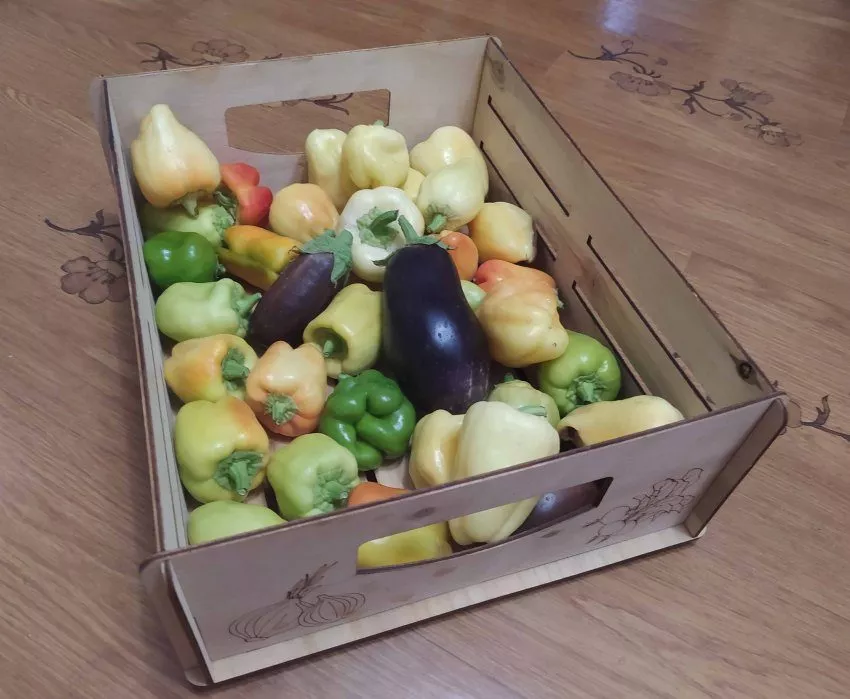
When the harvest is in, I wash and sort the fruit. I remove the stems and seeds.
I freeze the largest and most beautiful ones for stuffing in the winter. To ensure they store well and compactly, I blanch them: pour boiling water over the peppers for a couple of minutes. Then I drain the hot water and immediately fill them with cold water.
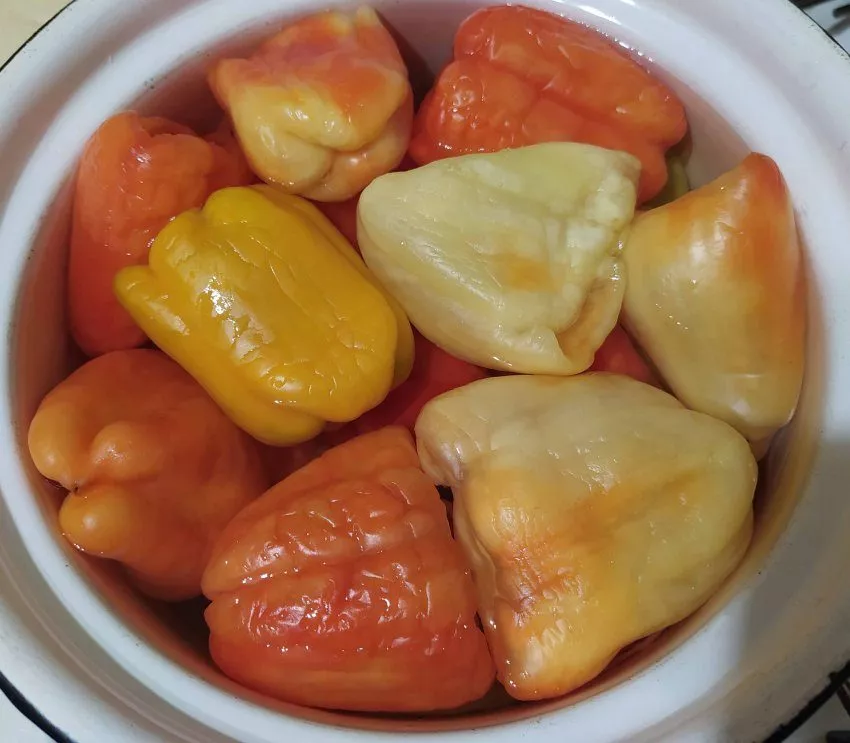
This way they become softer, and it is easy to place the peppers one inside the other, resulting in preparations like these.
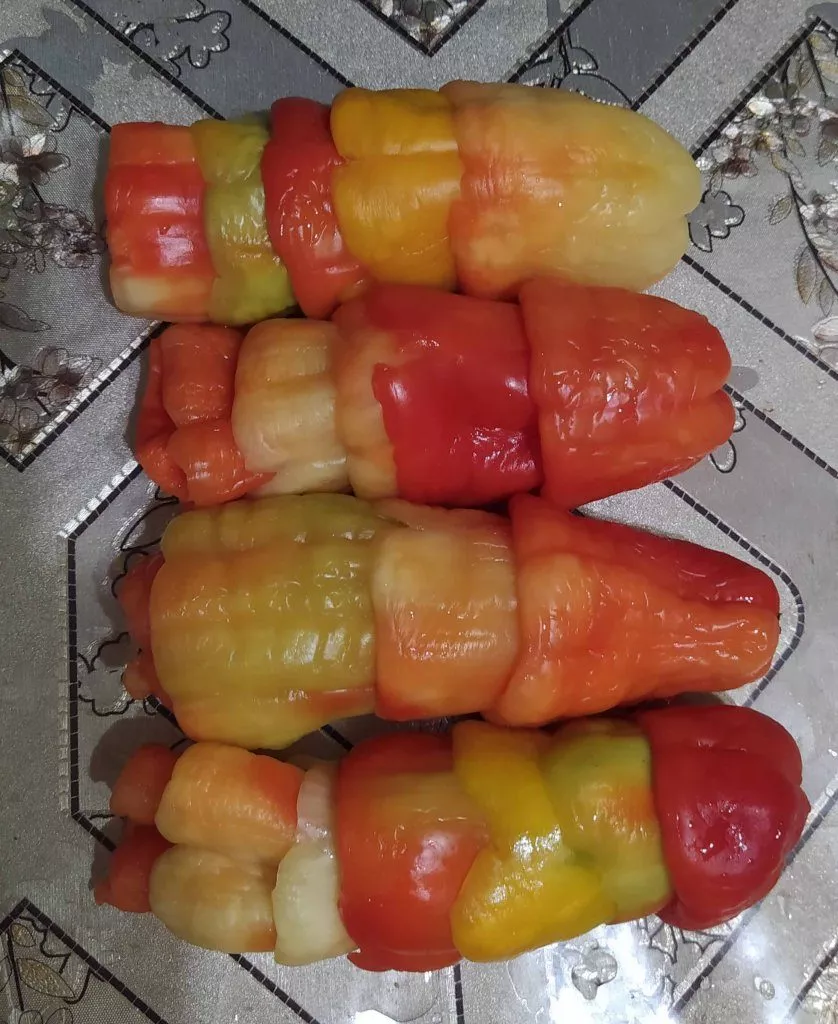
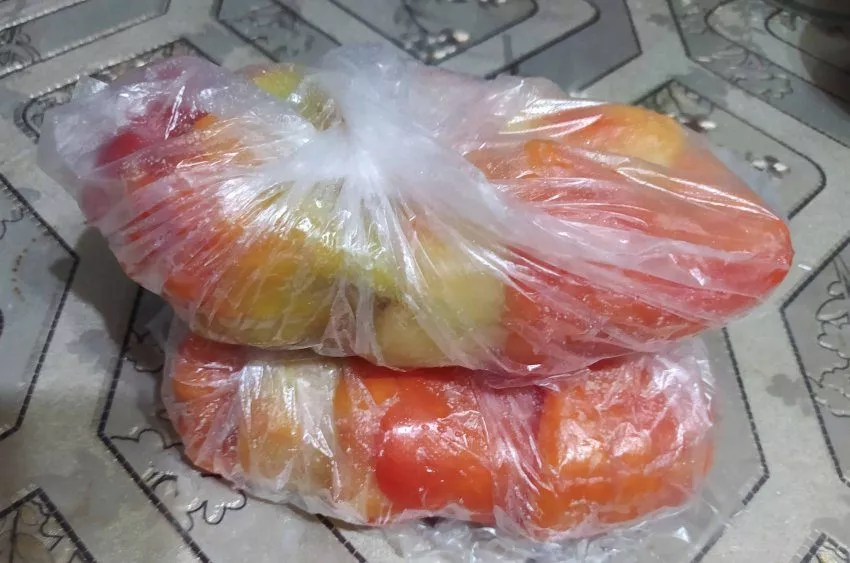
I tie them in a bag and put them in the freezer.
I chop the peppers that are crooked, damaged, or have other defects into small pieces and place them in the dryer.
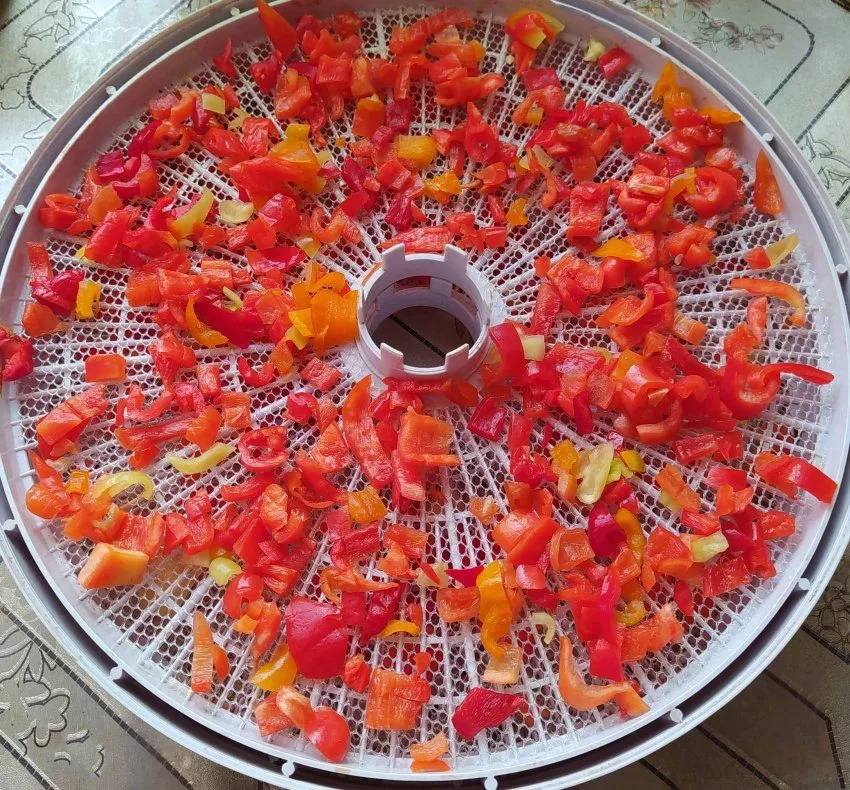
If you don't have a dehydrator, you can use an oven set to 50-60 degrees Celsius. This will result in dried peppers.
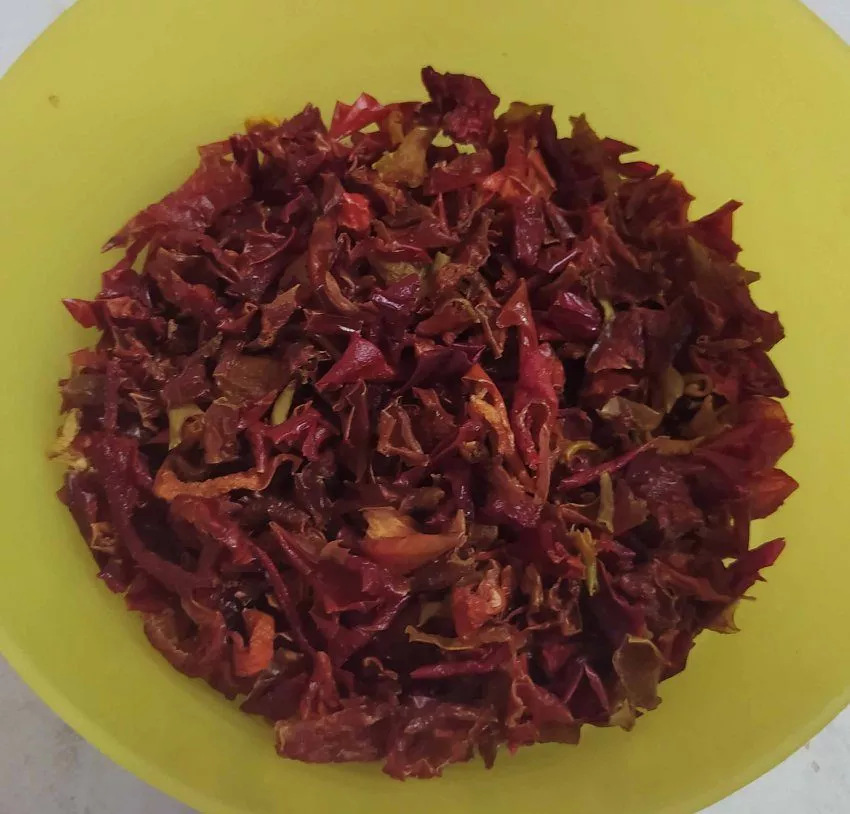
This preparation is great for adding to soups and other hot dishes in winter. Incidentally, dried peppers are much more caloric than fresh ones, and drying preserves all the vitamins and minerals that bell peppers are so rich in. I store them in a cupboard out of direct sunlight.
I make paprika from some of the dried pepper – I grind it finely in a blender or coffee grinder, and get this powder.
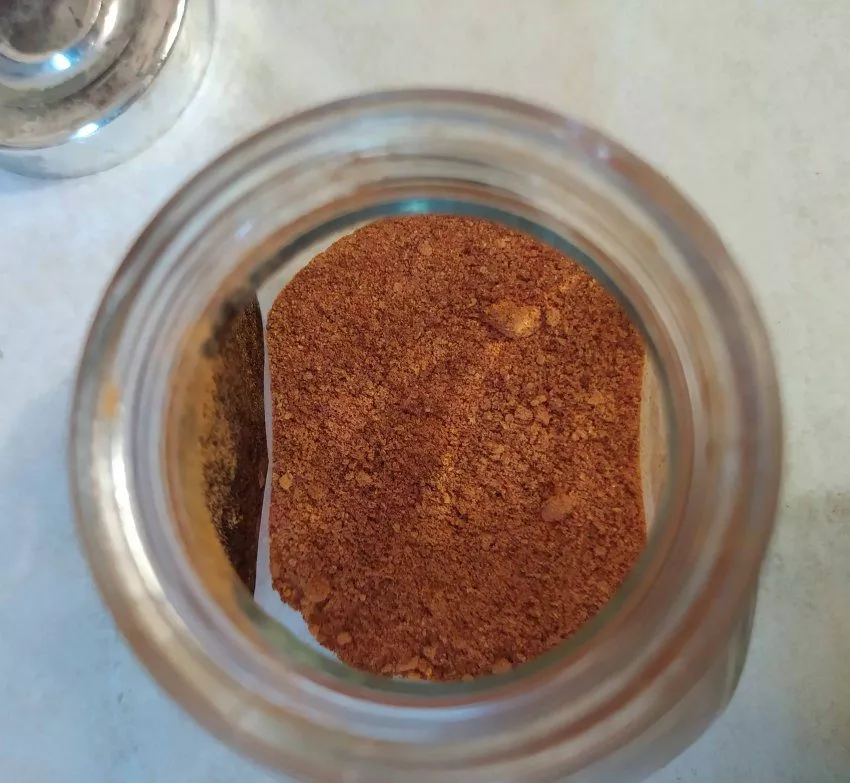
For a little zest and bitterness, I dry and add a hot pepper pod to my homemade paprika.
Another option for preserving chopped peppers is freezing them. After cutting them into pieces, I place the peppers in a bag or container and put them in the freezer.
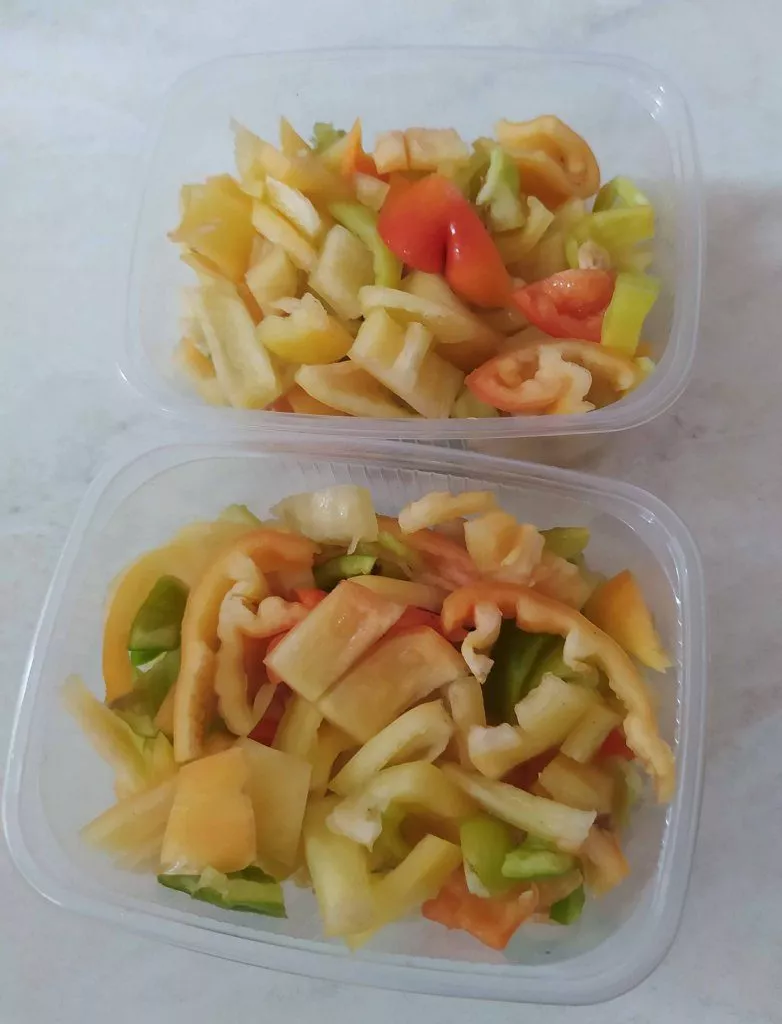
In this case, it can be added to hot dishes (rice, stews, etc.). Just don't thaw it beforehand, otherwise you'll end up with soggy, flavorless pieces. It's best to remove the pepper from the freezer just before cooking and quickly add it to the dish. This will preserve the flavor and texture.
I also always freeze peppers in various forms. But I especially love them cut into thin strips – they look beautiful in borscht and sauces. And a special thank you for your homemade paprika! I tried it and I can say it turned out much tastier than store-bought seasoning. Thank you again!