
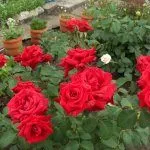
We call this plant "Decembrist" because it begins blooming in the first month of winter. This is probably what makes it so unusual: most flowers delight with buds in the spring or summer, but this beauty stays in bloom practically all winter. It's unusual to see it against a backdrop of snowdrifts. Summer on the windowsill.
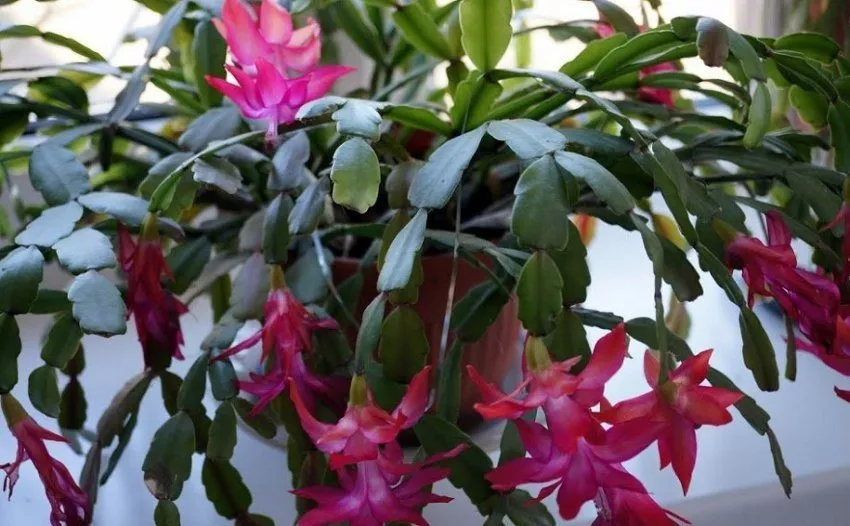
For some reason, this plant has become unpopular these days; once upon a time, a pot of it stood in every home. Apparently, the flower's popularity has waned amid the huge number of new flowers bred and imported from abroad.
I've heard that the Decembrist is called by many names: jointed cactus, barbarian flower, Christmas cactus, crab cactus, but its correct name in the botanical world is Schlumbergera hybrid.
The flower is unpretentious, but it does require some care. I didn't see its buds right away, and the following year, as soon as it bloomed, it immediately dropped its flowers. My grandmother didn't have this problem—the Decembrist wasn't fussy.
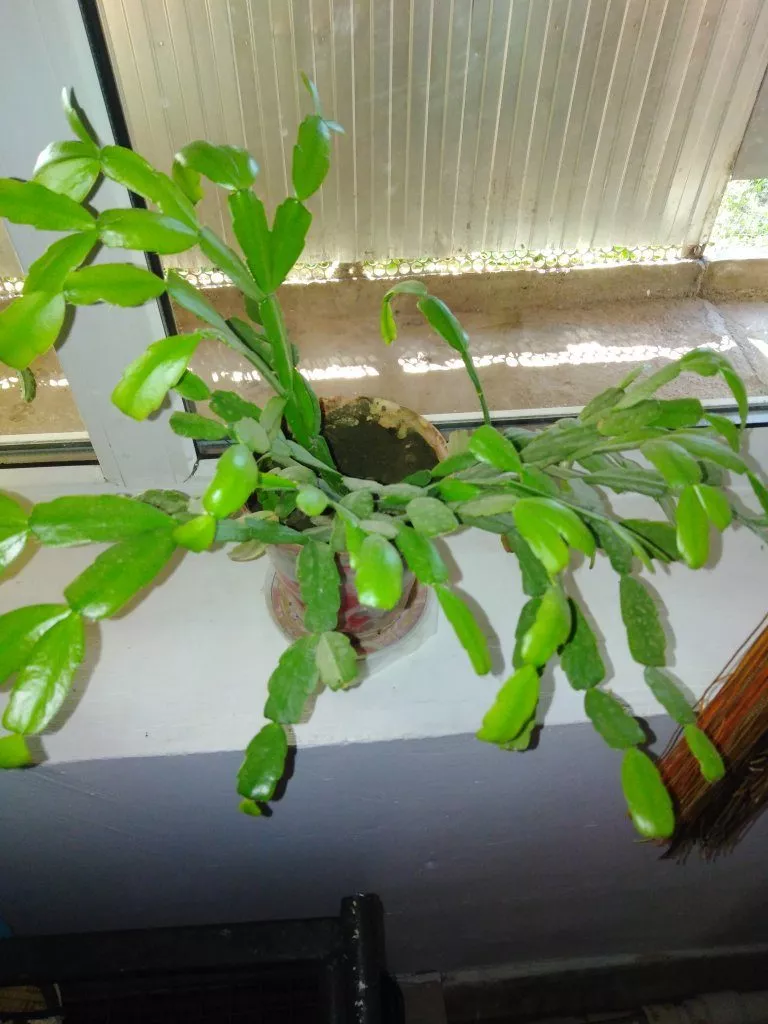
It turned out that I had been caring for it incorrectly and had been severely violating the rules for abundant flowering:
- Schlumbergera hybrida is native to the tropical forests of South America. Therefore, the plant biologically requires light but does not tolerate direct sunlight. If the flowerpot is located in a south-facing window, be sure to shade it from the sun! In the shade, the plant will wither or grow very slowly. In such conditions, it needs supplemental lighting by installing phytolamps.
- The Christmas cactus grows until mid-autumn. After that, its growth stops, and the plant begins to form flower buds. This occurs best when the temperature drops to 18 degrees Celsius and the daylight hours are 8 to 10 hours. You can move the pot into the hallway or place it by a window as far away from heating appliances as possible. If the plant is too cold or too hot, the flower buds will not develop.
- Inspect the Christmas cactus daily, and as soon as buds appear, return the pot to its original warm, bright location. It's a good idea to maintain normal humidity levels from now on. If the air is dry, mist with water from a spray bottle.
- Never change the pot's position once the Decembrist is in bloom. The plant dislikes this. The slightest movement, perceived as stress, causes all the buds and flowers to fall off.
Fertilizing is crucial for vigorous growth and abundant flowering of Schlumbergera. If the soil lacks potassium and/or phosphorus, the plant's immunity is weakened. Lush blooms are out of the question. Therefore, when buds are forming or the first flowers appear, feed the plant with a mineral or organic fertilizer containing these elements.
Wood ash infusion is perfect for this purpose. I add 2 tablespoons to a 1.5-liter bottle and fill it with water. I let it steep for 24 hours, shaking it occasionally. After the main watering, I spread 3-4 tablespoons of the infusion over the soil surface.
You can simply sprinkle ash on the soil in the pot. But be careful not to let the soil surface dry out. Frequent watering isn't recommended, but misting is necessary to release organic compounds and allow them to reach the roots.
After flowering, I give the Decembrist a rest period, watering it less frequently. And towards the end of spring, I resume the watering regimen and apply a mineral fertilizer with a complex fertilizer.
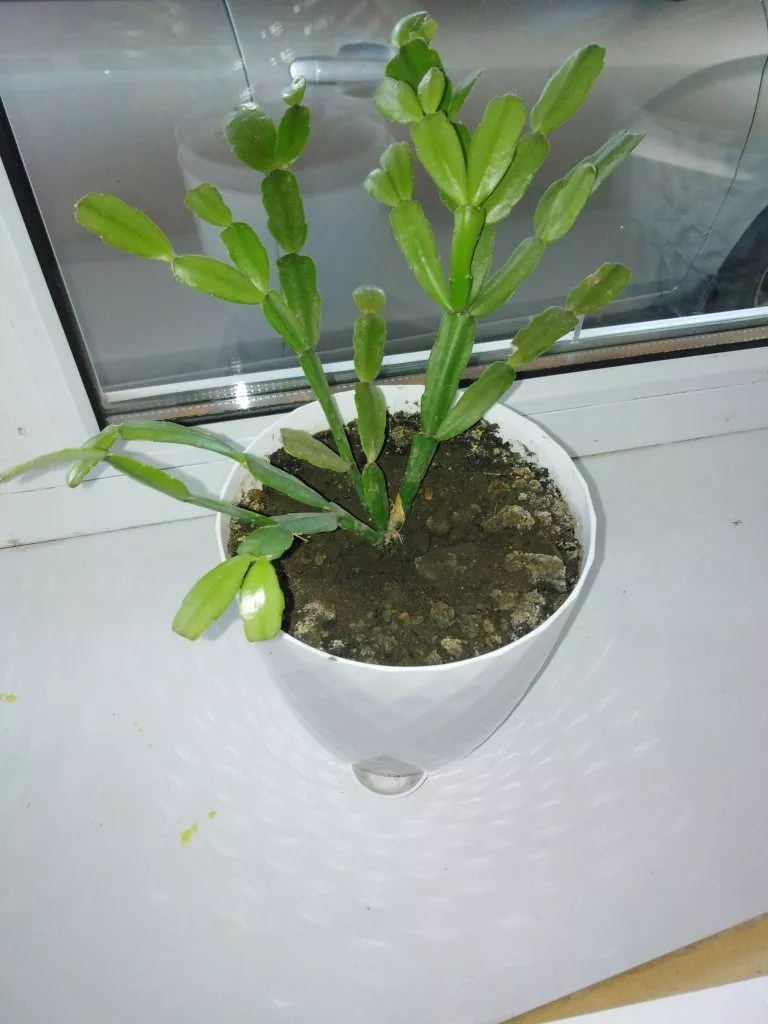
Also, when repotting, avoid burying the plant too deeply in the soil. Choose pots that are shallow but roomy, as the Decembrist's root system is shallow.
That's it. No extra care is required. Just follow the standard procedures correctly and enjoy the results!