

It's hard to imagine a Siberian dacha without currants, honeysuckle, and serviceberries. These bushes are undemanding, frost-resistant, and easy to care for. They grow in any dacha, even in abandoned plots, producing a good harvest almost every year. Their berries are rich in vitamins, healthy, and delicious.
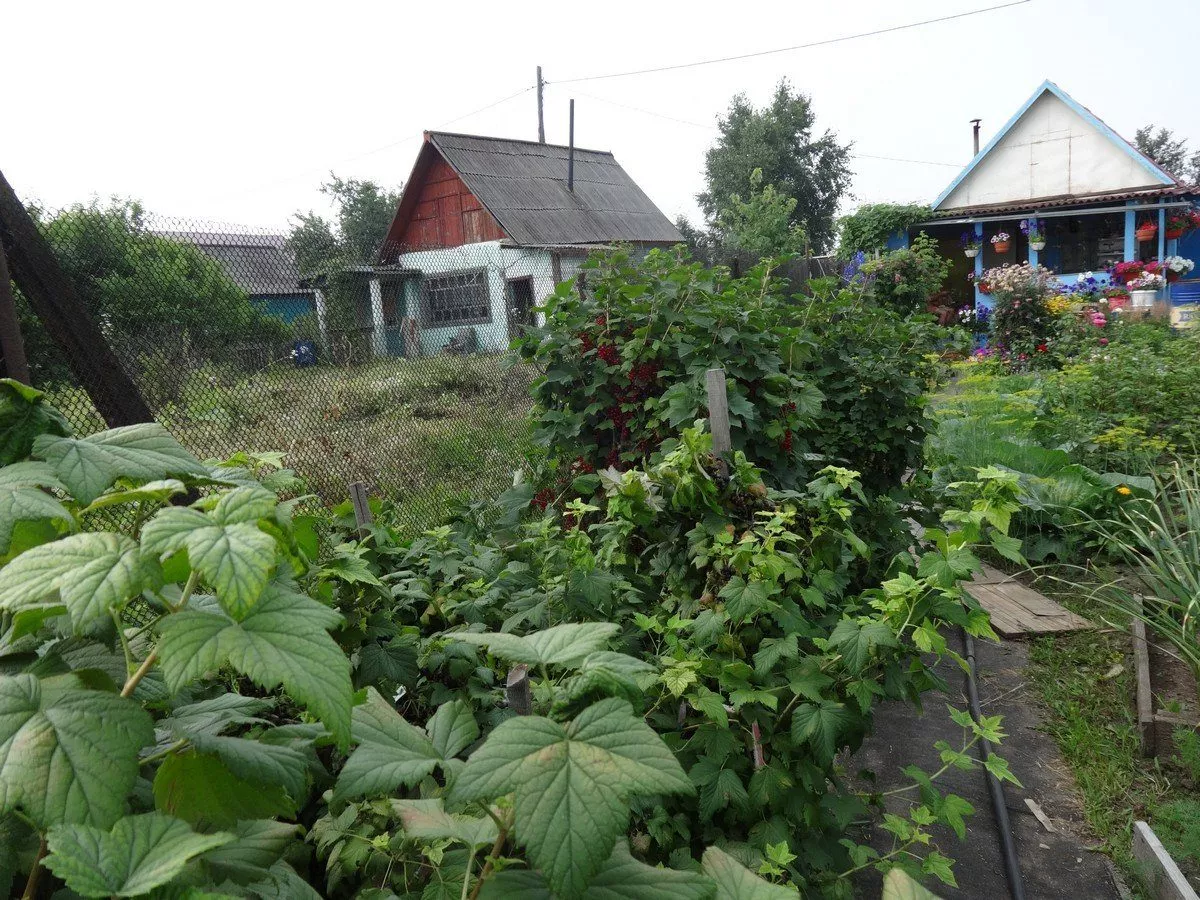
When we bought our dacha, there were four blackcurrant bushes growing on the property—all of the same variety. The bushes were old, with thick, dark stems, and many of the branches were crooked.
In the spring, we cut back thick, blackened stems, trimmed bent ones, removed round buds infested with bud mites, and sprayed the currants with pest and disease control products. We finally got a harvest; the berries on each bush were sparse, large, aromatic, and sweet and sour. We made jams and compotes, and fertilized the bushes in the fall.
Later, we removed three bushes and bought three young currant seedlings at the market: black, white, and red. The seller named the currant varieties, assuring me they were from a local nursery and that the berries were sweet and large. Of all the names, I only remembered the red currant variety—Ruby.
We planted the seedlings in a new location – the black currant died immediately, the white currant bush withered all summer and completely dried out in the fall, and the red currant developed well, but it grew near the cherry trees and did not have enough sun.
We replanted it in the fall, and now it's growing next to the plum trees. It bloomed in the spring, but the berries only set on the top, with three or four on the stem, and the rest of the stem was bare. The redcurrant yield was meager. We decided that this location wasn't suitable for it either, as the plum trees were also shading the bush. Now it grows in a sunny spot and produces excellent fruit.
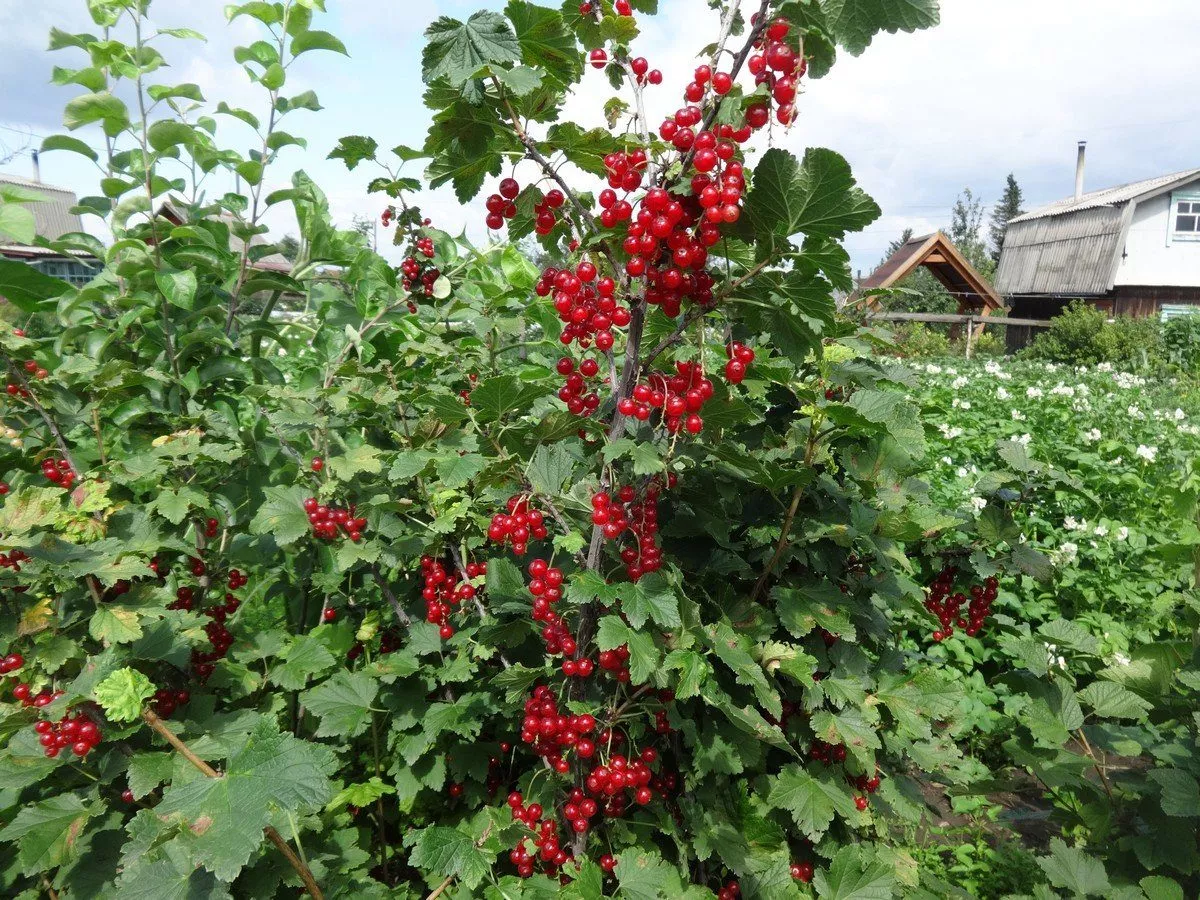
We were inexperienced gardeners back then, buying seedlings wherever we could find them. Now we buy only from specialized garden centers and nurseries. Before buying a seedling, we find all the information about the variety online. We try to buy local, regionalized varieties that are frost-hardy, suitable for our climate, and productive. We don't just buy the first one we see; we select and inspect the buds, branches, and roots to ensure the seedling is healthy and strong.
Black currant
We currently have five blackcurrant bushes growing. Two of the five-year-old varieties—Minusinskaya Stepnaya and Ozherelye—delight us every year with a bountiful harvest of sweet, large berries.
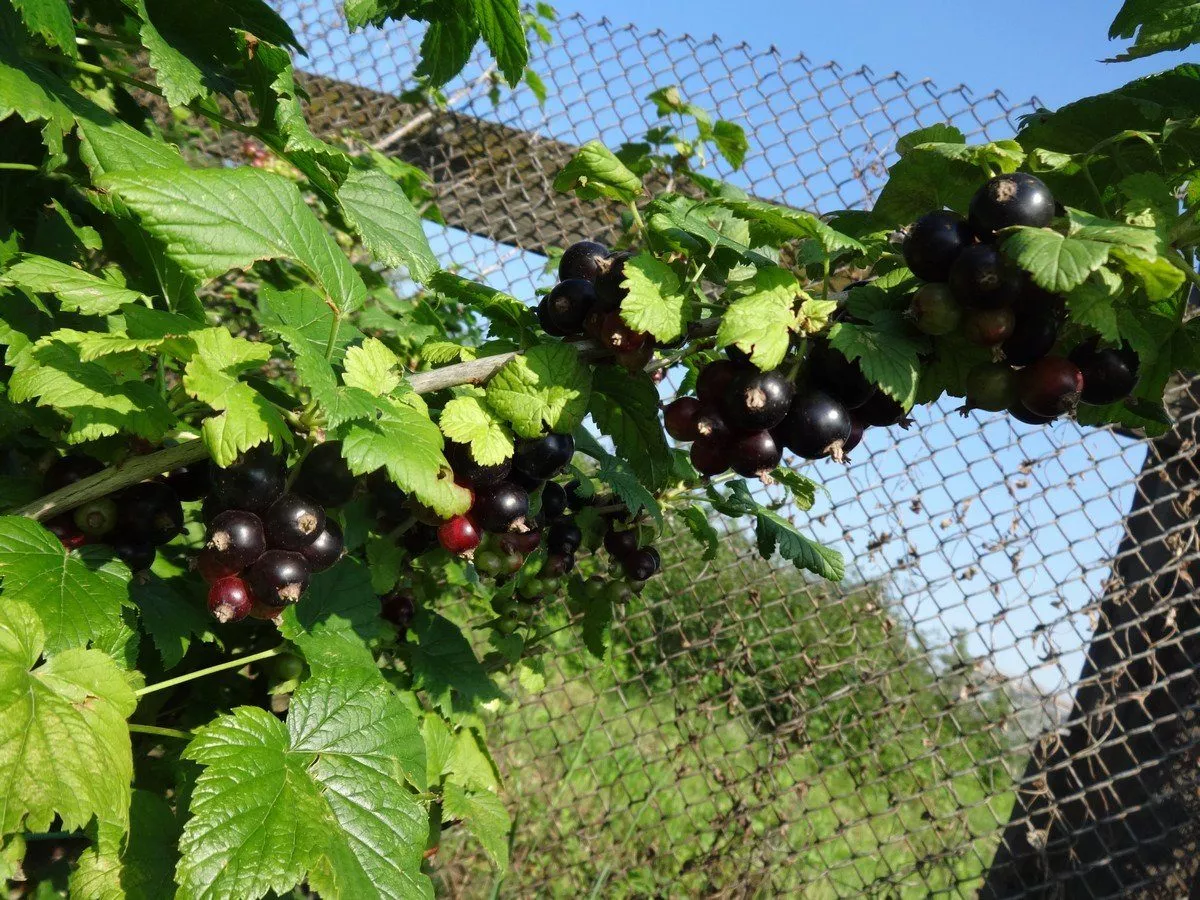
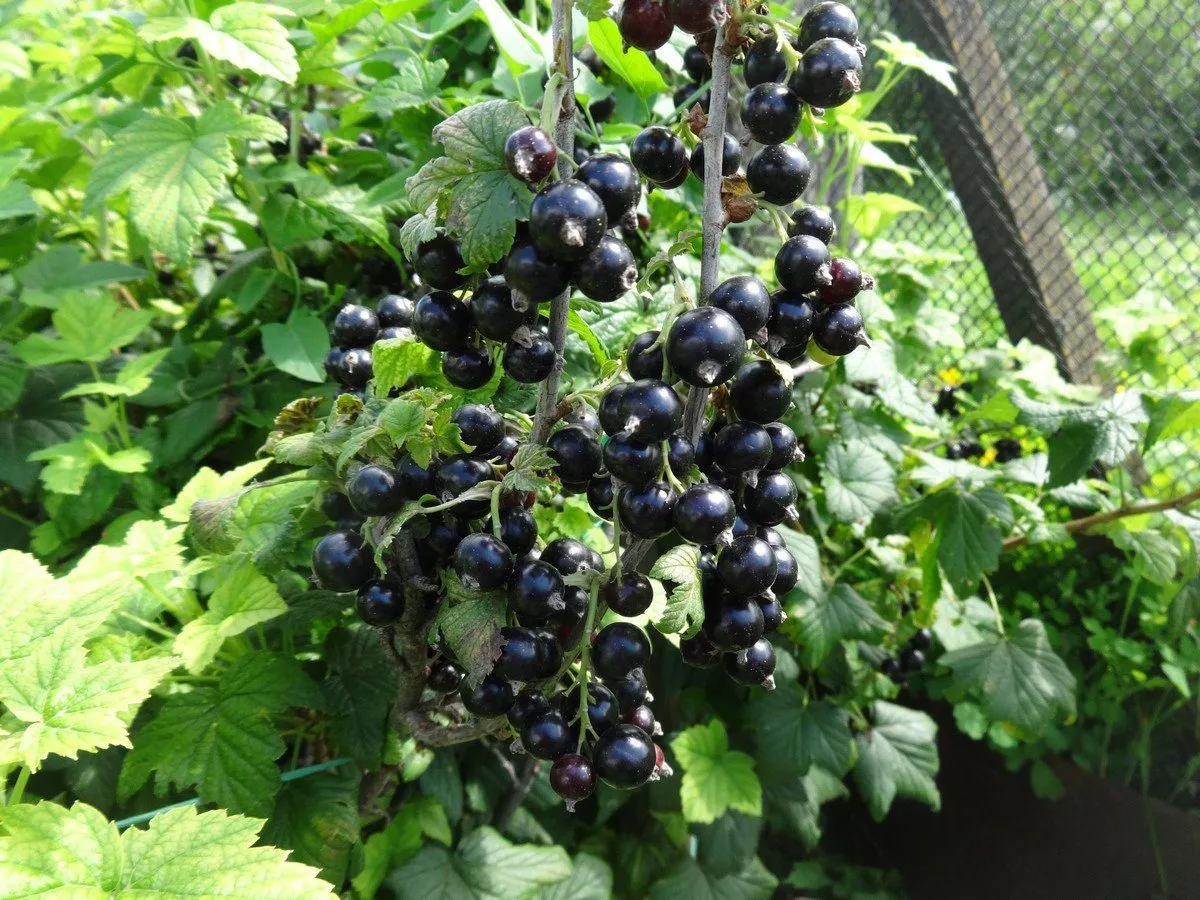
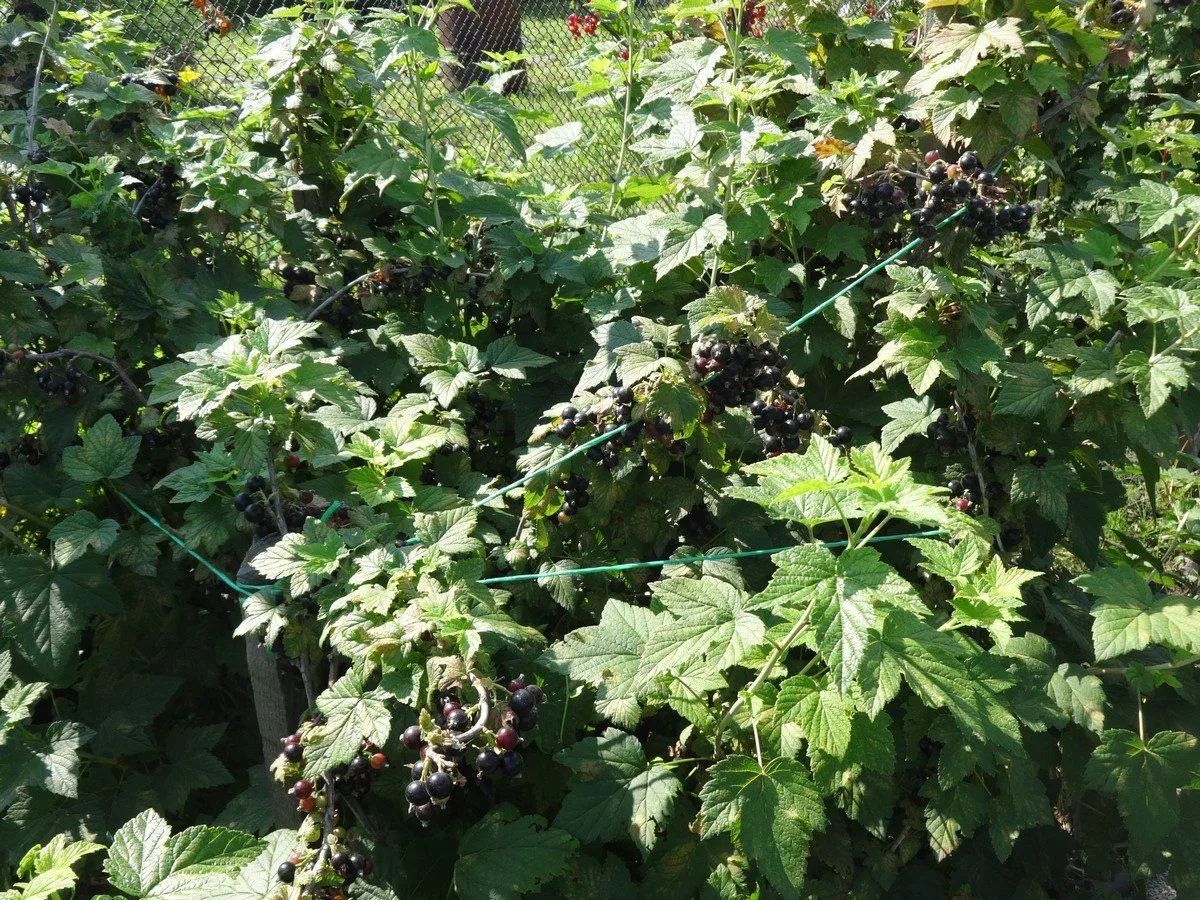
Another bush, the one that was growing when we bought the dacha.
We keep meaning to uproot it, but for some reason we leave it. This currant is the first to bloom and ripens before all the others. Every fall, we rejuvenate the bush, cutting out all the old shoots, fertilizing it, loosening the soil underneath, adding humus, and in the spring, it sprouts new shoots again.
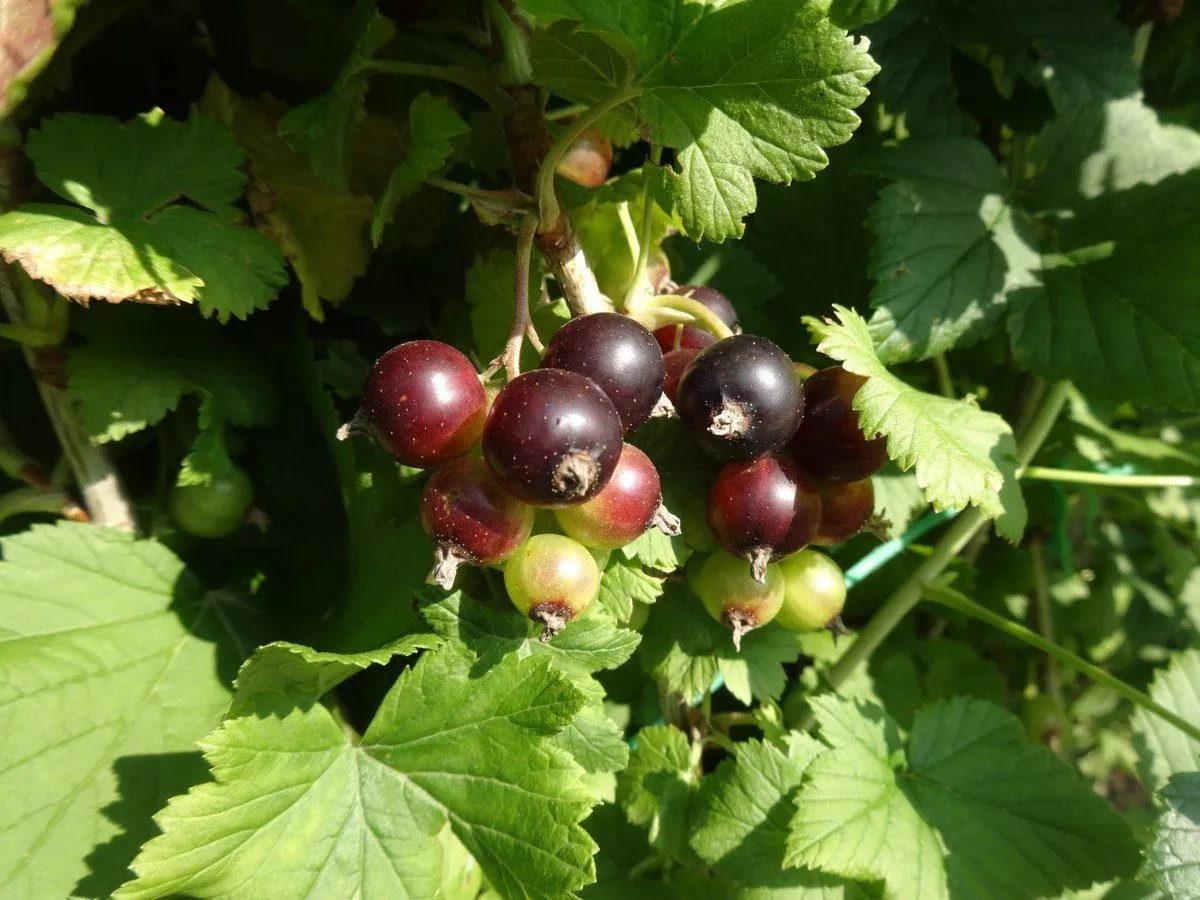
There are few berries on it and they are the earliest, we mainly pick leaves from it for country tea, for pickling and salting vegetables, and dry the leaves for the winter.
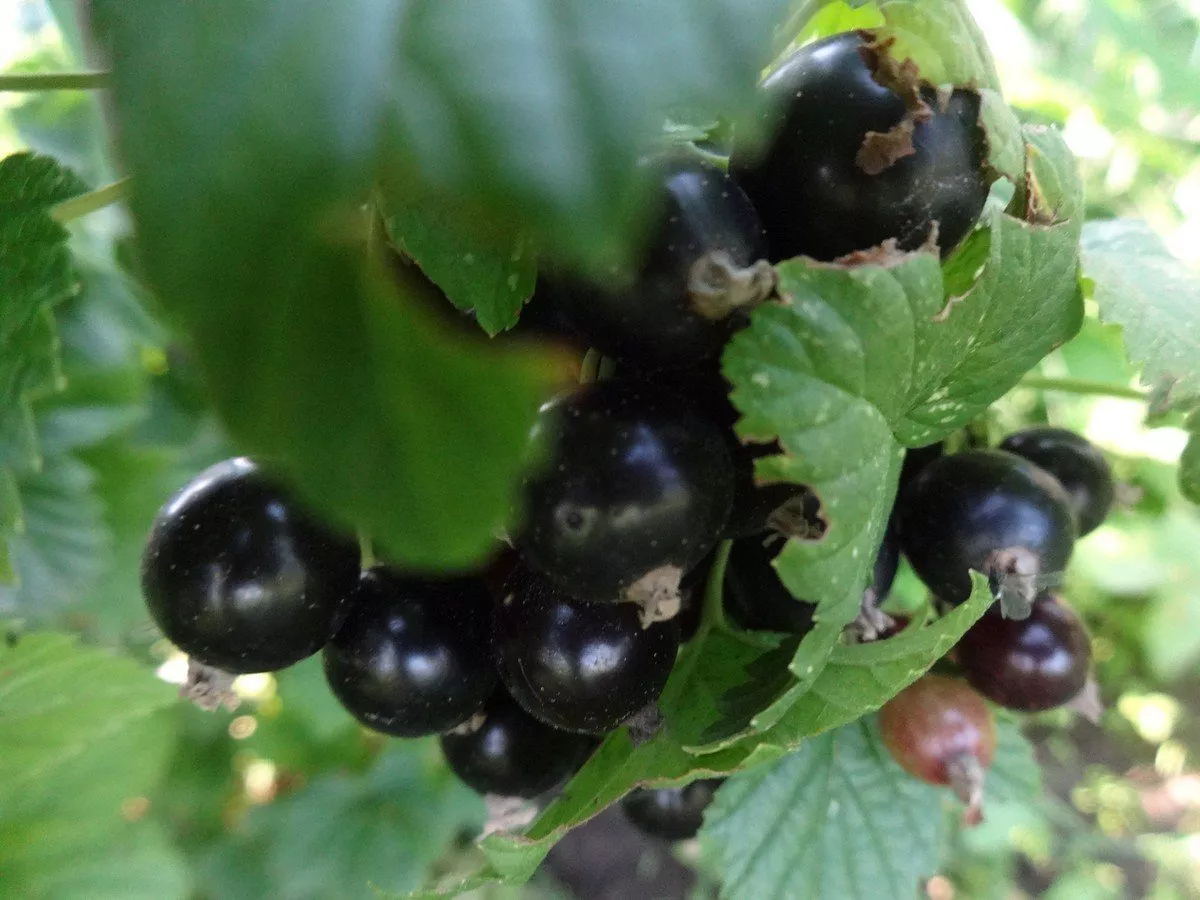
I also have two young blackcurrant seedlings - one was given to me by a neighbor at my dacha, the other grew by self-seeding.
My neighbor's bush had already produced its first harvest, and the berries were delicious. This year, it's also producing berries. The self-seeded berries haven't bloomed yet; the bush is still small.
Red currant
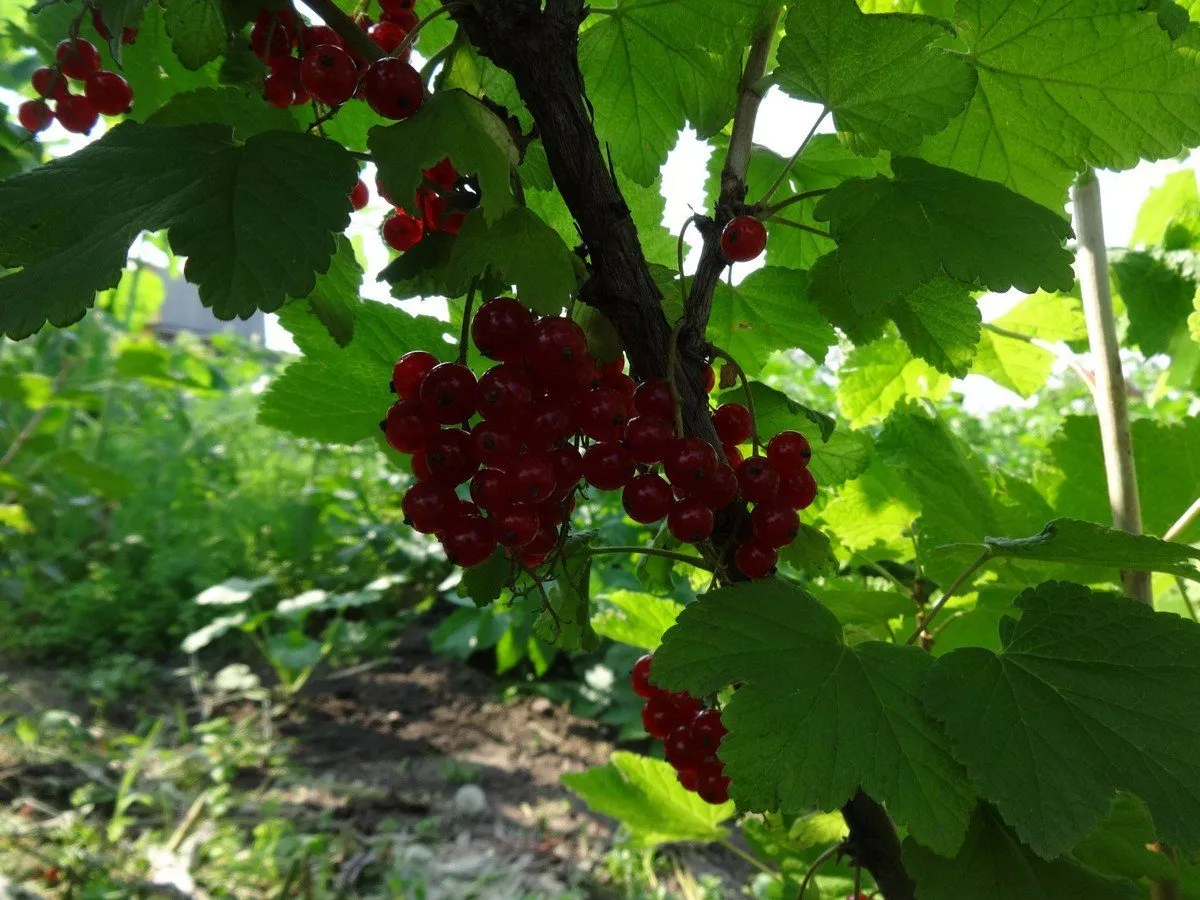
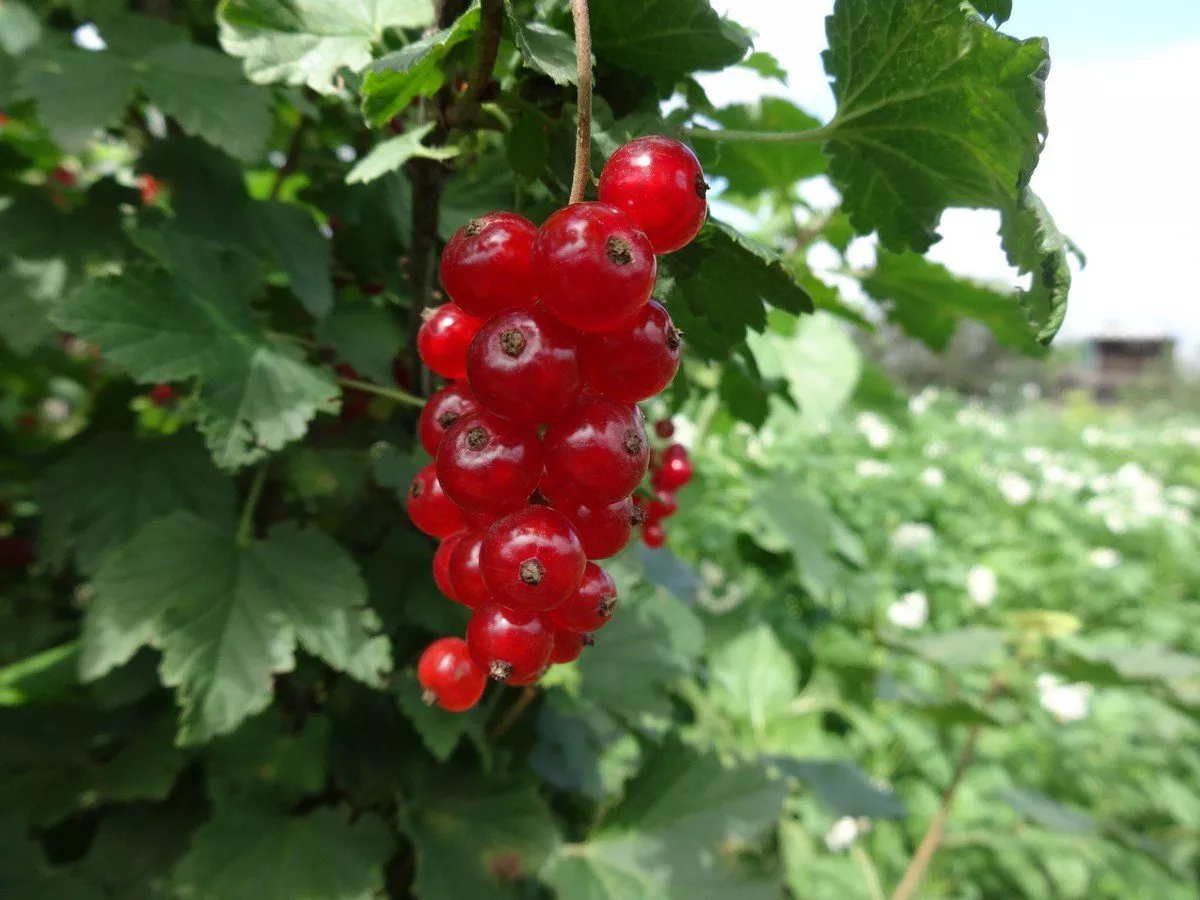
We bought our first red currant, a Ruby variety, at the market from a truck. Since then, we've replanted it three times. It didn't like growing in the shade under the cherry trees or near the plum trees, but now it thrives in full sun and produces a good harvest of ruby-colored, sweet-and-tart berries.
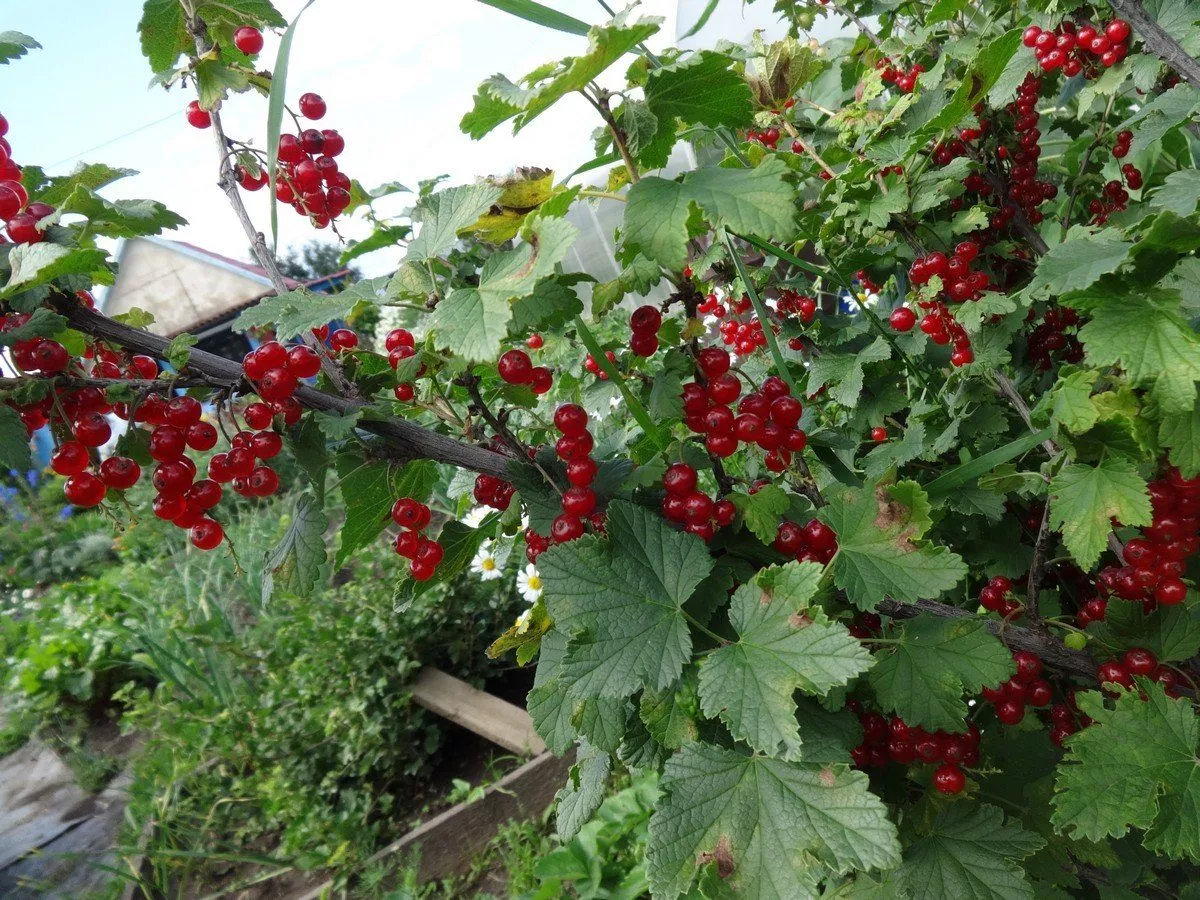
Later we purchased another seedling – the Sakharnaya variety.
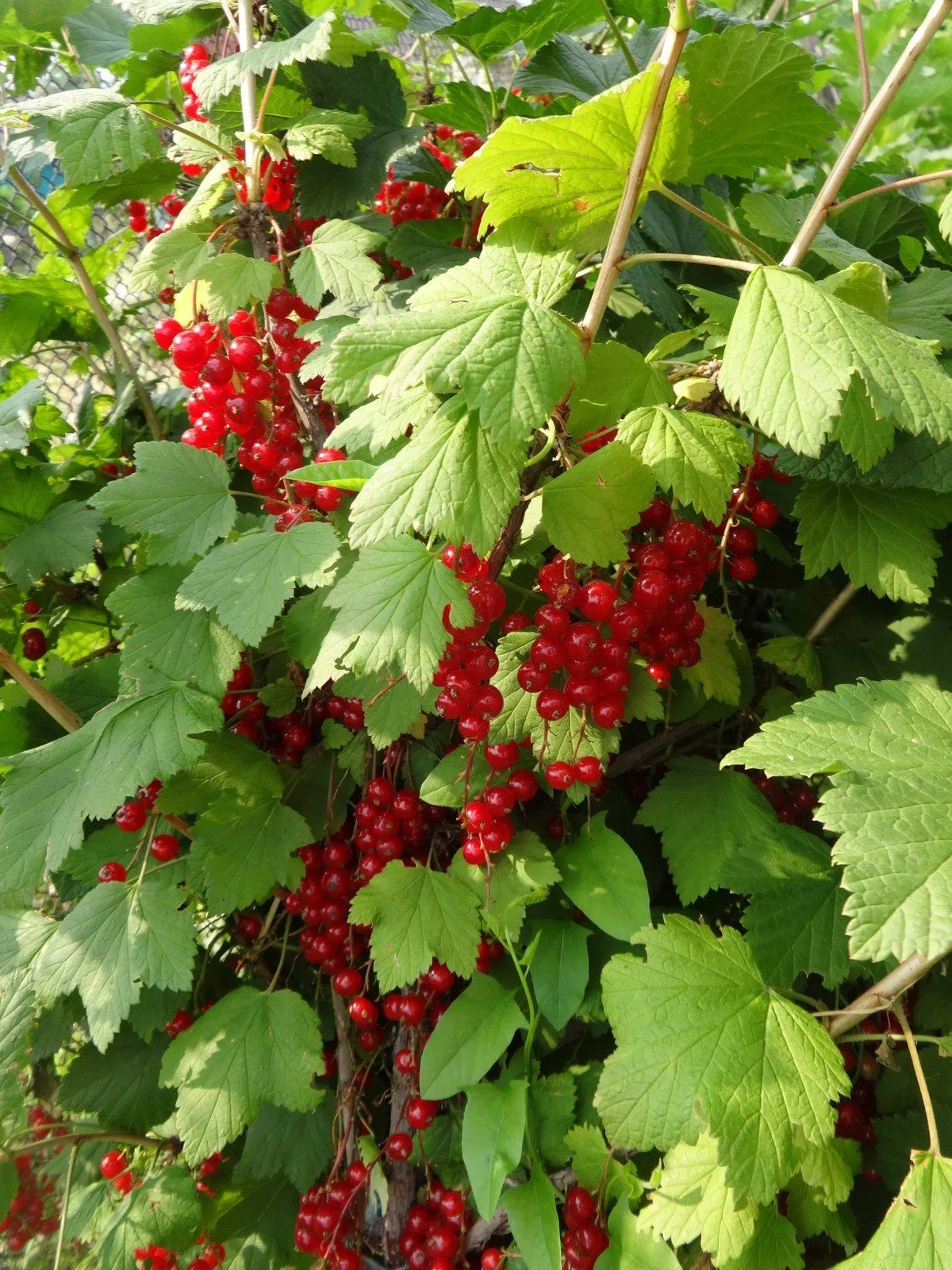
The bush grew well, and the following year it already had berries—sweet, large ones. Each year, the harvest grew larger.
But in 2019, in the spring, most of the bush had dried out branches. We cut them off, thinking that it would grow new stems. The bush was not doing well, the remaining branches bloomed, produced a harvest, but later the bush dried up and died.
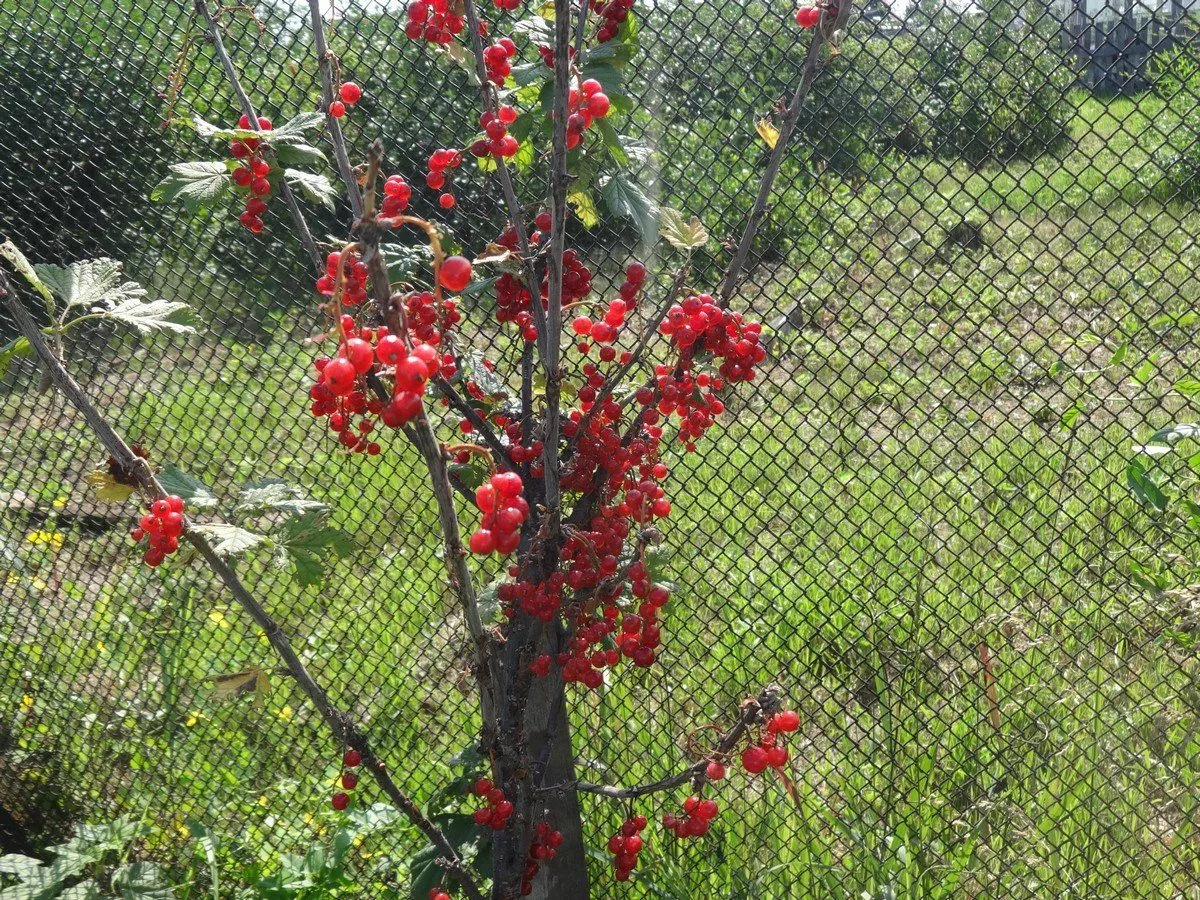
We removed it. That same year, we planted a young bush of the Andreychenko variety. It grows next to the Ruby variety.
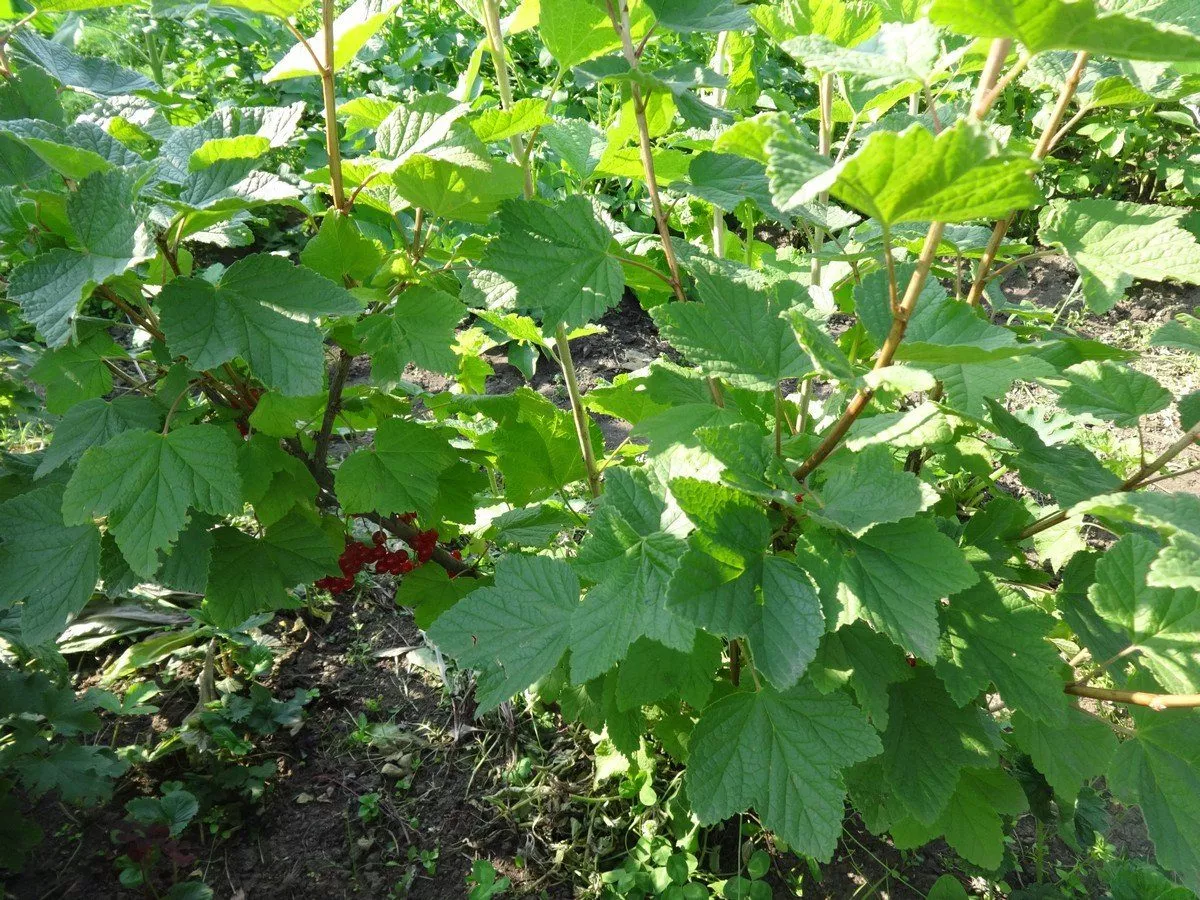
This year it yielded its first small harvest. The berries are very sweet and ripened earlier than the Rubinovaya currant variety.
White currant
We grow white currants of the Belyana variety. This variety is very productive, the berries are sweet, and there are always plenty of them. They don't fall off for a long time, hanging on the bush until late autumn.
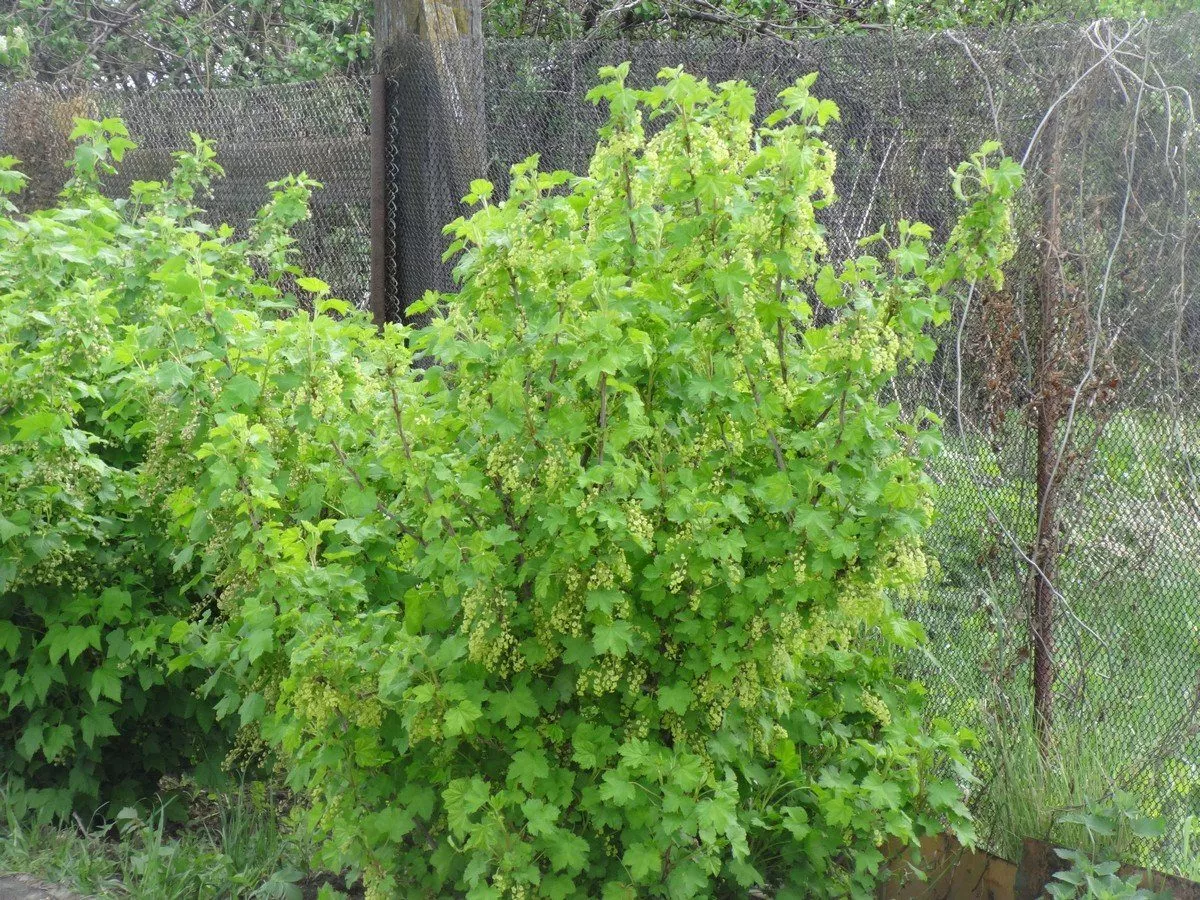
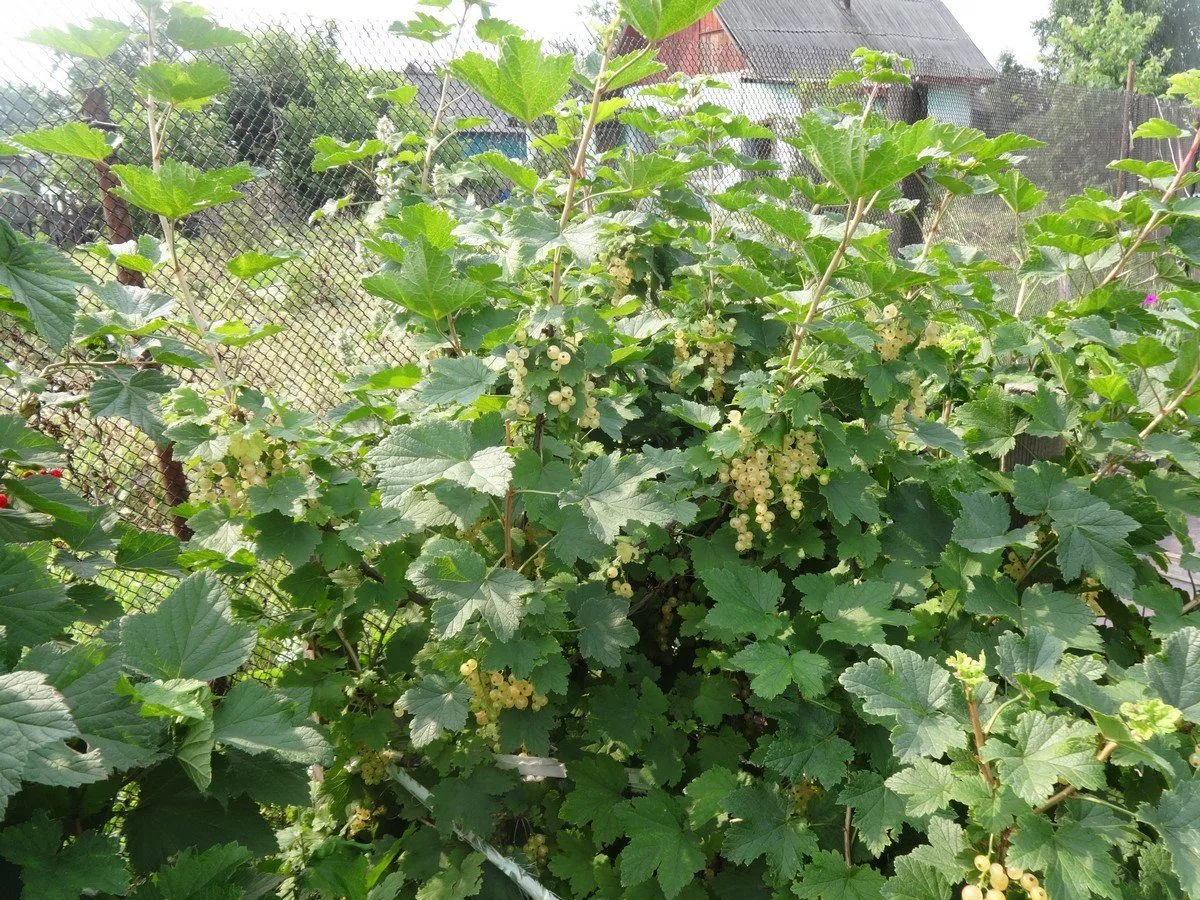
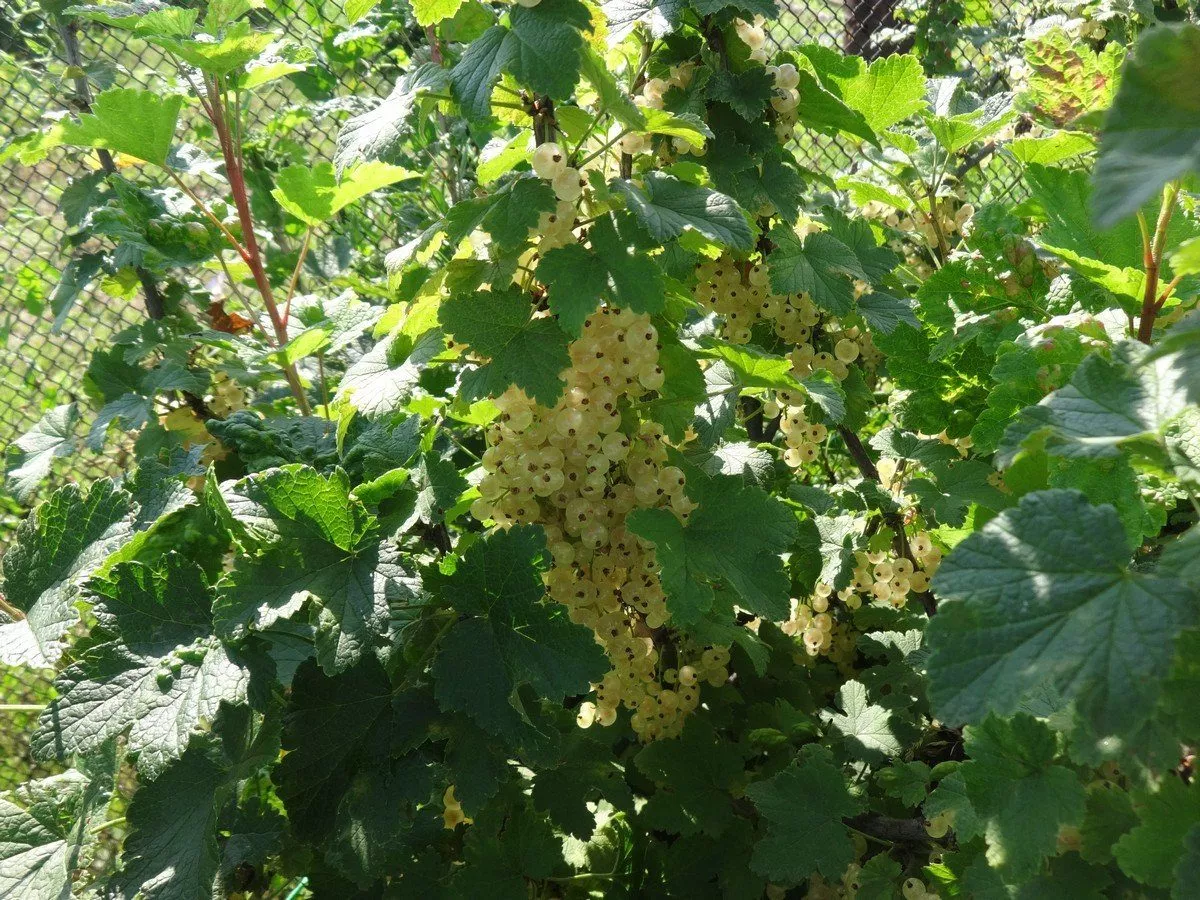
We planted another seedling of this variety nearby, dug in a lower branch from the bush, and it took root. The bush is still quite small, but growing well.
What are the benefits of currants?
Black, white and red currants are rich in vitamins, minerals and are very beneficial for the body.
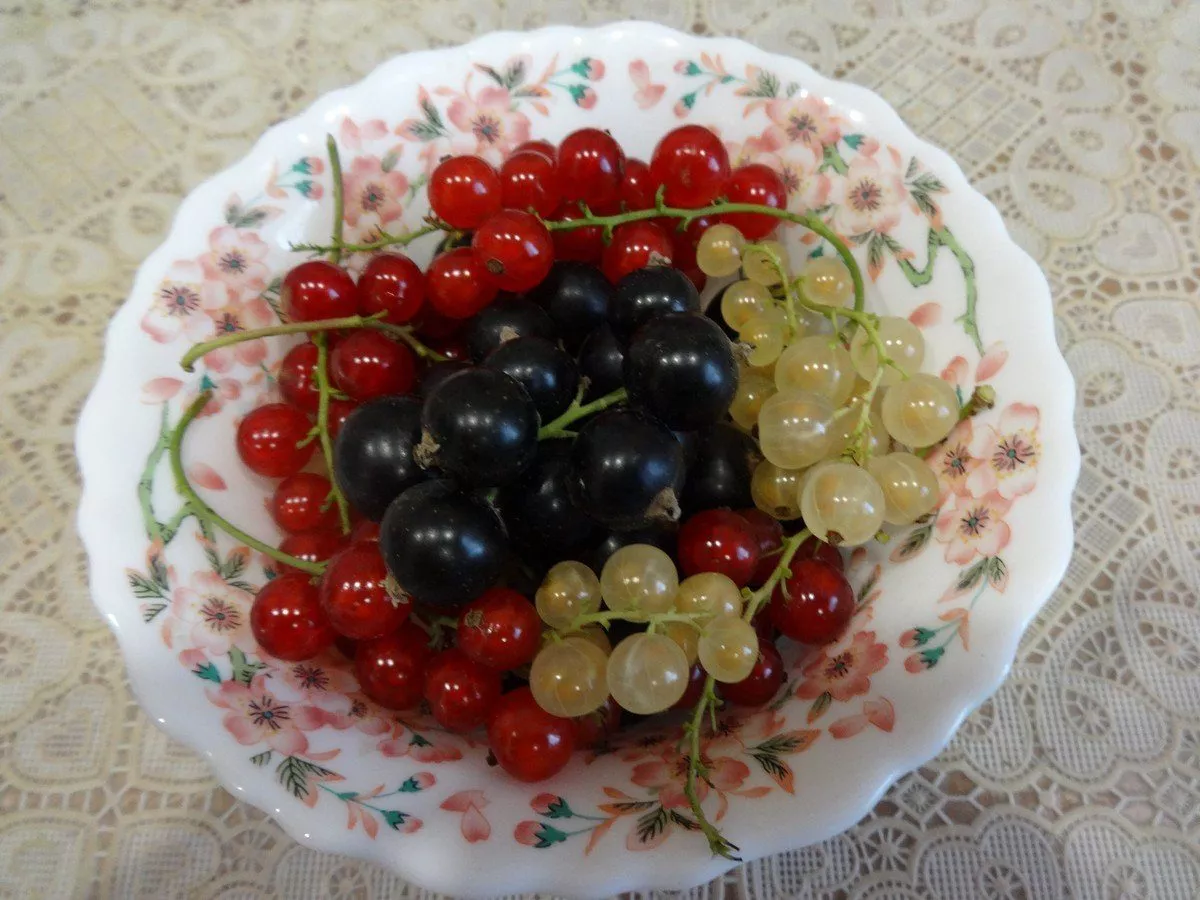
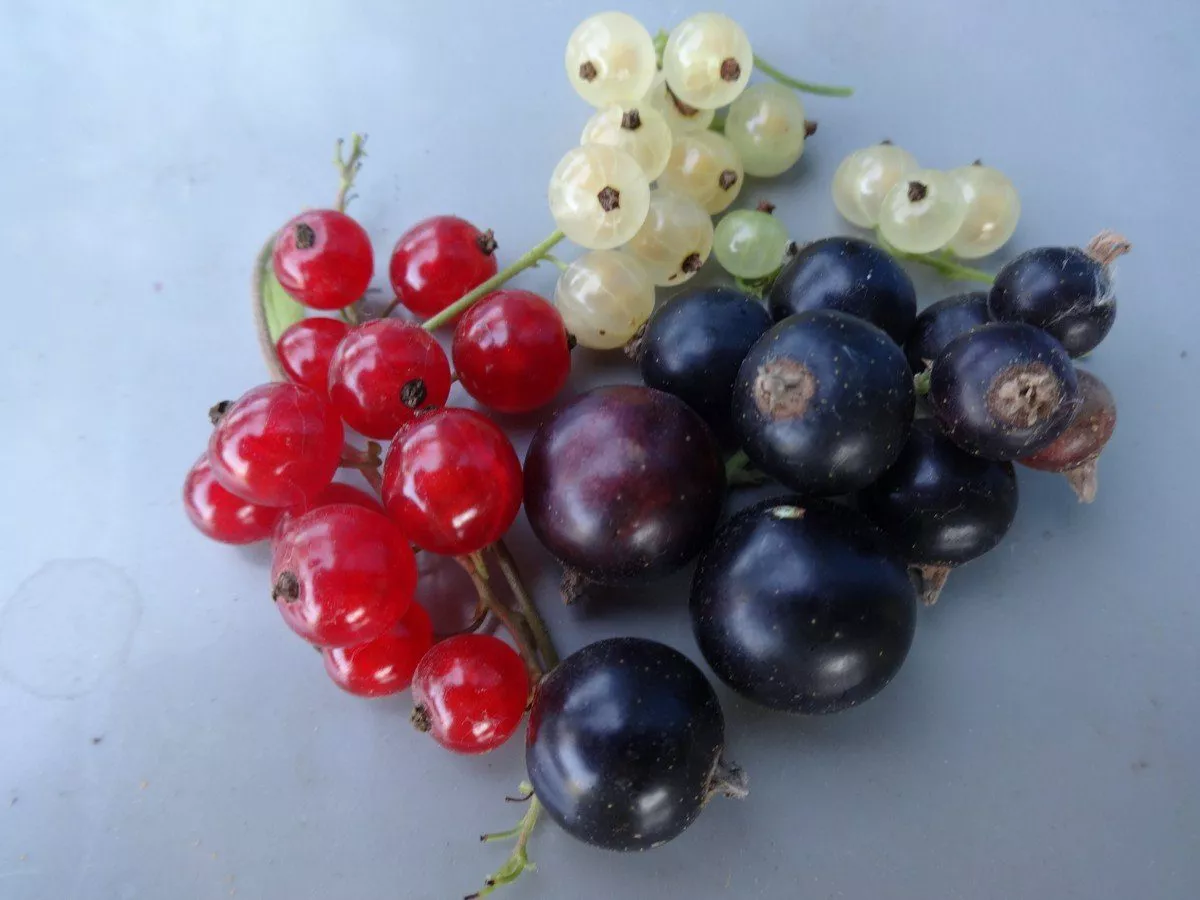
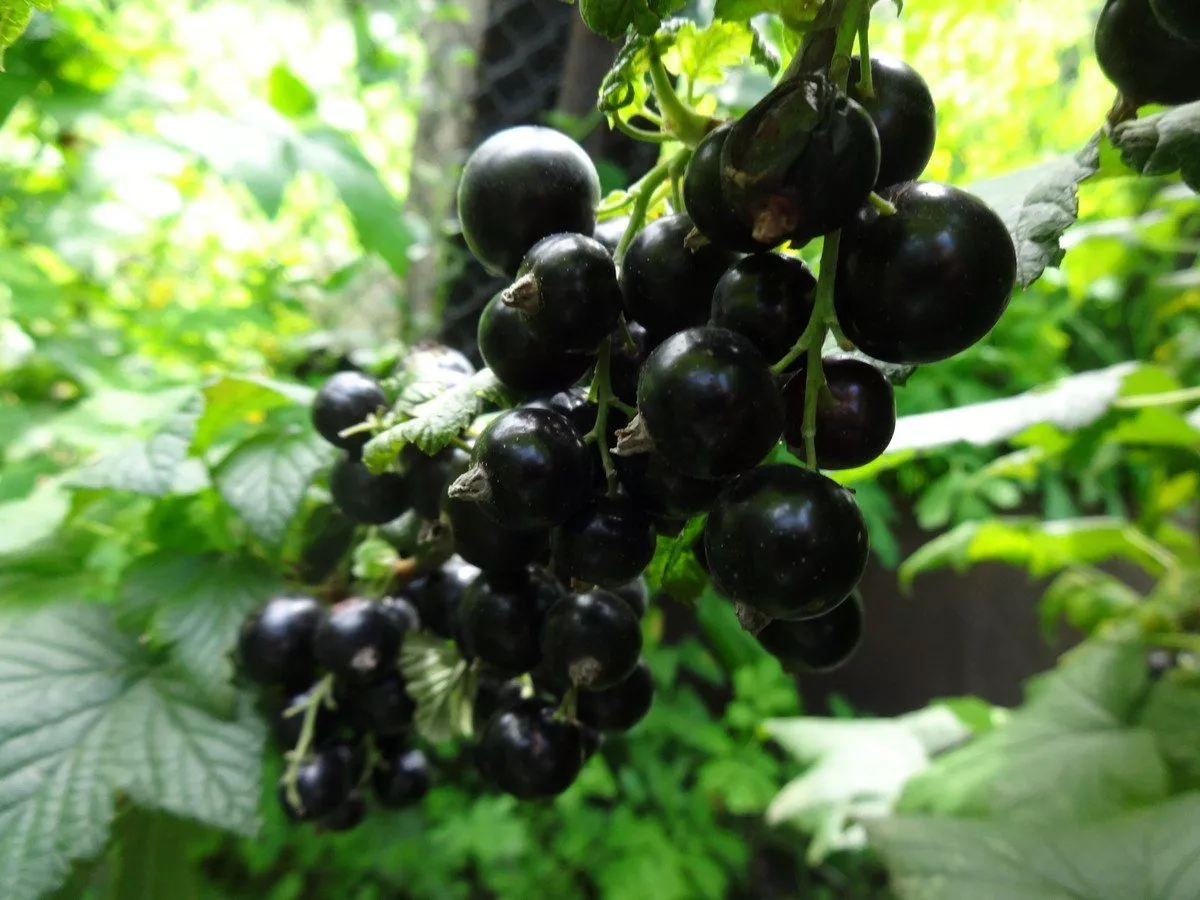
Blackcurrants are the most aromatic and largest berries, containing a large amount of ascorbic acid. Eating blackcurrants strengthens the immune system, supports cardiovascular health, and lowers blood sugar levels.
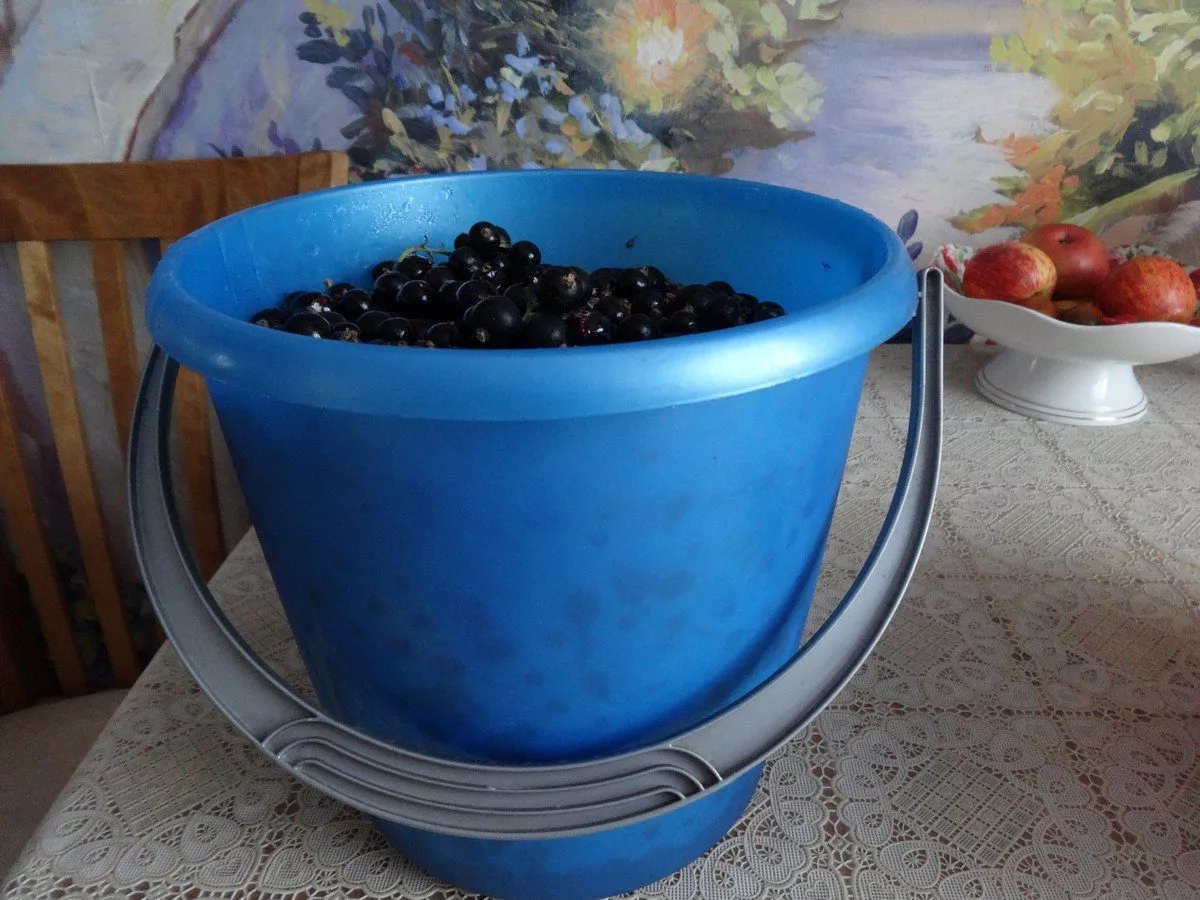
We make blackcurrant jam—my husband loves it—and we also make compotes for the winter. A delicious compote made from just blackcurrants has a beautiful, rich burgundy-purple color and a wonderful flavor. We also add blackcurrants to compotes with other berries. We puree fresh, ripe berries with sugar and freeze them in small containers. And of course, we eat the ripe berries throughout the summer.
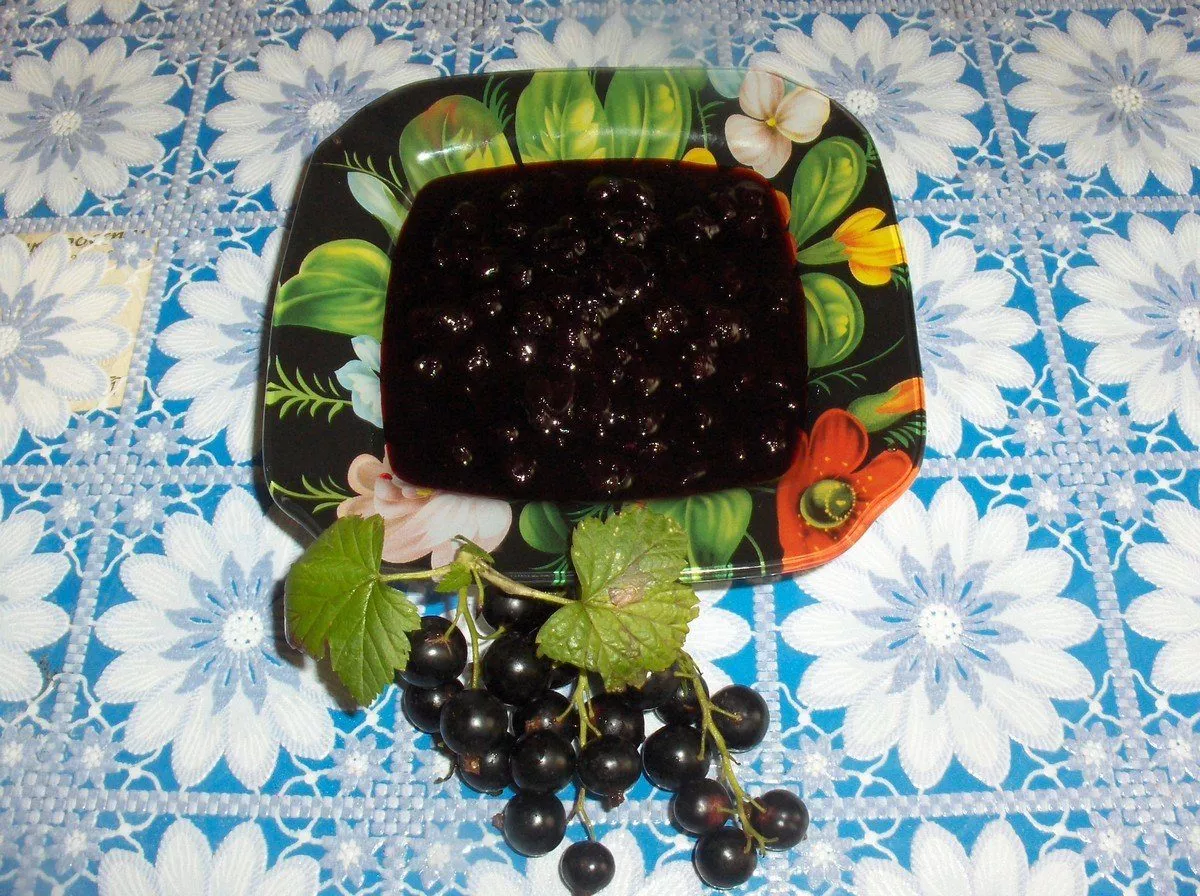
The aromatic leaves are also useful – we add fresh leaves to cottage tea, pickles, and marinades, and dry the leaves for the winter. Tea or infusion made from currant leaves strengthens and cleanses the body, provides energy, relieves fatigue, and helps fight colds and coughs. I really like this type of tea: simply pour boiling water over a few fresh leaves, cover, and in 20 minutes, the aromatic and healthy drink is ready.
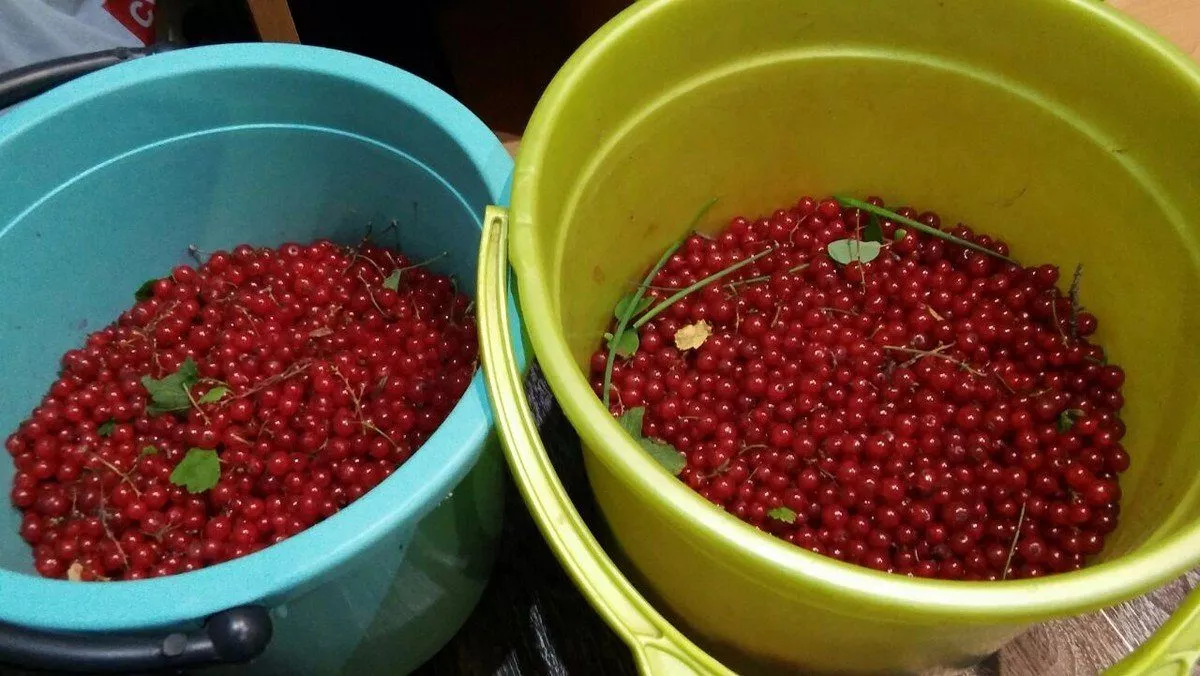
Red currants are also rich in vitamins and microelements. They contain a large amount of vitamin A, which is essential for good vision, strong bones and teeth, and a healthy immune system. Ripe berries are used to make jellies, preserves, compotes, and freeze them. The leaves can be used to make infusions with a diuretic effect, as well as teas – they boost immunity, help with colds and viruses, and relieve fatigue. The leaves can be dried for the winter.
White currant, like its sisters, also brings benefits to the body.
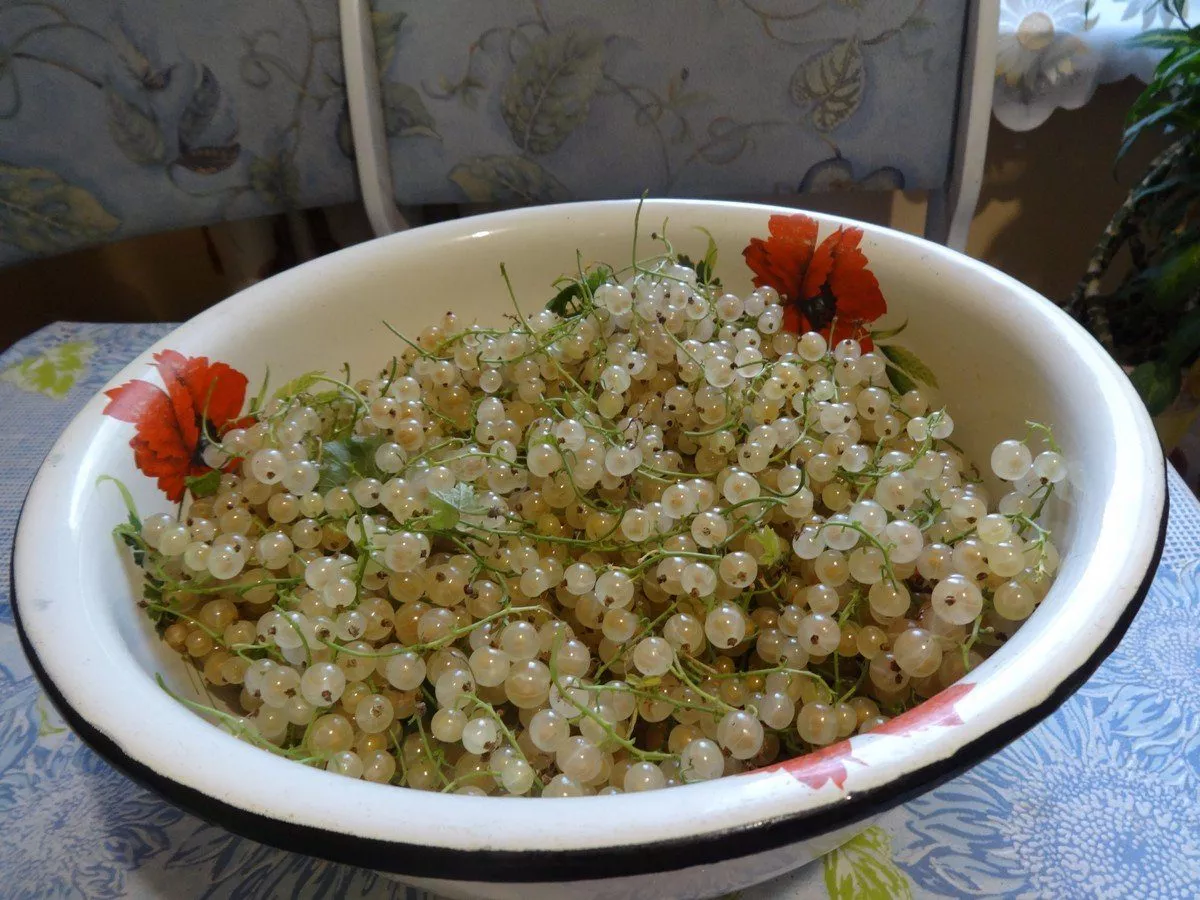
It has a beneficial effect on vision, cleanses and rejuvenates the body, strengthens blood vessels, and contains more potassium and iron, which are essential for heart function. It also increases the body's resistance to colds and viral infections. We use white currants in compotes, jellies, and simply eat the ripe, sweet berries. To preserve their vitamins, currants can be frozen.