

Next to my new house, on an abandoned plot, there is a stunningly huge number of nettles and dead nettle, so I can easily use both types of medicinal plants for medicinal purposes. These plants are so similar that it's practically impossible to tell them apart. But there is a significant difference: stinging nettle stings the skin, while dead nettle doesn't. Here are some plantations near me. Moreover, both plants grow intermingled:
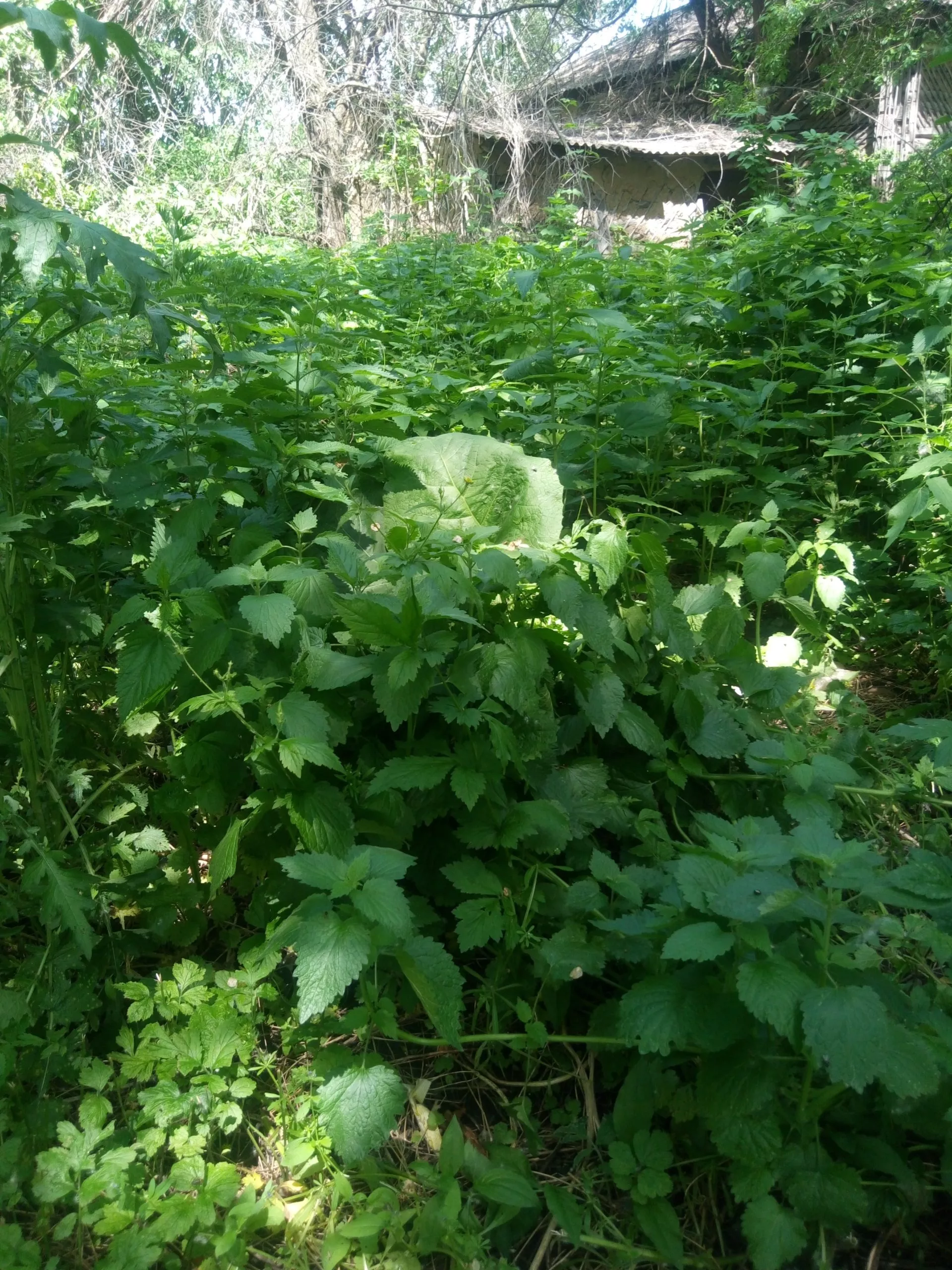

Despite its striking resemblance, deadnettle is not a member of the nettle family. It's a member of the Lamiaceae family, of which there are many varieties. Deadnettle can be either annual or perennial, but I'll likely never know which one I'm growing. Either way, this herb will produce a large number of seed pods. The flowers come in a wide range of shades, from snow-white to blue, so this isn't a distinguishing feature from nettle, as some claim online.
This is what a young clearweed looks like:
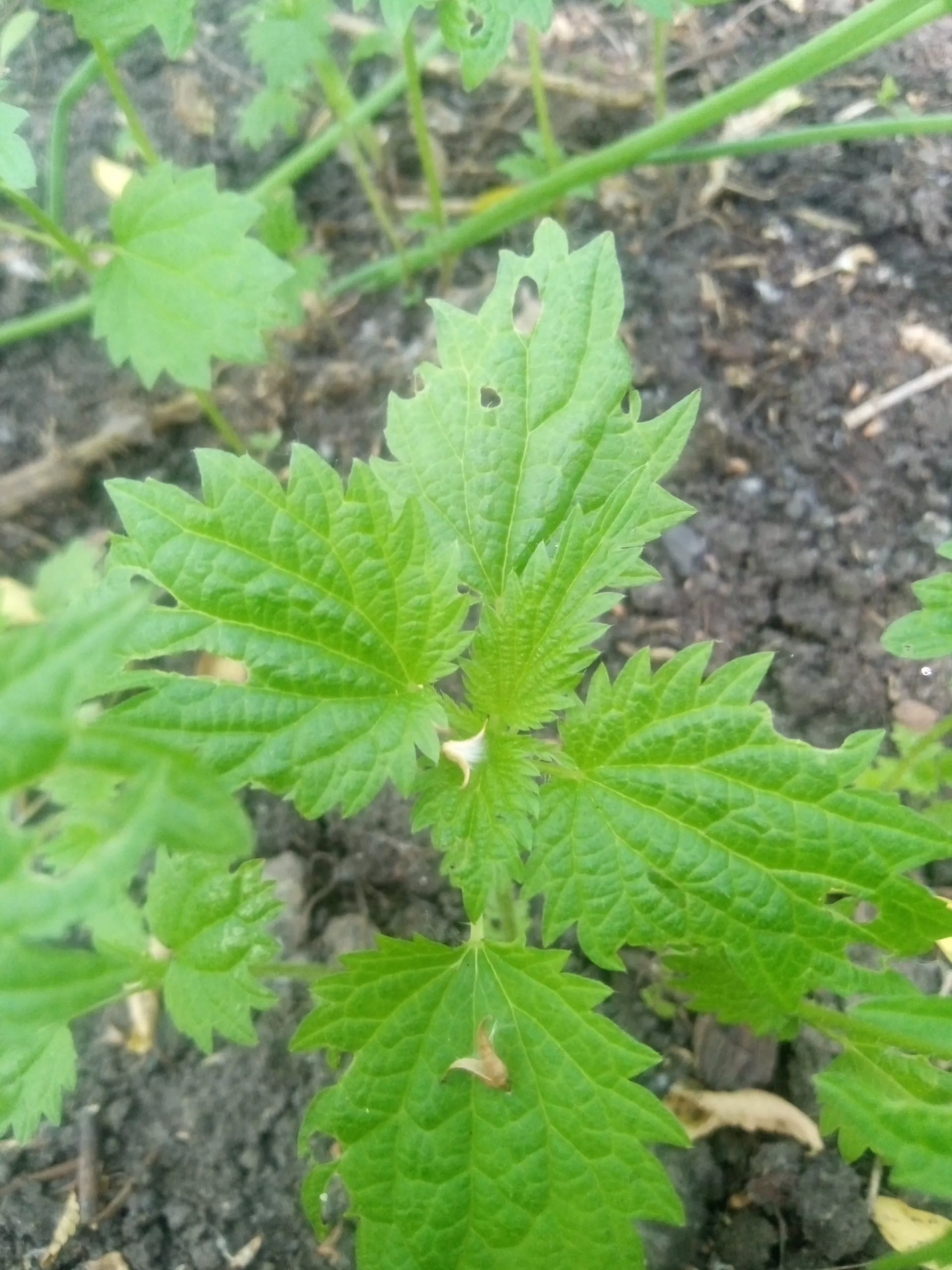
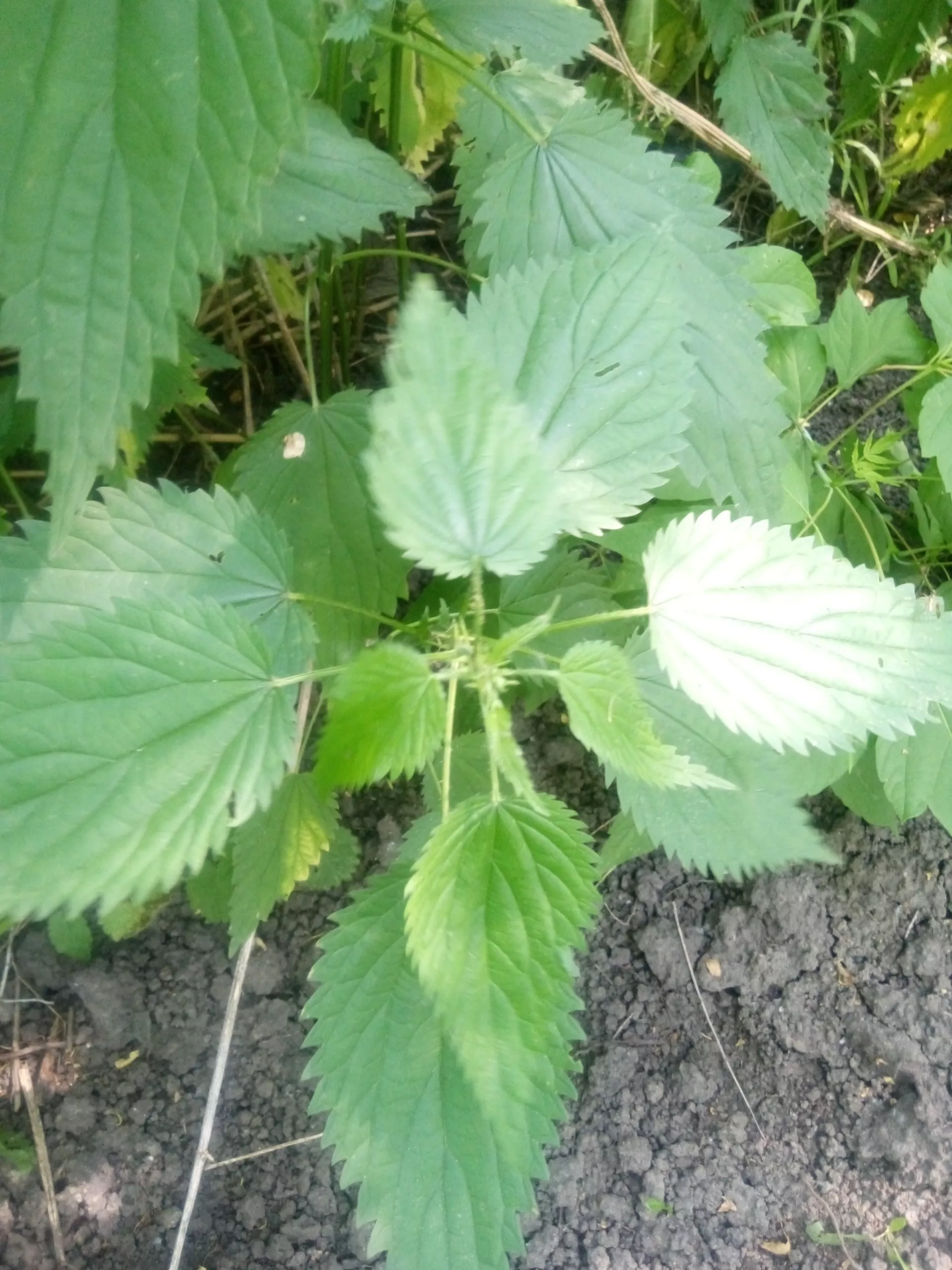
And here is a fully grown plant:
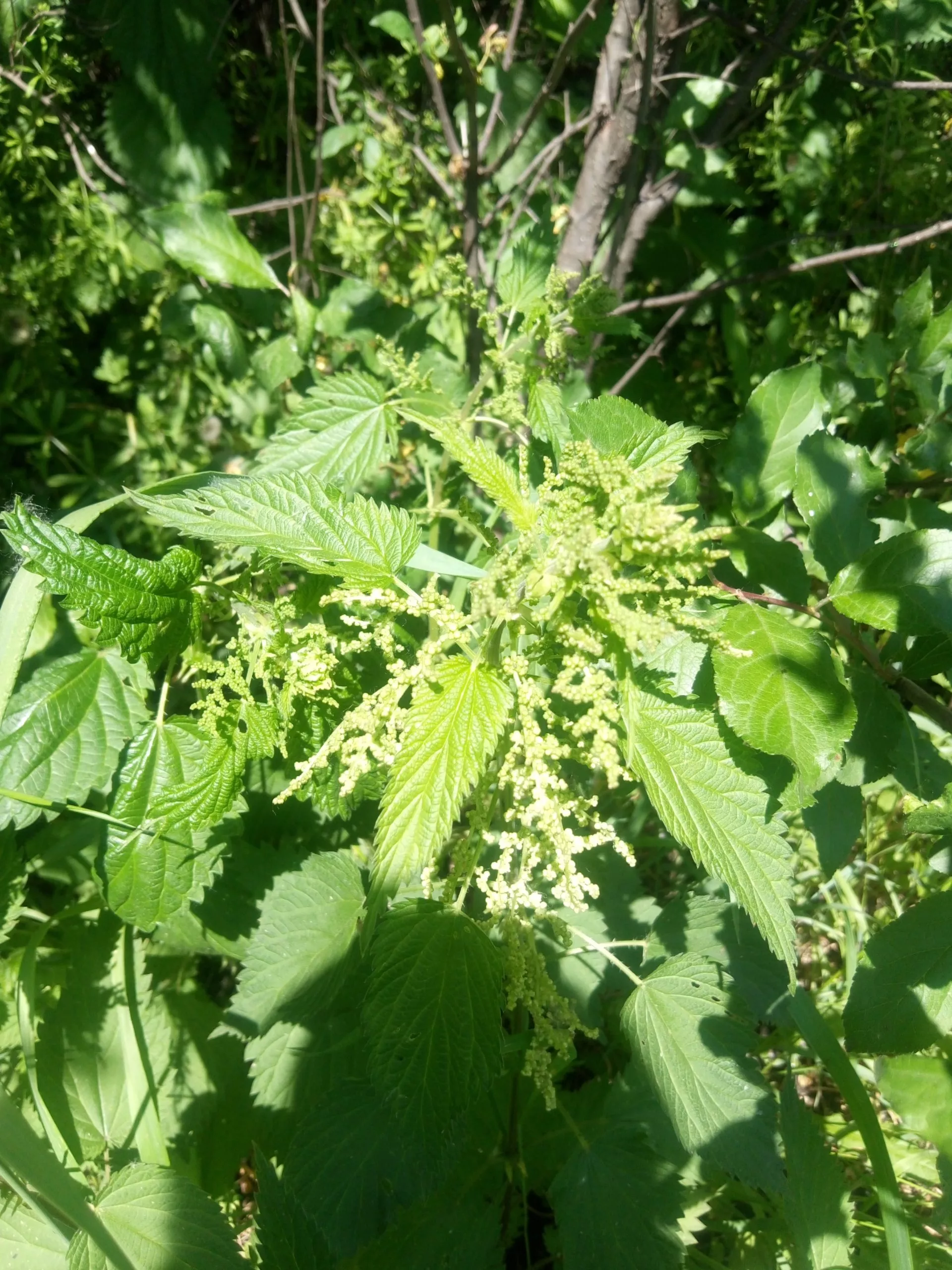
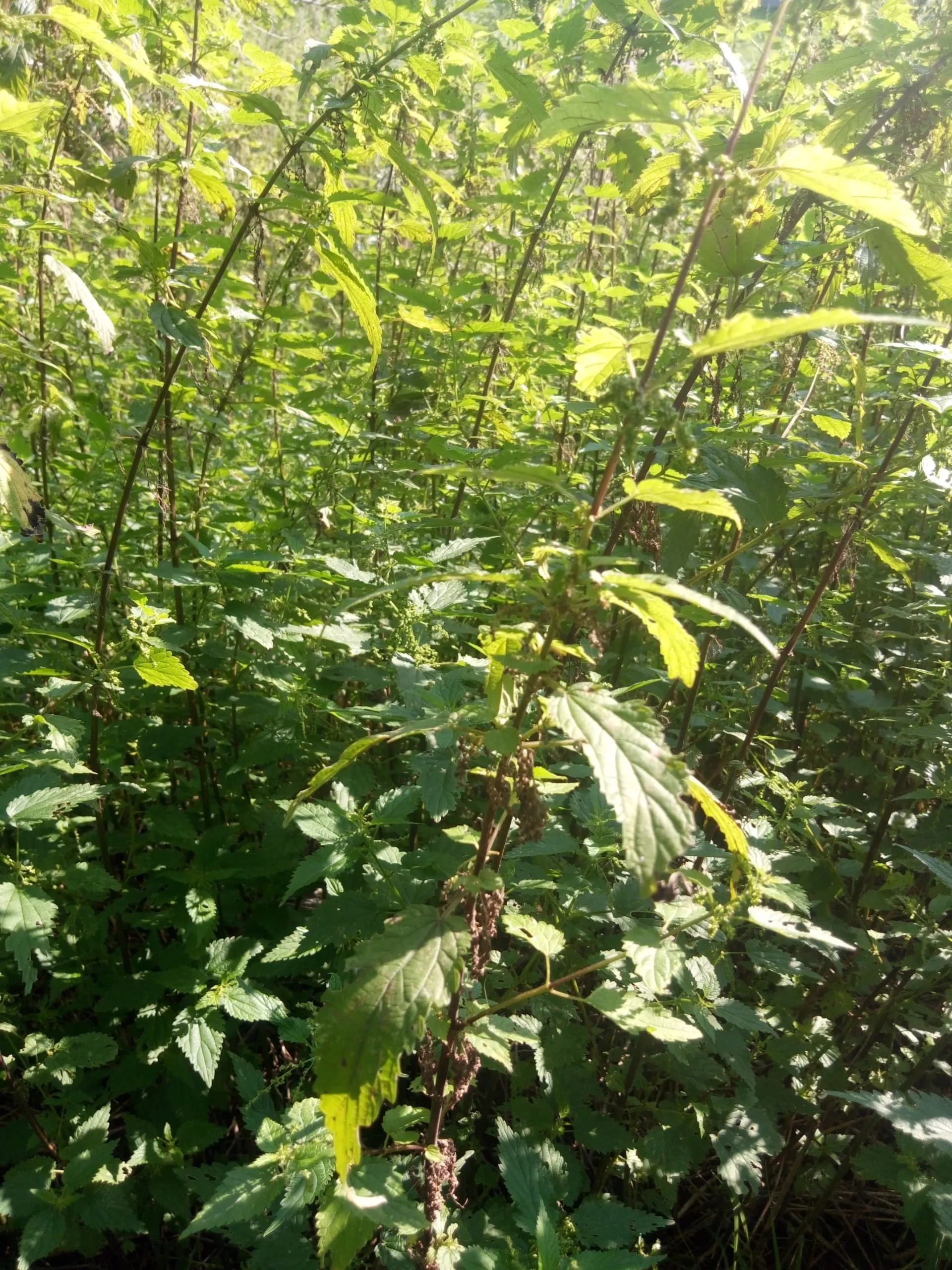
Legend has it that "nettle" literally means "throat-mouth" or "large cavity." The name derives from the shape of the flowers, which resemble a throat. Incidentally, if a wasp, bee, or other insect flies into the flower for pollen (nettle deadnettle), the throat will close, trapping the insect inside. However, it can also easily fly out.
Dead nettle is sometimes called dead nettle or cuckoo nettle. Why dead nettle? Because, of course, it doesn't sting when touched. So, if you ever find a stinging nettle that doesn't sting, know that it's dead nettle. medicinal deadnettle.