

I was recently walking my dogs through a clearing and came across thistle, which is considered a common weed here. In fact, I remembered growing it in my garden about 10 years ago because it's a treasure trove of nutrients for the human body. Moreover, absolutely every part of the plant is useful. I'll tell you about it. the benefits of milk thistle, what medicinal and universal remedies can be prepared (fortunately, all the recipes remain), how to properly collect and store, and also plant weeds.
Characteristics of thistle
Milk thistle belongs to the Asteraceae and Asteraceae families. It also has another name, milk thistle. This herb is often confused with milk thistle, thistle, and burdock, as they have similar flowers, belong to the same family, and possess nearly identical properties. The only external difference is in the leaves. For example, milk thistle's leaves are wide and always have white stripes.
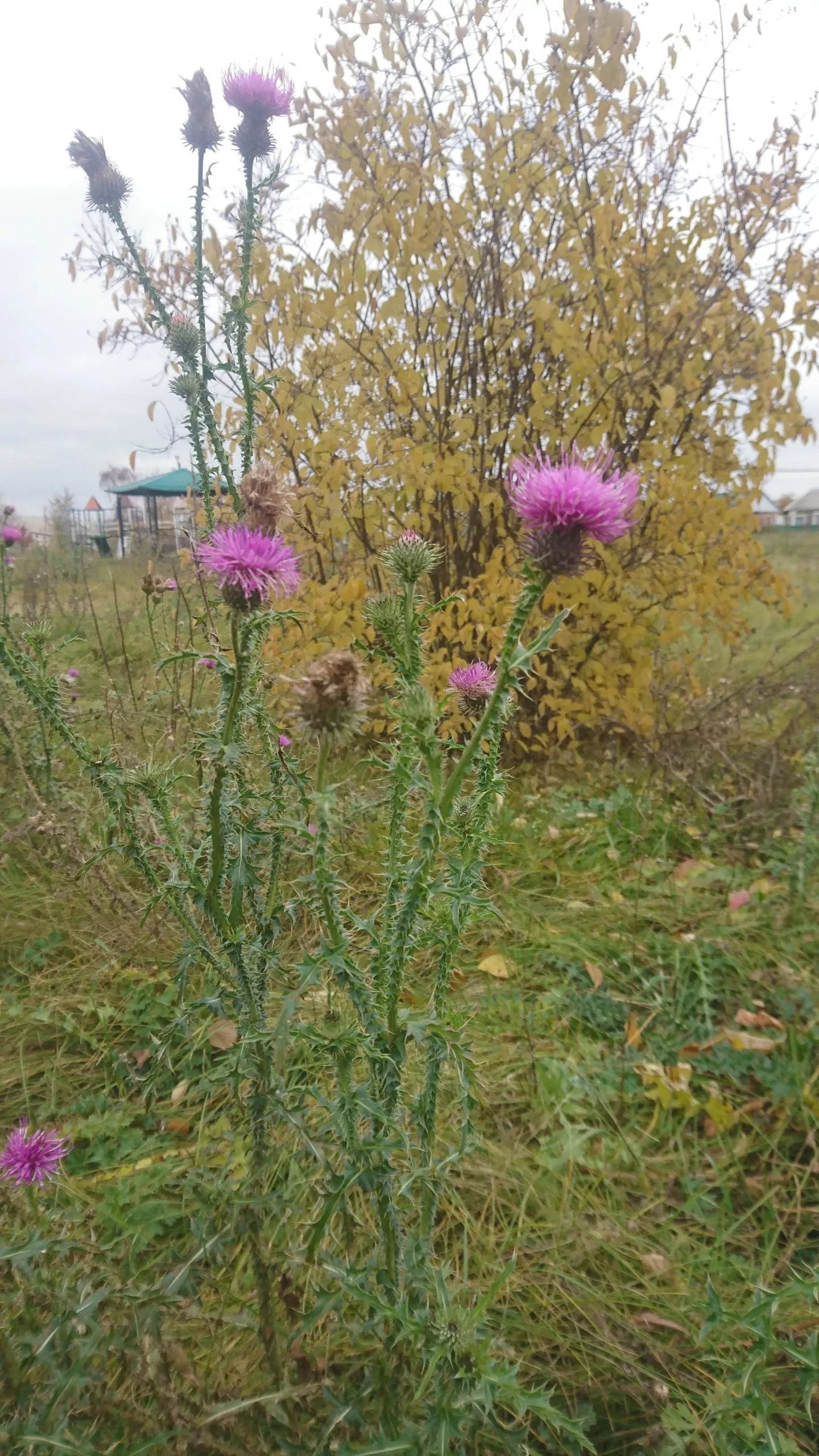
Thistles have elongated, spiny stems and serrated leaves. This is evident in my photo:
Milk thistle is used not only in folk medicine but also in cooking. The dried plant is used to make flour, and the leaves are added to salads and entrees. The powder is also used in baking, and the oil is used in dietary nutrition.
Even in Ancient Rome, healers made potions to treat the liver, and in ancient Greece they made medicines to neutralize the poisons of insects, spiders, and snakes.
Brief description of the plant
Thistle grows up to 2 meters, with a minimum height of about 50-60 cm. The stems are erect and very strong, the leaves are spreading and spiny. The taproot grows up to half a meter in length and is conical in shape.
The flowers range from 3 to 9 cm in diameter, with a basket-shaped inflorescence. The color is always very rich—at first light lilac, later turning purple. The flower is surrounded by spiny leaflets, which are arranged quite closely.
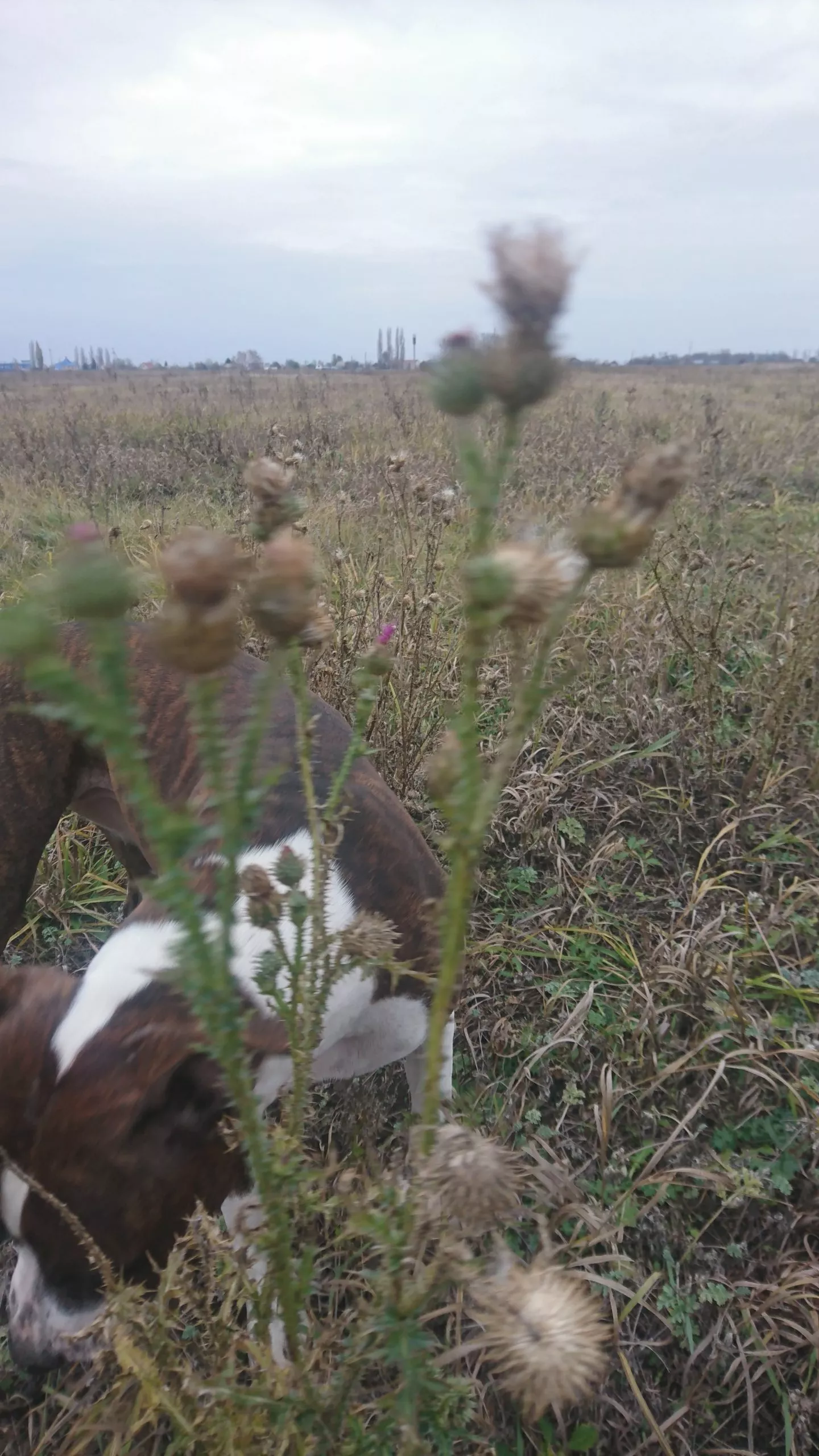
The seeds are collected after the fruit has dried. This is what it should look like:
I've briefly described this miracle plant, milk thistle. Don't pass it by; it's a medicinal plant used to treat illnesses, in cosmetology, and even in gardens to attract bees, wasps, and other beneficial insects. Because milk thistle is a honey plant (it contains a lot of nectar)!