

We don't grow melons ourselves, but friends have treated us to so many that we couldn't even eat them all. But that's no big deal, because I know how to use this melon to good effect. These preserves come in very handy in the winter.
I've had both greenish and very ripe melons. I use the former for preserving compote and making a dessert called "Like Pineapple"—it tastes almost indistinguishable from store-bought canned pineapple. I use the latter to make chunky jam or preserves.
First, I peeled and seeded the melon:
Then I cut it into pieces, but for the jam I also select the soft parts – I cut them off and chop them:
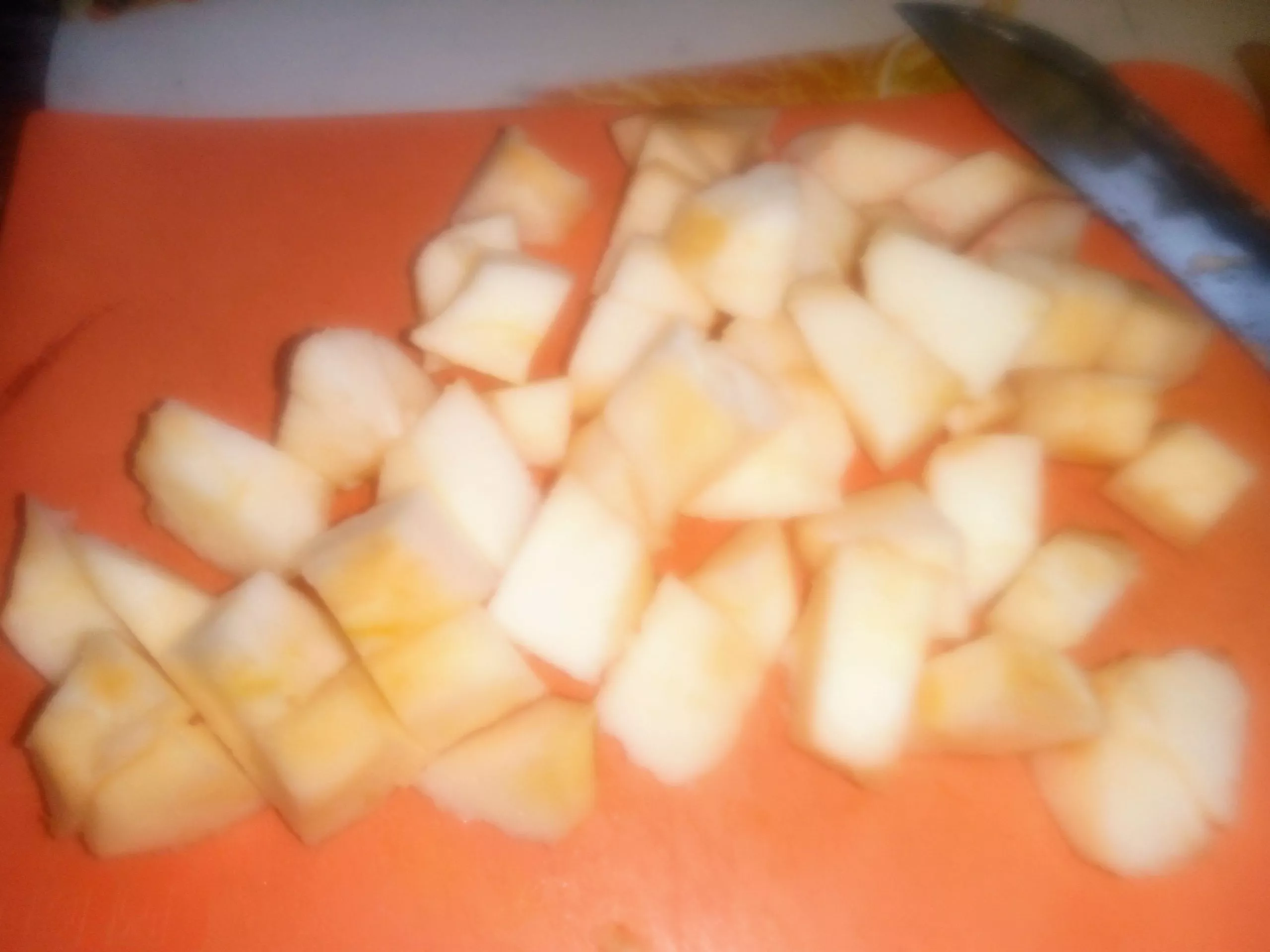
I cut the denser parts of the melon into cubes for compote and dessert:
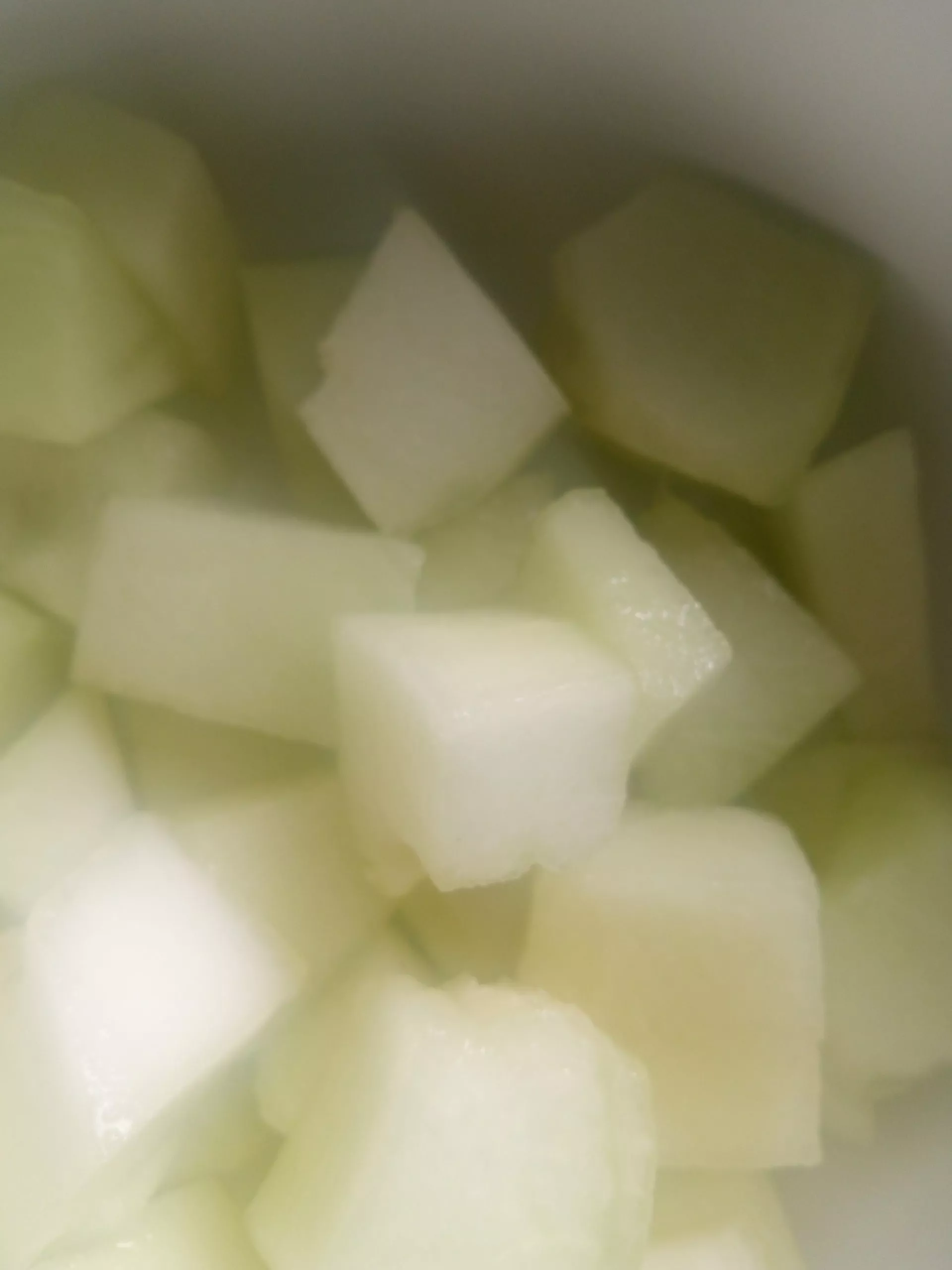
Now I'll tell you how to make compote and dessert "Like a pineapple":
I place the diced pieces into jars. For dessert, pack them as tightly as possible, and for compote, fill them a little more than halfway.
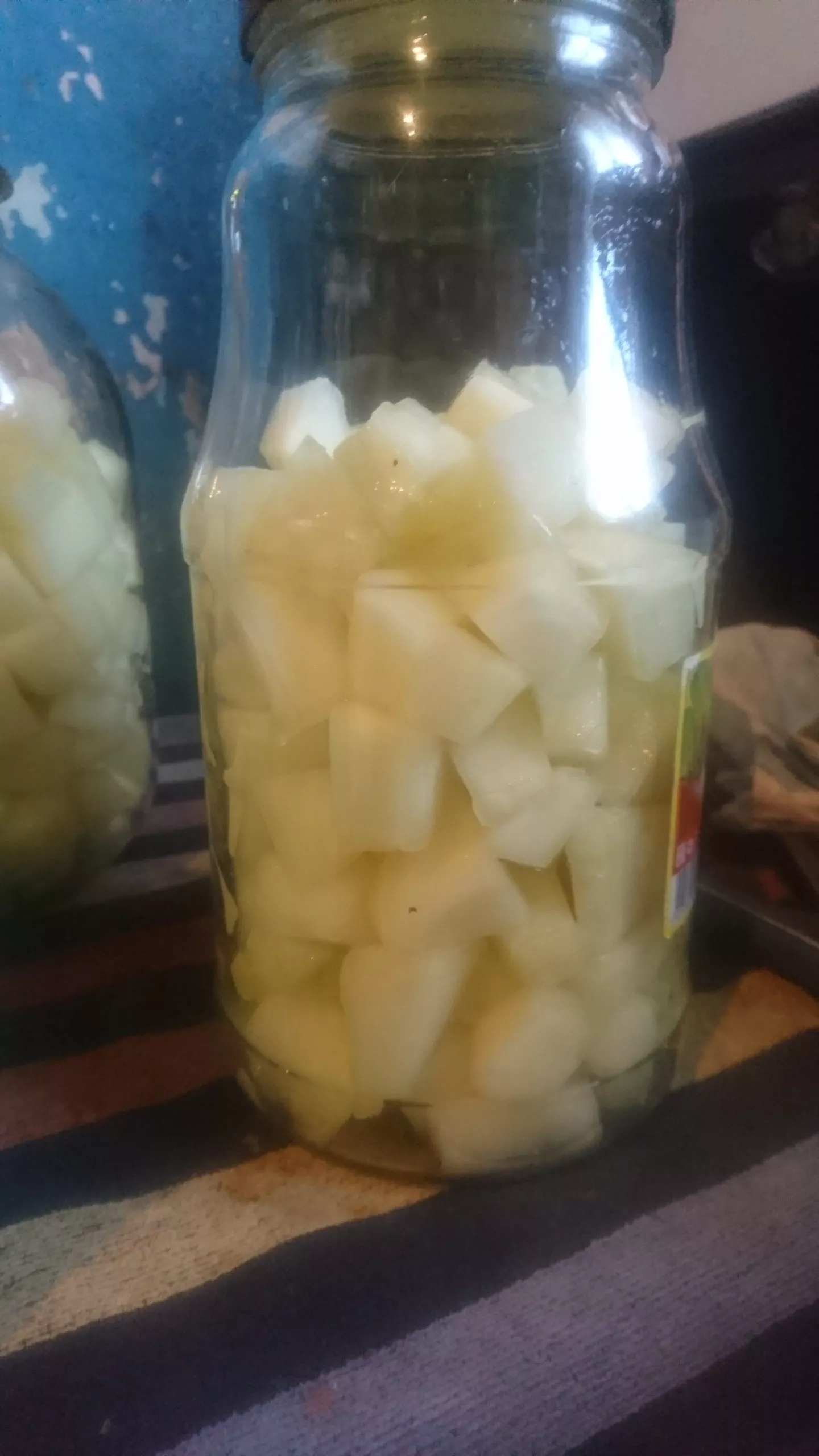
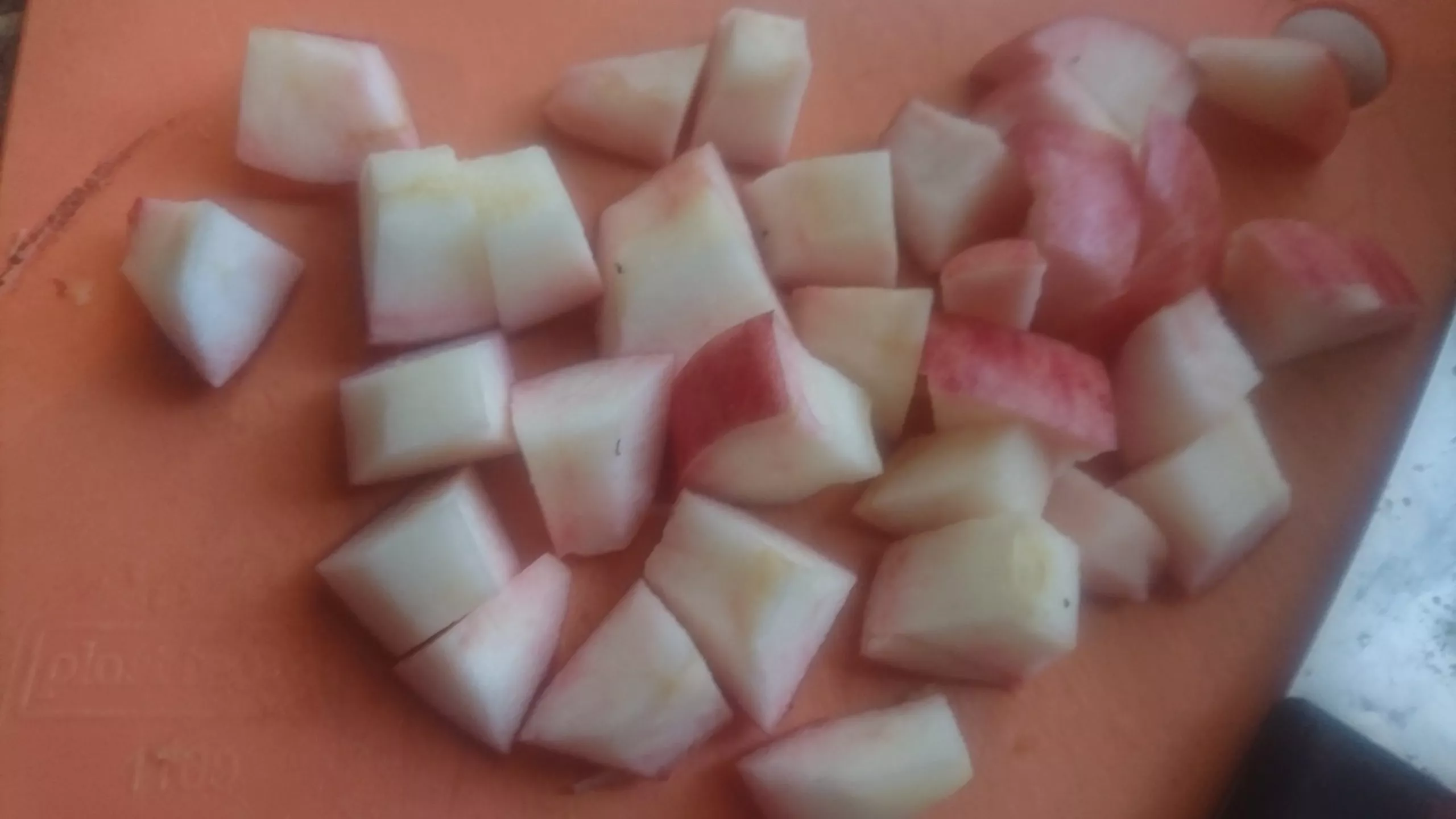
There wasn't enough melon for one jar, so I added some apple (it will taste a little different, but still pretty good):
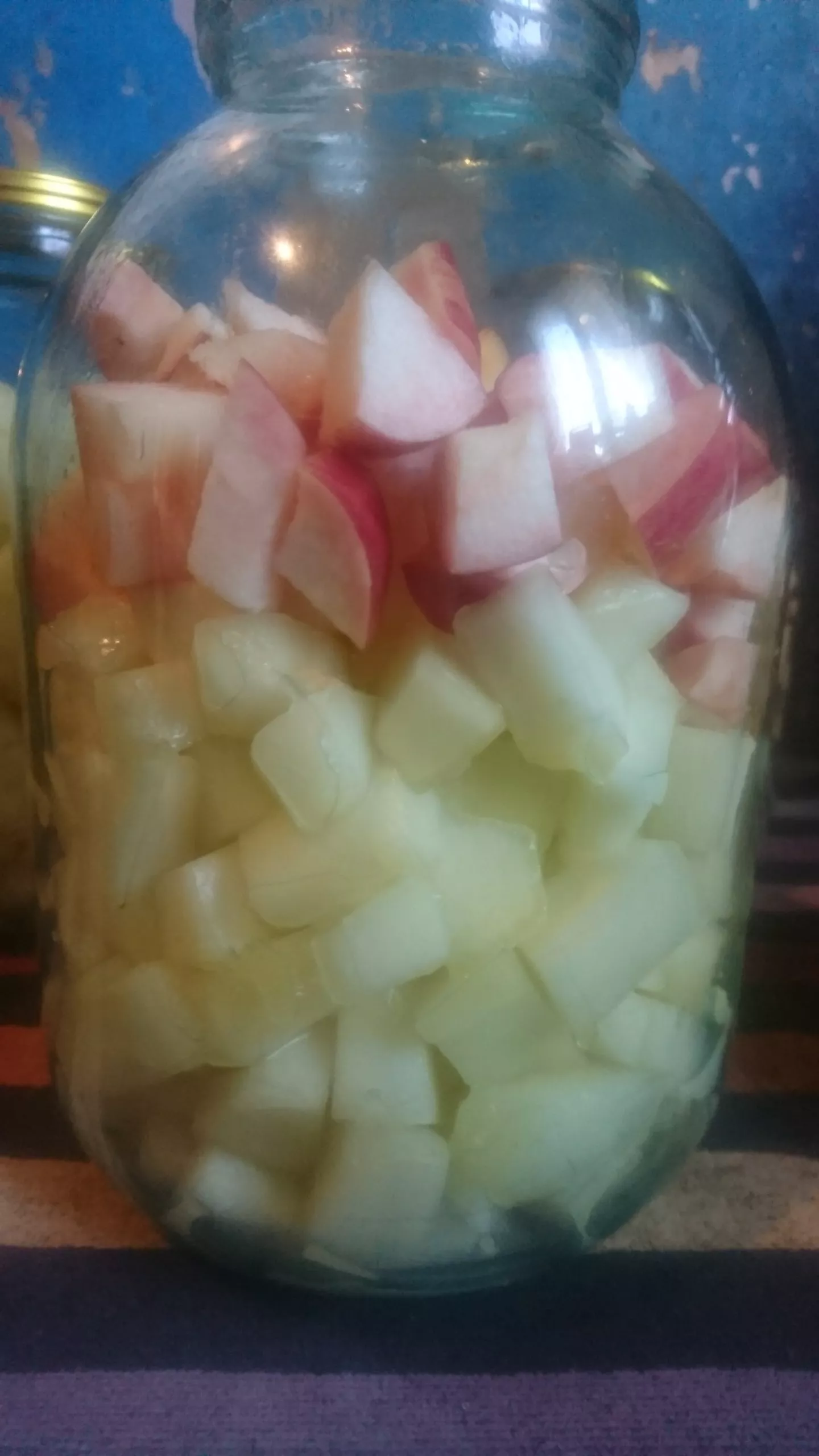
I pour boiling water:
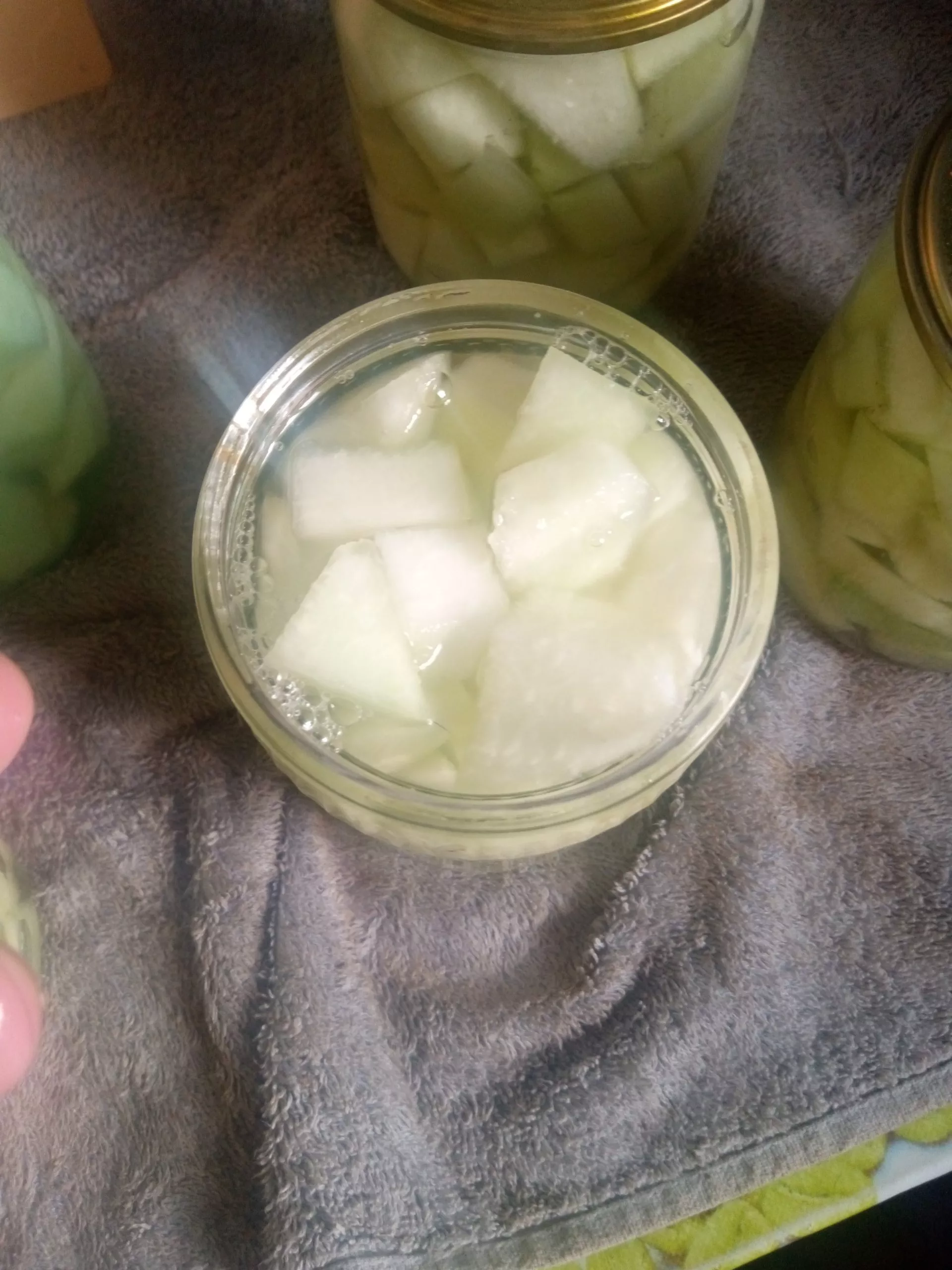
I cover with a lid and drain after 15 minutes. I do this twice. Before the final pouring, I add 1 level teaspoon of citric acid and sugar to taste per 1 liter of water—that's about a couple of cups. Pour in and seal.
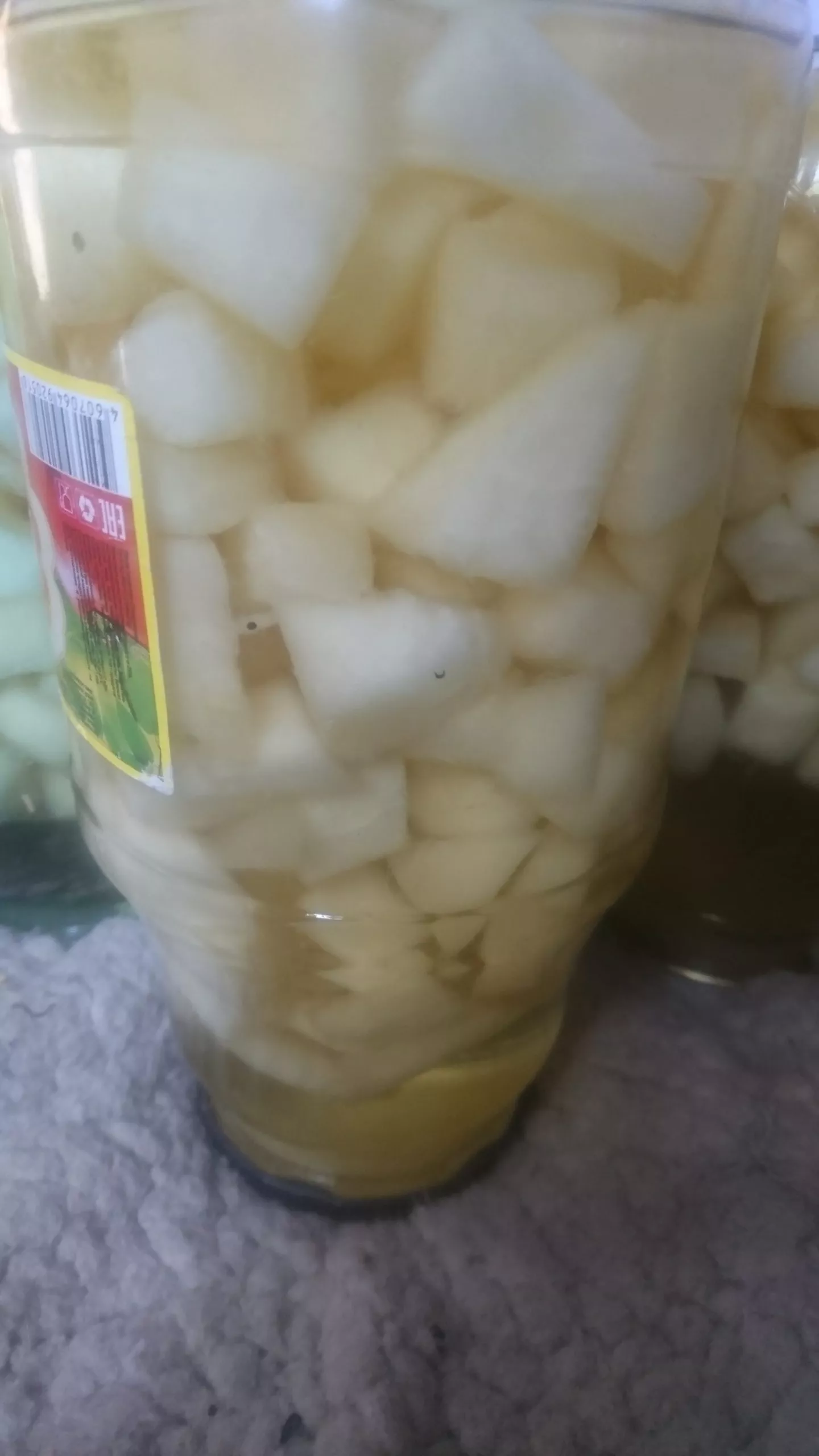
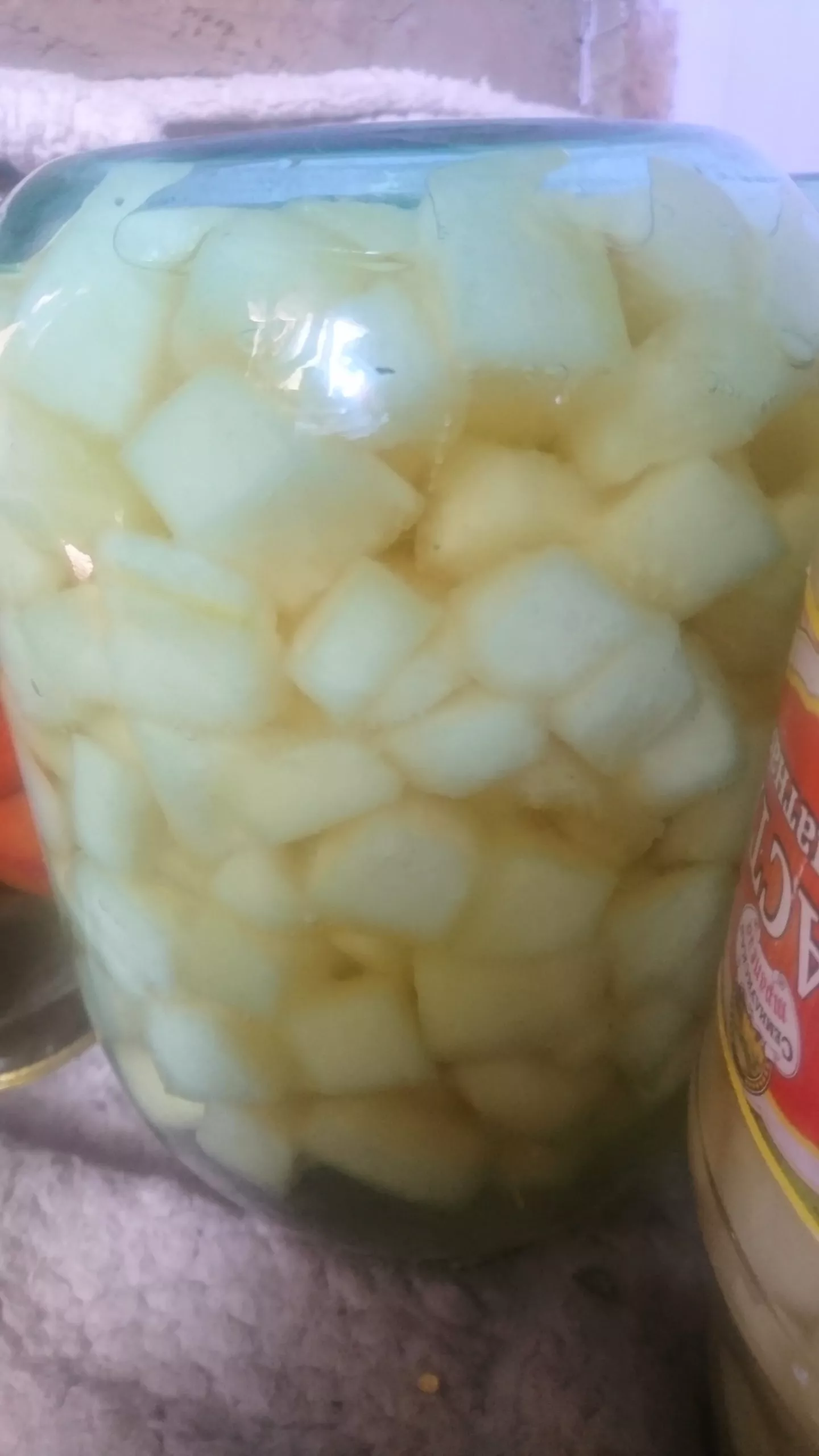
Now about the jam (I haven’t made jam yet).
I place the chopped, soft part of the melon in a blender/vegetable cutter. Incidentally, many people online recommend adding sugar first, while others insist on boiling it and only then blending. I can tell you from personal experience (I've tried all the options) that all this only complicates the process. Because there's no difference in taste. So, I place the fresh, unsweetened pieces in the blender and blend.
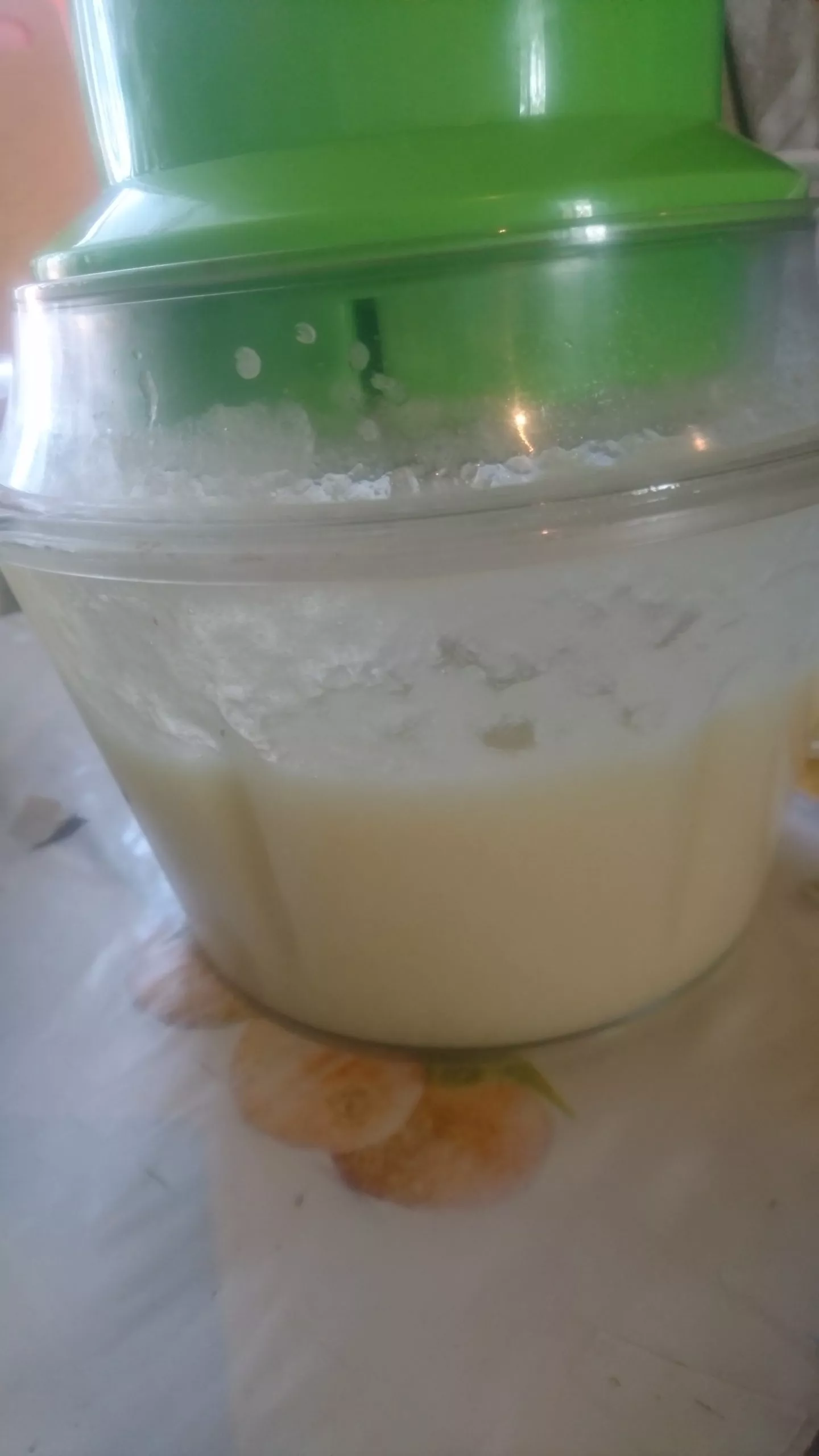
I pour it into a cauldron (it never burns, even on high heat). This is what the mixture looks like:
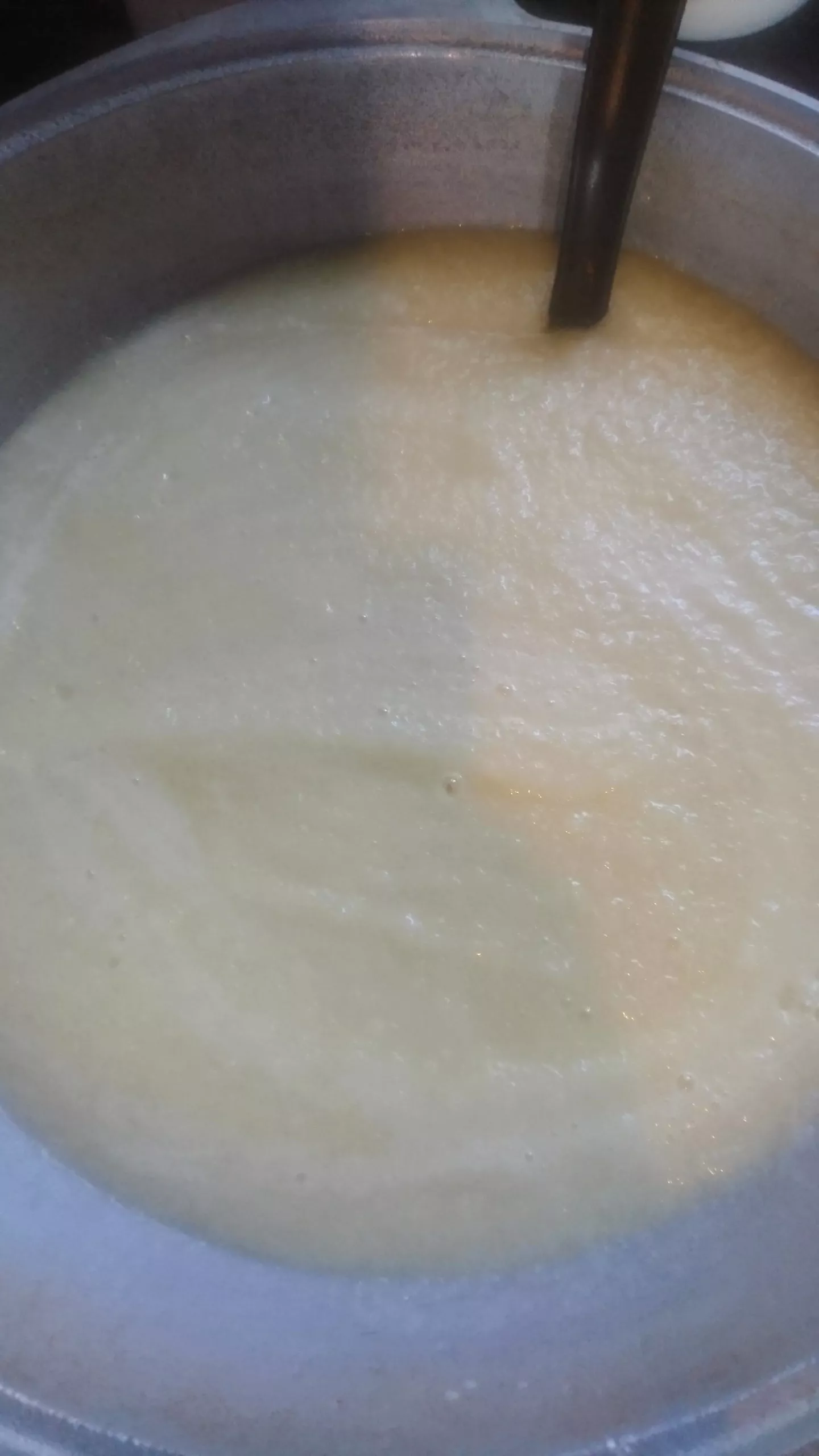
I cook for 15-20 minutes, set aside, and let it cool. Then I put it back on the stove and simmer until the liquid darkens and thickens. But this is, of course, debatable; it's a matter of personal preference. For example, my neighbor makes a thin jam, but I like it thicker—so I can use it for baking in winter or simply spread it on a slice of white bread. I always add sugar to taste and a little citric acid or lemon juice. This is how my jam turns out.
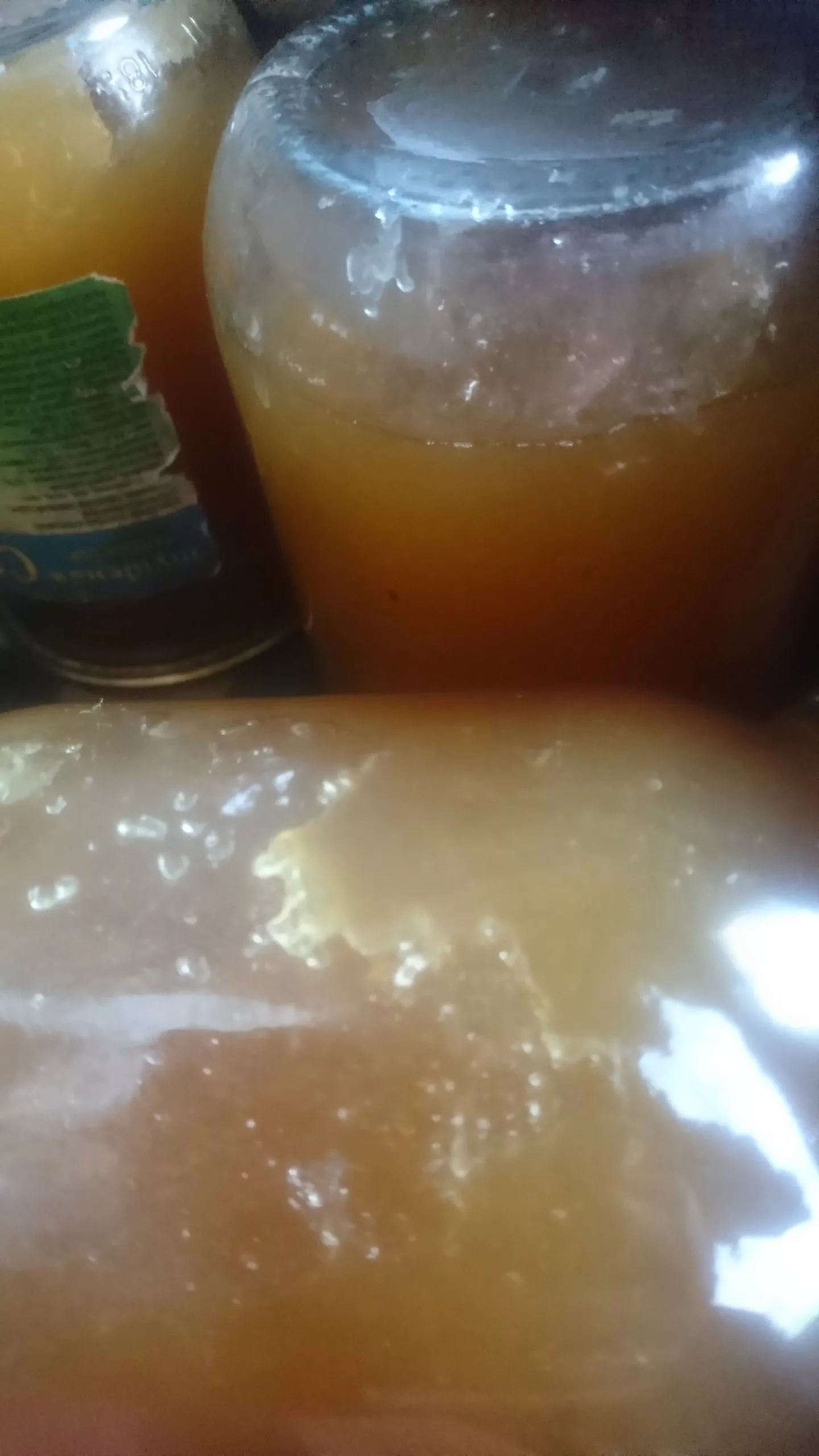
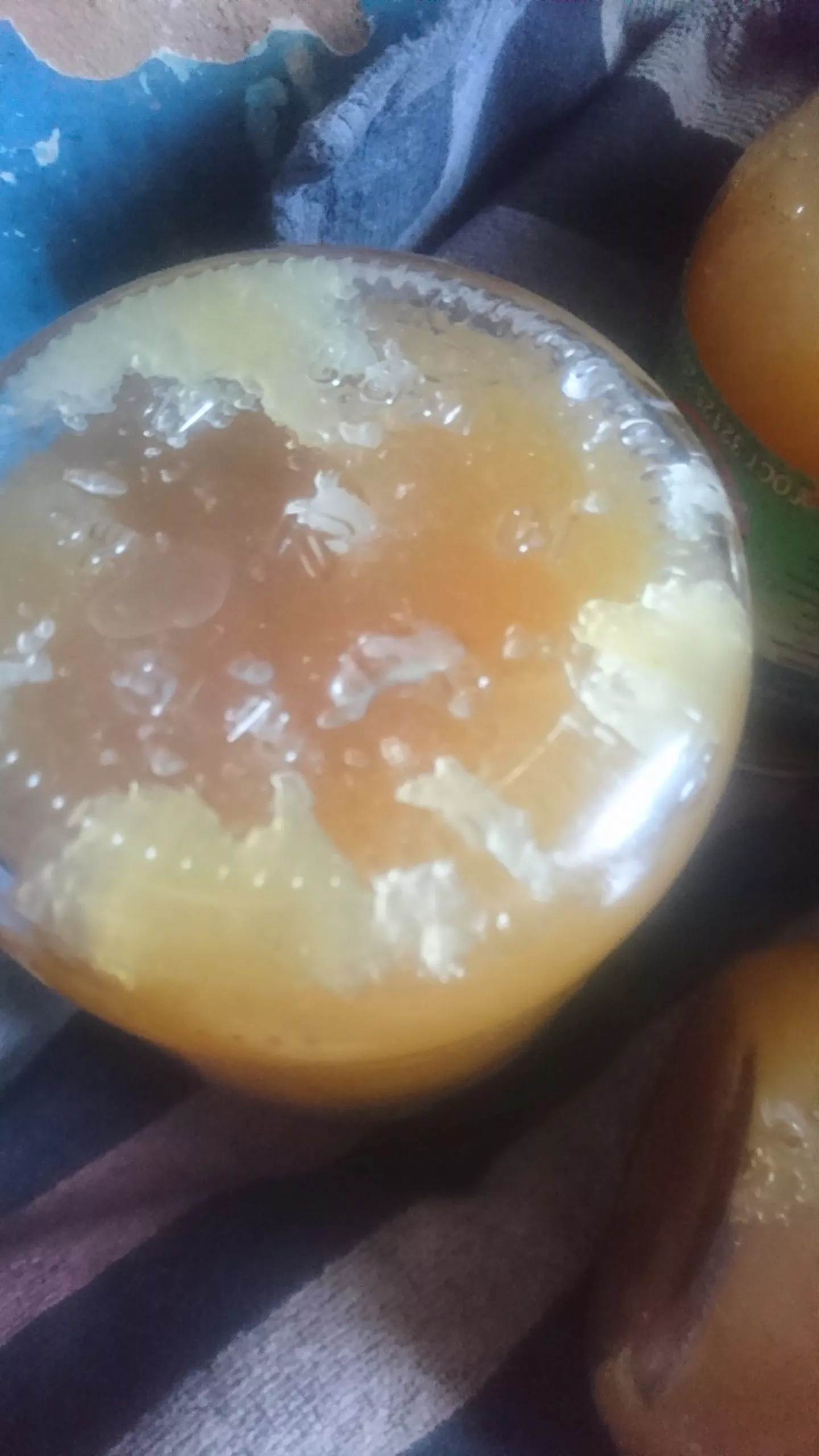
Bon appétit everyone!