

Nettle is widely used by herbalists to treat a wide range of ailments and relieve many problems. My grandmother taught me how to use it, and, of course, she shared her secrets for making teas, infusions, decoctions, and so on. So, I'm happy to share them with you.
But first, the main indications: anemia, edema, bronchitis, rheumatism, diseases of the nervous system, kidneys, cardiovascular system, liver, digestion, poor appetite, weakened immunity, and even tuberculosis. In short, to list them all. testimony, you need to write a separate post.
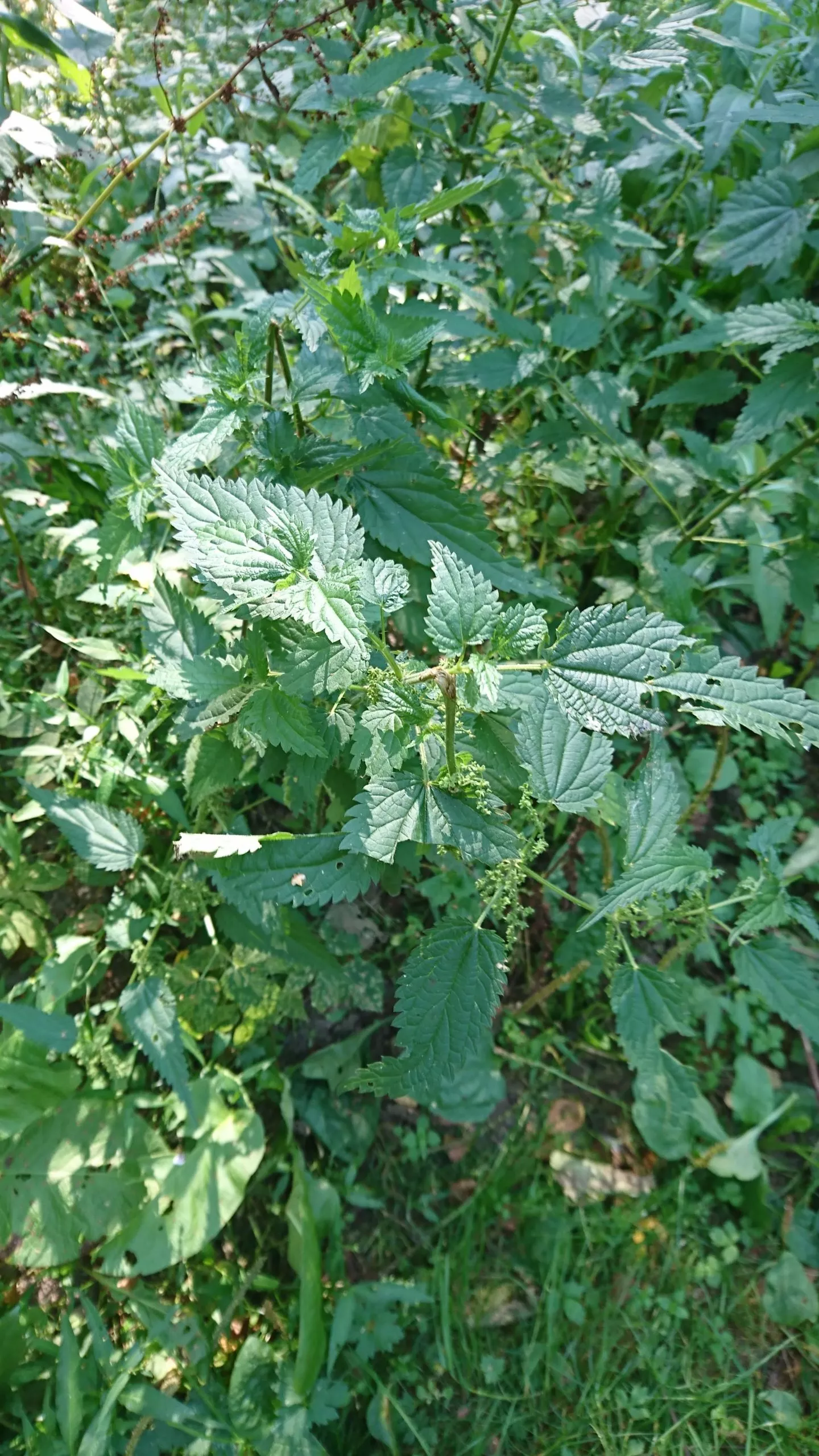
How to make nettle tea?
My grandmother especially often used nettle tea for calming purposes. She also said that regular consumption helps normalize vision. To prepare, you need:
- Take 1 tbsp. of chopped and dried nettle leaves.
- Place in a teapot and add 250 ml of boiling water.
- Let it brew for 5-10 minutes.
Drink diluted with water, like regular tea, but no more than three times a day. Or, if you're making tea, take one tablespoon three times a day. It can also be applied as a compress to sunburned areas of skin. Try it, you won't regret it—it's truly delicious!
By the way, you can brew the tea in a thermos and it'll be ready to drink. I always add other ingredients (for variety and to enhance the therapeutic effect). Here's my personal recipe:
- First, I mix together dried nettle (2 parts), currant leaves, chopped raspberry sprigs and rose hips (take 0.5 parts of each of these ingredients).
- I put only 1 tablespoon of the mixture (with a slide) into a half-liter thermos.
- I pour boiling water right up to the top.
You can drink it after 15-20 minutes, adding natural honey.
How to use juice?
Freshly prepared juice can be drunk three times a day, just 1 teaspoon at a time, and can be used to wipe the face, wounds, etc. It is especially useful for vitamin deficiency, as nettle contains a large number of vitamins of different groups and various micro- and macroelements.
I usually juice the citrus fruits immediately after harvesting the green parts of the plant (I also use the stems, but only the young ones). Now I use a juicer, but my mother used to put the juice through a meat grinder, then put it all in four layers of cheesecloth and press it. Keep in mind that the juice can be stored in the refrigerator for 2-3 days. Incidentally, a friend of mine preserves it in jars for the winter, but I've never tried that.
Tinctures
They can be either water-based or alcohol-based. Water-based ones are used more often because they don't contain alcohol, while alcohol-based ones are more suitable for cosmetic purposes, such as compresses, but can also be consumed.
Water infusion:
- Mix 2.5 teaspoons of dry herb with 400 ml of boiling water.
- Let it steep until it cools.
- Strain.
- Take 100 ml on an empty stomach for a week.
It helps well with colds and stomach problems.
Alcohol tinctures can be made from both dried and unleavened herbs. Tincture made from fresh nettle leaves:
- Collect the leaves and wash them, let the liquid drain.
- Use a knife to chop the mixture into smaller pieces. If you find any stems, leave them in (they're also very useful).
- Place this mixture into a faceted glass, then pour it into a clean glass jar.
- Pour in 400 ml of vodka (my grandmother used moonshine, but with a strength of no more than 50 degrees).
- Close the container tightly with a lid and leave it in a dark and cool place for exactly 15 days.
- Strain.
I prepare a tincture from dried leaves and stems differently. It's gentler because water is added, so we prefer to take the latter internally and use the former externally.
Recipe:
- Pour half-crushed dry leaves into a glass.
- Pour into a jar.
- Add 100 ml of vodka and 60-70 ml of boiled cooled water.
Continue infusing as before. A tincture prepared with pure vodka will keep for at least a year, but this one only lasts 3-4 months if kept in the refrigerator.
We take 10 drops three times a day for two weeks maximum. It's disgusting to drink, so I mix it with water.
Decoction
We use decoctions for colds and to cleanse the liver. But they are also recommended for tuberculosis, kidney stones, and problems with the gallbladder, lungs, heart, and blood vessels.
How to cook:
- For 6 fresh leaves take 200 ml of water.
- Bring to a boil and cook for 1-3 minutes.
- Then let it sit for 20-30 minutes under a closed lid.
- Strain and drink 3-4 times a day. For preventative purposes, 100 ml at a time is sufficient; for treatment, 200 ml.
Recipes for cosmetology
You can wipe your face with alcohol-based tinctures – it will prevent pimples, uneven skin, blackheads, and other problems. I also make masks from fresh leaves:
- Pass the greens through a meat grinder.
- Mix in equal proportions with liquid honey.
- Apply on face for 10-15 minutes, rinse.
But nettle has the best effect on hair – it becomes manageable and silky (easy to comb), and grows quickly.
What and how to use:
- Alcohol tincture. It's best for boosting blood circulation and activating hair follicles, which promotes growth. I mix 1 tablespoon of the tincture with the same amount of shampoo, massage it vigorously into the roots, and leave it on under a plastic cap for about 15 minutes. The shampoo is necessary to prevent skin burns, as the plastic cap creates heat.
- Decoction or water infusion. I simply rinse my hair with these products. Incidentally, you can also use them to make softening and nourishing hand and foot baths.
How to use seeds?
I also collect them because they're essential for brain function, thyroid issues, and so on. But the first point is more relevant to me. Taking the seeds is convenient, as I simply chew them and wash them down with water. But sometimes I add them to oatmeal (just let it cool slightly – to room temperature) or yogurt. I eat 1-2 teaspoons a day (on an empty stomach).
Briefly about the important
I'd like to give you some helpful tips that will ensure you don't harm your body, but only benefit it:
- collect nettles in ecologically clean places and Right;
- do not wash the grass before drying – just shake out the “bouquet”;
- collect from May to June;
- use protective gloves;
- pick off the leaves when they are already dry;
- If you are using fresh nettles, you can pour boiling water over them before cutting them – they won’t sting.
If you liked this information, feel free to use it for your own purposes. Nettle grows everywhere, but few people realize how beneficial it is!