

Our family loves mushrooms, so we couldn't ignore kombucha, which isn't specifically related to mushrooms, but nevertheless has been studied by mycologists. And mycologists, as we know, study absolutely all types of mushrooms.
It has many names, but is most often referred to as tea fungus, Japanese fungus, or Manchurian fungus. It has been known for centuries, but in 1913, a German mycologist designated it a medusomycete. Modern scientists believe that kombucha is formed through the symbiosis of two different microorganisms, followed by genetic transformation.
But be that as it may, we all know the wonderful taste of this drink, and many have heard about its benefits.
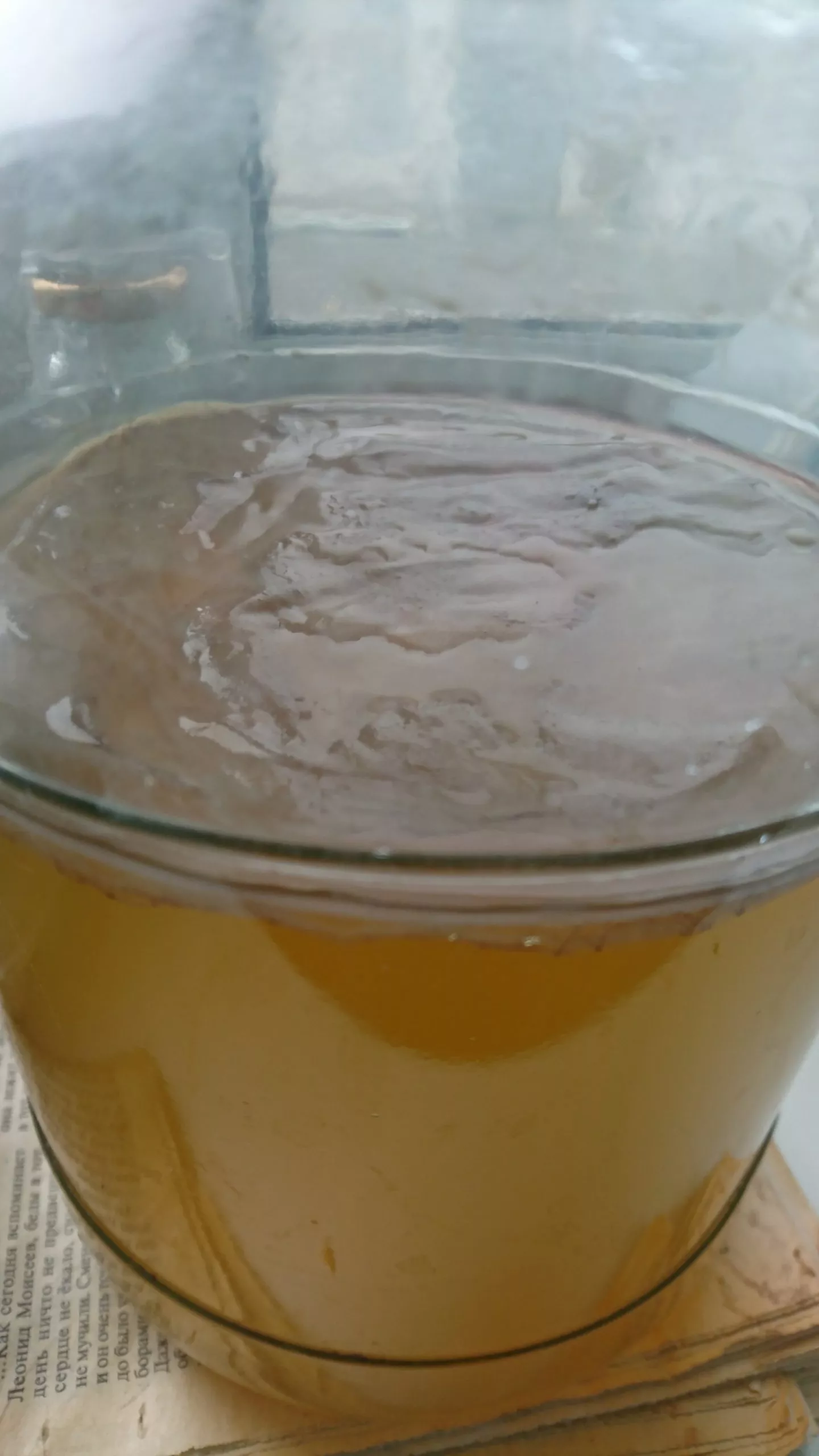
What's in it?
If we talk about the chemical composition, then the kombucha drink contains the following:
- sugar;
- organic acids;
- glucose;
- fructose;
- some ethanol;
- carbonic acids;
- polysaccharides;
- vitamins (almost the entire group B and C);
- amino acids;
- lipids;
- purines;
- biogenic amines;
- pigments;
- antibiotics;
- iron;
- manganese;
- chromium;
- lead;
- zinc;
- copper;
- cobalt;
- phenol and much more (too long to list).
How is the drink made?
To produce the drink, fermentation is necessary. This process occurs when the mushroom is mixed with a sweet medium, such as tea and sugar. To speed up fermentation, it's advisable to add an already fermented product, but the mushroom is also possible.
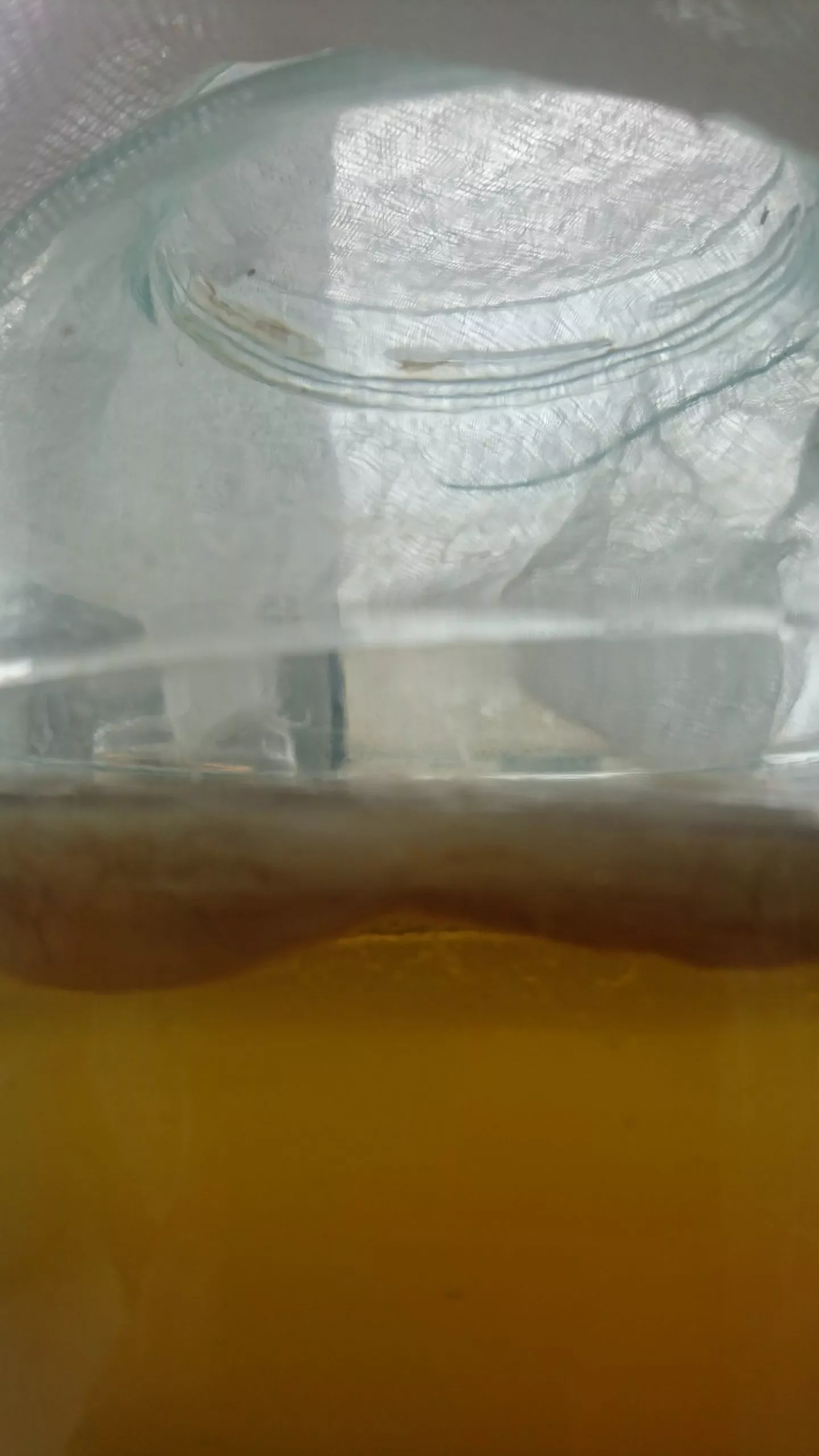
After pouring the liquid, the jar is covered with cheesecloth to prevent insects from getting inside. After a few days, a light film forms on the surface of the tea, and by this point, the drink has become slightly sweet and sour. Fermentation also produces carbon dioxide, which is why the drink is often called tea kvass.
What is the benefit?
In past centuries, kombucha was most often consumed and cultivated in Eastern countries. For example, in Indonesia, the drink was considered an antidote to toxins – when someone suffered from poisoning, they would drink kombucha. Meanwhile, in Japan, it was prized by geishas, who believed it promoted weight loss, removed age spots, lightened skin, and even neutralized warts.
In the modern world, things are a little different—the mushroom's beneficial properties have been studied by scientists, so they can be confidently asserted. As it turns out, kombucha has the following properties and effects:
- reduction of blood pressure, cholesterol levels, appetite;
- has a positive effect on the condition of blood vessels and the heart;
- eliminates inflammatory processes;
- used as an adjuvant for problems with joints, liver, genitourinary system, and gastrointestinal tract;
- promotes the breakdown of fats;
- destroys all bacteria;
- improves visual acuity;
- recommended for alcoholism;
- has a positive effect on the condition of the skin, hair and nails;
- helps with asthma and bronchitis;
- strengthens the immune system;
- relieves headache;
- calms during stress;
- rejuvenates;
- speeds up metabolism.
Who shouldn't drink tea kvass?
Honestly, I never even considered the drink having contraindications before, because everyone in my family always drank it. But it turns out you need to be very careful when drinking kombucha if you have the following issues:
- diabetes mellitus (contains sugar);
- stomach ulcer and gastritis with increased acidity of gastric juice (the drink has a sour taste);
- gout (I can’t understand why here, but I don’t know much about this disease);
- fungal diseases (here everything is clear - fungi with fungi - there will be an explosion, that is, the spread of infection will begin more rapidly, because this is an excellent environment for this);
- allergic reaction.
Personally, I'd add one more point: no one should drink kombucha tea if it's prepared incorrectly. This especially applies to the quality of the water and tea. And, just as importantly, sanitary and hygienic requirements must be met. You know, when I was about 12, my mother gave this mushroom to an old woman who lived five houses away.
So when I went to see her (Mom asked me to take something), I was amazed – the gauze on the jar was dark brown, and inside the jar itself (it was half empty), I noticed about a dozen gnats, and the glass was stained. In short, it was absolutely terrifying. Mom then said, “See the difference between our jar and hers? Make sure you never have anything like that in the future, otherwise you could get an infection.” She was essentially right.
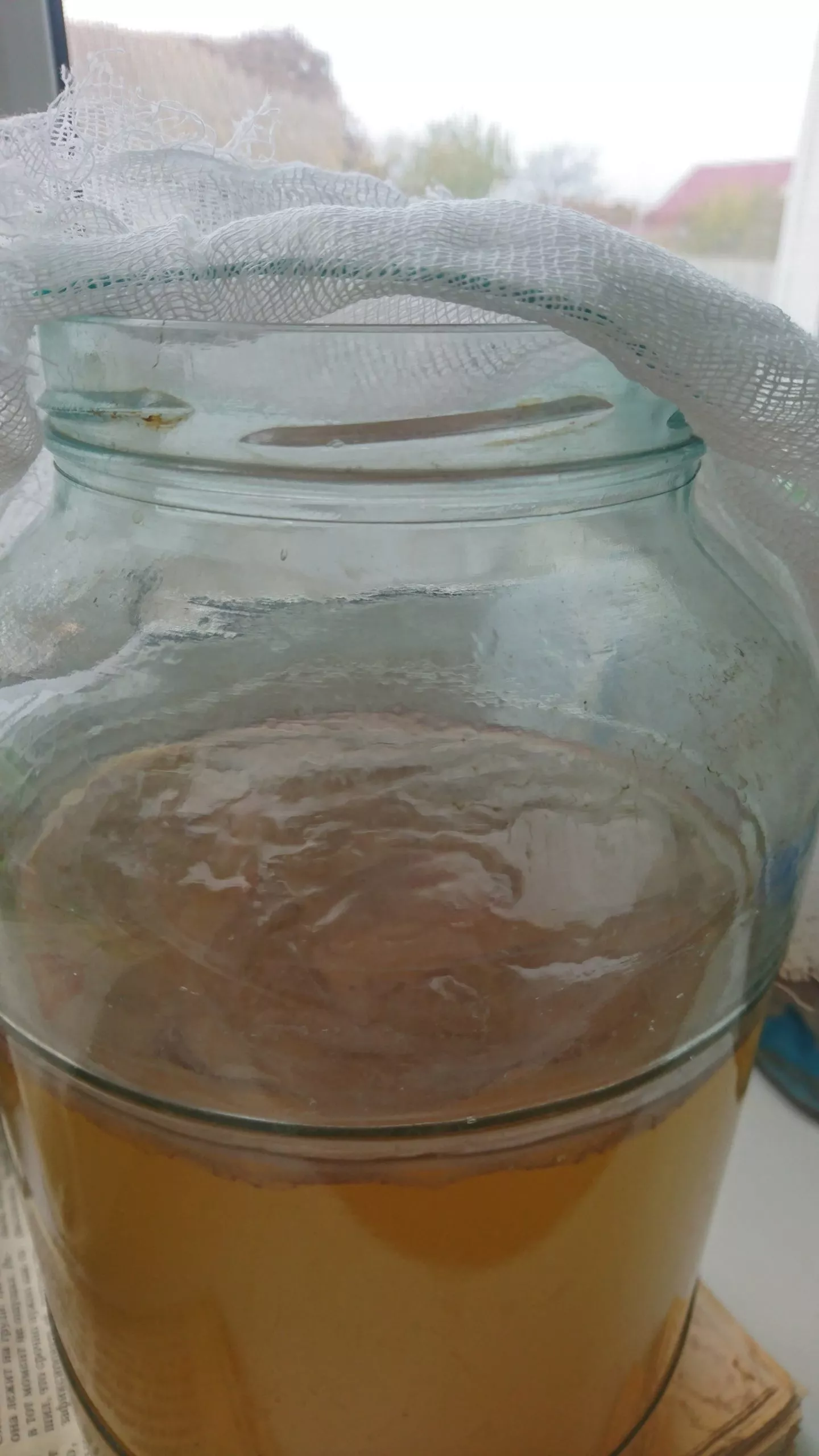
Another tip: don't leave the mushroom drink in your system for too long. Long fermentation can cause beneficial substances to become harmful. For example, organic acids are essential for our bodies, but only in limited quantities. When these substances are exceeded, they can become toxins.
By the way, the most harmless thing that can happen is that the mushroom turns into vinegar and dies.
And in general, you should always cook according to the instructions (here You can read how to grow such a mushroom). By the way, there are many interesting recipes (just for variety). Be sure to learn how to do it correctly. to look after When drinking kombucha, familiarize yourself with the potential problems so you can prevent them and recognize them promptly. You understand that drinking a kombucha with a diseased mushroom is unlikely to be beneficial. You could even get poisoned.
I completely agree—it's a mushroom too! I don't grow one myself, but I remember my grandmother always had one, and I absolutely devoured the drink. Now the memories are flooding back—I want to get myself one of these "friends." Thank you!