
My ligularia is blooming again,
Summer is in full swing here,
The inflorescences glow with gold
Worthy of a poet's pen.He attracts my gaze,
Look how beautiful it is!
A choir of hardworking bees
Sings in the flowers without stopping.
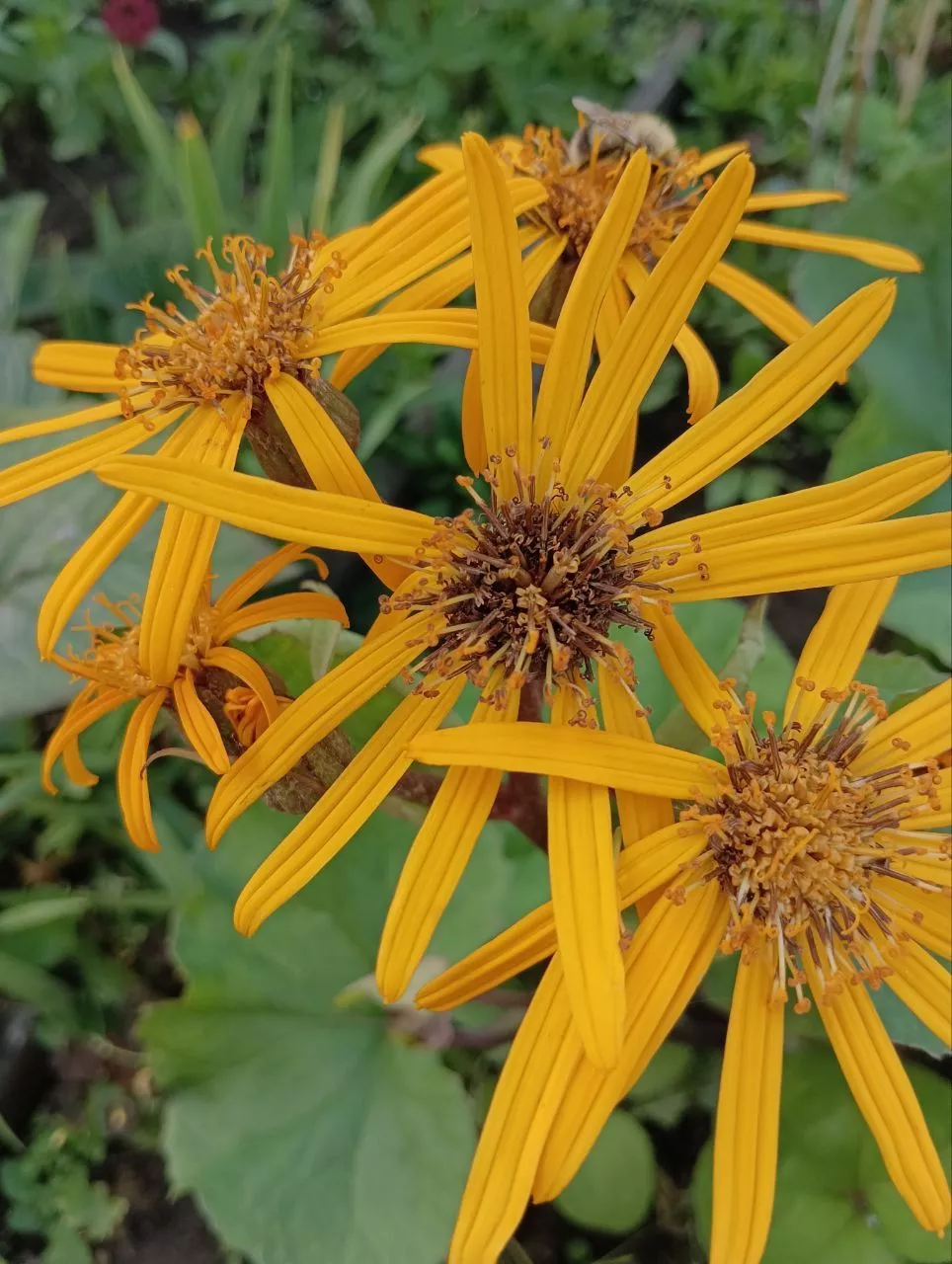
Another Ligularia growing in our garden is the dentate Ligularia. This variety of Ligularia looks a little different than first And second.
The bush is significantly shorter. The basal leaves are entire, large, green, veined buds on long, dark brown petioles. The stem leaves are smaller. The leaf margins are sparsely toothed.
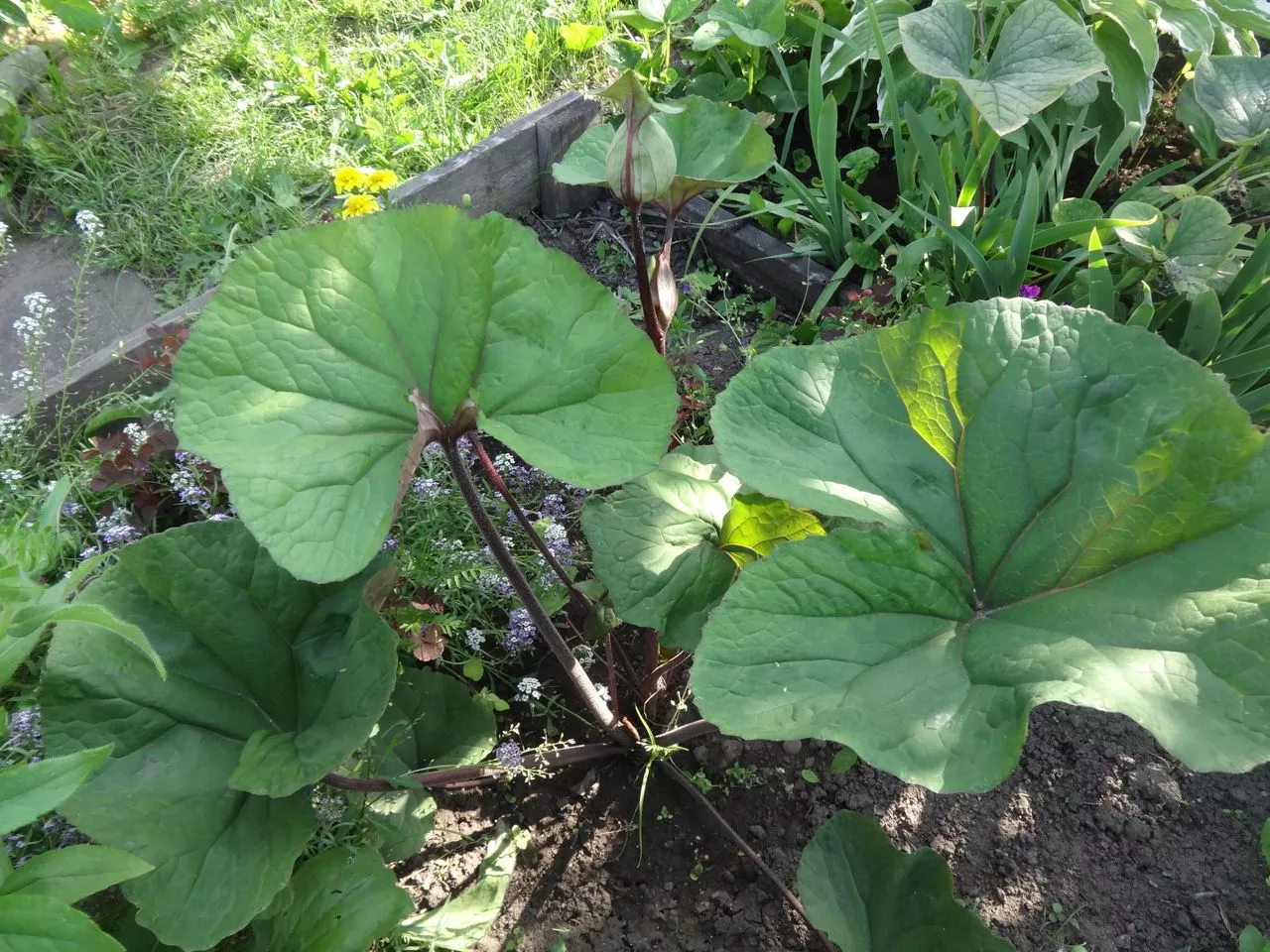
The flower stalk is also dark and sturdy. At the beginning of flowering, the stalk contains a small pouch of leaves that holds the flowers.
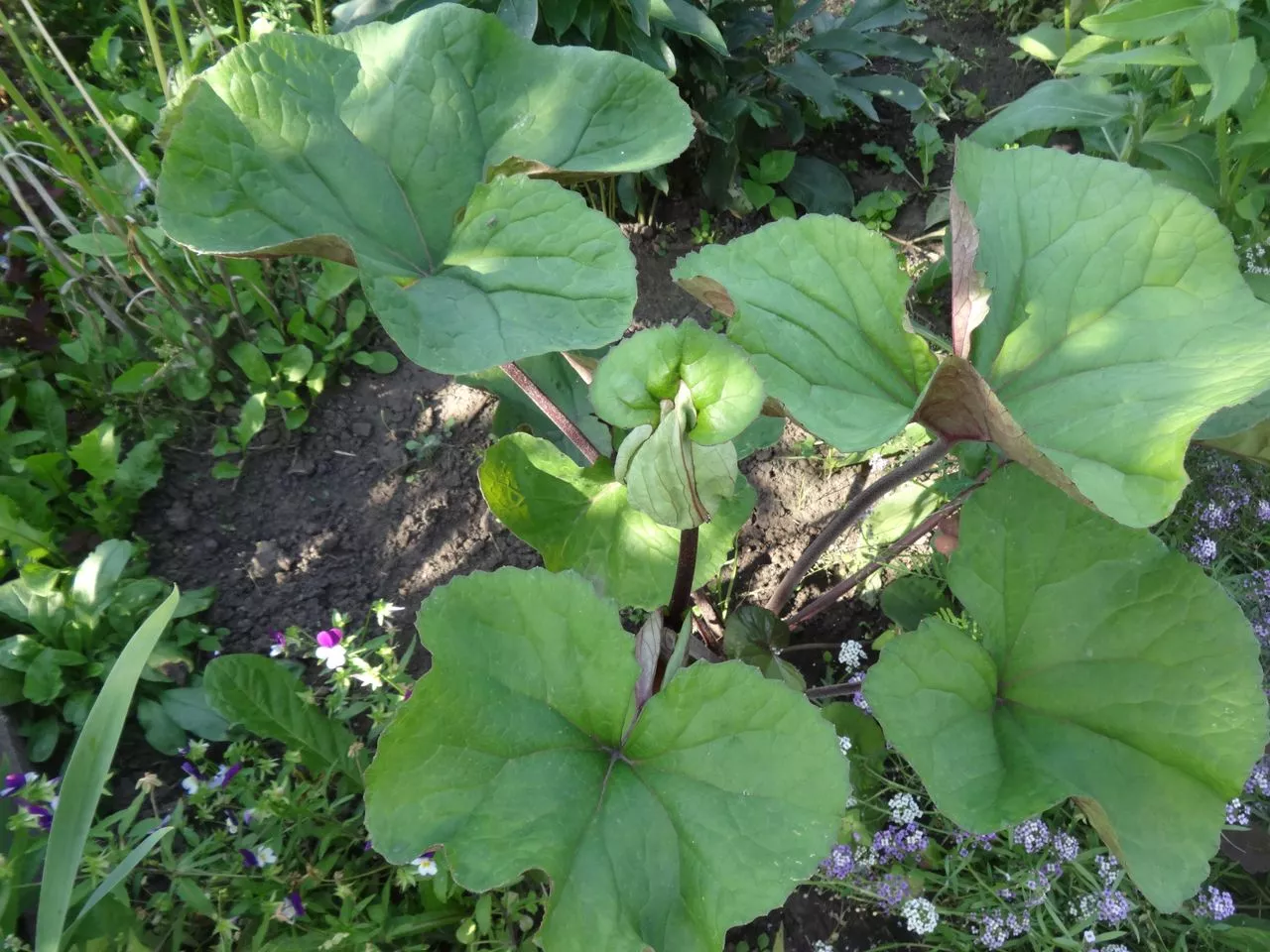
They are as if wrapped in a diaper, which gradually opens and 5-8 branches with flower buds appear.
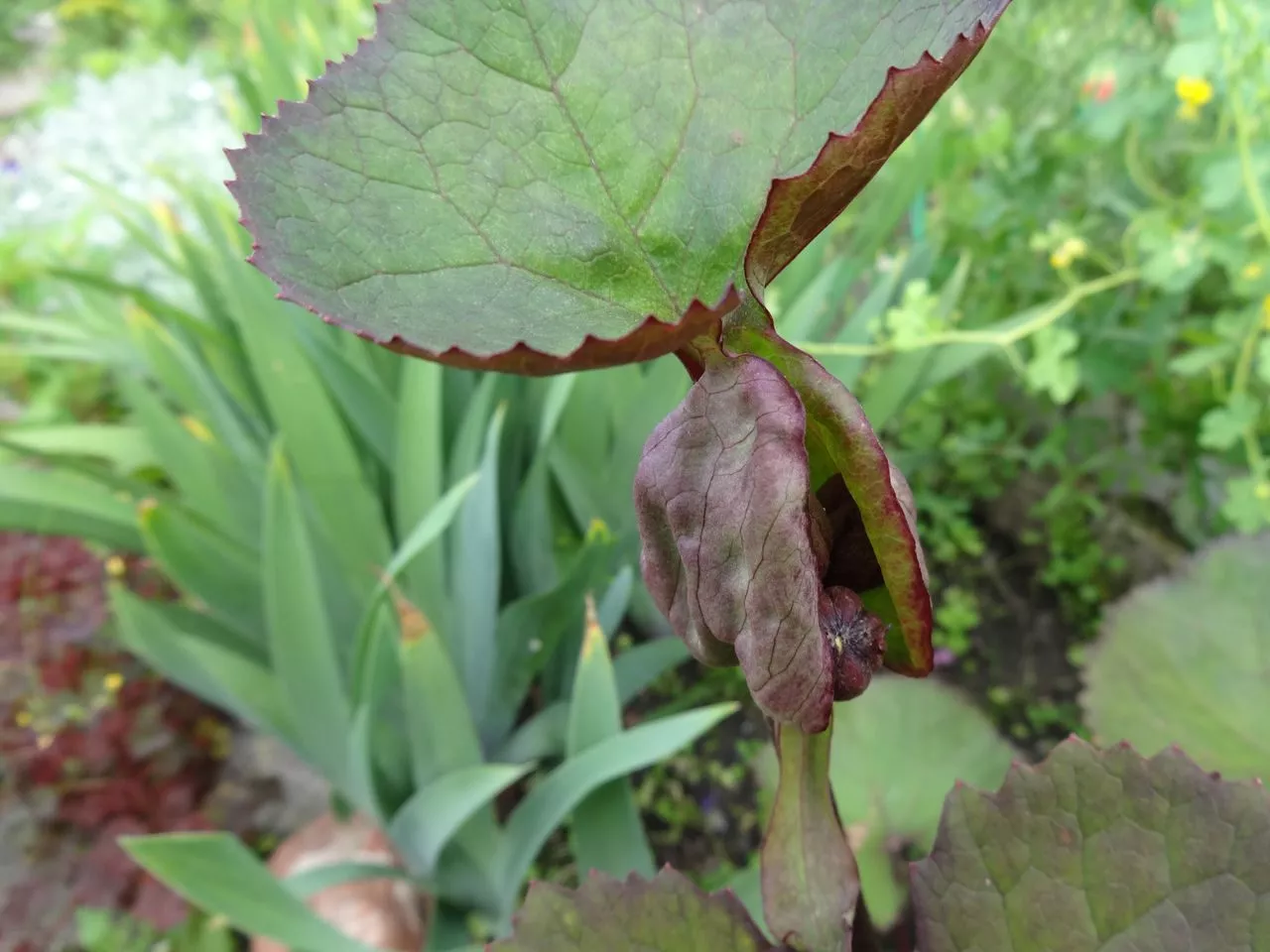
The flower stem may have 2-3 branches with diapers of leaves.
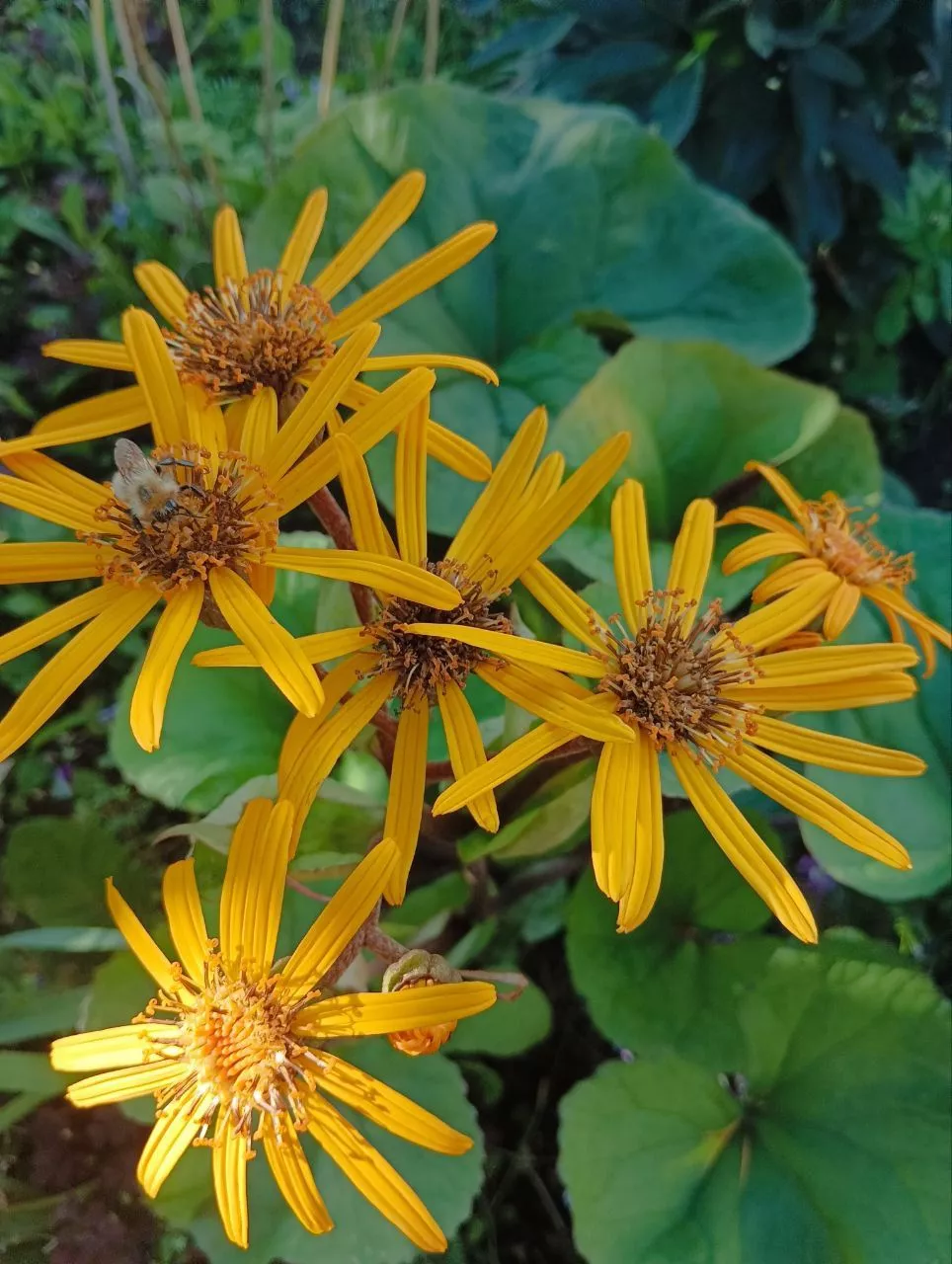
As the plant grows, each branch opens up to reveal daisy-like flowers with long petals, bright yellow in color and a light brown eye in the center.
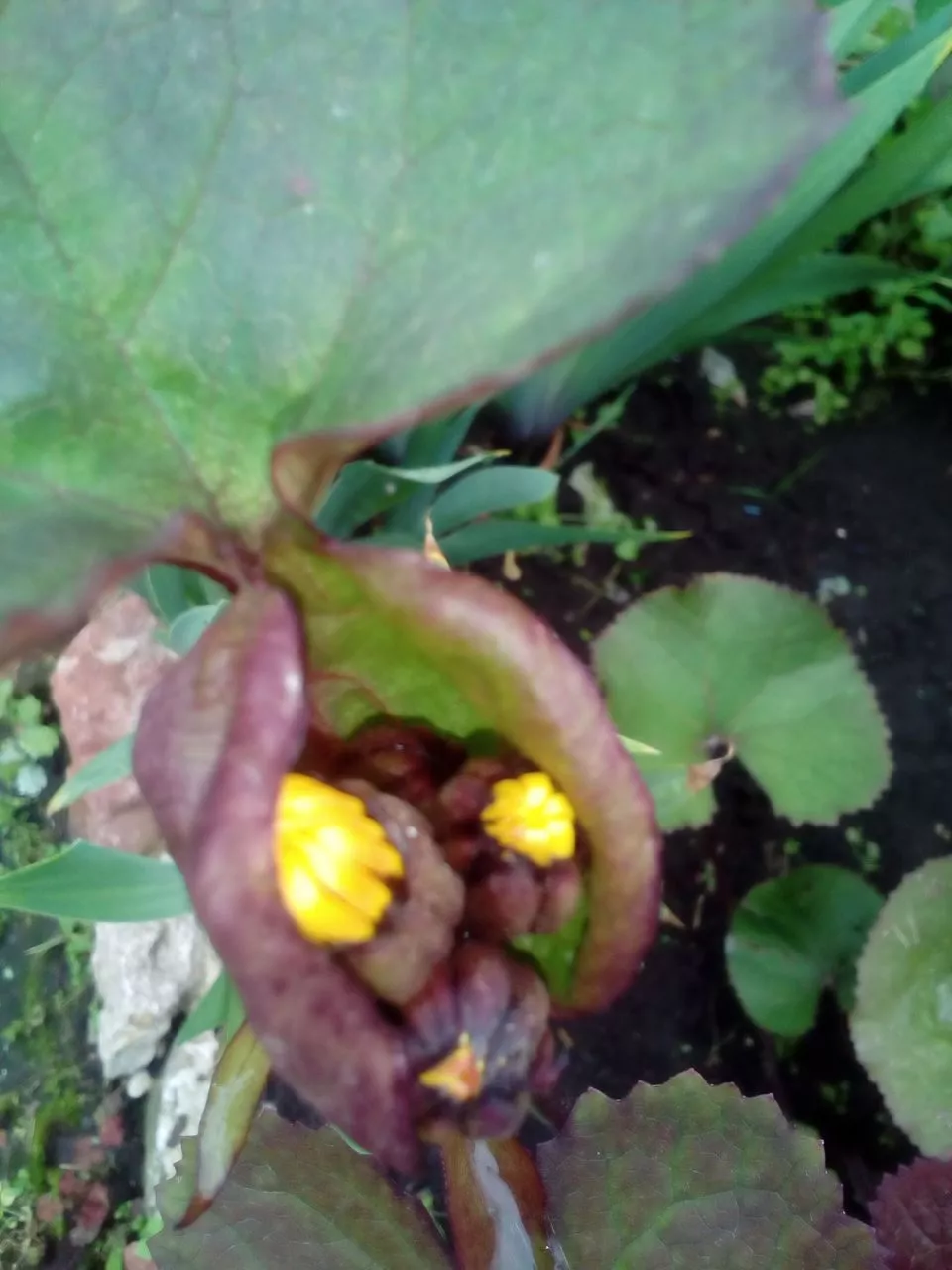
The inflorescences are quite large, approximately 8-10 cm. They bloom for more than a month.
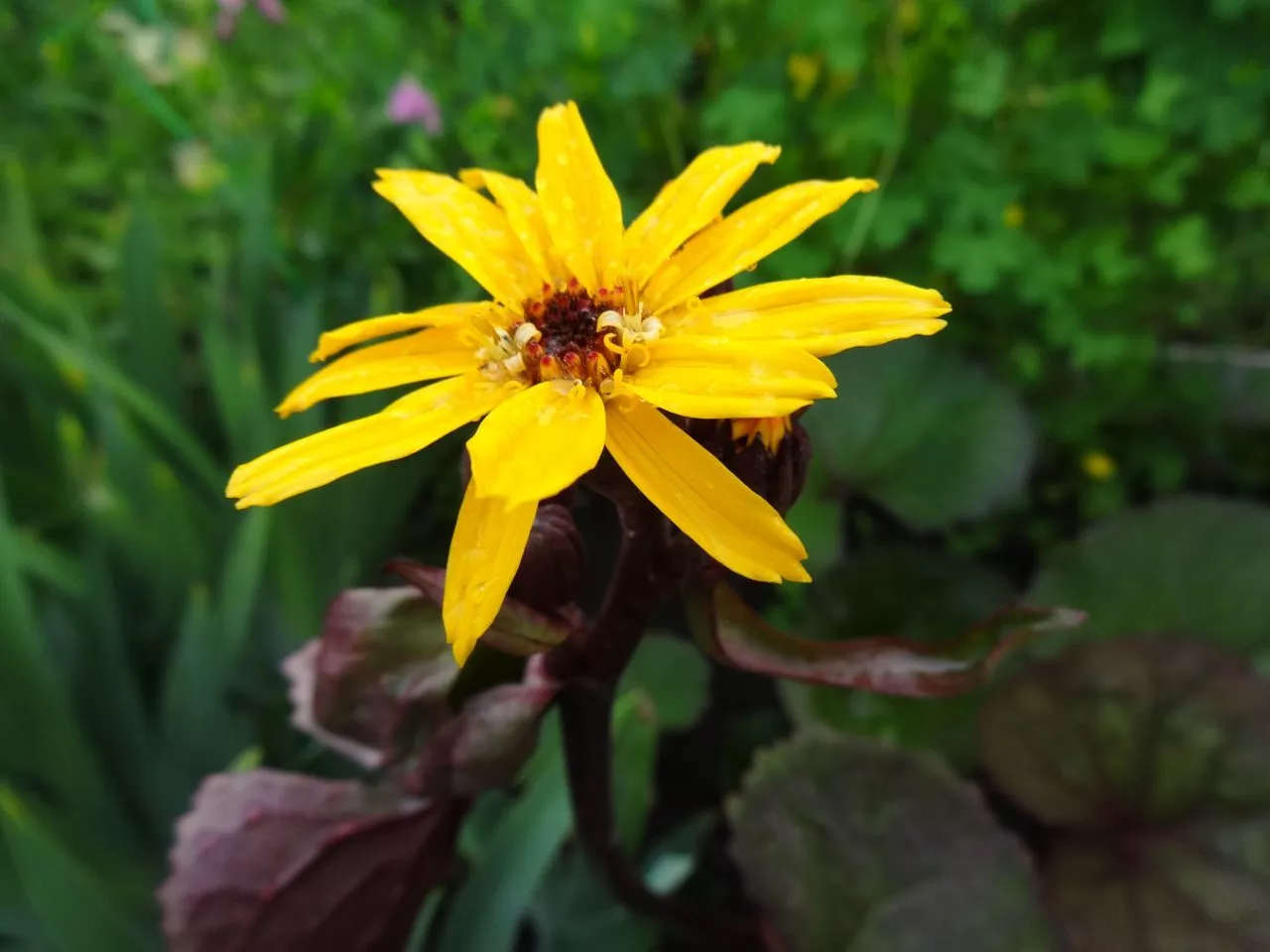
I really like this type of ligularia.
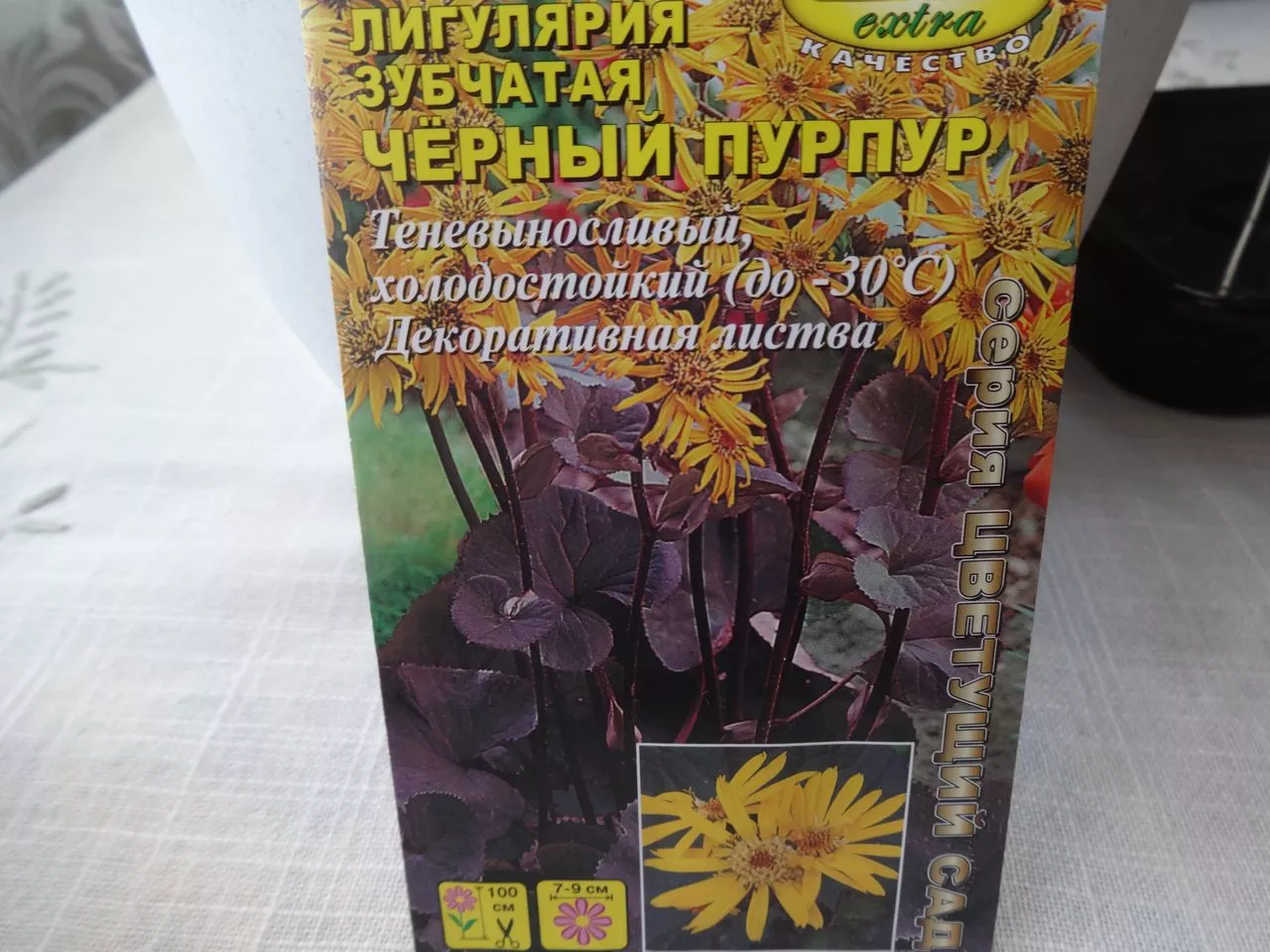
At first, I tried growing dentate ligularia from seed. I bought seeds of the Black Purple variety with burgundy leaves. The seeds didn't sprout.
At the beginning of summer, I bought a very small ligularia seedling with two green-brown leaves. It grew over the summer and survived the winter well. The following year, it sent up a flower stalk and opened several daisy-like flowers.
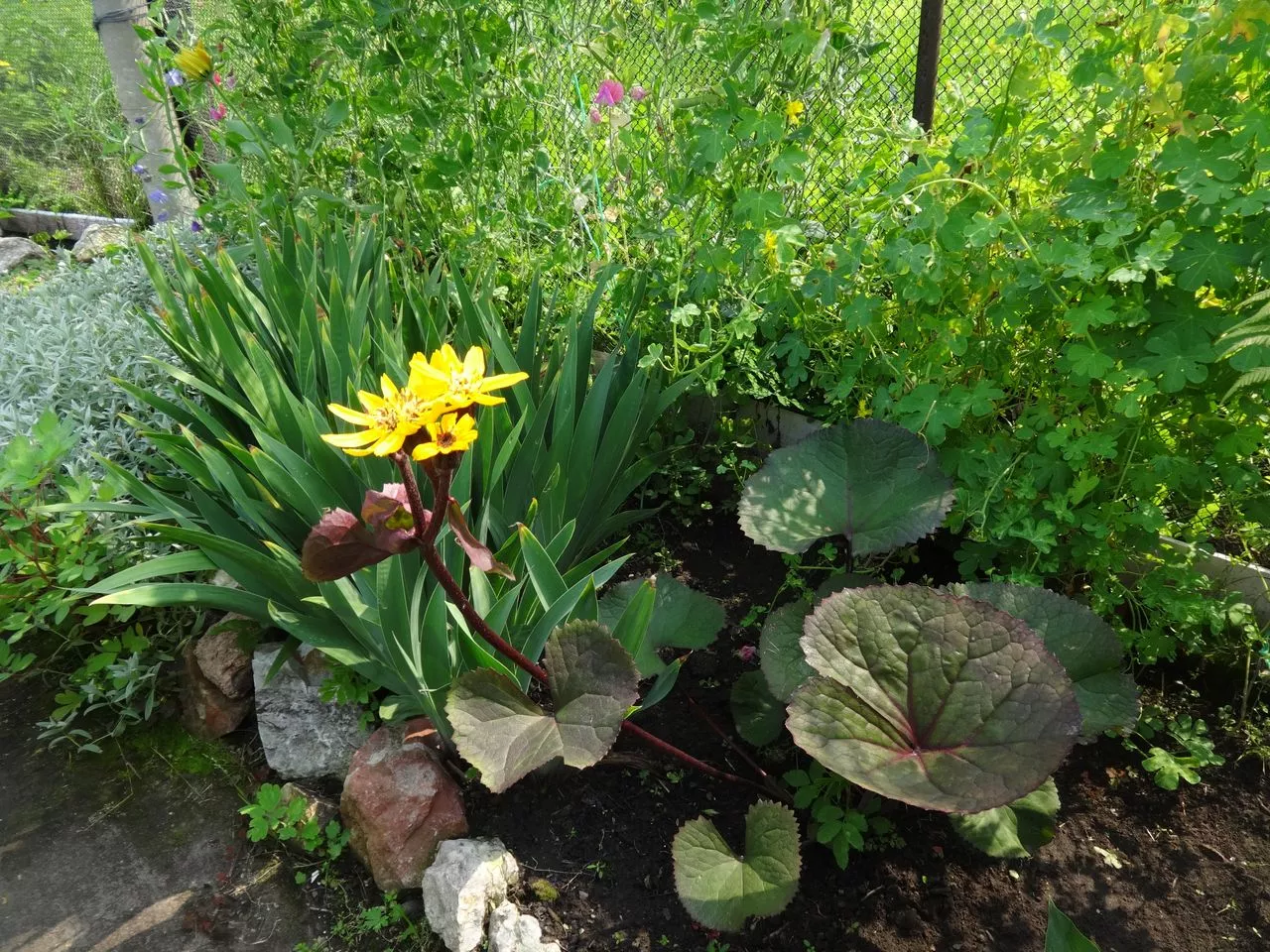
But the summer was rainy and cold, and so was the fall. My serrated ligularia grew in constantly wet soil.
For the winter, I added humus under the bush and covered it with dry marigold tops. But in the spring, the ligularia didn't sprout.
I bought another serrated liguria; this time there was a wide selection of seedlings, and I chose a more robust plant. But it didn't bloom the first year and took a long time to emerge in the spring.
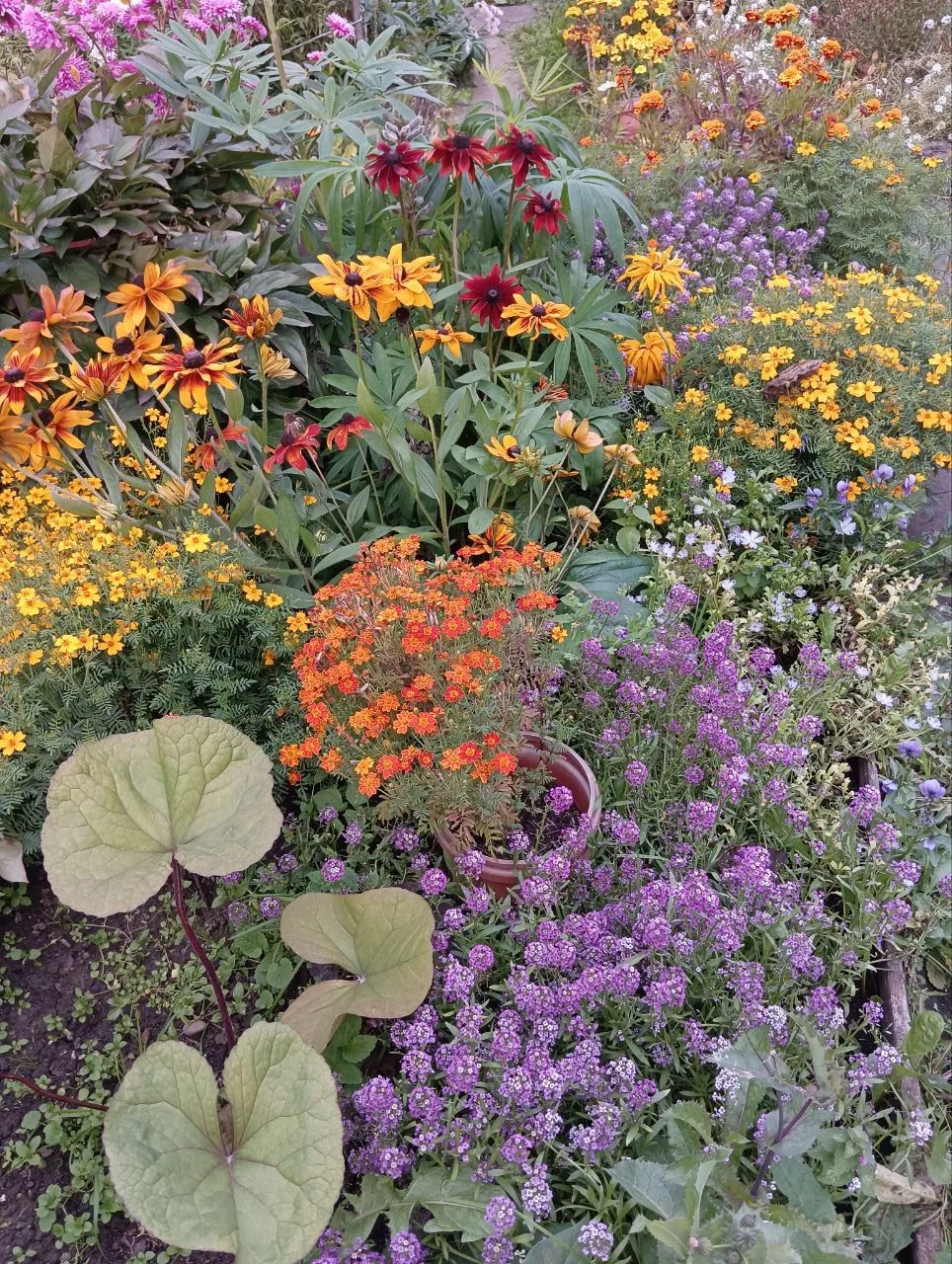
It's probably the flower's peculiarity that it's slow to open its leaves. And it blooms later, after other ligularias have finished blooming.
Leaves began to emerge in early June, and by mid-July the bush was already fluffy and even sprouted a flower stalk.
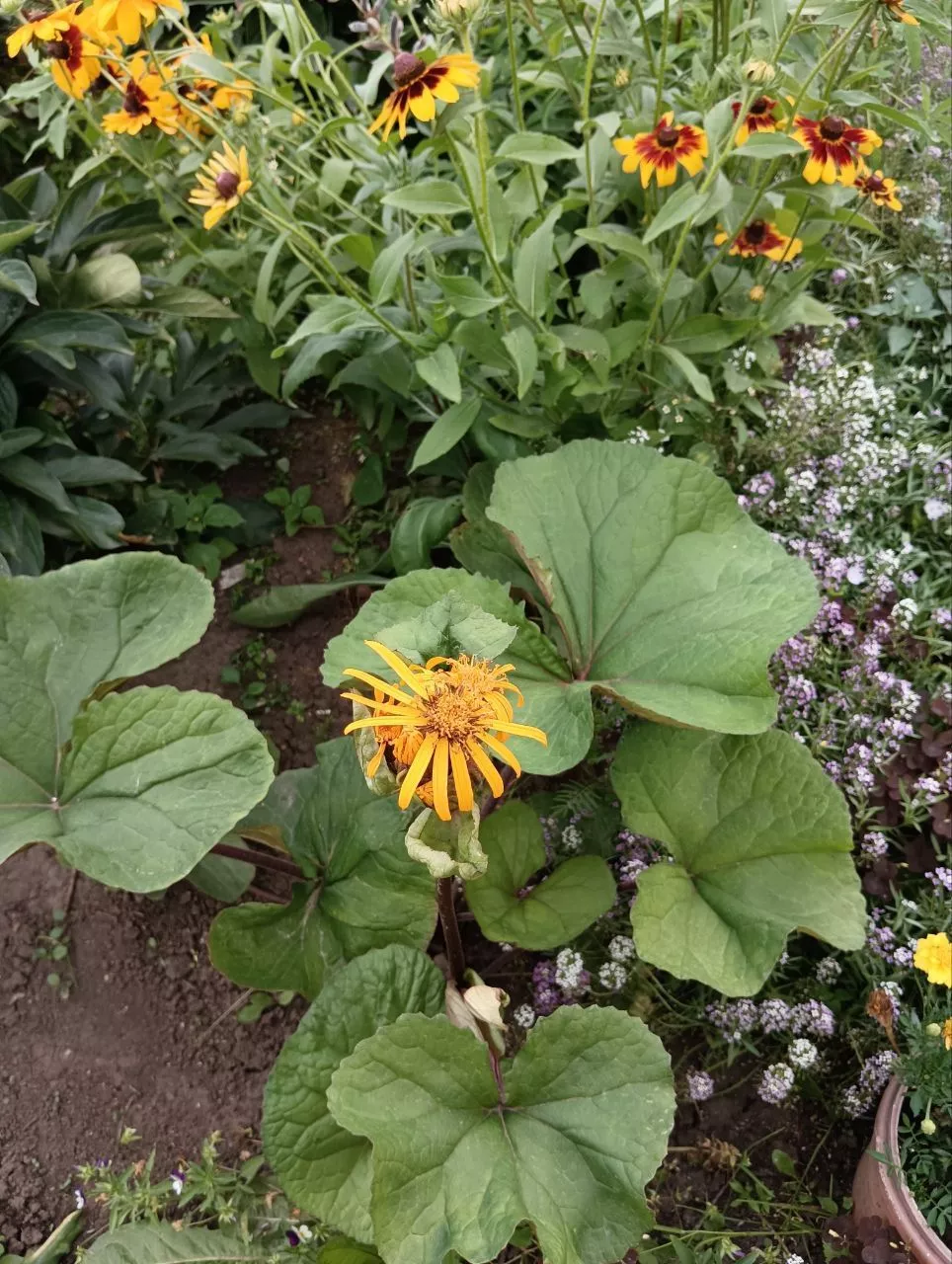
At the beginning of August, very beautiful flowers began to open.
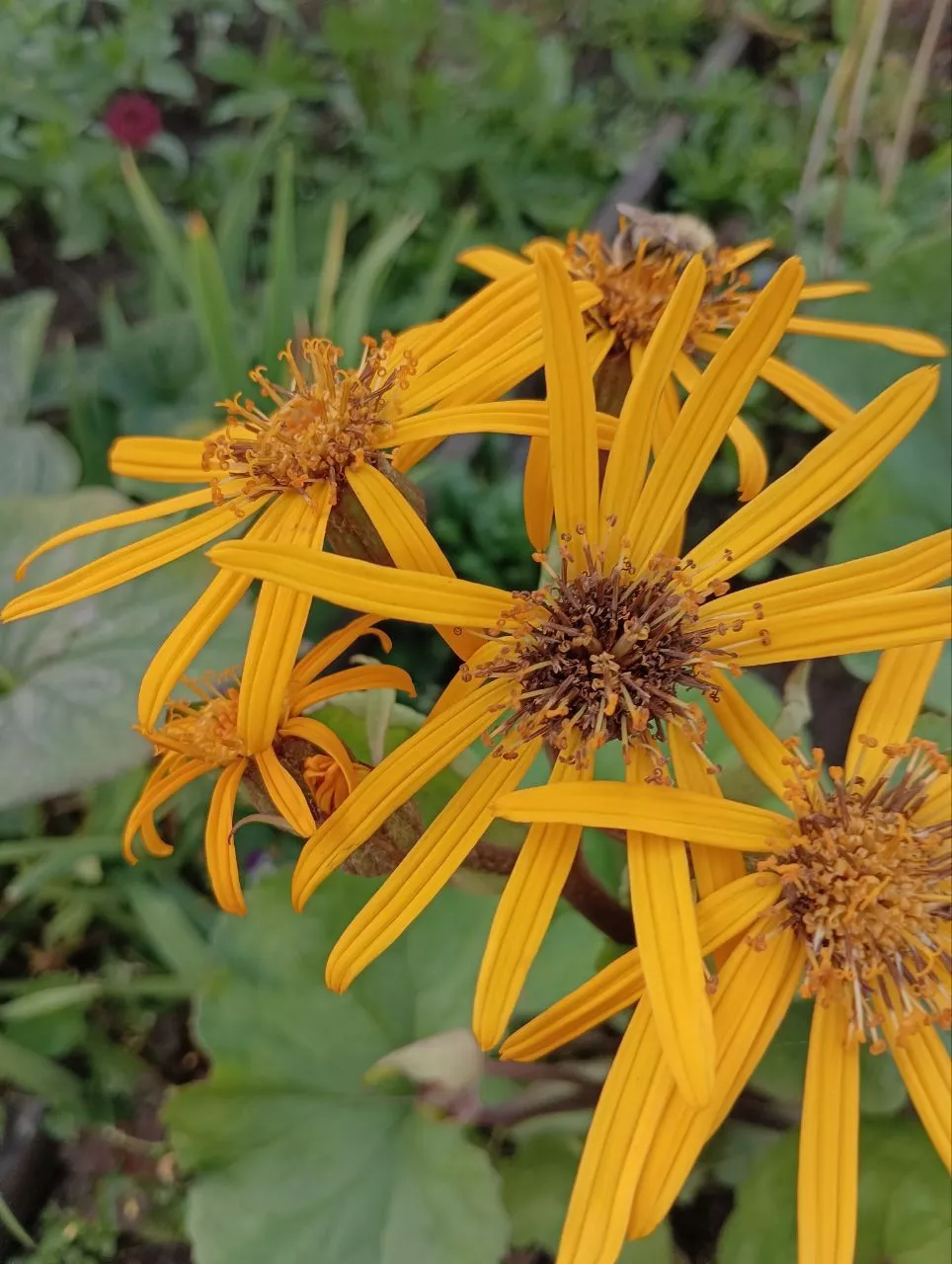
I wasn't the only one who appreciated the flowers' beauty; the bees did too. They were simply swarming over the yellow daisies of the ligularia. But they scattered when I approached the ligularia to photograph my wonderful flower. There were also some very bold bees who ignored me. The nectar must be delicious.
Care for dentate ligularia is the same as for other ligularias. The flowers appreciate generous watering; if the soil is insufficiently moist, the large leaves of the burdock will wilt.
When planting ligularia in a hole, you need to add humus, well-rotted manure, and periodically fertilize with complex fertilizers so that the inflorescences are tall and the leaves are large.
In the fall, I trimmed the flower stalks, but I didn't trim the leaves. I added humus under the bushes and covered them with dried marigold bushes.
I grew annuals next to the dentate ligularia—pink alyssum and thin-leaved marigolds. But I plan to replant this variety of ligularia in the spring, as I planted it in the summer, when all the space in the flowerbed was taken up by other flowers.
Ligularias grow quickly, require little maintenance, and look beautiful all season long. I think these flowers really brighten up our dacha.
There are many types and varieties of Ligularia, I was interested in Ligularia tangutica, if I find it for sale, I will definitely plant it in my garden.