

I grew rutabaga last year. I just happened to come across some seeds and decided to try it out.
This is what young rutabaga shoots look like:
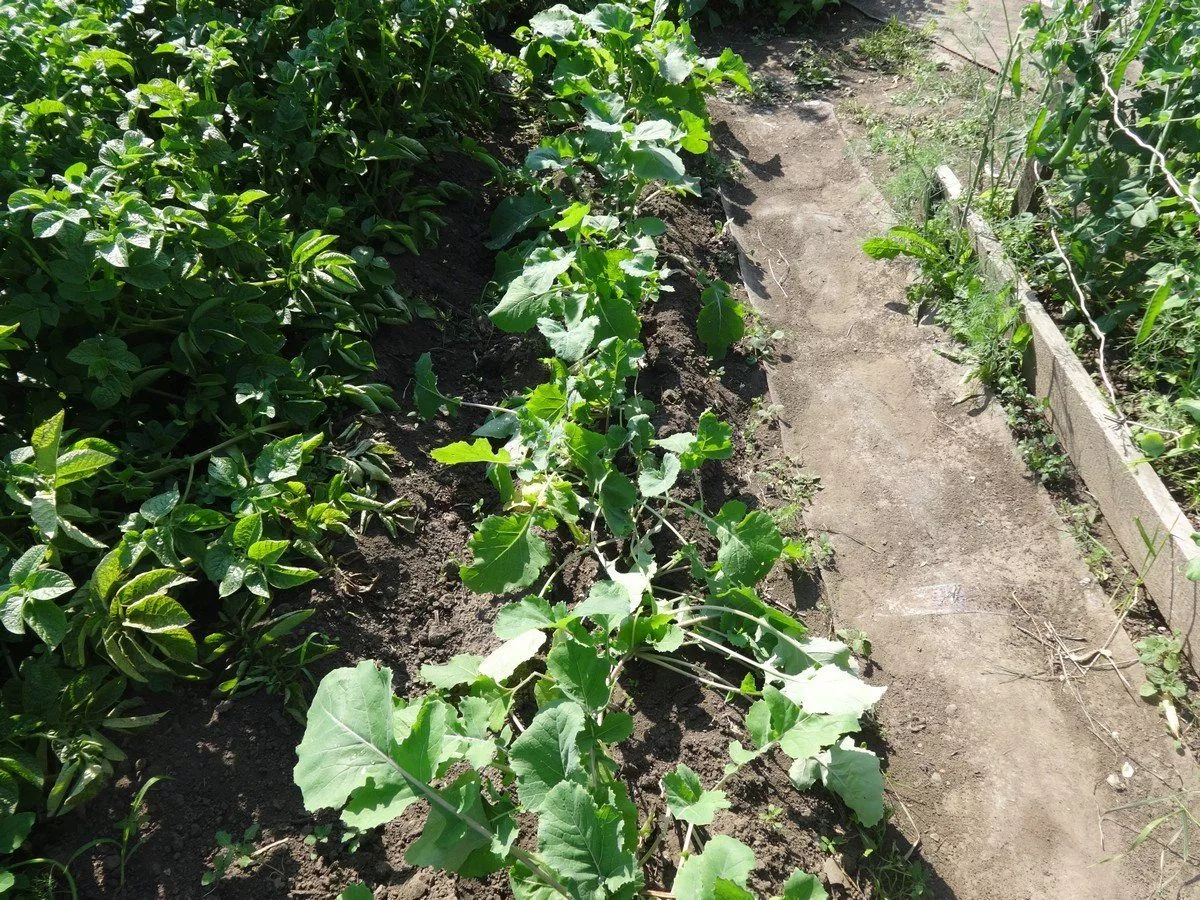
This is how she grew up:
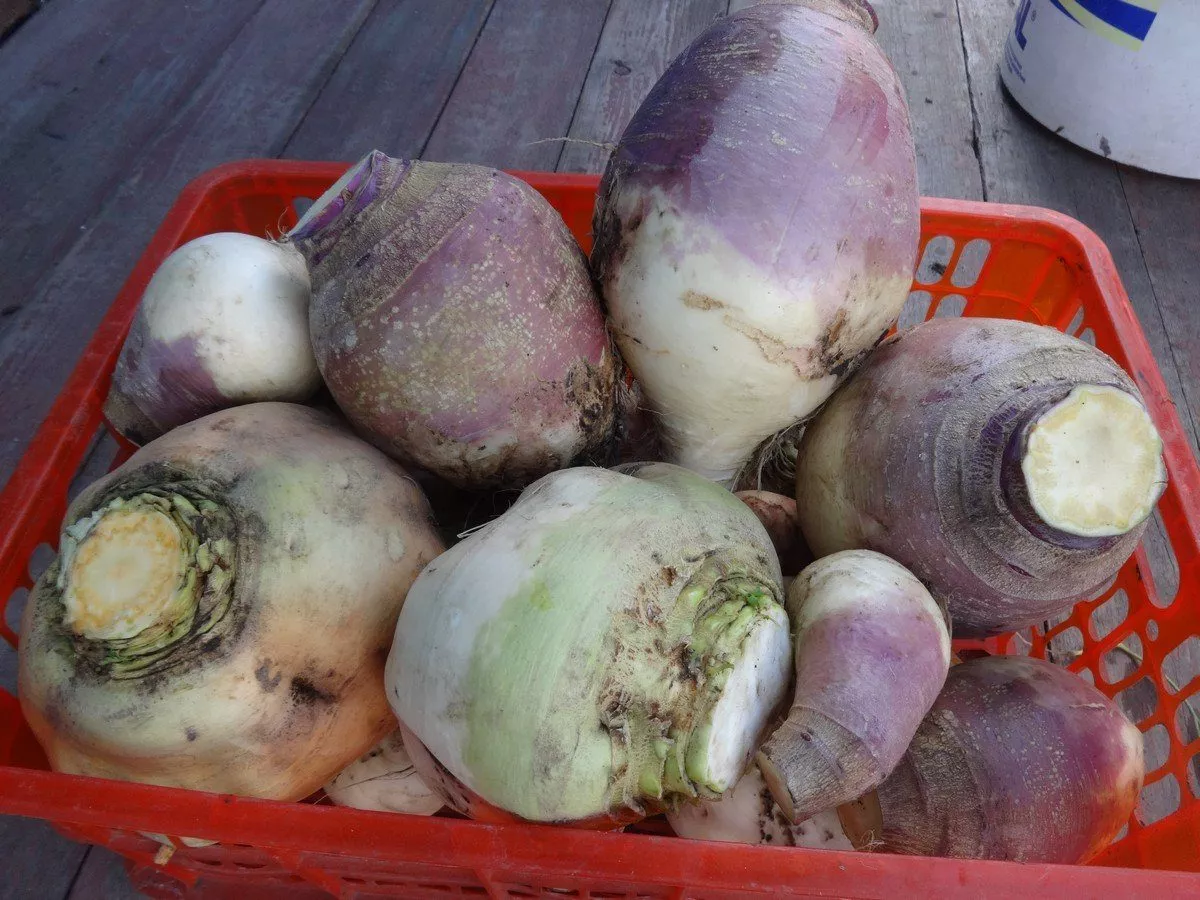
Briefly about rutabaga
Rutabaga is a healthy vegetable. It contains a lot of fiber, potassium, calcium, magnesium, beta-carotene, vitamin C, and other vitamins and minerals.
Rutabaga tastes like a turnip, only sweeter. The flesh is juicy, light, whitish, and not bitter.
The plant belongs to the cruciferous family, the genus Brassica. Rutabaga's leaves are smooth, thick, and bluish-tinged; young leaves resemble cabbage seedlings. The root is large, rounded and elongated, with a thick root, reminiscent of a turnip or fodder beet. The skin above the soil is gray, light green, or light purple, while the part of the root buried in the ground is white.
Rutabaga grows well in sunny areas with acidic or neutral soil that is loose and nutritious. It should be planted in a bed previously occupied by zucchini, tomatoes, potatoes, peppers, cucumbers, and legumes.
It loves moisture; if there is not enough watering, the root crop will be bitter, and may even bloom and become unfit for consumption.
Use and storage
We made salads out of it—peeled it, grated it coarsely with carrots, turnips, and daikon. We simply sliced it thinly, sprinkled it with salt and black pepper, drizzled it with aromatic sunflower oil, and ate it with gusto.
Rutabaga can be fried like potatoes, boiled and mashed, or added to soups.
Part of the harvest was stored in the cellar during the winter.
Pests
The rutabaga was disease-free, although it is susceptible to many diseases, including blackleg, clubroot, mosaic, and others. Before sowing, the bed should be treated with a weak solution of potassium permanganate or phytosporin.
But all sorts of pests – cruciferous flea beetles, cabbage flies, cutworms and cabbage moth caterpillars, slugs – attacked the leaves, gnawing holes in them.
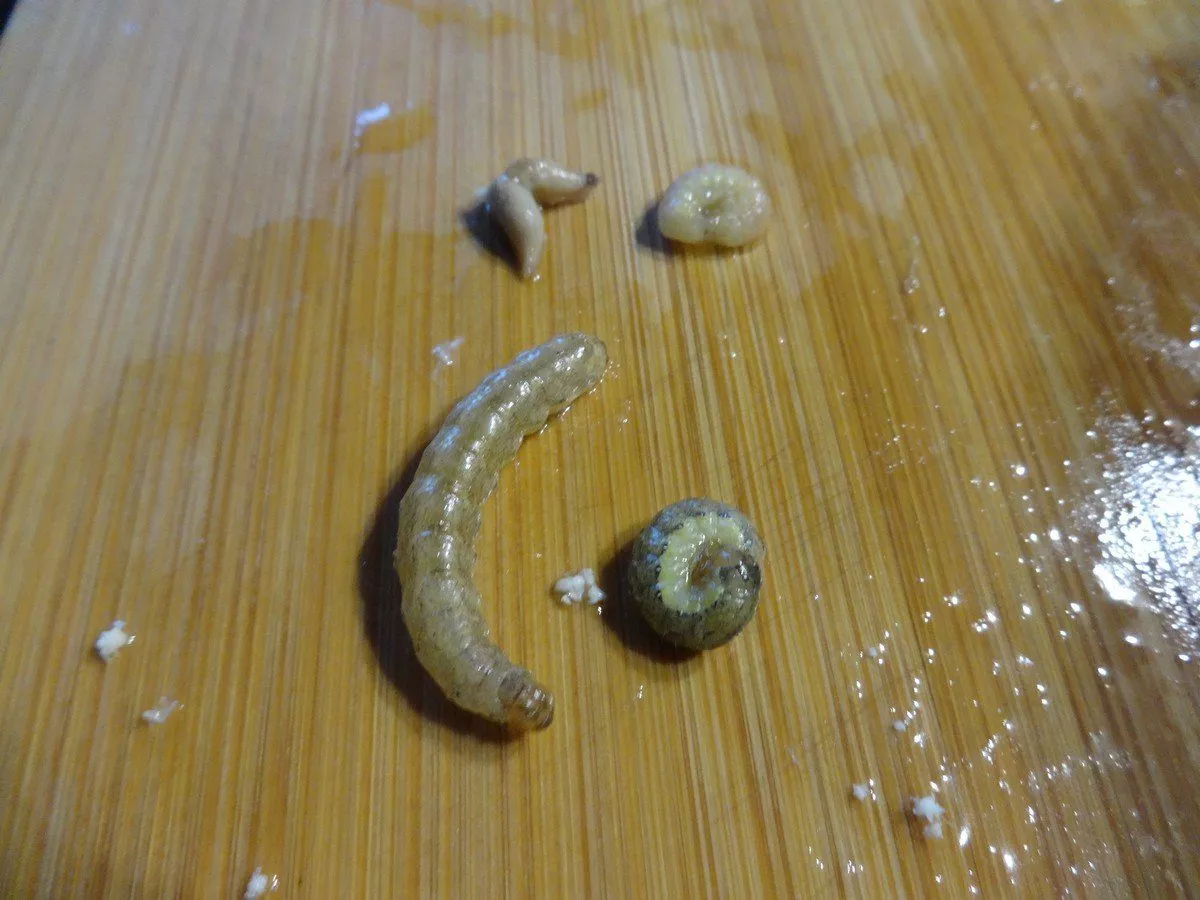
And the root vegetables were gnawed by wireworms, which dug into the flesh.
To combat pests, we used Fitoverm and sprinkled the soil and leaves with a mixture of hot pepper, tobacco, and ash.
To combat wireworms, add mustard cake or mustard powder to the soil, which will kill the larvae. I didn't know this when I sowed the seeds, and some of the root vegetables were eaten by the pest. I even had to pull wireworms out of the flesh of my rutabagas.
To protect against pests, you can also plant calendula, marigolds, and nasturtiums next to rutabagas—these plants repel aphids and cabbage flies.
Read more about rutabaga in this article.