

Our woodshed was almost empty, and we decided to stock up on firewood for the winter.
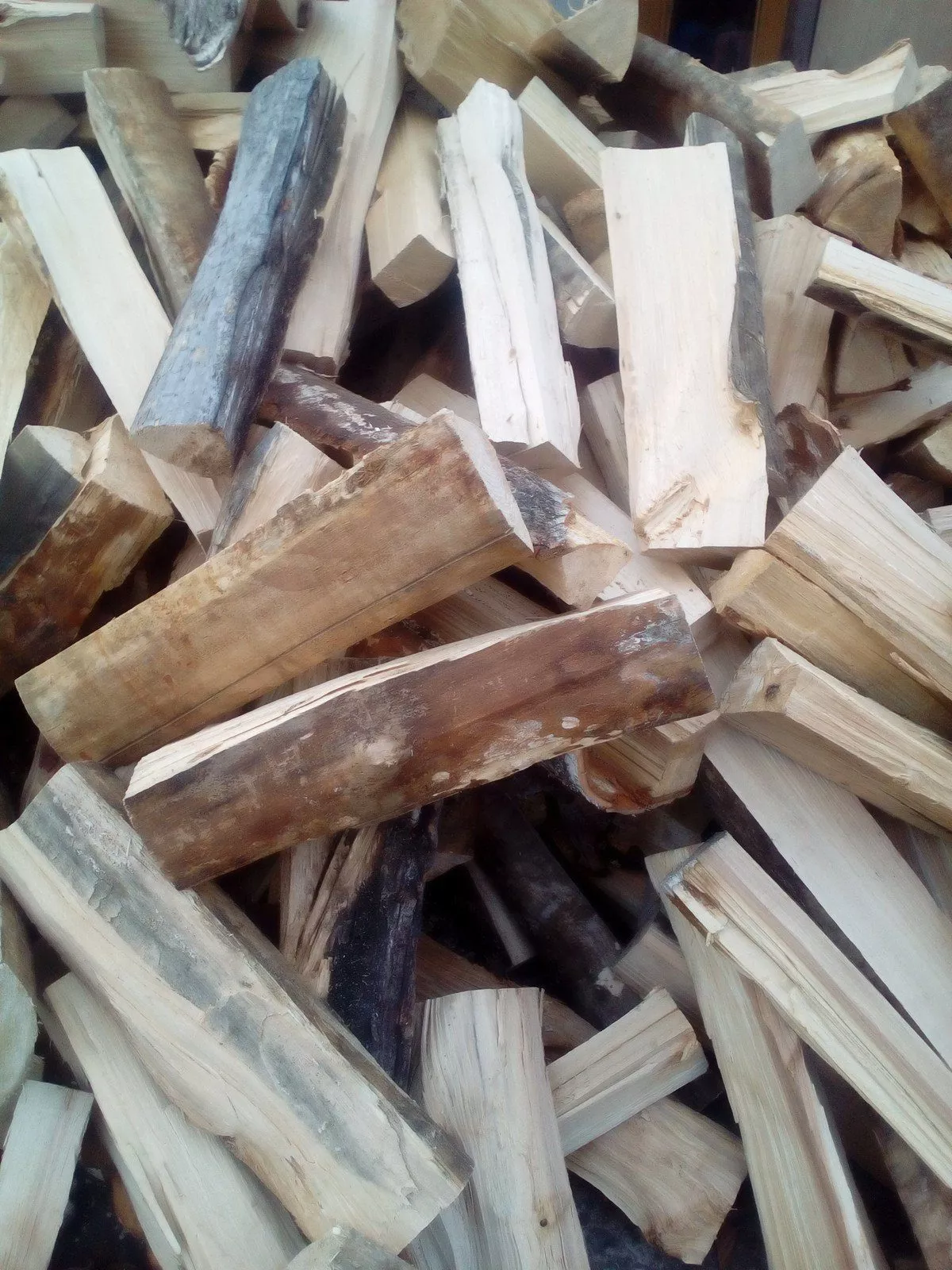
When we bought the dacha, we had a stash of lumber, some of which we cut down for firewood and some for garden beds. We tore down old wooden greenhouses, a fence, and a shed, sawed up all the lumber, and stored it in a woodshed.
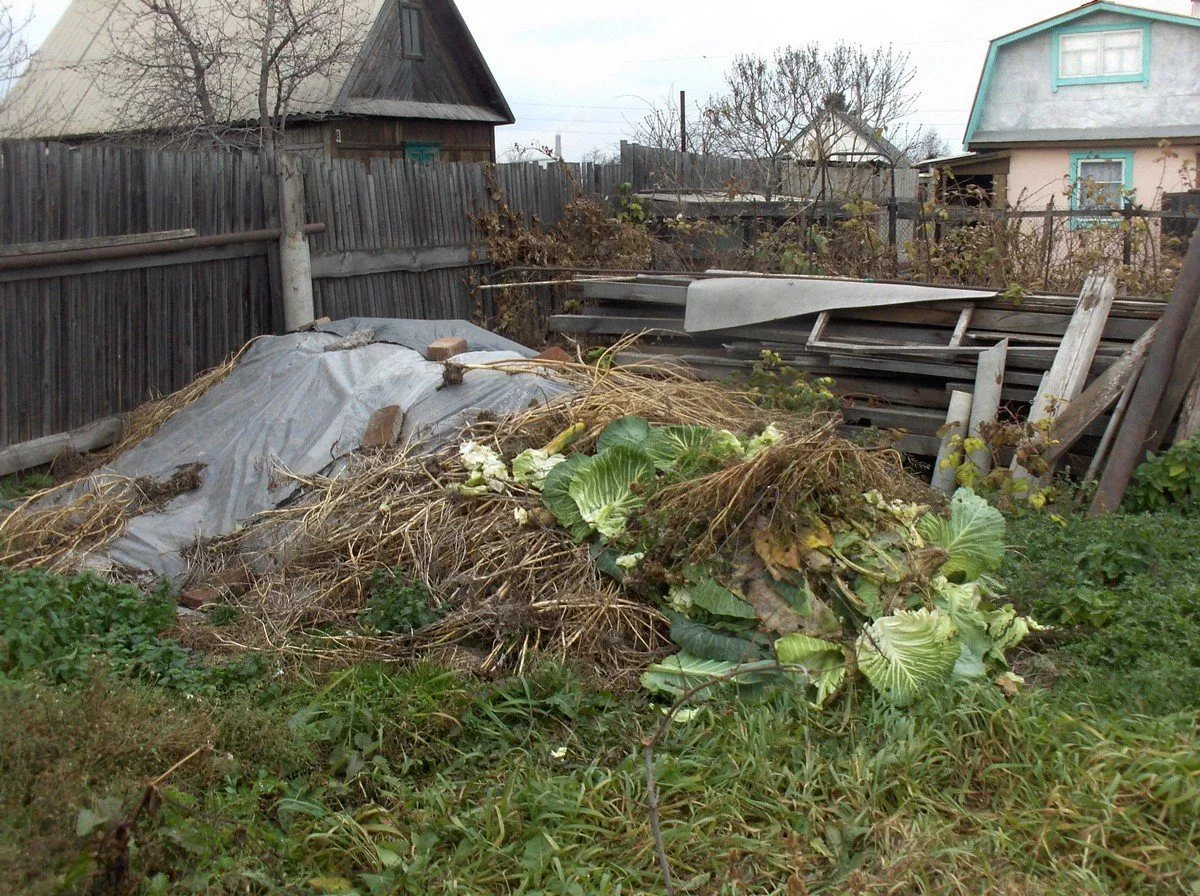
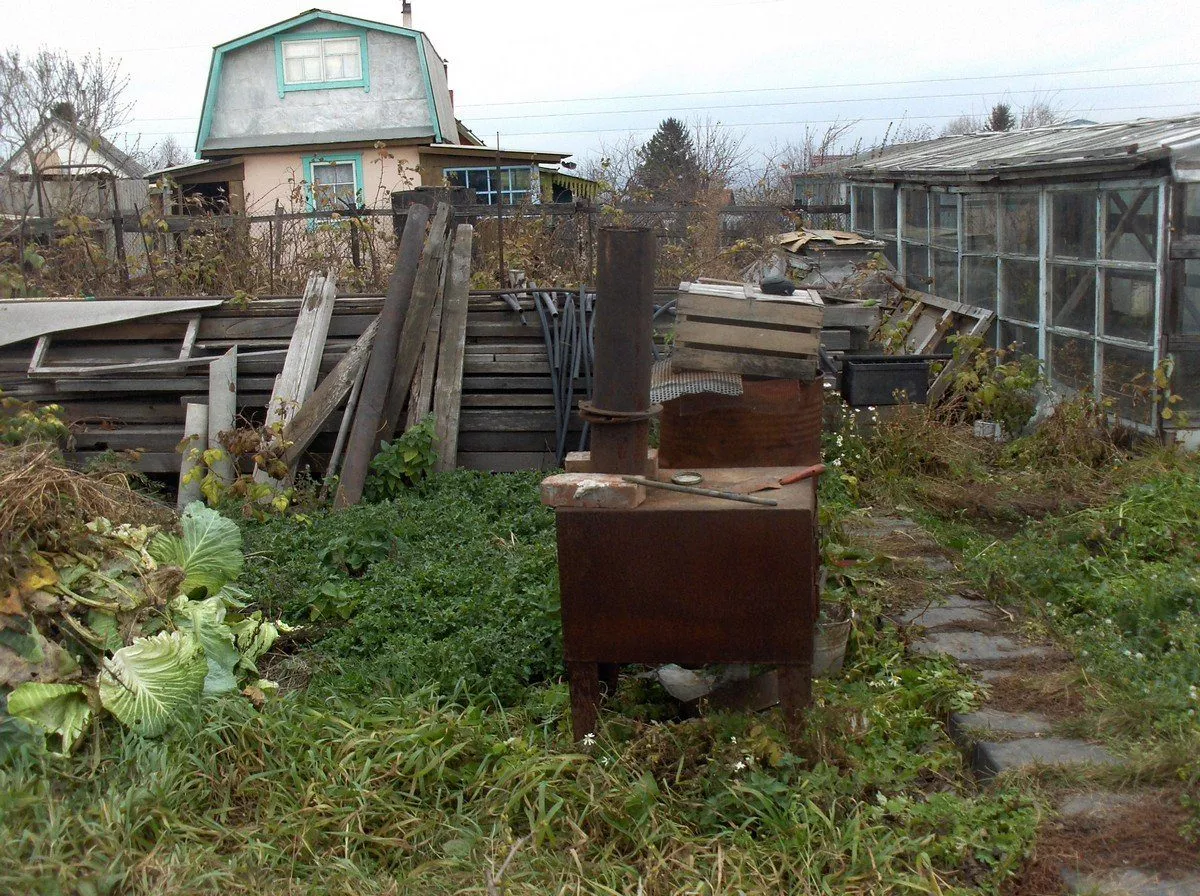
All the lumber we could cut down was gone, leaving only the good, necessary lumber left. We'll need it for other purposes.
We found a sign on the dacha's fence posts about firewood for sale. We called, and late Saturday afternoon, they delivered a whole truckload of chopped birch firewood. It turned out to be a huge pile of sturdy logs that smelled like fresh sawdust.
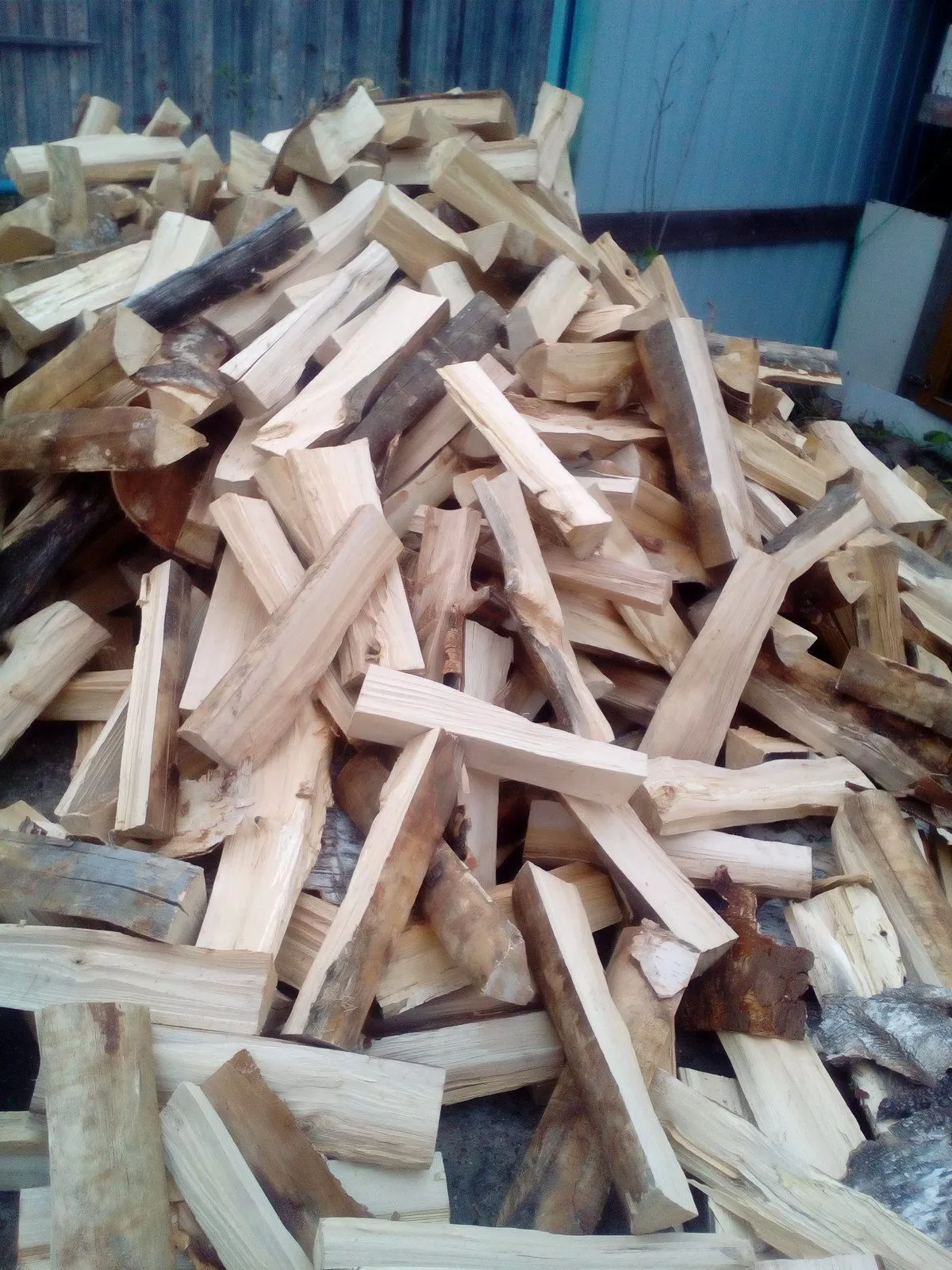
First of all, we threw the logs into the yard to clear the roadway.
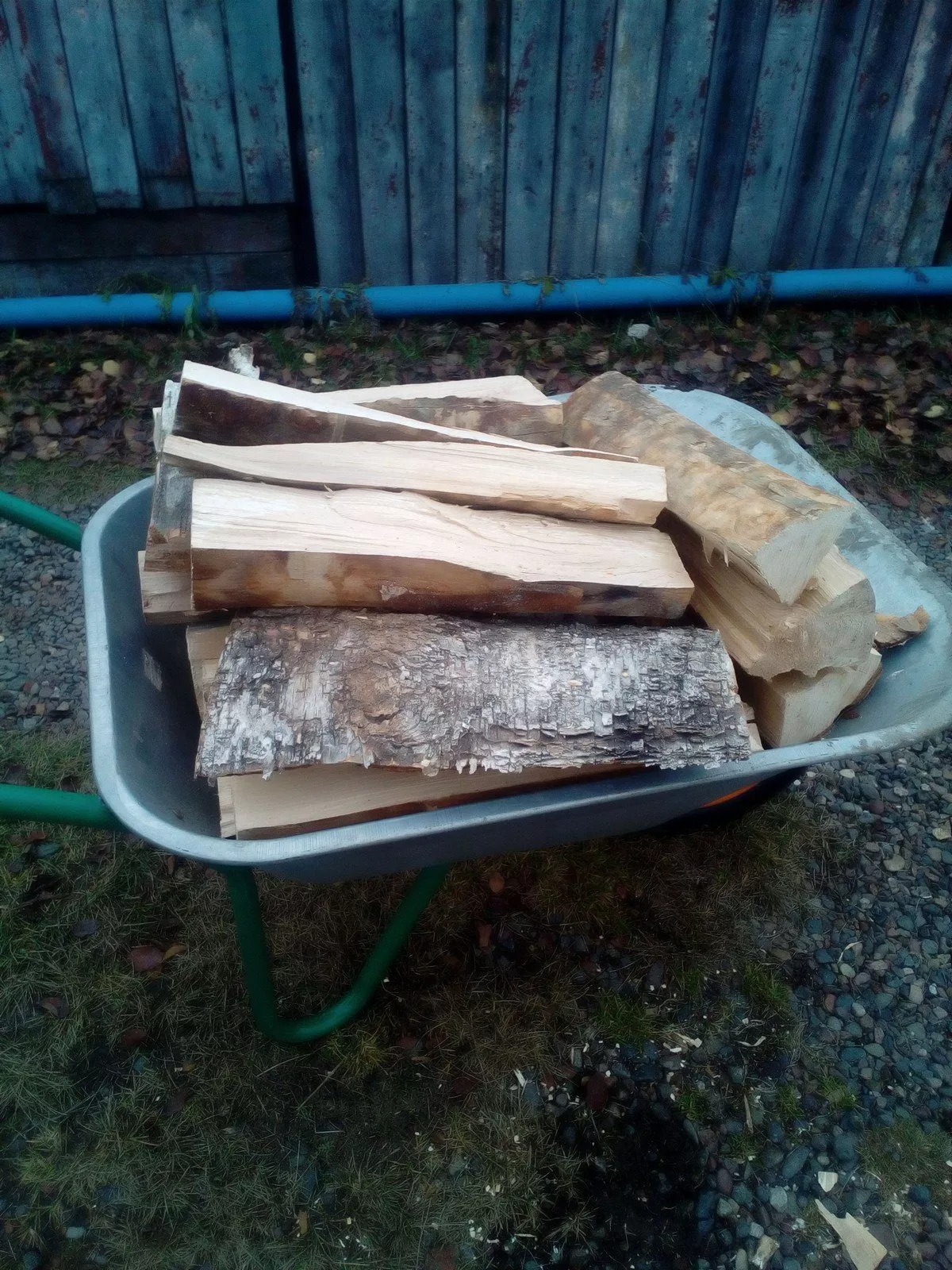
My husband would load the firewood into a wheelbarrow and take it to the shed, which is at the end of our garden. And I would stack it in the woodshed.
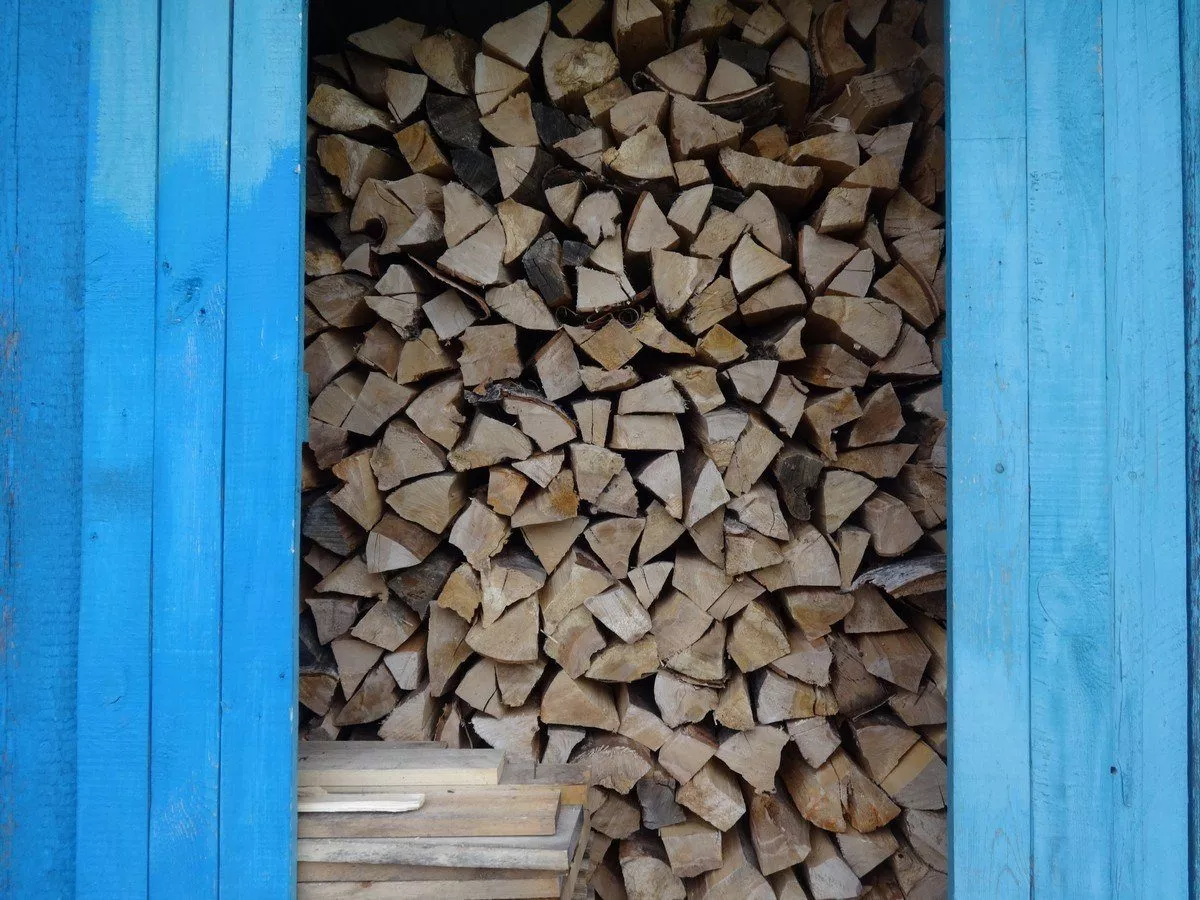
Our woodshed is filled to the very top, there will be enough firewood for us for a long time.
Besides the logs, there was also birch bark in the firewood; we collected that in large bags and placed it in the greenhouse. It would be used for kindling.
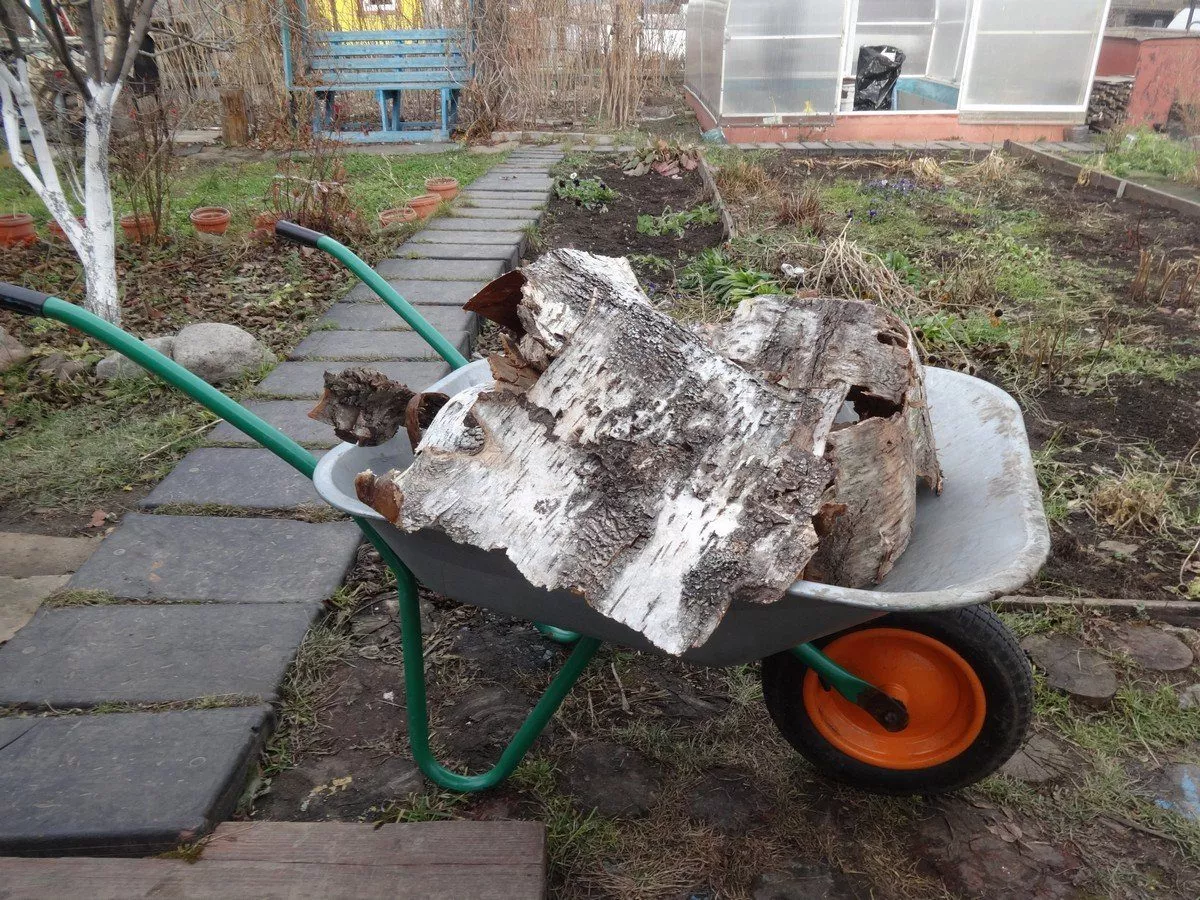
Some of the finest bark can be scattered under raspberry bushes. I once saw on TV our local gardening expert explaining that bark scattered in raspberry patches has a beneficial effect on raspberry growth and increases the yield. Bark contains a high concentration of nutrients, and as it decomposes, it imbues the raspberries with these nutrients. I try to add tree bark under the bushes every year, selecting it from the sawdust we bring to the garden.
And the most valuable thing you can get from birch firewood, besides heat, is ash. I constantly use wood ash as a plant fertilizer.
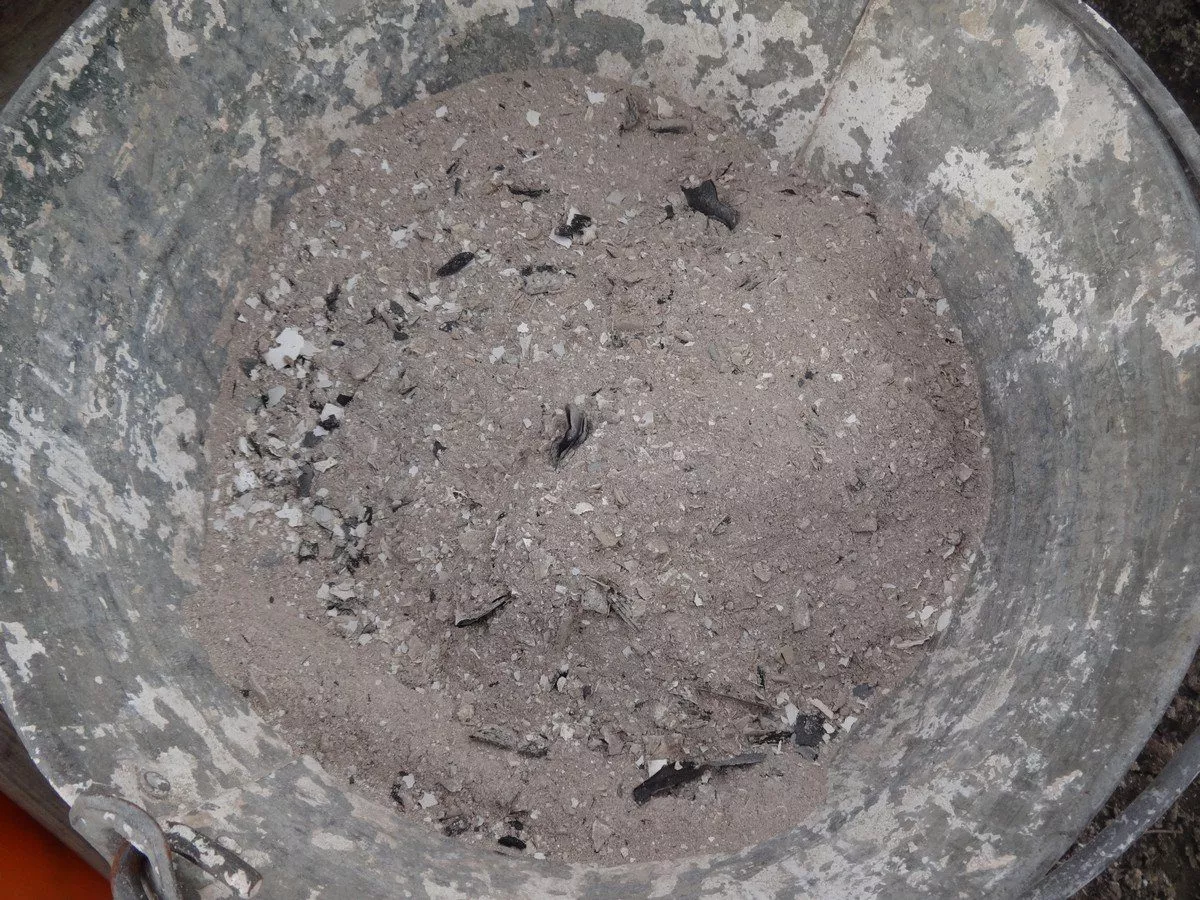
I was curious about the ash content of birch firewood. It turns out that birch ash contains a large amount of potassium (10-12%), calcium (35-40%), and phosphorus (4-6%). It also contains beneficial elements such as magnesium, silicon, iron, sulfur, manganese, boron, and others.
Birch ash makes plants frost- and heat-resistant, it deoxidizes the soil well, improves its structure, and is ideal for feeding vegetables and flowers, and for pest control.