
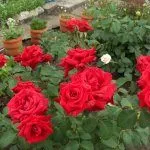
We primarily grow ornamental flowers and vegetables in our gardens. But it turns out that many of the plants we're familiar with also have medicinal properties, and their unique properties can also act as natural defenses against diseases and pests for other plants.
Let's take a closer look at them, as many have valuable medicinal properties. Garden owners have a great opportunity to create their own herbal garden.
To give you an overview, I'll walk through my garden and see what we find there.
Nigella
Among the greenery, these unusual, delicate and bright blue flowers stand out – nigella.
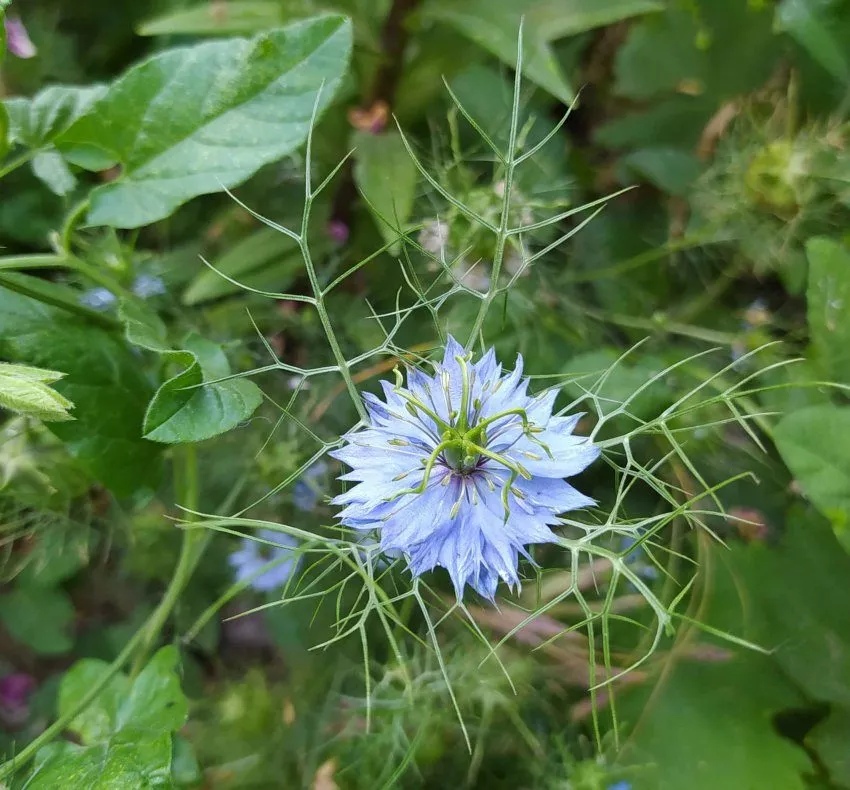
This annual plant, up to half a meter tall, is a good honey plant. It typically blooms in June and July. Its feathery leaves give nigella a very airy and decorative appearance.
It is used in folk medicine as a general tonic and anthelmintic. It is also used to treat skin diseases.
After flowering, it forms capsules like these, inside which small black seeds ripen.
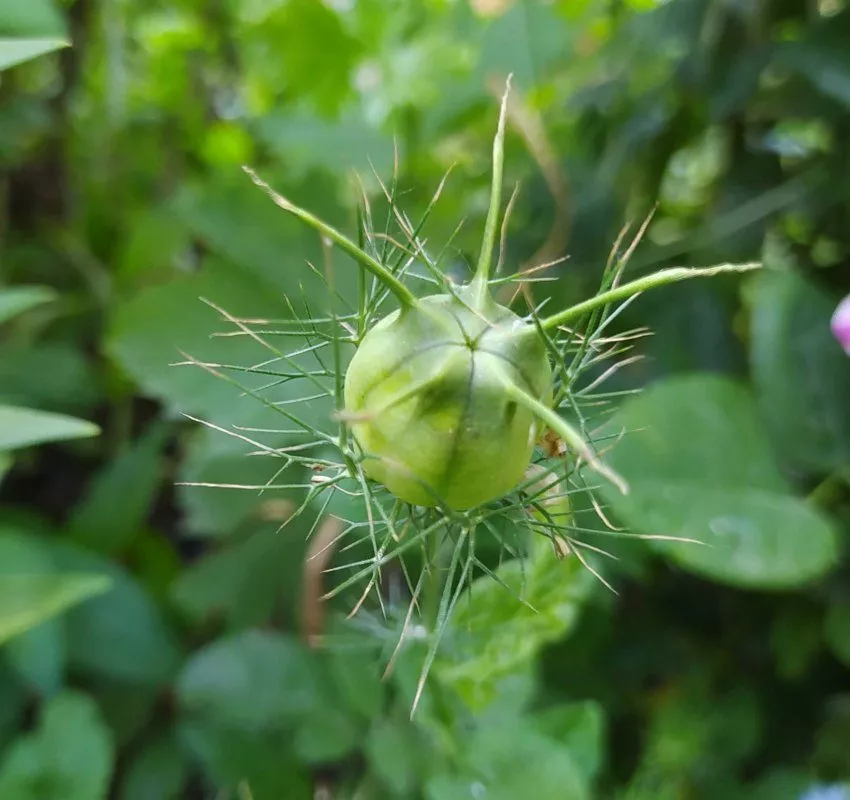
These seeds have a nutmeg aroma and a peppery flavor. Unlike pepper, however, they don't irritate the stomach lining. The seeds can be harvested and eaten as a seasoning for salads, meat, and fish dishes, or used in pickling cucumbers or sauerkraut.
Before using, lightly crush the collected seeds and fry them with vegetable oil.
Nigella easily self-seeds, so for several years now it's been sprouting wherever it pleases in the garden. If it doesn't bother me, I leave it where it sprouted, or carefully transplant the young plants into a flower bed.
Mint
This plant is rich in essential oils. It can have menthol, pepper, and lemon aromas. My plants have a menthol scent.
Mint is a well-known herb with medicinal properties. It is used for colds, coughs, and gastrointestinal problems, and as a choleretic. It has anti-inflammatory and analgesic properties.
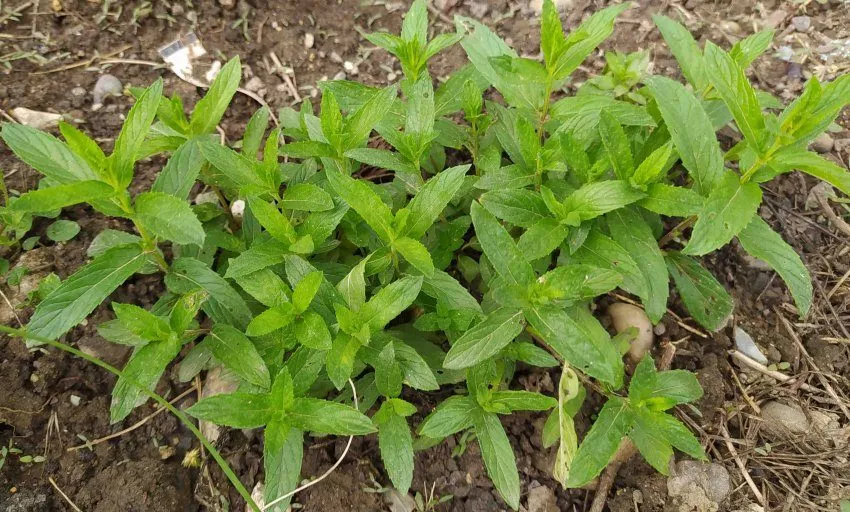
In cooking, it is used as a seasoning for vegetables and meat dishes; mint with a peppery aroma is especially suitable as such a seasoning.
Lemon and menthol mint are excellent for making cold drinks and tea. Mint pairs particularly well with lemon in drinks. The flowers contain the most essential oils (up to 6%).
I collect it by trimming the young branches with leaves, tying them into a bundle, and drying them in the shade under an awning. How pleasant it is to sip mint-scented tea in winter.
Pests don't like the pungent smell of mint, and the flowers attract beneficial insects, so it's a good idea to plant this plant next to cabbage or tomatoes.
But mint also has a disadvantage - it tends to grow too much, so you need to choose a location for it with caution.
Marigolds (Tagetes)
A well-known plant with beautiful red-orange or yellow flower caps. There are tall and short varieties, as well as border varieties.
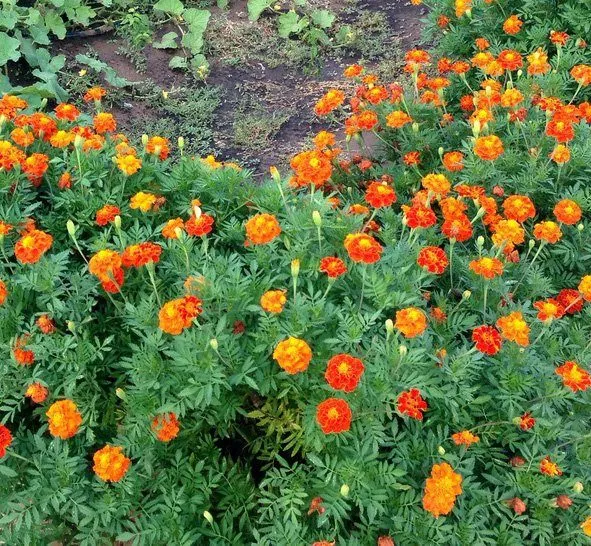
But beyond its decorative appeal, this flower also possesses bactericidal properties. It secretes phytoncides that inhibit the growth of fungi and bacteria.
Gardeners have long noticed this property and plant marigolds alongside many crops to repel pests and protect against diseases. For example, if you plant them among rows of potatoes, the Colorado potato beetle will not attack them. They are also beneficial in rows of tomatoes.
These flowers protect strawberries from nematodes and cucumbers from aphids. Marigolds repel cabbage flies, cutworms, and cabbage whites from cabbage.
When preserving cucumbers, some housewives place a marigold flower at the bottom of the jar along with the rest of the spices and horseradish leaves.
Lavender
A beautiful and fragrant perennial plant with blue-violet flowers gathered in spikes up to 8 cm long.
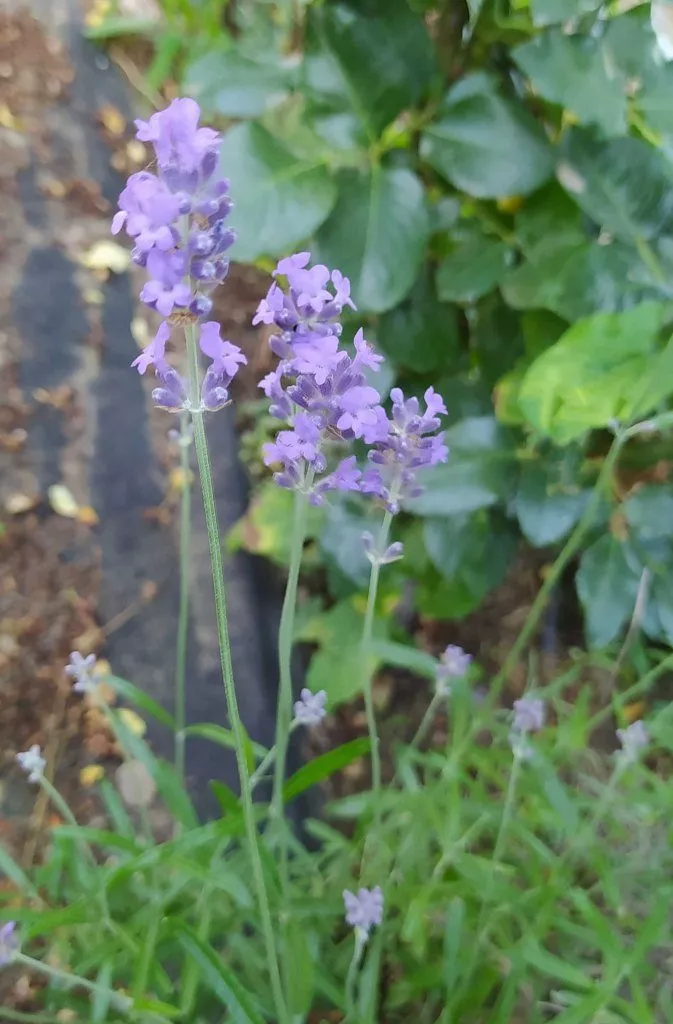
Fresh lavender leaves are used as a spice. In folk medicine, lavender infusions are used for neuralgia, and the flowers are used as a choleretic and sedative. Lavender flowers have also found application in perfumery and as a moth repellent.
Thyme
A low-growing perennial plant with small, dark green leaves. Small pink flowers are collected in inflorescences.
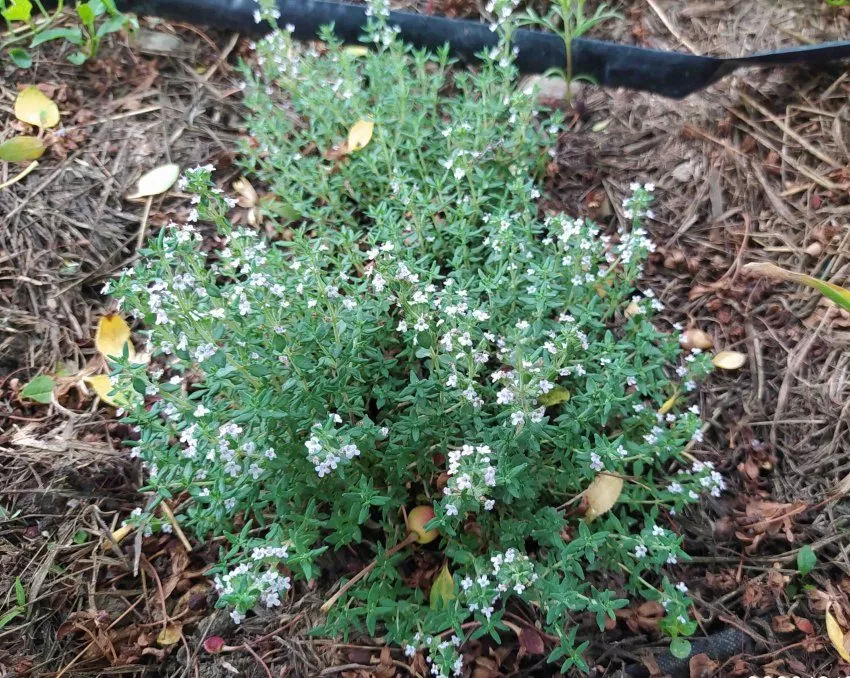
It has a pleasant aroma. It's perfect for rock gardens. I grow it at the feet of roses.
Thyme (creeping thyme) and savory are often confused due to their similar names. They are two completely different plants.
Thyme has analgesic and expectorant properties, helps relieve spasms, and accelerates wound healing. It is used as an anthelmintic, pain reliever, and disinfectant. Baths with thyme infusion are very beneficial.
It gives the tea a pleasant aroma; to achieve this, add a few thyme flowers or a small pinch of dried thyme to the teapot when brewing.
When thyme begins to fade, you can cut off the inflorescences and dry them for the winter.
Sage
I have sage next to roses. It's a beautiful white cloud of flowers that attracts a multitude of bees.
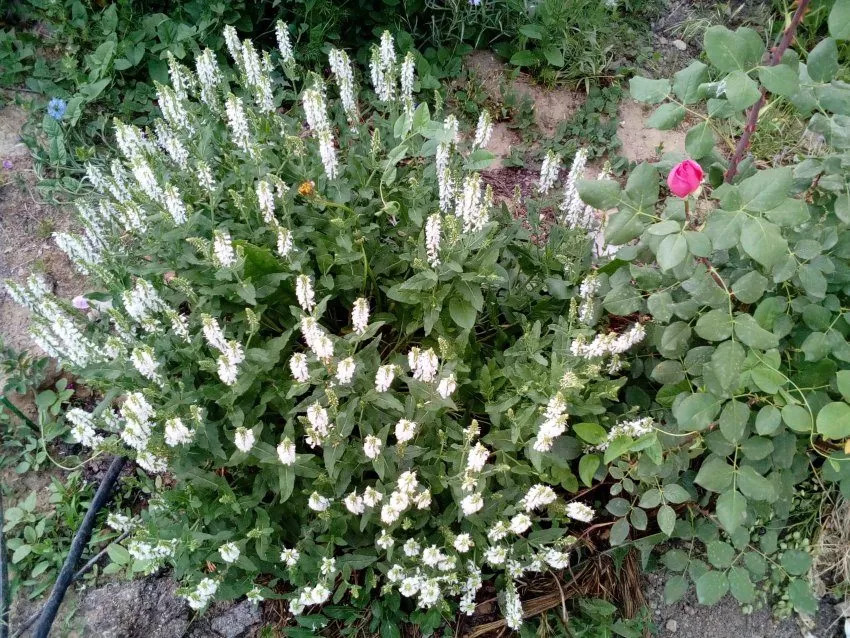
If planted next to cabbage, it will add flavor and juiciness and repel pests. Sage is also disliked by carrot flies, so it's a good choice for carrots.
Calendula
Calendula, or "marigold" as it's commonly known, has bright, sunny flowers with anti-inflammatory and antiseptic properties. It comes in both single and double blooms, with shades ranging from red-orange to lemon yellow.
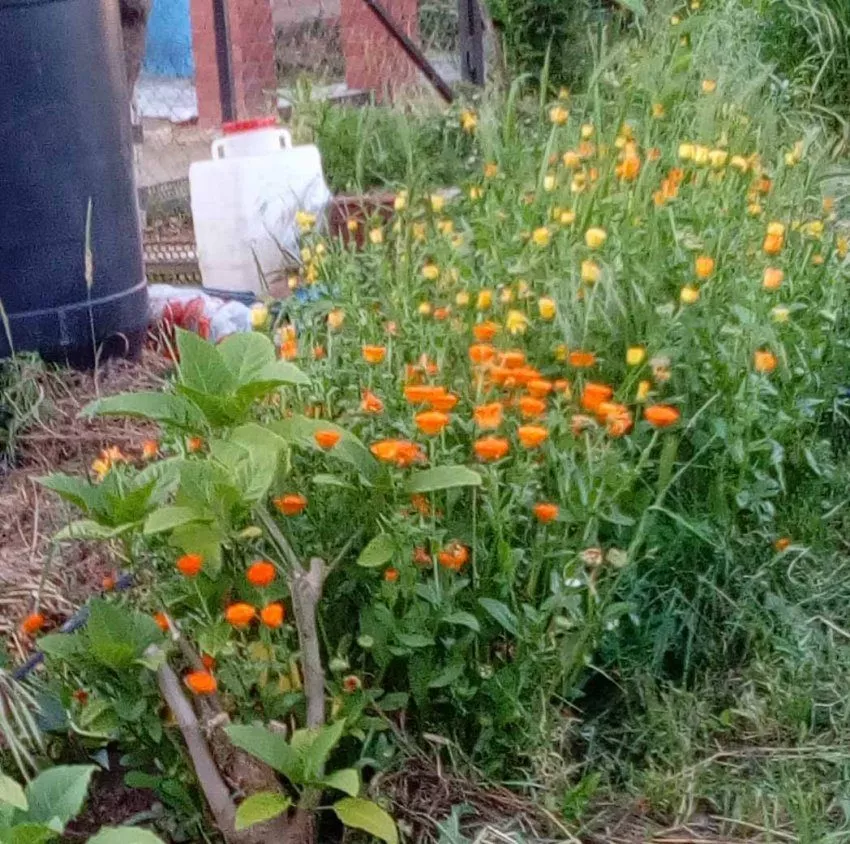
Calendula infusion is a good gargle for colds and is effective for sore throats. Rich in beneficial substances, it is used for a variety of ailments.
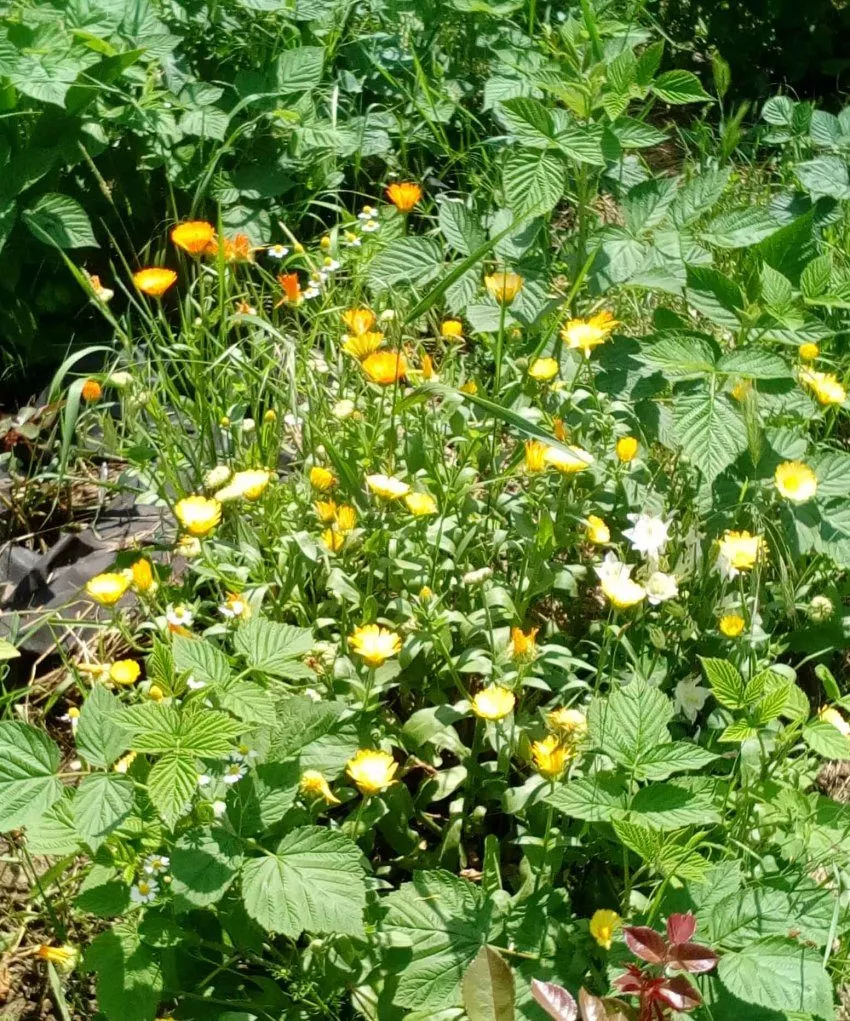
In the garden it grows like a weed, self-seeding, but I leave these little islands, collect flowers from them, and dry them.
Knapweed
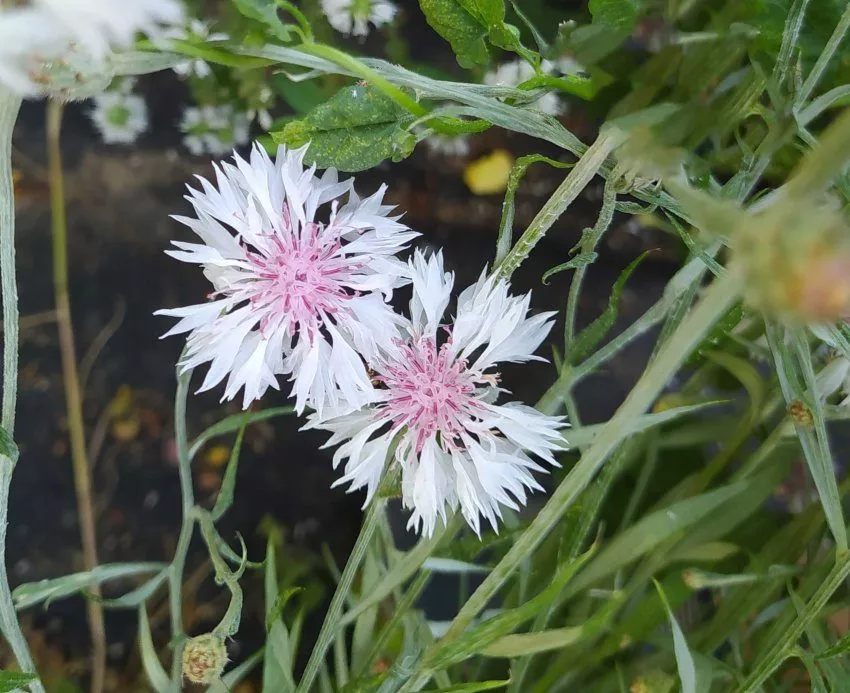
This well-known flower is an unpretentious plant.
It comes in blue, white, and various shades of pink. It's an excellent honey plant, but only the blue cornflower is valuable for medicinal purposes. The bright blue flowers are the richest in nutrients. The other flowers are purely decorative.
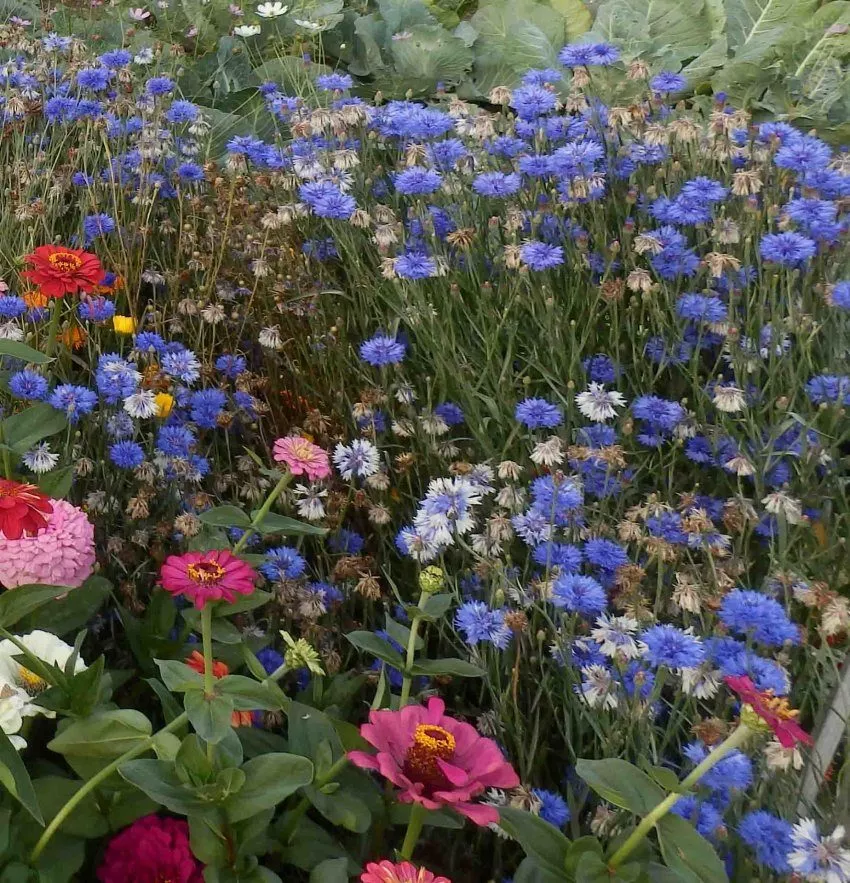
Since ancient times, housewives have used the outer petals of cornflowers (without the basket) when preserving for better storage of preserves.
The leaves and flowers of this plant are used as seasonings in meat and fish dishes, and dried petals are added to tea when brewing.
The petals of this flower also possess medicinal properties, so they are used in folk medicine as a choleretic and laxative, and to alleviate urethritis and nephritis. They normalize high blood pressure and have anti-inflammatory and disinfectant properties.
Oregano
Another very fragrant plant, its aroma is somewhat similar to that of thyme. I grow ornamental oregano with yellow leaves.
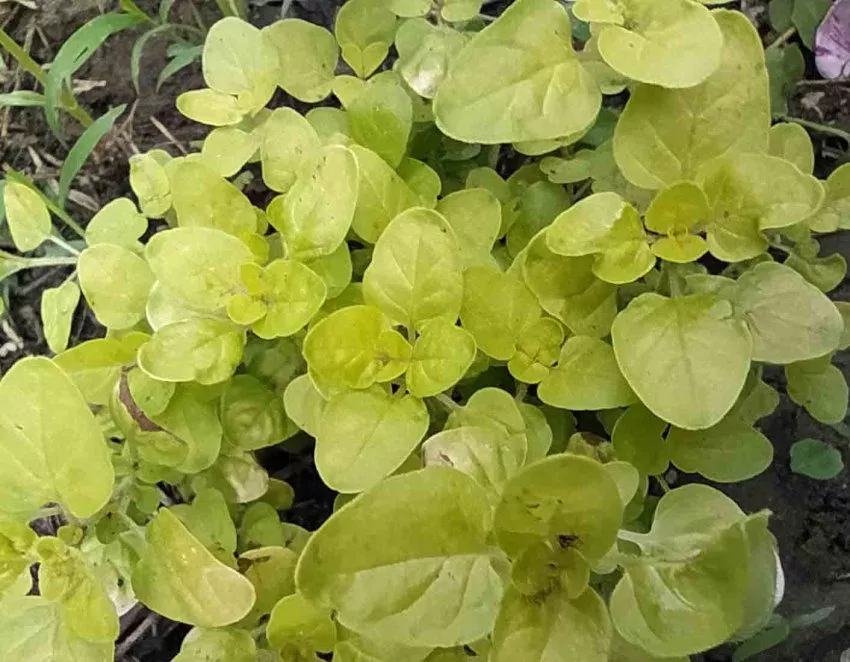
Oregano's blooms attract tortoiseshell butterflies and repel cabbage whites. It prefers partial shade. Tea made with oregano leaves is very aromatic and healing.
It's used in canning tomatoes and cucumbers. It can also be added to fruit drinks or compotes. A dry spice mix made from oregano goes well with meat and fish dishes, as well as stewed vegetables.
There are many more interesting and useful plants that not only decorate a garden, but also add fragrance and are suitable for medicinal purposes. But for now, I'll focus on these. Add these plants to your garden or plot. You'll get both a decorative flowerbed and a versatile herb garden.