
Bees collect nectar, pollen, and mucilage from various plants, processing them into honey, propolis, and bee bread. The plants these insects visit are called honey plants. They vary in productivity, value, and seasonality.
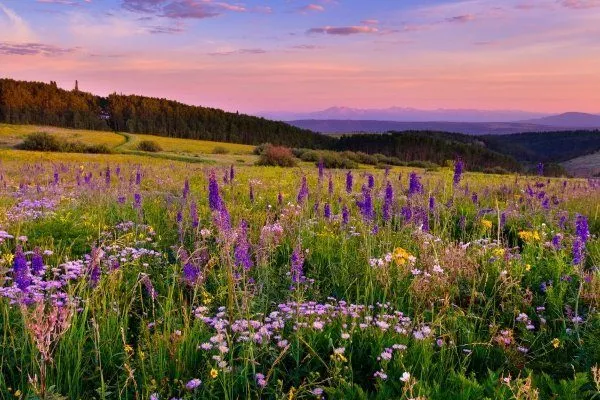
Honey herbs and flowers
There are a huge number of honey-bearing herbs and flowers known.
| Plant | Honey productivity (kg/ha) | Flowering period | Features of honey |
|---|---|---|---|
| Sweet clover | 600 | July-October | Light, vanilla aroma |
| Phacelia | 500 | June-September | Tart, spicy taste |
| Bruise | 800 | June-July | Slowly crystallizes |
| Buckwheat | 80 | August | Dark, rich in iron |
| Clover | 200 | June-July | Amber, viscous |
Among them are both annual and perennial representatives. Among this diversity, some particularly important species deserve special mention.
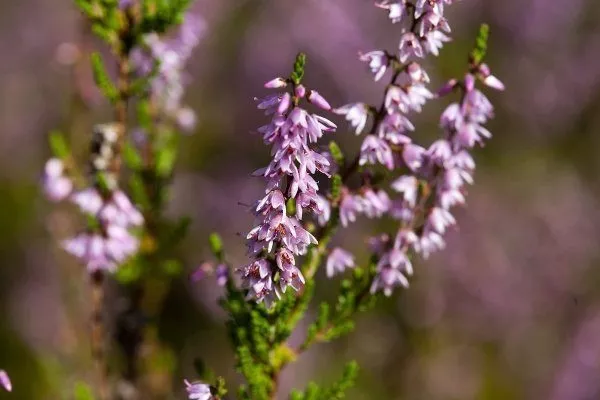
Heather
This flowering plant is a fall honey plant. Up to 100 kg of honey can be harvested from one hectare.
Heather honey is characterized by a dark reddish or brownish color, a slightly bitter flavor, and a strong aroma. Due to its high protein content, the product does not crystallize during long-term storage, but instead curdles into a gelatinous consistency. After extraction, it immediately takes on the consistency of jelly.
Heather honey is useful for colds, urolithiasis and cystitis.
Buckwheat
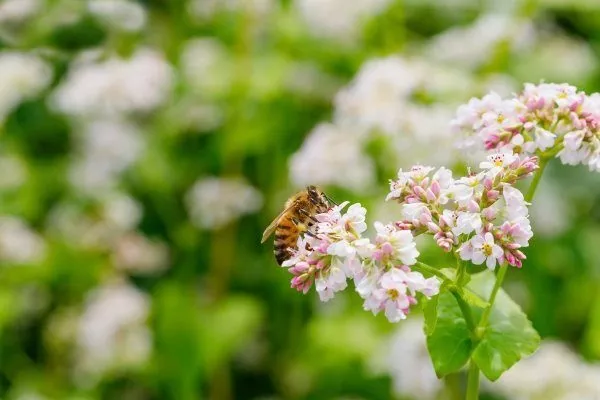
This herbaceous crop is known as a cultivated, common, or edible plant. It is considered the most important honey plant in most Russian regions.
Under favorable conditions, one hectare of buckwheat can produce up to 80 kg of honey. This area requires 2-3 bee colonies.
Insects collect raw materials throughout August.
The plant's flowers provide bees with abundant nectar and greenish-yellow pollen. Buckwheat honey is characterized by its dark color and distinctive flavor. It is rich in iron and has strong antiseptic properties.
Sweet clover
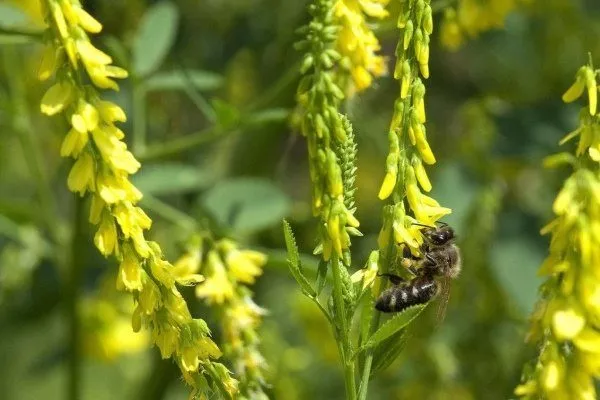
White and yellow sweet clover are prized as honey plants. The plant is attractive for its long flowering period, which begins in July and ends in late autumn. Sweet clover can produce up to 600 kg of honey per hectare.
Sweet clover honey is characterized by its light color, delicate consistency, pleasant aroma, and excellent flavor. When fresh, it has a light, watery color. It quickly crystallizes, turning white or light amber and possessing a subtle vanilla aroma.
Sweet clover honey is rich in glucose, is beneficial for the central nervous system, and is a lactation stimulant.
Calendar of work with sweet clover
- April: soil preparation (harrowing, leveling)
- May: sowing at soil temperature of +8°C
- June: seedling control, weed control
- July-September: Monitoring flowering
- October: plowing in plant residues
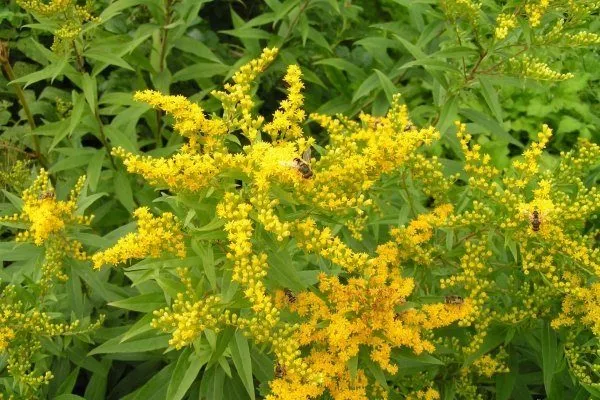
Goldenrod
This herbaceous plant is a late-summer or autumn honey plant. It is highly valued for providing a winter supply of pollen and honey. Its honey production is moderate: one hectare of plantings can yield up to 120 kg of honey.
The product can be dark yellow or light brown with a red tint. Goldenrod honey has a distinctive aroma and a bitter taste.
Due to its healing properties, the product is used in the treatment of the bladder, liver, and dermatitis.
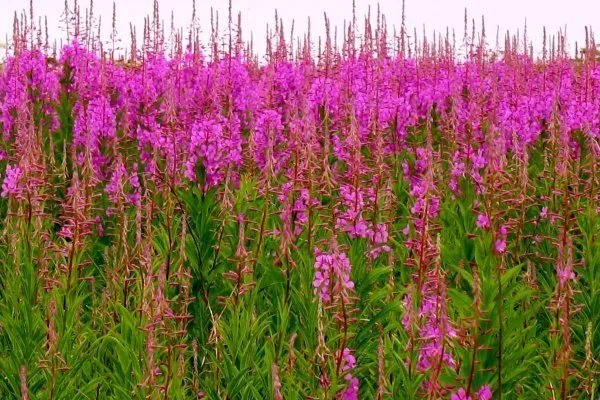
Ivan-tea (fireweed)
This herbaceous perennial is a summer honey plant. Its honey yield can reach up to 600 kg per hectare. Fireweed blooms in June and July and lasts for about 40 days.
Honey is transparent, greenish in color, and has a delicate aroma. It crystallizes into a white, creamy mass. It turns yellow when heated.
In folk medicine, the product is valued for its calming and anti-inflammatory properties.
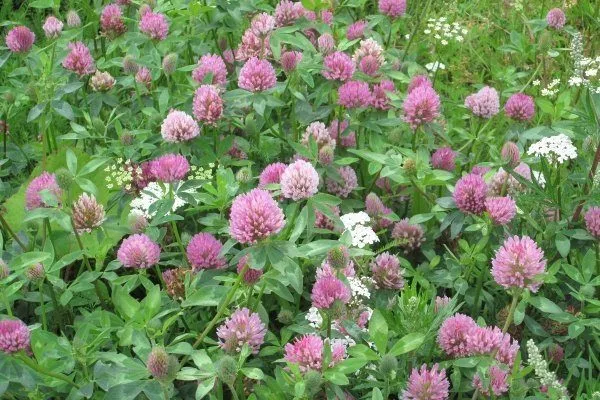
Clover
This plant is one of the best honey plants. Its productivity can reach 200 kg per hectare. The main flowering period occurs in June and July.
The clover-derived product boasts an attractive, rich amber color and a strong aroma. It has a viscous consistency.
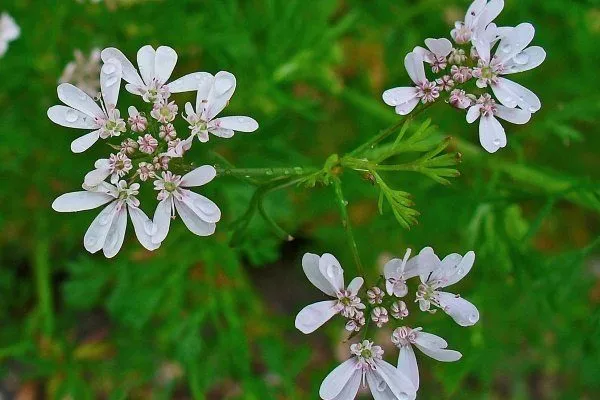
Coriander
The product obtained from this herbaceous annual is called coriander or coriander. The plant is a summer honey plant and typically blooms in June. One hectare can yield up to 200 kg.
Coriander honey is clear and can be light brown or amber in color. Its aroma varies depending on the variety. Due to its high essential oil content, it has a spicy and sharp aroma. It has a distinctive flavor, with a medicinal, caramel-like aftertaste.
Coriander honey has many healing properties. It's beneficial for digestion, treats gastrointestinal disorders, and restores appetite. It also has antiseptic, analgesic, and bronchodilator properties.
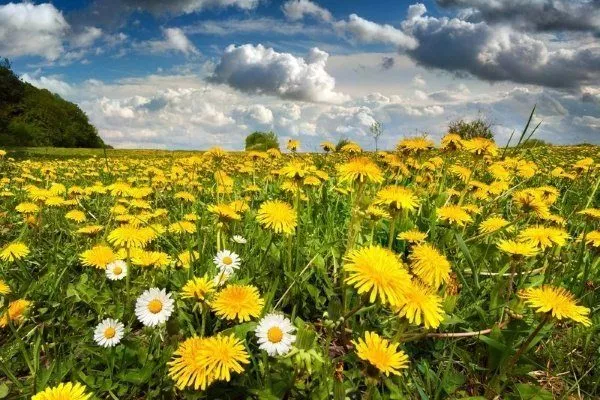
Dandelion
This herbaceous perennial is also known as the common honey plant, the field honey plant, the medicinal honey plant, and the pharmacy honey plant. An average of 4.5 kg of honey can be harvested from one hectare. Flowering occurs mainly in May and June.
Dandelion honey is thick and golden-yellow in color. It crystallizes quickly, has a strong aroma, and a distinctive, sharp flavor.
Dandelion honey has no commercial value—it's consumed by bees in the spring. The product also serves as a feed supplement for adult insect brood.
Sow thistle
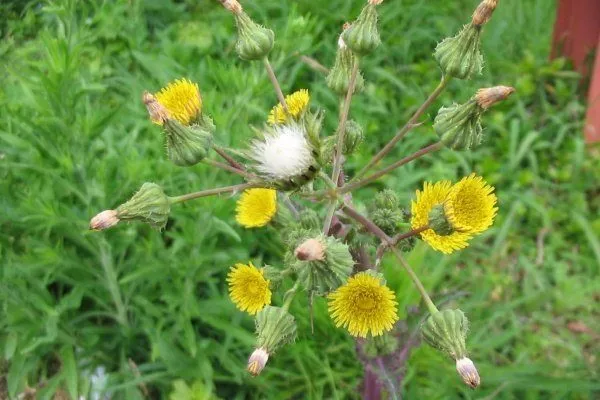
This herbaceous perennial is also known as field thistle, yellow thistle, or milk thistle. It is considered a weed and blooms in the summer and fall. Sow thistle is highly productive—approximately 400 kg of honey can be harvested from one hectare.
Thistle honey is white or light yellow in color and has a pleasant taste. It is considered a premium product.
Sow thistle honey is prized for its nutritional properties. In folk medicine, it is most often used as a remedy for malnutrition, especially in the post-operative period in children and the elderly.
Sunflower
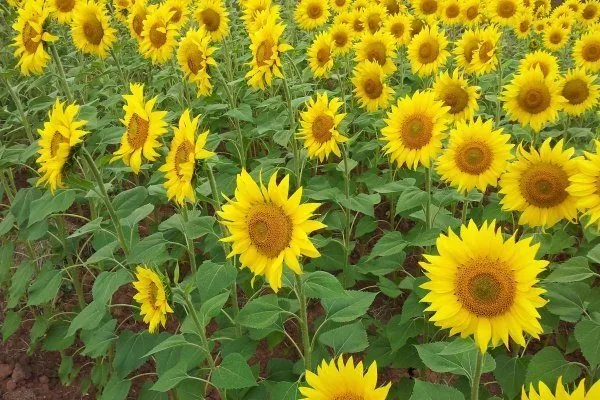
This herbaceous annual is a source not only of seeds but also of honey. Up to 50 kg of honey can be harvested from one hectare. Flowering lasts an average of 30 days and occurs in July and August.
It is necessary to distinguish between annual sunflower and tuber-bearing sunflower, although it is also a honey plant.
In liquid form, the product has excellent taste. Sunflower honey quickly crystallizes, acquiring a light amber color. A greenish tint is sometimes observed. Crystallized honey has a faint aroma and a pleasant, tart flavor.
Sunflower honey is characterized by high enzymatic activity. It has valuable dietary qualities, as well as general tonic and diuretic properties.
Rape
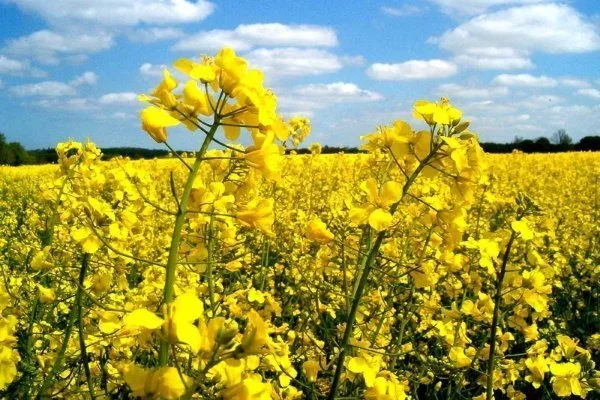
This herbaceous annual is an early spring honey plant when sown in the fall. Winter rapeseed yields 60-90 kg of honey per hectare.
Rapeseed honey is characterized by a whitish or yellowish color, a very sweet taste, and a distinctive aroma. The product is very dense and crystallizes quickly. Crystal formation can begin already in the honeycomb. The resulting crystals are white, have a persistent floral aroma, and a tart flavor.
Rapeseed honey requires special storage conditions, as it can quickly go sour. The product is high in glucose, which is beneficial for brain function. Rapeseed honey is beneficial for bone structure and the liver, and helps remove heavy metals from the body.
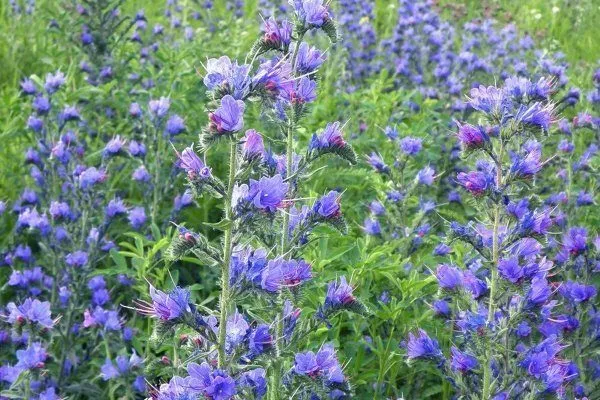
Common ecchymosis
This herbaceous plant is a valuable summer honey plant. One hectare can yield up to 800 kg of honey.
The product obtained from the common bruise is of the highest quality. It is characterized by a light or light amber color. It has a pleasant taste and a mild aroma. The honey has a thick consistency and crystallizes slowly, forming a fine-grained sediment.
Honey from common bruise is beneficial for the cardiovascular system and has a calming effect.
Phacelia
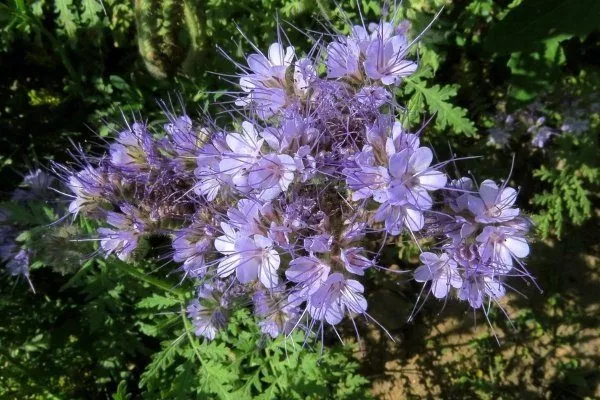
This herbaceous annual is one of the best honey plants. One hectare of cultivation can produce half a ton of honey. With proper planting, flowering continues almost all summer.
The product obtained from this plant has a sweet, tart, and spicy flavor. It can vary in color—pale yellow, pale green, or pale blue. When thickened, the mixture usually has a white color and a doughy texture.
This honey contains many vitamins and microelements. It contains the highest amounts of potassium, chromium, calcium, zinc, manganese, cobalt, and silver.
Cleaner
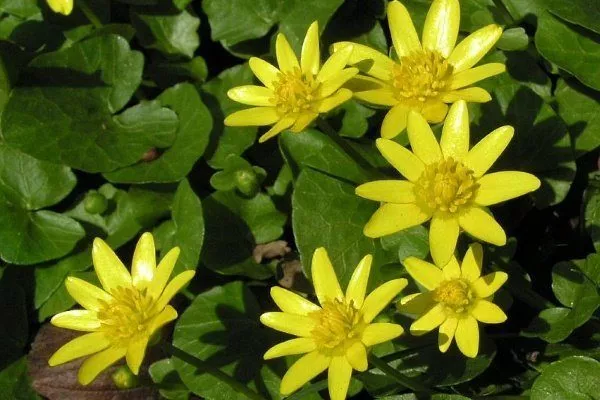
This herbaceous plant is also known as toadflax. It produces honey in early spring. Bees readily flock to this plant. One hectare can yield up to 15 kg of the product.
Honey-bearing shrubs and trees
Among plants of this type, honey plants are usually shrubs or small trees.
| Culture | Honey productivity (kg/ha) | Flowering time | Type of bribe |
|---|---|---|---|
| Linden | 700 | June-July | Basic |
| Yellow acacia | 300 | May-June | Early |
| Hawthorn | 80 | May | Supportive |
| Chestnut | 25 | May-June | Pollen |
| Willow | 200 | April-May | Developmental |
Their distinctive feature is that they are all perennials.
Barberry
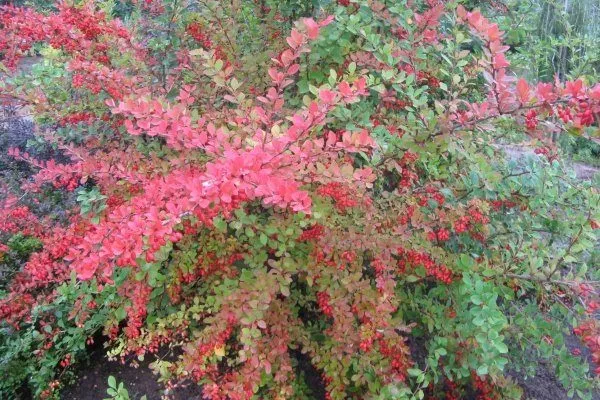
This honey plant typically grows as a shrub, though trees are less common. It produces large quantities of nectar in May and June. Up to 80 kg of nectar can be harvested from one hectare. The honey yield from such an area is over 23 kg.
Barberry honey is distinguished by its light yellow color and delicate, sweet flavor. Its aroma reveals notes of spring flowers. The product has a medium viscosity.
Barberry honey has many healing properties. It's beneficial for the stomach, intestines, and genitourinary system, and provides an antibacterial effect. It's also an excellent tonic and has anti-inflammatory properties.
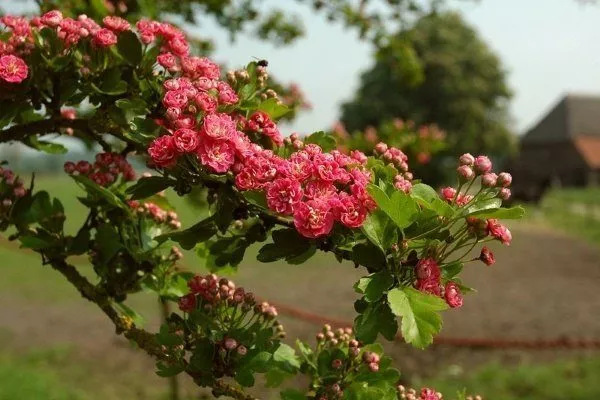
Hawthorn
These trees and shrubs are late-spring honey plants and are attractive to bees. Their honey production is moderate, reaching up to 80 kg per hectare.
Hawthorn blooms for only a week and a half, from late spring to early June. During this period, the plant emits an unpleasant odor, which insects ignore.
Hawthorn honey is characterized by its dark color with a reddish tint and a slightly bitter taste. It is highly prized for its medicinal properties, particularly beneficial for the cardiovascular system.
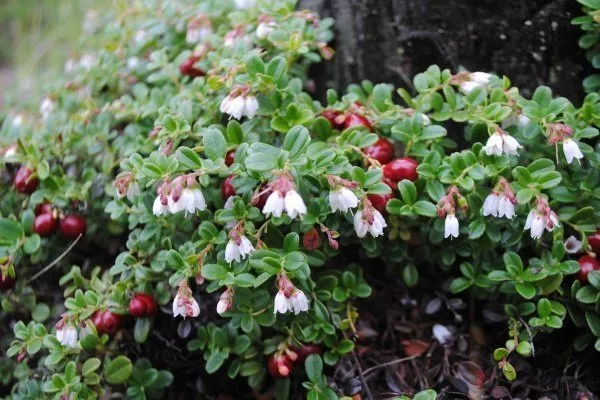
Cowberry
This evergreen shrub provides bees with a sustaining honey flow. One hectare of planting can yield up to 50 kg of honey. Flowering lasts approximately two weeks, beginning in late May.
Lingonberry honey is a natural remedy.
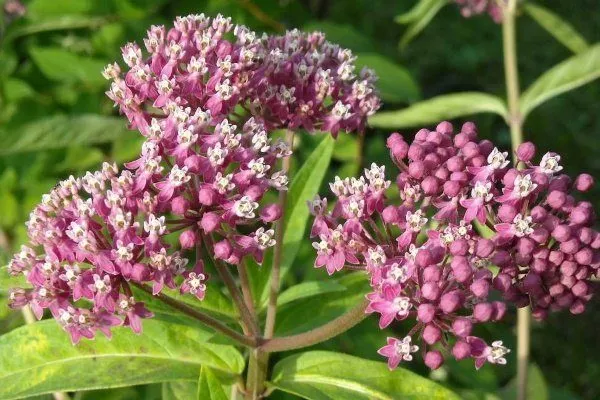
Milkweed
This shrub can produce up to 700 kg of honey per hectare. A single bee colony can collect over 5 kg of nectar from this plant in a day. It begins to bloom in late June.
Milkweed honey has a distinctive aroma and delicate flavor. Its color is very light, sometimes yellowish. When extracting honey in dry weather, it is heated due to its heaviness and density.
Milkweed has one drawback: insects' legs can become trapped in the pollen pockets of the flowers. If the bee can't free itself, it will die, or at best, be injured.
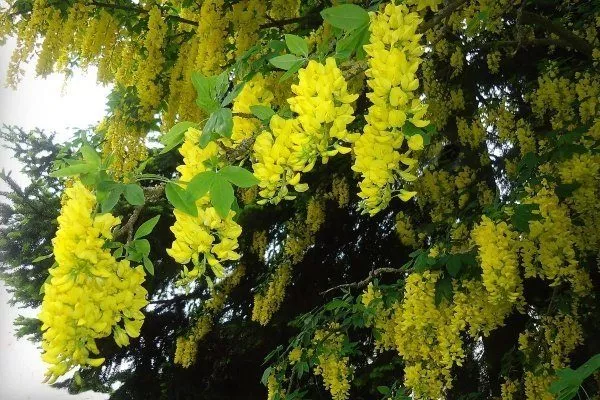
Yellow acacia (caragana arborescens)
This shrub is the main source of honey during the early honey flow. Up to 300 kg of honey can be harvested from one hectare.
Acacia honey is characterized by its transparency, light color, and pleasant aroma. It is appealing due to its lack of bitterness typical of other varieties. The product does not crystallize for a long time and can remain liquid all year round. It is often prized more than linden honey.
Acacia honey is easily digestible, has pronounced antiseptic properties, promotes digestion, and does not cause allergic reactions.
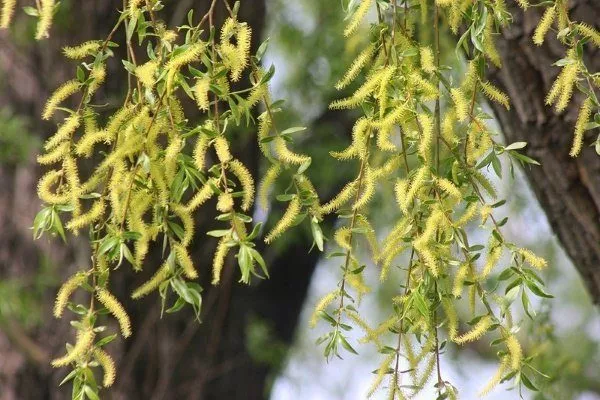
Willow
This woody plant is also known as willow, willow, osier, or osier. As a honey plant, it blooms early, with different species blooming at different times, allowing for a longer pollen collection period.
A hectare of such plantings can produce up to 200 kg of honey. This honey is typically used for the development of bee colonies, but is also available as commercial honey.
Chestnut
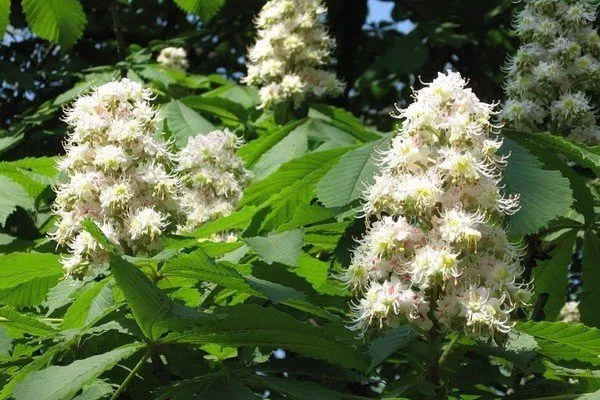
This tree is a spring honey plant, providing bees not only with pollen and nectar but also with a sticky liquid. A distinctive feature of the plant is the change in color of the spots on its flowers from yellow to red. After this change, bees stop visiting the plant.
Chestnut blossoms last for about two weeks in May and June. The number of flowers and honey production depend on the air temperature. On average, one hectare yields 25 kg of honey.
Chestnut honey is characterized by its liquid structure, dark brown color, and transparency. It crystallizes slowly, remaining liquid until spring. This is not the case with horse chestnut honey, which crystallizes instantly.
Chestnut honey has excellent bactericidal properties, which is why it is often used in the treatment of respiratory diseases.
Hazelnut
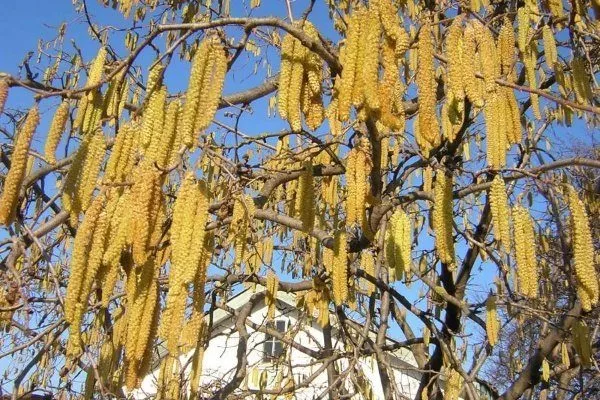
These shrubs and trees are also known as hazelnuts or hazelnuts. This plant is not only a source of nuts but also an excellent source of forest honey.
Hazelnuts are attractive due to their early flowering, beginning in late April and, in some regions, as early as February. The plant produces abundant pollen, which is stored for insect feeding during the winter and early spring. In good weather, bees are brought out of their wintering houses to collect pollen, stimulating brood rearing.
Linden
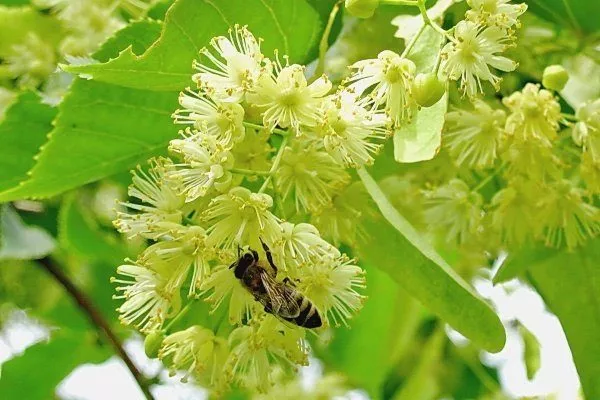
This tree is one of the most important summer honey plants. One hectare can yield up to 700 kg of honey, but the plant's productivity depends on the weather and the age of the plantings.
The quality and appearance of linden honey vary by region. The product can be clear, colorless, or light yellow. It has an appealing sweet taste and distinct aroma. A bitter note is typical of wild forest honey. A distinctive feature of linden honey is its rapid crystallization, which leads to a loss of transparency and the development of a coarse-grained texture.
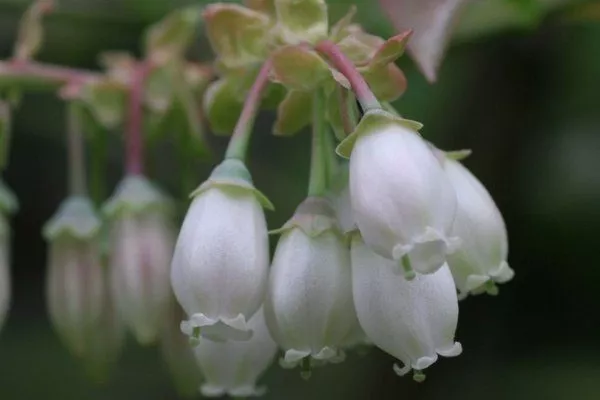
Blueberry
This shrub is a spring-summer honey plant and is valued primarily for its sustaining honey flow. Honey production per hectare can reach 50-80 kg.
Blueberry honey is characterized by its clarity, pleasant taste, and unique aroma. It has a light color and a reddish hue. It is prized for its dietary and medicinal properties. Its consumption helps remove toxins and radioactive elements from the body.
Bird cherry
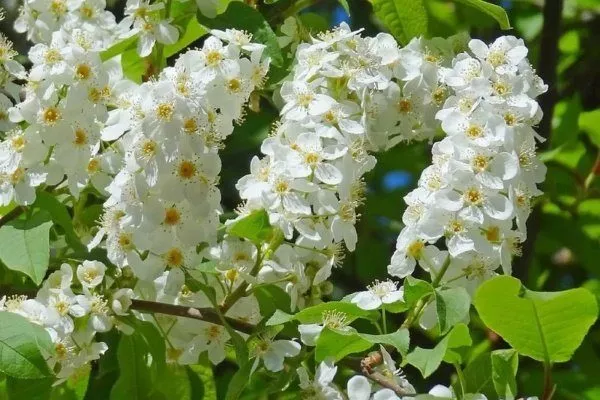
These low-growing trees are spring nectar and pollen producers. Honey production per hectare is low—up to 20 kg.
Bird cherry honey is renowned for its healing properties. It strengthens the circulatory system, normalizes intestinal function, and reduces inflammation. Its vitamin content is beneficial for boosting the immune system.
There are many honey plants. Often, highly productive plants are those considered common weeds. Honey obtained from different plants varies in taste, viscosity, color, and aroma. Regardless of its source, this product has medicinal properties, but each plant has its own unique properties.