
Disinfection of hives at apiaries is a mandatory annual procedure. This treatment maintains the health of the bees and ensures the beekeeper obtains large quantities of high-quality honey. The procedure is carried out in several stages, using mechanical, chemical, and other cleaning and disinfection methods.
Why is it necessary to disinfect hives?
The main goal of treating hives and all their components is to preserve bee colonies for further development and reproduction and to prevent diseases affecting honey plants. Disinfection can be scheduled (for preventative purposes) or unscheduled (when diseases or pests are detected).
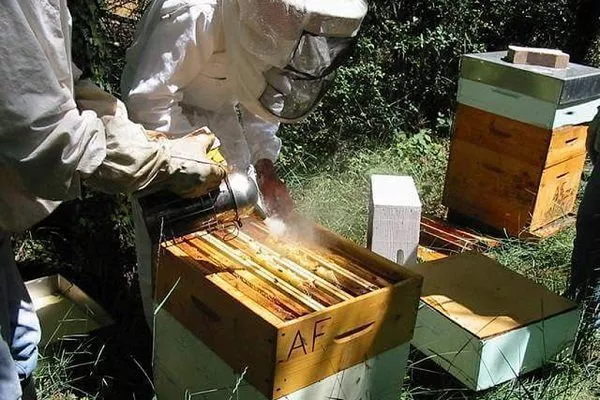
Old bee "houses" are subject to particularly thorough cleaning. Many pathogenic bacteria can survive for 10-16 years under any adverse conditions.
It's important to treat brand-new equipment, too. Manufacturing involves the use of substances harmful to bees, such as glue, primer, and other materials. It's unknown under what conditions the finished products and raw materials were stored.
There are other options for the disease and death of honey insects:
- thieving individuals, having flown into someone else’s apiary, bring infection into their hive;
- consumption of low-quality food by bees (already contaminated);
- rotting waste products of bee colony members;
- contamination of pathogenic fungi/bacteria spores from the beekeeper's clothing and equipment.
It's impossible to immediately detect the infection—the incubation period lasts from 1 to 14 days (depending on the pathogen strain). After this time, the problem becomes noticeable by the following signs:
- uneven distribution of family members across the frame (normally, there are about 0.3 kg of bees on one frame);
- absence of large circles of brood around the queen.
- ✓ The presence of unusual sounds (buzzing) may indicate stress or illness.
- ✓ Changes in bee behavior: aggression or apathy can be signs of illness.
Preventative measures are taken to eliminate the possibility of missing the window of opportunity to save honey-producing colonies. And if bees suddenly become ill, disinfection offers the best chance of avoiding the loss of the entire apiary.
When is pre-treatment carried out?
Disinfection of hives is mandatory once a year—after wintering. During this time, various types of debris and bee excrement accumulate in the "houses." This is a preventative inspection.
Experts recommend performing such activities three times a year, especially when purchasing new/used hives or bees, or epidemics in other apiaries.
In addition to preventative treatment, two more cleanings are carried out in cases where a sick bee colony is detected:
- current — disinfection is carried out every day in order to destroy pathogenic microorganisms;
- final — disinfection is carried out after the insects have recovered to consolidate the result and prevent recurrence.
In general, the spring audit consists of the following actions:
- preparation (disinfection) of spare hives;
- relocation of families to reserve “homes”;
- disinfection of hives used for wintering bees;
- transfer of families from other overwintered hives to clean housing, etc., until the entire apiary has been treated.
How is disinfection carried out?
All hive components and the surrounding area are disinfected. After the bees have been relocated, all parts of the hive—combs, frames, etc.—are removed. Next, the first stage of treatment, known as mechanical treatment, begins. This is the rough preparatory work.
The main goal of this step is to open access to the surface of the walls, floor, and roof of the "house." Over the winter, feces, propolis, wax, etc., adhere to them, creating a dense film layer. This will prevent chemicals and other solutions from penetrating the wood.
How is mechanical processing carried out:
- Spray all surfaces with a low-concentration disinfectant. This will weaken the pathogen's activity and prevent it from spreading throughout the area during cleaning.
- After 10 minutes, begin scraping off all the stuck substances with a metal scraper, starting from the ceiling and ending with the floor.
- Burn all waste to prevent the spread of infection.
- Prepare a washing solution: 2 tablespoons of washing powder per 10 liters of water.
- Wash all elements with a sponge or cloth.
- Rinse with clean water several times.
- Leave to dry.
The second stage is direct disinfection. The method is determined by the beekeeper individually.
Types of disinfection
Disinfection of bee colonies is carried out in a variety of ways, from gentle (folk remedies) to the most radical (chemicals, heat treatment). Special products and formulas have been developed for this purpose, both commercial and homemade. The choice is always up to the beekeeper.
- ✓ Consider the type of hive material: wood requires different processing methods than polystyrene foam.
- ✓ Pay attention to the ambient temperature: some chemicals lose their effectiveness at low temperatures.
Below are methods for treating wooden structures. However, most beekeepers keep honey bees in polystyrene foam hives. They are resistant to rot and are considered the best option for apiaries.
Thermal treatment of such "houses" is prohibited. The material is not resistant to elevated temperatures. Mechanical cleaning is also prohibited. Scraping will damage the surfaces of the house. Chemicals are also contraindicated, with the exception of a few specific items.
Thermal
Thermal disinfection has the advantage of destroying all pathogenic microorganisms. It also burns away any particles remaining on the walls after mechanical cleaning.
Firing has different processing options:
- Over the fire. This method isn't widely used by beekeepers. The smoke smell lingers in the hives for a long time. Bees perceive it as a threat, leading to decreased productivity.
- With a hair dryer. The electric device delivers dry, heated air. Bacteria are destroyed in a single hive in up to 10 minutes.
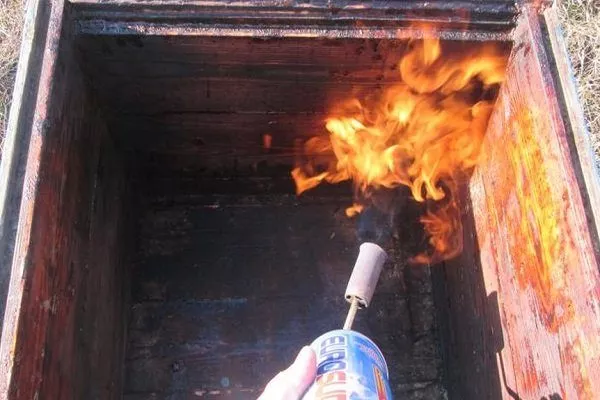
- With a blowtorch/gas lamp. Heating is continued until the material acquires a light brown tint. The procedure takes approximately 15 minutes on average.
- Dry heat. This option involves moving the hives to a heated bathhouse (with a temperature of at least 90°C). The hives are kept in the bathhouse for at least 6–7 hours.
- Ferry. This method requires purchasing a steam generator. Each treatment takes about 5-10 minutes. Afterward, the hive will need to be dried.
- Ultraviolet. An expensive method. A special germicidal lamp or a wall-mounted medical irradiator is used. These devices are compact and installed inside the "house." Treatment of each wall of the hive takes three hours.
- Quartz. A mercury-quartz lamp is used. The procedure takes minimal time—5–15 minutes per side.
Thermal disinfection has its disadvantages:
- strict adherence to fire safety regulations is required;
- After being burned in a fire and treated with a hair dryer, the hives become dirty, which requires additional washing and drying of the housing.
Chemical
This method uses disinfectants and substances. The procedure should only be performed in dry, windless weather. After disinfection, all components are washed and thoroughly dried. Otherwise, the bee colony will be poisoned.
The main requirement is to apply the solution evenly to all walls (until they are completely wet). What to use:
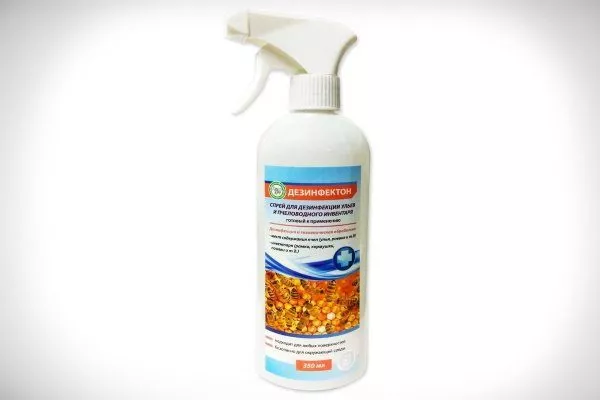
- Disinfecton. The advantage is that it doesn't need to be washed off. It's safe for honeybees (it only kills disease bacteria). There's no need to prepare a solution. The product comes ready-to-use (spray). The disadvantage is that the chemical doesn't kill pests.
During treatment, place the bottle 10 cm from the surface. After the treatment, leave the hives for 60–80 minutes with the lid closed.

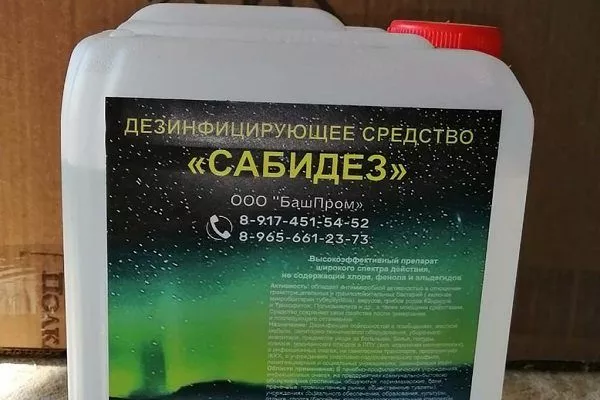
- SaBiDez. Designed to kill viruses, bacteria, and fungi, it's sold in a concentrated liquid form. For wiping surfaces and spraying, dilute at a ratio of 1 part solution to 6 parts water.
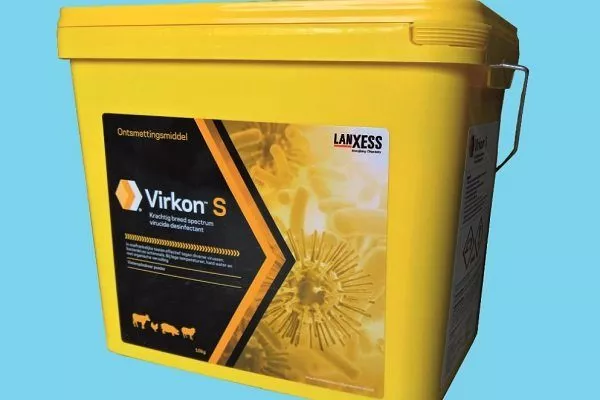
- Virkon-S. It is produced in powder form and is used for spraying and wiping. It is diluted with water at a ratio of 50 g of the product to 5 liters of water.
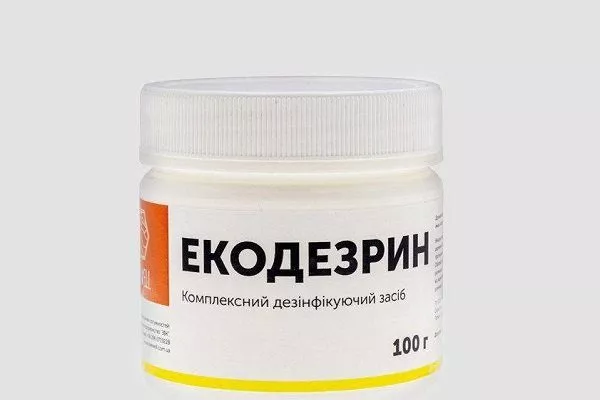
- Ecodesrin. Destroys all viral, bacterial, and fungal infections. Dilute the concentrate in the following proportions: 100 g per 5 liters of water.
- Ecocide S. Prescribed for ascospherosis and foulbrood pathogens. Dilute 1:5. Can be used on polystyrene foam structures.
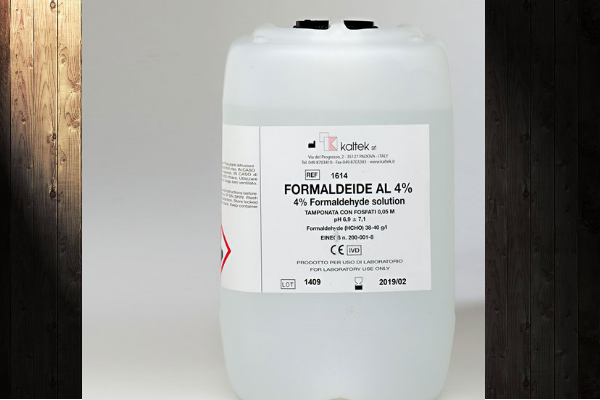
- Formaldehyde (4%). It is used in cases of nosematosis. To prepare a working solution, use 1 part of the substance and 9 parts of water.

Folk remedies
Not all beekeepers prefer thermal and chemical disinfection methods. Folk remedies come to the rescue. They are considered the safest for humans and insects and no less effective. What they use:
- Hydrogen peroxide. It's effective against various types of infections. A 10% solution is applied by spraying. It's also commonly used to disinfect beekeepers' clothing and equipment.
- Acetic acid. 96% acid is mixed with water in a ratio of 4:1. The treatment is based on evaporation. Abundantly moistened rags are placed in and around the hives (preferably in a closed, unventilated area). Leave the mixture for 5 days.
- Iodine monochloride. Use only for foulbrood diseases (5% solution). Apply with a spray bottle and leave for 24 hours.
- Sagebrush. The effect is identical to that of soda ash. Spray with a strong decoction (100 g of herb per 1 liter of water).
- Crushed garlic. Combats bee diseases and repels moths. To treat, rub grated garlic onto all surfaces. Leave on for 22–24 hours.
Caustic soda is a common remedy in folk remedies. The alkali easily corrodes organic and greasy residues on the hive walls. It is used for both mechanical cleaning and disinfection. Instructions:
- Prepare a 5% solution: 500 g of soda per 10 liters of hot water.
- Soak a cloth in it.
- Wipe all surfaces until they are completely saturated and as damp as possible.
- Leave for 1-2 hours.
- Rinse with water and let dry.
Preventive
The purpose of this procedure is to prevent the development of infectious diseases in bees. It is important to perform preventative treatment at least twice a year:
- in spring (waste accumulates inside the hive);
- in the fall before wintering (to prevent the proliferation of existing microbes).
Experienced beekeepers recommend even more frequent preventative measures, especially if bees are housed in unoccupied hives. Any method can be used, but the most common are:
- caustic soda - 200 g per 10 liters of hot water;
- ash lye (per 10 liters of water - 1 kg of lime (immediately after slaking) and 6 kg of wood ash) - leave for 24 hours, then spray.
Step-by-step processing instructions
It's important not only to choose and dilute the disinfectant correctly, but also to carry out the disinfection procedure precisely. Different methods are used for frames, hives, and tools, which must also be taken into account.
Cleaning hives and frames
Frames and hives are disinfected in a specific sequence. The steps are as follows:
- Immediately after mechanical cleaning, prepare instruments and disinfectant material.
- If you use chemicals or folk remedies, be sure to pour boiling water over all surfaces (inside and outside) before the procedure.
- Carry out direct disinfection using the chosen method (fry or spray/wipe all elements).
- Rinse again.
- Let it dry completely.
It's easy to disinfect frames in a wax melter. Fill the melter 2/3 full with hot water and insert the frames into the trays. After disinfection, remove them and place them in a clean hive.
This video contains information on the simplest, safest, and most accessible method for relocating a bee colony and disinfecting its habitat:
Disinfection of beekeeper's equipment
The equipment is treated after each operation on the apiary site. This procedure should be performed away from honey plant concentrations. The working solution must be disposed of in deep pits or drainpipes.
Sequence of actions:
- Take the tools outside the apiary.
- Rinse them with hot water.
- Treat with a mixture of sodium and formaldehyde (both solutions at 5% concentration), taken in equal proportions.
- Leave for 10-15 hours.
- Rinse with hot water and dry.
Don't forget about clothing, shoes, gloves, and hats. Soak everything for 3 hours or boil in a 9% formaldehyde solution.
How to disinfect bees?
Insects also require treatment. Bacteria can grow on their bodies and in their blood. Special medications (Bipin, Sanapin, etc.) are usually used for this purpose. They are added to the feed according to the instructions. But there are other options:
- Formic acid. Dilute to an 85% concentration. Pour 40–50 ml into a small container and leave it open (hang it on the corner of the hive). This amount is enough for the liquid to evaporate and disinfect the insects within 5–6 days.
- The drug Thymol. Add it to sugar syrup (3 g of powder per 25 liters of syrup) and feed it to the bees. Alternatively, pour the powder into woven bags and hang them in their nests.
- Insecticidal plates. Place or hang them in the hive (if there is no brood) for 7 days, or for 30 days if there is. Do not use during honey flow. They are excellent for getting rid of mites.
To see how to install the plates correctly, watch the video:
Safety precautions during work
Follow safety precautions when using thermal and chemical disinfection methods. Here's what you need to do:
- wear rubber gloves (preferably long ones – up to the elbow);
- use protective face masks - respirators with double or more filters;
- When choosing clothing, choose suits made of waterproof fabric, since when spraying, drops will fall on a person;
- don’t be “disdainful” of glasses that cover your entire face;
- do not leave your hair open;
- wear rubber boots;
- After the procedure, wash your clothes and wash your hands thoroughly;
- When working with fire hazardous materials, avoid the presence of easily flammable objects nearby.
Helpful tips
Experienced beekeepers always share their tips with newbies. It's worth taking advantage of their advice:
- To get rid of wax moths (the most vicious enemy of bees and honey products), sulfur dioxide is used (it is obtained by igniting sulfur);
- Disinfected frames and hives are never placed next to untreated structures - the infection spreads quickly;
- After treatment, 2–4 hives are kept in reserve (honey plants are transferred into them for unscheduled disinfection);
- it is forbidden to carry out procedures during the honey collection period (all manipulations are completed before it);
- To get rid of the unpleasant smell after using chemicals, regular lemon balm (it is hung in the hives) will help;
- metal equipment for disinfection is calcined over a fire;
- Honey, bee bread, and other honey plant products should not be consumed if the family is affected by any disease—this poses a danger to human health.
Maintaining an apiary is a labor-intensive process. Disinfection is one component of the entire beekeeping and care process. Failure to perform regular and preventative treatments can result in the death of the entire honey plant colony. The job can be simplified by choosing a convenient disinfection method from among the many options available.