
Many insects have very short lifespans. Bees are no exception. Their lifespan depends on their position in the colony and a number of other factors. A bee colony is structured and consists of a queen, drones, and worker bees.
Factors affecting the life of a bee
A single bee colony can contain tens of thousands of individuals. Their numbers fluctuate constantly throughout the year, due to their lifespan. These changes don't affect just the queen—there's only one.
One of the most important factors influencing the lifespan of these insects is the strength of the colony. The stronger it is, the longer the bees will live.
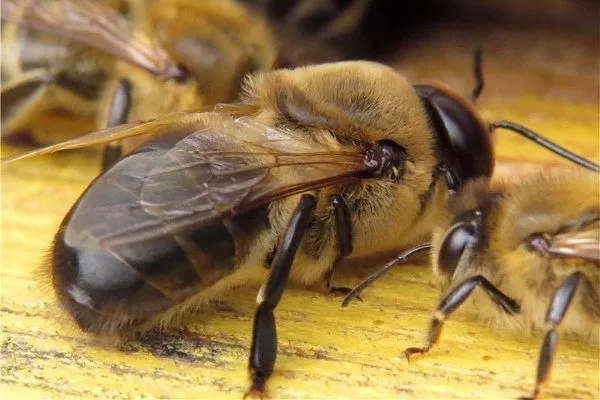
Another significant factor is the timing of the insect's emergence. Brood hatches several times a year. If bees feed the brood in the fall, the energy expended on this labor affects their lifespan.
The importance of brood time is also determined by how bees cope with different seasons. They survive summer more easily, as low temperatures and humidity are more damaging than heat. If the heat is too intense, the bees remain in the hive during this time, where they have plenty of chores to do. They fly out for nectar after the temperature drops. During the cold months, bees expend a lot of energy trying to stay warm, so some don't survive until spring.
The lifespan of a queen bee depends on the number of eggs she lays. The more eggs she lays, the faster the bee ages.
The lifespan of bees can also be affected by a lack of nutrients in the feed or some kind of disease.
| Factor | Impact on life expectancy | Criticality |
|---|---|---|
| The strength of family | +30-50% to lifespan | High |
| Time of brood hatching | Autumn individuals live up to 8 months | Average |
| Temperature conditions | Cold reduces life by 40-60% | High |
| Forage base | Lack of protein shortens life by 25-35% | Average |
| Diseases | Nosema shortens life by 50-70% | Critical |
How long does a worker honey bee live?
Worker bees are female, but incapable of fertilization. They make up the bulk of a bee colony.
Worker bees have many duties: they must collect nectar, deliver water, build honeycombs, clean them, guard the hive, create the right microclimate in it, and feed the rest of the family: the queen, drones, and larvae.
Due to their many functions, worker bees work around the clock, expending a tremendous amount of energy. This affects their lifespan, which is measured in days rather than years.
If the colony is strong, the insect can live up to 35 days. In weak colonies, the lifespan of a worker bee rarely exceeds 25 days.
Sometimes worker bees live up to 45 days. This usually occurs during periods of active honey flow.
Bees from summer or autumn brood typically live up to two months. Overwintering insects can live up to 7-8 months. They survive until the honey flow, where they can be of some use. This longevity is due to the fact that they don't have to work very hard. Autumn bees receive good nutrition and sufficient rest, so they are healthy, strong, and well-fed by winter.
If bees feed their brood in the fall, it takes a lot of energy. Because of this, the insects may not survive until the spring honey flow.
April brood has the shortest lifespan, living just over three weeks.
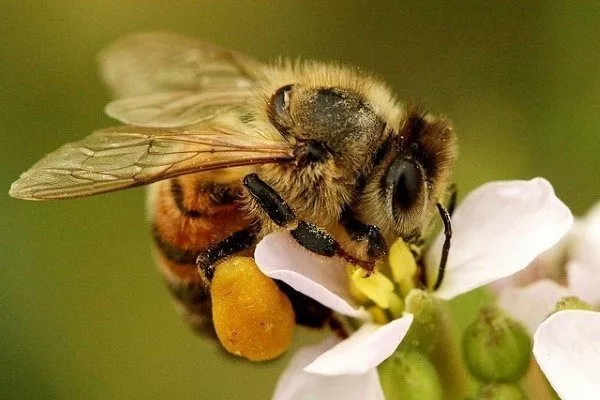
How long does a queen bee live?
Unlike worker bees, the lifespan of a hive's queen is measured in years. On average, she can live 2-3 years, but sometimes she can live up to 5 years.
This long lifespan is due to the queen's sole responsibility being reproduction. All of the insect's energy is devoted to this.
The queen doesn't have to collect nectar, build comb, or produce honey. Her nutrition is provided by worker bees, who produce royal jelly, which contains all the necessary nutrients.
A queen bee can lay up to 1,500 eggs a day—she works constantly. The more eggs she lays, the sooner she dies of old age.
When a young and fertile queen emerges, the previous queen is simply forced out of the hive. Afterward, she quickly dies of starvation. Without worker bees to care for her, the queen survives only 2-3 days.
Queen replacement can be performed artificially. In apiaries, this is done every two seasons, as bees are most productive during the first two years.
How long do drones live?
Drones – the only male representatives in a bee colony. Their purpose is to fertilize and protect the queen.
Drones emerge in the spring from unfertilized eggs. They are ready to begin their duties within 10-13 days.
Since the queen is fertilized practically on the fly, many drones are killed by honey-eaters. The surviving drones are discarded when they are no longer needed.
These members of the family live only in the summer. During this period, they fertilize the queen and guard her, while the worker bees feed them.
Most often, drones live only a few weeks, but sometimes they can live up to a year.
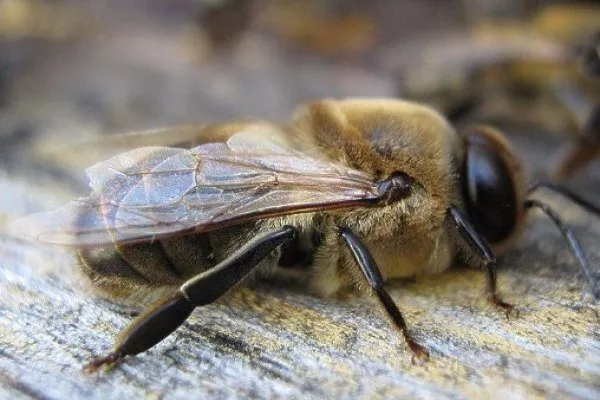
Once the drones are no longer needed, they are no longer fed, as there's no point in wasting food on them. Worker bees either remove the unwanted insects from the hive or push them out, preventing them from returning. Hunger and cold quickly kill the drones.
Several drones are left in the hive if the queen is absent or unfertilized. These drones will be needed for the new queen.
Expelled drones are sometimes released into another colony when their queen is unfertilized. After their task is complete, they are eventually expelled.
| Period | Drone survival rate (%) | Main causes of death |
|---|---|---|
| May-June | 85-90 | Natural selection |
| July | 60-65 | Bird attacks |
| August | 30-40 | Expulsion from the hive |
| September | 5-10 | Cold/hunger |
How long does a bee live after stinging?
Bees are relatively non-aggressive, but in some cases they can sting humans or animals. For this purpose, the insects have a stinger, normally invisible, which remains in the body of the stung animal.
To tear it off, the insect makes a sharp jerk, often losing parts of its internal organs along with the sting. This results in the bee's death, which occurs within seconds of the sting.
A bee may survive a sting from a creature with a chitinous covering. In this case, the stinger is easily removed and remains with the bee. Its lifespan will be normal.
Action plan for a bite
- Immediately remove the sting with a scraper (not your fingers!)
- Treat the bite site with 70% alcohol
- Apply cold for 15-20 minutes
- Take an antihistamine for swelling
- Observe the condition for 2 hours
Different members of a bee colony differ not only in their duties but also in their lifespan. It can last from a few weeks to several years. Many factors influence the lifespan of insects.