
Various methods are used to establish or expand an apiary, one of which is purchasing bee packages. This concept should not be confused with a bee colony. Bee packages come in several types, and they must be maintained and transported properly. Transferring bees from a bee package to a hive follows a specific procedure.
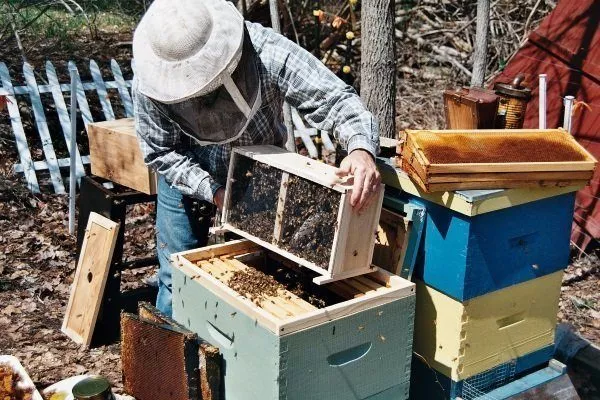
What is a bee package?
Each package contains a specific number of individuals selected from specific bee colonies for subsequent sale. To create these colonies, comb, food, and the required number of insects are taken from the colonies and placed in a specially prepared box.
Packages are made to order. They are purchased not only by beekeeping novices but also by experienced beekeepers. The buyer has the right to preview the package in advance. bee colonies, from which the package will be formed.
Difference from a bee colony
A bee package is a unique colony, but still differs from a standard bee colony. It is typically formed using young bees from the hive, and flying bees are rarely selected. Each bee package contains a fertile female. She must be mature and between 1 and 2 years old.
One of the distinctive features of a bee package is that it is formed and sold only in the spring, when bee colonies are available at any time. A bee package is only part of one or more colonies formed during the season, while a colony consists of insects that have already survived at least one winter (naturally, the composition changes, but the general characteristics remain the same).
Contents of the bee package
Bee packages are transported in special hive boxes. They are most often made of plywood or chipboard, less commonly corrugated cardboard. A single package can contain 1.2-1.5 kg of insects, 3 kg of feed, and sealed brood (2 large frames).
If a bee package is selected from several colonies, it is called a composite. It is created using brood of different ages, most of which must be capped.
When forming a non-combined bee package, one bee colony is divided into several divisions. One division equals one bee package. This option is appropriate if the bee colony is fairly strong. The bee package is usually assembled in late April or early May after the colonies have reached full strength and produced a large amount of brood.
After the insects are transferred from bee packages, a critical period begins, which usually lasts up to 2-3 weeks. This is due to the ratio of young to adult individuals. Losses are observed during formation. bee larvaeA silent queen change is possible. This can be avoided by reinforcing the hive with mature capped brood. This is best done two weeks after transferring the bee package.
The productivity of a transplanted bee colony will depend on the timing of the main honey flow. The later it begins, the greater the insects' strength will be.
Watch a video with recommendations for beginning beekeepers purchasing bee packages:
Types of bee packages
| Name | Cold resistance | Aggressiveness | Productivity |
|---|---|---|---|
| Carniolan breed | High | Low | Average |
| Carpathian breed | Average | Low | High |
| Buckfast | Low | Low | High |
Bee packages can be either comb or non-comb; in both cases, the quality must meet GOST standards. The first option, also known as framed, is the most popular.
For formation cellular package Standard Dadan-Blatt frames are used. There can be 4-6 of them. The classic option is a 3+1 set of frames with brood and food. An equal number of frames with brood and food is also possible—the buyer chooses the appropriate ratio. The amount of food should be proportional to the distance the package is being transported and the duration of the journey.
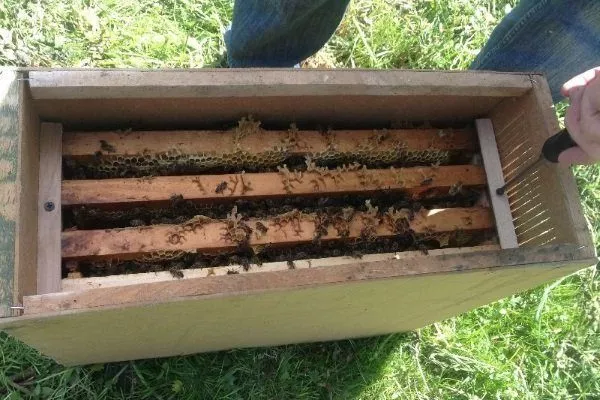
Honeycomb-free bee package also called frameless. The fertile queen is placed in a cage, there is a feeder (Candy (or sugar syrup), a waterer, and the bees themselves. This type of bag can be used for any hive. Beekeepers note that the risk of disease is lower in honeycomb-free bags.
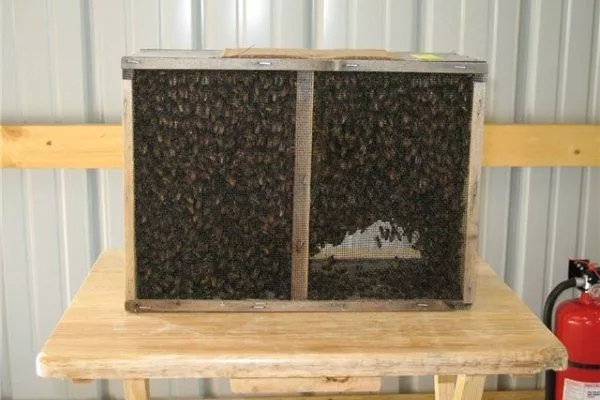
In addition to the two main types of bee packages, the bee species used should also be considered. The following bee species are used to create a package:
- Carniolan breed(Carnica): medium size, suitable for various farms, little susceptible to diseases, cold-resistant (adapts well);
- Carpathian breed(Karpatka): earlier start of collection, less sugar in nectar, high productivity, low aggressiveness, rapid increase in strength;
- Buckfast: prefers rainy climate, intolerance to cold, good adaptation, low susceptibility to diseases.
Transferring bees from bee packages to a hive
After purchasing the bee package and delivering it to the apiary, begin transferring the insects to the hive. This is prepared in advance. The insects' new home must be clean, disinfected, and dry.
- ✓ Ensure that the hive is fully prepared and meets all sanitary standards before replanting.
- ✓ Check the availability and quality of food in the hive to ensure adequate supply of bees immediately after transplantation.
A water bowl and frames with dried bees and wax foundation are prepared in advance. Upon arrival, the insects are fed sugar syrup. It's essential to inspect the bee package, as there is a risk of disease, even though sellers will provide veterinary documentation.
The nuances of transferring bees into a hive are related to the types of bee packages. If the package is cellular, then you need to act according to the following algorithm:
- Choose the right time for replanting. On cool days, you can do all the procedures at any time, but in hot weather, it's best to wait until evening. Avoid disturbing the bees unnecessarily.
- The bee package must be placed in front of the hive, with the entrances facing in one direction.
- Open the packet entrance for flight.
- Transfer the frames into the hive – the order should be the same as in the bee package.
- If any bees remain at the bottom of the bag, they are swept onto the frames. The bag is removed.
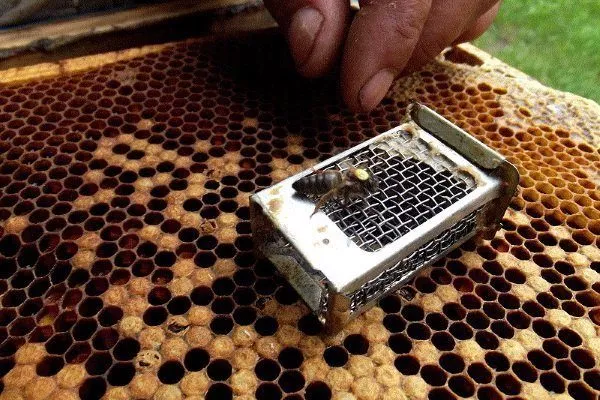
- The queen is usually kept in a cage and should not be released yet. The other insects need to calm down first.
- It's possible to skip the flight, but this is done in exceptional circumstances. In this case, place a bag behind the hive, opening it beforehand. The entrance should be narrowed to accommodate 2-3 bees. After this, quickly move the frames—the order of placement must be strictly observed. This option carries the risk of bees wandering around the apiary.
Acquisition honeycomb-free bee package This means you need to prepare your own comb. Each package requires 4 Dadan frames (standard). Typically, this includes 2 frames of feed and 1-2 frames each of honey and dried honey—this option is attractive for starting oviposition.
The comb-less bag is kept cool before the bees are removed—it's much easier to work with the insects huddled together. If the queen is in a cage, she should first be moved to the hive but not opened. The remaining bees can be shaken into the hive or a bag containing the insects should be placed inside—this option is suitable for a multi-hive design.
The opening in the queen cage is sealed with wax foundation, making sure to poke a small hole in it. The bees will release the queen themselves.
Transportation Features
When transporting a bee package, certain precautions are necessary to avoid damaging the insects. The following factors should be taken into account when transporting them:
- Structural stability. The hive body is more stable if it is fully equipped with frames. Otherwise, they must be secured to prevent harm to the bees. It's also important to secure the bee packages in the transport vehicle. The hive should not wobble.
- Proper ventilation. During transportation, it is necessary to maintain an optimal temperature within the colony. Ventilation should be organized so that insects cannot escape from the hive.
- Optimal temperature conditions are maintained in the hive not only through ventilation but also through environmental conditions. Extreme heat or cold should be avoided. On hot days, optimal hours for transport should be chosen, preferably evening, as the bee package should be transferred into the hive at this time.
- Stay calm. Bee packages must be transported carefully, avoiding strong vibrations. If possible, choose a smoother road. It's important to travel at a moderate speed.
- Providing insects with food and water. This measure is necessary during long-term transportation.
- Flight. Bees need this measure if the transportation takes several days (2-3).
Bee packages are one method for establishing or expanding an apiary. This method is used only in the spring. Bee packages are formed in different ways and come in two main types: comb and combless. The type of package determines the specifics of its transfer to the hive.