
Capping wax has numerous beneficial properties that find application in various fields, including traditional medicine. Its rich complex of vitamins, minerals, and biologically active substances makes capping wax an effective remedy for maintaining health and combating a variety of ailments. Let's look at where beekeepers use the product and how it is processed.
Capping cap in folk medicine
Over many centuries, traditional medicine has accumulated extensive experience in treating various ailments, strengthening the body, and improving well-being. A rich library of home remedies offers many useful recommendations.
For the immune system
Zabrus This valuable bee substance possesses unique properties that can have a positive effect on the immune system. To strengthen the immune system, it is recommended to consume zabrus in combination with other products to provide the body with all the necessary nutrients.
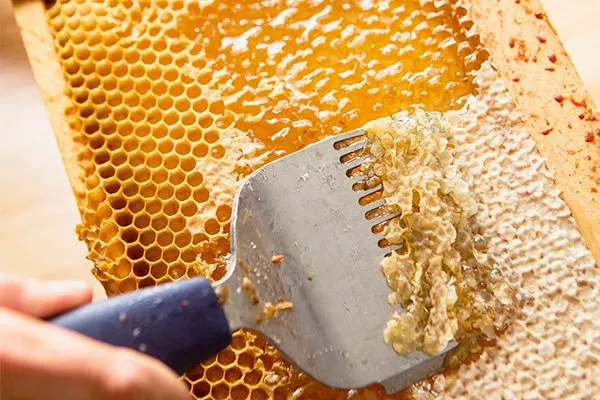
Ingredients:
- capping cap – 1 tsp;
- honey – 1 tsp;
- water – 250 ml.
Preparation:
- Heat the water until warm, but not boiling.
- Add the cappings and mix thoroughly until completely dissolved.
- Add honey for enhanced flavor and added benefits.
- ✓ The temperature of the water for dissolving the capping should not exceed 40°C in order to preserve all the beneficial properties.
- ✓ For inhalations, use only fresh cappings that have not been stored for a long time to avoid loss of active substances.
Capping cappings for runny nose and sinusitis
To stop heavy nasal discharge, it is recommended to take a spoonful of the bee product 6-8 times a day. After a couple of days, when the symptoms subside, it can be used as a preventative measure, but small doses are sufficient for 3-5 days. This treatment method provides rapid relief.
To prepare the medicinal product, use natural cappings and boiled water. Recipe:
- Choose high-quality, fresh cappings. Make sure they haven't been chemically treated.
- Pour boiling water into a large saucepan. Place the pan over high heat and bring to a boil.
- Place the wax cappings in the water so that they are within the steam zone but not touching the water. Let them warm up in the steam for 5-10 minutes.
- Sit over the steaming wax cap, covering your head with a towel. Inhale the vapors slowly and deeply through your nose. Try to hold your breath for a few seconds.
- Repeat inhalation of vapors with cappings 2-3 times a day, especially at the first signs of a runny nose or sinusitis.
Teeth and oral cavity – we use cappings
Gum health directly impacts the health of the throat and digestive system. Teaching children how to use hygiene products from an early age is an important step in maintaining good health. Capping can replace oral hygiene.
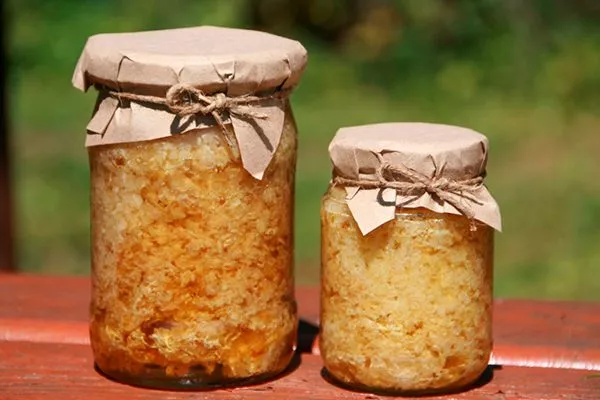
After each meal, simply chew a small amount of the bee product. The wax caps effectively cleanse teeth of food debris and also have a disinfecting effect on the oral mucosa.
Apitherapy specialists recommend using capping wax for various conditions, such as periodontal disease, tooth decay, inflammation, stomatitis, and gingivitis. The active ingredients in the bee product help strengthen gums, eliminate plaque, and reduce inflammation.
Capping cap for pollen allergies
Spring, despite its beauty, can be a challenge for many people due to pollen allergies. This allergic reaction often prevents people from enjoying life to the fullest.
Zabrus (capping) is an effective remedy that can significantly alleviate allergy symptoms and even slow their progression. Start taking the bee product a few weeks before the flowering of plants that trigger your allergies. Repeat the process of chewing the capping after each meal for 2-3 weeks.
Capping cappings for the prevention of acute respiratory viral infections
During cold weather, when the risk of flu or viral infections increases, it is recommended to take zabrus cappings once daily for a month. This preventative course helps strengthen the immune system and alleviate general symptoms, especially if infection cannot be avoided.
Treatment of joints with cappings
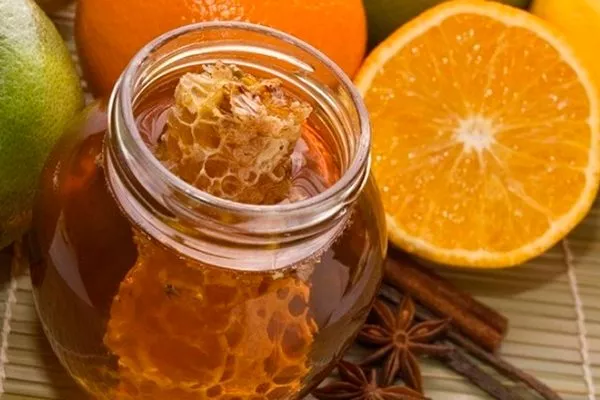
The ability of zabrus (capping) to relieve pain and inflammation is successfully used in the treatment of conditions such as radiculitis, arthritis, osteochondrosis, and osteomyelitis. Preparations based on zabrus (capping) are available in pharmacies. Apply it to a sterile bandage and place it on the affected area for 3-4 hours.
Zabrus against smoking
Zabrus can help with smoking cessation, as chewing it can partially replace smoking cigarettes, and over time, a person will completely break the habit. This is accompanied by cleansing the respiratory system of toxins and alleviating depression. Zabrus is chewed several times a day, 1 teaspoon at a time, over a long period.
When losing weight
Capping cappings are an important part of dietary nutrition because they quickly induce a feeling of satiety. After eating them, appetite is reduced, and the desire for sweets diminishes.
To prepare a healthy weight-loss product, mix the cappings with honey. Take 2 teaspoons daily. It's best to take the cappings in the morning before meals. You can also simply chew it without adding honey.
Homemade ointment with cappings
To prepare the medicinal mixture, take 125 ml of olive oil, 30 g of beeswax, and 20 g of propolis. Heat the ingredients in a double boiler, and after the wax has completely dissolved, add the crushed propolis, wrapped in gauze.
This medication can be used to treat a variety of conditions. It effectively relieves scratches, abrasions, herpes, sinusitis, psoriasis, and eczema. It is also recommended for burns without damage to the epidermis, varicose veins, arthritis, arthrosis, bruises, and more.
The use of capping wax in cosmetology
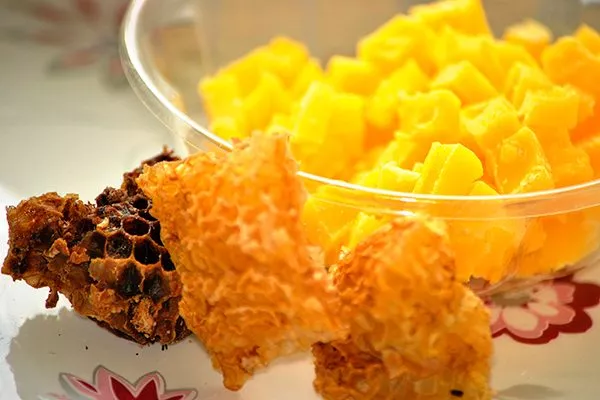
Zabrus cappings have outstanding properties, promoting rejuvenation and improving a person's appearance. It effectively reduces skin irritation and soothes redness. Thanks to its high content of high-quality wax, this product successfully combats dryness and itching.
Rules for preparing masks
When preparing masks from wax cappings, it's important to follow certain guidelines. Follow these recommendations:
- Use clay or glass containers.
- Take any liquid or solid oil as a base.
- Grind the solid ingredients to ensure precise proportions.
- Dissolve the wax contained in the composition in a water bath.
Homemade mask recipes
There are many homemade mask recipes. Those who have already used them recommend three basic beauty masks:
- Mask for sensitive skin. Mix the melted seal with carrot juice and olive oil (2 teaspoons of each). Apply to skin for 20 minutes.
- Nourishing mask. Mix 5 g of ascorutin, 5 ml of oil, and 15 g of capping wax. This vitamin C-rich product will leave your skin velvety smooth and elastic and heal microcracks.
- Wrinkle smoothing mask. Mix 10 g of seal, 5 g of starch and 5 ml of oil.
Recipes for making mead from wax cappings at home
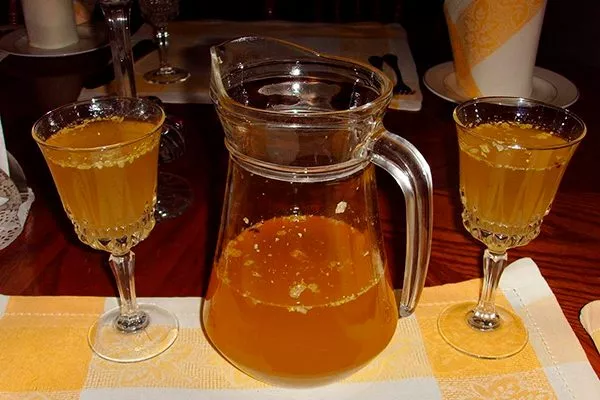
Making mead at home is a simple task. This drink has a flavor reminiscent of sweet, carbonated kvass. The non-alcoholic version of mead is a great thirst quencher on hot summer days and is popular even among children.
Non-alcoholic
To make this refreshing honey kvass, you'll need a minimum of ingredients. Just take:
- Honey cappings (honey in combs) – 1 kg;
- Boiled water – 3 l;
- Raisins – 50 g.
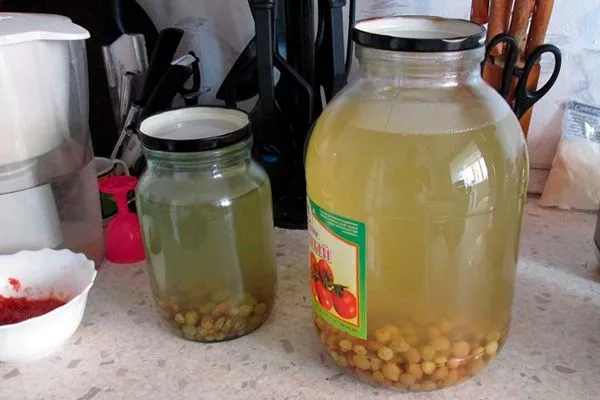
Cooking instructions:
- Mix crushed honey seals with raisins, then pour boiled water over them and place in a warm place.
- When foam appears on the surface, close the container with a water seal and leave it in the sun.
Fermentation takes approximately three days, ending when carbon dioxide stops escaping from the seal and the liquid settles. After this time, strain the yeast-free mead through cheesecloth and refrigerate for storage.
Basic recipe with berries
An interesting and more complex option involves adding berries to the tincture. For this, use black or red currants, cherry plums, raspberries, cherries, or chokeberries. For every 1 kg of cappings, use 600 g of berries and 20 g of raisins. After straining the capped kvass, add honey to taste.
Pour water over the honey and berry mixture and let it sit in the light for about 5 days, then strain. The alcohol content of the drink is approximately 2% vol.
Yeast
Mead with added yeast is made using a different technique and has a richer flavor than the non-alcoholic version. To make 2.5 liters of the drink, you'll need the following ingredients:
- boiled water – 5 l;
- dry yeast – 30 g;
- capping cap – 1 kg;
- honey – 500 g.
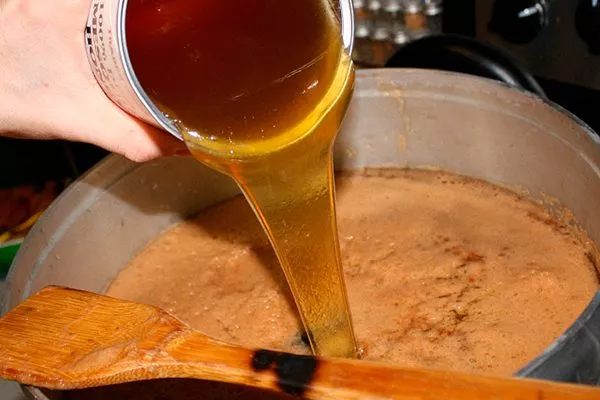
The cooking process includes the following steps:
- Pour water over the cappings, add honey and bring to a boil, stirring.
- Cool the mixture to room temperature, add yeast and place the container in a warm place for fermentation.
- Cover the container with a lid and wrap it in a blanket.
With hops
This drink, made from zabrus (a type of wax capping) with hops, has a taste and color similar to unfiltered light beer with a slight sediment. It lacks an overly sweet taste, making it an excellent alternative to traditional Zhigulevskoye. The alcohol content is approximately 6-7% vol.
To prepare 5 liters of hoppy boiled aperitif you will need the following ingredients:
- cappings with honey residues – 2.5 kg;
- hop cones – 15 g;
- dry yeast – 20 g;
- water – 6 l.
The cooking process includes the following steps:
- Bring the water to a boil.
- Add the cappings and mix thoroughly until the honey is completely dissolved.
- Cook the honey wort for 40 minutes over medium heat, skimming off any foam and maintaining the total volume of liquid by adding water.
- Add hop cones and boil for another 15 minutes.
- Cool the wort to room temperature, add yeast and leave for 2 hours.
- Pour the mixture into a fermentation container with a water seal.
Herbal tincture
Zabrus is ideal for making liqueurs with a distinct flavor and strength. Various herbs can be used for this purpose, such as anise, cloves, St. John's wort, juniper, thyme, oregano, cardamom, and others.
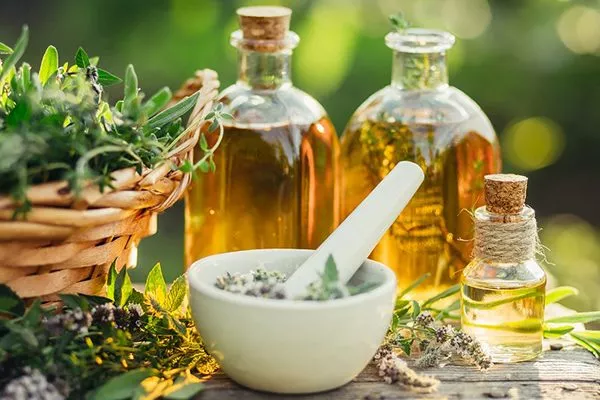
The infusion process can be carried out using either rubbing alcohol or moonshine obtained from honey mash. One simple recipe includes the following steps:
- Pour 2 liters of pure alcohol over wax seals (1.5 kg) cleared of honey.
- Add 50 g of herbal mixture to taste and close the container tightly.
- Place the container in a dark place for 21 days.
- After 3 weeks, strain the liquid and pour into a bottle.
The finished tincture will be clear (amber-colored) and have an alcohol content of 75-80°. Before serving, dilute the tincture with purified water in a 1:1 ratio. Mixing with water may give the drink a cloudy appearance due to the small wax particles dissolved in the alcohol, which, when in contact with water, form flakes.
Moonshine
Making moonshine from wax cappings at home requires careful preparation, but if done correctly, it's a success. You'll need the following ingredients:
- capping cap – 3-4 kg;
- water – 10 l;
- sugar – 2-3 kg;
- alcohol or bread yeast – 50-100 g;
- lemon – 1 pc. (to adjust acidity).
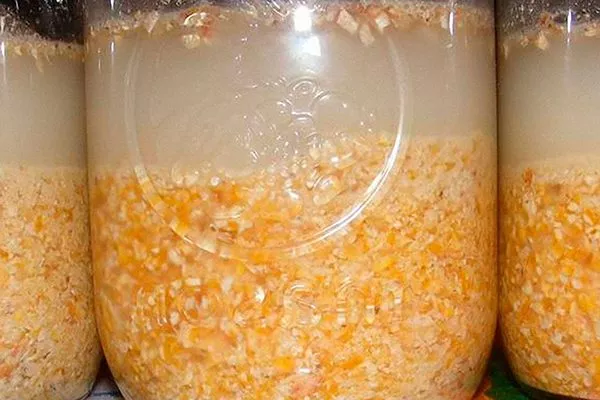
To prepare, follow the instructions:
- Clean the honey cappings with wax and grind them.
- Dissolve sugar in 5 liters of hot water until completely dissolved.
- In a large container, mix the cappings with the dissolved sugar and add the remaining 5 liters of water.
- Bring the mixture to a boil, stirring, and simmer for 1-2 hours. During simmering, an alcohol-containing mash will form.
- Cool the mash to room temperature.
- Add yeast and mix thoroughly.
- Cover the container tightly and place it in a warm place to ferment. The process will take several days.
- After fermentation is complete, distill the mash in a home distillation apparatus.
Yeast-free
Making yeast-free mead from wax cappings at home is possible using natural fermentation processes. To make yeast-free mead, you only need two ingredients:
- Capping cap – 1 kg;
- Water – 3 l.
To prepare, follow the instructions:
- Grind the cappings.
- Place the bee product in a glass container or saucepan.
- Fill the cappings with water and stir. Make sure they are completely submerged.
- Place the container in a warm place and leave it for a few days. The fermentation process will begin naturally.
- During this time, carbon dioxide and alcohol will be released, creating a fermentation process.
- Once fermentation is complete and the bubbling stops, the mead is ready.
- Strain the drink to remove any remaining cappings.
- Pour the mead into bottles or other suitable containers.
- Leave the mead in the refrigerator for several hours or even days to ensure it is well chilled.
Recommendations for use
Using cappings is not only a way to obtain honey water and wax, but also an interesting process that can be useful for both beekeepers and traditional medicine enthusiasts. Recommendations for use:
- Washing the cappings. Rinse the wax cappings with clean, room-temperature water. Knead them with your hands until the honey is completely dissolved. The result will be honey water and wax crumbs.
- Waxing procedure. Strain the resulting liquid through a sieve, separating the wax from the honey. Melt the wax for further use.
- Direction of honey water. Honey water can be used to make mead or to feed bees (provided there are no diseases).
- Storage until spring. Leave the cut cappings with honey until spring. In the spring, give them to the bees in bags on frames under canvas, moistened with water. The bees will chew passages in the bag, extract the honey and cappings, and the wax will remain in the bag, dry and clean.
- Sale of capping wax. You can sell cappings by posting an ad online. Some people use cappings in traditional medicine recipes.
- Honey with cappings. This product is often valued higher for its rich array of beneficial properties. Pour it into jars and sell it at a high price. Collection methods include using cheesecloth or a special uncapping table.
All products derived from honeybees are used in both folk and traditional medicine. They are highly effective in treating various ailments. Bee cappings are considered particularly remarkable and valuable.
Thanks for the information.