
Beeswax has a natural composition due to its natural origin. It is used in various fields – everyday life, cosmetology, industry, and even creative arts. And most importantly – in medicine, due to its many beneficial properties.
What is beeswax?
There is no synthetic alternative to beeswax, as it is produced exclusively by bees to build their own honeycombs. These honeycombs are used to collect nectar, which is then converted into honey.
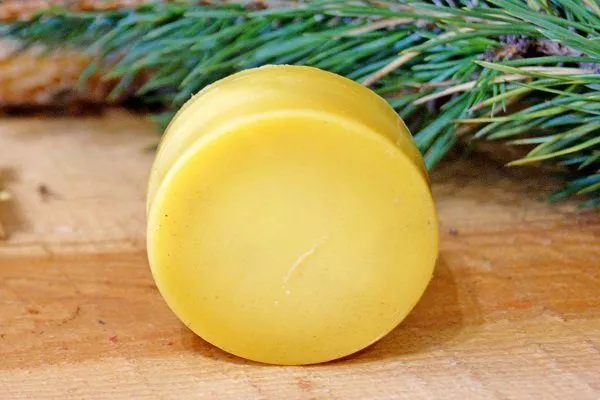
The product is secreted from the glands of bees and has a characteristic honey aroma.
Appearance
Beeswax is a solid substance that comes in various shades—white-yellow, brown, tan, and even greenish. In the latter case, the color indicates the presence of propolis.
It looks like a single plate. The color depends on the thickness of the material—the thicker it is, the darker it is. If the color is dark green, the wax contains a high concentration of pollen oils.
Characteristics
The substance is characterized by a crystalline structure, which can be either uniform or coarsely grained when fractured. When kept in a cool room or at room temperature, it has a compacted structure.
When exposed to hot conditions, it becomes so elastic that you can knead it in your hands. At temperatures above 50°C, it melts.
Other properties of beeswax:
- does not smoke when burning;
- does not lose its therapeutic effect in a cool and dry room;
- when stored in an airtight container, it continues to emit a honey aroma for a long time;
- absolutely insoluble in water and glycerin;
- slightly soluble in ethyl alcohols;
- when heated, it mixes well with gasoline, turpentine, carbon disulfide, essential and fatty oils;
- changes color and structure when in contact with metal objects (do not store in tin or iron cans);
- At the first stages of freshness, the color is white, white-cream (if the plate is thin), then it gradually darkens.
Experts say that the darker the shade, the more pollen, propolis, etc. it contains, and the less wax itself.
Compound
Beeswax is considered a combination product because it contains various long-chain molecules. In total, it contains approximately 300 microelements.
They are divided into permanent and temporary. The latter group depends on the type of vegetation being pollinated, the soil, the time of year, the geographic location of the apiary, weather conditions, etc.
Main components:
- complex essential oils – up to 35%;
- free fatty acids – about 14%;
- saturated hydrocarbons – from 12 to 15%;
- free fatty alcohols – no more than 1%;
- linear wax monoesters – 40-45%.
Beneficial and harmful properties
The rich composition of beeswax has the following effects on the human body:
- suppresses pathogenic microbes, bacteria, viruses and the like;
- acts as an antiseptic;
- regenerates damaged tissues at the cellular level;
- removes toxic sediments and poisons;
- reduces the level of inflammatory processes in mucous membranes and tissues;
- relieves pain;
- neutralizes hyperemia (redness of the skin);
- dissolves fluid in tissues;
- improves appetite;
- accelerates blood circulation;
- restores the functionality of the gastrointestinal tract, joints and other internal organs.
Beeswax is used for:
- radiculitis;
- arthrosis;
- arthritis;
- stomatitis;
- trophic ulcers;
- frostbite;
- burns;
- scratches;
- wounds;
- scaly lichen;
- eczema of various origins;
- infection;
- viral infection;
- colds.
Experts recommend using the product when smoking tobacco, instead of toothpaste, and as an antibacterial agent.
In the presence of contraindications or overdose, it causes harm:
- allergic reaction;
- poor digestibility of the stomach.
You can learn about the beneficial properties of wax and how to use it in the video:
How is beeswax formed?
In the abdomen of worker and young (12-20 days old) bees, there are special wax glands that secrete wax in liquid form. This wax is converted into a solid substance. Adult bees that fly have atrophied glands.
Features of formation:
- The abdominal cavity contains sternal plates. Their anterior portions contain wax scales. The wax glands are located above the sternal plate of the abdomen—there are eight of them (four on each side). They produce liquefied wax.
- When it's released, it's exposed to air, which causes it to harden and form into flakes.
How do beekeepers obtain wax?
Since beeswax is found in honeycombs, beekeepers initially remove them from the hives. To extract the solid substance, melt and strain the honeycombs with the trimmings.
These manipulations are repeated repeatedly—up to three or more times. After this, the liquid mass is poured into molds, where it cools.
Types of beeswax
| Name | Processing method | Extraction percentage | Quality |
|---|---|---|---|
| Dry | Solar wax melters | 30% | High |
| Steam | Steam wax melters | 60% | Average |
| Water | Boiling in water | 80-90% | Low |
First of all, beeswax is divided into types based on the processing method:
- Dry. The use of solar-powered wax melters is recommended. They are considered one of the best options, as they produce pure, high-quality wax called kapanets. A significant drawback is that they require direct sunlight, making results impossible in cloudy weather.
The process is lengthy and ineffective – only 30% of the wax can be extracted from the total mass, as the product slowly flows down the walls of the wax melter, leaving behind traces. - Steam. Steam wax melters are used for this purpose. The method involves injecting hot steam into a special chamber containing the raw material. The wax melts quickly and then flows into the mold along with the condensate. Up to 60% of pure wax can be extracted.
- Water. To obtain 80-90% wax, boil the raw material in water, then press and centrifuge. This produces a large amount of product, but it is of low quality. It is not suitable for medical treatment, as prolonged heat treatment destroys the beneficial substances.
The most popular and useful wax is apiary wax (melted wax). In addition to honeycomb and trimmings, crumbs and cappings are often used, which is the norm. It complies with the established GOST standard (21179-2000).
Other types of beeswax, depending on the purpose and manufacturing technology:
- Industrial. It is processed using the same method as apiary honey, but with the use of presses and centrifuges. It also meets GOST standards, but apiary residues are most often used for production, significantly reducing the cost of the raw material.
- Kapanets. A type produced using a dry solar process in apiaries and industrially. Various raw materials are used, including cappings, scrapings, wax crumbs, and old honeycomb. It is used in medicine and cosmetology. It is difficult to find today, as producing such a high-quality product is unprofitable.
- Bleached wax. The method is based on the destruction of chemical compounds in the raw material. This is accomplished in two ways:
- artificially – the finished wax is crushed into shavings, laid out in the sun, and after bleaching, it is melted again and bleached again (the production time is up to 2 months);
- chemically – for bleaching, hydrogen peroxide, a mixture of hydrochloric acid and potassium permanganate or sulfuric acid and sodium 2-chromate (used for industrial and household purposes) are used.
- Extraction. The process involves extracting the industrial waste using solvents such as gasoline, hot alcohol, naphtha, and carbon 3- and 4-chloride. This wax has an unpleasant odor, a soft texture, and contains fats and resins. It is intended for the chemical industry.
- Ardent. Melting is done in a double boiler, meaning neither water nor steam is added to the wax. This is considered an excellent option for apiaries.
- Raw wax. It is processed with steam, for which raw materials (honeycombs) are taken after repeated use.
- Peasant. It is melted in an oven, which causes the beneficial properties to be lost and the wax to become too dark in color.
- Substandard. It contains many impurities - pollen, propolis, etc. Most often, such wax is obtained if bees have suffered from foulbrood diseases.
- Press. During production, it is heavily pressed after boiling. It is not used for medicinal purposes.
- Centrifuged. A centrifuge is used in production, which reduces the quality of the product.
- Technical. In this case, wax of any processing is used, but during secondary remelting it is mixed with paraffin or ceresin mass.
Applications of beeswax
The product is used in almost all areas of life – in everyday life, creative work, in production, for the production of mastics, glue, candles, putty, cosmetics, perfumes and even medicines.
In traditional and folk medicine
Even official pharmaceuticals have appreciated beeswax. It's used in ointments and creams. Traditional medicine also offers a wide range of different remedies.
What is beeswax used for:
- Oral cavity. Perfectly heals wounds, relieves inflammation, eliminates unpleasant odor, and destroys bacteria.
- Stomach. When upset, it stimulates the production of saliva and gastric juice. Chewing a small piece is sufficient.
- Haemorrhoids. Rectal suppositories are made from wax. A homemade recipe: grate 20 g of wax into shavings, melt in a double boiler, add 12 tablespoons of yarrow, cool slightly, and form a suppository. Use rectally every evening for 10 days. For faster results, insert twice daily.
- Joints, spine. It is used as an ointment for arthritis, arthrosis, osteochondrosis, rheumatism, etc. It effectively relieves pain and restores mobility. To prepare a medicinal cream at home, take 50 g of beeswax and 1 tablespoon each of yarrow and St. John's wort. Melt and stir.
Apply warm to the affected area, then wrap in a cloth. Leave on overnight.
You can make a compress solution from 100 g of wax and 1 teaspoon of honey. Apply it warm to the skin, cover with plastic wrap and a wool scarf. Leave it on for no more than 1 hour. - Muscles. For severe pain, add 1 teaspoon of dry mustard to the beeswax joint ointment. This will enhance the therapeutic effect with warming properties.
- Corns and calluses. Quickly softens and heals. Take 80g each of wax and propolis, melt, cool slightly, and add 1 tbsp. of lime or lemon juice. Apply to the callus/corn after soaking your feet in hot water. Quickly wrap with plastic wrap and a bandage. Leave on for 2 hours.
- Cracks in the skin. This is especially important for heels, as healing in this area is slow due to constant strain. Heat 50 g of wax, add 15 g of powdered licorice root, and 15 drops of sea buckthorn oil. Steam the skin and apply the ointment for 15-25 minutes.
- Wounds, abrasions, trophic ulcers. Prepare a nettle and chamomile decoction. For 250 g of wax, you'll need 100 g of resin, 150 ml of nettle infusion, 50 ml of chamomile infusion, 30 g of dried hemp seeds, and 60 ml of pure aloe vera juice. Melt everything together, and when it's cooled slightly, add 1 tablespoon of olive oil.
The balm is semi-liquid and can be stored in a glass container. Apply twice daily for 30-40 minutes. - Periodontosis and similar problems. Take a pea-sized piece of wax and chew it for 10-12 minutes, 2-3 times a day.
- Sinusitis. Excellent for drawing out pus and reducing inflammation in the maxillary sinuses. Grate 50 g of hard wax on the finest grater. Add 150 ml of vegetable oil and 1 boiled egg yolk.
Heat in a double boiler. Once all ingredients are combined, let cool. Use as drops or ointment. - Inflammation of the appendages. You'll need two types of wax—white (50 g) and yellow (10 g), 50 g of margarine, and 10 ml of calendula tincture. Melt the ingredients until completely dissolved, apply a compress to the appendages, and leave for 35-40 minutes.
- Bronchitis, cold, cough. Prepare a balm for internal use. Take 200 ml of unrefined homemade sunflower oil, 200 g of beeswax, and the same amount of resin and honey. Warm and stir. Take 1 teaspoon three times daily before meals.
In cosmetology and perfumery
Beeswax is widely used in perfumery as an ingredient that imparts a honeyed note. It is also used in cosmetics, as it stabilizes emulsions, improves the water resistance of many products, maintains color, adds shine, increases durability, and promotes health.
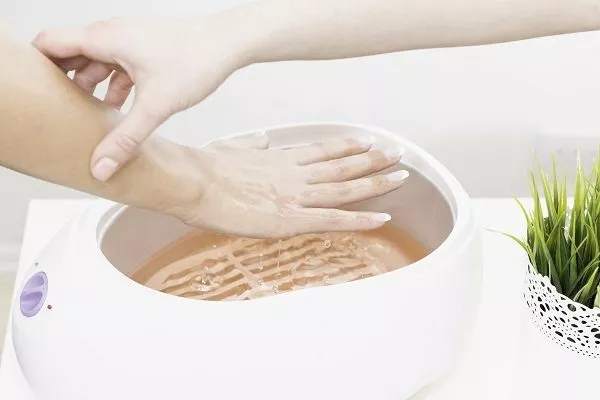
In industry it is used for the production of the following cosmetic products:
- face and hand creams – they contain 8 to 12% bee product;
- mascara, brasmatics - the same amount;
- deodorants – almost 35%;
- depilatories – about 50%;
- blush – from 10 to 15%;
- shadows – about 10-20%;
- hair masks – from 5 to 10%;
- air conditioners – up to 3%.
Useful remedies can also be made at home:
- For hair. Restores structure, reduces weight, eliminates split ends, strengthens follicles, facilitates styling, increases volume, adds shine, and facilitates combing. Use as a mask:
- Take 50 g of wax, add 15-20 ml each of wheat, sea buckthorn and apricot oils, and drop 2-3 drops of flax and coconut essential oils.
- Melt all ingredients over low heat, without bringing to a boil.
- Let it cool.
- Apply from roots down.
- Wrap your head with plastic wrap and a scarf.
- Keep for 30-40 minutes.
- Rinse with shampoo.
- For skin. Suitable for all skin types, including the face and body, it relieves irritation, rashes, and acne, smoothes the appearance of wrinkles, and nourishes cells with beneficial substances. Skin becomes smooth and elastic, without oily shine or clogged pores. How to prepare the mask:
- Melt 100 g of wax, add 10 drops of avocado and pumpkin juice, add 20 drops of Retinol (in liquid form).
- Apply to skin, leave for no more than 15 minutes.
- Rinse with warm water using a cotton pad.
- For nails. Restores natural shine to the nail plate, prevents splitting, softens cuticles before trimming manicures, and heals micro-wounds. Can be used in a variety of ways:
- Melt the required amount of wax, rub it into your nails, leave for 30 minutes;
- pour melted wax (1-2 tsp) into a hot nail bath (200-300 ml), keep until the water cools;
- For 50 g of bee product, take 5 drops of any essential oils in the amount of 2-3 types, apply to nails 1-2 times a day.
Can you eat beeswax?
All beekeepers agree that wax is not only acceptable, but also necessary to consume. Experts agree, but warn that consuming large amounts can be harmful.
Take no more than 15 g of wax orally per day (preferably as a chewable product or mixed with more liquid ingredients - honey, milk, herbal infusions, etc.)
Beeswax isn't used in home cooking because it hardens considerably after the dish cools. It's used to make light candy coatings and complex cheese coatings.
In creativity
Beeswax was used by our ancient ancestors—they made figurines, ritual figures, and coated wooden writing tablets with it. It was used even before paper was invented.
Today, creative individuals actively use the product to create decorative elements with the addition of cement, gypsum, marble, and other materials, or as a stand-alone raw material.
There are even wax paints, which are considered the most durable. And candles made from beeswax are distinguished by their naturalness. Wax play dough is available in stores, suitable for small children (they won't be poisoned if they swallow a piece).
In industry
Beeswax is a versatile product. It is widely used in a wide variety of industries:
- foundry;
- electrical engineering;
- aviation;
- chemical;
- printing;
- perfumery;
- cosmetic;
- textile;
- automotive;
- paint and varnish;
- pharmaceutical, etc.
Who is contraindicated to use beeswax?
The use of beeswax is contraindicated in case of an allergic reaction. This applies to both internal and external use.
If we talk about oral use, an overdose can cause complications in people with stomach ulcers, kidney stones, gallstones, diabetes, and cancer.
How to choose beeswax?
If you buy beeswax from an apiary, it's usually a natural product. When buying it in a store, keep in mind that they also sell industrial grade beeswax. Choosing the right one is especially important if you plan to use it for cosmetic or medicinal purposes.
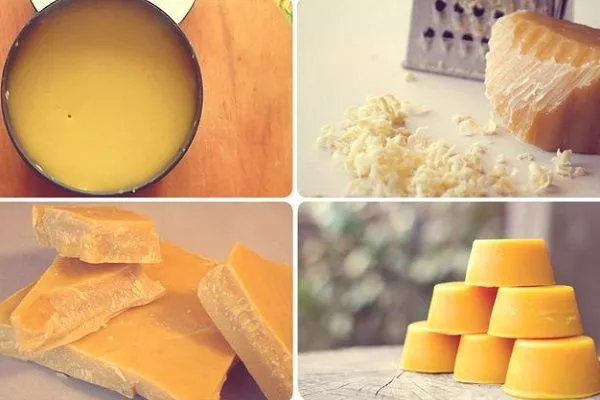
You can also come across counterfeits. To avoid this, pay attention to the characteristics of genuine wax:
- there is a honey aroma;
- no greasy stains remain;
- does not crumble in your hands;
- the cut surface is matte (no shine);
- regardless of the color, there is a golden hue and it is clearly expressed;
- consistency - only solid;
- if melted, the color does not change;
- If you chew it, it doesn't stick to your mouth.
- ✓ The presence of a honey aroma, which should not be too strong or absent.
- ✓ No greasy stains when in contact with paper.
- ✓ Hardness and absence of crumbling when trying to break a piece.
Make your choice based on these indicators.
Storing beeswax
The product has an unlimited shelf life, provided that the storage rules are followed:
- temperature range – from 10 to 20°C;
- Do not expose to sunlight or even lamp light, store in the dark;
- keep wax in an airtight container;
- The best container is glass; it is absolutely forbidden to store in metal objects, and plastic is also not advisable.
If you store a bee product for several years, it will develop a light gray coating, which is normal.
Beeswax is a versatile product, with a wide range of uses and a relatively affordable price. Its composition never ceases to amaze, but the key is to buy a natural product to truly benefit from it.