
Honeybees, even dead ones, are of great value to humans. Dead bees are used to treat a wide variety of ailments. This unique remedy has proven particularly effective in treating joint problems.
Medicinal properties
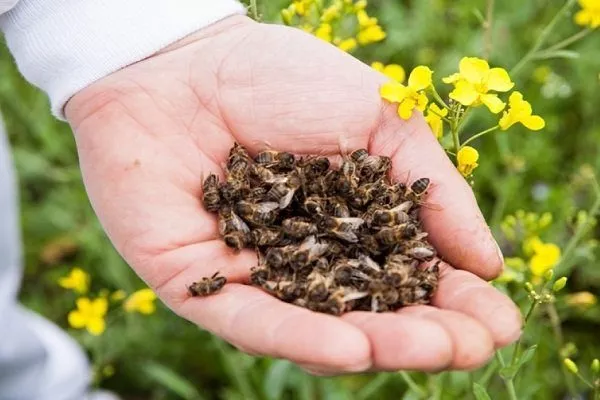
Dead bees are a valuable natural remedy with powerful healing properties. Their use affects literally every system of the human body.
Positive qualities:
- removes toxins;
- disinfects;
- improves immunity;
- relieves inflammation;
- promotes liver cell regeneration;
- prevents the proliferation of microbes, bacteria and fungi;
- improves blood supply to tissues with oxygen and nutrients.
The beneficial properties of biological raw materials are widely used to treat various joint pathologies. All kinds of tinctures, ointments and decoctions.
Bee-based preparations have no contraindications or side effects. People over 40 are recommended to use them for preventative purposes.
Biochemical composition
The therapeutic effect of dead bees is due to the presence of bioactive components. Their concentrations vary. The chemical composition of the raw material depends on the bees' living conditions, the location of the apiary, and other circumstances.
But the general chemical components are approximately the same in all dead honey plants. The majority (50–60%) are protein compounds (amino acids, heparin, enzymes, etc.).
The chemical composition is supplemented with macro- and microelements. All components are easily absorbed by the human body.
Melanins
These polymers are universal protectors and products of oxidation processes in the amino acid tyrosine. Their content in the raw material accounts for up to 30%.
The effect of melanins:
- prevent cell destruction;
- slow down and freeze destructive and degenerative processes in joints and internal organs;
- helps protect the body's mucous membranes from ulcer formation;
- is a sorbent against the accumulation of radioactive chemical elements.
Chitin
Chitin is a natural element belonging to the group of nitrogen-containing polysaccharides. It is the main component of the bee exoskeleton.
Useful properties of chitin:
- eliminates inflammation;
- prevents joint destruction;
- reduces body weight, reducing the load on the spine and joints;
- stimulates the cleansing of the body from waste and toxins, and also removes salts.
Mineral elements
Dead bees contain nearly 30 microelements, the most prominent of which are phosphorus, potassium, iron, copper, and calcium. This rich composition fully meets the body's needs for normal joint function.
How to collect?
Traditional healers prefer insects that died in the summer and fall. They consider dead bees from winter to be defective, as bees are prone to various diseases at this time of year.
- ✓ High-quality dead bees have a faint honey aroma without signs of mold or rot.
- ✓ Upon visual inspection, the bees’ bodies should be intact, without obvious damage or signs of disease.
Features of seasonal dead bees:
- Spring. These are bees that died in the spring during hibernation.
- Autumn. Bees collected at the end of or during the summer are considered the most valuable. Insects are collected from various locations—inside hives, on their roofs, on their nesting boxes, and on the ground.
Rules for collecting and preparing dead bees:
- Only buy dead bees from reputable beekeepers. Irresponsible hive owners may sell bees that have died due to serious infectious diseases for profit.
- Clean the bees' hives of debris. It should be free of mold and unpleasant odors.
- Dead insects can be stored for up to one year. After that, the medicinal properties disappear. Place the prepared mixture in a cotton bag or glass jar. Store it away from light and moisture. Freezing is also possible.
- ✓ To ensure maximum preservation of the medicinal properties, the dead bees must be collected within 48 hours after the death of the bees.
- ✓ The ideal storage temperature for dead bees is from +2°C to +8°C, which prevents the proliferation of pathogenic microorganisms.
Dry purchased or personally collected dead bees properly, using natural or artificial drying methods. When harvesting, pay particular attention to drying. If the drying process is not followed, the raw material may be irreparably damaged.
Options:
- Indoors. Spread the bees in a 1 cm layer on a table in a warm, well-ventilated area. Dry the insects, stirring regularly.
- In the oven.The insects are spread on a baking sheet. They are dried at a temperature of 40 to 50°C, stirring occasionally. The total drying time is 1 hour.
- In the sun. Experts disagree on whether it's possible to dry dead bees directly in the sun. However, most agree that this method won't harm the raw material.
For what diseases is bee dead indicated?
Preparations based on biologically pure raw materials are used for a wide range of joint diseases. These are powerful agents whose effects are comparable to those of traditional medications.
Helps with the following joint diseases:
- arthritis;
- arthrosis;
- rheumatism;
- radiculitis;
- osteoporosis;
- osteoarthritis;
- osteochondrosis;
- spondylosis;
- bursitis;
- synovitis;
- chondropathy
- injuries and healing fractures, etc.
Dead bee-based remedies also have a healing effect on varicose veins. Taking these unique preparations has a powerful, comprehensive effect.
Treatment effectiveness
Joint diseases affect a huge number of people, including young people. They cause pain, limit mobility, and impair quality of life.
The biologically active substances contained in dead bees act gradually. The process is cumulative.
When treating joint diseases, tinctures and other preparations made from dead bees have the following effects:
- relieve chronic inflammation;
- treats bruises and microcracks;
- reduce pain in joints, including during flexion and extension;
- relieve morning stiffness;
- eliminate crunching, crackling, and clicking sounds when making movements;
- improve microcirculation of blood and lymph;
- relieve swelling.
Therapeutic medications improve the overall condition of all joints and enhance their functionality through partial regeneration of tissues affected by the disease.
Features of products based on natural raw materials:
- Preventative use is also possible. Taking bee-based preparations can help maintain joint health over the long term.
- Along the way, beneficial effects are observed: hormonal levels are balanced, cardiac activity and the functioning of the nervous system are improved.
- The drugs are the safest and, unlike their pharmaceutical counterparts, do not cause side effects.
- Tinctures and ointments used internally and externally reduce virtually all symptoms associated with inflammation and degenerative processes.
Folk remedies derived from dead bees are not used during the acute or subacute stages of joint disease. They are used during rehabilitation after the main treatment.
How to take?
The main condition and rule for taking bee-based products is a quality product.
Admission rules:
- Purchase dead bees in powder form only from reputable suppliers. Store it for no more than a year.
- Use bee glue tinctures only on an empty stomach, approximately 25–30 minutes before meals.
- Take the medications in courses, taking breaks in between. Tinctures – for 3 months, ointments – for 2–3 weeks.
- Rub topical products into the affected areas and massage until the ointment or cream is fully absorbed. The procedure should last approximately 20 minutes.
- When taking tinctures, the dosage depends on the patient's age. The formula is: the number of drops equals the person's age.
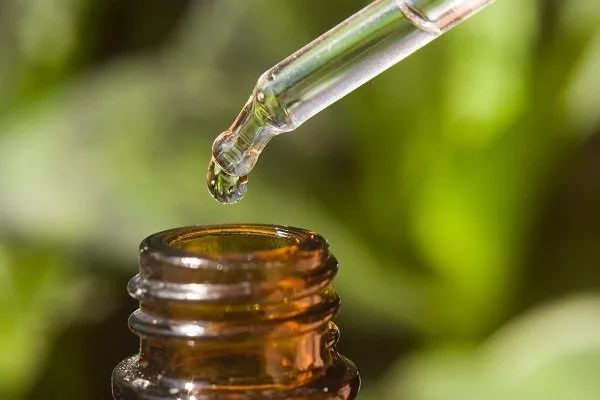
Example of dosage calculation:
- If the patient is 45 years old, he needs to take 45 drops per day.
- Considering that the dose is taken three times a day, 45 drops are divided by 3. This gives 15 drops at a time.
Recipes
Almost every form of healing remedy is prepared using dead bees. Pure (medical) alcohol/vodka, vegetable oils, and other ingredients are used as additional ingredients. Decoctions are equally effective. In addition to oral administration, they are added to bath water.
Tinctures
Alcohol-based remedies are considered the most beneficial. Bee lily tincture is recommended for people with joint pain. It's easy to prepare, but time-consuming.
Recipe No. 1. Tincture of dead bees:
- Pour 300 ml of powder (crushed dead bees) into 1 liter of vodka. You can substitute the same amount of moonshine.
- Close the bottle with the mixture and leave it in a dark place for 2 weeks.
- When the mixture is ready, strain it and use it externally or internally.
The tincture is typically used to make compresses. It is soaked in a cloth or gauze and applied to the painful joint for fifteen minutes.
The tincture can be used for rubbing, three times a day. After each procedure, wrap the affected area with a warm cloth.
The tincture treatment course is three months. Then take a break. Continuous use of the alcohol-based product can cause harm to the body. This applies to both types of use.
Recipe No. 2. Alcohol extract:
- Fill 1/2 of the jar with dead bees.
- Pour in enough alcohol to cover the ingredients by 3 cm.
- Infuse the remedy in a dark, cool place for 2 weeks.
- Strain the finished extract and use according to the recipe.
This remedy, like the previous tincture, is used internally and externally. It is especially important, when taken internally, that the extract be pure, free of mold. It is recommended for arthritis and knee joint problems.
Ointments
A wide variety of ointments are made from dead bees. They relieve pain and swelling within half an hour.
Recipe No. 1. Ointment with wax:
- Grind the raw materials into powder - 60 g.
- Mix 400 ml of vegetable oil into the resulting powdery substance.
- Mix the oil and powder thoroughly for 10 minutes, then add 160 g of beeswax;
- Stir for another 10 minutes, then add 200 g of pine resin.
- Place the mixture on the stove and simmer for 10 minutes. When the mixture reaches a smooth, viscous consistency, remove the container from the heat.
- Let the ointment cool. Place it in a cool place, away from sunlight.
Use 2-3 times daily if joint pain occurs. Apply the ointment to the joint for half an hour, or apply a compress overnight.
Recipe No. 2. With propolis:
- Heat 300 ml of olive oil to + 30… + 40°C.
- Add 60 g of dead bees, ground into powder, to the oil.
- Mix, add 60 g of wax and propolis, cut into small pieces, to the mixture.
- Place the mixture on the stove and stir.
- When the mixture boils, remove from heat and cool.
Refrigerate the ointment. Use as needed for rubbing and compresses.
Recipe No. 3. With salicylic ointment:
- Mix 30 g of dead bees and 150 g of salicylic ointment.
- Stir the mixture until smooth.
This remedy helps not only joints, but also treats burns, cuts, and purulent wounds.
Recipe No. 4. With pork fat:
- Mix 30 g of crushed dead bees with 60 g of propolis.
- Add 300g of pork roast.
- Place all ingredients in a saucepan and cook for 10 minutes, stirring constantly. Then remove from heat and cool.
The ointment relieves inflammation and improves skin condition. It contains ingredients that improve calcium absorption, which strengthens joints. Apply as a compress for two weeks.
Cream
A creamy mixture can be made from dead bees. It has a lighter texture and is less viscous than the ointment, but is just as potent in its medicinal properties.
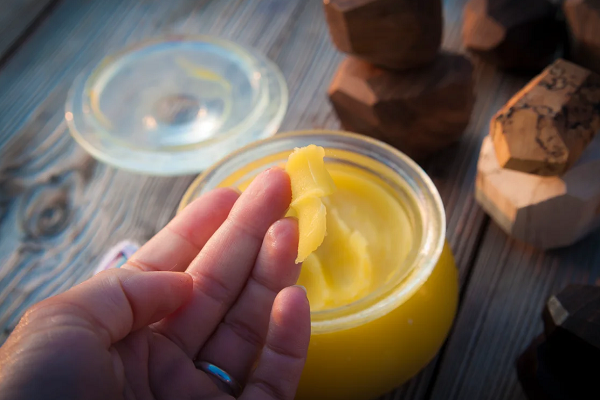
How to make cream:
- Heat 200 ml of olive oil in a double boiler. Do not let it boil.
- Add 1 tbsp of crushed dead bees and 1 tsp of propolis to the oil.
- Keep the mixture on low heat for an hour, stirring occasionally.
Apply the cream to the affected areas 1 to 3 times daily. The course of treatment is 3–4 weeks. After applying the cream, wrap the treated area with a bandage and a warm cloth.
Lotions and rubs
Dead bees are widely used to prepare a variety of lotions and rubs. These are prepared immediately before use.
Recipe #1:
- Pour 4 tablespoons of ground dead bees into water heated to 60–70°C. The water should be hot, but not boiling. Stir.
- After half an hour, drain the water and wrap the resulting mass in gauze.
- Apply the compress to the sore spots for a couple of hours.
After use, wash the area where the compress was applied and rub moisturizing cream into the skin.
Recipe #2:
- Pour 250 ml of boiling water over 3 tablespoons of powder.
- Strain after 6 hours.
- Soak a large cloth in the solution and apply it to the affected area. Secure the compress with film, cloth, and a bandage. The procedure lasts 2 to 3 hours.
Decoction
If there are contraindications to taking alcohol tinctures, you can limit yourself to drinking decoctions.
How to prepare a decoction:
- Pour 1 tbsp of dead bees into 1 liter of water.
- Place the pan with the ingredients on low heat and cook for 2 hours.
- Remove the broth from the stove, cool, and strain.
Before taking the remedy, add 2 tablespoons of honey and stir. Take 1 tablespoon daily. The honey decoction effectively reduces inflammation.
If there is no negative reaction to alcohol, you can add propolis tincture to the decoction - 5 to 7 drops, this will enhance the healing properties of the decoction.
Baths
Dead bees have proven themselves to be a popular bathing ingredient. They have not only a healing but also a calming effect, so it's recommended to take these treatments before bed.
How to take baths with dead bees:
- Pour boiling water over the raw materials - 3 liters per 100 g. Cover with a lid and leave for 2 hours.
- Strain and pour the express infusion into a warm bath.
- Add thyme and fir essential oils to the water. Soak in the bath for half an hour.
Oil extract
The concentrated oil extract maximizes the beneficial properties of dead bees. This remedy is used to treat rheumatism, arthritis, hernias, and radiculitis.
Preparation of oil extract:
- Pour vegetable oil (200 ml) into a dark glass container.
- Add 1 tbsp of bee component.
- Close the jar with a lid and shake for 20 minutes.
- Store the finished extract in a cool place.
It's used for rubbing and compresses to relieve joint pain. It has a simultaneous analgesic, warming, and anti-inflammatory effect.
For external use only. The extract should not be taken internally due to its high fat content and high concentration of active ingredients.
Precautionary measures
Bee glue is not only a healing substance but also a strong allergen. Before using any product containing it, including topical applications, it's important to ensure that the patient does not have an individual intolerance.
Checking the patient for an allergic reaction:
- Apply the tested product (ointment, decoction, tincture, etc.) to the bend of the elbow.
- Observe the reaction for an hour. If the skin at the application site becomes red or itchy, discontinue use of any bee-based products.
Overdosing on bee-based products is not recommended. Excessive amounts of active ingredients can be harmful. It's important to consult a doctor before using any bee-based product.
Contraindications
Allergies aren't the only danger to be aware of. There are illnesses and conditions that make the use of dead bee-based remedies contraindicated, even in small doses:
- allergy to honey;
- oncology;
- autoimmune diseases;
- pregnancy;
- breast-feeding.
For those with joint problems, dead bees can be a valuable aid in combating the condition. Self-medication is not recommended. Consultation with your doctor is essential. With your doctor's approval, do not alter the prescription or dosage. Otherwise, instead of benefiting your health, you could cause serious harm.