
There are countless varieties of honey, even more than honey plants. Each variety has its own taste, color, aroma, and healing properties. This natural product replaces harmful sugar and is an excellent aid in treating various ailments.
Popular varieties of honey
Some varieties of honey are readily available at the market, while others are quite difficult to find and expensive. To avoid buying a counterfeit instead of a valuable product, you need to know how to identify different types of honey and the tricks traders use to sell low-quality products at a higher price.
| Name | Color | Taste | Benefit |
|---|---|---|---|
| Lime | Light, yellow, amber | Very sweet, with caramel notes | Normalizes digestion, eliminates inflammation in the gastrointestinal tract |
| Buckwheat | Brownish shades | Extremely sweet, tart | Recommended for anemia and peptic ulcers |
| Chestnut | Dark | Tart and bitter | Recommended for nephritis and cystitis. |
| Sunflower | A light substance of yellow, golden or amber color | It smells nice and light | Particularly useful for diseases of the respiratory and cardiovascular systems |
| Honeydew | Very dark in color | Without much aroma or sweetness | Recommended for atherosclerosis and hypertension |
| Fireweed | Transparent yellow substance | The taste has caramel notes. | Rich in vitamin C. An excellent cold remedy. |
| Floral (from mixed herbs) | Golden or yellow in color | Sweet, with a floral aftertaste | Tones the body |
| Sweet clover | A transparent amber-colored substance | Sweet, with a slight bitterness in the aftertaste | It has an antimicrobial effect |
| Acacia | Light yellow, from white – almost colorless | Sweet in taste, with a floral-fruity aftertaste | Useful for low hemoglobin, colds and nervous disorders |
| Mountain | Wide color range – yellow and amber shades of varying intensity | Sweet with bitter-tart notes | Contains a lot of vitamin A and carotene |
| Wild | From dark brown to amber | The taste is not sweet, but slightly sour. | Stimulates mental activity, accelerates metabolism |
| Pine | Dark brown, sometimes with a greenish tint | It has a resinous, bitter taste. | It is used for its diuretic and choleretic effects. |
| May | Transparent, often yellowish, with a greenish tint | Sweet, without being cloying | Invigorates and improves mood |
| Cedar | The color varies from light to dark amber. | There is no bitterness | Helps with dermatoses and respiratory diseases |
| Cellular | The color, aroma and taste of comb honey depends on the honey plant | Strengthens the immune system, treats colds and intestinal disorders | |
| Black | Dark chocolate | The taste has a slight bitterness | Treat diseases of the respiratory system |
| Sugar | A light substance of a soft yellow color | Regular sweet taste, no aftertaste | Absent |
| Walnut | Dark brown | The taste has nutty notes | It has unique properties – it relieves pain and improves potency. |
| Apple | A substance of light golden or amber color | With a delicate apple flavor | Apple honey contains a lot of iron, rutin, and iodine. |
| Pumpkin | A transparent golden-colored substance | It has unique properties | |
| Green | Green shades - dark and emerald | The taste has floral notes and a hint of bitterness. | Contains natural antibiotics |
| Intoxicated | Amber shades | The taste is sweet, with a hint of bitterness. | Improves appetite, activates gastric secretion |
| Red | Honey is bright red in color | Floral scent | Recommended in a certain dosage for sexual dysfunction |
| Dry | Light cream color | The mild taste depends on the type of honey. | In demand in cosmetology |
| Tea | Dark brown or dark yellow in color | Refreshing aftertaste | Improves mood, invigorates, slows down aging |
| Citric | Light transparent, amber color | The smell and taste depend on the honey, but it definitely has lemon notes. | Improves gastrointestinal function and accelerates metabolism |
| Forest | A transparent substance of golden, amber or dark color | Tart sweetness with a floral-fruity aftertaste | Accelerates metabolism, useful for nervous disorders |
| Field | The color and taste depend on the predominant honey plant. | Recommended for stomach diseases | |
| Hawthorn | The color depends on the main honey plants, but generally the color is rich and dark. | There is a hint of bitterness | Prevention of heart attacks, ischemia, and strokes |
| Steppe | Opaque white, yellow or golden substance | It has a subtle, refined taste | Removes toxins and strengthens the immune system |
| With royal jelly | The color is light, usually white | It is used for hypertension. |
Lime
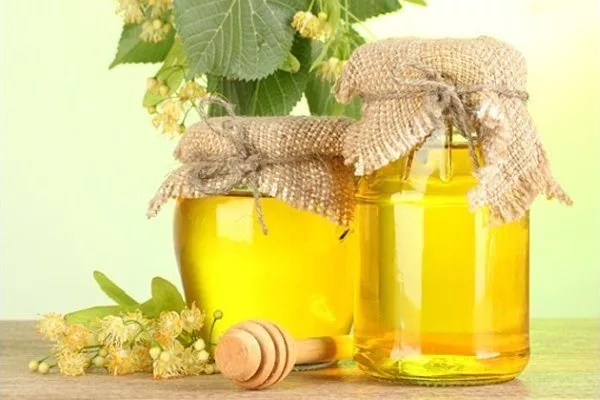
One of the most valuable types of honey, linden honey is considered particularly healing, and many consider it a panacea for all ailments. The honey's source is the flowers of the small-leaved linden tree. The nectar is collected in June and July. It belongs to the white honey group.
Description. A clear, light-colored substance, yellow or amber, with a slight greenish tint. The aroma is fragrant, delicately floral, with woody notes. The taste is very sweet, with caramel notes. There is a slight bitterness. Depending on the honey harvest, honey is classified as:
- Far Eastern – light yellow or light amber. Fragrant, with a rich taste.
- Bashkir – colorless. When crystallized, it turns white, turning into a coarse-grained mass with a golden hue.
Benefit. A nutritious product that restores a depleted body. Benefits of linden honey:
- normalizes digestion;
- eliminates inflammation in the gastrointestinal tract;
- removes waste and toxins from the body;
- strengthens the retina;
- normalizes lipid metabolism;
- activates blood circulation;
- improves skin condition.
Caloric content. 325 kcal.
Peculiarities. Linden honey is so prized that it is often counterfeited and diluted with molasses. It crystallizes 7-9 months after collection.
Buckwheat
A valuable type of honey collected from buckwheat flowers. The nectar of this plant is rich in proteins and is considered a high-quality product.
Description. It has an extremely sweet taste. Its sweetness transitions into tartness. Its color is unusually dark, with brownish hues. It has a pleasant floral flavor. It has a hint of bitterness. It smells spicy and pungent, like buckwheat flowers.
Benefit. Buckwheat honey is rich in iron, making it recommended for conditions requiring blood restoration. It is recommended for:
- anemia;
- peptic ulcer;
- wet cough;
- avitaminosis;
- inflammatory processes.
Caloric content. 309 kcal.
Peculiarities. It crystallizes faster than other types of honey. Over time, it becomes lighter in color, and small crystals appear.
In this video, a hereditary beekeeper shares information about buckwheat honey:
Chestnut
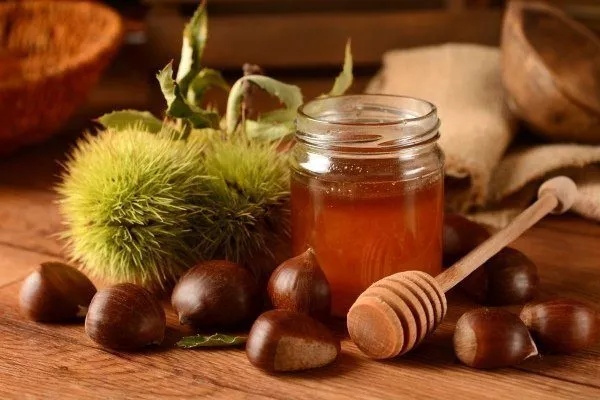
A unique product harvested from chestnut blossoms. Valued in cooking and medicine.
Description. It has a tart and bitter taste. The substance is dark in color. It smells cloyingly of chestnut blossoms.
Benefit. Recommended for:
- nephritis;
- cystitis;
- heart disease;
- bronchitis.
Chestnut honey has disinfectant properties and is used as a gallbladder cleanser.
Caloric content. 316 kcal.
Peculiarities. It can remain liquid for a long time—about two years. Counterfeit honey is made with the addition of burnt sugar. It crystallizes 2-3 years after collection. When crystallized, the substance becomes lighter in color.
Sunflower
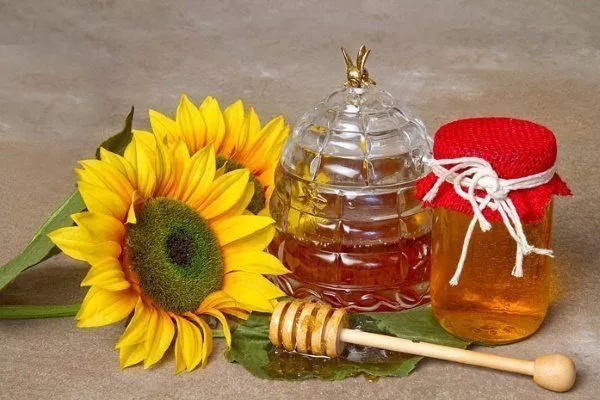
This type of honey is popular in cooking. Half of its composition is glucose. Rarely sold fresh, sunflower honey is usually easily recognized by its large, crystallized lumps. It has excellent flavor characteristics, especially when in liquid form.
Description. A light yellow, golden, or amber substance. It has a pleasant, light aroma and a fruity flavor. It leaves a cloying aftertaste of sunflower seeds.
Benefit. It is especially beneficial for respiratory and cardiovascular diseases. It removes toxins from the body and has a diuretic effect. It is recommended for those with low immunity and a weakened body. It has a positive effect on the endocrine, nervous, and vascular systems, improves metabolism, and normalizes metabolism.
Caloric content. 314 kcal.
Peculiarities. It quickly loses its liquid state, crystallizing into large crystals. It becomes lighter in color, with hints of green. It is rich in vitamins E and PP. Crystallization occurs 2-3 weeks after harvesting. The crystals are large. When crystallized, the mixture becomes light and thick.
Honeydew
Honeydew honey is not derived from pollen, but from honeydew and honeydew deposited on plants. This product is rich in phosphorus, potassium, mineral salts, and vitamins C and B. Compared to flower honey, honeydew contains more protein and less sugar.
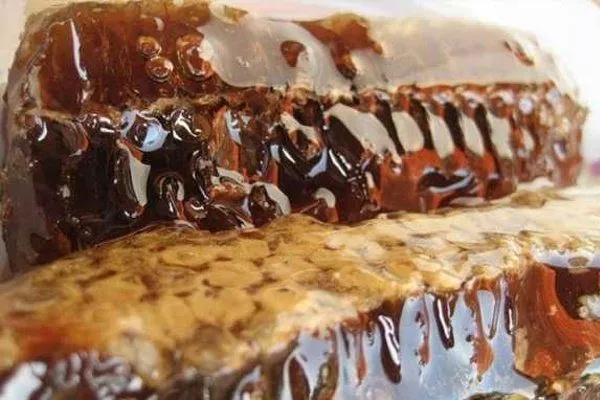
Description. It's not particularly attractive in appearance—very dark in color, with no particular aroma or sweetness. The color depends on the source of the honeydew and can be black, dark brown, dark green, or brown. It has a viscous consistency—the honey stretches like tar.
If honeydew—a sticky liquid secreted by insects—is collected from conifers, then the honey is sweet; in other cases, it's not sweet and even bitter. Sometimes, it has a malty flavor.
Benefit. Honeydew honey is an ideal alternative to dietary supplements. It is recommended for:
- atherosclerosis;
- hypertension;
- sclerosis of cerebral vessels.
Used as a preventative measure for nervous disorders.
Caloric content. 328 kcal.
Peculiarities. Crystallization is a long and slow process, lasting 3-4 months. When the process is complete, two substances are formed: a viscous one and a granular one. The fine-grained crystals are found in the sediment. This type of honey is poorly soluble in water.
Fireweed
The source of fireweed honey is the fireweed plant of the same name, commonly known as Ivan-tea. This honey plant grows particularly abundantly in Siberia and the Altai Mountains. Here, it thrives in burnt-out areas and clearings. Fireweed blooms for 30-40 days in June and July.
Description. A clear yellow substance with a greenish tint. The taste reveals notes of caramel. It smells of fireweed flowers.
Benefit. Rich in vitamin C, it's an excellent cold remedy. However, consult a doctor before use, as fireweed honey impairs blood clotting. It has a calming and anti-inflammatory effect. Recommended for:
- gastritis;
- high acidity;
- peptic ulcer;
- throat diseases;
- prostatitis;
- colds;
- constipation.
Strengthens the immune system, combats insomnia and headaches. Recommended for nursing mothers to increase lactation.
Caloric content. 316 kcal.
Peculiarities. It crystallizes two months after harvesting. After crystallization, it becomes white, thick, and grainy. The mixture resembles lard or cream. If heated, the honey will turn yellow. Unscrupulous sellers may add artificial colors.
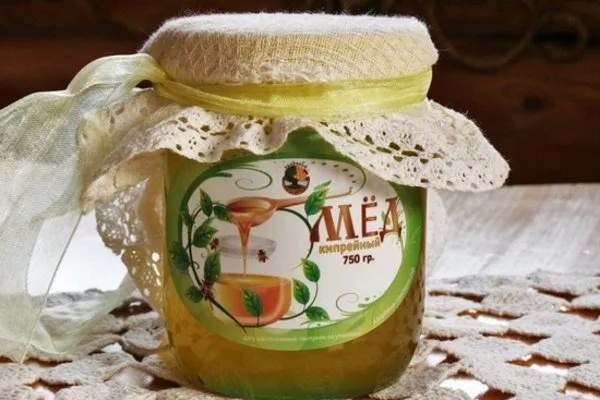
To distinguish fireweed honey from counterfeit, taste it—the white substance shouldn't crunch. If the honey crunches between your teeth, it means the bees were fed sugar, and the product doesn't have much healing power.
Floral (from mixed herbs)
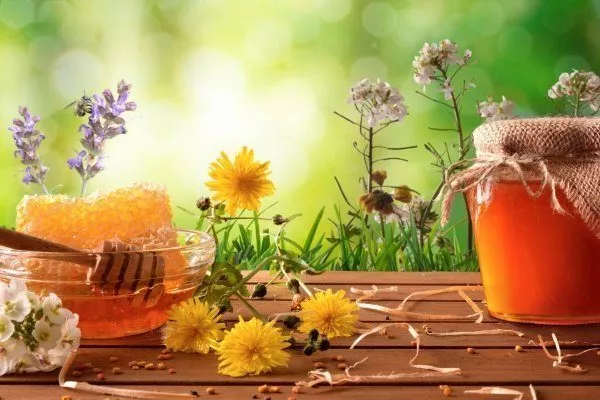
Other names include meadow honey, mixed honey, and mixed-herb honey. The product's composition varies depending on the specific flowers the bees pollinated. Bees collect nectar from the finest honey plants—oregano, sweet clover, sage, dandelion, geranium, alfalfa, ost, clover, St. John's wort, and other meadow plants.
Description. Golden or yellow in color, rarely amber. Sweet, with a floral aftertaste. Light floral aroma.
Benefit. It tones the body. It is used for colds, respiratory inflammations, bronchitis, laryngitis, etc. It accelerates metabolism, is beneficial for nervous disorders, and rejuvenates and nourishes the skin and hair.
Caloric content. 303-410 kcal.
Peculiarities. Sellers may add molasses, flower essence, or syrup. The crystallization time depends on the predominant honey plant. As the honey crystallizes, it becomes lighter in color, and the crystals settle to the bottom.
Sweet clover
Sweet clover is a weed that blooms in early autumn. Sweet clover can have white or yellow flowers. It is rich in glucose.
Description. A clear, amber-colored liquid. Sweet, with a slight bitterness in the aftertaste. Floral aroma with vanilla notes.
Benefit. It has an antimicrobial effect, promoting wound healing and preventing suppuration. It is useful for:
- insomnia;
- nervous disorders;
- panic attacks;
- colds, flu, bronchitis, tonsillitis, sore throat.
Caloric content. 310 kcal.
Peculiarities. It can be diluted with starch or flour. Yellow sweet clover honey crystallizes within a month, while white honey takes much longer. When crystallized, it becomes lighter in color and acquires a fine-grained texture.
A brief overview of sweet clover honey from A to Z can be seen in the following video:
Acacia
One of the most valuable varieties of honey. It's easily digestible, rarely causes allergic reactions, and is recommended for children and diabetics.
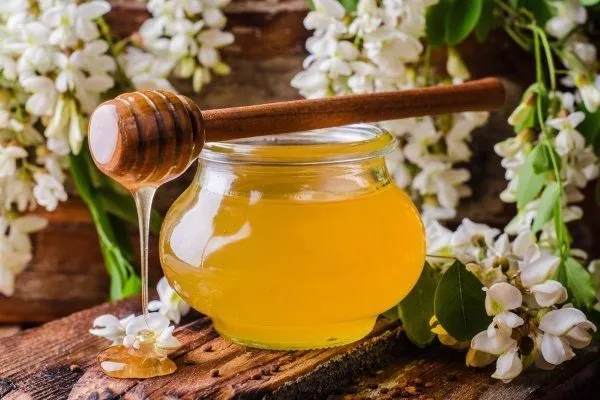
Description. Yellow acacia honey is light yellow, while white acacia honey is almost colorless. It is transparent and may have greenish hues. It has a sweet taste with a floral-fruity aftertaste and an intense floral aroma.
Benefit. Useful for low hemoglobin, colds, and nervous disorders. Reduces swelling and has a positive effect on the kidneys and liver.
Caloric content. 335 kcal.
Peculiarities. It doesn't crystallize for a long time. After crystallization, it becomes grainy. Counterfeit honey can be diluted with water and corn syrup. When crystallized, it becomes lighter in color.
Mountain
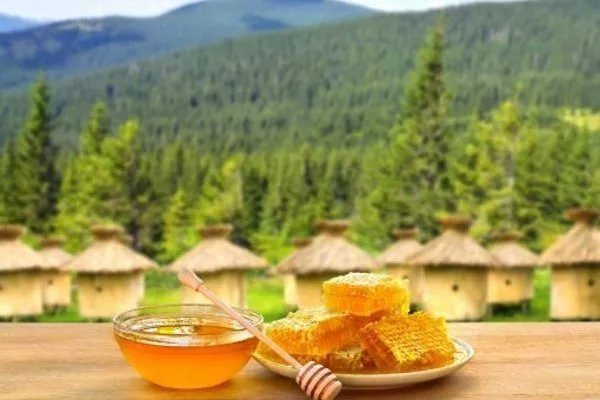
The source is mountain herbs. An environmentally friendly product. A sought-after and expensive variety. Harvested in Crimea, the slopes of the Carpathians, Altai, the Alps, and the Caucasus. The nectar is collected from clover, acacia, blackthorn, bird cherry, oregano, lavender, mint, and other plants. The resulting mixtures differ in color, flavor, and aroma.
Description. A wide range of colors—yellow and amber shades of varying intensities. The scent depends on the flowers that produce honey. Sweet with slightly bitter, tart notes.
Benefit. Contains a lot of vitamin A and carotene. Indications for use:
- stress;
- endocrine disorders;
- atherosclerosis;
- hyperthyroidism;
- diseases of the kidneys, stomach, liver.
Cleanses the body of toxins and has a calming effect.
Caloric content. 284 kcal.
Peculiarities. A white color with pinkish and greenish hues indicates a counterfeit. It quickly crystallizes, transforming from a viscous substance into a solid product that can be cut with a knife.
Wild
The most valuable product of beekeeping. Eco-friendly honey. The honeycombs are left unpacked for six months to allow the honey to become thicker and more aromatic. Hundreds of plants produce honey.
Description. The color ranges from dark brown to amber. The taste is not cloying, but slightly sour. The aroma is rich with hints of smoke.
Benefit. Stimulates mental activity, accelerates metabolism, relieves inflammation.
Caloric content. 320 kcal.
Peculiarities. Cheaper honey or molasses may be added. It becomes lighter when crystallized.
Pine
Pines have no nectar, so pine honey is a type of honeydew honey. Bees collect honeydew, a sticky liquid secreted by insects. It is collected in low mountains and foothills. It contains tannins, phytoncides, essential oils, mineral salts, and turpentine.
Description. The color is dark brown, sometimes with a greenish tint. It has a resinous, slightly bitter taste and a distinctive pine aroma. It is of medium consistency.
Benefit. Used for:
- diuretic and choleretic action;
- cholesterol removal;
- toning the body;
- prevention of cancer.
Caloric content. 316 kcal.
Peculiarities. High potassium concentration—an element beneficial for the heart. Always liquid—almost never crystallized.
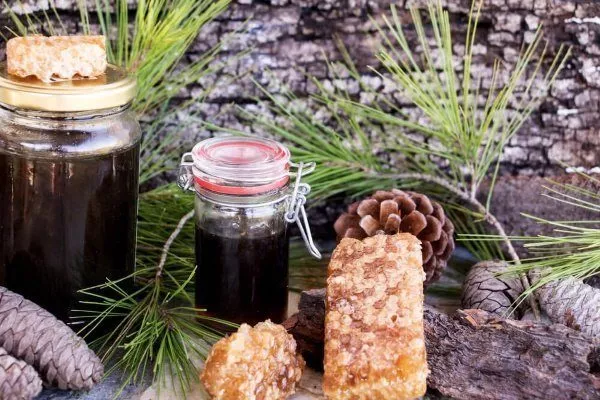
Collecting pine honey requires special conditions: it must be hot during the day and cold at night.
May
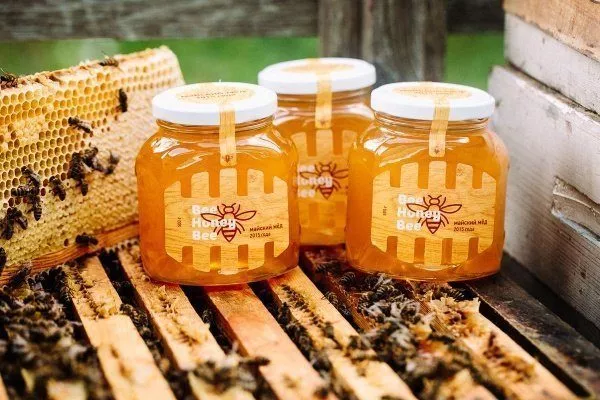
May honey is honey collected from the first flowers of spring. Honey plants range from willow, maple, bird cherry, currant, sage, apple, strawberry, and others. It's harvested in May and early June.
Description. The color and flavor depend on the honey plants. Clear, often yellowish, with a greenish tint. Sweet, without being cloying. Fruity notes in the aftertaste.
Benefit. It invigorates and improves mood. It treats boils, speeds metabolism, is beneficial for nervous disorders, and helps with sore throats and other throat ailments. It has anti-inflammatory, analgesic, antibacterial, and hemostatic properties.
Caloric content. 304 kcal.
Peculiarities. It becomes especially valuable 4-6 months after harvesting. Sugar formation begins only 9 months after extraction.
Cedar
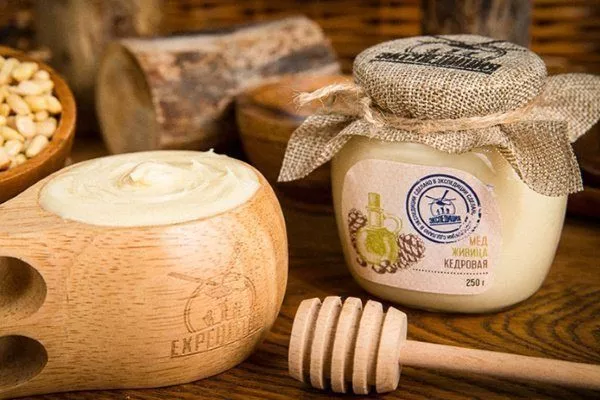
Several varieties of honey are called cedar honey: honeydew, honey with cedar resin, and honey mixed with pine nuts. The most common variety is honey with resin. Cedar oil may be added to it.
Description. The color ranges from light to dark amber. There is no bitterness. The aftertaste is pine-like. It smells of fruit and flowers, with hints of pine.
Benefit. Helps with dermatoses, respiratory diseases, colds, vitamin deficiencies, wounds and burns, and for massage.
Caloric content. 303-330 kcal.
Peculiarities. Counterfeits are often thickened with starch and crystallized at the beginning of winter.
Cellular
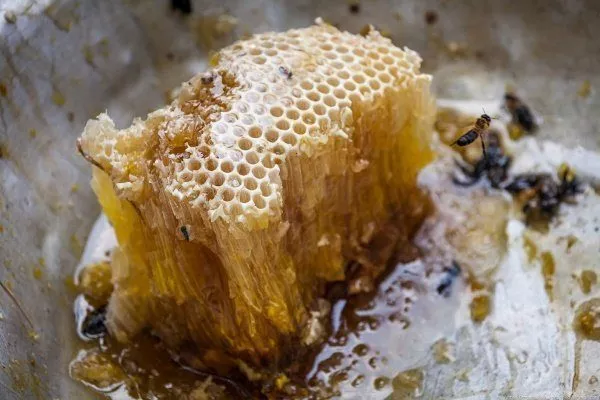
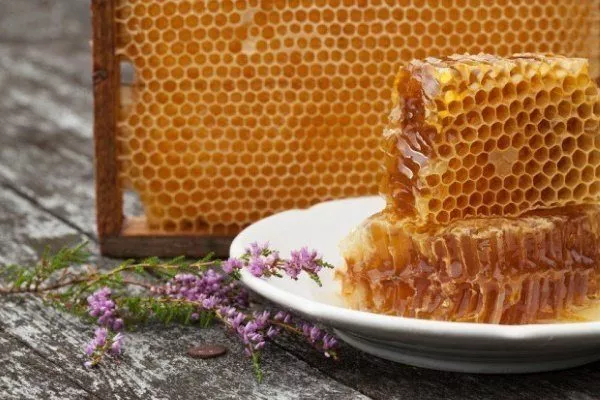
Honey flowing from cut honeycombs is the best and healthiest delicacy. Honey in the comb has a special healing power compared to its pressed counterpart. Comb honey is much more expensive than regular liquid honey.
Comb honey has an indefinite shelf life—it was even discovered in the Egyptian pyramids. This is due to its powerful disinfectant properties, which kill bacteria, microbes, and mold.
Description. The color, aroma and taste of comb honey depend on the honey plant.
Benefit. Strengthens the immune system, treats colds, intestinal disorders, gastritis, liver disease, and nervous disorders. The wax in which comb honey is stored contains pollen and propolis particles. Chewing the wax strengthens the gums and the immune system.
Caloric content. 329 kcal.
Peculiarities. It's adulterated by adding molasses, sugar, and essential oils. It crystallizes gradually. When it crystallizes, it becomes very thick.
Black
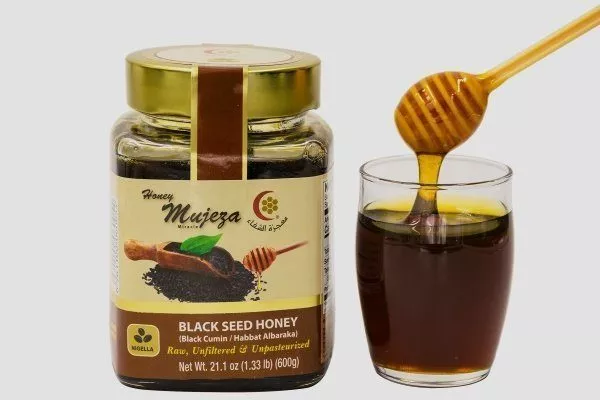
Honey can be black if it's honeydew or if the honey plant is black cumin. But the latter only applies to Egypt. Such honey isn't harvested in Russia, and Egyptian honey is incredibly expensive.
Description. The color is dark chocolate. The taste has a slight bitterness. Pleasant aroma.
Benefit. It treats diseases of the respiratory system, has an anti-inflammatory effect, causes a diaphoretic effect, and is useful for diseases of the liver, stomach, and gallbladder.
Caloric content. 310-320 kcal.
Peculiarities. Artificial colors may be used to give the product a black color. It doesn't crystallize for a long time; once crystallized, it turns brown and barely brightens.
Sugar
This honey is made by bees from sugar syrup provided by the beekeeper. This product has no medicinal value and is not particularly valuable. It is primarily used in baking as a substitute for sugar.
Description. A light, soft yellow substance. It has a typical sweet taste and no aftertaste. It has no distinct odor.
Benefit. Absent.
Caloric content. 399 kcal.
Peculiarities. The composition does not contain fructose or glucose - there is only sucrose.
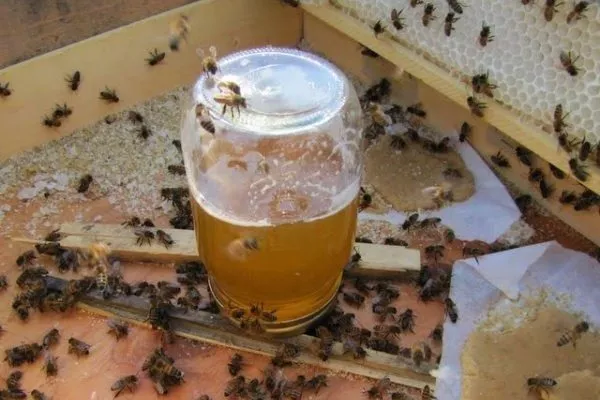
Bees eat sugar syrup instead of pollen.
Walnut
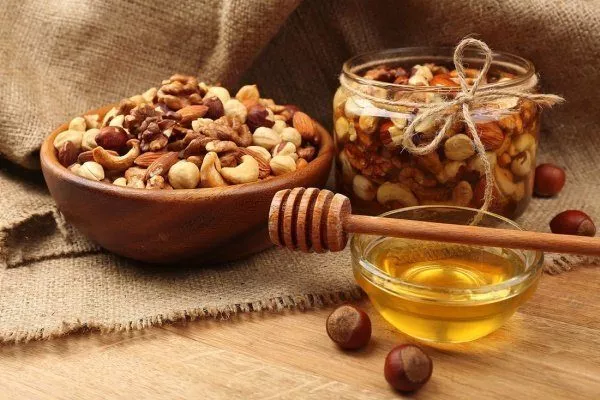
Honey mixed with nuts is widely used in pharmacology. This term refers not only to honey collected from nut plantations, but also to honey with added nuts. Both options are possible—nut nectar and nuts (hazelnuts, cashews, almonds, walnuts, or pine nuts).
Description. Dark brown color. Matte texture. Taste – with nutty notes. Faint aroma.
BenefitIt has unique properties – it relieves pain, improves potency, and has anti-inflammatory and antibacterial effects.
Caloric content. 420-470 kcal.
Peculiarities. When sugared, it thickens, acquiring a fine-crystalline structure.
Apple
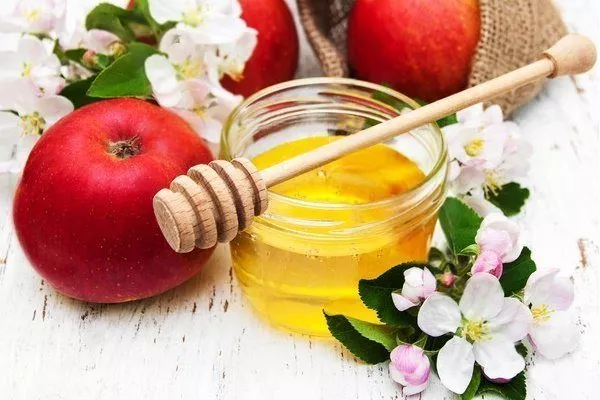
Apple honey is a rare delicacy. Single-floral honey is collected exclusively from apple blossoms. It's extremely rare to find honey without the addition of other honey plants. To harvest a barrel or two of apple honey, vast apple tree plantations are required.
Description. A light golden or amber-colored substance with a delicate apple flavor. No bitterness. The aroma has apple notes.
Benefit. Apple honey is rich in iron, rutin, and iodine. It strengthens the immune system and is recommended for cellulite and inflammation.. Rejuvenates, excellent antioxidant.
Caloric content. 62 kcal.
Peculiarities. They often counterfeit it by mixing flavorings into regular honey. It crystallizes quickly.
Pumpkin
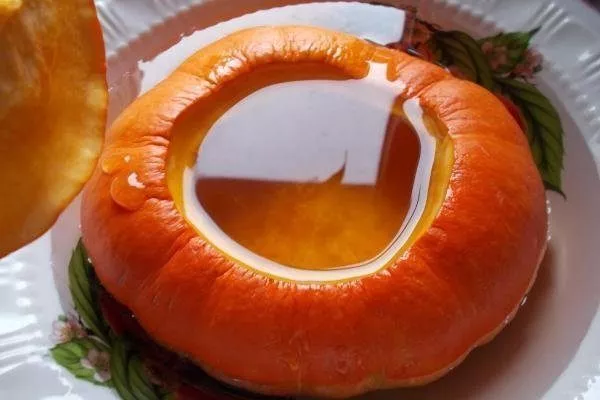
This name covers two types of honey. One is artificial, made from pumpkins infused with honey. The second, very rare, is honey collected from pumpkin melon fields. This honey is considered elite and difficult to obtain.
Description. Transparent substance of golden color.
Benefit. It has unique properties and is recommended for
- liver and kidney diseases;
- obesity;
- high cholesterol;
- alcohol addiction;
- weakened immunity.
Contraindicated in heart disease, diabetes and atherosclerosis.
Caloric content. 190-290 kcal (artificial pumpkin honey – 303 kcal).
Peculiarities. They counterfeit by adding flavorings and colorings.
Green
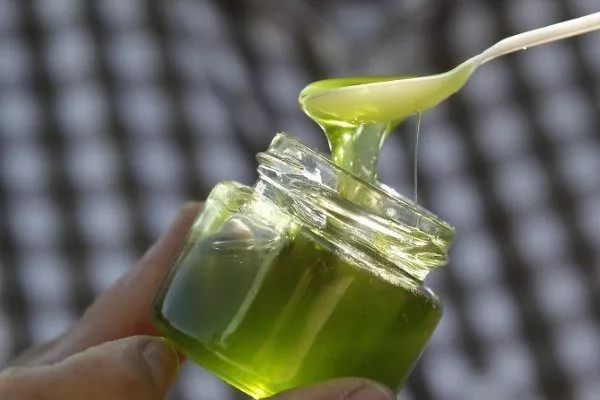
This product is based on green honeydew. When honey plants are unavailable, bees rely on tree sap and resin. The result is a natural immune booster.
Description. The green hues are dark and emerald. The taste has floral notes and a hint of bitterness. The aroma is faint, which is unusual for honey.
BenefitContains natural antibiotics. It is indicated for anemia, colds, flu, cancer, and wound disinfection.
Caloric content. 300 kcal.
Peculiarities. It's thickened with cornstarch and artificial colors. It crystallizes slowly and hardly crystallizes. It usually thickens and turns sour over time.
Intoxicated
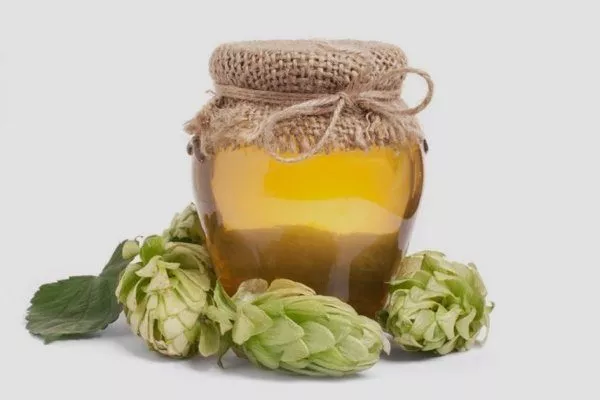
A rare type of honey. It is extracted in the Urals, Siberia, and the Caucasus. Bees collect it from hops, which produce the essential oil lipulin. Intoxicating honey is also called mead—honey infused with alcoholic beverages.
Description. Amber hues. The taste is sweet, with a hint of bitterness. It smells like regular honey. Contains resinous substances.
BenefitImproves appetite, activates gastric secretion, and has a bactericidal and fungicidal effect.
Caloric content. 300-320 kcal.
Peculiarities. There is no pure hop honey – the maximum content of hop pollen in hop honey is 6.5%.
Red
This honey is collected by wild Himalayan bees. They harvest this valuable product twice a year – in spring and fall. It is a hallucinogen and should be consumed with caution.
Description. Honey is bright red in color. Floral aroma.
BenefitRecommended in certain dosages for sexual dysfunction, diabetes, and hypertension. Antiseptic and anesthetic.
Caloric content. 316-334 kcal.
Peculiarities. The pollen of rhododendrons, a honey plant, contains andromedotoxin, a narcotic substance. Excessive doses can cause death. This product is rare and expensive. It is virtually unavailable on the market. It can be purchased through specialized websites. Honey can be purchased in China, Japan, Korea, and Nepal.
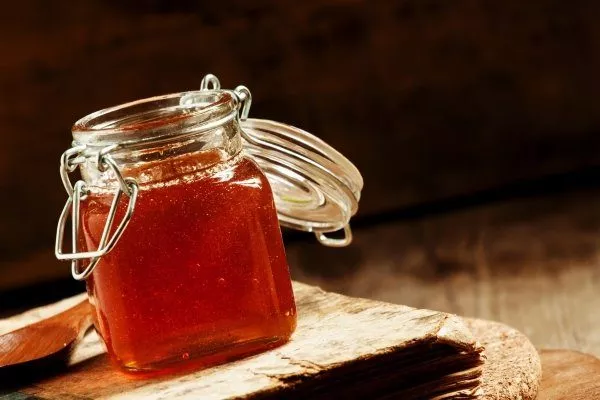
Dry
Granulated product. A moisture-free substance that retains its beneficial properties for a long time.
Description. Light cream color. Mild flavor, depending on the honey type. Light aroma. Minimally sweet.
BenefitIt's in demand in cosmetology – used to make creams, soaps, masks, and lotions. It's also used to make healing balms. It has antibacterial and antiseptic properties.
Caloric content. 300-325 kcal.
Peculiarities. It does not crystallize or become sugary.
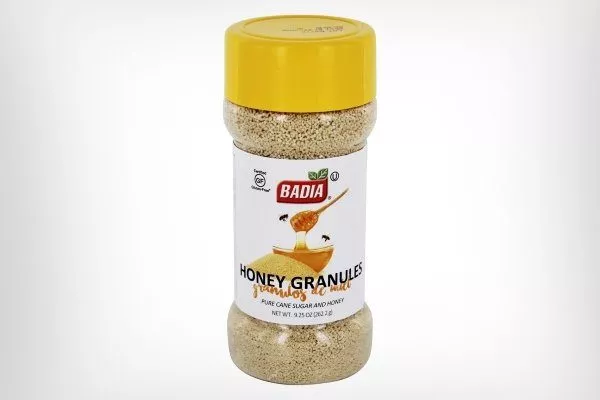
Tea
Honey plant – a shrub related to the tea tree. Origin: Australia, New Zealand.
Description. Dark brown or dark yellow in color. Refreshing aftertaste. Rich aroma.
BenefitImproves mood, invigorates, slows aging, and strengthens the immune system. It is indicated for boils, pneumonia, and meningitis.
Caloric content. 300 kcal.
Peculiarities. When crystallized, it acquires a creamy consistency.
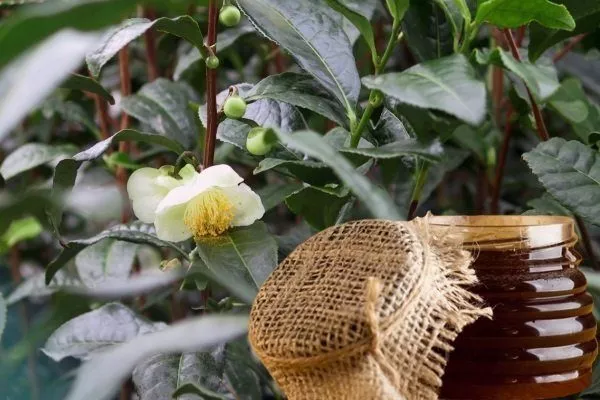
Citric
This is the name given to any honey with the addition of lemon cut into slices.
Description. Light, clear, amber in color. The aroma and taste depend on the honey, but always have lemon notes. If the lemon peel is present, there will be a hint of bitterness.
BenefitImproves gastrointestinal function and accelerates metabolism. Used for weight loss.
Caloric content. 400 kcal.
Peculiarities. If the product is stored incorrectly, it quickly turns sour.
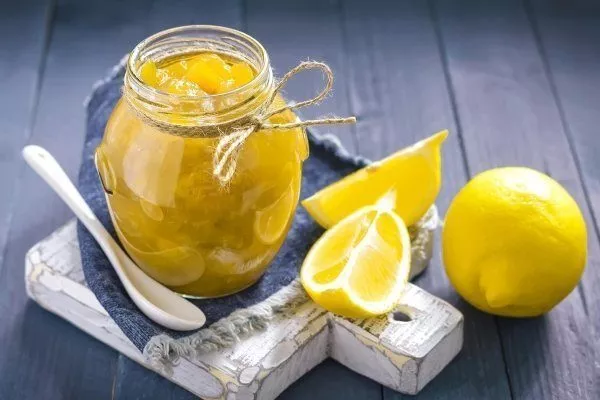
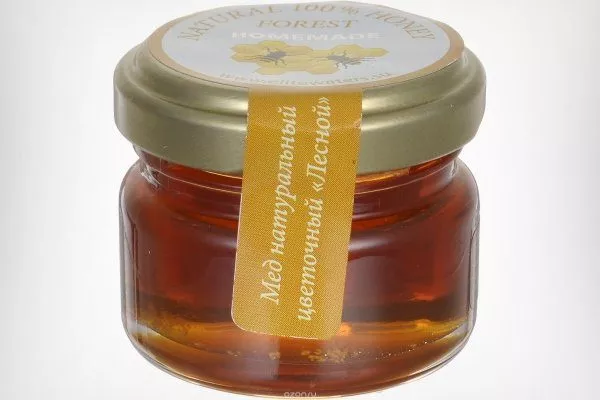
Forest
An elite variety. A polyfloral product with a high honeydew content. Harvested in the forest, the honey plants are a variety of herbs.
Description. A clear, golden, amber, or dark-colored liquid. Tart, sweet, and floral-fruity aftertaste. Slight bitterness. Rich, floral aroma.
Benefit. Accelerates metabolism, useful for nervous disorders, pneumonia, flu, bronchitis.
Caloric content. 303 kcal.
Peculiarities. They can be counterfeited by adding flavorings.
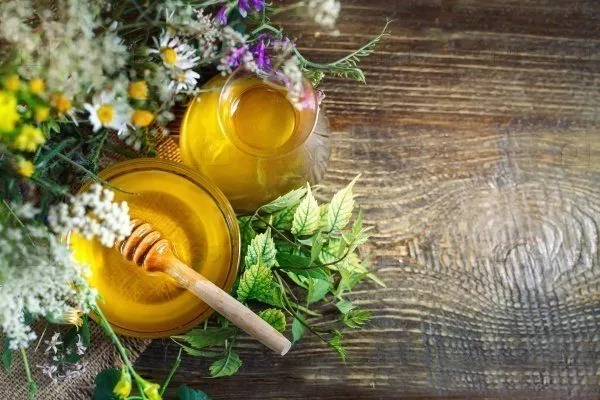
Field
Honey plants are wildflowers. Bees collect nectar from rapeseed, chicory, thyme, wild savory, chamomile, and other wildflowers.
Description. The color and flavor depend on the predominant honey plant. It can be light or dark yellow, amber, or golden.
BenefitRecommended for stomach ailments, it has anti-inflammatory and healing effects. It rejuvenates skin cells.
Caloric content. 310-325 kcal.
Peculiarities. When candied, it becomes fine-grained closer to winter.
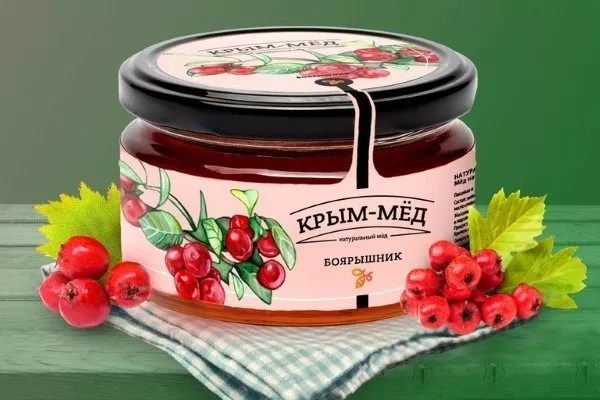
Hawthorn
A valuable and rare variety. It has unique healing properties. However, pure hawthorn honey is not available.
Description. The color depends on the main honey plants, but is generally rich and dark. There is a hint of bitterness.
BenefitPrevention of heart attacks, ischemia, and strokes. Useful for nervous disorders, colds, hypertension, tachycardia, and atherosclerosis.
Caloric content. 316 kcal.
Peculiarities. Counterfeits with added dyes and herbal essences. Crystallization occurs after about a month.
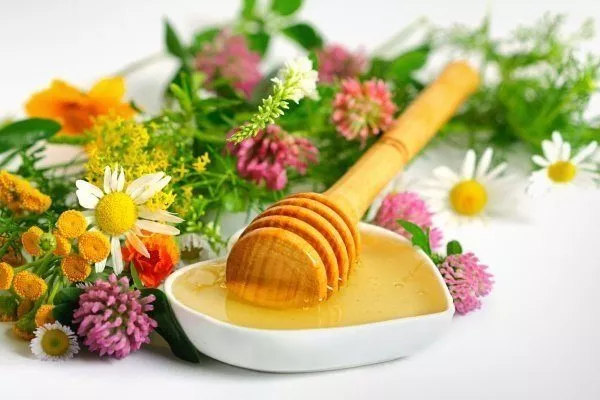
Steppe
Honey plants are a variety of steppe grasses. One of the most useful varieties. Bees collect nectar from thyme, burdock, clover, and dandelion.
Description. An opaque white, yellow, or golden substance. It has a subtle, refined flavor and a soft floral aroma.
BenefitRemoves toxins and strengthens the immune system. Helpful for colds, intestinal disorders, gastritis, gynecological conditions, and insomnia.
Caloric content. 300 kcal.
Peculiarities. When crystallized, it becomes fine-grained. Counterfeits may contain added molasses, essential oils, and flower essences.
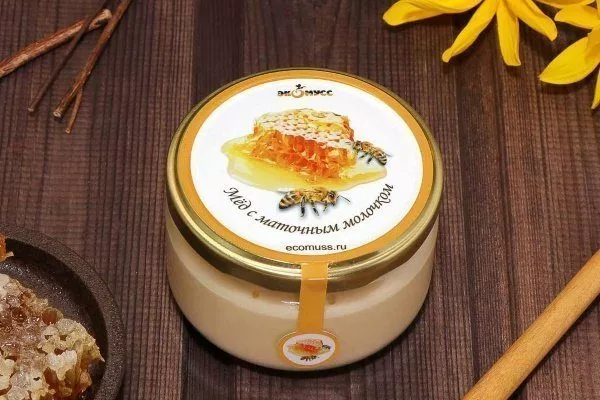
With royal jelly
Honey with added royal jelly is more beneficial than either ingredient alone. Mix them in equal parts.
Description. The color is light, usually white. Light-colored varieties, such as acacia or linden honey, are used as the base. When milk is added to them, they turn white.
BenefitUsed for hypertension. Given to children who are not gaining weight. Improves memory, appetite, and overall physical condition. Beneficial for cancer, tuberculosis, and atherosclerosis.
Caloric content. 327 kcal.
Peculiarities. To prepare the mixture, use only crystallized honey. Store in a dark jar in the refrigerator.
Other types of honey
- Capping cap. This is a rare variety of honey. It's honey that bees cap in their combs. It contains natural wax, pollen, and propolis. It has antibacterial and cleansing properties.
- Bortevoy. With propolis, wax, bee bread, and royal jelly. Cleanses the body of toxins, improves liver and gastrointestinal health.
- Black maple. Harvested from the flowers of the Tatarian maple. Similar to May honey. It has an antiemetic effect and is recommended for pregnant women.
- Dandelion. It has fungicidal and anthelmintic properties. It is obtained by grinding dandelions with flower honey. It helps with constipation, hepatitis, and flatulence.
- Cornflower. A polyfloral variety. But the main honey plant is the cornflower. It heals wounds, reduces inflammation, and restores the liver.
- Heather. Contains very little sucrose—only 0.6%. Liquid, clear, dark honey. It has a diuretic effect. Recommended for rheumatism, nervous disorders, and gastrointestinal diseases.
- Safflower. The main honey plant is safflower. The plant is grown extensively for fodder and oil. It is also used in cosmetology, for medicinal purposes, and for culinary purposes. This light yellow honey has a bitter taste. It helps with hypertension, gynecological conditions, boils, ulcers, strokes, and heart attacks. When crystallized, it acquires a creamy consistency.
- Serpukhovy. Serpukha is a honey plant rich in ascorbic acid and alkaloids. It is harvested in the Amur Region. It is an excellent energy booster, accelerates metabolism, and has healing and diuretic properties. It is light in color, with a greenish tint.
- Bruised. Its second name is "the elixir of youth." The bruise is a honey plant that blooms twice a year. It is sown specifically for its honey. Its color is amber. It relieves pain, heals wounds, and is useful for neuroses, atherosclerosis, and gastrointestinal diseases.
- Royal velvet. A mixed-herb honey harvested in Bashkiria and Kyrgyzstan. It's clear and has a floral aroma and aftertaste. When crystallized, it becomes creamy or white. Recommended for tuberculosis, sore throat, and many other ailments.
- Diaghilev. An elite variety. Angelica grows primarily in Asia and Europe. Reddish in color. Caramel flavor. Strengthens memory. Recommended for children and the elderly.
- Sainfoin. Harvested from plants of the sainfoin family. Fragrant, clear, with a hint of mixed herbs. Increases testosterone, helps with sore throat, pneumonia, and bronchitis. Strengthens the immune system and lowers cholesterol.
- Coriander. A rare variety, as bees dislike the scent of coriander flowers. Harvested in Crimea and the Caucasus, this dark honey has a caramel flavor and a spicy aroma. Improves appetite, vision, and heart function. It also has a choleretic effect.
- Maple. This variety is also called maple syrup. Maple is an excellent honey plant. The clear, amber-colored substance has a hint of bitterness. The aftertaste has woody notes. Recommended for nursing mothers, those with weakened immune systems, and men with erectile dysfunction.
- NorthernThere are few fields in the northern regions. Agriculture is less developed here, and poisons are rarely used. Nectar is collected not in fields, but in meadows and forests. It is an environmentally friendly and healthy product, significantly different in composition from varieties collected in the southern regions.
- Lavender. Mountain lavender is a honey plant. It is harvested in Crimea, southern Russia, the Caucasus, and Kuban. It neutralizes 99% of bacteria and microbes. It is dark in color and has a slightly tart flavor. It is prized in cosmetology for its rejuvenating properties. It also helps with burns.
- ✓ Check the consistency of the honey: it should be uniform, without stratification.
- ✓ Pay attention to the aroma: natural honey has a distinct floral scent.
- ✓ Check the taste: the honey should be sweet, but not cloying, with a possible slight bitterness.
Rare varieties
Beekeepers are interested in large honey yields, so large plantations form the basis of their business. Rare varieties include honey collected from honey plants that are not grown in large plantations. It is almost impossible to find this honey commercially:
- crimson;
- dandelion;
- pumpkin;
- angelica;
- apple;
- hawthorn.
It is very difficult to find honey from berry honey plants – strawberry, lingonberry, blueberry.
- ✓ Store honey in a glass or ceramic container with a tight lid.
- ✓ Avoid storing honey in metal containers: this may lead to oxidation.
- ✓ Optimum storage temperature for honey: from +5 to +20°C.
Elite varieties
Elite varieties include both light and dark honey. Elite varieties contain over 80% fructose and glucose. These varieties include:
- heather;
- clover;
- buckwheat;
- sainfoin.
Medicinal varieties
Every type of honey, except sugar honey, has its own healing properties. Honey is selected individually for a specific purpose. In Russia, the following types of honey are considered the most valuable from a medicinal standpoint:
- lime;
- chestnut;
- buckwheat;
- sweet clover;
- sainfoin;
- acacia.
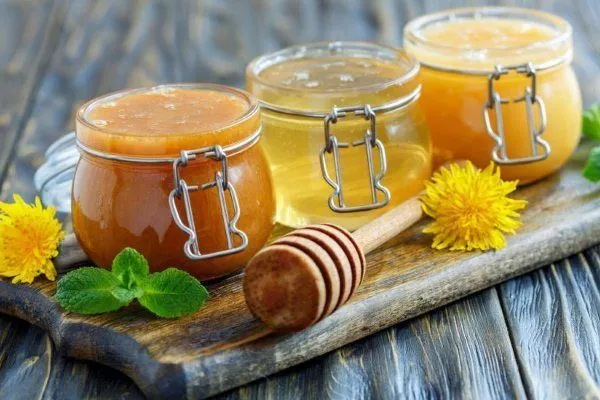
Types of honey
There are so many varieties of honey that it can be extremely difficult for an inexperienced buyer to understand them. To organize this diversity, experts have created a honey classification system that simplifies choosing the right variety.
By origin
Flowers aren't the only source of honey. Depending on their botanical origin, honey is classified as:
- Floral. This is a product of processing plant nectar taken from the flowers of trees, shrubs and flowers.
- Honeydew. This is a product of processing honeydew and honeydew.
Types of honey by honey plants
This category encompasses a vast number of varieties. All honey harvested can be divided into two large groups:
- Monofloral. Collected from a single honey plant. This group includes sunflower, acacia, buckwheat, and linden honey.
- Polyfloral. Collected from a variety of honey plants, including field honey, meadow honey, mountain honey, May honey, and many others.
If honey is named after a plant, it's not necessarily monofloral. For example, hawthorn honey is collected from various honey plants, and only a few percent of it is hawthorn.
Honey is subject to specific quality standards—GOSTs. Honey is also classified by quality indicators—grades A, B, and C.
Depending on the area
Bees can collect honey in a wide variety of climates and landscapes. Depending on where they collect honey, honey is classified as:
- Meadow. Nectar is collected from flat or alpine meadows. It is a highly valuable product, as it is difficult to collect.
- Field. An accessible polyfloral species. Nesting areas include steppe and forest-steppe zones.
- Mountain. Harvesting is difficult because it takes place in the highlands. It's more expensive than other varieties.
- Taiga. Elite honey from taiga apiaries. It has a unique composition, as it is collected from herbs that grow only in the taiga.
- Forest. Polyfloral honey collected in forested areas.
Honey is also classified by region – there are Bashkir, Siberian, Far Eastern, Altai and other varieties.
By consistency
Honey's consistency depends on its water content and, to some extent, on ambient air temperature. Honey can have the following consistency types:
- Liquid. It can have varying thickness (viscosity). Thickness depends on the weather during which the nectar was collected. The higher the humidity, the thinner the honey.
- Candied. This is crystallized honey. It can be fine-grained, coarse-grained, or creamy (lard-like). In the latter case, the crystals are so small that the honey mass appears homogeneous.
By color
The color of honey depends on the properties of the honey plants. Based on color, honey is classified as:
- Light honey. These include acacia, linden, sweet clover, and many other varieties. Light honey can be white, yellow, or amber in color. Lighter varieties are believed to contain more vitamins and microelements.
- Dark honey. These include buckwheat, chestnut, heather, rowan, and other varieties. They are thicker than lighter varieties, richer in flavor, and have a spicy bitterness.
There are many varieties of honey, and each one is a priceless product gifted to us by nature and beekeepers. Thanks to this diversity, everyone can find the one that best suits their specific needs, condition, age, or illness.
It's a pleasure to read true professionals expertly describing their product knowledge and quality. Thank you!