
Today, there are a large number of medications used to combat bee diseases. They help combat fungal infections and parasites, improve the growth of bee colonies, and enhance the quality of life of the insects. You can learn about the most popular medications and how to use them by reading this article.
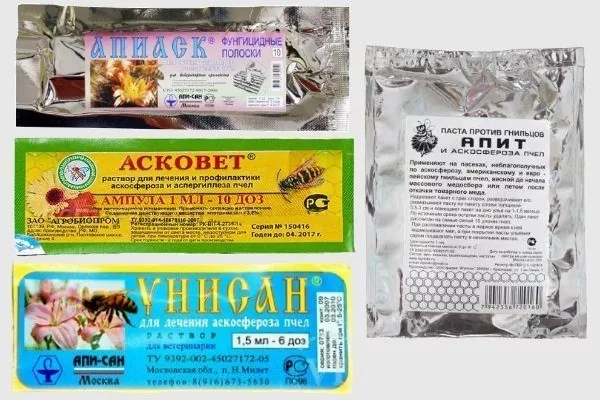
From ascospherosis and aspergillosis
Ascospherosis and Aspergillosis are fungal diseases that can most often be found in insects in the spring and summer.
- ✓ The ambient temperature should be at least 15°C for most preparations to avoid stress on the bees.
- ✓ The humidity in the hive must be controlled, high humidity levels can reduce the effectiveness of the drugs.
Among the drugs that can be used for treatment:
- Apiaks. Used after completion main period of honey collectionTo begin, treat one hive to determine the bees' reaction to the product. Full results are achieved after 2-3 treatments, with a week's interval between each. It comes in strips and should be secured between frames.
It costs about 50 rubles. Lavrasan and Mikosan have similar properties. - Apilinol. Apply in autumn when there is no broodBefore treatment, ensure the hive is in the shade and the temperature does not exceed 20 degrees Celsius. Effective results can be achieved with two treatments, separated by two days.
Costs 150 rubles. - Apit (plates or paste). Can be used in the spring before the honey flow. Repeat treatment after the honey extraction process is complete. Before use, cut the bag open and place it on the bottom of the hive. Wait for two months, checking periodically to ensure the product has not cracked.
You can buy it for 80 rubles. - Askotsin TM "Eltos". During treatment, take a break from honey extraction for 2-3 weeks. Apply the solution by mixing it with water and spraying it on the frame occupied by the bees. Two to three treatments are performed, with five-day intervals.
Sold for 70 rubles. Ascool is used in a similar way. - Ascostatin. It is used to prepare feed. 0.8 ml of the product can produce 1 kg of honey-sugar paste. In early spring, the product can be given to bees once as a preventative measure. As a treatment, the product can be used up to 5 times with 7-day intervals.
You should ask for the price in specialized stores. - Askovet. The final treatment is carried out 14 days before the main honey flow. The medicine should be mixed with syrup and fed to the bees. To do this, dilute the medicine with water at a ratio of 1 ml to 50 ml of water and mix with the syrup at a 1:1 ratio. For one colony, 300-400 ml of syrup should be applied every 3-5 days.
Price – 35 rubles. - Unisan for bees. The product is mixed with warm water at a concentration of 1.5 ml per 0.5 liters. It is used to treat sick bee colonies. The bottom and walls of the hive can also be sprayed.
Price within 50 rubles. - Askosan. Before use, mix with powdered sugar. The ratio is 1 g of powder per 100 g of powder. Sprinkle the resulting mixture over the honeycomb. A total of 2-3 applications are required, with 1-week intervals.
Cost: 50 rubles.
From varroatosis
It manifests itself in the form of tick-borne lesions. The hives are treated against mites. for preventive purposes and as a treatment.
Effective medications:
- This medication is designed to boost bees' immunity. 1 g of the medication is diluted in 100 ml of water and sprayed onto the frames. During the spring and summer, it is used 4-5 times with 7-day intervals. In the fall, the frames should be sprayed once as a preventative measure.
It costs about 300 rubles. - Akarasan. Treatment is carried out in mid-spring. Strips with the product applied to them are attached at a rate of 1 strip per 10 frames. The end of the strip is then lit and immediately extinguished, and the strip is left in the hive for 1 hour. For severe infestations, bee colonies are treated approximately 6 times, with 7-day intervals.
It costs 70 rubles. Folbex is used in a similar way. - Aqua-flo. Dilute 1 ml of the solution in 100 ml of water. Apply the prepared solution to the hives using a syringe.
Price within 200 rubles. - Bipin (Amitraz). Mix 1 ml of the solution with 2 liters of warm water. Carefully spray the solution onto the affected bees. The first treatment should be carried out immediately after the end of the honey flow.
You can buy it for 30 rubles. A similar drug is Tactic. - Apifit. It's produced in the form of plates that are suspended between the combs. You should wait three days if no brood is observed. Otherwise, postpone the treatment.
Costs up to 100 rubles. Fumisan is an analogue. - Apistan (Fluvalinate). It comes in strip form. Place one strip per 8 frames in the hive. Wait 6 weeks afterward.
Sold for 100 rubles. - Bayvarol (Flumethrin). You can find it in strip form at specialty stores. For normally developing bee colonies, use 4 strips. If the colony is severely weakened, it's best to reduce the dosage to 2 strips. Wait at least 1 day.
It costs about 200 rubles. - Oxalic acid. Before use, prepare a 2% solution (20 g per 1 liter of water). Then, either spray the solution onto the space between frames or treat the hive using a special vaporizer. Wear a protective mask during this procedure to prevent inhalation of the fumes.
The price for 75 g of the drug is 50-55 rubles. - Formic acid. Must be ignited before use.
The cost is about 65 rubles for 100 ml.
After some time, after using the preparations, it is necessary to inspect the hive in order to detect dead mites.
- ✓ Increased activity of bees in the hive for 24 hours after treatment.
- ✓ Reduction in the number of dead bees at the bottom of the hive after 48 hours.
Learn about an effective way to treat varroatosis in bees from this video:
From acarapisosis
Another disease caused by mite infestations. How to treat bees for mites:
- Folbex. The strip of the preparation is lit and quickly extinguished. The hive is closed for 2 hours while the strip smolders.
The price is about 155 rubles. Ethyl dichlorobenzylate and ethersulfonate are used in the same way. - Tedion. The tablet is lit and, while still smoldering, placed into the hive, which is then closed for 5 hours. Ten treatments are required, with one-day intervals between each.
Sold in tablet and powder form. Price varies depending on the dosage form.
From rottenness
Infectious diseases are treated with the following means:
- Metasulfan. To prepare the treatment, dilute one bottle of the product in 1 liter of water. Spray the beehive frames with the prepared solution. Allow 4 days between treatments.
Costs 85 rubles. - Oxybactocide. One plate is attached to the hive for every 6 nest frames. To achieve the desired effect, three treatments are required, separated by 7 days.
Costs 120 rubles. - Endopharm. Mix 1 bottle of solution with 3 liters of warmed sugar syrup. This amount is enough for 150 frames.
The price is 60 rubles. - Biomycin or tetracycline. One liter of syrup contains 300,000 units of the preparation. The product is given to sick bee colonies as a supplement.
Biomycin costs about 200 rubles. Streptomycin can be used similarly, at a rate of 500,000 units per liter of syrup. Methicillin is diluted in the same proportions at 350,000 units. Neomycin or Kanamycin are diluted at a rate of 0.2 g per liter, and Synthomycin at a rate of 0.5 g per liter.
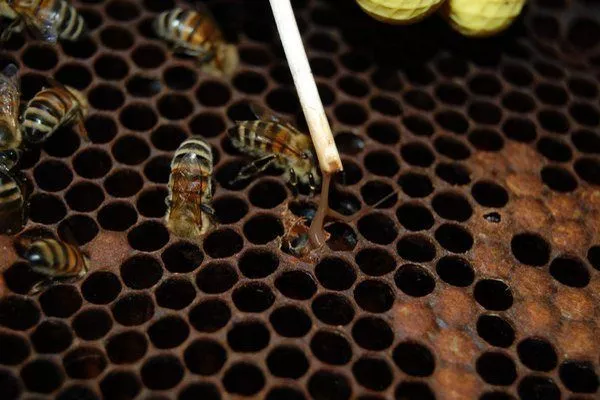
From nosematosis
Parasitic disease. Treatment is carried out using the following medications:
- Nozemaline. Use during warm spring weather, when the air temperature is above 15 degrees Celsius. Mix 1 ml of the solution with 1 liter of sugar syrup. Apply the resulting solution to the frames using a syringe. Use no more than 10 ml per frame.
The cost does not exceed 70 rubles. - Nozemapol. It is used as a feeding supplement. Pour the product into feeders or spread it on the walls of the hives. The concentration is 1 g of the product per 2 liters of sugar syrup. For severe infestations, apply twice, 5 days apart.
The price is 50 rubles. - Nosemacid. It is produced as a light yellow powder. It is used to prepare bee food. One package is enough for 5 kg of sugar-honey mixture. 250 g of the resulting mixture should be used per bee colony. A syrup can also be prepared at a concentration of one package per 10 liters. Treatments are carried out at intervals of 5 days.
It will cost 30 rubles. - Fumagillin-B. Prepare 1 kg of sugar-honey mixture from 4 g of the solution, dividing 500 g per infested colony. This should be done before the first flight. After the flight, it's best to prepare a supplementary feeding at a rate of 2 g per 1 liter of syrup. Feed the bees 250 ml of the solution every 3 weeks.
An expensive drug. 96 g can be purchased for 5,000 rubles. - Enteroseptol. Apply once after the first flight. Dilute 1 g of the preparation with 1 liter of syrup, then spray the hive.
Price: 300-400 rubles. Sulfapyridazine and Spofasol are used similarly.
For the treatment of viral diseases
For viral infections, the following medications are effective:
- Viran. Treatment should be carried out during the spring warming period. Mix 5 mg of the product with 1 liter of sugar syrup. Treat the affected bee colony four times, with 7-day intervals. Apply 500 ml per hive.
The price needs to be clarified. - Endoglucin. Dissolve one bottle of the product in 500 ml of water. Add 0.3 g of magnesium to the resulting solution. Spray the honeycombs with the bees still in them. Use 40 ml per colony. Repeat the procedure five times, with one-week intervals.
The cost is 350 rubles. - Loseval. Mix 5 ml of the medication with 1 liter of syrup. Spray approximately 40 ml per nest frame. Allow 1 week between treatments.
Costs 120 rubles.
Sick bees are placed in improved conditions and provided with higher quality feed.
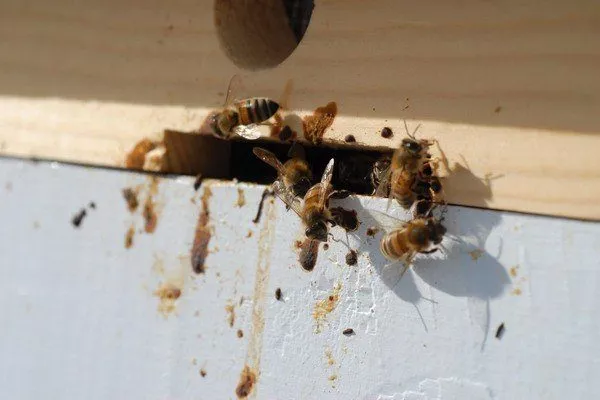
During swarming
In this case, you can use medications:
- Apisol. Used immediately before queen bee transfer or when merging multiple swarms. It has a calming effect. Mix with water at a ratio of 1:4. Spray the inside of the hive.
Costs 400 rubles. - BeeBoost. Sold as a tube containing queen bee pheromone, it's used when replacing a queen bee. The tube should be opened and placed in the hive for four weeks.
The price is 150 rubles. - SchwarmLockmittel.Essential for attracting bee swarms. Apply a small amount to a cotton pad, then apply the product to the graft inside and outside the hive. After rain, reapply the product to the outside of the hive.
Can be purchased for 400 rubles.
Stimulant drugs
The following means are used:
- Salvolat. Helps accelerate brood production. Add to bee feed. Use in mid-spring. It's best to do this in the evening, as the medication can cause excessive excitability in bees. Use 1 teaspoon of the product per 1 liter of sugar syrup.
Costs 500 rubles. - ApiVir. It can be used not only as a stimulant but also as a therapeutic agent. It is also used as an antiviral medication. It is dissolved in sugar syrup and then sprayed onto nest frames.
It costs 100 rubles. - Aquafeed. Suitable for use year-round, but best results are achieved by administering the product to bees before wintering. It contains beneficial substances and vitamins essential for healthy bee function. Mix one packet of the product with 10 liters of water and give the bees a drink.
You can buy it for 50 rubles.
Learn how to get rid of bee diseases in your apiary from this video:
For disinfection
Popular means are:
- Api-Helacid. The hive and all other beekeeping products are treated with the solution. The solution is evenly distributed over the surfaces, after which the hive is closed for 15 minutes. Then, ensure complete ventilation. It is recommended to carry out the treatment at above-zero temperatures.
The drug is sold for 250 rubles. - Disinfecton. The spray bottle makes it easy to distribute. After treatment, close the hive for 1 hour, and wrap all equipment in transparent film. If the contamination is severe, increase the time by another 30 minutes. Ventilation of the hive is essential.
The price of the product is 150 rubles. - ApiArgol. Created on the basis of extract propolis and silver ions, making the product highly effective. It combats most bacteria and viruses. After spraying the product on the affected area, wait 15 minutes.
It costs about 500 rubles.
Precautions for use
Some precautions to consider include:
- Toxicity of some drugs for bee colonies. That's why it's important to choose the right time of year to apply the medication and the appropriate concentration. Normally, no more than 1 g of the medication should be applied per two nest boxes.
- The emergence of drug resistance in some parasites. Research shows that with frequent use of the same product, pests can develop immunity to it. Therefore, as a preventative measure, it's sometimes necessary to switch medications.
- Compliance with instructions. Do not increase or decrease the dosage or increase the frequency of administration on your own. Since any medication has a negative impact on bees, its unjustified use can lead to the rapid death of entire colonies.
- Correct handling of drugs. It is best to combine medications with liquid only outdoors to avoid inhaling harmful fumes.
- Honey contamination. During processing, particles of the medicine used may remain in the honey.
To avoid contamination, it is necessary to carry out treatment with the medicine before or after honey collection.
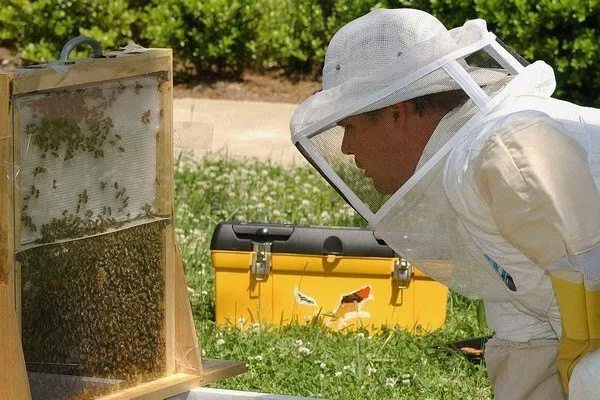
- Use of equipment. Some medications can be toxic, so the use of a special protective mask is necessary. Furthermore, some products increase bees' aggressiveness, so the use of a protective suit and gloves is essential.
- Watching bees. Some bees may avoid the drug or react to it slightly differently than others. Therefore, it's important to constantly monitor the insects' behavior after administration.
List of prohibited drugs
Drugs that are not recommended for use in treating bees due to their increased toxicity include:
- Fumagillin-DCGA Hungarian drug with this name is banned.
The drug Fumagillin-B, produced in Canada, is suitable for use.
- Levomycetin. Another name is Loramphenicol.
- Nitrofurans.Synthetic antibiotics with many contraindications and adverse reactions.
- Steroids. Hormonal drugs.
Any antibiotics should be administered to bees with caution, as they can negatively impact the quality of the honey produced. In many European countries, antibiotics are prohibited for the treatment of bees.
When choosing a bee treatment, extreme caution is essential to avoid harming the bees or damaging the quality of the honey. As a precaution, carefully follow the instructions and use protective equipment.