
The main advantage of artificial insemination of pigs is the increased litter size per boar, as the same amount of semen is distributed to several sows rather than just one. This method is used on both large and small farms, but can also be used at home.
What is the process of insemination?
Artificial insemination requires semen, a sow, and special instruments that are placed in the sow's vagina to deliver pre-prepared sperm.
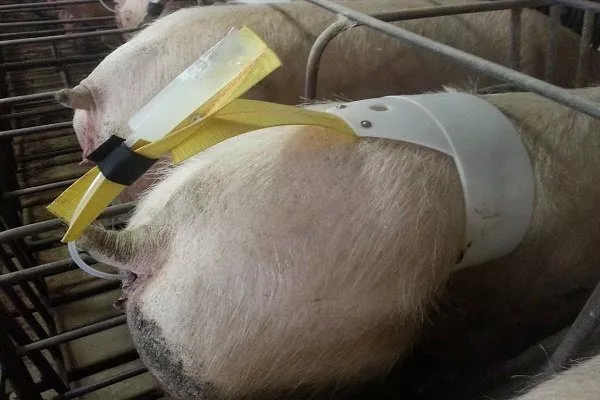
The key is to accurately calculate the ovulation period, that is, the time when the female is in heat. Semen parameters are also important—if they are not met, conception will not occur.
Requirements for sperm:
- the minimum dosage per female is 250 ml, the maximum is 500;
- sperm concentration per 1 ml – 0.1-1 billion;
- the level of sperm activity on a 10-point scale is 7-8;
- immature germ cells – 9-10%, pathological units – 15-20%.
The collected genetic material is stored frozen. Failure to follow these rules will result in the loss of the sperm's key properties.
Pros and cons of the procedure
Artificial insemination of sows increases productivity and allows for healthier offspring, as problems that arise during natural mating are eliminated.
One boar is capable of fertilizing about 500 pigs per year.
What are the advantages of artificial insemination?
- it is possible to select genetic material based on the breed and color of animals;
- no need to purchase expensive equipment;
- you won't have to take into account the weight of the female and the male (if mating occurs, you can't allow the sow to be much heavier than the sow);
- the risk of infection with sexually transmitted pathogens is reduced, since there is no direct contact;
- several sows can be inseminated at the same time, which means that farrowing will occur at regular intervals (7-10 days), which in turn simplifies the process of caring for small piglets;
- a jar of sperm can be stored for several years (depending on storage conditions), so you can save the semen of a specific boar (breeding boar) in advance;
- Only high-quality sperm are used for artificial insemination, so conception will occur 100%;
- sperm accurately reach the areas with eggs, whereas during natural mating this happens only 5% of the time;
- the quality of the entire herd improves in a short period of time;
- Inbreeding, that is, when close relatives are crossed, is not allowed;
- control is carried out - a specific time for insemination and birth is selected;
- money is saved, since there is no need to raise the inseminator yourself.
The method has significantly fewer disadvantages and they mostly apply to beginners:
- If you don’t have your own experience with artificial insemination, you will have to hire a specialist for a fee, and in large farms he is hired for permanent work;
- If the inseminator is inexperienced, there is a risk of harm/injury to the animal;
- cash costs for a sperm bank.
A separate disadvantage for large farms is the need to build a separate pigsty specifically for insemination, and to purchase equipment in large quantities (on medium and small farms, 1-2 stalls are enough).
Selecting a sow for insemination
To ensure successful insemination, it's important to select the right females. The primary requirement is the sow's age. She should be at least 4 months old, as this is when sexual maturity occurs. However, experts recommend inseminating a sow no earlier than 9 months of age, as she must be fully ready to bear offspring.
- ✓ Check the history of previous farrowings for the number and health of piglets.
- ✓ Ensure that there are no genetic diseases in the pedigree.
Be sure to take into account the breed type in terms of early maturity - there are animals that mature earlier or later.
What influences the choice of a sow:
- Breed value - carefully study the pedigree, and if this is not possible, observe the female for some time to identify the animal's special qualities;
- type of pig variety, based on the purpose of breeding - for meat, lard or meat and lard use;
- health – the sow should be hardy, rarely get sick, without congenital defects, etc.
It's important to determine a sow's readiness for fertilization. A sow ready for mating changes its behavior:
- calmly allows you to touch your genitals (they increase in size);
- if she sees a boar, she starts to grunt and squeal loudly;
- decreased appetite;
- aggressiveness towards other relatives increases;
- becomes restless.
Methods of insemination of pigs
There are two main methods of artificial insemination of pigs: fractional and dilute. The difference between the methods lies in the technology of semen injection, so each farmer determines the most optimal option.
Insemination with diluted semen
This method involves diluting boar semen with sperm. The recommended dosage for one measure of the finished product is 4 to 5 billion units, but the amount is calculated before administration: 1 ml of liquid is required per 1 kg of the sow's weight. Ensure that the total dosage does not exceed 150 ml per pig.
To fertilize diluted semen using the technique, a special device is used, consisting of the following elements:
- glass or plastic flask;
- tank cap;
- 2 rubber tubes.
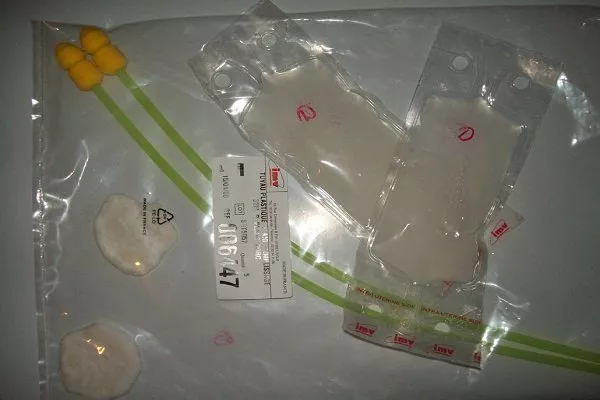
Rules of introduction:
- Just before insertion, warm the reservoir in a water bath (temperature 37°C);
- Connect the flask to the catheter using a coupling to one tube.
- Attach a syringe to the second hose. This will allow fluid to be injected into the vial without obstruction, and then moved through the catheter toward the uterus.
- Insert the catheter into the vagina until it rests against the cervix.
- Lift the flask, causing the seminal fluid to flow downwards.
If the sow begins to spasm vaginally, stop. Wait until this process subsides before administering fluid again. This most often occurs due to the use of cool biomaterial.
The procedure lasts 6-8 minutes.
Fractional method
Fractional feeding requires a device consisting of a thermostatic case, a heating tank, and an ampoule (3 units each for 100 and 250 ml). The highest dose is used for sows that have given birth, and the lower dose is used for primiparous sows.
What are the 3 tanks used for:
- 5 doses of boar semen are loaded into one;
- in the remaining two - 5 doses of diluent each.
To perform the procedure, you need a UZK-5 probe, which has a metal catheter with a rubber tip, 2 containers with tubes, clamps, and an air filter.
This method involves 2 stages:
- a small amount of diluted liquid is introduced into the upper part of the uterus;
- Only the diluent is injected.
Once the probe is inserted into the cervix, semen must be introduced through the tube. An air filter is used for this. At this point, the other tube should be clamped. Once all the biological material has been injected, the clamped tube is opened, allowing the solution to flow through.
Some devices have only one hose. In this case, the infusion is performed alternately.
Equipment, tools, materials
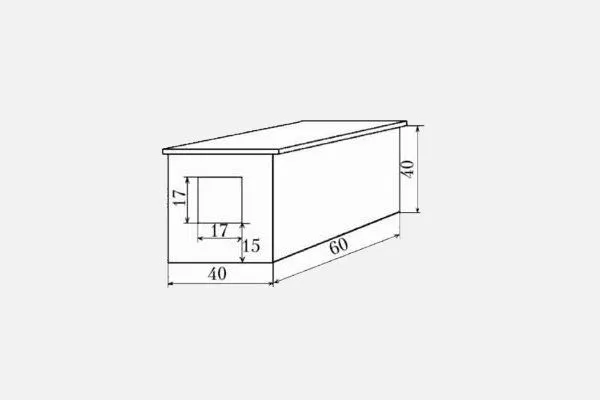
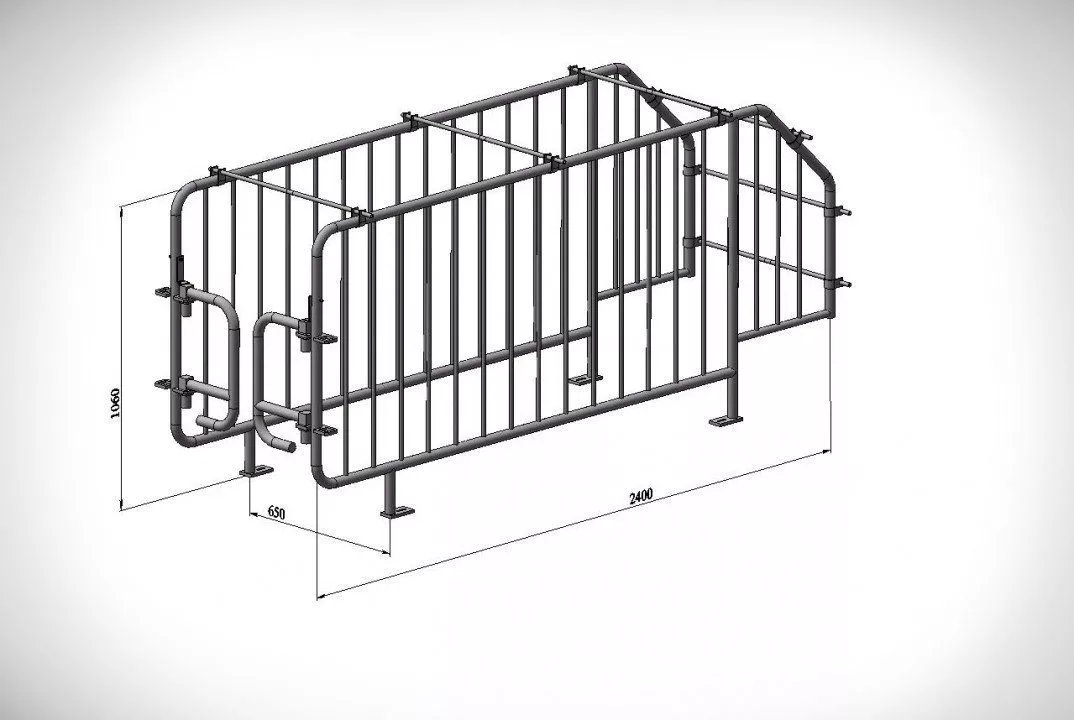
Artificial insemination of pigs requires a special device. Its primary purpose is to secure the animal during insemination, thereby preventing injury.
The machine consists of a sturdy metal structure (using tubing) with guards on three sides. The entrance is located at the rear of the machine. Any material can be used for home use, including wood and water or gas pipes.
What else you will need:
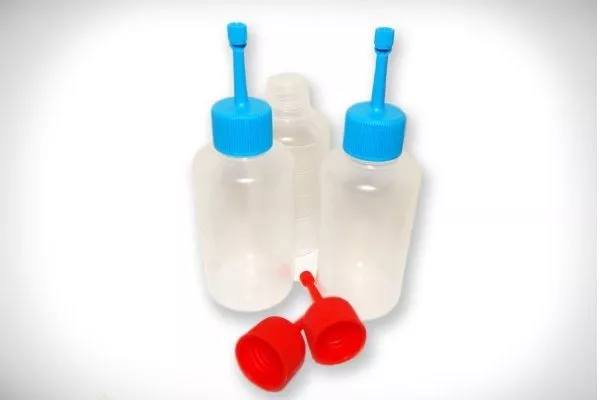
- Containers for sperm and saline solutions. It's best to use plastic materials (polyethylene), as they're easier to squeeze out.

- A pig clamp. It's made of plastic and designed to fit around the back—it perfectly simulates the presence of a boar behind the sow (when he clasps his limbs around the sow). A belt can be used at home.
- Catheters. These are used to prevent injury and infection in animals. They are soft plastic tubes, at least 75 cm long.


In addition, you will need the following auxiliary materials:
- antiseptics for disinfection;
- gel that facilitates the process of inserting tubes;
- sterile medical gloves;
- gauze, cotton wool.
Artificial insemination at home
If this is your first time artificially inseminating a sow, the best option is to hire a professional inseminator. Their experience will help you learn the correct technique. Otherwise, mistakes may be made that will prevent conception.
Deadlines
Insemination is performed only when the sow goes into heat. Adult sows are ready to breed every 18-25 days, depending on the individual characteristics of each animal.
Once the signs of the onset of fertile period are identified, it's important to closely monitor the sow, as readiness to mate does not mean fertilization will occur. It turns out that during ovulation, the sow becomes motionless. This is the time when the procedure should be performed. It lasts 1-2 days.
There are three ways to determine this:
- clasp the pig around the back;
- apply pressure to the groin area;
- mount.
After these steps, she should remain motionless. It is recommended to check her readiness twice a day – between 6 and 7 a.m. and between 4 and 6 p.m.
Collection and storage of biomaterial (sperm) from a boar
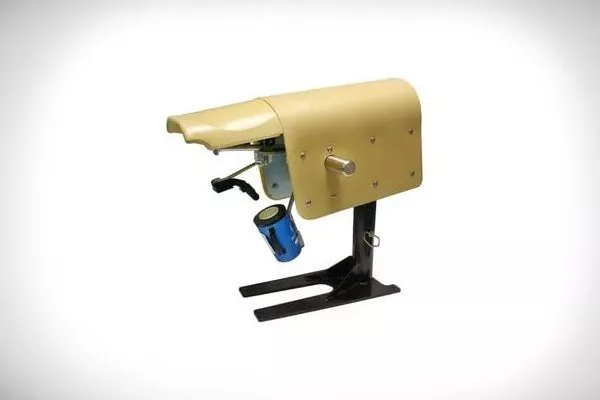
To collect biological material from a boar, he must be allowed to mate with a sow several times. Only then do they begin the process. A dummy pig is used to collect semen to simulate the presence of a sow.
Step-by-step instructions:
- Position the “doll” so that it is at the same level as the male’s eyes.
- Place a non-slip rubber mat where the boar will stand.
- Attach the “vaginal” opening to the equipment so that pressure is applied to the genital organ and at the same time it slides.
- Place an electric heater inside the stuffed animal to maintain warmth.
- Cover the hole with film (tighten the ends with a regular rubber band).
- Help the boar guide his penis into the artificial vagina. To do this, give him a gentle, stimulating massage.
- Wait until ejaculation.
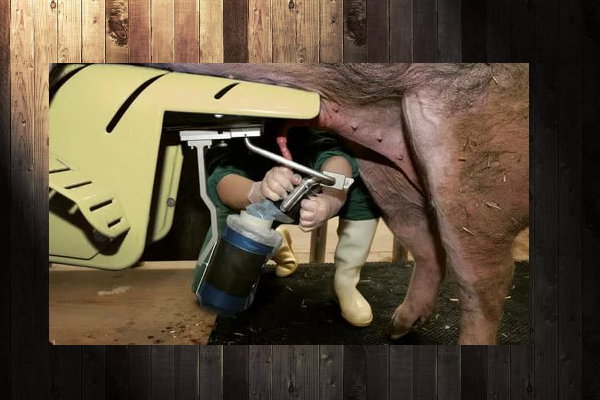
A container can be placed into the sperm collection opening on the other side, but this method is considered outdated and causes considerable inconvenience to the specialist. Therefore, an artificial vagina (the VIG design) is used.
It consists of a cylinder, a rubber bladder, and a glass sperm collector. The jar is connected to the vagina via a rubber bladder with a round opening that forces air out when biological fluid enters.
How to assemble the device correctly:
- Insert the rubber chamber inside the cylinder and secure it with rings.
- Attach the sperm collector holder, making sure the round hole is facing upward.
- Take a funnel and pour 250-300 ml of water heated to 65°C into the vagina.
- Lubricate the inner surface with Vaseline/gel, but make sure it is sterile.
- Using the tap, pump air into the hole – the chamber walls should close.
- Measure your vaginal temperature – the optimal reading is 42-45°C.
- Attach a warm sperm collector (30 to 35°C) to the filter (use gauze).
- Insert it into the stuffed animal and let the boar approach.
Preparing the sow
Successful fertilization depends on the sow's condition, so she must be prepared before artificial insemination. This requires awakening her natural instincts.
A simplified method is to bring a boar to her stall and place him opposite. But Danish farmers have developed their own unique system, now used worldwide, as not everyone has a pig on their farm.
What you need to do:
- Stroke the female on the sides, but do not simply place your hands on her back - this will be unnatural for her, so there will be no reaction.
- Move your palms first up and then down to the groin area.
- Massage the penis loop, pressing it lightly.
- Sit on top and press firmly with your legs.
- Disinfect the room and equipment 24 hours before the procedure.
- Prepare all necessary tools and materials, including sterile gloves and gel.
- Provide the sow with peace and comfortable conditions the day before insemination.
Insemination technique
Prepare the instruments in advance and disinfect them. Failure to do so increases the risk of infection of the animal's genitals. After preparing, move the sow to the stall. Maintain her position by stroking her sides. Then proceed as follows:
- Put on rubber gloves.
- Wash the pig's genitals with warm water.
- Wipe with furacilin solution and dry with a clean towel.
- Stroke the sides again.
- Apply Vaseline or a special gel to the catheter. Apply only to the head and the sides of the shaft; do not lubricate the end itself, otherwise the female will perceive the device as a foreign body and become nervous.
- Insert the rod into the vagina so that the end is slightly above.
- Gently push forward until you feel resistance. This means the tip has reached the uterus.
- Turn the catheter to the left side and turn the flask with sperm material over.
- Press in the liquid gradually.
- After 6-7 minutes, slowly remove the catheter using rotational movements.
Many breeders don't remove the catheter immediately, but remove the reservoir to keep it out of the way. This will prevent residual sperm from leaking out of the female's vagina.
Watch the video to see how artificial insemination is performed at home:
Caring for a sow after insemination
After the inseminator removes the catheter, the sow should be removed from the pen and placed in her usual stall. Do not disturb the sow under any circumstances, as she requires rest and peace.
Rules for further care of the sow:
- at least 2 hours are allocated for rest;
- after this time, you need to feed and water the female (the portion and food are standard);
- provide the room with warmth, eliminate drafts and dirt;
- the pregnant animal must be kept in a separate pen;
- During the following period, periodic walks in the fresh air and increased feeding of high-quality products are necessary.
Fertilization is checked after approximately 20-25 days. If conception has occurred, the female will behave as follows:
- will begin to eat heavily and gain weight;
- stops showing aggression towards its relatives;
- becomes calm and balanced;
- shows no interest in members of the opposite sex.
Possible complications
Unpleasant consequences arise when sanitary and hygienic requirements are not observed – infection with pathogenic bacteria occurs.
If the inseminator is inexperienced and performs improperly, there is a risk of damaging the animal's genitourinary system. Therefore, it is important to entrust artificial insemination to a specialist.
Precautionary measures
To avoid complications, follow the main rules and principles of insemination and pay attention to the following nuances:
- use only sterile materials – cotton wool, bandage/gauze, gloves;
- Disinfect instruments and parts of equipment that are inserted into the genitals;
- Do not buy used devices - this may damage the genetic material (this is caused by internal damage to the devices);
- Do not overfeed sows before breeding;
- Do not perform any work the day before insemination in the room where the female is located - this will disturb her;
- After the stimulation is complete, continue the procedure for 10-20 minutes - if you don't have time, the actions will be pointless, as she will calm down.
About costs
The most expensive is the clamping machine. Its cost ranges from 10,000 to 15,000 rubles, so many farmers prefer to build such structures themselves.
Catheters are not very expensive, ranging from 100 to 500 rubles, depending on the number of pieces in the package and the type of product. For example, a disposable version will cost the buyer three times less than a reusable one.
The cost of semen depends on the boar's breed, pedigree, quality indicators, region, etc. However, the seller plays the biggest role, so it is impossible to say exactly how much you will have to pay for one dose.
Recommendations from livestock breeders
Experienced farmers are happy to share their secrets for successful artificial insemination. Take advantage of these tips:
- If sperm comes out of the female's vagina during the procedure, stop for 2-4 minutes and slightly rotate the catheter;
- Take semen only from healthy boars - otherwise the piglets will be born underdeveloped, with defects or dead;
- Before insemination, check the vagina - if it stretches with your fingers, the sow is ready for the procedure;
- Do not replace tubes and tanks with improvised devices - you may end up in a fiasco.
If you plan to artificially inseminate your pigs on a regular basis, keep a logbook to record semen costs, the quantity and dates of inseminations, and everything related to the procedure. To ensure successful conception, strictly adhere to the key requirements and timing, use helpful recommendations, and enlist the support of a specialist.