
Sheep's milk isn't particularly popular in our country; it's consumed only in Crimea, Central Asia, the North Caucasus, and the Middle East. It's also popular in Italy and Greece. Sheep's milk is highly nutritious and healthy, and a huge number of products are made from it.
The benefits and harms of sheep's milk
Sheep's milk is considered very rich and valuable. Its caloric value per 100 grams is 108-110 kcal, but it also contains 6 to 8% fat, about 6% protein, 5% milk sugar, and just over 18% dry matter.
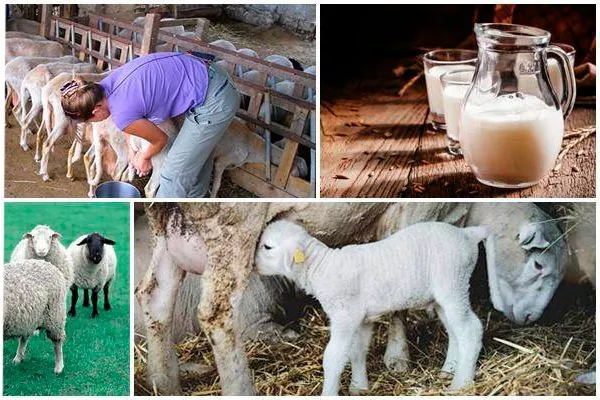
Sheep's milk contains almost the entire periodic table—micro- and macroelements, minerals, and a complex of vitamins that are considered fat-soluble, meaning they are easily absorbed by the body. Compared to cow's milk in terms of vitamin D content, sheep's milk contains 0.04 g, while cow's milk contains 0.18 g.
The composition includes polyunsaturated, monounsaturated and saturated acids, amino acids (essential and non-essential), globulin, albumin, casein and much more.
The product promotes:
- strengthening the entire musculoskeletal system;
- improving the performance of the cardiovascular and immune systems;
- restoration of hair and skin condition;
- normalization of visual acuity;
- acceleration of metabolism;
- elimination of anemia, dystrophy, anorexia, headaches, problems with the central nervous system, etc.
If we talk about harm, it can only occur after consumption in the presence of contraindications (lactose intolerance, high cholesterol, obesity, liver failure, chronic pancreatitis, gallstone disease).
How much milk does a sheep give?
Milk productivity depends on the sheep breed, housing conditions, lactation period, diet, and other factors. In our country, the average milk yield per ewe over the entire lactation period ranges from 45 to 130 liters.
When it comes to specific breeds and annual productivity, the leaders are the Ostfriesian sheep (600 liters per year), Assaf (400-450 liters per year), and Lacayune (350-400 liters per year). Raising sheep for milk is quite profitable.
How to Milk Sheep: A Step-by-Step Guide
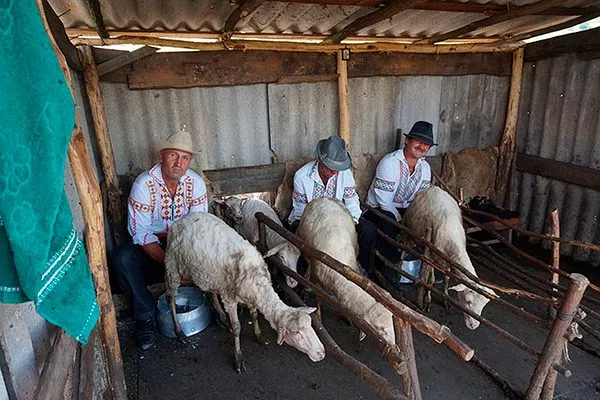
On an industrial scale, sheep are milked mechanically using two-stroke milking machines. Three-stroke milking machines, however, have proven unsuitable for sheep because they don't fully milk the female, and the milk is released more slowly. At home, milking is done manually.
- ✓ The temperature of the water for udder washing should not be lower than 35°C to avoid stress in the animal.
- ✓ The concentration of Chlorhexidine solution for treating the udder should be 0.05% to avoid irritation.
Peculiarities:
- Dairy breeds of sheep can be milked as early as the third day after lambing, but some meat breeds are only allowed to do so from the second month.
- The duration of the lactation period varies from 90 to 200 days.
- Unlike other dairy animals, you can sit next to a sheep either from the side or from behind. The latter is preferable.
- The enclosure must be arranged in such a way that the animal's movements are limited on the sides.
- Before the first milking, it's important to have two people present. One will milk, and the other will hold the animal's head. This is necessary because sheep are not easy-going animals—they'll need to be trained to have a human extract the milk, not the lamb.
- It is easiest to milk a sheep if it eats during the process.
| Processing method | Solution concentration | Exposure time | Efficiency |
|---|---|---|---|
| Chlorhexidine | 0.05% | 30 sec | High |
| Iodine solution | 1% | 60 sec | Average |
| Soap solution | — | 120 sec | Low |
How to milk a sheep correctly – step-by-step instructions:
- Place a chair behind the sheep.
- Thoroughly rinse the udder and teats. Many sheep farmers use a chlorhexidine solution to simultaneously kill bacteria and prevent inflammation in the sow. However, be sure to rinse with clean water after this treatment.
- Coat the teats with regular vegetable oil or any pet milking cream. This will prevent cracks and make the process easier for the milker.
- Place a milk pail (bucket) under the animal's udder.
- Massage the udder with gentle movements. Keep in mind that your hands should be warm.
- Pull on the nipple and direct the flow to the side. The first drops of milk from each nipple should flow onto the floor, not into the bucket.
- Now pull each nipple one by one and direct the stream into the milk pail.
- When milk starts coming out of the udder in small drops, stop the procedure.
For more information on how to perform hand movements, watch our video:
This is how sheep are milked on Russian farms using milking machines:
The most popular sheep's milk cheeses
| Name | Type of cheese | Cooking time | Peculiarities |
|---|---|---|---|
| Brynza cheese | Dense and brittle | Several hours/days | Moderate salinity |
| Gooda | Solid | 4 months | They are kept in wineskins made from the skins of young rams. |
| Pecorino | Granular and dense | Not specified | Increased content of vitamins and minerals |
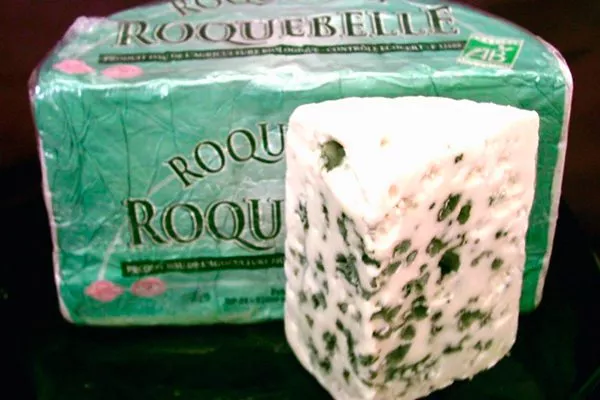
| Roquefort | With mold | Not specified | Characterized by the presence of green mold |
| Feta | Soft | Not specified | Sheep and goat milk are used |
| Chechil | Pickled | Not specified | Fibrous structure, produced in two types |
| Halloumi | Melted | Not specified | It is produced in an unusual way |
| Caciotta | Hard-grained | 15 hours | Italian cheese |
Despite the fact that sheep's milk has a distinctive aroma and flavor, it produces the most delicious cheeses. These include:
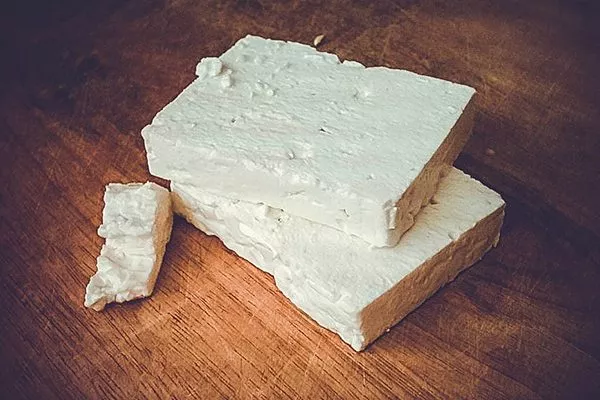
- Brynza cheese. Our most popular and long-known product. It has a dense, brittle texture and is moderately salty. It only takes a few hours or days to cook.

- Good. This hard cheese is aged for four months. Its unique feature is that it is aged only in wineskins made from the skins of young rams.
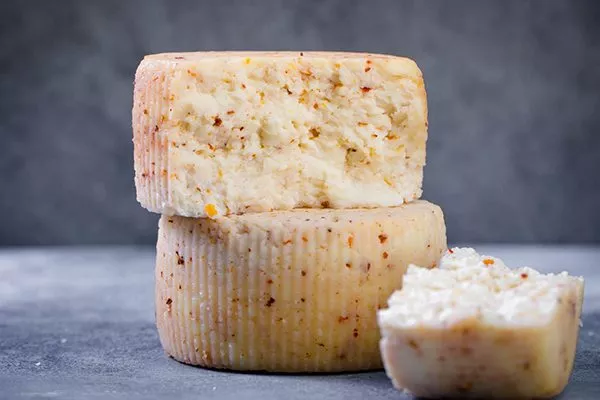
- Pecorino. This is a grainy, dense cheese with a high content of vitamins and minerals.
- Roquefort. This famous cheese was first made from sheep's milk. It is characterized by the presence of green mold.
- Feta. Its homeland is Greece. A distinctive feature of this soft cheese is that it is made using not only sheep's milk but also goat's milk.
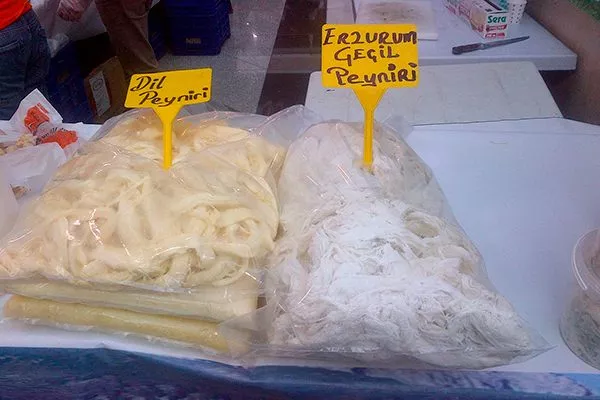
- Chechil. It's a brine cheese with a fibrous structure. It's produced in two varieties: salted and smoked.
- Halloumi. Goat's milk is also used, produced using an unusual method—melting it at high temperatures. At home, you can use a campfire, grill, or similar.
- Caciotta. This is an Italian hard-grained cheese. It takes no more than 15 hours to make.
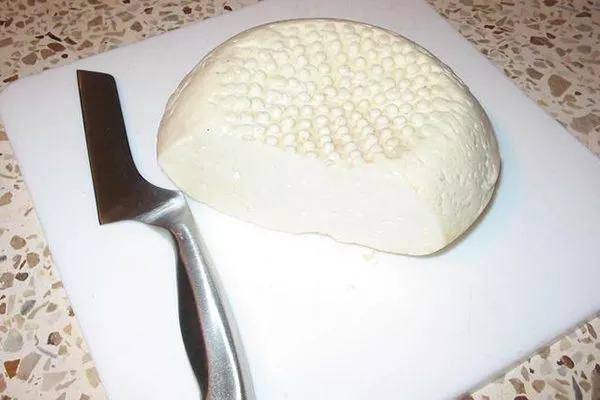

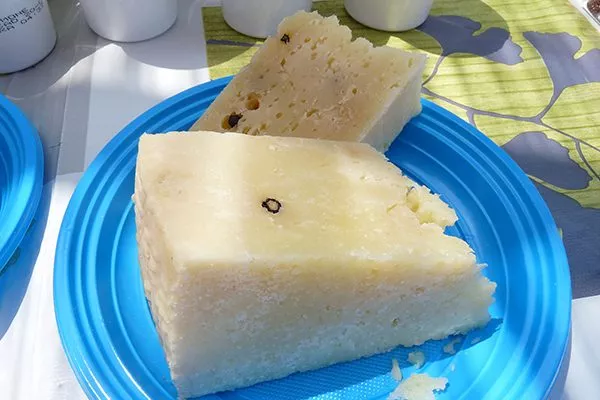

Each nationality produces its own types and varieties of cheeses, which can be discussed endlessly.
The most dairy sheep breeds
| Name | Origin | Annual milk yield (l) | Peculiarities |
|---|---|---|---|
| East Friesian | Germany/Holland | 600 | Used to make Roquefort |
| Tsigai | Asia Minor | 160 | Very strong immunity |
| Ascanian | Ukraine | 150 | Dairy and meat breed |
| Romanovskaya | Russia | 150 | Identical to Ascanian |
| Balbasskaya | Azerbaijan/Armenia | 130 | Milk yield for the warm season |
| Lacaune | France | 400 | Bred by the French |
| Assaf | Israel | 450 | Israeli breed |
| Awassi | Arabian countries | 350 | Bred in Arabian countries |
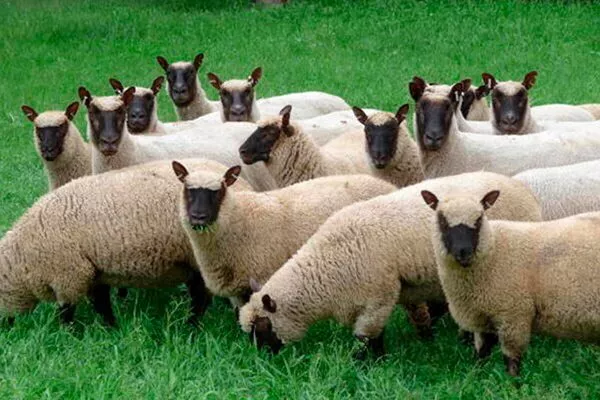
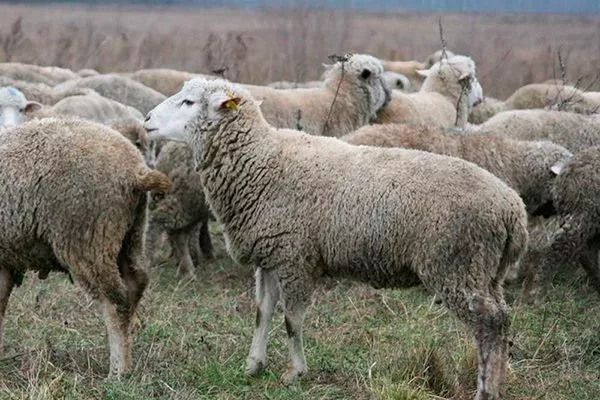
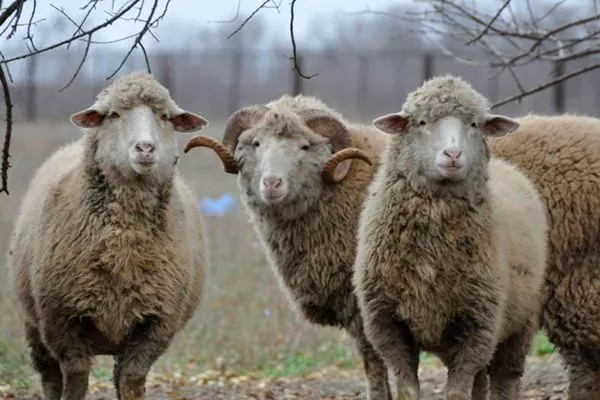
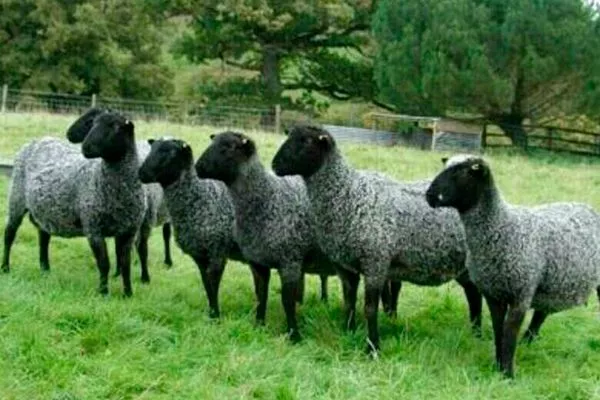
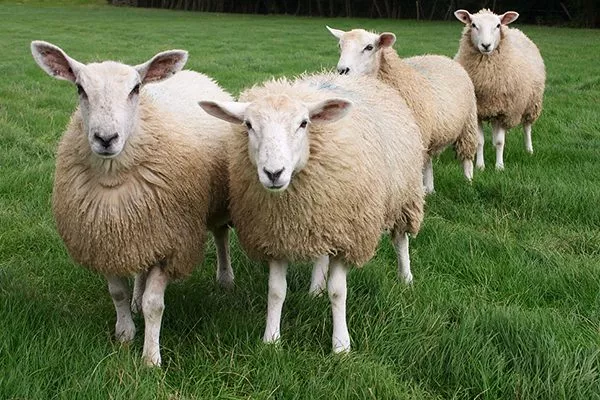
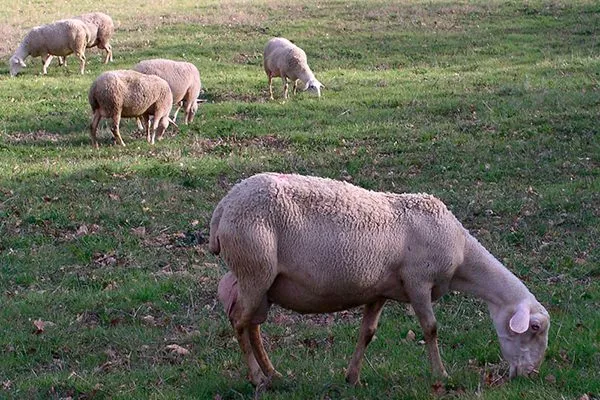
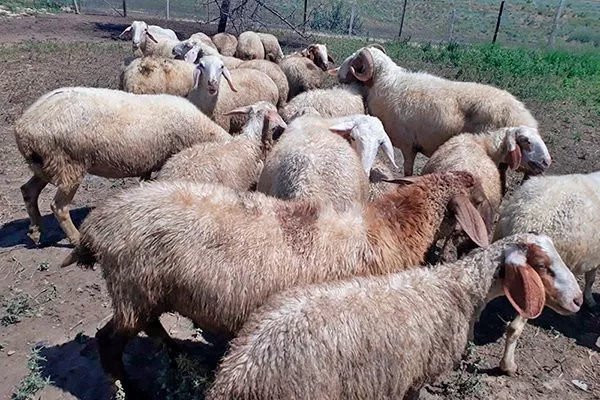
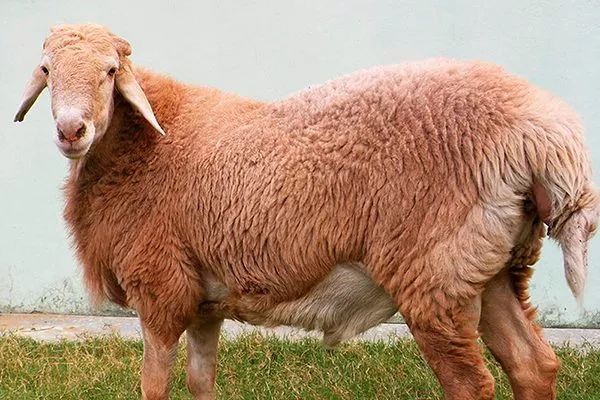
If a farmer plans to breed sheep for valuable milk, it is worth paying attention to the most productive (dairy) breeds:
- Ostfriesian (East Frisian). This breed is of German origin, according to one theory, and Dutch, according to another, and is capable of producing up to 450 liters of milk in a single lactation. It is from this breed's milk that Roquefort is made.
- Tsigai. This versatile breed produces up to 160 liters of milk during lactation. Developed in Asia Minor, it is distinguished by its very strong immune system.
- Ascanian. This is a dairy and beef breed. It produces about 150 liters of milk in 3-4 months.
- Romanovskaya. Its characteristics are identical to those of Askania.
- Balbasskaya. Native to Azerbaijan and Armenia. Milk yield during the warm season is no more than 130 liters.
- Lacaune. Bred by the French, it produces 400 liters of milk per year.
- Assaf. Israeli breed, producing 450 liters per year.
- Awassi. Bred in Arabian countries. Annual milk yield is 350 liters.
Experts say that by increasing and diversifying the sheep's diet, milk yields can be doubled.
Tips for use and consumption
Sheep's milk is used to make not only cheese but also many other fermented milk products, such as yogurt, kumiss, kefir, fermented baked milk, sour cream, cottage cheese, and so on. While the product is very healthy, it can also be harmful if there are contraindications. Therefore, it is advisable to learn about the contraindications before use.
Recommendations:
- Because milk is high in fat, it should be consumed in moderation, especially by those prone to obesity. The recommended daily intake is 100-150 ml.
- If you don't like the taste of sheep's milk, but want to saturate your body with healthy substances, eat cheeses, which can easily be made at home.
- For children, the product is introduced gradually, starting with 30-40 ml.
- Sheep's milk can be used to make masks for skin and hair.
Interesting facts about sheep's milk
Even in the times of Ancient Rus', sheep's milk was considered a medicinal product, but over time this was forgotten. However, there are other interesting facts about this product:
- In the CIS, sheep's milk was used for export back in the 80s of the last century;
- In Ukraine, after the Chernobyl nuclear power plant tragedy, a huge number of sheep were exterminated, as their wool is capable of absorbing radiation in large quantities;
- The revival of sheep farming in Russia and the CIS countries began at the beginning of the 21st century;
- It is much more profitable to make cheese from sheep's milk - it produces 20-25%, while from goat's and cow's milk it produces only 10-12%;
- Sheep's milk powder is produced on a large scale in New Zealand.
Having learned about all the characteristics of sheep's milk, it's unlikely anyone will resist the temptation to try it. Therefore, domestic farmers should learn how to milk sheep properly, select productive dairy breeds, and produce cheeses that are also highly valuable.