
Sheep farming is increasingly attracting the attention of beginning farmers, who are evaluating the potential benefits of raising these animals. Improper sheep care can lead to serious illnesses and population decline, which can lead to financial losses. One key aspect requiring attention is the vaccination process.
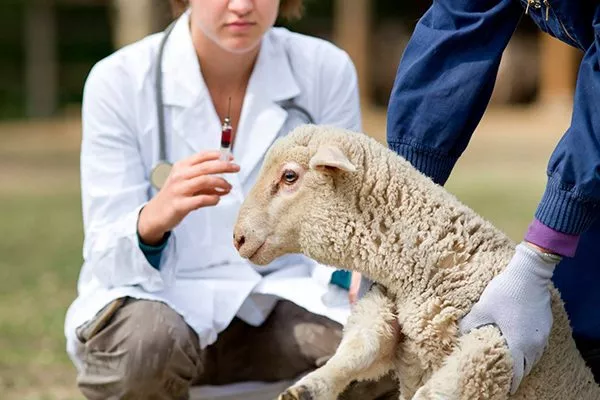
Why is it necessary to vaccinate sheep?
Preventive vaccination of sheep is an essential measure for preventing serious infectious diseases. When a virus is first introduced into the body, the immune system reacts quickly, producing antibodies to fight it.
The vaccine is a weak form of the same virus and has the primary purpose of training the body to cope with potential threats. Regular vaccination of sheep ensures their bodies are prepared to defend themselves against potential infections, which is especially important given the many potential dangers.
- ✓ Check the storage temperature of the vaccine before use.
- ✓ Ensure that sheep are healthy at the time of vaccination.
Sheep typically live in flocks, and vaccination benefits not only individual sheep but the entire flock. When 80-90% of a flock is vaccinated, infectious diseases are prevented from spreading due to herd immunity.
Mandatory and optional vaccinations
Required vaccinations for sheep depend on location, climate, farming objectives and the risk of specific diseases.
Mandatory vaccinations:
- Vaccination against clostridial infections (clostridiosis). This group of diseases caused by Clostridium bacteria includes rabies, anthrax, and others. The CD-T (triplex) vaccine is commonly used to prevent clostridiosis.
It is important for young animals to be vaccinated within a few days of birth, as overfeeding (clostridial disease) is one of the leading causes of death in infants. - Vaccination against tetanus. Tetanus is a dangerous disease, and vaccination against it is important for the health of sheep. This vaccine can be included in the CD-T complex.
Optional vaccinations:
- Vaccination against other infections. Depending on the specific conditions and risks in your region, vaccinations against other infections, such as brucellosis, paratuberculosis, streptoderma, etc., are recommended.
- Preventive vaccinations with vitamin and mineral complexes. To maintain the overall health of a flock of sheep, vaccinations containing vitamins and microelements may be prescribed.
It is important to consider the specific needs and risks of your farm when developing a vaccination program for sheep.
When and how to vaccinate sheep?
Vaccinations require a specific schedule to ensure sheep receive the correct dosage and achieve the desired effect. Maintain a strict regimen to ensure the animals' health.
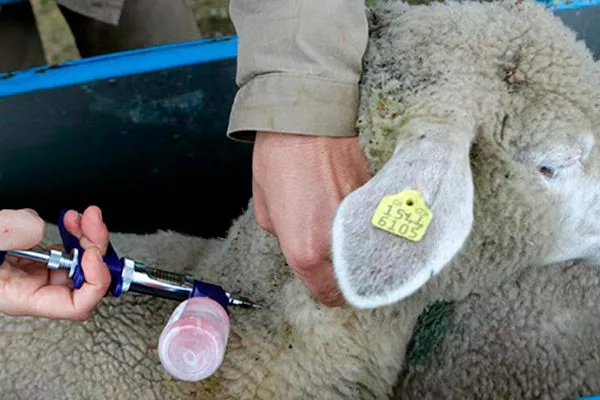
Sheep vaccination schedule
The sheep vaccination schedule depends on many factors, including climate, location, breeding goals, initial flock condition, and other factors. Below is a general sheep vaccination schedule that can be adapted to specific conditions:
- Vaccination against clostridial infections (CD-T). Ewes – 20-30 days before lambing; lambs – at 2-3 days of age; the second dose for lambs – a few months later, during weaning.
- Preventive vaccination. It is recommended to carry out this procedure at least once a quarter.
- Vaccination against other infections (if necessary). Viral arthritis encephalitis (VAE) – depending on the epidemiological situation; sheep bradsfoot – on the recommendation of a veterinarian.
- Vaccination against parasites. Vaccinations against helminths and ectoparasites are administered according to a veterinarian's recommendations and based on the results of a coprological analysis. These are typically administered in the fall and spring.
- Fortification and mineralization. It is recommended to carry out this procedure at least once a quarter, timing it to coincide with vaccinations or deworming (if injectable drugs are used).
Essential vaccines
Regular vaccination of sheep against two types of enterotoxemia and tetanus is mandatory. The CD-T vaccine, which provides protection against these dangerous diseases caused by Clostridium bacteria, is used.
This vaccination does not depend on the geographical location and age of the sheep, but special attention is paid to vaccinating lambs in the first days after their birth, since overfeeding is one of the main causes of infant mortality.
A few months later, during weaning, a CD-T booster vaccination is necessary. This will help ensure the health and well-being of the herd.
Additional vaccinations
Sheep may require different vaccinations depending on their location, living conditions, and farming objectives. Additionally, brucellosis vaccination is recommended. This preventative measure will help protect against bacterial infection.
Sheep can suffer from streptoderma, a disease caused by streptococcus bacteria that can lead to skin infections in sheep. Vaccination is administered as needed.
Another chronic bacterial disease affecting sheep is paratuberculosis. Vaccination may be considered depending on the risk level.
Features of vaccination of mothers and lambs
One of the most important aspects of veterinary care in sheep farming is the vaccination of ewes and lambs against clostridial infections and pasteurellosis. These measures are an integral part of ensuring the health and safety of the flock.
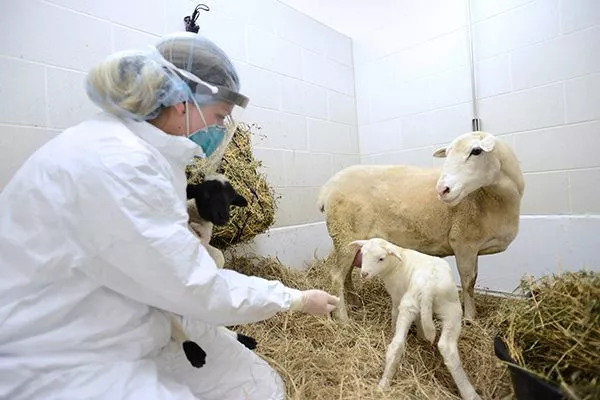
Clostridial infections:
- The purpose of vaccination. Protection against several types of clostridial infections, such as sheep and gypsum-silica tetanus, pneumogastric tetanus, intestinal and gastric anthrax, and other subtypes of clostridia.
- Age of queens. Ewes are usually vaccinated 4-6 weeks before lambing to transfer immunity to the lambs through milk.
- Lambs. Lambs are vaccinated at 4-6 weeks of age and again at 12 weeks of age. Subsequently, regular booster vaccinations are administered every 6-12 months.
- Preparation. Usually, a combination vaccine preparation is used that provides protection against all the above types of clostridia.
- Vaccination schedule. Ewes are vaccinated once a year, and lambs in two stages: first at 4-6 weeks, then at 12 weeks after birth.
Pasteurellosis:
- The purpose of vaccination. Protection against pasteurellosis, an infectious disease caused by the bacterium Pasteurella multocida.
- Preparation. For vaccination against pasteurellosis, specific vaccines are used, designed to protect against this infection.
Ewes and lambs are vaccinated at the same age as for clostridiosis. The vaccination schedule is also the same: ewe lambs are vaccinated once a year, and lambs are vaccinated first at 4-6 weeks, then at 12 weeks after birth.
Maintaining regular vaccination of ewes and lambs is key to preventing these infections in sheep flocks. It is important to consult with a veterinarian to develop the optimal vaccination schedule based on the specific conditions and goals of sheep breeding.
Vaccination during an epidemic
Vaccines used for sheep during an epidemic can vary depending on the nature of the epidemic, prevalent diseases, and regional factors. Here are some typical vaccines that may be used:
- Clostridial vaccine (CD-T). CD-T vaccination provides protection against several types of clostridiosis and may be important in epidemic settings.
- Brucellosis vaccine. It can affect sheep and cause abortions and other problems in breeding. Preventive vaccination of sheep against this infectious disease is a serious measure during an epidemic.
- Milk fever (Q fever) vaccine. This infectious disease can be transmitted from sheep to humans. Vaccination can help reduce the risk of infection in the flock and in people working with sheep.
- Vaccine against other infections. Depending on the region and specific epidemic conditions, other vaccines may be used, such as those against smallpox, chlamydia, and other infections.
The veterinarian takes into account specific risk factors and recommends the most appropriate vaccines and vaccination schedule to prevent an epidemic and protect the health of the sheep.
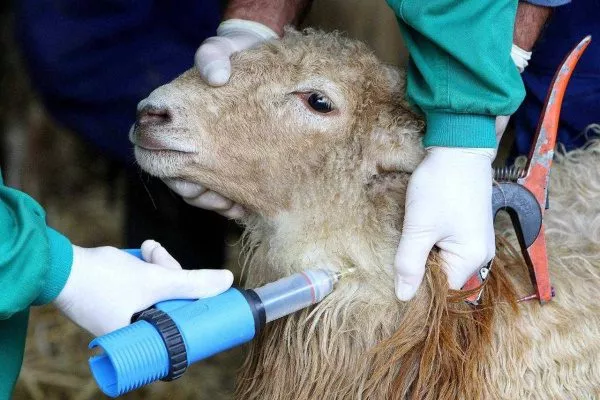
Deworming and vitaminization
Deworming, or getting rid of worms, is usually carried out twice a year: in the fall, in October-November, and in the spring, in March-April, as a preventative measure before and after grazing.
If worm infections are detected in a stool analysis, or if animals are kept in close quarters, on permanent pastures, or in stalls, deworming is recommended quarterly:
- When choosing a deworming method, you can focus on your personal preferences and needs. There are several forms of medication, including suspensions, tablets, and injections. When choosing a method, consider its convenience, affordability, and range of effects, especially if it's a preventative treatment.
- If you have symptoms of a helminthic infection or the type of helminth has already been identified in the laboratory, choose the drug that is best suited for the specific type of helminth.
- Many experienced veterinarians recommend using the injectable drug Ivermectin (for example, Ivermek, Novomek, etc.).
If you have difficulty administering injections, you can use tablets (for example, Faskocid, Gelmavet, Gelmicide, etc.) using a tablet dispenser, or administer a suspension (for example, Alben, Albazen, etc.) using a drencher dispenser.
General recommendations include:
- 20–30 days before lambing, administer sodium selenite (E-selenium) to ewes at a dose of 1 ml per 50 kg of live weight.
- Give Sedimin to lambs on the 2nd-3rd day of life at a dose of 1-2 ml per head.
- Use preventative vitamin supplements at least once a quarter, timing this to coincide with vaccinations or deworming (if injectable medications are used).
Preference is given to multivitamin complexes, such as Eleovit, or liquid vitamin complexes added to drinking water, such as Multivit. Strictly follow the dosage instructions. - Micronutrients are essential for sheep health and can be administered using products such as Sedimin. Combined vitamin and mineral supplements, such as Multivit + Minerals, are also beneficial.
- Mineral supplements are available in various forms, including powders, licks, and water additives. The choice of a specific type depends on preferences and needs.
Sheep farming is a fascinating and highly profitable endeavor, but successful sheep breeding requires proper care and, of course, timely vaccinations. These activities contribute to the growth of the flock, its well-being, and the health of future generations.